Blog Archives
Pearls from artists* # 548
*an ongoing series of quotations – mostly from artists, to artists – that offers wisdom, inspiration, and advice for the sometimes lonely road we are on.
We who work in the arts are at risk of being in a popularity contest rather than a profession. If that fact causes you despair, you should probably pick another profession. Your desire to communicate must be bigger than your relationship to these chaotic and unfair realities. Ideally, we must be even more ‘professional’ than lawyers, doctors, accountants, hairdressers. We have to create our own standards of discipline.
All of the successful artists I know are very disciplined and very organized. Even if they don’t look organized, they have their own order.
Anna Deavere Smith in Letters to a Young Artist: Straight Up Advice on Making a Life in the Arts – for Actors, Performers, Writers, and Artists of Every Kind
Comments are welcome!
Pearls from artists* # 547
*an ongoing series of quotations – mostly from artists, to artists – that offers wisdom, inspiration, and advice for the sometimes lonely road we are on.
Because solitude provides artists with a safe haven, fits their personality, and offers them a kind of communal contact with other human beings through their work, it can also serve as a breeding ground for stagnation. Without ever quite realizing it, artists can grow flaccid in isolation and begin to experience their solitude as deadening. The studio can become too easy and unchallenging a place.
The world outside the studio offers unmatched opportunities for growth and for the expression of authentic and courageous behavior. Artists often miss these opportunities and, remaining relatively untested, handle themselves poorly when they do venture out.
Eric Maisel in A Life in the Arts: Practical Guidance and Inspiration for Creative and Performing Artists
Comments are welcome!
Pearls from artists* # 539
*an ongoing series of quotations – mostly from artists, to artists – that offers wisdom, inspiration, and advice for the sometimes lonely road we are on.
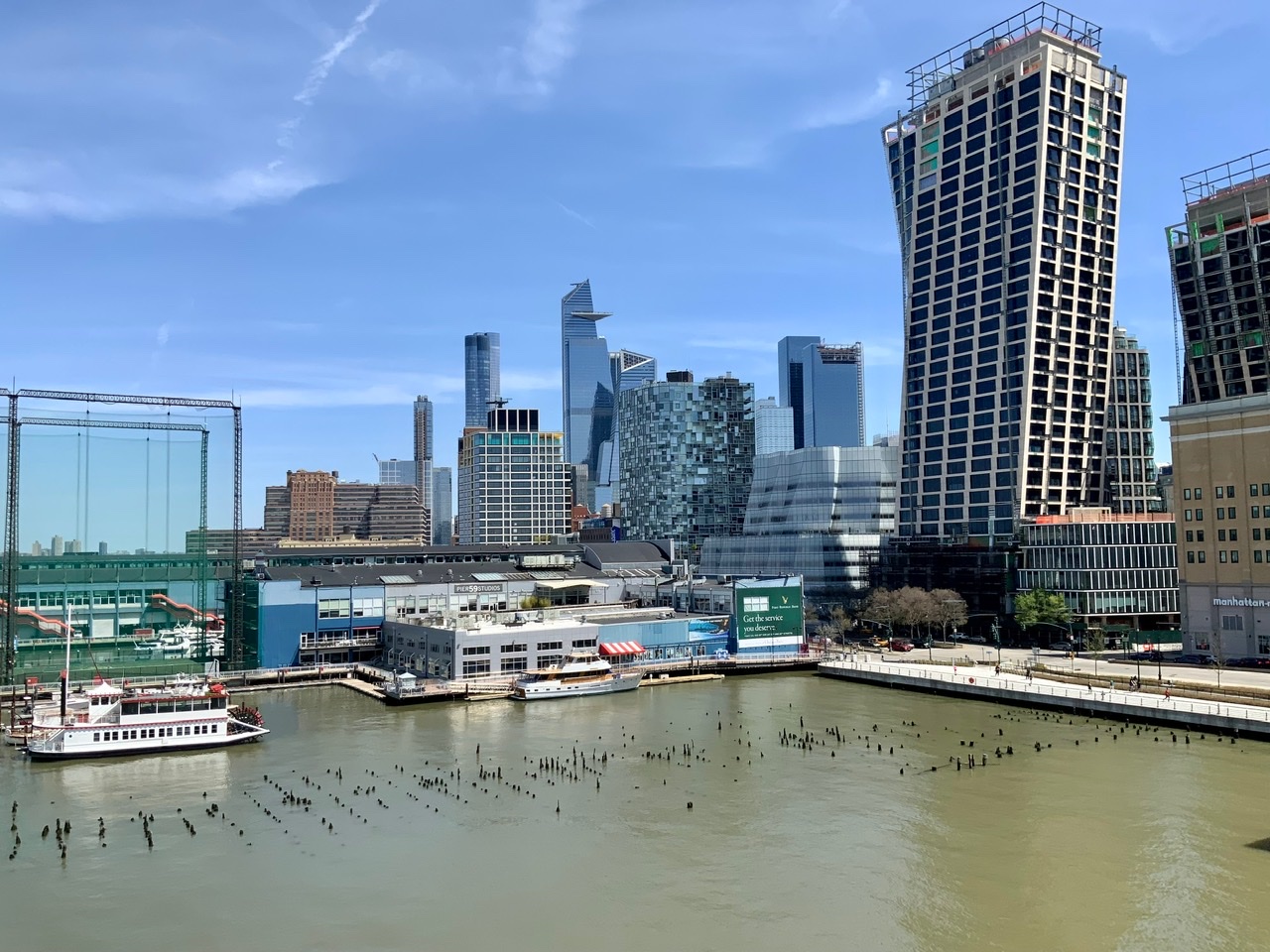
It is important to consider, when cities like New York continue a process of gentrification that make them unlivable for most artists and intellectuals, that the community Schloss describes was to some extent brought into being by a number of radically different circumstances: first, immigration – in some cases, such as de Kooning, illegal, and in others, such as Schloss, forced by war and politics – and second, the existence in post-Great Depression New York of cheap rents for run-down spaces that no one other than artists would consider or would be able to make not just livable but eventually fashionable.
Mira Schor in The Loft Generation: From the de Koonings to Twombly, Portraits and Sketches 1942-2011 edited by Mary Venturini
Comments are welcome!
Pearls from artists* # 534

*an ongoing series of quotations – mostly from artists, to artists – that offers wisdom, inspiration, and advice for the sometimes lonely road we are on.
Today I am quoting myself:
I strive to always do what is best for my art practice. It’s difficult sometimes, but it’s important to ignore most of what other people say. They mean well, but advice to artists is often misguided, especially when it is unsolicited. Fortunately, our hearts are never wrong.
B. Rachko on a Facebook post
Comments are welcome!
Pearls from artists* # 527
*an ongoing series of quotations – mostly from artists, to artists – that offers wisdom, inspiration, and advice for the sometimes lonely road we are on.
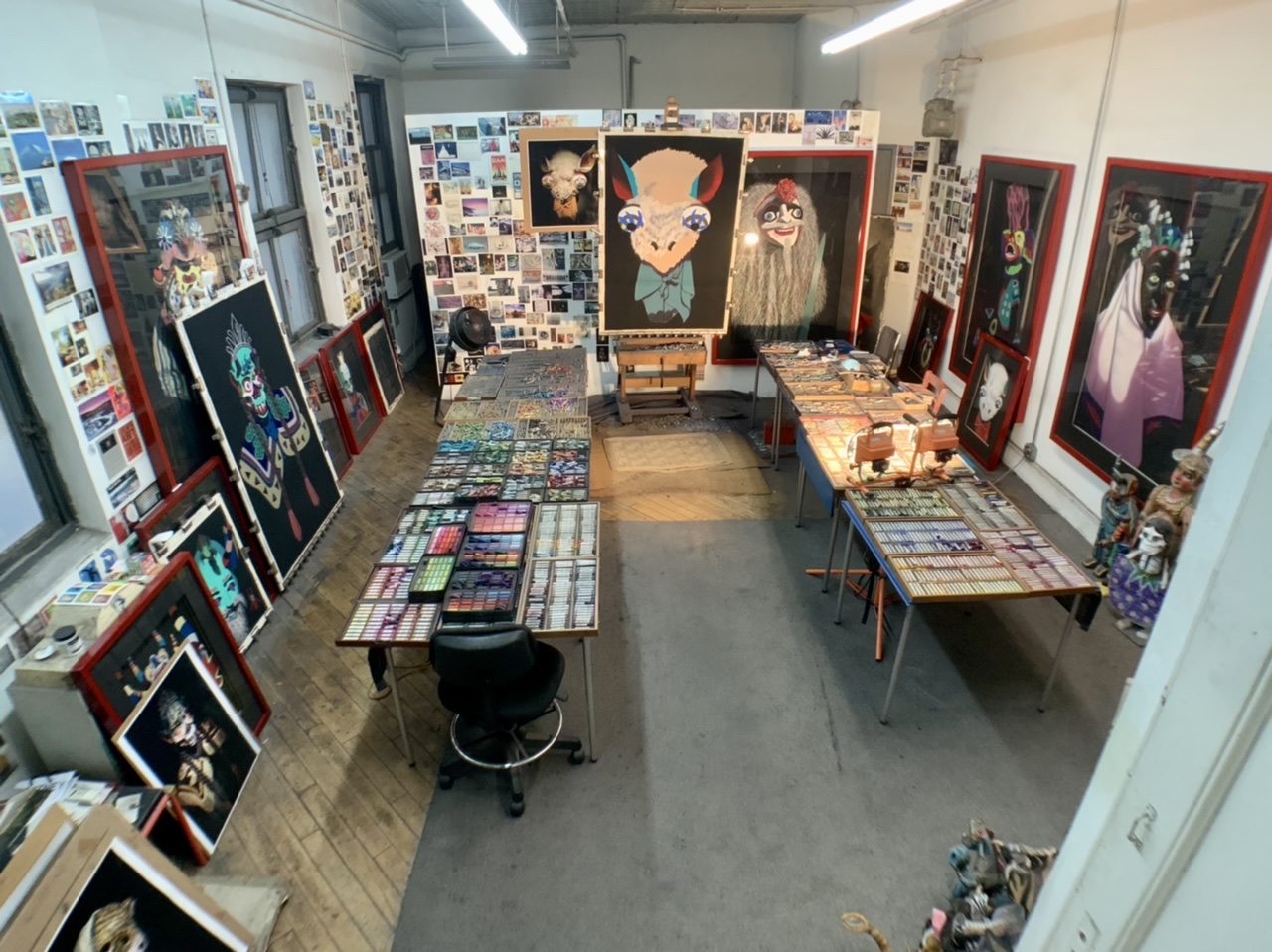
Vocation was originally a religious term. The word comes from the Latin vocatio, which means a summons, a call. To be a priest, a monk, or a nun is to accept a calling – a vocation. The sense of an imperative – of an activity that’s a necessity, an inevitability – remains very much part of the meaning of the word today. A creative vocation isn’t a job. It’s a calling, even if for most modern artists the summons is an inner necessity, not the call of some divine figure or force. Even an artist as determinedly secular as Picasso saw echoes of religious vocation in his experience as an artist. When his mistress Francoise Gilot, wondering at his concentration and stamina, asked him if when he was painting “it didn’t tire him to stand so long in one spot,” this was his response: “No. That’s why painters live so long. While I work, I leave my body outside the door, the way Moslems take off their shoes before entering the mosque.” For creative spirits the studio or stage – or wherever they do their work – is a place apart. They may recoil from describing this as a sacred space, but there’s no question that these spaces have a special significance.
Jed Perl in Authority and Freedom: A Defense of the Arts
Comments are welcome!
Pearls from artists* #498

*an ongoing series of quotations – mostly from artists, to artists – that offers wisdom, inspiration, and advice for the sometimes lonely road we are on.
“The first time I ever went to a meeting where they discussed any of my books academically,” she chuckled, “a Canadian Scholar was going to discuss The Left Hand of Darkness. He didn’t know that I was going to be there. When I walked in, he was appalled. He looked at me with a savage look on his face and said, ‘Just don’t tell me you didn’t know what you were doing.’ That’s a basic thing, actually, between scholars and artists. I think, ‘Oh, is that what I was doing? Or Is that why I did that? and it’s very revealing. But the fact is, you cannot know that while you’re doing it. The dancer can’t think, Now I’m going to take a step to the left. That ain’t the way you dance.”
Ursula K. Le Guin: The Last Interview and other Conversations, edited and with an introduction by David Streitfeld
Comments are welcome!
Pearls from artists* # 481
*an ongoing series of quotations – mostly from artists, to artists – that offers wisdom, inspiration, and advice for the sometimes lonely road we are on.
Artists, because they spend such prolonged periods in isolation, frequently fall behind the times. They may gain great self-knowledge, spiritual insight, and understanding of their media as they work in private, but at the price of a lack of vital knowledge of the world around them.
Because solitude provides artists with a safe haven, fits their personality, and offers them a kind of communal contact with other human beings through their work, it can also serve as a breeding ground for stagnation. Without ever realizing it, artists can grow flacid in isolation and begin to experience their solitude as deadening. The studio can become too easy and unchallenging a place.
The world outside the studio offers unmatched opportunities for growth and for the expression of authentic and courageous behavior. Artists often miss these opportunities and, remaining relatively untested, handle themselves poorly when they do venture out.
Eric Maisel in A Life in the Arts: Practical Guidance and Inspiration for Creative and Performing Artists
Comments are welcome!
Q: Who is your core audience for your blog? What do you want people to know about your art that you have not created visually? (Question from “Arte Realizzata”)

A: As I understand it, my core audience here (currently 77,000+ and growing!) is an international group of artists and art aficionados looking for hope, inspiration, and probably, motivation to keep making art. Unfortunately, ours is a world that too often misunderstands and under-appreciates the difficult, essential, and sometimes lonely work undertaken by artists. Hopefully, my blog makes readers think, “If Barbara can keep making art under these conditions and continue to thrive after what she’s been through, maybe I can, too!”
Comments are welcome!
Pearls from artists* # 478

*an ongoing series of quotations – mostly from artists, to artists – that offers wisdom, inspiration, and advice for the sometimes lonely road we are on.
Artists, because of the demands of their personality, their sense of personal mission, and their need to create or perform, are driven people. Mixed with the love of work can be a terrible pressure to work. For many artists, and especially for the most productive ones, the line between love and obsession and between love and compulsion blurs or disappears entirely. Are such artists free or are they slaves to their work?
In The Artist and Society the psychiatrist Lawrence Hatterer said of such an artist:
His most recognizable trait is his recurring daily preoccupation with translating artistic activity into accomplishment. The consuming intensity of this artistic pursuit brooks no interference or obstacles. His absorption with the creative act is such that he experiences continually what the average artist feels only infrequently when he reaches unusual levels of creative energy with accompanying output. He appears to be incapable of willful nonproductivity.
This is Picasso working for 72 hours straight. This is van Gogh turning out 200 finished paintings during his 444 days in Arles. The artist who is “incapable of willful nonproductivity” is a workaholic for whom little in life, apart from his artistic productivity and accomplishment, may have any meaning.
Eric Maisel in A Life in the Arts: Practical Guidance and Inspiration for Creative and Performing Artists
Comments are welcome!
Pearls from artists* # 476
*an ongoing series of quotations – mostly from artists, to artists – that offers wisdom, inspiration, and advice for the sometimes lonely road we are on.
For a great many artists solitude is the time when they feel most real and alive. It is when they have their most intense experiences, when they can vicariously live out any adventure, any dream. Tennessee Williams said, “I’m only really alive when I’m writing.” The painter Robert Motherwell wrote, “I feel most real to myself in the studio.” The young, exuberant Russian painter Marie Bashkirtseff exclaimed at the end of the last century:
In the studio all distinctions disappear. One has neither name nor family; one is no longer the daughter of one’s mother, one is oneself and individual, and one has before one art, and nothing else. One feels so happy, so free, so proud!
We may think of his aliveness as the accumulation of al the above-listed benefits, as the artist working out her life, manifesting her creativity, suiting her personality, playing, avoiding unwanted social interactions, working authentically and integrity, living intensely – as the artist being her grandest self.
Eric Maisel in A Life in the Arts: Practical Guidance and Inspiration for Creative and Performing Artists
Comments are welcome!


 barbararachkoscoloreddust.com