Category Archives: Pastel Painting
Pearls from artists* # 207

Barbara’s studio
* an ongoing series of quotations – mostly from artists, to artists – that offers wisdom, inspiration, and advice for the sometimes lonely road we are on.
More than in any other vocation, being an artist means always starting from nothing. Our work as artists is courageous and scary. There is no brief that comes along with it, no problem solving that’s given as a task… An artist’s work is almost entirely inquiry based and self-regulated. It is a fragile process of teaching oneself to work alone, and focusing on how to hone your quirky creative obsessions so that they eventually become so oddly specific that they can only be your own.
“What It Really Takes to Be an Artist: MacArthur Genius Teresita Fernandez’s Magnificent Commencement Address,” by Maria Popova in “brainpickings”
Comments are welcome!
Start/Finish of “Broken,” soft pastel on sandpaper, 38″ x 58″
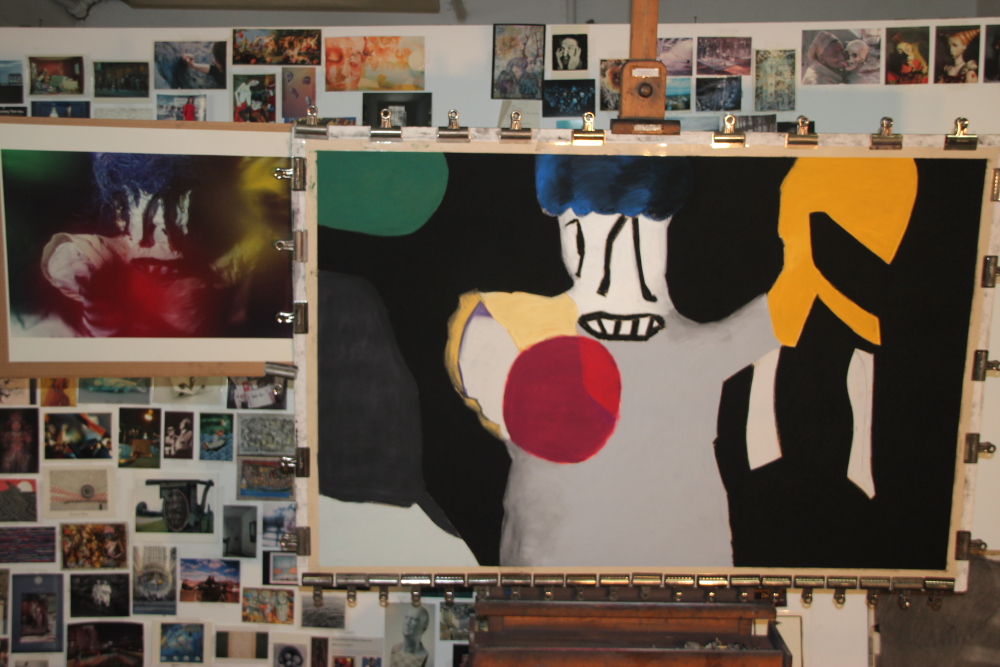
First day’s work on “Broken”
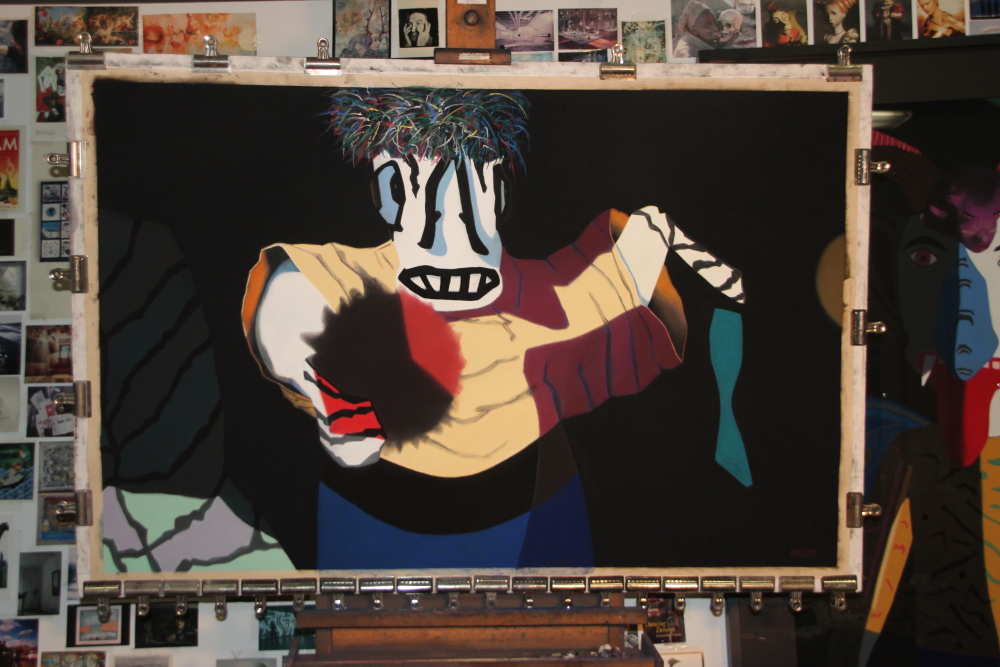
“Broken,” completed but unsigned
Comments are welcome!
Pearls from artists* # 206
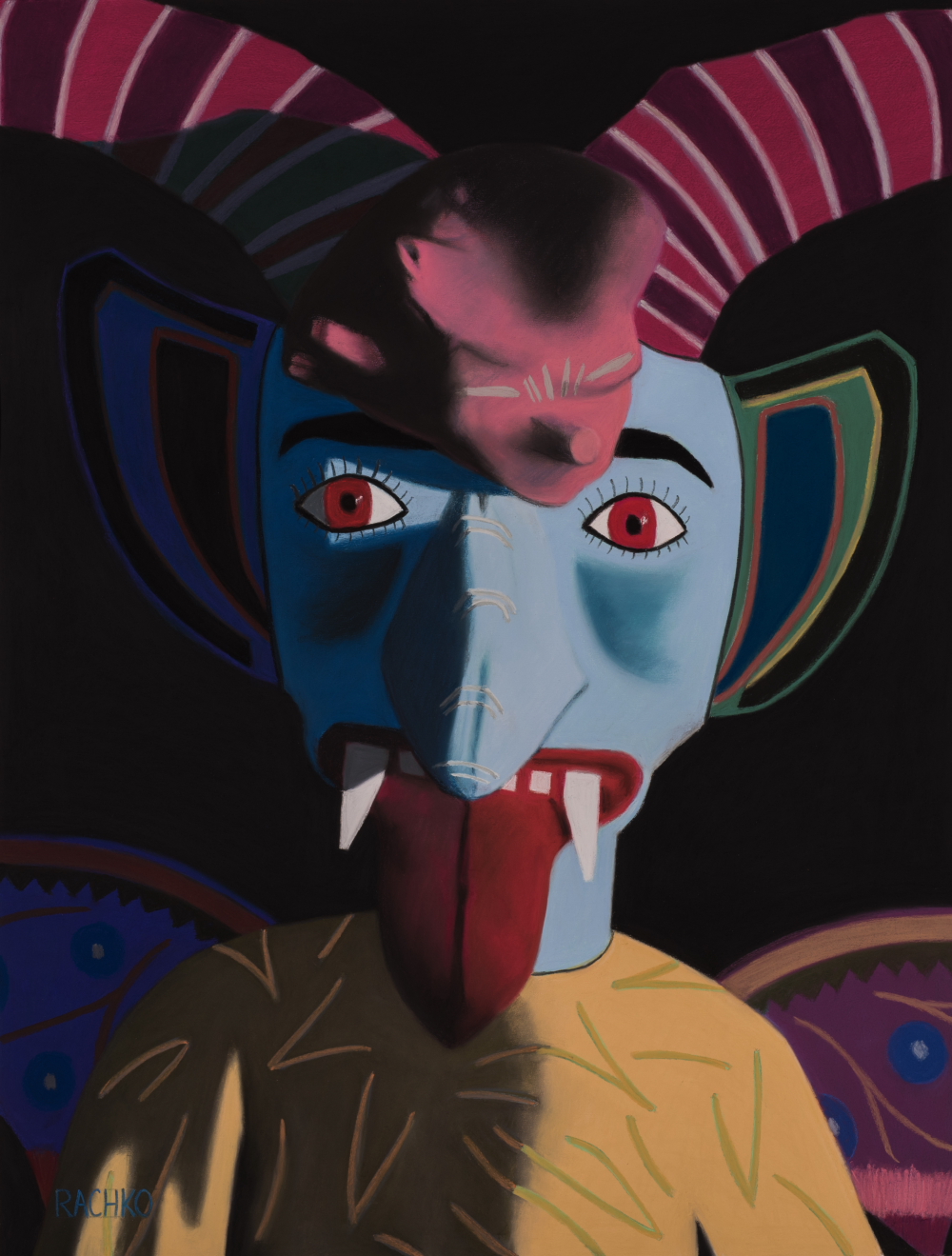
“Provocateur,” soft pastel on sandpaper, 26″ x 20″
* an ongoing series of quotations – mostly from artists, to artists – that offers wisdom, inspiration, and advice for the sometimes lonely road we are on.
And a career in higher education and medicine has taught me that creativity – whether in the sciences, arts or humanities – fosters controversy. We neither seek nor avoid controversy – we anticipate it and welcome the opportunity to explain the creative choices we make. We must take risks. We must be involved in the vital issues facing the world.
David J. Skorton, Director of the Smithsonian Institution in “What Do We Value?” Museum, May/June 2016
Comments are welcome!
Q: What’s on the easel today?
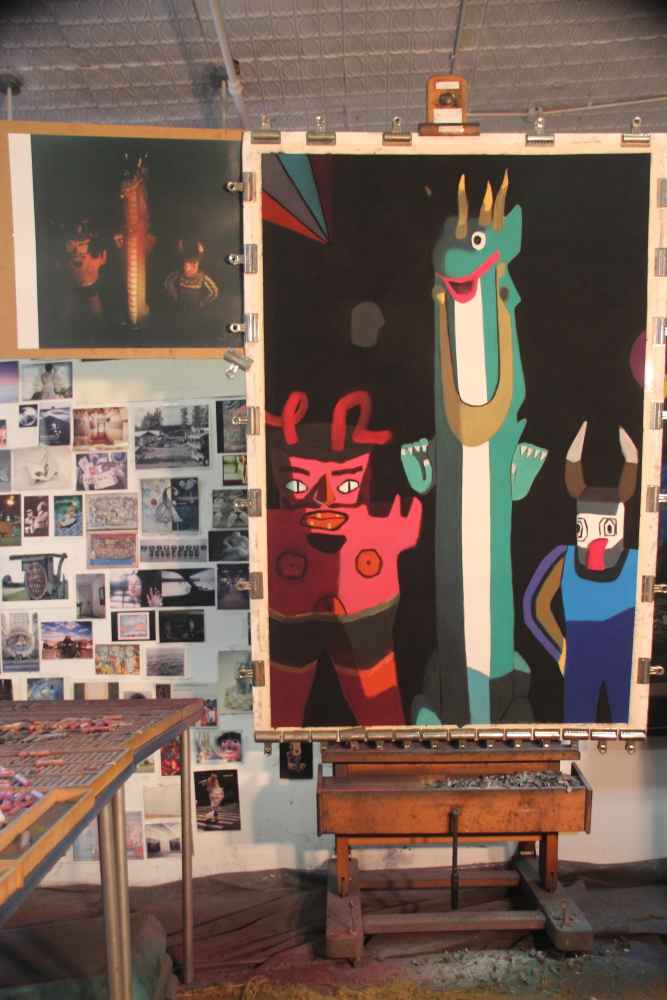
Work in progress
A: I am still in the early stages of a large pastel painting. After visiting Peru and Miami for three weeks, it has taken a few days to readjust and get back into my work routine.
In case you’re wondering, the undistinguished gray shape, roughly center left, is a placeholder for a stone figure found at a shaman’s shop in Chinchero, Peru. When I took this photo, the figure was at my apartment instead of in the studio (and I need to see the figure to paint it).
Comments are welcome!
Pearls from artists* # 203

“Palaver,” soft pastel on sandpaper, 26″ x 20″
* an ongoing series of quotations – mostly from artists, to artists – that offers wisdom, inspiration, and advice for the sometimes lonely road we are on.
One day, looking for something that might interest those few buyers there were, Marquet and I decided to reconnoiter. So we went to the Pavillon de Rohan, to the Galeries de Rivoli, where there were dealers in engraving and in all kinds of curiosities that might attract foreign customers. We each came back with an idea: mine was to do a park landscape with swans. I went to the Bois de Boulogne to do a study of the lake. Then I went to buy a photo showing swans and tried to combine the two. Only it was very bad; I didn’t like it – in fact nobody liked it; it was impossible; it was stodgy. I couldn’t change; I couldn’t counterfeit the frame of mind of the customers on the rue de Rivoli or anywhere else. So I put my foot through it.
I understood then that I had no business painting to please other people; it wasn’t possible. Either way, when I started a canvas, I painted it the way I wanted with things that interested me. I knew very well that it wouldn’t sell, and I kept putting off the confection of a picture that would sell. And then the same thing would happen the next time.
There are plenty of artists who think it’s smart to make paintings to sell. Then – when they have acquired a certain reputation, a degree of independence – they want to paint things for themselves. But that simply isn’t possible. Painting’s an uphill task and if you want to find out what you’re capable of, you can’t dillydally on the way.
Chatting with Henri Matisse: The Lost 1941 Interview, Henri Matisse with Pierre Courthion, edited by Serge Guilbaut, translated by Chris Miller
Comments are welcome!
Start/Finish of “Alone Together,” soft pastel on sandpaper, 20″ x 26″
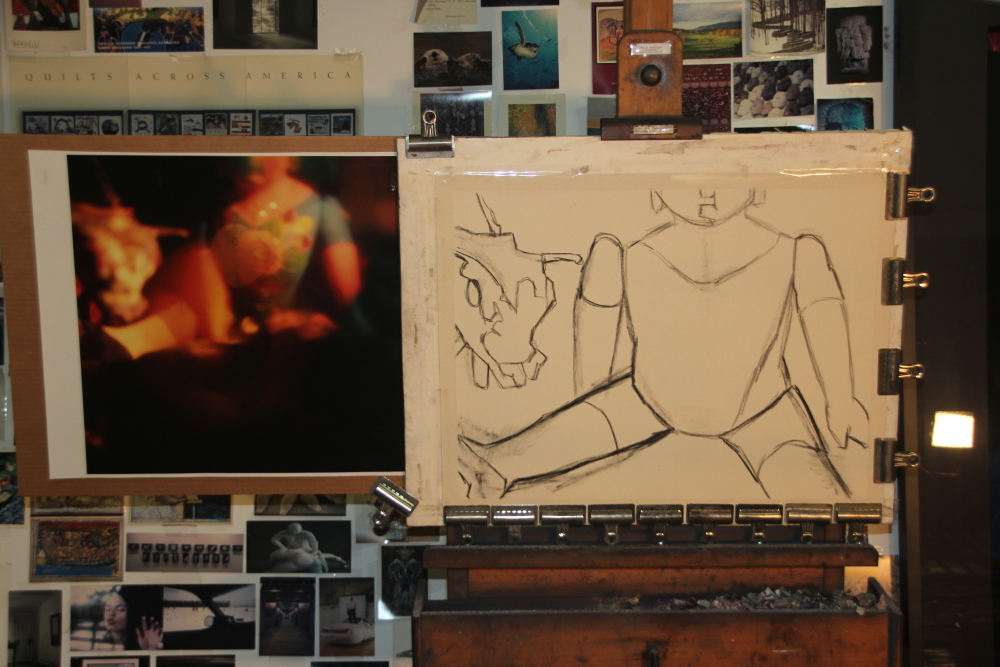
Initial charcoal sketch on sandpaper
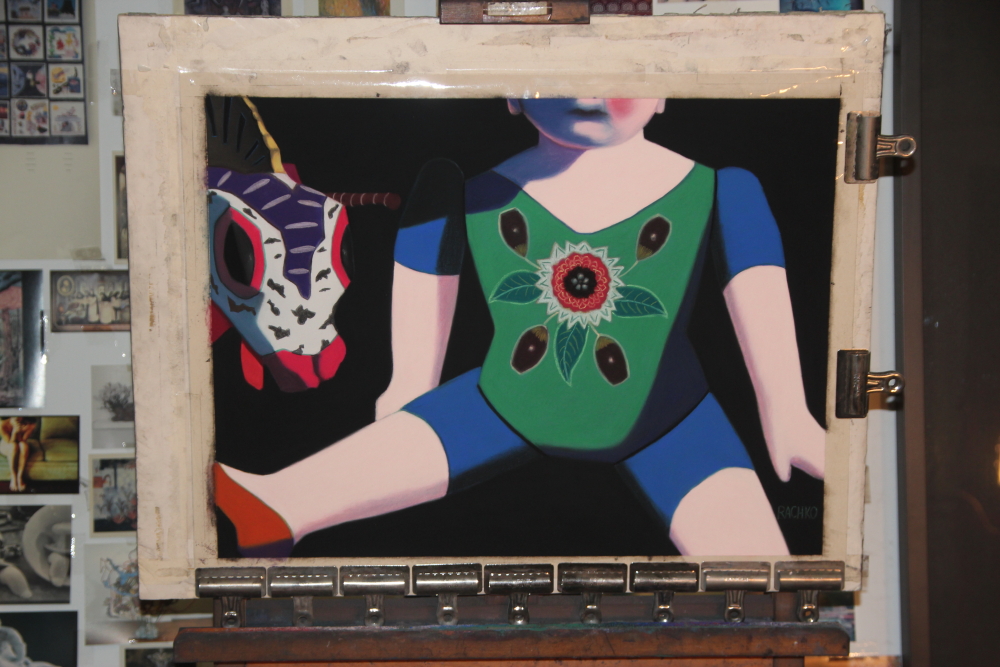
Finished painting
Comments are welcome!
Q: Can you describe a single habit that you believe contributes to your professional success?
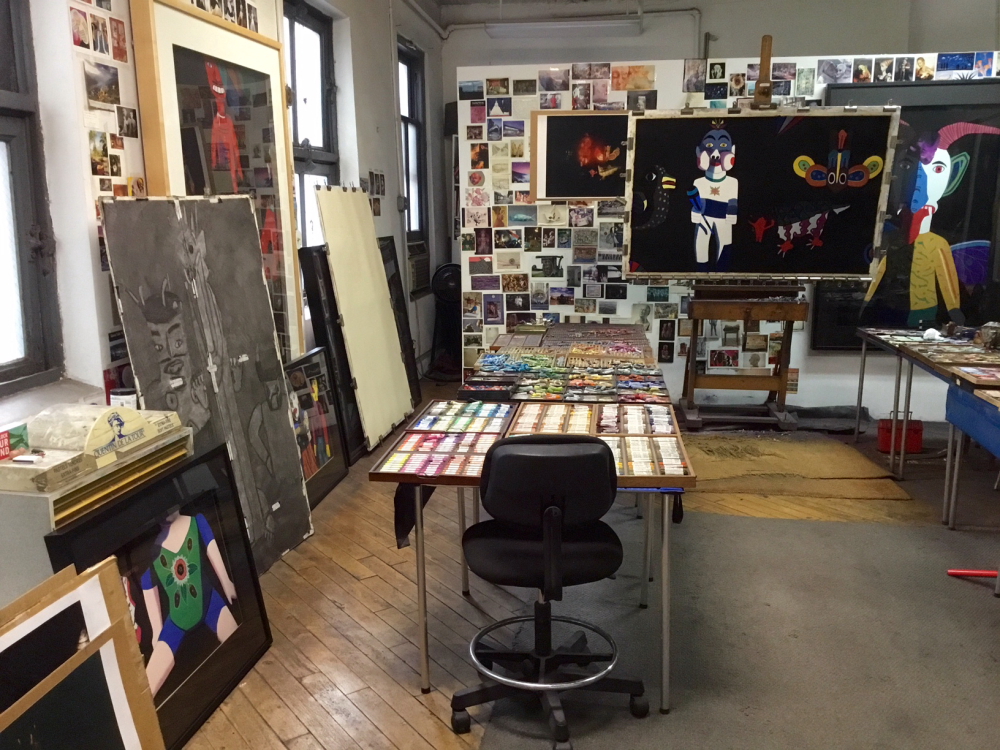
Barbara’s studio with work in progress
A: It’s probably the fact that I keep regular studio hours. Contrary to the cliche of artists working in spurts, I continually work in the studio at least seven hours a day, five days a week, with Wednesdays and Sundays as my days off. I devote another two hours or so in the mornings and evenings for art business tasks: email, sending out jpegs, social media, etc. I always remember something Katharine Hepburn said: “Without discipline there is no life.”
Comments are welcome!
Pearls from artists* # 201

Barbara’s studio
* an ongoing series of quotations – mostly from artists, to artists – that offers wisdom, inspiration, and advice for the sometimes lonely road we are on.
Matisse needs to find life difficult. There has to be opposition and struggle: “You come out by your own means,” he says: “The essential thing is to come out, to express that sense of falling head over heals for a thing; the artist’s job is not to transpose something he’s seen but to express the impact the object made on him, on his constitution, the shock of it and the original reaction.”
I sense that Matisse has little faith in the way his painting is feted nowadays. A man of scrupulous integrity, he must wonder how much truth there is in all of that. There is a vein of gutsy courage in him that is as unyielding now as it ever was. Hard times have accustomed him to rely entirely on his own judgment and accept the solitude that this implies.
HM: I’m already a little too official. You need a bit of persecution. When you’ve been controversial and they finally welcome you in, something goes wrong. Very few people can see the picture itself; they just see the banknotes you could turn it into. You love your paintings less when they’re worth something. When they’re not worth a cent, they’re like desolate children.
Chatting with Henri Matisse: The Lost 1941 Interview, Henri Matisse with Pierre Courthion, edited by Serge Guilbaut, translated by Chris Miller
Comments are welcome!
Q: What’s on the easel today?
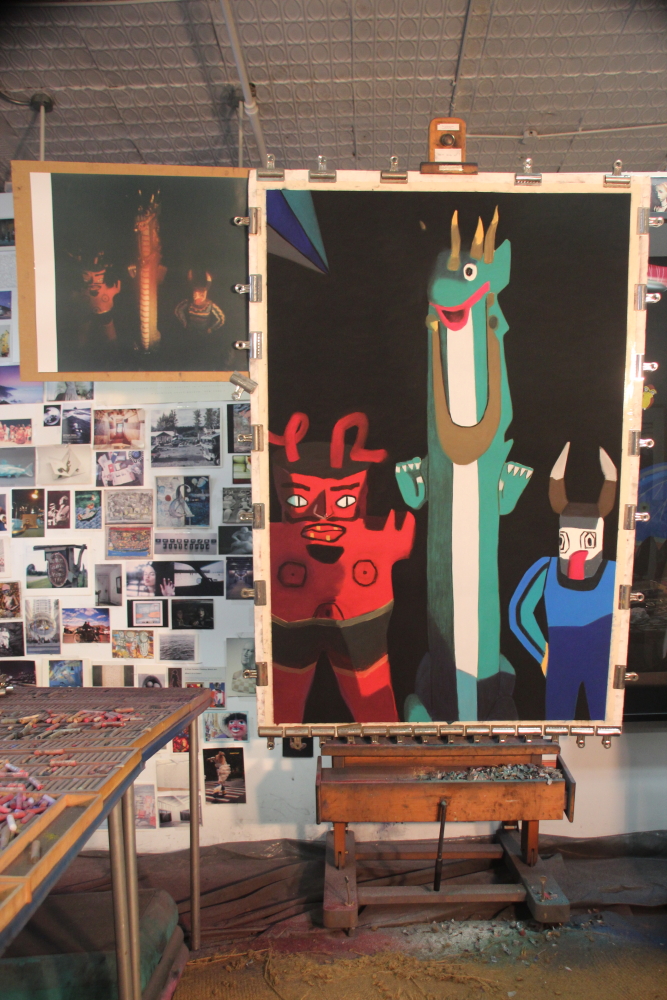
Work in progress
A: I am in the early stages on a large pastel painting. I’ve applied about 5 layers of pastel so far.
Comments are welcome!
Pearls from artists* # 200
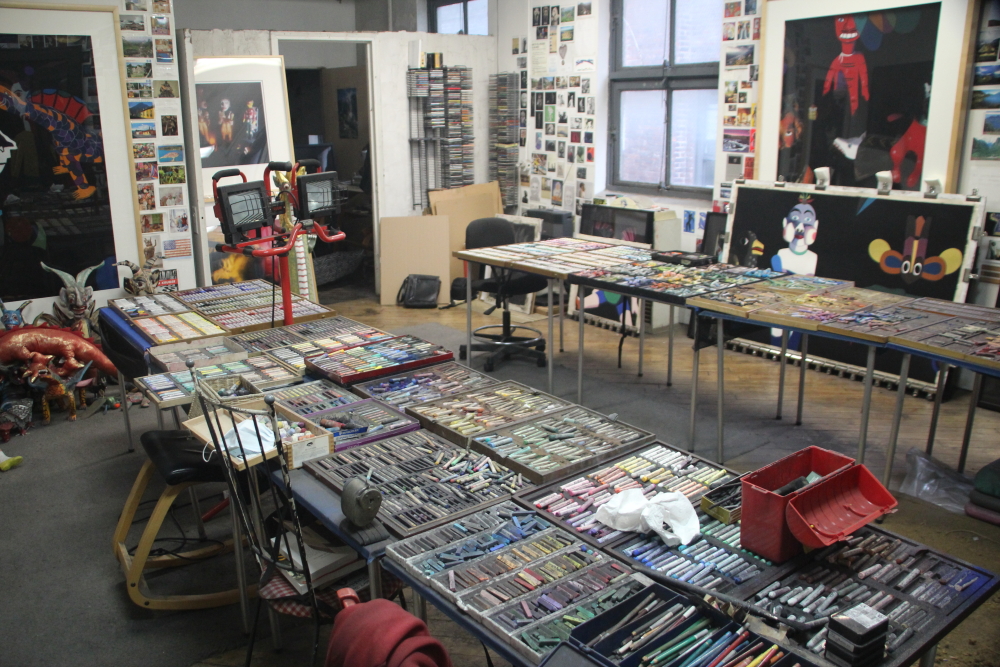
Barbara’s studio
* an ongoing series of quotations – mostly from artists, to artists – that offers wisdom, inspiration, and advice for the sometimes lonely road we are on.
Why Art?
Because you will never have to change batteries or remember passwords or read directions or fear obsolescence.
Questroyal Fine Art, LLC, ad in The New Yorker, issue of April 11, 2016
Comments are welcome!


 barbararachkoscoloreddust.com