Category Archives: Art Works in Progress
Q: What’s on the easel today?
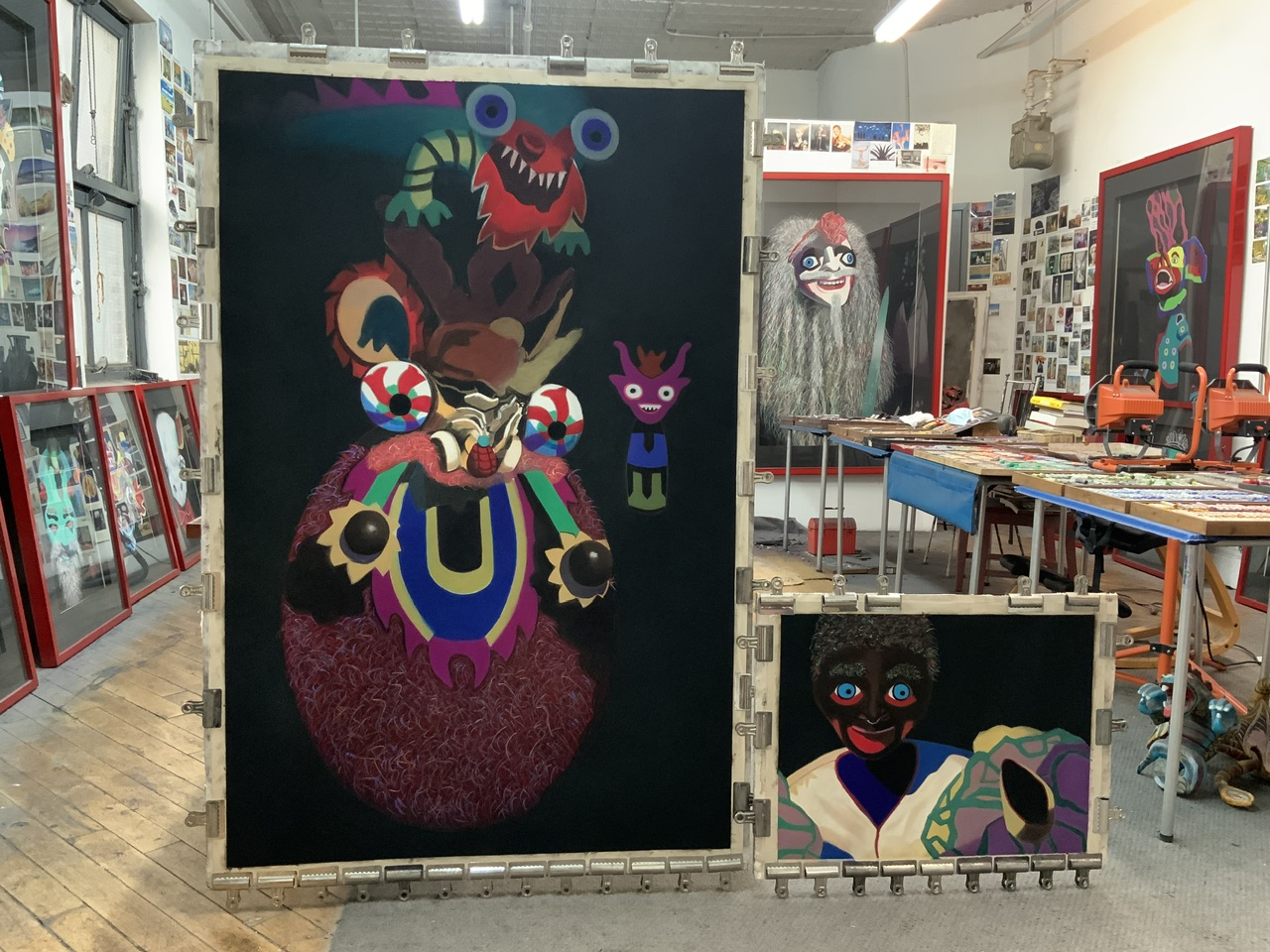
Work in progress
A: I continue working on “Apparition,” soft pastel on sandpaper, 58” x 38” (left) and “Narcissist,” 20” x 26,” soft pastel on sandpaper (right).
Comments are welcome!
Pearls from artists* # 576
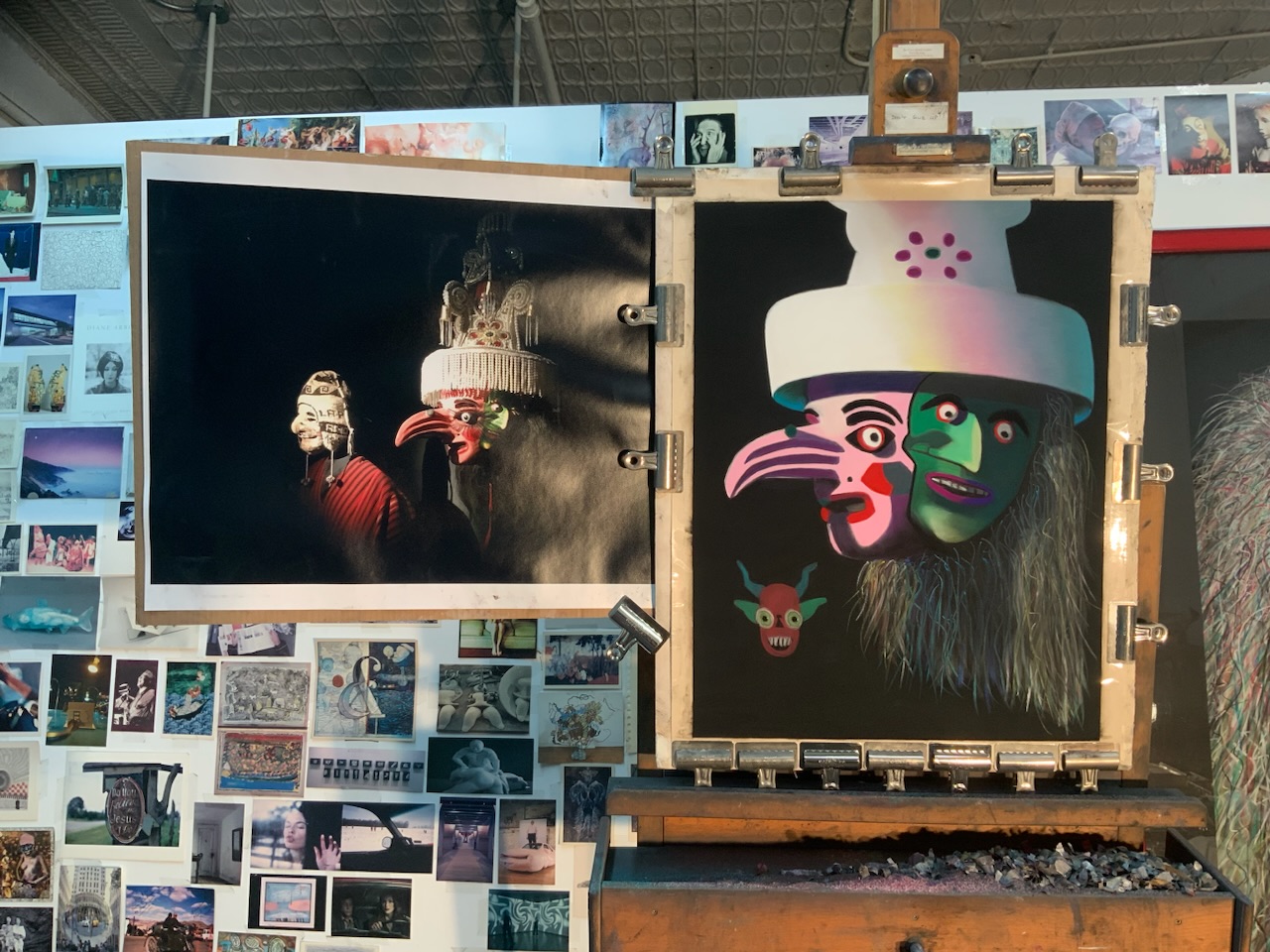
In progress: “Shadow,” soft pastel on sandpaper, 26” x 20”
*an ongoing series of quotations – mostly from artists, to artists – that offers wisdom, inspiration, and advice for the sometimes lonely road we are on.
A word derived from Latin, persona, originally referred to the masks worn by actors in ancient classical theatre. In Jungian psychology, this term refers to the inner character that we use to face the world. Drawn from societal expectations, cultural norms, and natural attributes, it is the person we want others to think we really are. Our persona is our brave face, our false front. It is the ongoing project of building our ideal self.
… the persona is our somewhat embellished view of ourselves, the shiny face that we want the world to see. It’s opposite, everything we reject about ourselves, is called the shadow.
… our shadow is the pain we’ve forgotten about. It is a complex within us, a split-off part our consciousness loaded with emotional weight. Our persona is what we want to be seen to be; shadow is what we least want to be.
Gary Bobroff in Carl Jung: Knowledge in a Nutshell
Comments are welcome!
Q: What’s on the easel today?
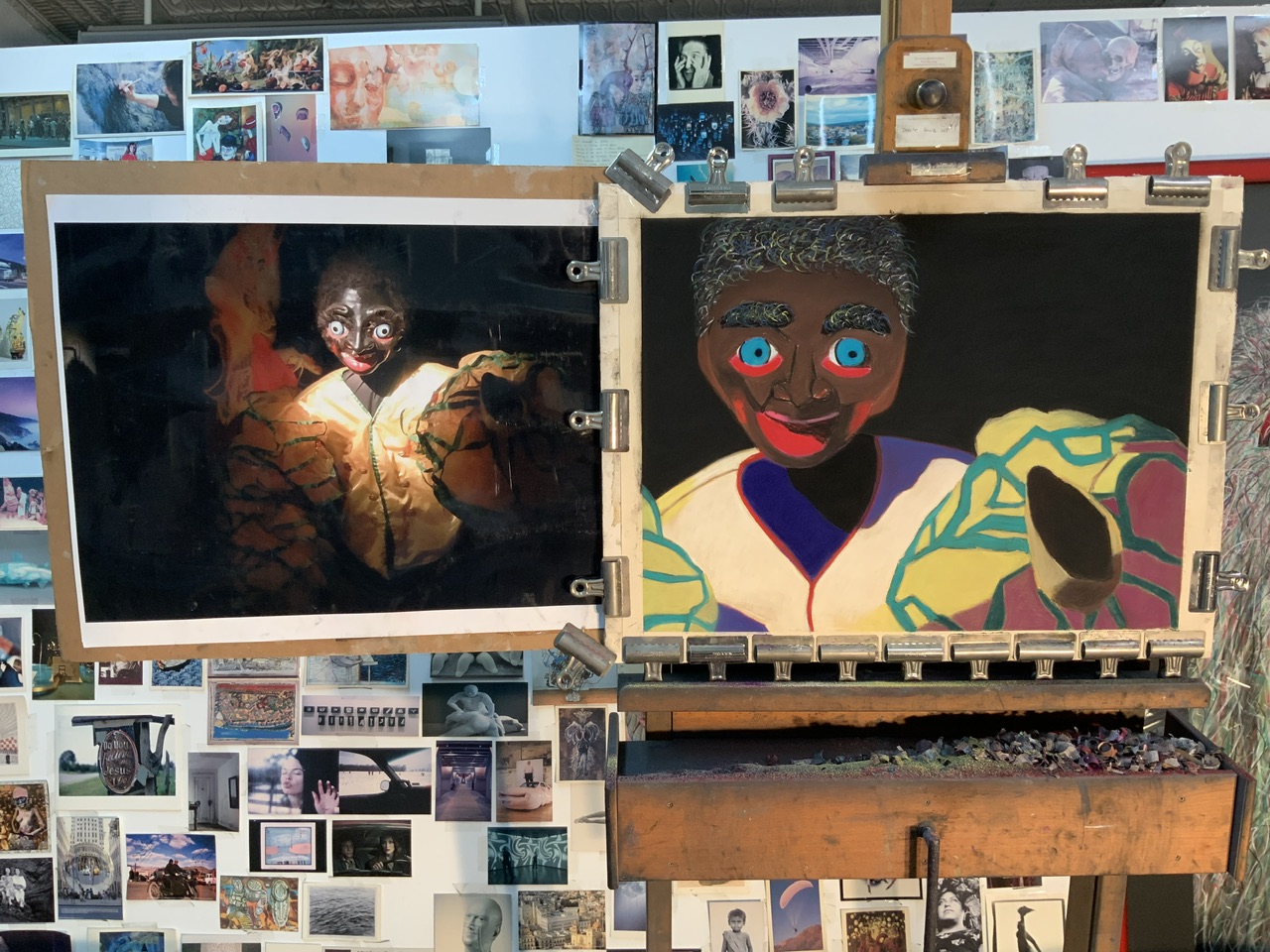
Work in progress
A: I started working on “Narcissist,” 20”x 26”, a few days ago.
Comments are welcome!
Pearls from artists* # 568

*an ongoing series of quotations – mostly from artists, to artists – that offers wisdom, inspiration, and advice for the sometimes lonely road we are on.
Some people say they work best under pressure, but working under pressure is a bit of a fallacy. It’s not waiting till the last minute that gives you the good work; it’s the focus that’s required when you wait till the last minute that brings about the good work. So think of it this way: your focus is the center of your brilliance; why not avail yourself of that brilliance on a regular basis? Everyone has her own rhythm, but if you don’t like the fact that you procrastinate, one way to get out of it is to think what the alternative is. The alternative is, instead of trying to do a month’s work in a few intense days in the studio, to give yourself the pleasure of yourself in flow, in focus, on a regular basis.
Anna Deavere Smith in Letters to a Young Artist: Straight-Up Advice on Making a Life in the Arts for Actors, Performers, Writers, and Artists of Every Kind
Comments are welcome!

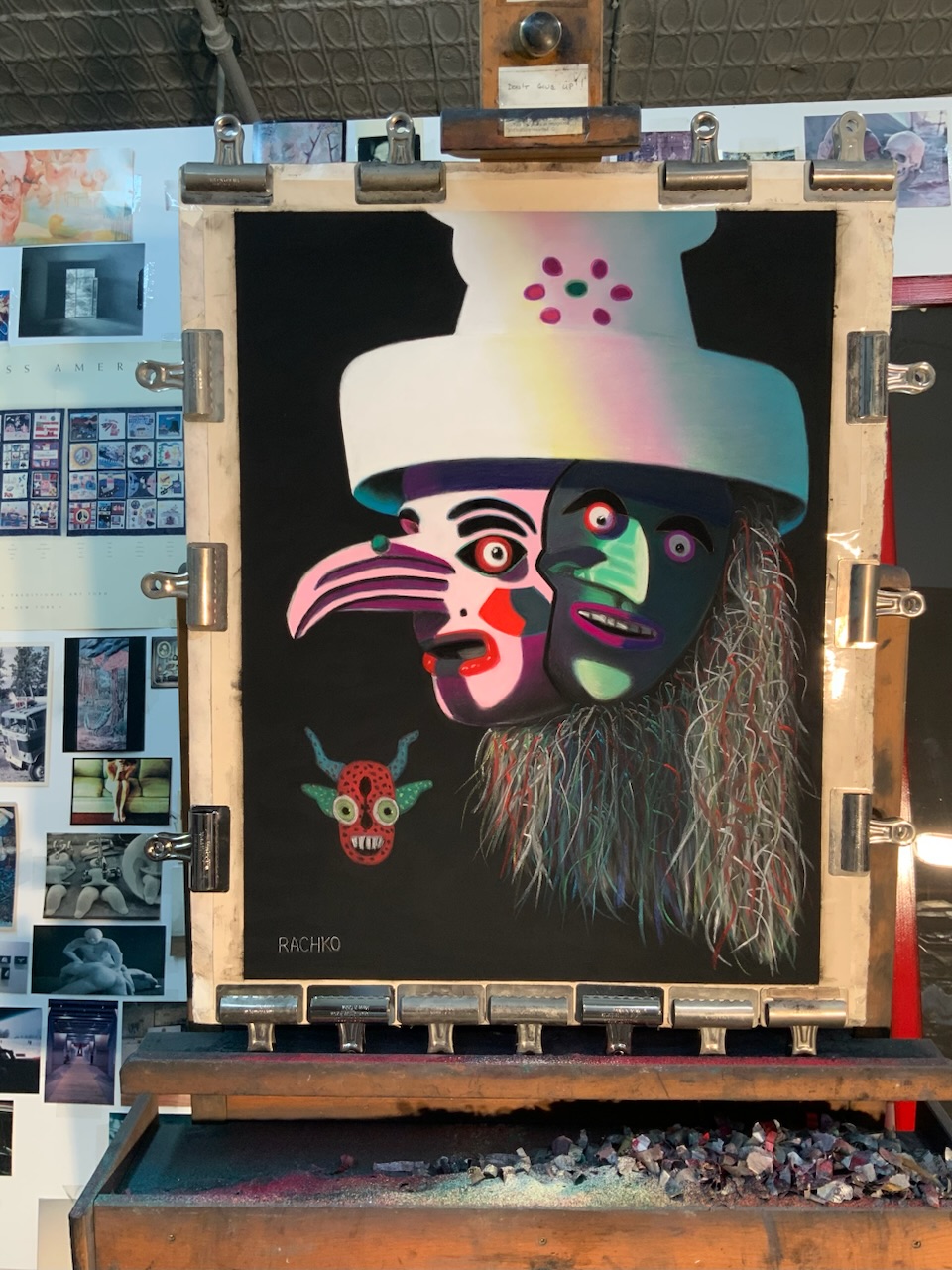
Q: What’s on the easel today?

Work in progress
A: I just started a new 58” x 38” pastel painting. This photo shows two days worth of work.
Comments are welcome!
Q: Why do you work in series?
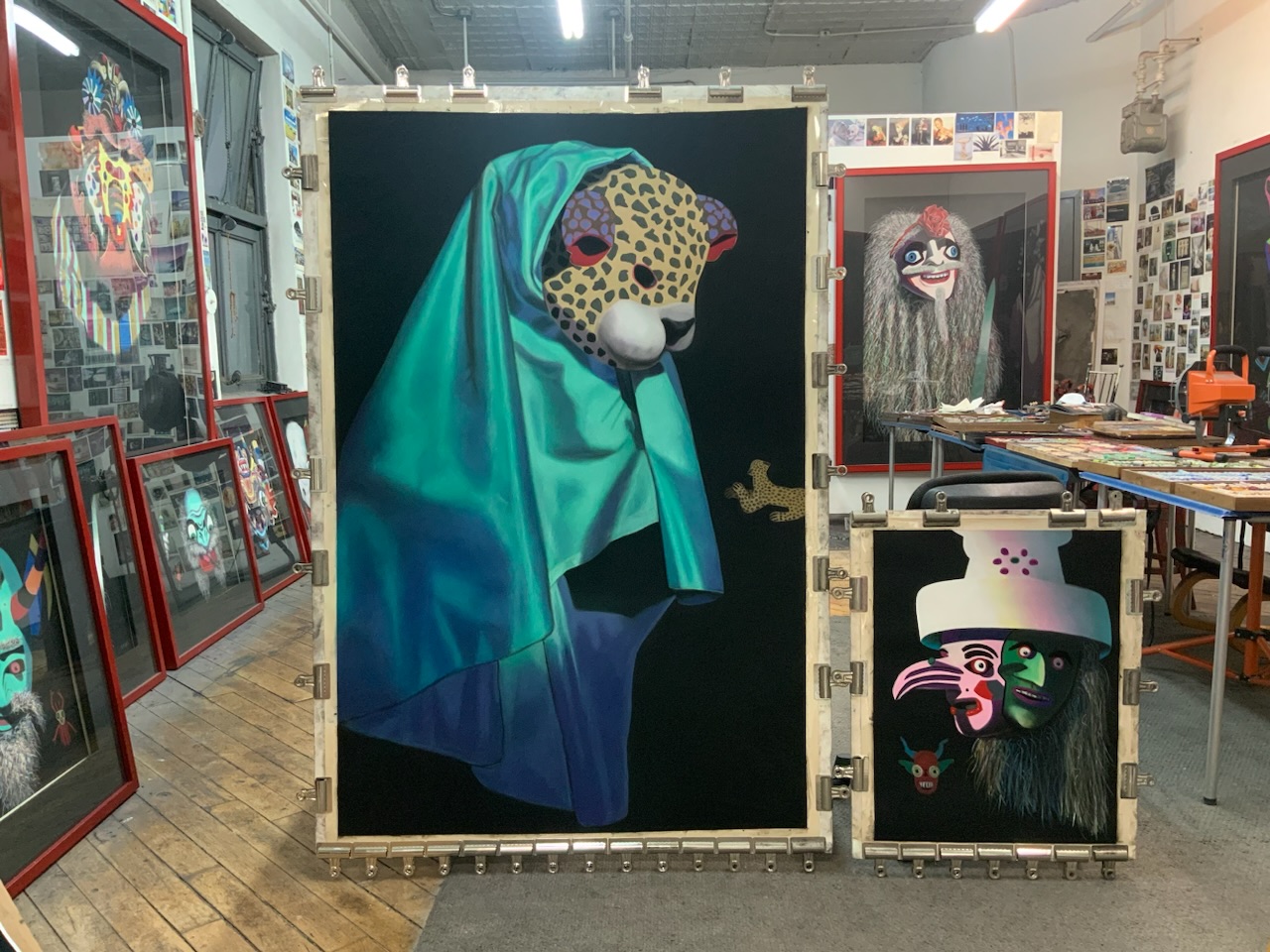
“Bolivianos” paintings in progress and on the walls and floor
A: I don’t really have any choice in the matter. It’s more or less the way I have always worked so it feels natural. Art-making comes from a deep place. In keeping with the aphorism ars longa, vita brevis, it’s a way of making one’s time on earth matter. Working in series mimics the more or less gradual way that our lives unfold, the way we slowly evolve and change over the years. Life-altering events happen, surely, but seldom do we wake up drastically different – in thinking, in behavior, etc. – from what we were the day before. Working in series feels authentic. It helps me eke out every lesson my paintings have to teach. With each completed piece, my ideas progress a step or two further.
I remember going to the Metropolitan Museum to see an exhibition called, “Matisse: In Search of True Painting.” It demonstrated how Matisse worked in series, examining a subject over time and producing multiple paintings of it. Matisse is my favorite artist of any period in history. I never tire of seeing his work and this particular exhibition was very enlightening. As I studied the masterpieces on the wall, I recognized a kindred spirit and thought, “Obviously, working in series was good enough for Matisse!”
Comments are welcome!
Q: Can you explain how your current work relates to Jungian archetypes?

In progress: “Wise One,” soft pastel on sandpaper, 58” x 38”
A: Here’s an example. The passage below is from Carl Jung: Knowledge in a Nutshell by Gary Bobroff.
The Wise Old Man or Woman is a figure found throughout folklore and mythology. They possess superior understanding and also often a more developed spiritual or moral character. Frequently, such characters provide the information or learning that the Hero needs to move forward in their quest. In Star Wars, Ben Kenobi plays the teacher to Luke, introducing purpose and knowledge into the young Hero’s life. Where the Hero brings drive, courage, and direct action, the Wise Old One introduces the importance of the opposing values of thought and questioning. Jung describes it thus: ‘Often the old man in fairytales asks questions like who? Why? Whence? Wither? For the purpose of inducing self-reflection and mobilizing the moral forces.’
The Wise One may appear in disguise to test the character of others. In the second Star Wars film, The Empire Strikes Back (1980), Luke’s mentor Yoda does not reveal himself as such when they first meet. He waits, asking questions that test Luke’s motivation for being there. Jung associated the Trickster archetype with the Wise One, and the use of disguise emphasizes this correlation.
Comments are welcome!
Q: What’s on the easel today?
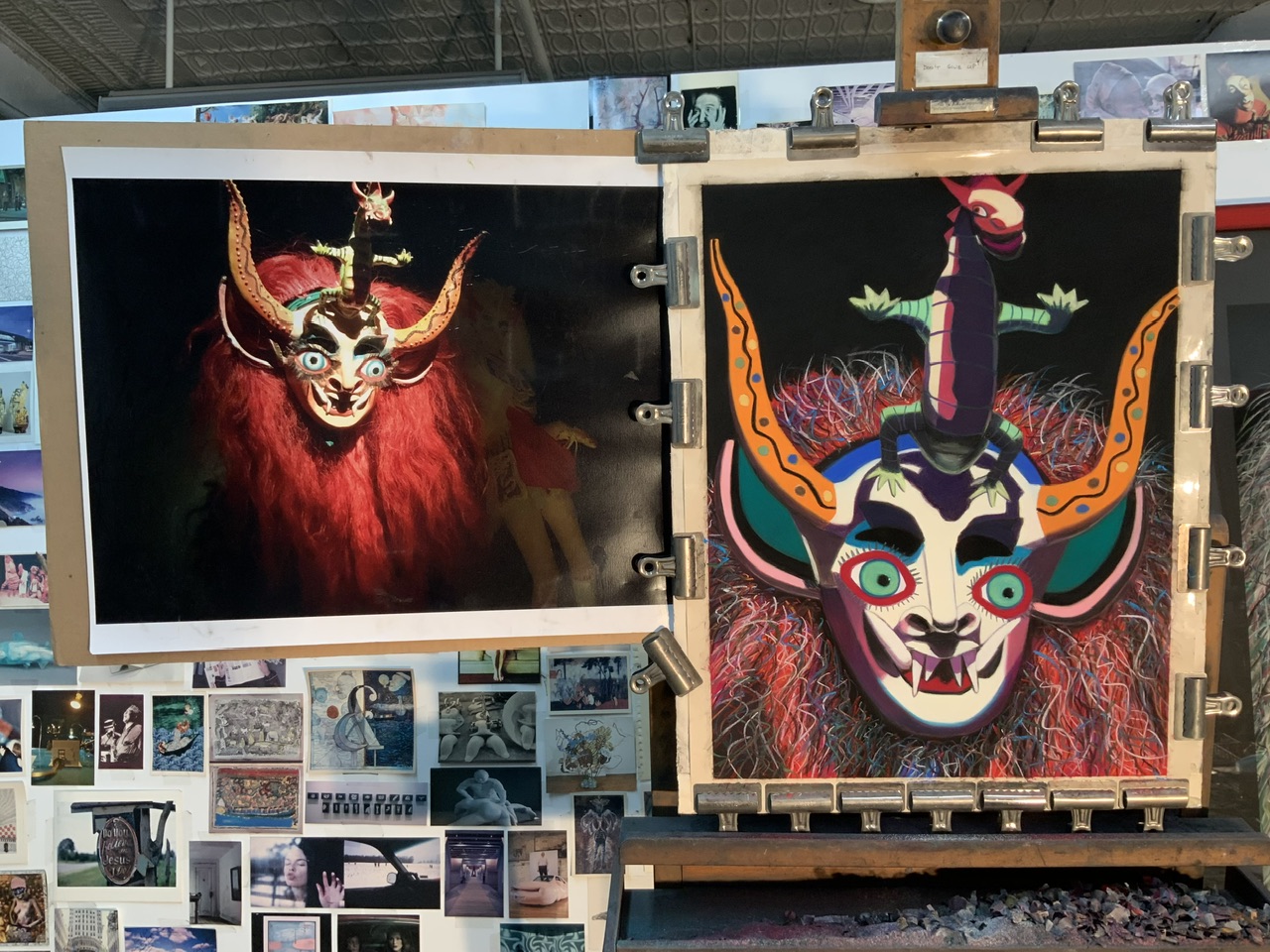
Work in progress
A: “The Moralist,” soft pastel on sandpaper, 26”x 20,” awaits finishing touches.
Comments are welcome!
Q: What’s on the easel today?
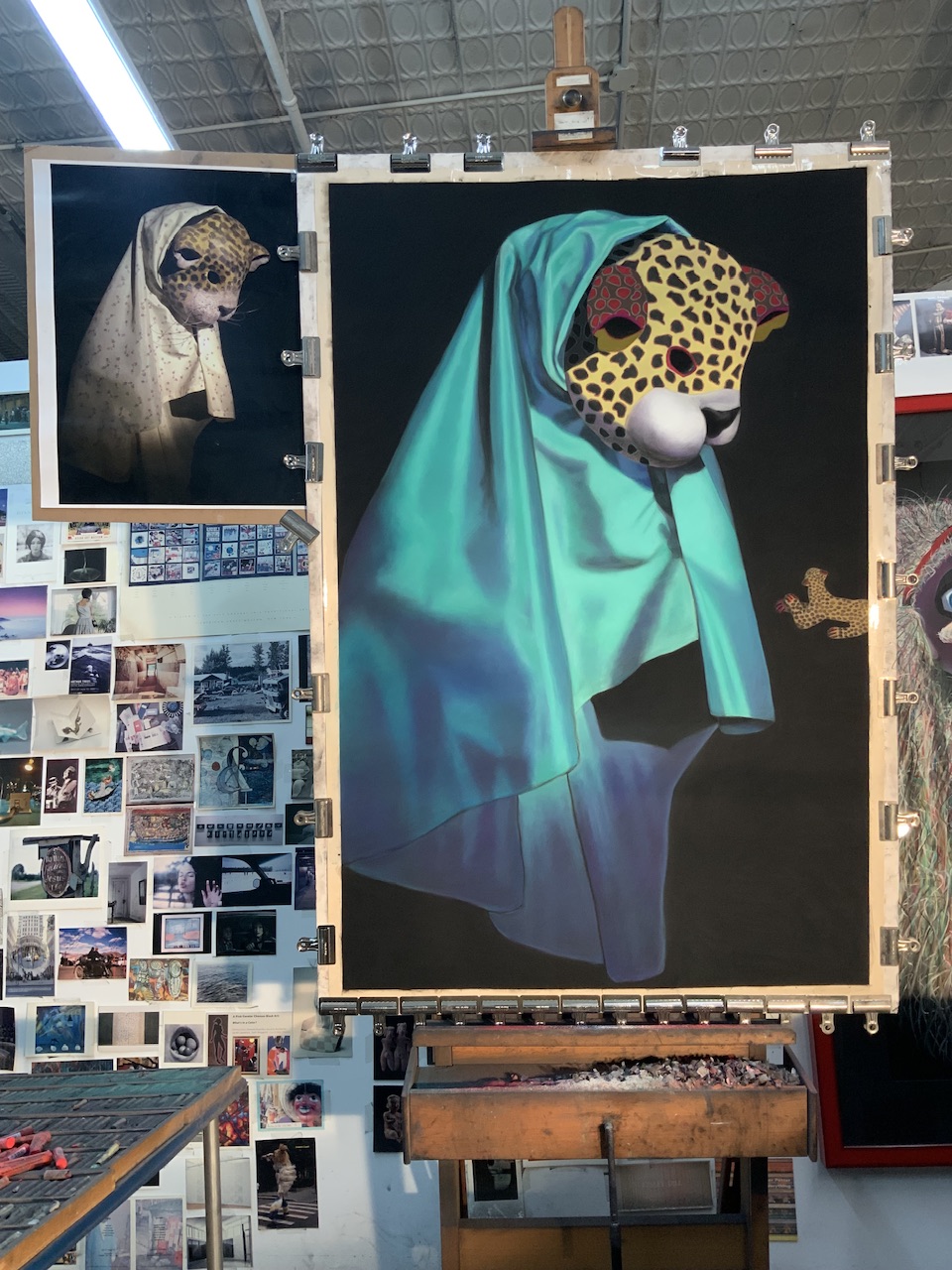
Work in progress
A: I continue adding details to “Wise One,” soft pastel on sandpaper, 58” x 38.”
Comments are welcome!


 barbararachkoscoloreddust.com