Category Archives: Pearls from Artists
Pearls from artists* # 123
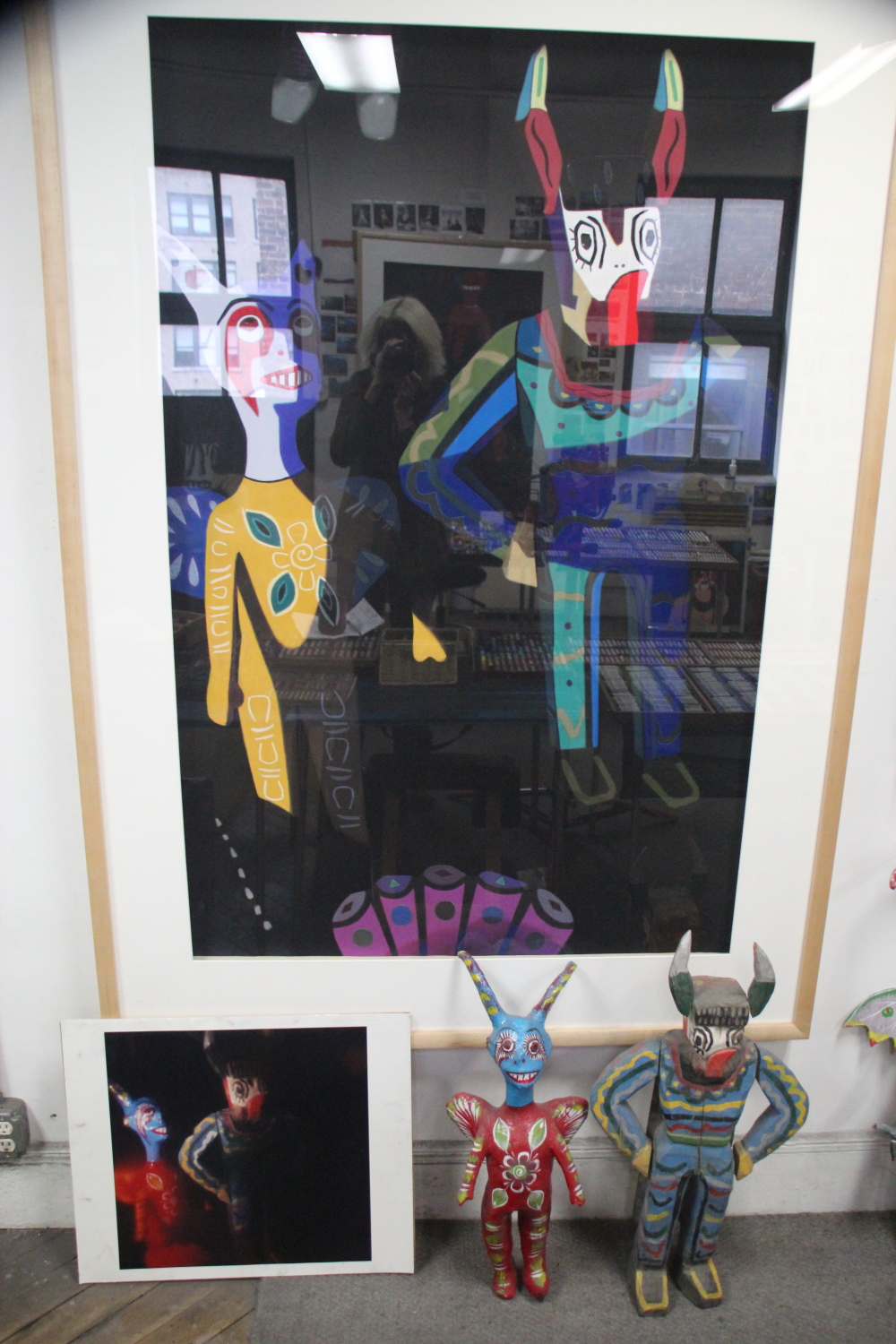
“Quartet” with self-portrait
* an ongoing series of quotations – mostly from artists, to artists – that offers wisdom, inspiration, and advice for the sometimes lonely road we are on.
We artists should not underestimate the importance of the stories we tell ourselves about how our art will make a difference. These motivational fictions describe the ways a work might interact with the world to justify our extravagant, and potentially narcissistic labors: that our art has transformational potential. A work might be understood as being critical of society or sanctuary from it, for instance, or a Trojan horse sent to the enemy as a nasty gift to unsettle their deeply entrenched frames of mind. We need renewable encouragement to make fresh work year after year in the face of uncertain rewards.
David Humphrey quoted in THE ART LIFE: On Creativity and Career by Stuart Horodner
Comments are welcome!
Pearls from artists* # 122
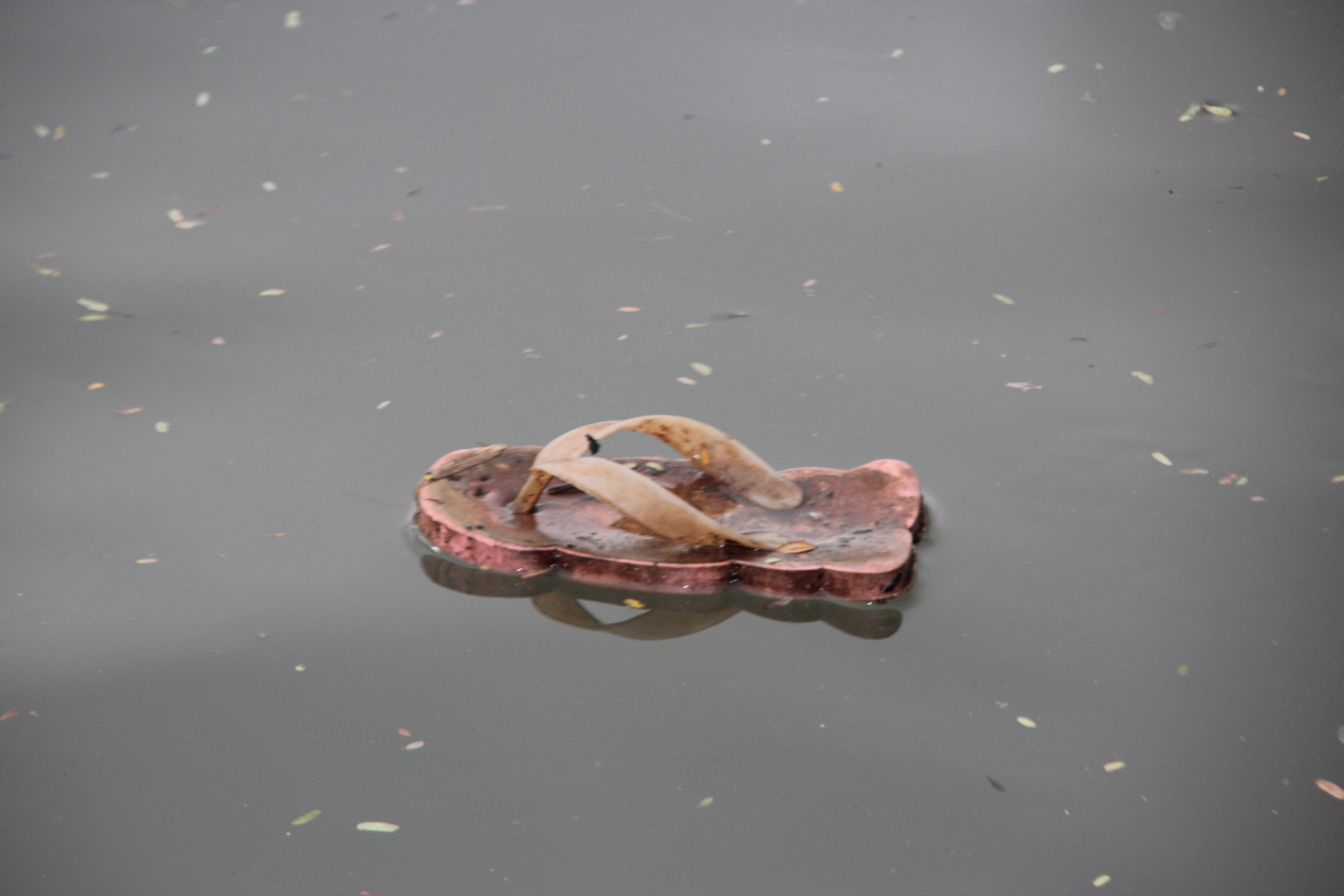
Sanur, Bali
* an ongoing series of quotations – mostly from artists, to artists – that offers wisdom, inspiration, and advice for the sometimes lonely road we are on.
Most significant growth in my life has been the direct result of errors, mistakes, accidents, faulty assumptions and wrong moves. I have generally learned more from my mistakes and my so-called failures than any successes or instances of “being right.” I would venture to propose that this equation is also true in the world at large. Error is a powerful animating ingredient in political, scientific and historical evolution as well as in art and mythology. Error is a necessity. The question I had to ask myself was: how can I cultivate a tolerance and an appetite for being wrong, for error?
In the face of an exceedingly complicated world, there are too many people who are invested in “being right.” These people are dangerous. Their authority is based on their sense of certainty. But innovation and invention do not only happen with smart people who have all of the answers. Innovation results from trial and error. The task is to make good mistakes, good errors, in the right direction.
There are many reasons that we get things as wrong as often as we do. Failures of perception, the cause of most error, are far more common in our daily lives than we like to think. We make errors because of inattention, because of poor preparation and because of haste. We err as a result of hardened prejudices about how things are. We err because we neglect to think things through. Our senses betray us constantly. But the chaos caused by being wrong also awakens energy and consciousness in us. In the moments that we realize our faults of perception, we are jerked into an awareness of our humanity. The Slovenian philosopher Slavoj Zizek wrote, “Consciousness originates with something going terribly wrong.”
Anne Bogart in “What’s the Story: Essays about art, theater, and storytelling
Comments are welcome!
Pearls from artists* # 121
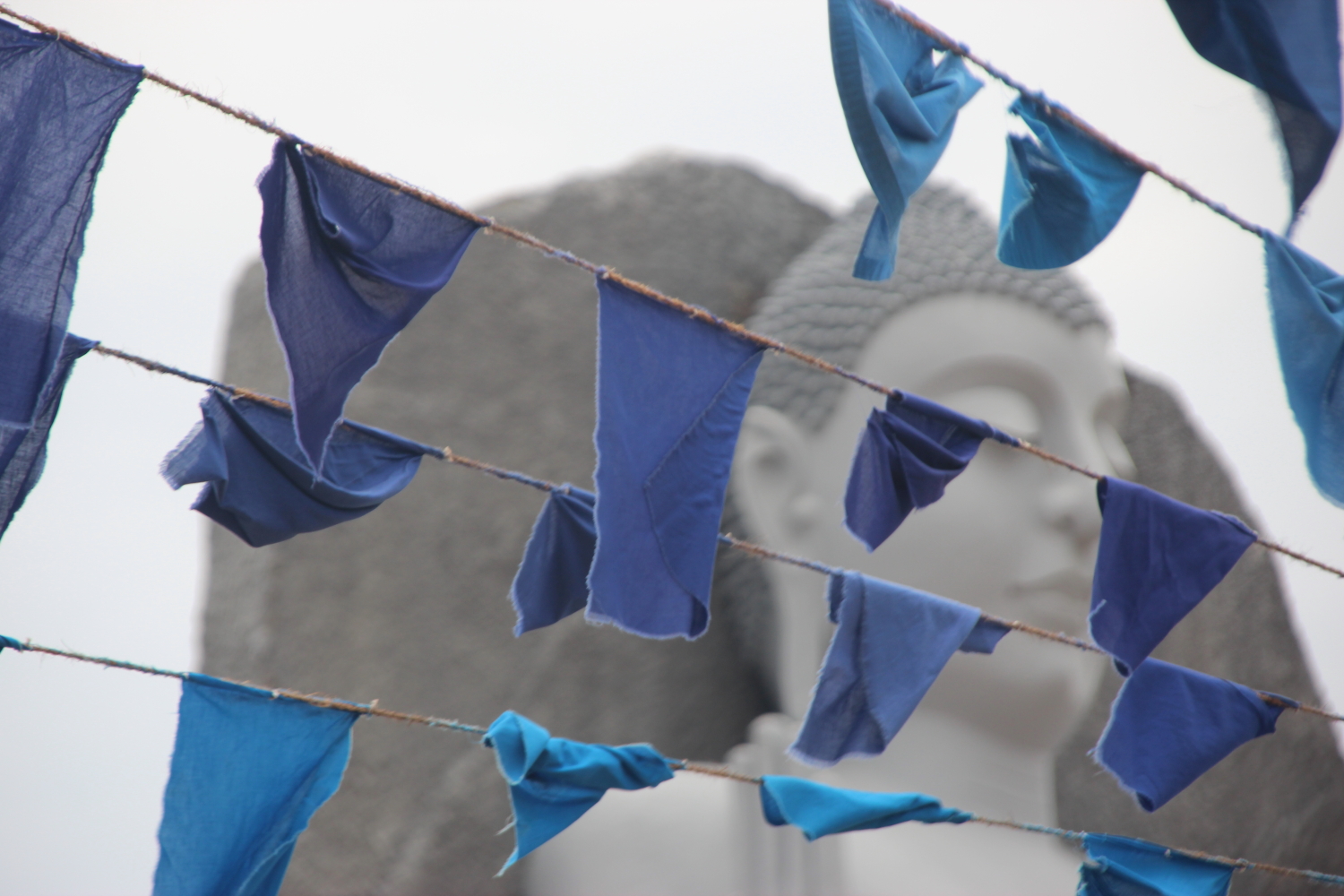
Sri Lanka
* an ongoing series of quotations – mostly from artists, to artists – that offers wisdom, inspiration, and advice for the sometimes lonely road we are on.
Artists, when they are absorbed in their work, are also deeply connected to other human beings. The theologian Matthew Fox said, “The journey the artist makes in turning inward to listen and to trust his or her images is a communal journey.” The psychologist Otto Rank argued that, “The collective unconscious, not rugged individuality, gives birth to creativity.”
To be sure, artists are not making real contact with real human beings as they work in the studio, but they are making contact in the realm of the spirit. The absence of the pressures real people bring to bear on them allows them, in solitude, to love humankind. Whereas in their day job they may hate their boss and at Thanksgiving they must deal with their alcoholic parents, in the studio their best impulses and most noble sentiments are free to emerge.
Eric Maisel in A Life in the Arts
Comments are welcome!
Pearls from artists* # 120
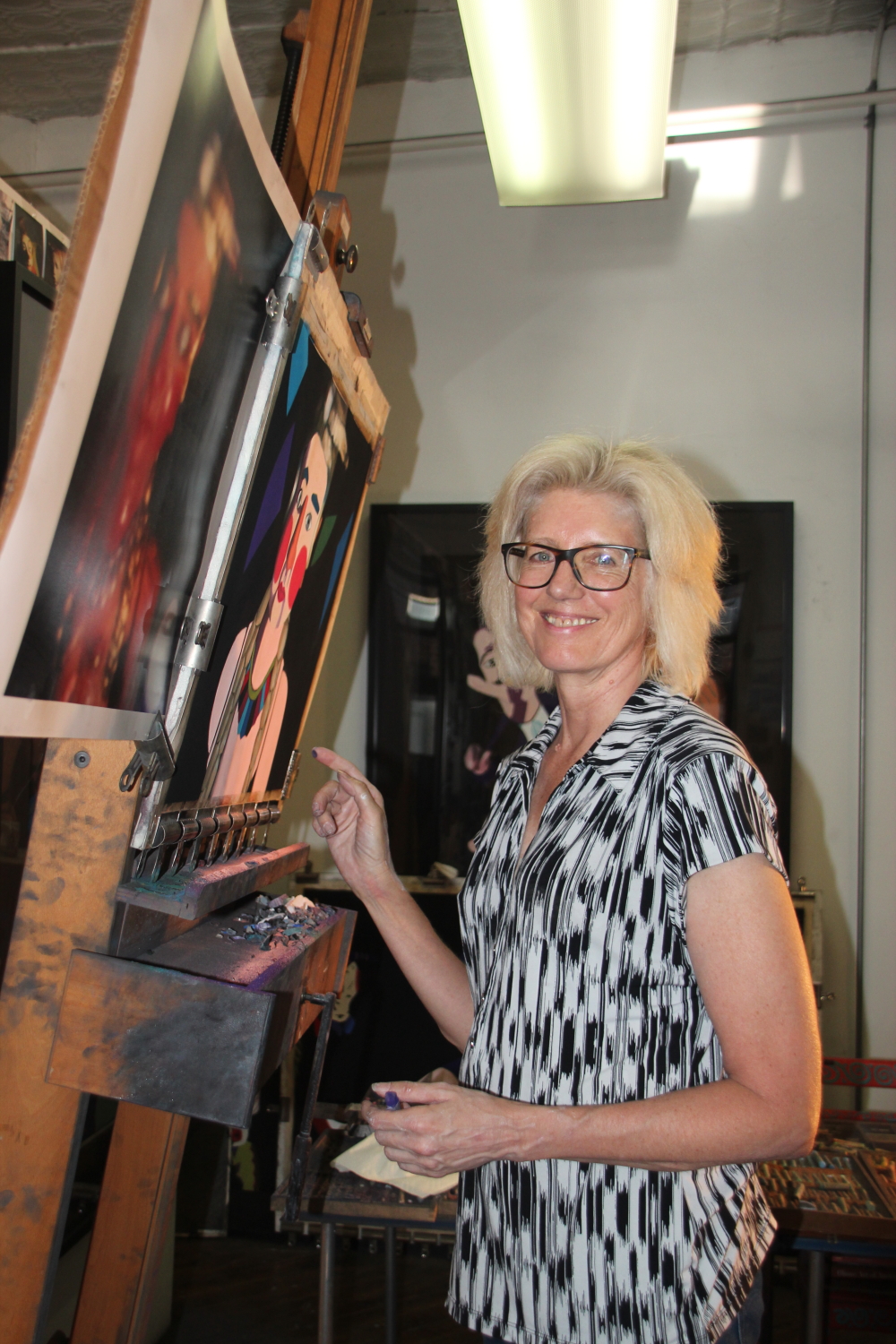
In the studio, Photo: Britta Konau
* an ongoing series of quotations – mostly from artists, to artists – that offers wisdom, inspiration, and advice for the sometimes lonely road we are on.
In solitude artists can experiment, make a mess, sustain notes for the joy of it, imagine themselves on any stage in any play. In the studio or practice room, they are not on display and need not wear their public face. They can be their silent selves, their worst selves. If there is unfreedom on the stage or in the gallery, there is freedom in the studio. As the visual artist Allen Kaprow put it, “Artists’ studios do not look like galleries, and when an artist’s studio does, everyone is suspicious.” Galleries are for show; studios are where messes are made and where the real work happens.
Eric Maisel in A Life in the Arts
Comments are welcome!
Pearls from artists* # 119
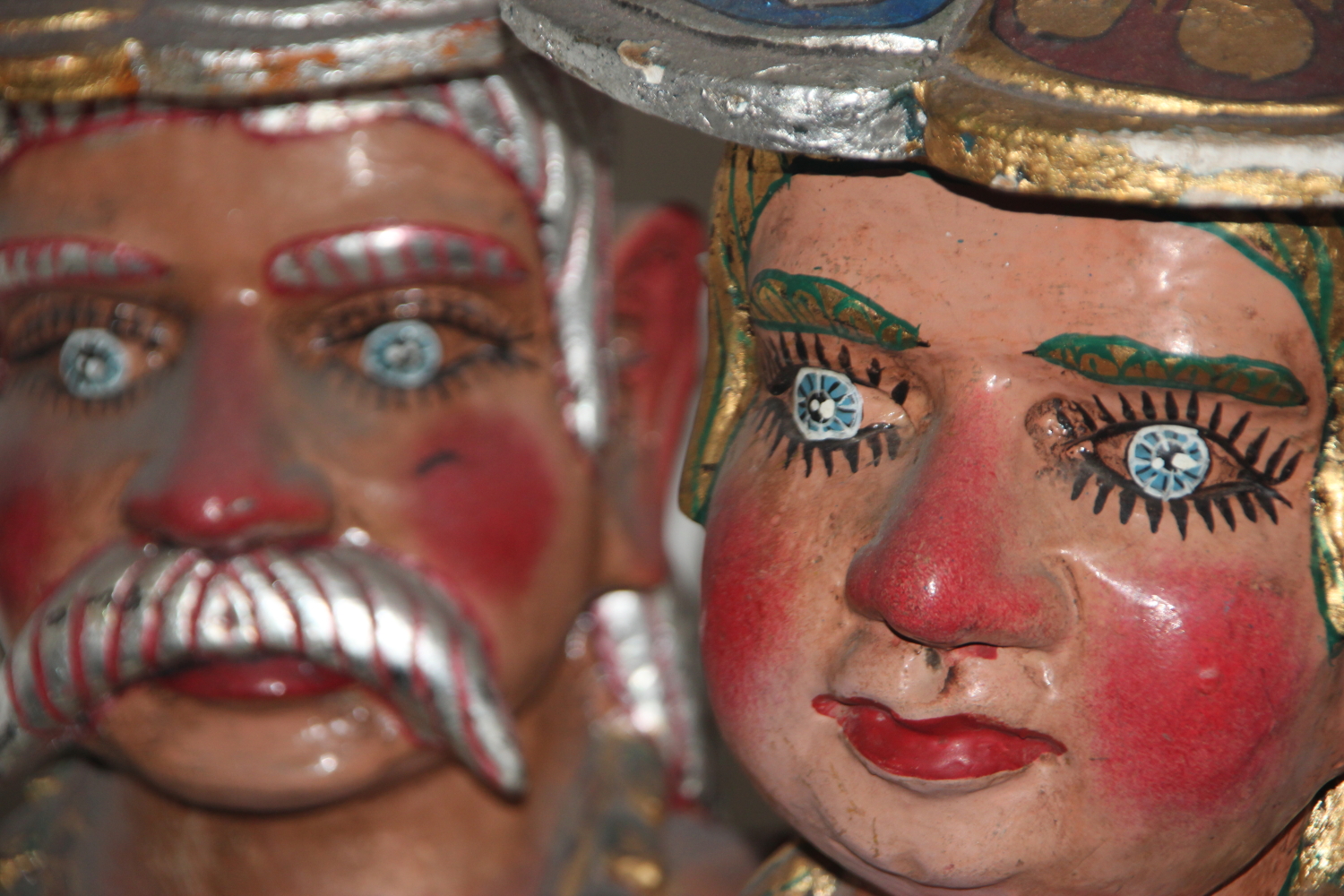
“He and She”
* an ongoing series of quotations – mostly from artists, to artists – that offers wisdom, inspiration, and advice for the sometimes lonely road we are on.
During the course of the past several years we have experienced a seismic shift in the way the world functions. Any notion of a certain or stable or inevitable future has vanished. We are living in what the Polish philosopher Zygmunt Bauman calls “liquid modernity.” No one’s life is predictable or secure. We are confronted with challenges never previously encountered, and these challenges weigh heavily on the role and responsibilities of the individual in society. It is the onus of each one of us to adjust, shift and adjust again to the constant liquid environment of fluid and unending change. In the midst of all this reeling and realignment, the moment is ripe to activate new models and proposals for how arts organizations [and artists] can flourish in the present climate and into an uncertain future.
What’s the Story: Essays about art, theater, and storytelling by Anne Bogart
Comments are welcome!
Pearls from artists* # 118
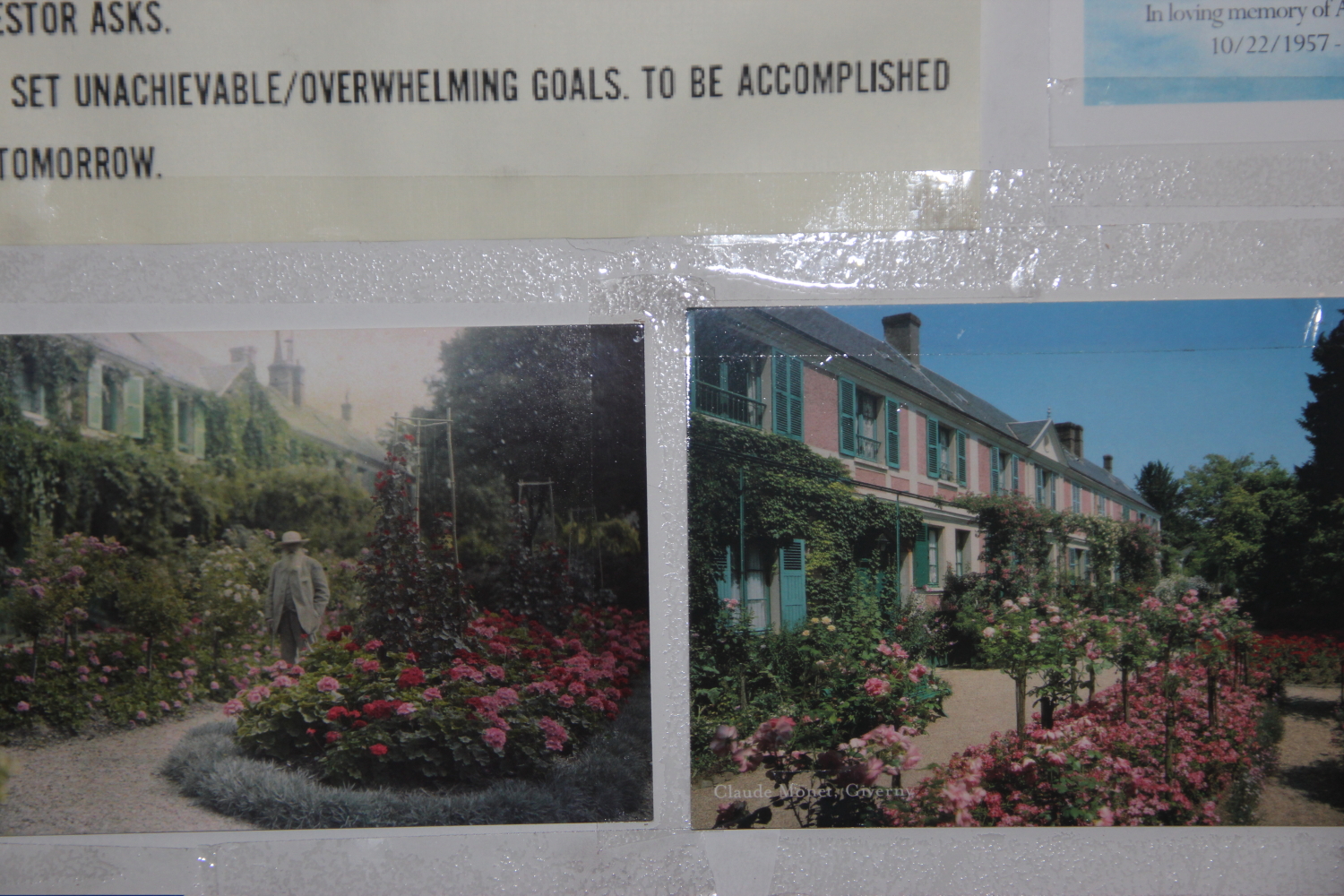
Monet’s garden
* an ongoing series of quotations – mostly from artists, to artists – that offers wisdom, inspiration, and advice for the sometimes lonely road we are on.
MONET’S “WATERLILIES” (for Bill and Sonja)
Today as the news from Selma and Saigon
poisons the air like fallout,
I come again to see
the serene great picture that I love.
Here space and time exist in light
the eye like the eye of faith believes.
The seen, the known
dissolve in iridescence, become
illusive flesh of light
that was not, was, forever is.
O light beheld as through refracting tears.
Here is the aura of that world
each of us has lost.
Here is the shadow of its joy.
Robert Hayden (1913 – 1980) in Art and Artists: Poems
Comments are welcome!
Pearls from artists* # 117

At work on a pastel painting
* an ongoing series of quotations – mostly from artists, to artists – that offers wisdom, inspiration, and advice for the sometimes lonely road we are on.
Rote practice is not deep practice. Deep practice is slow, demanding, and uncomfortable. To practice deeply is to live deliberately in a space that is uncomfortable but with the encouraging sense that progress can happen. Deep practice is not rushed. Constant critical feedback is essential. Over time the effort alters neural pathways and increases skill.
Anne Bogart in What’s the Story: Essays about art, theater, and storytelling
Comments are welcome!
Pearls from artists* # 116
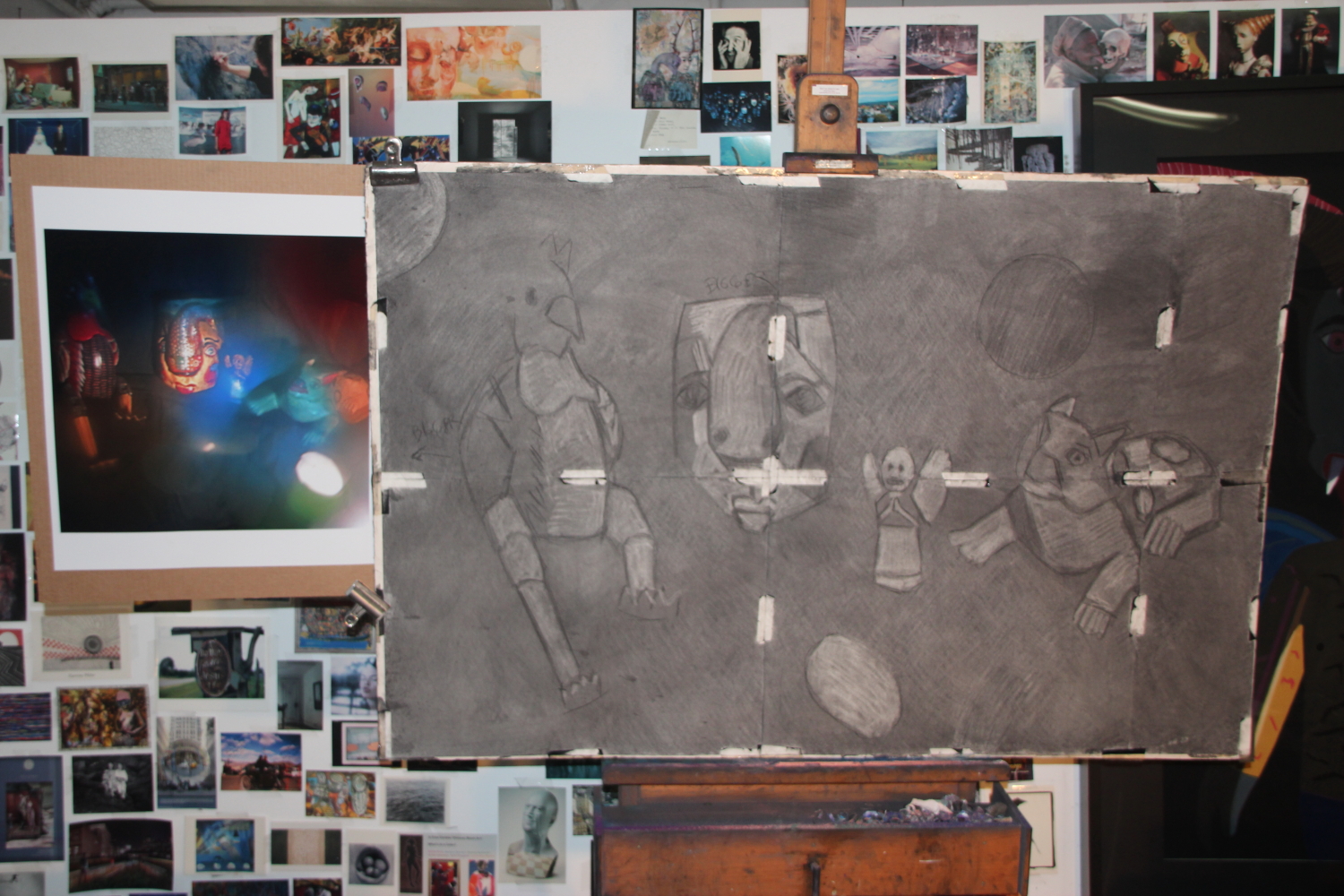
Preliminary sketch
* an ongoing series of quotations – mostly from artists, to artists – that offers wisdom, inspiration, and advice for the sometimes lonely road we are on.
What is the point of all the discipline, hard work, and training? What does the training and preparation have to do with rehearsing a play and with performance? The training and the discipline and the sweating and the study and the memorizing are not the end point, but rather the entry. The preparation is what gives one the permission to take up space and make wild, surprising, and untamed choices. In the quest for artistic freedom and agency it is impossible to walk into a rehearsal room uninhibited, unburdened. We are generally chained down by habits and assumptions and by fear of the new. Permission is what we earn by the sweat, training, preparatory work and dedication.
Anne Bogart in What’s the Story: Essays in art, theater, and storytelling
Comments are welcome!
Pearls from artists* # 115
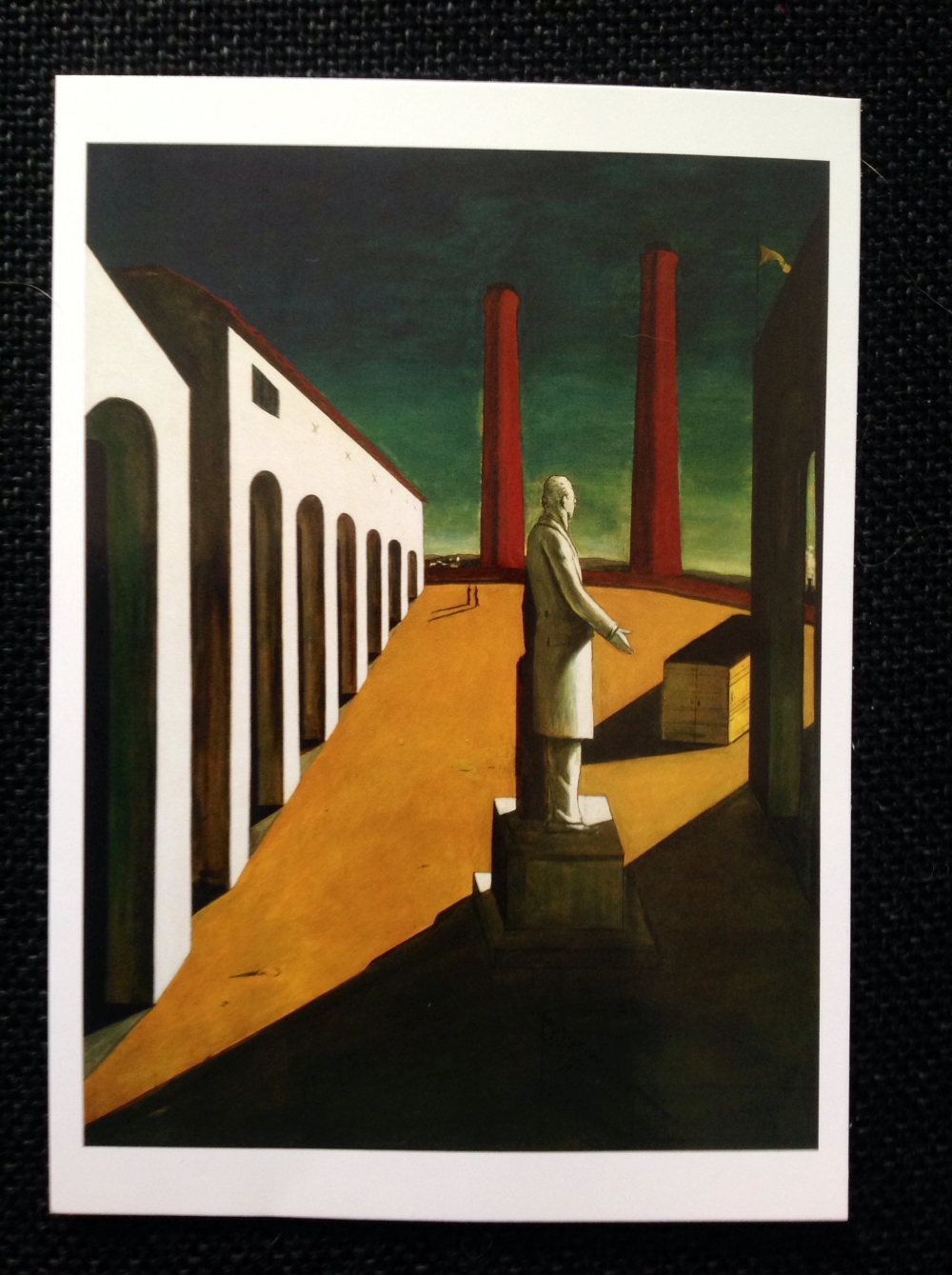
Giorgio de Chirico, “The Enigma of a Day,” oil on canvas, 6′ 1 1/4 x 55,” MoMA
* an ongoing series of quotations – mostly from artists, to artists – that offers wisdom, inspiration, and advice for the sometimes lonely road we are on.
THE DISQUIETING MUSES
From Two de Chiricos
[On Giorgio de Chirico]
Boredom sets in first, and then despair.
One tries to brush it off. It only grows.
Something about the silence of the square.
Something is wrong; something about the air,
It’s color; about the light, the way it goes.
Something about the silence of the square.
The muses in their fluted evening wear,
Their faces blank, might lead one to suppose
Something about the silence of the square.
Something about the buildings standing there.
But no, they have no purpose but to pose.
Boredom sets in first, and then despair.
What happens after that, one doesn’t care.
What brought one here – the desire to compose
Something about the silence of the square.
Or something else, of which one’s not aware,
Life itself, perhaps – who really knows?
Boredom sets in first and then despair…
Something about the silence of the square.
Mark Strand in Art and Artists: Poems, edited by Emily Fragos
Comments are welcome!
Pearls from artists* # 114

Catalogue of Matisse’s late work
* an ongoing series of quotations – mostly from artists, to artists – that offers wisdom, inspiration, and advice for the sometimes lonely road we are on.
These paper cut-outs have their very pure existence, although they escape from your hands, from your scissors. Their paper matter with the fine play of light on their flexibility, the physical aspect of this flexibility, all combine to make something miraculous which loses its essence when it is placed flat. But it retains its essence when it is fastened to the wall with pins by Lydia. The paper then keeps the life I am talking about and undergoes incessant changes.
Matisse: A Second Life, 2005 Editions Hazan, James Mayor translator of the English version
Comments are welcome!



