Blog Archives
Pearls from artists* # 58
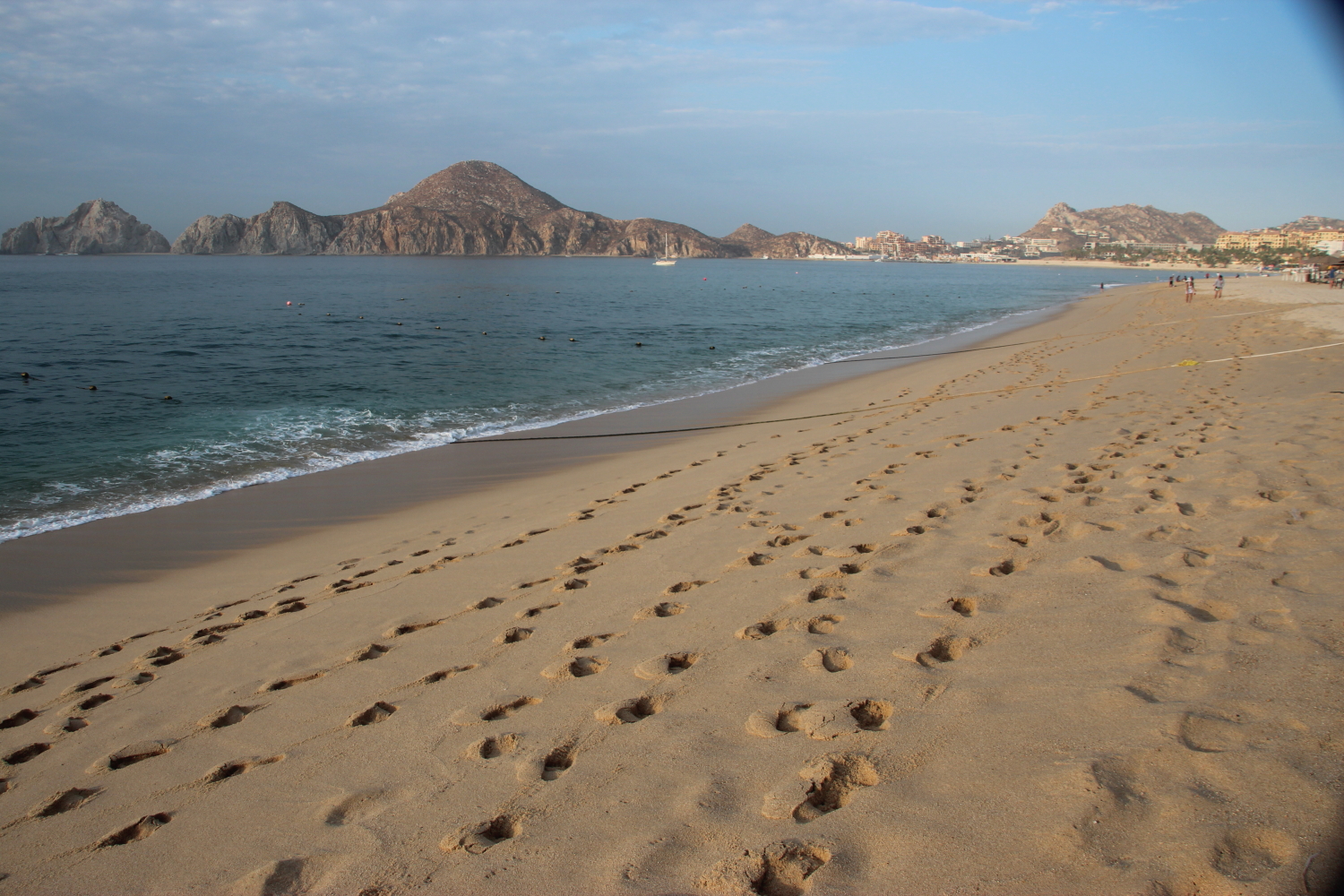
Cabo San Lucas, Mexico
* an ongoing series of quotations – mostly from artists, to artists – that offers wisdom, inspiration, and advice for the sometimes lonely road we are on.
I remember as a teenager having a group of friends at school and another group whom I spent the weekends with. I functioned fine until on occasions when I was with friends from both groups at the same time. Then it became really difficult, because I was used to acting very differently with the two groups. With one I was the leader, very vocal and outspoken about my opinions. With the other group I wanted desperately to belong and so I adapted to fit in, which meant not really being myself.
The lack of authenticity is painful. It applies to all levels of life. If our voice as a painter is inauthentic, we’re in trouble. In the end there is nothing so compelling as to be yourself. This is why being an artist can be so exhilarating. If you want to uncover your truth, you have a daily technique to come to terms with your limitations and to overcome them. You have an opportunity to look at the limiting stories you have written in your head and heart and rewrite them with boldness and vision. The quality of your attention influences how you see things.
What you put your attention on grows stronger in your life. Life, if you look around you, whether inside or in nature, is one bubbling mass of creativity. Recognize we have no shortage of it. If you focus your attention on what you now decide is fundamental , that quality will grow in your life. Not what our parents or teachers or friends or media or anybody says or said. What we now put our attention on will grow in our life. If you want to paint and put your focus there you will unleash a torrent of energy and enthusiasm.
Ian Roberts in Creative Authenticity: 16 Principles to Clarify and Deepen Your Artistic Vision
Comments are welcome!
Pearls from artists* # 22

Alexandria living room
* an ongoing series of quotations – mostly from artists, to artists – that offers wisdom, inspiration, and advice for the sometimes lonely road we are on.
So inclination you see is not lacking, and yet in all probability I shall have to try right here to clamber in the dark and all alone over the crest of the year, so to speak, for disciplinary reasons. I shall not deserve it otherwise, that is: I have long wanted to be here all alone, strictly alone, to go into my cocoon, to pull myself together, in short, to live by my heart and nothing else. Now since day before yesterday I have really been here all alone inside the old walls – outside, the sea, outside, the Karst, outside, the rain, perhaps tomorrow the storm – now must appear what is within by way of counterweight to such great and fundamental things. So, if something quite unexpected does not come, it may be the right thing to say, to hold out, to hold still with a kind of curiosity toward oneself, don’t you think? That is how things stand, and if I stir now everything will shift again; and then hearts are labeled, like certain medicines: shake before taking; I have been continually shaken in these last years, but never taken, that is why it is better that I should quietly arrive at clarity and precipitation…
Jane Bannard Greene and M.D. Herter Norton, translators, Letters of Rainer Maria Rilke 1910 – 1926
Comments are welcome!
Pearls from artists # 19
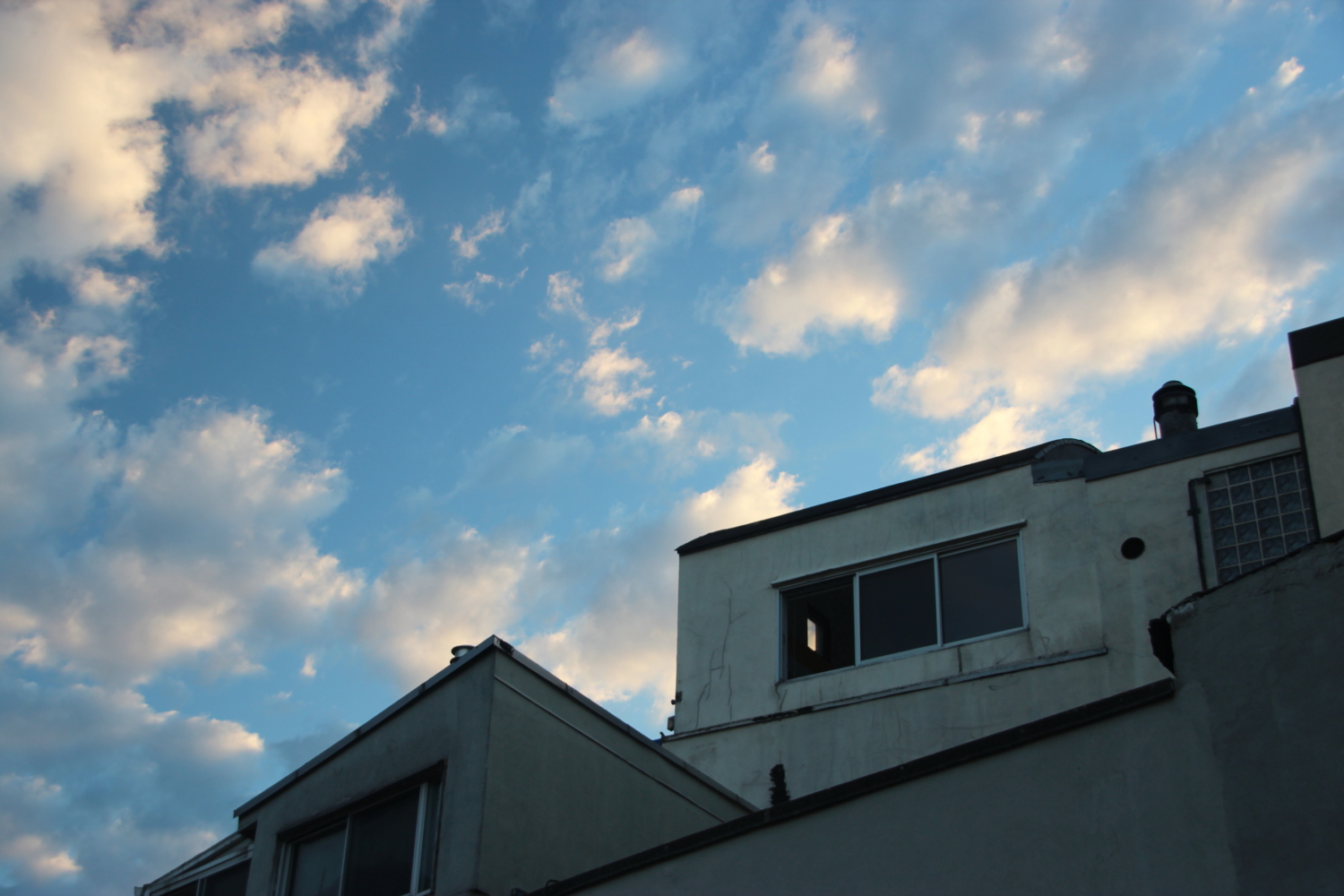
View from the balcony
* an ongoing series of quotations – mostly from artists, to artists – that offers wisdom, inspiration, and advice for the sometimes lonely road we are on.
What one writes at twenty-one is a cry, does one think of a cry that it ought to have been cried differently? The language is still so thin about one in these years, the cry pierces through and just takes along what is left clinging to it. The development will always be this, that one makes one’s language fuller, thicker, firmer (heavier), and of course there is sense in that only for one who is sure that the the cry too is growing in him ceaselessly, irresistibly, so that later, under the pressure of countless atmospheres, it will issue evenly from every pore of the almost impenetrable medium…
Talent, you understand, scarcely has significance any more in our day, since a certain dexterity of expression has become general, where is it not? Hence succeeding still means something only where the highest, utmost is achieved, and then one is again liable to think that just this unsurpassable something, once it appears in person, is in itself successful.
And so there is no real ground for concern, only that we want never to remain behind our heart and never to be in advance of it: that is probably needful. Thus we arrive at everything, each at what is his.
Jane Bannard Greene and M.D. Herter Norton editors, Letters of Rainer Maria Rilke 1910 – 1926
Comments are welcome!
Pearls from artists* # 10

West 28th Street
* an ongoing series of quotations – mostly from artists, to artists – that offers wisdom, inspiration, and advice for the sometimes lonely road we are on.
That art that matters to us – which moves the heart, or revives the soul,or delights the senses, or offers courage for living, however we choose to describe the experience – that work is received by us as a gift is received. Even if we are touched by a work of art something comes to us which has nothing to do with the piece. I went to see a landscape painter’s works, and that evening, walking among pine trees near my home, I could see the shapes and colors I had not seen the day before. The spirit of an artist’s gifts can wake our own. The work appeals, as Joseph Conrad says, to a part of our being which is itself a gift and not an acquisition. Our sense of harmony can hear the harmonies that Mozart heard. We may not have the power to profess our gifts as the artist does,and yet we come to recognize, and in a sense to receive, the endowments of our being through the agency of his creation. We feel fortunate, even redeemed. The daily commerce of our lives – “sugar for sugar and salt for salt,” as the blues singers say – proceeds at its own constant level, but a gift revives the soul. When we are moved by art we are grateful that the artist lived, grateful that he labored in the service of his gift.
If a work of art is the emanation of its maker’s gift and if it is received by its audience as a gift, then is it, too, a gift? I have framed the question to imply an affirmative answer, but I doubt we can be so categorical. Any object, any item of commerce, becomes one kind of property or another depending on how we use it. Even if a work of art contains the spirit of the artist’s gift, it does not follow that the work itself is a gift. It is what we make of it.
And yet, that said, it must be added that the way we treat a thing can sometimes change its nature. For example, religions often prohibit the sale of sacred objects, the implication being that their sanctity is lost if they are bought and sold. A work of art seems to be a hardier breed; it can be sold in the market and still emerge a work of art. But if it is true that in the essential commerce of art a gift is carried by the work from the artist to his audience, if I am right to say that where there is no gift there is no art, then it is possible to destroy a work of art by converting it into a commodity. Such, at any rate, is my position. I do not maintain that art cannot be bought and sold; I do maintain that the gift portion of the work places a constraint upon our merchandising.
Lewis Hyde, The Gift
Comments are welcome.


 barbararachkoscoloreddust.com