Blog Archives
Q: Can you elaborate on the title of your very first series, “Domestic Threats”?

A: All of the paintings in this series are set in places where I reside or used to live, either a Virginia house or New York apartments, i.e., domestic environments. Each painting typically contains a conflict of some sort, at least one figure who is being menaced or threatened by a group of figures. So I named the series “Domestic Threats.”
Depending on what is going on in the country at a particular moment in time, however, people have seen political associations in my work. When my husband, Bryan, was killed on 9/11, many people thought the title, “Domestic Threats,” was prescient. They have ascribed all kinds of domestic terrorism associations to it, but that is not really what I had in mind. For a time some thought I was hinting at scenes of domestic violence, but that also is not what I had intended. “Domestic Threats” seems to be fraught with associations that I never considered, but it’s an apt title for this body of work.
Comments are welcome!

Pearls from artists* # 456
*an ongoing series of quotations – mostly from artists, to artists – that offers wisdom, inspiration, and advice for the sometimes lonely road we are on.
[Philip] Guston’s biography provides ample proof of his political convictions – his loathing of the Klan, of Richard Nixon, of violence against the powerless. It also leaves no doubt as to his Ozymandian artistic ambitions, which had a drive and a logic of their own. Yoking the ambitions to the convictions was, he found, insipid: “What bores me,” he said in 1974. “is to see an illustration of my thought… I want to make something I never saw before and be changed by it. So that I go into the studio and I see these things up and I think, Jesus, did I do that? What a strange thing.”
Susan Tallman in Phillip Guston’s Discomfort Zone in The New York Review of Books, Jan. 14, 2021
Comments are welcome!
Q: Travel is an essential aspect of your work. How do you decide where to travel next?
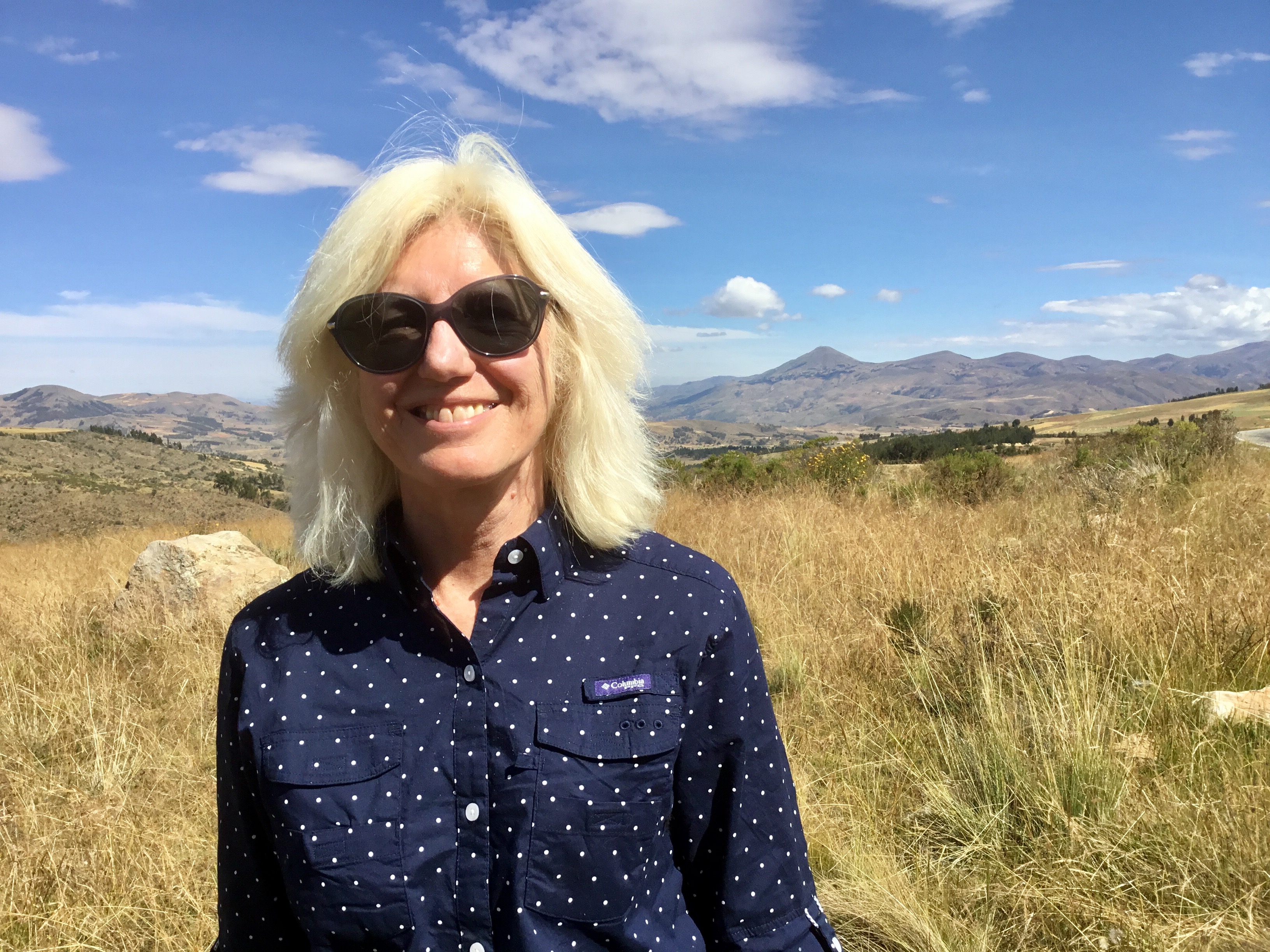
In the Bolivian Andes at about 14,000’
A: Generally, I am most interested in exploring Mexico and destinations in Central and South American because they offer endless inspiration to further my work. I’m not exactly certain why this is the case. I DO know that I cannot get enough of travel to points south!
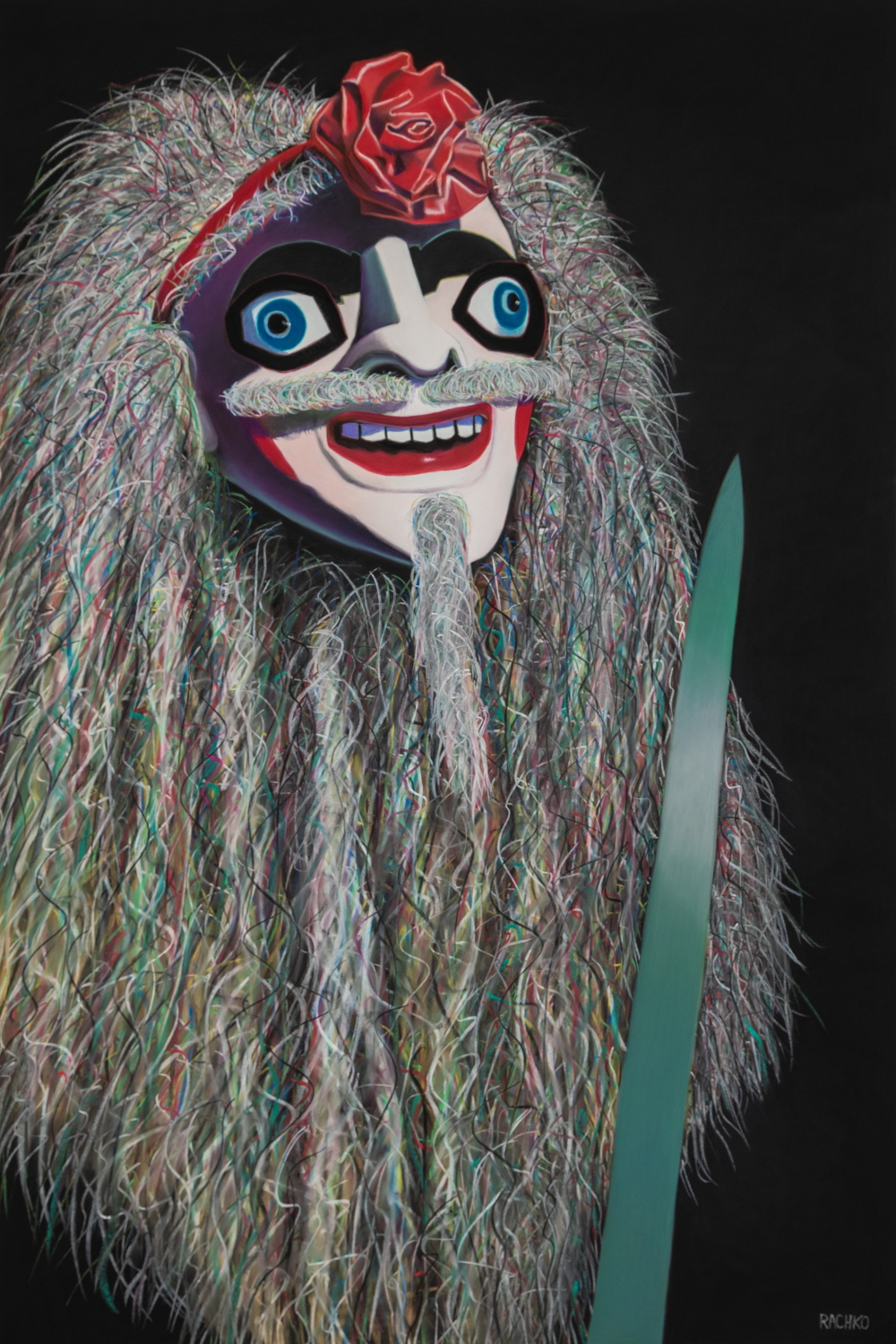
My 2017 trip to Bolivia proved to be crucial for my current pastel painting series. “Bolivianos” is based on an exhibition of Carnival masks encountered at the National Museum of Ethnology and Folklore in La Paz.
I had high hopes of making a return visit – along with a private tour guide – last February. However, since President Moreno resigned last November, much political instability, violence, and turmoil resulted. I would not have felt safe traveling to Oruro to see Carnival celebrations this year.
In the mean time I look forward to traveling to Chile, the Atacama Desert, and Easter Island next winter!
Comnents are welcome!


 barbararachkoscoloreddust.com