Blog Archives
Pearls from artists* # 94
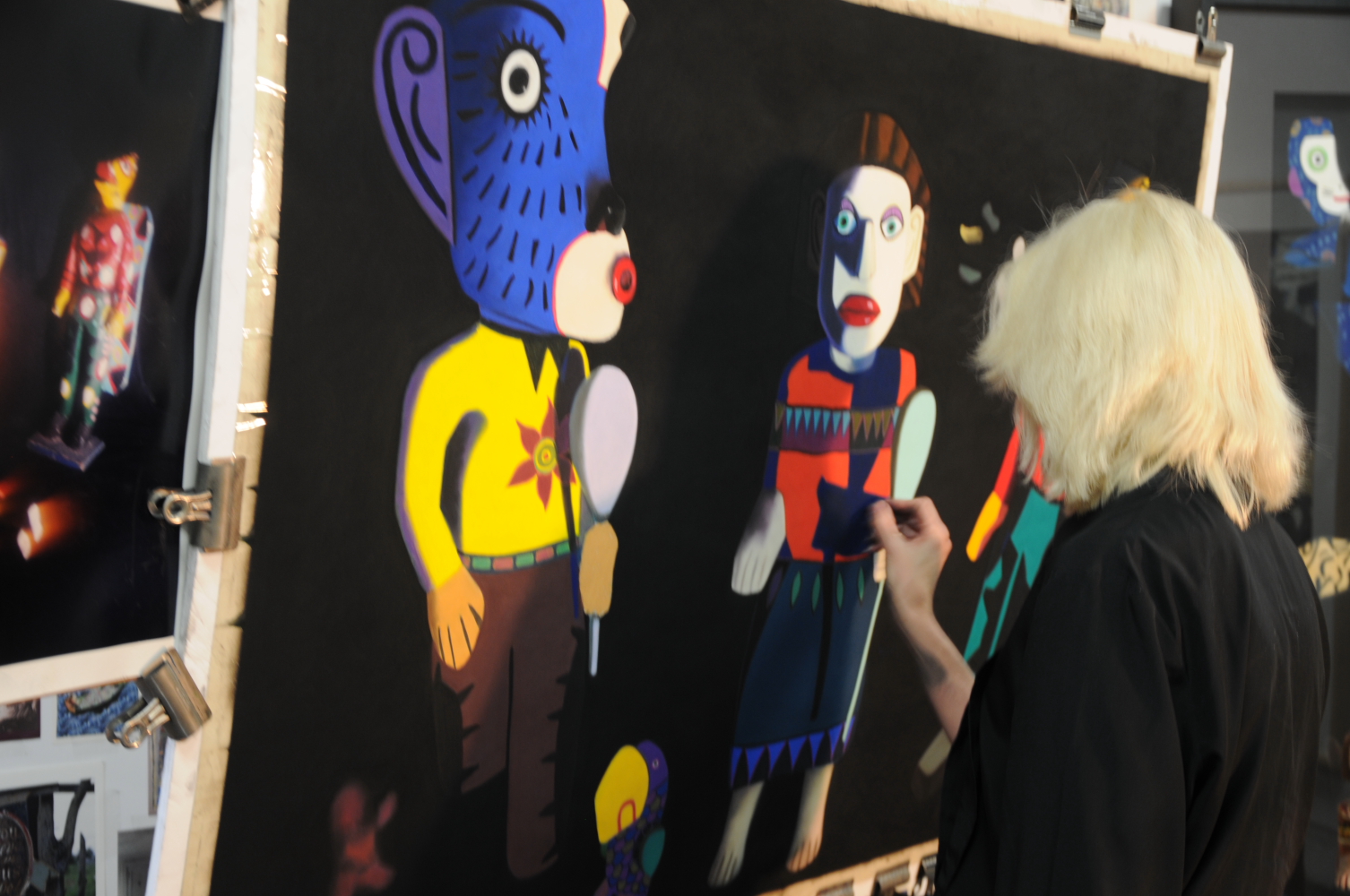
Working on “False Friends” Photo: Diana Feit
* an ongoing series of quotations – mostly from artists, to artists – that offers wisdom, inspiration, and advice for the sometimes lonely road we are on.
A work of art which inspires us comes from no quibbling or uncertain man. It is the manifest of a very positive nature in great enjoyment, and at the very moment the work was done.
It is not enough to have thought great things before doing the work. The brush stroke at the moment of contact carries inevitably the exact state of being of the artist at that exact moment into the work, and there it is, to be seen and read by those who can read such signs, and to be read later by the artist himself, with perhaps some surprise, as a revelation of himself.
For an artist to be interesting to us he must be interesting to himself. He must have been capable of intense feeling, and capable of profound contemplation.
He who has contemplated has met with himself, is in a state to see into the realities beyond the surfaces of his subject. Nature reveals to him, and, seeing and feeling intensely, he paints, and whether he wills it or not each brush stroke is an exact record of such as he was at the exact moment the stroke was made.
The Art Spirit by Robert Henri
Comments are welcome!
Pearls from artists* # 91
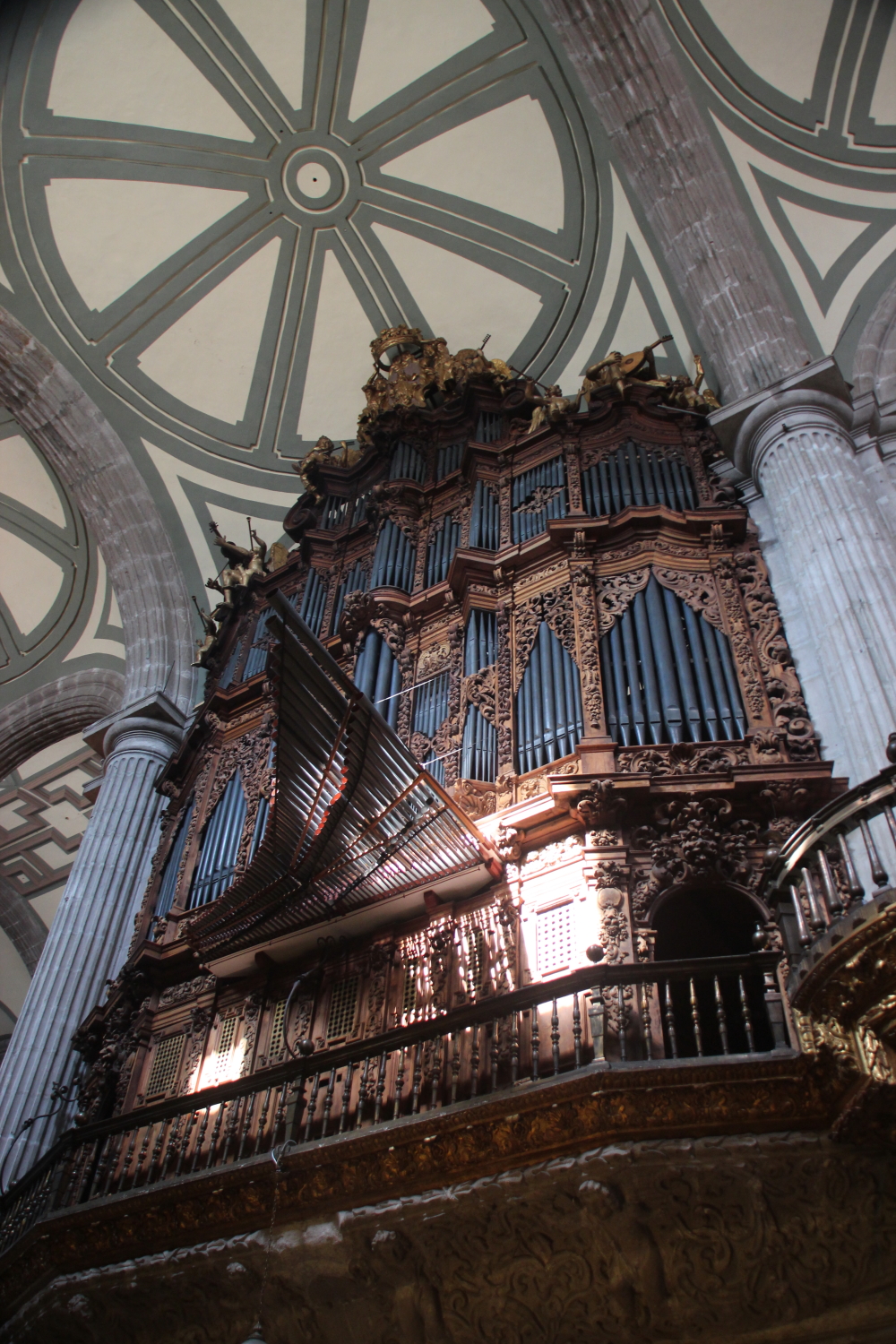
Mexico City
* an ongoing series of quotations – mostly from artists, to artists – that offers wisdom, inspiration, and advice for the sometimes lonely road we are on.
I’m struggling a lot financially, struggling a lot to keep my group going, struggling to keep going in every way, but I feel like I try so hard because every time that I’m able to go to a college or to be with young people they need to know that there is this “anything is possible” idea. They need to at least see that. I intend to continue nevertheless. Somehow that seems very important right now. It isn’t that you go to school just to find out everything you need to get a job or something. We never thought of what we did as a job. We thought of it as our work, our life. Then there was a certain point, I think, in the eighties where people thought of their identity as this and then what you did was a job. There was a separation between the two things.
I pray that now there will be some loosening and we’ll feel this sense of, just as you said so beautifully, space and breath. No one’s breathing. That’s why I feel that doing art is so important. It makes you dig in your heels even more. It’s a life-and-death kind of thing. What is the other alternative? The other alternative is that you’re living in a culture that’s basically trying to distract you from the moment. It’s trying to distract you from your life. It’s trying to distract you from who you are, and it’s trying to numb you, and it’s trying to make you buy things. Now, I don’t really think that that’s what life is about. I’m excited because now I have this real sense that there’s this counterculture, you could say, or counter-impulse. it’s not for-and-against, but there is a kind of dialectic where there’s a kind of resistance you can actually hit against, or at least address in one way or the other.
Meredith Monk quoted in Conversations with Anne: Twenty-four Interviews, by Anne Bogart
Comments are welcome!
Pearls from artists* # 84

My Alexandria living room
* an ongoing series of quotations – mostly from artists, to artists – that offers wisdom, inspiration, and advice for the sometimes lonely road we are on.
I have a stockpile of sculptures, paintings, and drawings – every work of art I have made that has not sold – in a storage space for which I pay every month as regularly as I pay my utility bills. This is a sensible arrangement, as I can leave this work to my children. Most of the time I never give it a thought, but this morning it flashed across my mind that if it were blown away I would be bereaved in a way that would hurt me very much. I have not been inordinately materialistic, but I am attached to my house, to my inherited belongings, and to the things that I have chosen for myself. All these objects add complexity to my emotional ties to people with whom I have shared, and share, my life, and to my aspirations for myself.
Anne Truitt in Turn: The Journal of an Artist
Comments are welcome!
Q: How do you begin a photograph?

Untitled chromogenic print, 24″ x 24″, edition of 5
A: It always begins in my mind long before I actually start making it. By the time I take the photograph, I’ve already thought deeply about the possibilities, the formal arrangements, meanings, etc. so that setting up the objects, lighting them, and clicking the shutter feels like a reward after a long thought process. My fine art photographs are finished works in themselves. However, when I select one to use as reference for a pastel painting, a different but related process of working out my ideas and translating them into pastel occurs over the next several months spent in the studio. Of course, in that case the photo becomes only the starting point for an entirely new artwork.
Comments are welcome!
Pearls from artists* # 38
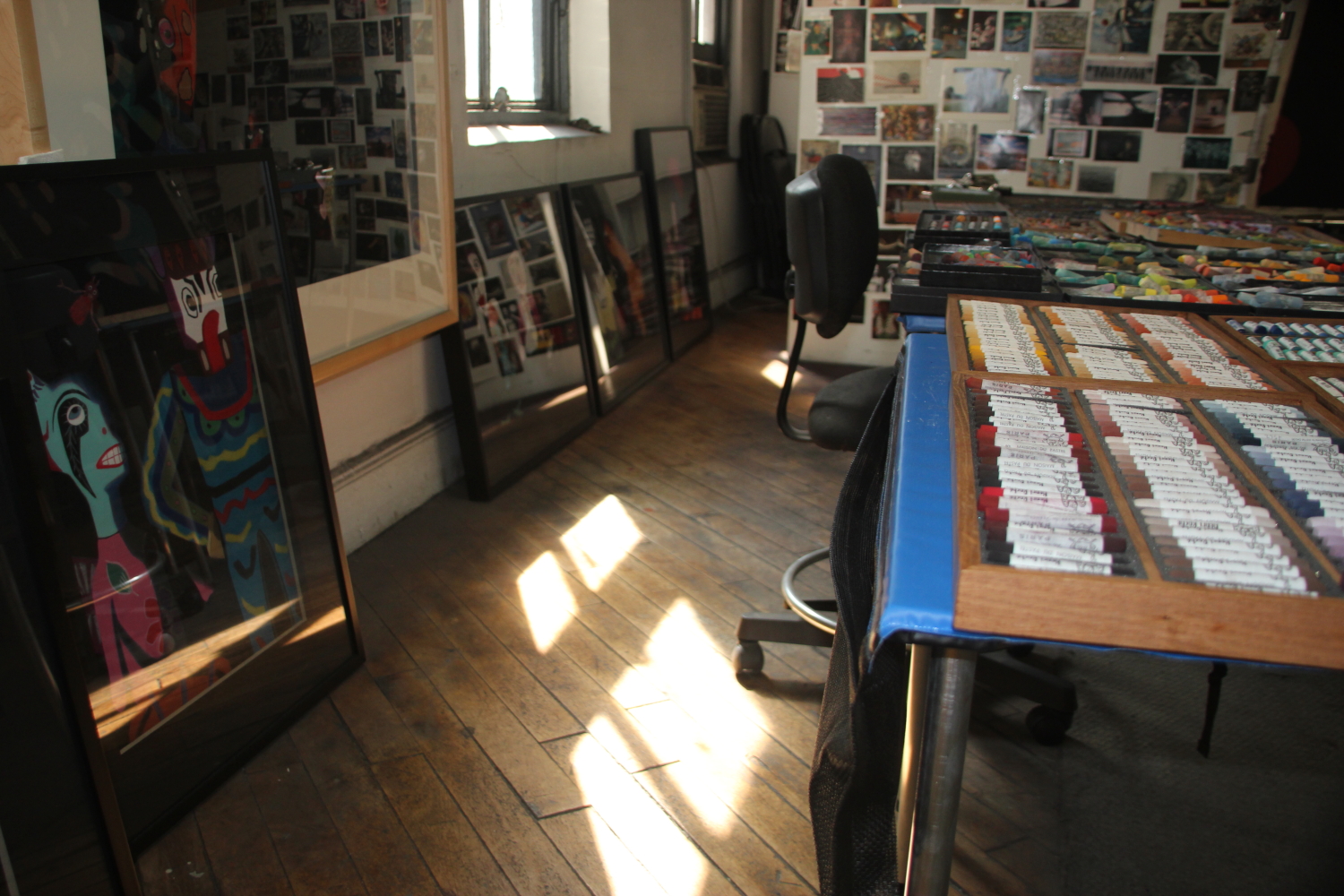
Morning sun at the studio
* an ongoing series of quotations – mostly from artists, to artists – that offers wisdom, inspiration, and advice for the sometimes lonely road we are on.
It’s one thing to be intelligent and it’s another to enjoy thinking, to relish the time spent alone with one’s thoughts, to happily muse, imagine, and analyze. Artists, who are introspective by nature, typically enjoy spending time in this fashion and may even prefer solitude to the company of others. Able to work by themselves, artists are often lost in a state of dreamy thoughtfulness of the sort described by the painter Hans Hofmann when he wrote, ” The first red spot on a white canvas may at once suggest to me the meaning of ‘morning redness,’ and from there I dream further with my color.” Artists are not introspective, thoughtful, lost in time and space because they wish to ignore the world. They’re introspective because out of that attitude artistic answers flow.
Eric Maisel in A Life in the Arts
Comments are welcome!
Pearls from artists* # 27
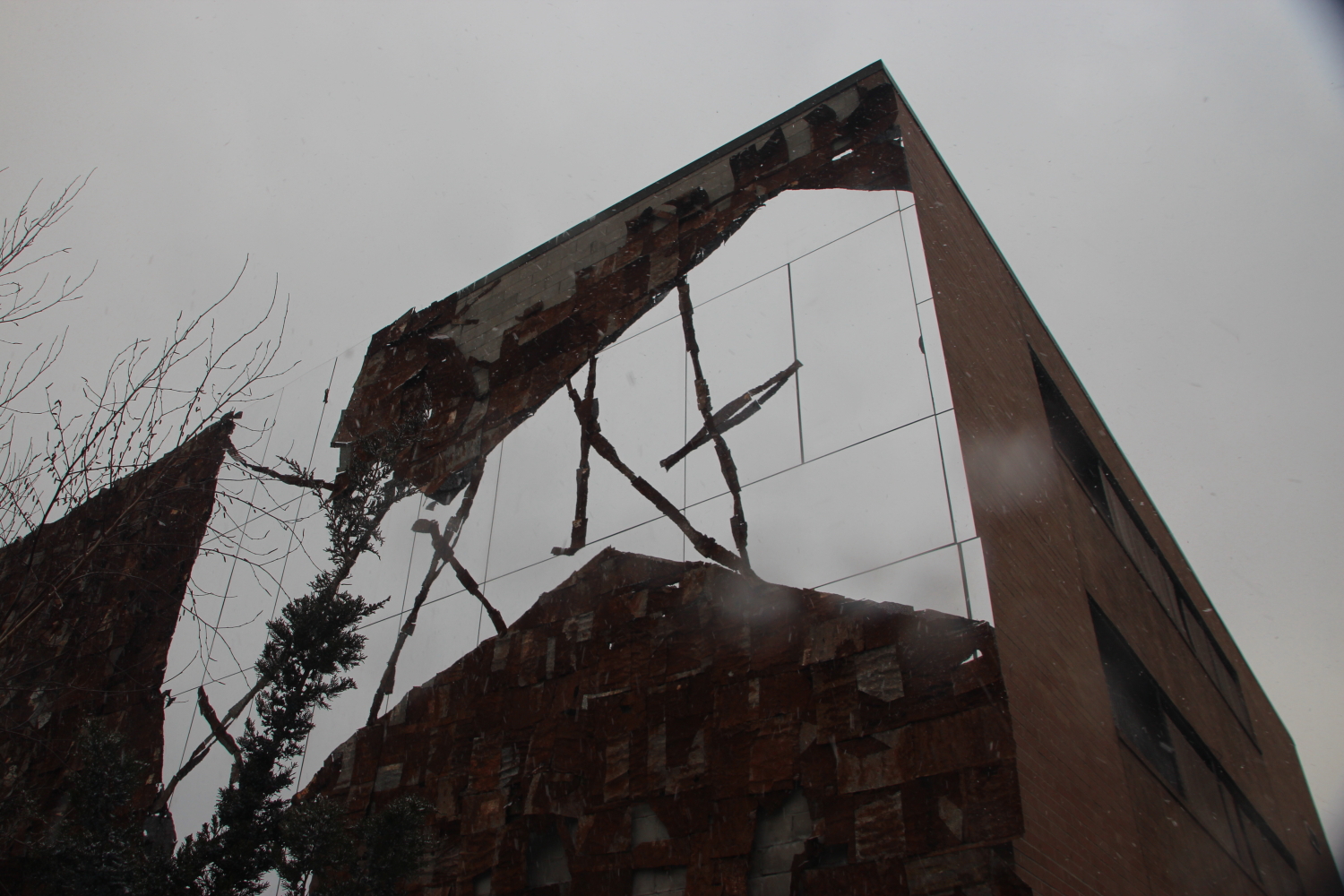
Broken Bridge II, by El Anatsui, on the High Line
* an ongoing series of quotations – mostly from artists, to artists – that offers wisdom, inspiration, and advice for the sometimes lonely road we are on.
Of course, when people said a work of art was interesting, this did not mean that they necessarily liked it – much less that they thought it beautiful. It usually meant no more than that they thought they ought to like it. Or that they liked it, sort of, even though it wasn’t beautiful.
Or they might describe something as interesting to avoid the banality of calling it beautiful. Photography was the art where “the interesting” first triumphed, and early on: the new, photographic way of seeing proposed everything as a potential subject for the camera. The beautiful could not have yielded such a range of subjects; and it soon came to seem uncool to boot as a judgment. Of a photograph of a sunset, a beautiful sunset, anyone with minimal standards of verbal sophistication might well prefer to say, “Yes, the photograph is interesting.”
What is interesting? Mostly, what has not previously been thought beautiful (or good). The sick are interesting, as Nietzsche points out. The wicked, too. To name something as interesting implies challenging old orders of praise; such judgments aspire to be found insolent or at least ingenious. Connoisseurs of “the interesting” – whose antonym is “the boring” – appreciate clash, not harmony. Liberalism is boring, declares Carl Schmitt in The Concept of the Political, written in 1932. (The following year he joined the Nazi Party). A politics conducted according to liberal principles lacks drama, flavor, conflict, while strong autocratic politics – and war – are interesting.
Paolo Dilonardo and Anne Jump, editors, Susan Sontag: At the Same Time
Comments are welcome!


 barbararachkoscoloreddust.com