Blog Archives
Q: How would you define art?

Barbara’s studio
A: At its core all art is communication. I personally believe that without the component of communication, there is no art. The expression of human creative skill and imagination becomes art when it is appreciated for its beauty, complexity, emotional power, evocativeness, etc. A sympathetic and understanding audience is essential.
Why might artists fail to communicate? Perhaps they haven’t mastered their medium sufficiently to elicit a reaction from the viewer. Perhaps the viewer lacks the necessary artistic, cultural, or intellectual background to understand and appreciate what the artist is communicating. Maybe the viewer is distracted or preoccupied and not looking or thinking deeply enough. There are many reasons.
Comments are welcome!
Pearls from artists* # 81
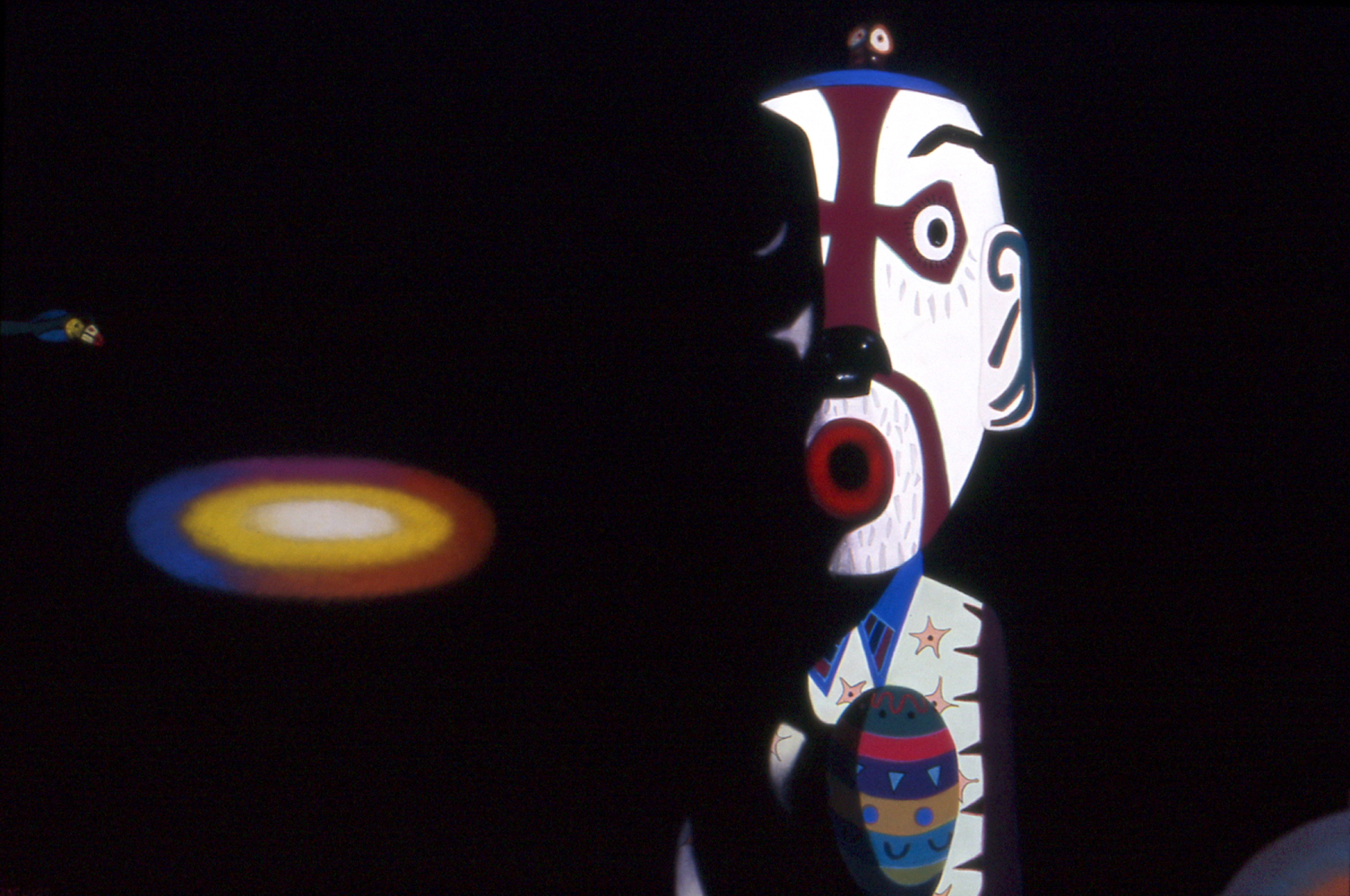
“Poker Face,” soft pastel on sandpaper, 38″ x 58″
* an ongoing series of quotations – mostly from artists, to artists – that offers wisdom, inspiration, and advice for the sometimes lonely road we are on.
The creative process remains as baffling and unpredictable to me today as it did when I began my journey over forty years ago. On the one hand, it seems entirely logical – insight building on insight; figures from my past, the culture, and everyday life sparking scenes and images on canvas; and all of it – subject, narrative, theme – working together with gesture, form, light to capture deeply felt experience. But in real time the process is a blur, a state that precludes consciousness or any kind of rational thinking. When I’m working well, I’m lost in the moment, painting quickly and intuitively, reacting to forms on the canvas, allowing their meaning to reveal itself to me. In every painting I make I’m looking for some kind of revelation, something I didn’t see before. If it surprises me, hopefully it will surprise the viewer, too.
Eric Fischl and Michael Stone in Bad Boy: My Life On and Off the Canvas
Comments are welcome!
Pearls from artists* # 68

Hudson Rail Yards, NYC
* an ongoing series of quotations – mostly from artists, to artists – that offers wisdom, inspiration, and advice for the sometimes lonely road we are on.
Get to know what you really want. Hold on and treasure your vision. Acknowledge that your life is a work in progress and that your goals will change and develop over time. Knowing deeply what you want to accomplish shores up doubt, builds fortitude, and pushes you to take more action. This awareness changes how you hear and use information. Your senses will be sharpened. You begin to listen to everything differently; you interpret what you read, what you do, and whom you meet with your goals in mind. You will ask better questions of those around you and seek more meaningful help. All of this will produce a subtle yet profound shift in how you proceed and the actions you take. It will reshape your life and have major consequences for your career.
Jackie Battenfield in The Artist’s Guide: How to Make a Living Doing What You Love
Comments are welcome!
Q: Your pastel-on-sandpaper paintings are very labor intensive. Do you typically have just one in progress at any given time?

Works in progress, soft pastel on sandpaper, 58″ x 38″
A: For many years I always worked on one at a time because I have only one or two ideas – never more than that – about what I will make next. Also, I believe that “all art is the result of one’s having gone through an experience to the end.” (It’s on a note taped to the wall near my easel). So I would work on one painting at a time until all of the problems in it were resolved. Each piece that I undertake represents an investment of several months of my life and after nearly three decades as an artist, I know that once I start a piece I will not abandon it for any reason. When it is the best painting that I can make – when adding or subtracting anything would be a diminishment – I pronounce it “finished.” In the past I would start the next one only when the completed piece was out of my sight and at the frame shop.
But a few years ago I began working on two pastel paintings at a time. When I get stuck – or just need a break from looking at the same image day after day (I am in my studio 5 days a week) – I switch to the other one. This helps me work more efficiently. The two paintings interact with each other; they play off of each other and one suggests solutions that help me to resolve problem areas in the other. I’m not sure exactly how this happens – maybe putting a piece aside for awhile alerts my unconscious to begin working deeply on it – but having two in progress at the same time is my preferred way of working now.
A note about the painting on the left above, which was previously called, “Judas.” I happen to be reading “Cloud Atlas,” by David Mitchell and came across the word “judasing” used as a verb meaning, “doing some evil to a person who profoundly trusted you.” I’d never heard the word before, but it resonated with an event in my personal life. So the new title of my painting is “Judasing.” This is a good reminder that work and life are inextricably (and inexplicably) woven together and that titles can come from anywhere!
Comments are welcome!
Pearls from artists* # 41

White Sands, NM
* an ongoing series of quotations – mostly from artists, to artists – that offers wisdom, inspiration, and advice for the sometimes lonely road we are on.
If you look at the work of an artist over a lifetime there is always transformation. Some hit a lively place early and then seem to lose it later. Others find that place progressively throughout their life; others still, find it late. But regardless, they are all learning to isolate the poetic place within them. That focus on the poetic in our own work increases our appreciation of the beauty around us, increases our growth, and increases our divine connection.
One thing you see in many artists’ work is that as they continue over the decades to translate their experience of the poetic into form, they learn to communicate better. They strip away all the extraneous stuff and artistic baggage they had. They say more with less.
The problem is seldom that what we truly, deeply experience is too simple to simplify. There is power in stripping everyhing away to reveal the vision. That’s what takes a lifetime.
Ian Roberts in Creative Authenticity: 16 Principles to Clarify and Deepen Your Artistic Vision
Comments are welcome!


 barbararachkoscoloreddust.com