Blog Archives
Q: What makes you just want to run back to the studio and start something new?
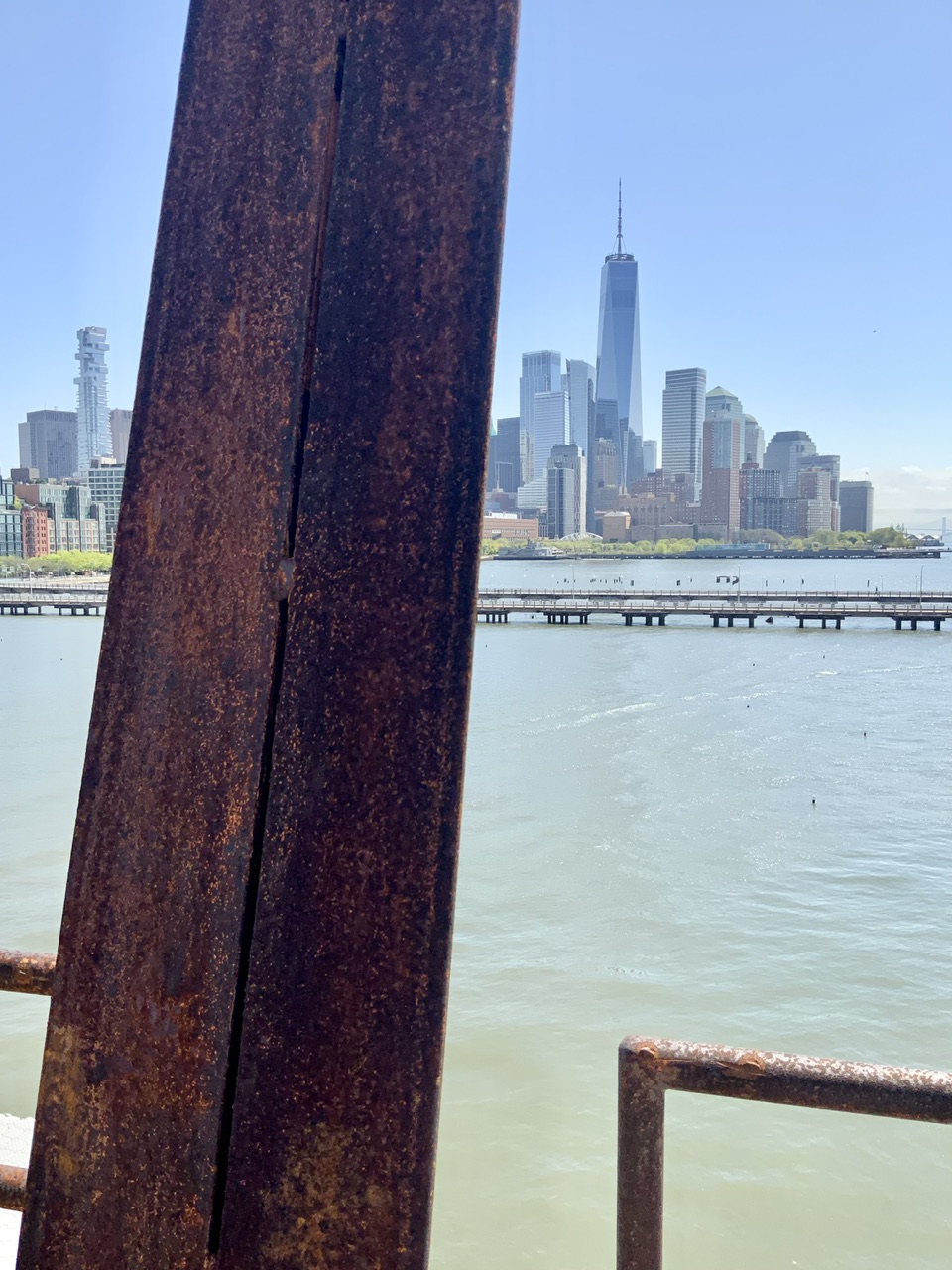
View of Lower Manhattan
A: I always work in series, which means that one pastel painting generally leads into the next. Considerable thought and planning go into each one before I begin, so it would be rare for me to just start something new out of the blue.
Sometimes on days off from the studio when we have beautiful weather, I can can hardly wait to go outside for a walk. I grab my iPad Pro and search for new sights to photograph. After a couple of hours, I usually return home with a handful of interesting images. Photography is such a departure from the slowness of my work in the studio, considering that in a good year I make 3 or 4 pastel paintings.
Comments are welcome!
Pearls from artists* # 590

Barbara’s Studio: when you fall in love with pastel!
*an ongoing series of quotations – mostly from artists, to artists – that offers wisdom, inspiration, and advice for the sometimes lonely road we are on.
We see again and again in the lives of special artists a profound youthful infatuation with their medium, with everything and anything connected with it – the good, the bad, the indifferent. If books have mesmerized them, they will read everything; if painting, they will frequent every gallery, running to every visiting show. They may have no idea that they are about to devote their life to that medium; they simply fell in love. The actor Len Cariou said:
“I didn’t have any thoughts about being an actor. I always was an actor. I’d go to films every Saturday. I had an insatiable appetite for films. You could see four films and a serial for half a buck. In 1959 when I read an ad in the local paper, ‘Young actors wanted for summer stock,’ all of a sudden I knew; there was a crunch in my head.”
… The artist is transported by his medium, is delighted and astonished. That his medium is able to speak to him in this way is almost a proof of the existence of god, or at least a special affirmation in the realm of the spirit.
Eric Maisel in A Life in the Arts: Practical Guidance and Inspiration for Creative and Performing Artists
Comments are welcome!
Pearls from artists* # 570
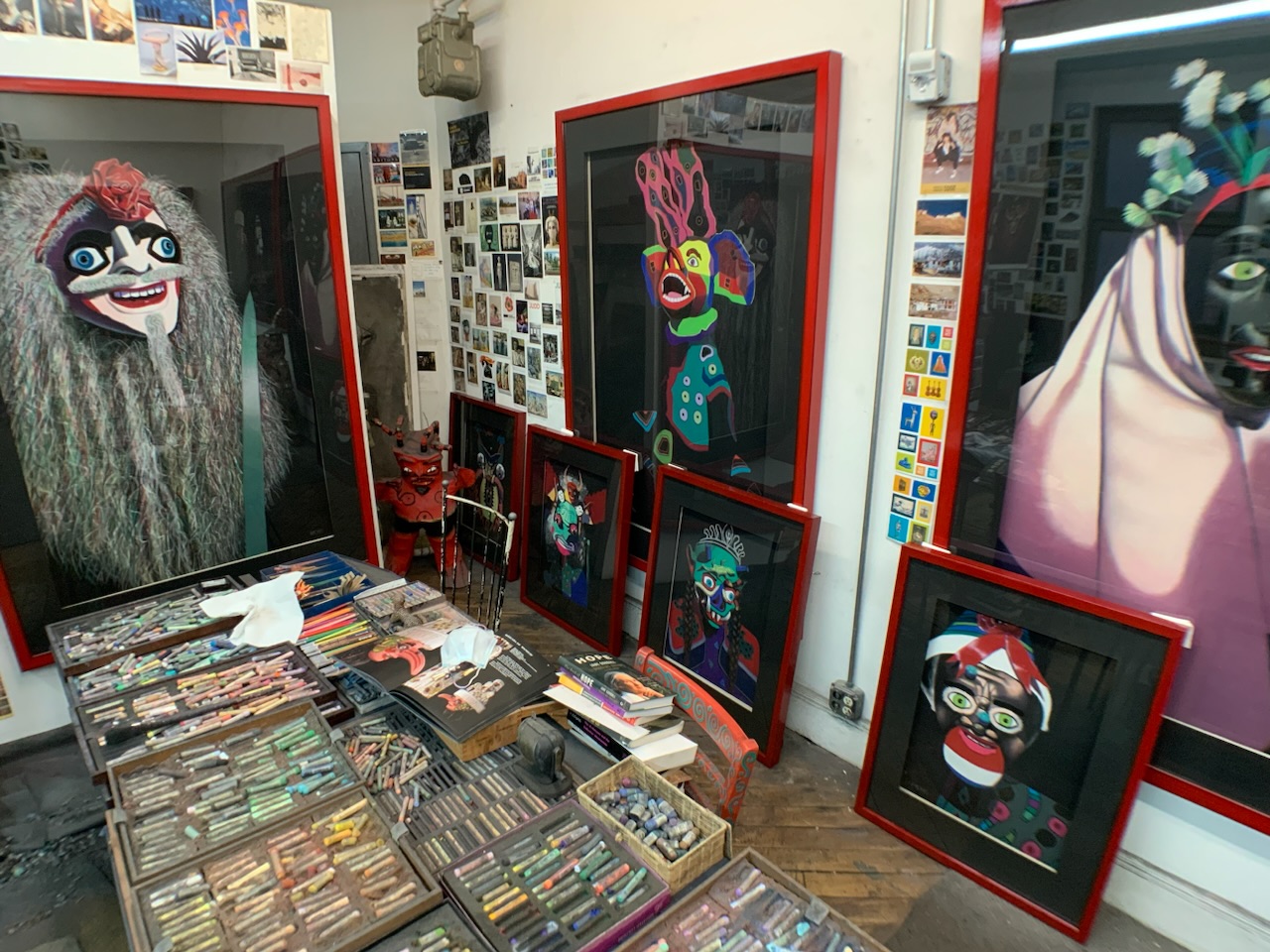
Barbara’s Studio
*an ongoing series of quotations – mostly from artists, to artists – that offers wisdom, inspiration, and advice for the sometimes lonely road we are on.
One of the main differences between the young girl who drew a line in chalk from the Metropolitan Museum all the way to her home on Park Avenue and the young woman who drew lines on canvas and paper twenty years later was that the latter understood the willfulness that drove the child. She was facing “the monster,” the consuming need to create, which was beyond her control but no longer beyond her comprehension. Helen [Frankenthaler] had long understood that her gift set her apart, and that it would be nearly impossible to describe how and why without sounding arrogant or cruel. “It’s saying I’m different, I’m special, consider me differently,” she explained years later. “And it’s also on the other side, a recognition that one is lonely, that one is not run of the mill, that the values are different, and yet we all go into the same supermarkets… and we are all moved one way or another by children and seasons, and dreams. So that art separates you…”
The separation she described was not merely the result of what one did, whether it be painting or sculpting or writing poetry. Helen said the distance between an artist and society was due to a quality both intangible and intrinsic, a “spiritual” or “magical” aspect that nonartists did not always understand and were sometimes frightened by. “They want you to behave a certain way. They want you to explain what you do and why you do it. Or they want you removed, either put on a pedestal or victimized. They can’t handle it.” Helen concluded that existing outside so-called normal life was simply the price an artist paid to create.
Mary Gabriel in Ninth Street Women
Comments are welcome!
Q: Love your selection of pastels! Do you have favorites that you need to force yourself not to continually return to? (Question from Donina Asera via Facebook)

A: No, I don’t think so. Certainly, I do have general preferences. I prefer dark, vivid, intense colors so many of my pale pastels go mostly unused. The single pastel that I use most is Rembrandt black – I buy them buy the dozens – because it takes many layers of pigment to achieve my dark black backgrounds. Otherwise, I strive to be open to whatever the painting needs. My goal – always! – is to make a pastel painting that is exciting to look at and different from anything I have created before.
Thank you very much for the great question!
Comments are welcome!
Pearls from artists* # 558
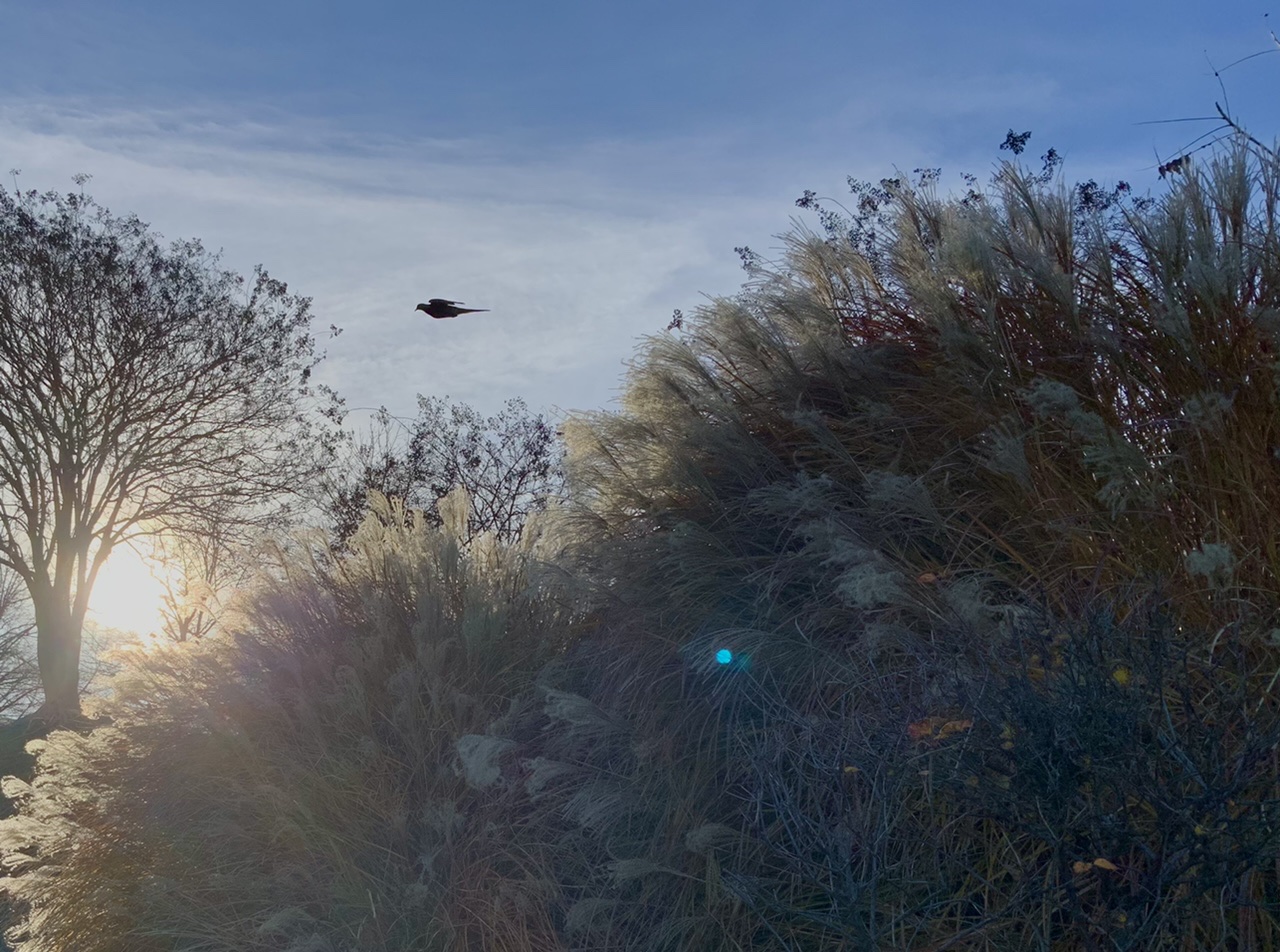
Alexandria, VA
*an ongoing series of quotations – mostly from artists, to artists – that offers wisdom, inspiration, and advice for the sometimes lonely road we are on.
One of the main differences between the young girl who drew a line in chalk from the Metropolitan Museum all the way to her home on Park Avenue and the young woman who drew lines on canvas and paper twenty years later was that the latter understood the willfulness that drove the child. She was facing “the monster,” the consuming need to create, which was beyond her control but no longer beyond her comprehension. Helen [Frankenthaler] had long understood that her gift set her apart, and that it would be nearly impossible to describe how and why without sounding arrogant or cruel. “It’s saying I’m different, I’m special, consider me differently,” she explained years later. “And it’s also on the other side, a recognition that one is lonely, that one is not run of the mill, that the values are different, and yet we all go into the same supermarkets… and we all are moved one way or the other by children and seasons, and dreams. So the art separates you.”
The separation she described was not merely the result of what one did, whether it be painting or sculpting or writing poetry. Helen said the distance between an artist and society was due to a quality both tangible and intangible and intrinsic, a “spiritual” or “magical” aspect that nonartists did not always understand and were sometimes frightened by. “They want you to behave a certain way. They want you to explain what you do and why you do it. Or they want you removed, either put on a pedestal or victimized. They can’t handle it.” Helen concluded that existing outside so-called normal life was simply the price an artist paid to create.
Mary Gabriel in Ninth Street Women
Comments are welcome!
Pearls from artists* # 536

*an ongoing series of quotations – mostly from artists, to artists – that offers wisdom, inspiration, and advice for the sometimes lonely road we are on.
Whatever his apparent subject matter, it is always himself that the artist paints. Subject matter exalts his inner feeling.
The Journal of Eugene Delacroix edited by Hubert Wellington
Comments are welcome!
Pearls from artists* # 535

*an ongoing series of quotations – mostly from artists, to artists – that offers wisdom, inspiration, and advice for the sometimes lonely road we are on.
Poor fellow! How can you do great work when you are always having to rub shoulders with everything that is vulgar. Think of the great Michelangelo. Nourish yourself with grand and austere ideas of beauty that feed the soul. You are always being lured away by foolish distractions. Seek solitude. If your life is well ordered your health will not suffer.
The Journal of Eugene Delacroix edited by Hubert Wellington
Comments are welcome!
Pearls from artists* # 534

*an ongoing series of quotations – mostly from artists, to artists – that offers wisdom, inspiration, and advice for the sometimes lonely road we are on.
Today I am quoting myself:
I strive to always do what is best for my art practice. It’s difficult sometimes, but it’s important to ignore most of what other people say. They mean well, but advice to artists is often misguided, especially when it is unsolicited. Fortunately, our hearts are never wrong.
B. Rachko on a Facebook post
Comments are welcome!
Pearls from artists* # 533
*an ongoing series of quotations – mostly from artists, to artists – that offers wisdom, inspiration, and advice for the sometimes lonely road we are on.
Contemporary life promises unlimited options – and sometimes delivers them. If we’re able to avail ourselves of a never-ending supply of digital information, we can connect with our family, friends, and colleagues, binge watch or listen to anything that strikes our fancy and buy stuff so effortlessly that we’re in danger of imagining there’s no price attached. We can do so much with what seems like a little effort that doing itself becomes disembodied, wonderfully in some instances, bewilderingly or disturbingly in others. Some will say the situation is new – of course, our lives in cyberspace are unprecedented – but the desire to inhabit a time and place outside of time and place isn’t new at all. This is where the arts come in. They’ve always been a time out of time and a place out of place. But they’re also right here, right now. They’re both adamantine and ethereal, physical and metaphysical.
Jed Perl in Authority and Freedom: A Defense of the Arts
Comments are welcome!
Q: How do you account for your intense compositions? (Question from Robin Plati via Facebook)
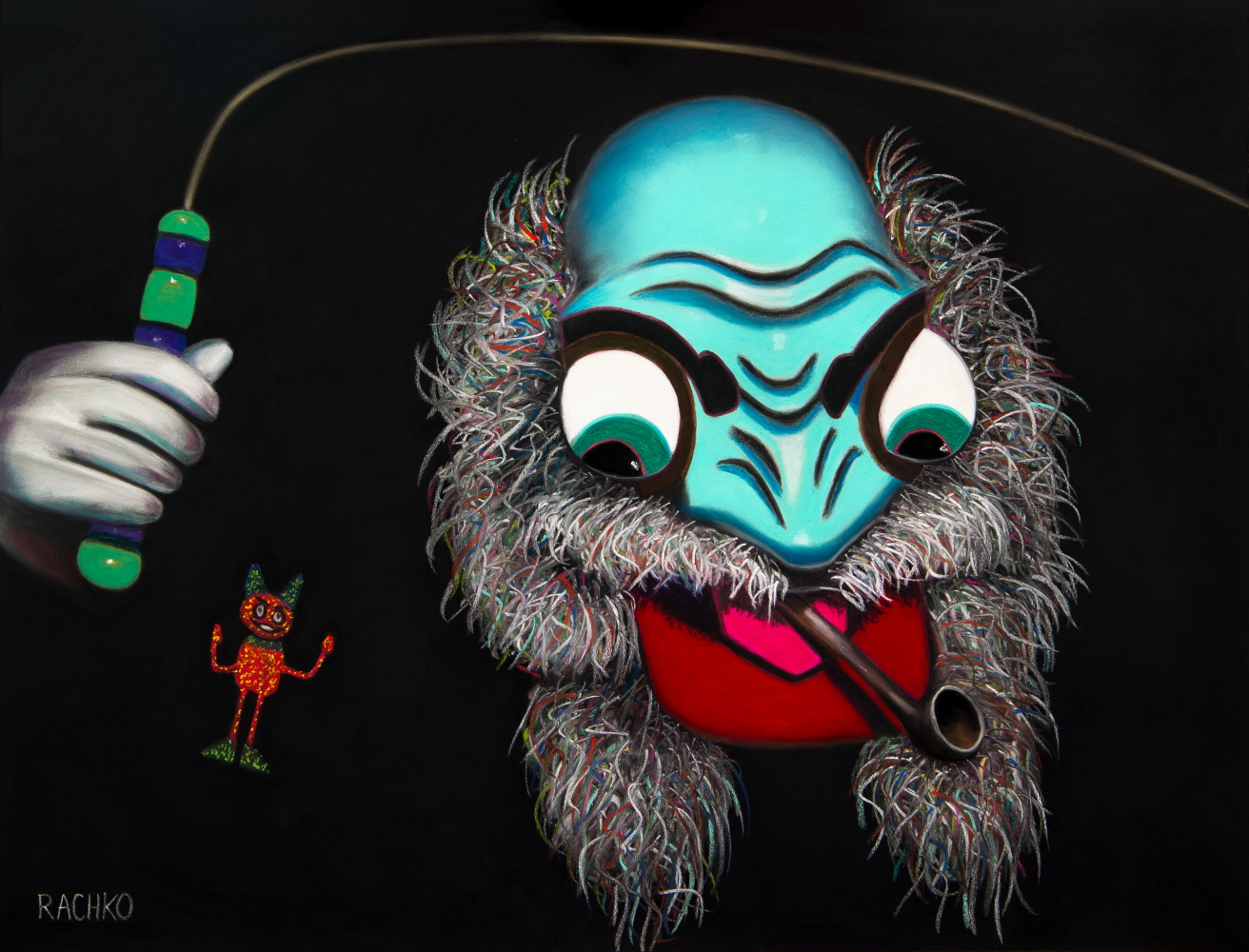
A: If I do say so, composition is something I’m known for. During the months I work on them, I devote many hours to looking at the painting on my easel and figuring out how to move the viewer’s eyes around in interesting ways. Everything you see is carefully worked out after hundreds of studio hours. Finished pastel paintings always have an inevitability about them. Change one detail and the entire composition is thrown off.
Comments are welcome!



