Category Archives: Working methods
Q: What personality traits do you possess that have been most helpful in your art career?
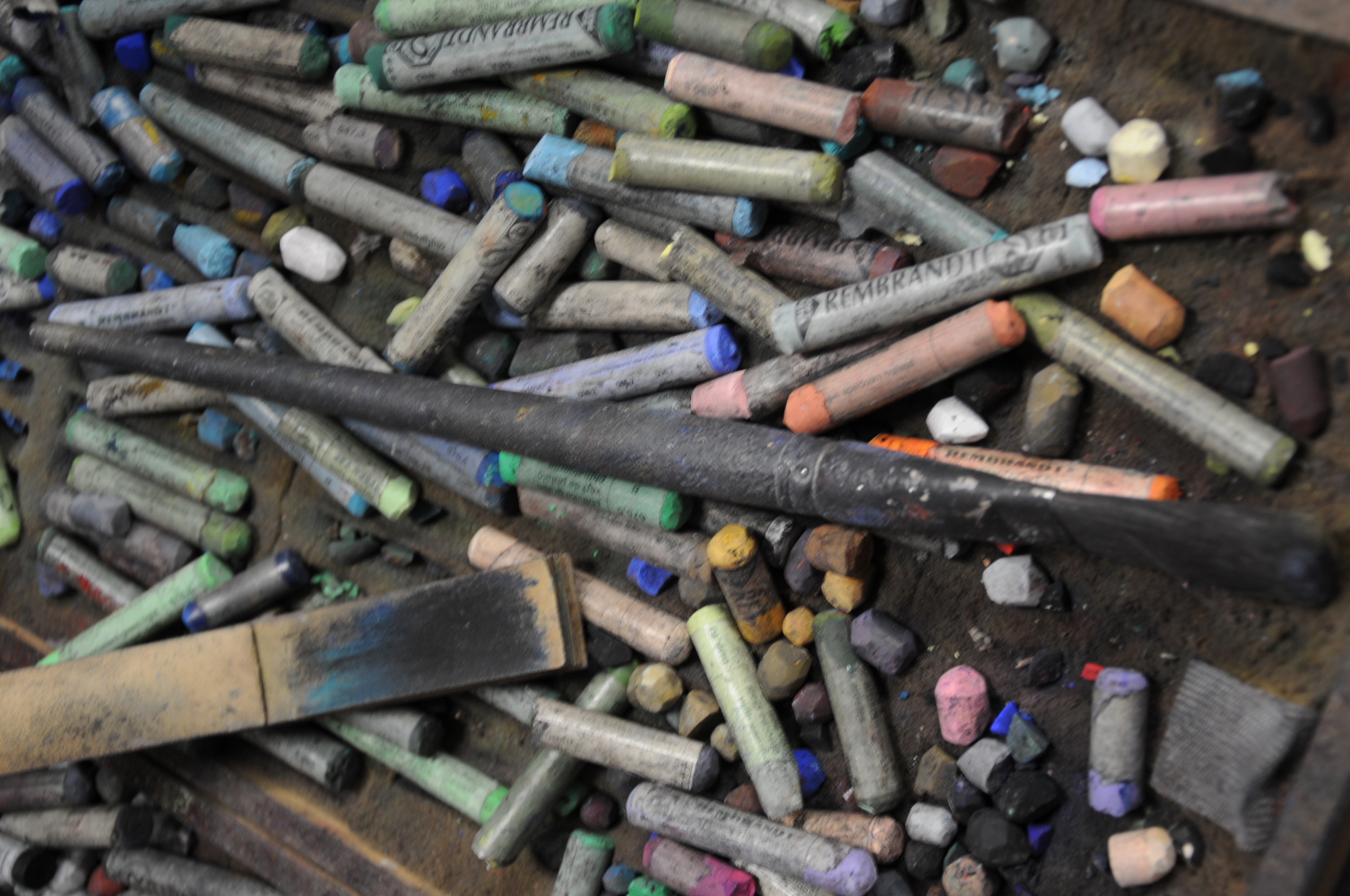
A few of Barbara’s pastels
A: I suppose it’s curiosity about all sorts of things, but particularly about the creative process. I am forever curious about how my personal creative process might evolve and develop and where it might possibly lead. Making art is an ongoing source of discovery. The longer I am an artist, the richer the whole experience becomes.
Also, I possess an unwavering love of craft. Even after thirty years, I still enjoy experimenting with new pastels, pushing myself to use them in new ways, and endeavoring to create the best work I can.
Comments are welcome!
Start/Finish of “Charade”
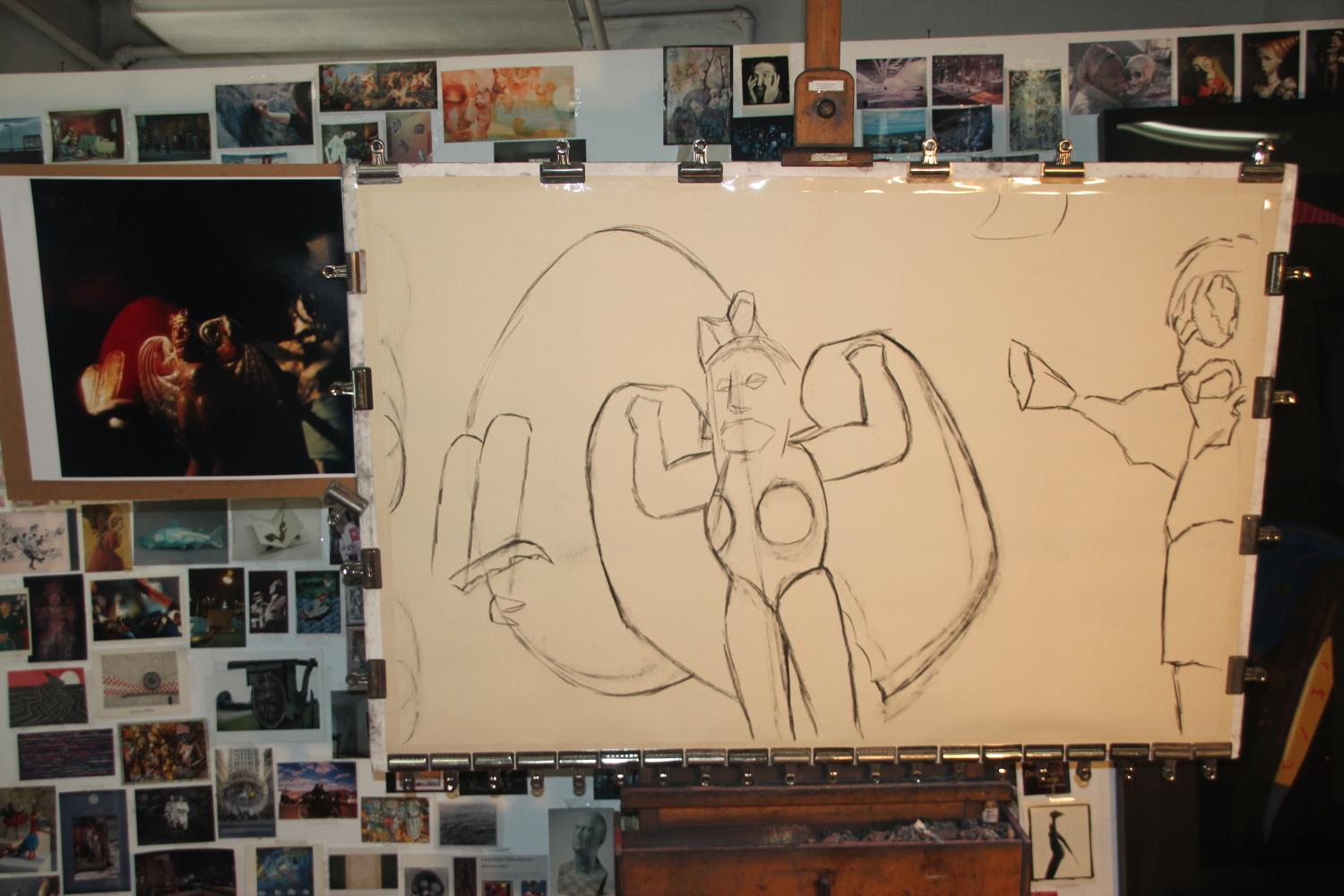
Charcoal underdrawing
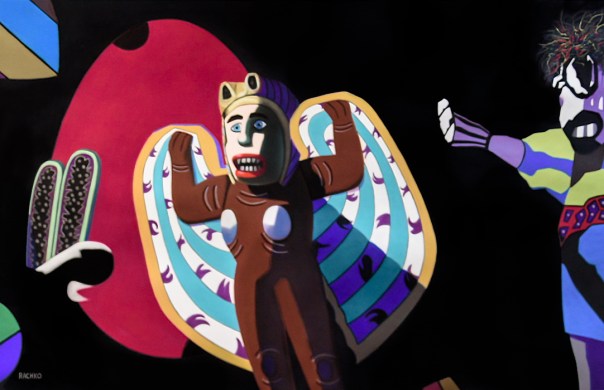
“Charade,” soft pastel on sandpaper, 38″ x 58″
Comments are welcome!
Q: What’s on the easel today?
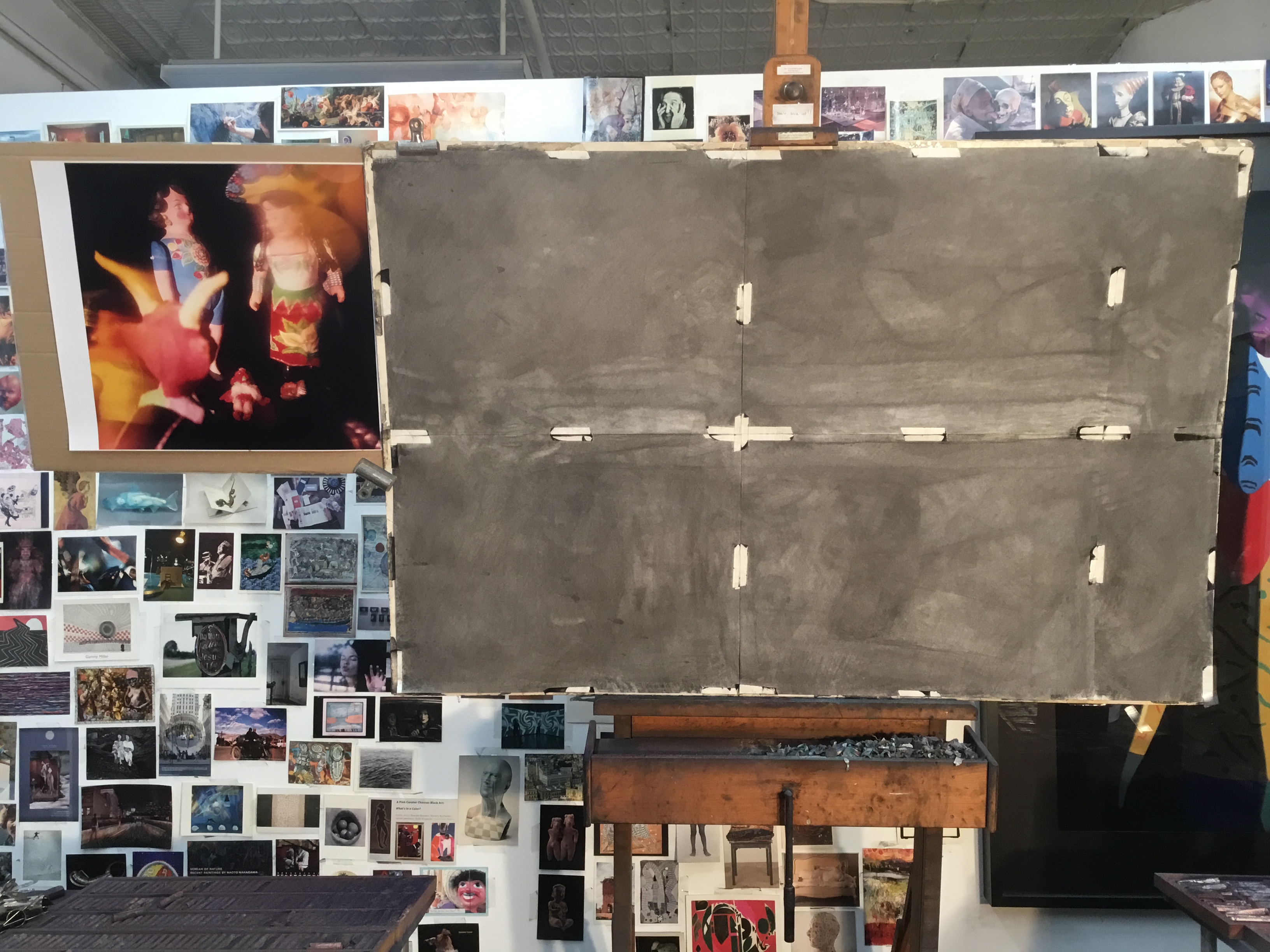
Preliminary drawing
A: I am ready to start a preliminary charcoal drawing as a study for my next pastel painting. It has been a while since I worked with the Mexican figures in the photo on the left. It’s like a reunion with dear friends!
Comments are welcome!
Start/Finish of “Poker Face,” soft pastel on sandpaper, 38″ x 58″image, 50″ x 70″ framed
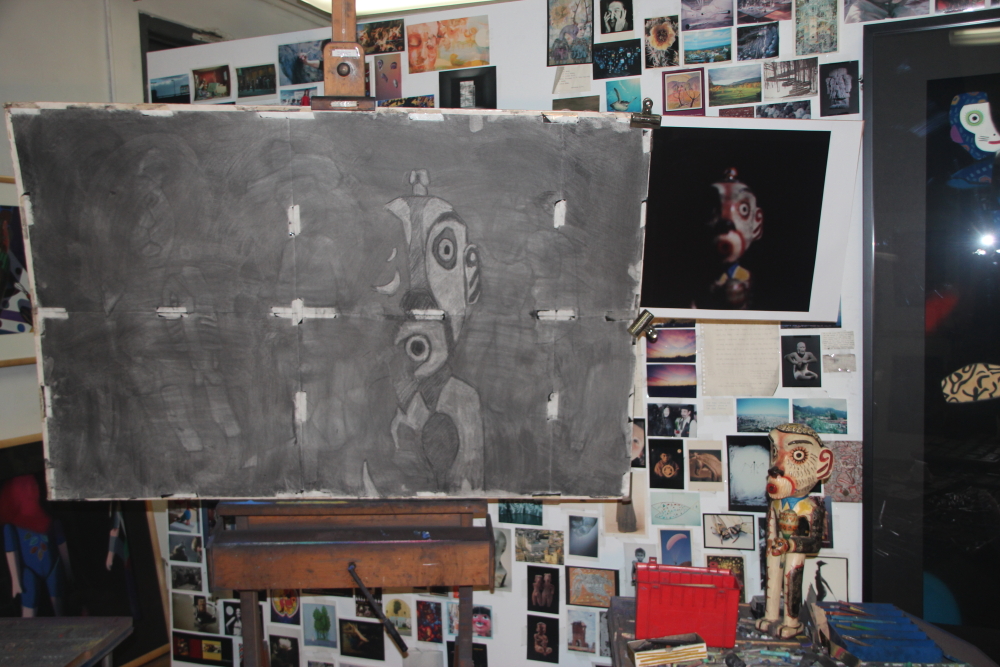
Preliminary charcoal sketch
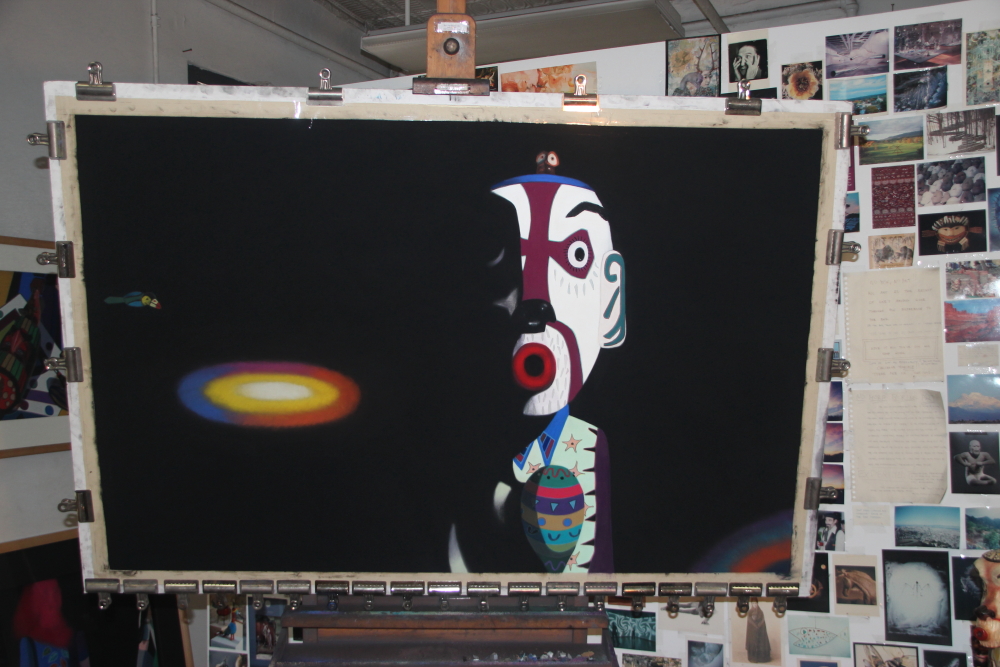
Finished
Q: What’s on the easel today?
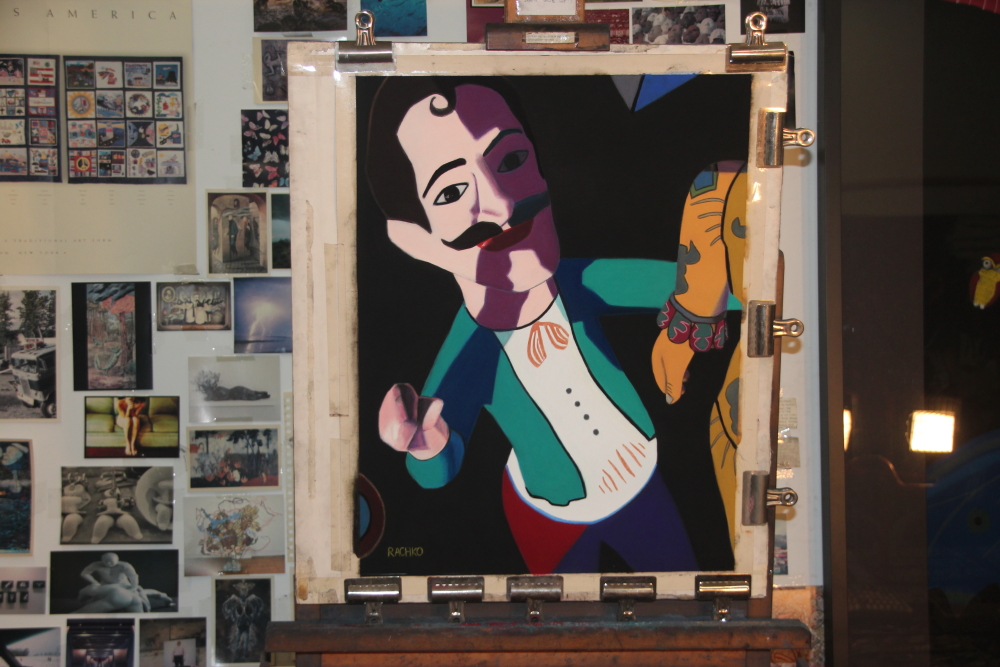
“A Long Goodbye,” soft pastel on sandpaper, 26″ x 20″
A: I am putting finishing touches on a small pastel painting called, “A Long Goodbye.” It’s a smaller, cropped version of a larger piece completed in 2013 called, “The Ancestors” (below).
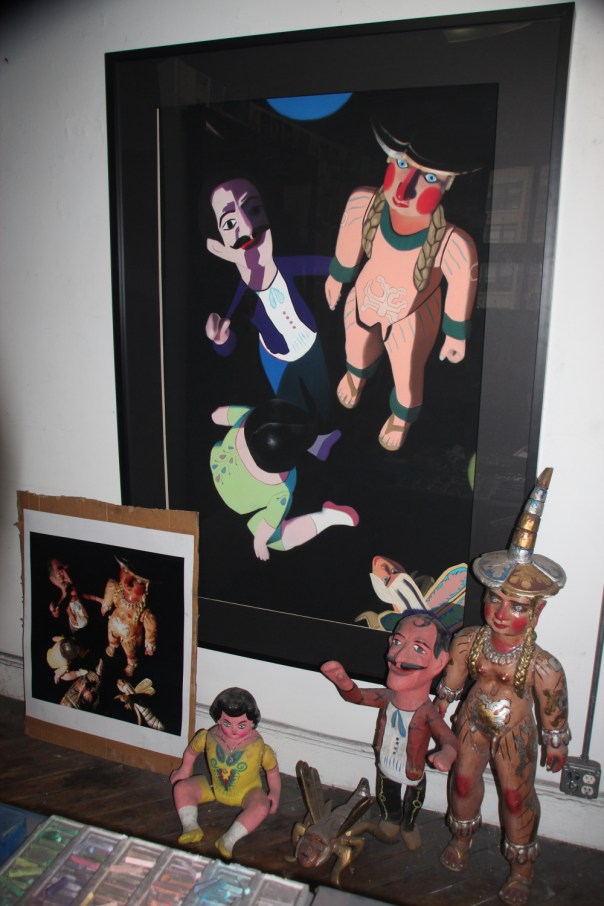
“The Ancestors” in Barbara’s studio
Comments are welcome!
Q: Start/Finish of “Epiphany,” soft pastel on sandpaper, 38″ x 58″ image, 50″ x 70″ framed
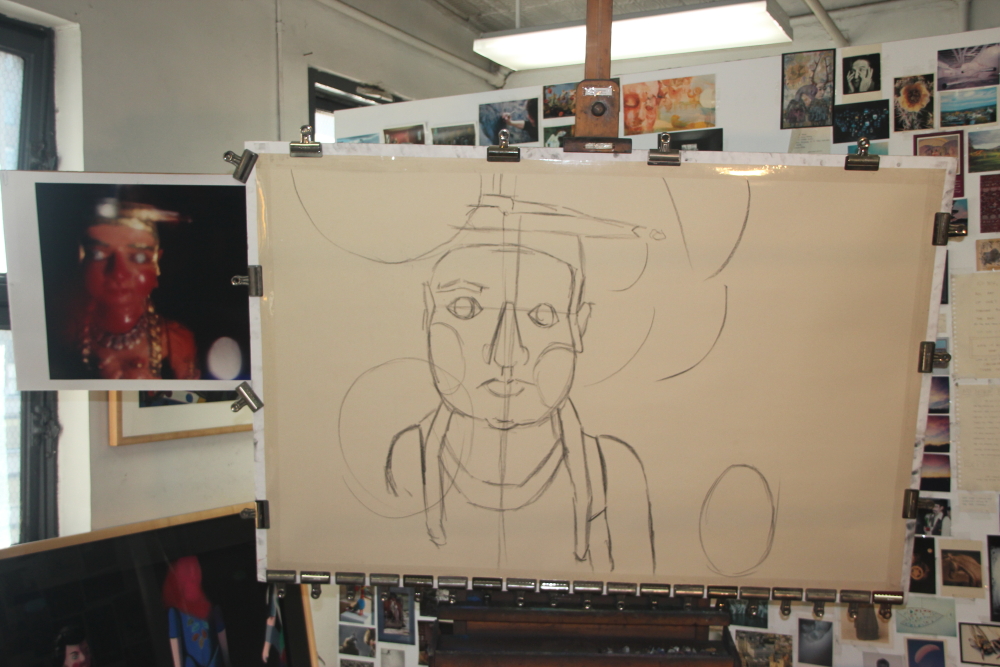
Roughed out in charcoal
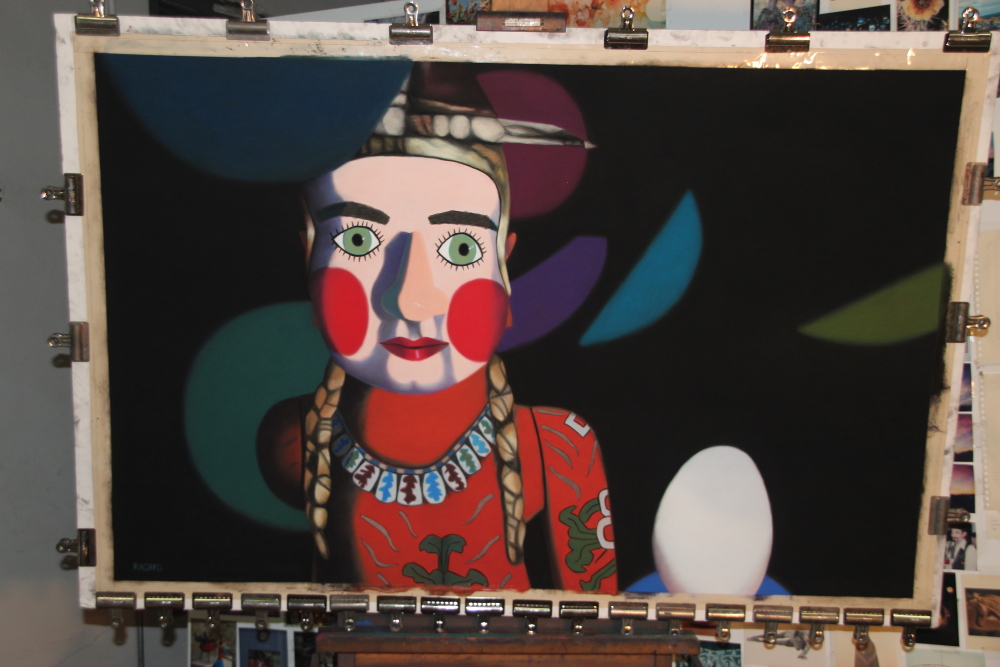
Finished, signed lower left
Start/Finish of “Incognito,” soft pastel on sandpaper, 38″ x 58″ image, 50″ x 70″ framed
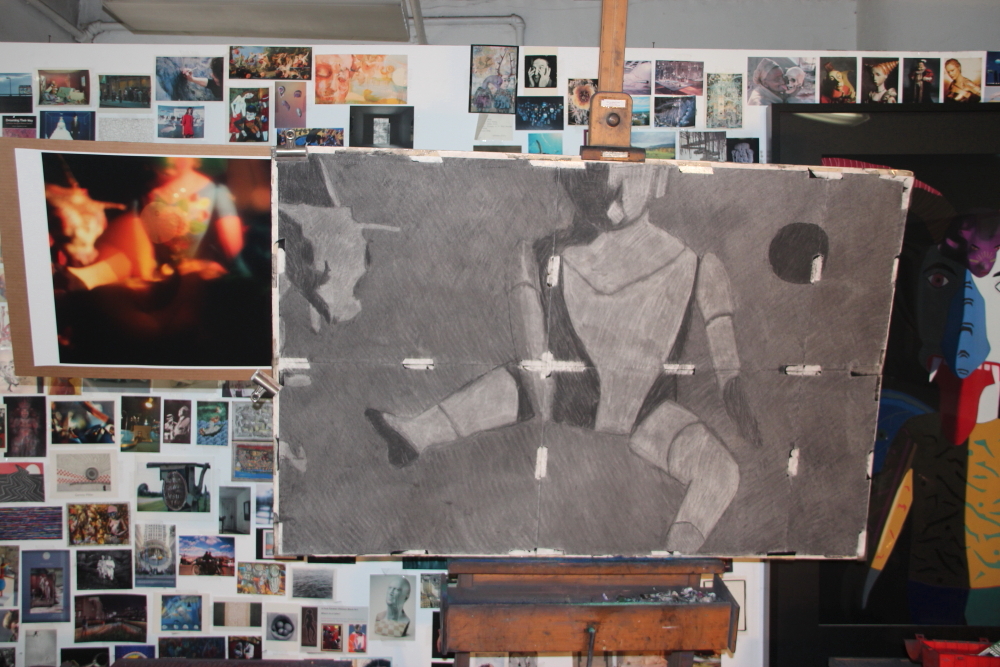
C-print and preliminary charcoal sketch
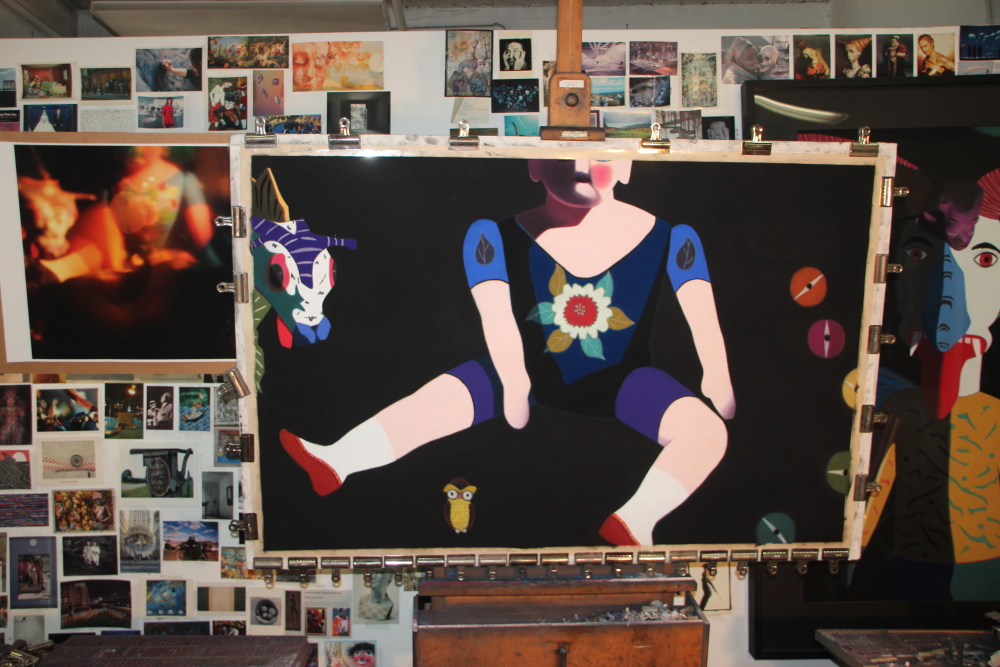
Finished
Comments are welcome!
Pearls from artists* # 213
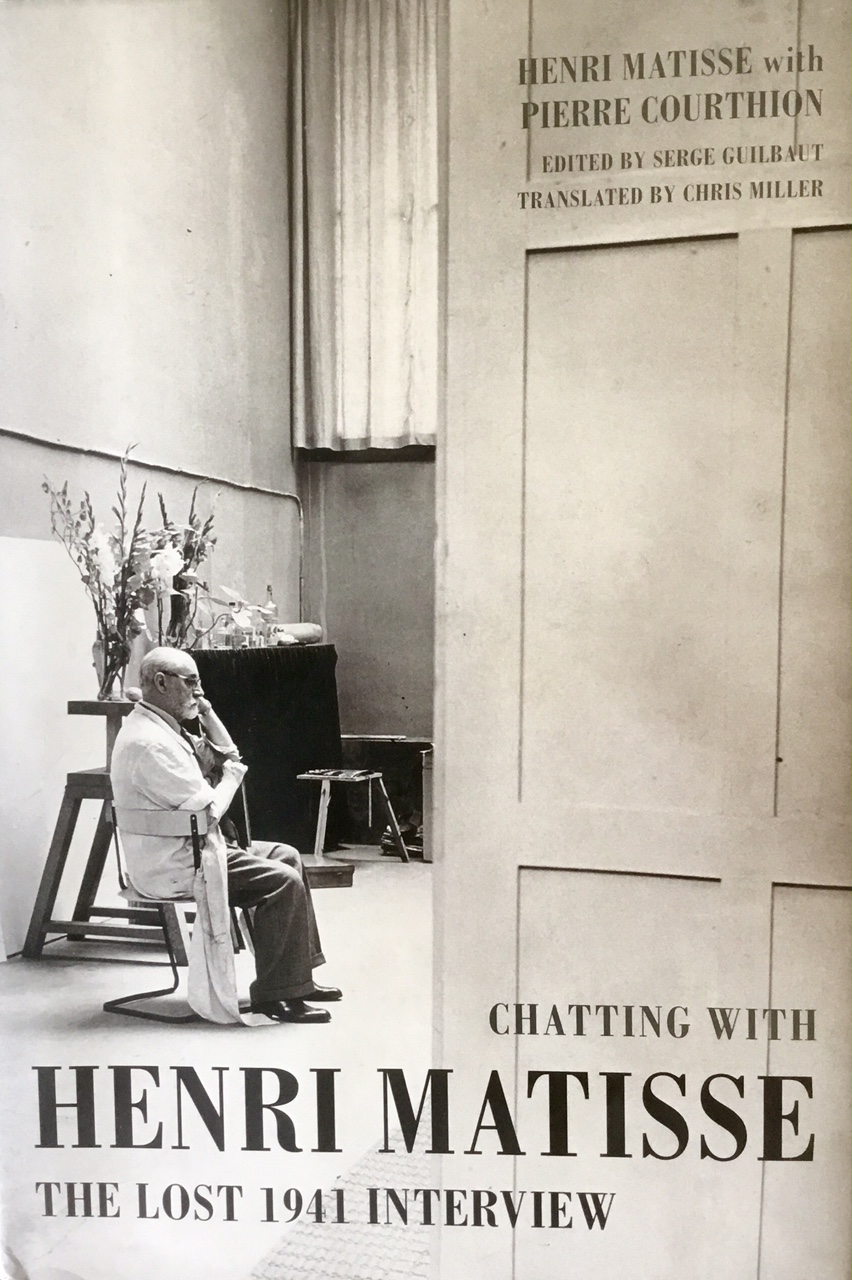
Matisse Book Cover
* an ongoing series of quotations – mostly from artists, to artists – that offers wisdom, inspiration, and advice for the sometimes lonely road we are on.
I am astonished by the accuracy with which Matisse remembers the most trifling facts; he describes a room that he went into forty years ago and gives you the measurements, where every piece of furniture stood, how the light fell. He is a man of astounding precision and has little time for anything that he has not confirmed for himself. In art matters, he is not the sort to go looking for a profile fortuitously created by cracks in the wall. Elie Faure writes that Matisse is perhaps the only one of his contemporaries (in particular Marquet and Bonnard) to know exactly where he comes from and the only one who never allows it to show “because his inveterate, invincible, vigilant willpower is always focused on being himself and nothing but.”
Matisse neglects nothing. He seems to know as much about the art market as about painting.
So many stratagems to sell a painting, from intimidating the purchaser to seeming to avoid him: Vollard used them all and used them successfully. Not least the lies that he told to reassure the client. “It works like this,” says Matisse: “To make a sale, you invent lies that have somehow disappeared into thin air by the time the deal is done.”
We talk of the difficulties faced by dealers hoping to gain access to Renoir in his Cagnes residence. Renoir didn’t like having people talk to him about selling his work,” says Matisse: “It bored him. About the only one who got a foot in the door was Paul Guillaume; he dressed up as a young worker with a floppy necktie: “You see, I’m a local. I’ve always loved your painting. I’ve just inherited a little money; I’d like to buy something.”
Chatting with Henri Matisse: The Lost 1941 Interview, Henri Matisse with Pierre Courthion, edited by Serge Guilbaut, translated by Chris Miller
Comments are welcome!
Start/Finish of “Blind Faith,” soft pastel on sandpaper, 38″ x 58″ image, 50″ x 70″ framed

Beginnings

Finished and signed (lower left)
Comments are welcome!
Q: What’s on the easel today?
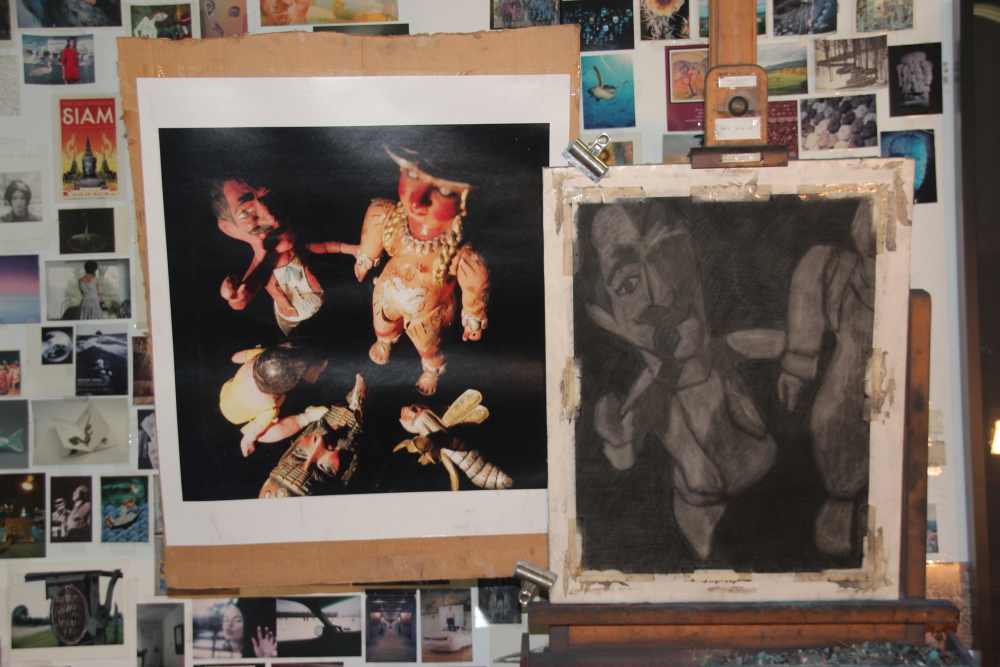
Preliminary sketch
A: I’m working on a preliminary charcoal sketch for my next pastel painting.
Comments are welcome!



