Blog Archives
Q: Can you discuss your process, including how you actually use Mexican and Guatemalan folk art figures in your art?

A corner of Barbara’s studio
A: When I set up the figures to photograph for a painting, I work very intuitively, so how I actually cast them in an artwork is difficult to say. Looks count a lot – I select an object and put it in a particular place, look at it, move it or let it stay, and sometimes develop a storyline. I spend time arranging lights and looking for interesting cast shadows. With my first “Domestic Threats” series, all of this was done so that Bryan, my late husband, or I could shoot a couple of negatives with his Toyo Omega 4″ x 5″ view camera. For my “Black Paintings” series, begun in 2007, I shoot medium format negatives with a Mamiya 6 camera.
I always look at a 20″ x 24″ photograph for reference as I make a pastel-on-sandpaper painting, plus I also work from the ‘live’ objects. The photograph is mainly a catalyst because finished paintings are always quite different from their associated reference photos. Also, since I spend months creating them, the paintings’ interpretative development goes way beyond that of the photo.
I once completed 6 large (58” x 38”) pastel paintings in a single year, but more recently 4 or 5 per year is common. It takes approximately 3 months to make each one. During that time I layer and blend together as many as 25 to 30 layers of pastel. Of course, the colors get more intense as the painting progresses and the pigment accumulates on the sandpaper.
Comments are welcome!
Q: At the end of last Saturday’s (September 28th) post you mentioned something called, “Esala Perahera.” What is that?
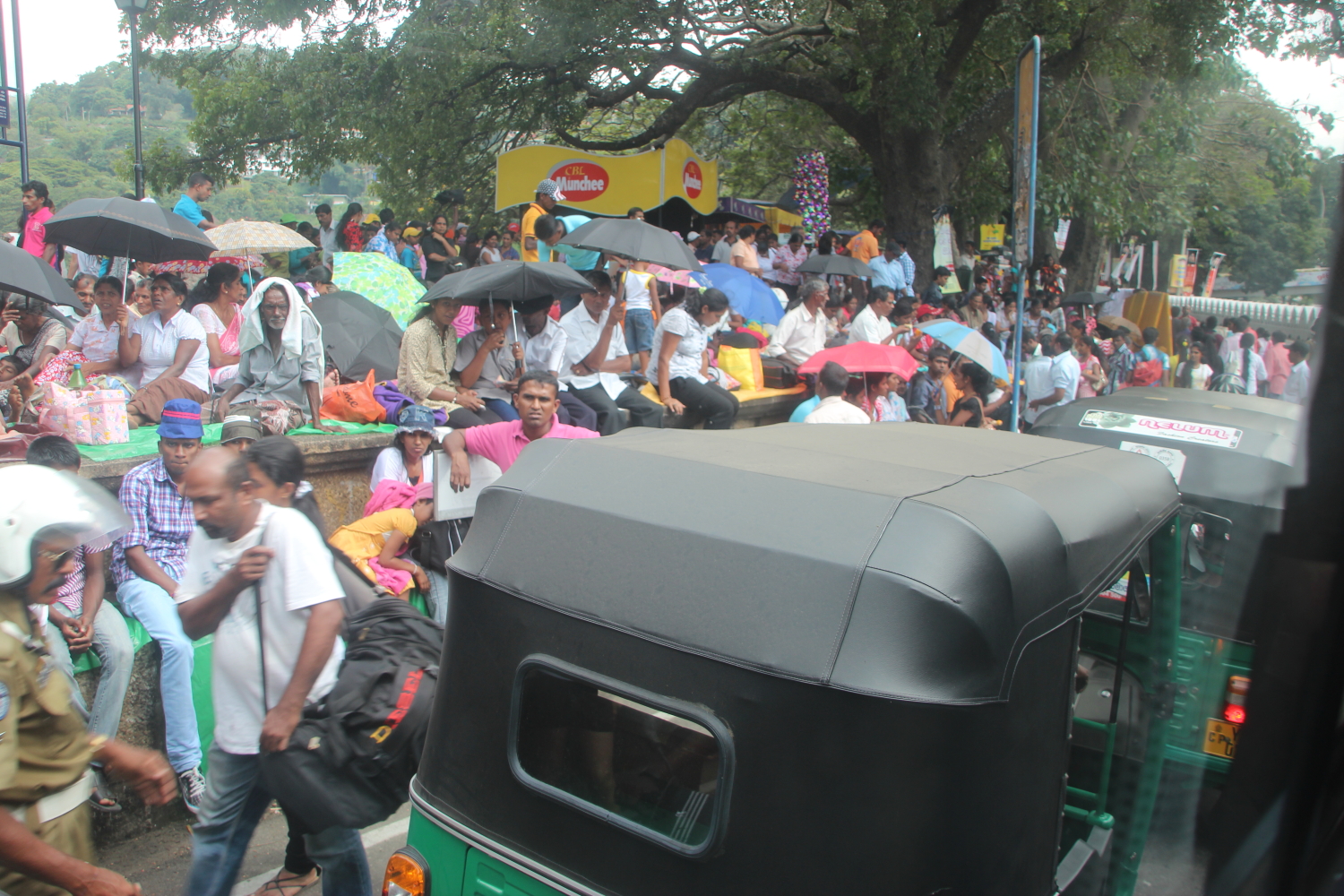
Waiting for the Perahera to start, Kandy, Sri Lanka
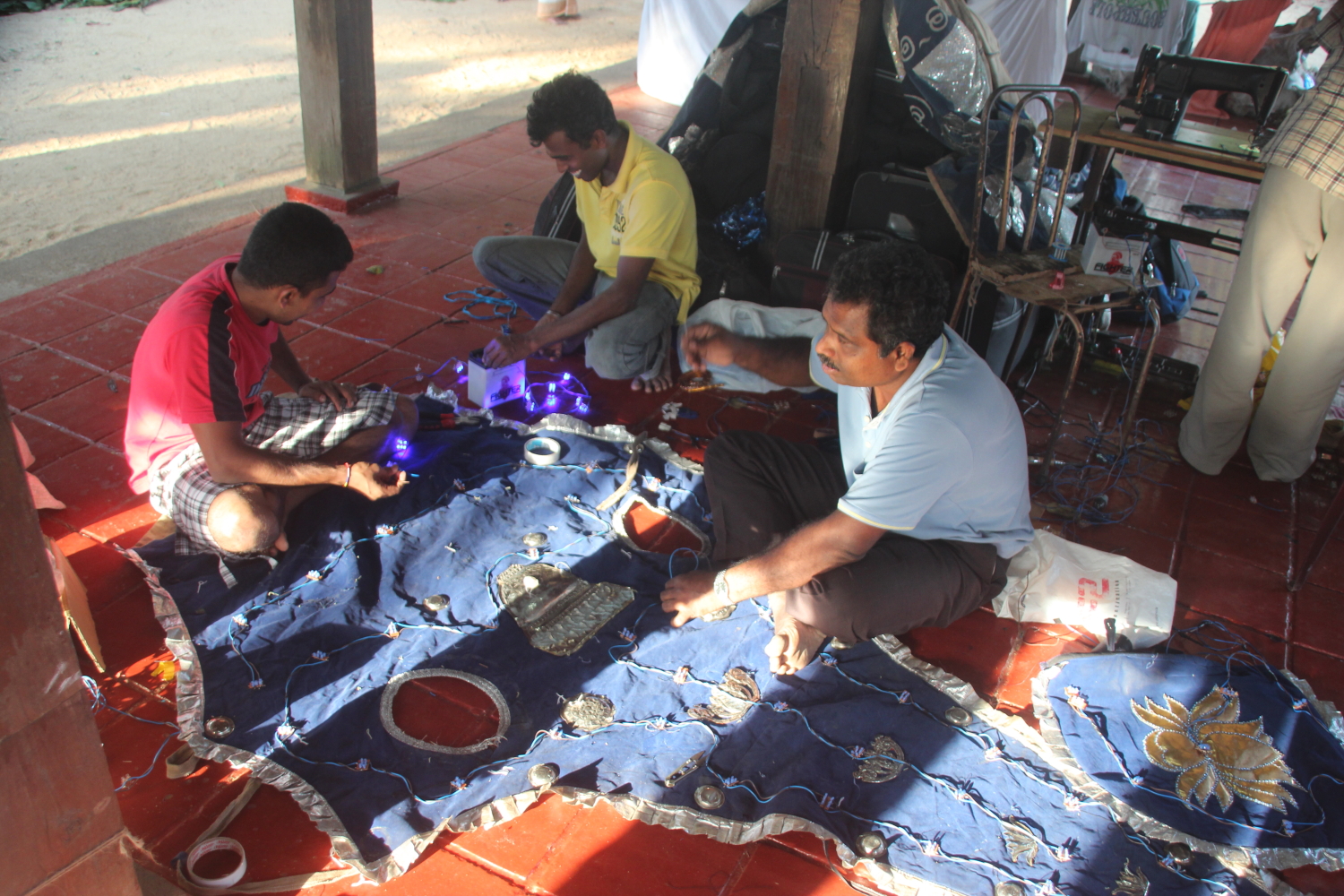
Mending an elephant’s headdress, Kandy, Sri Lanka
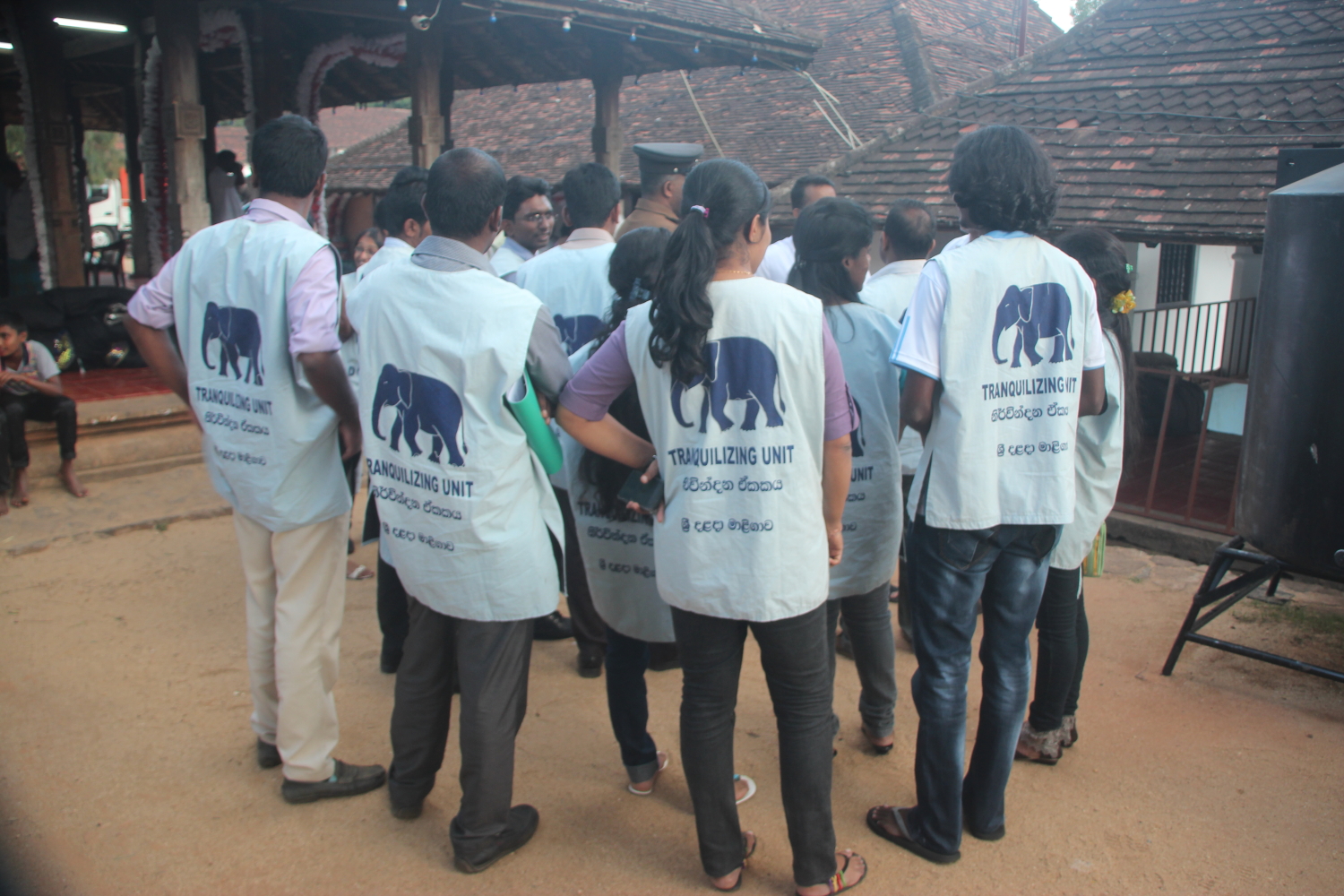
Preparations – planning what to do in case an elephant charges
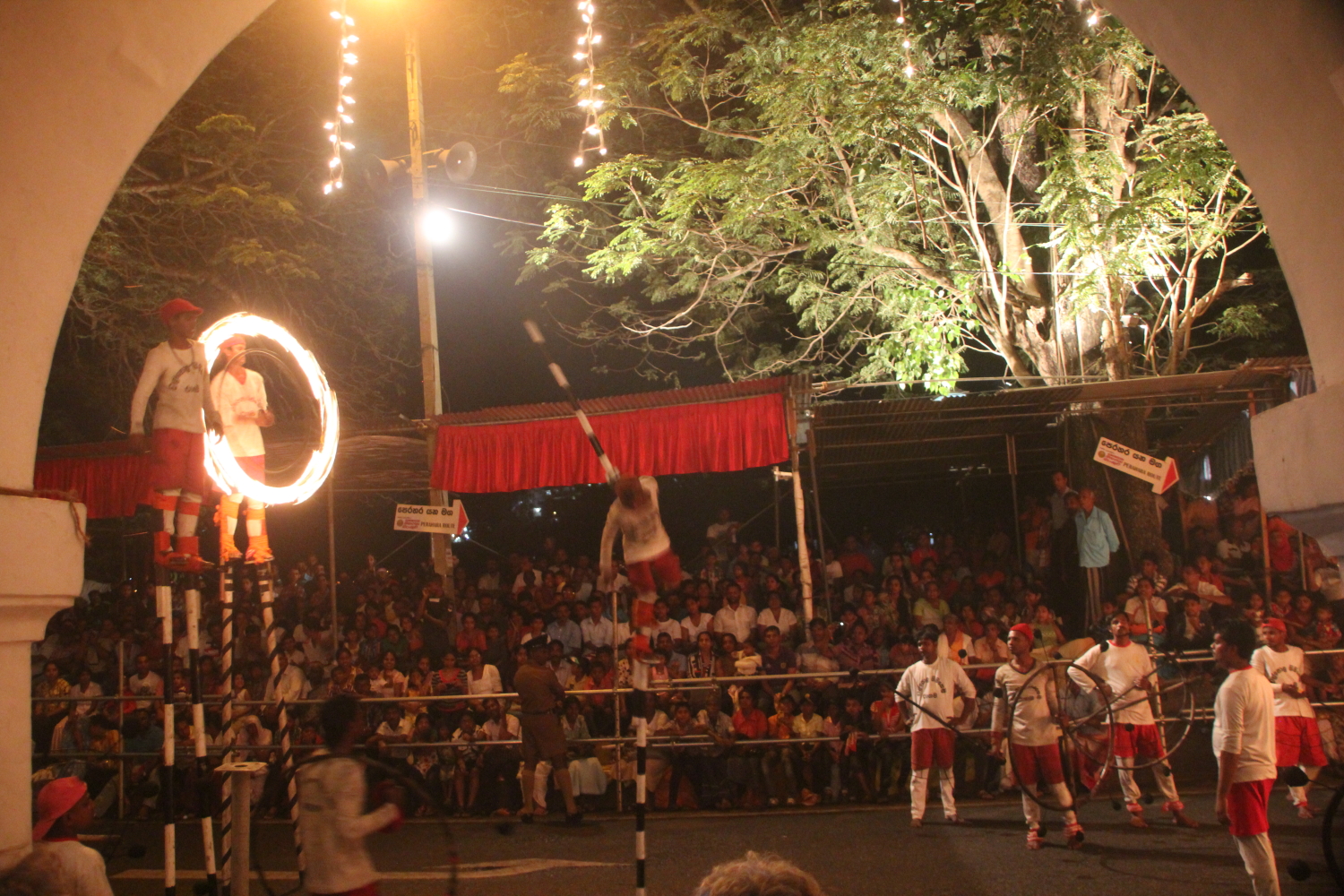
Flame throwers watching a man balancing on one stilt
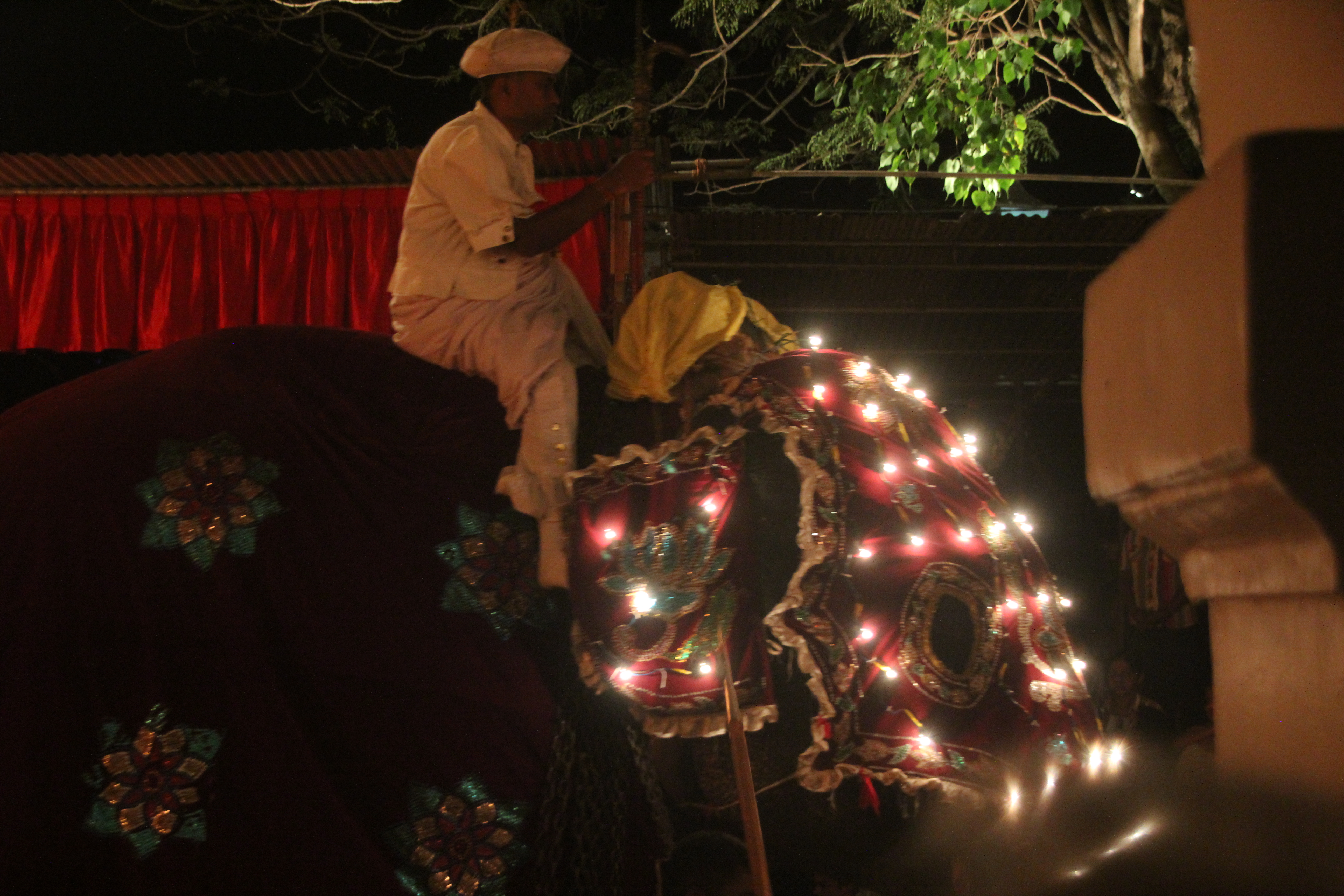
First elephant in the procession
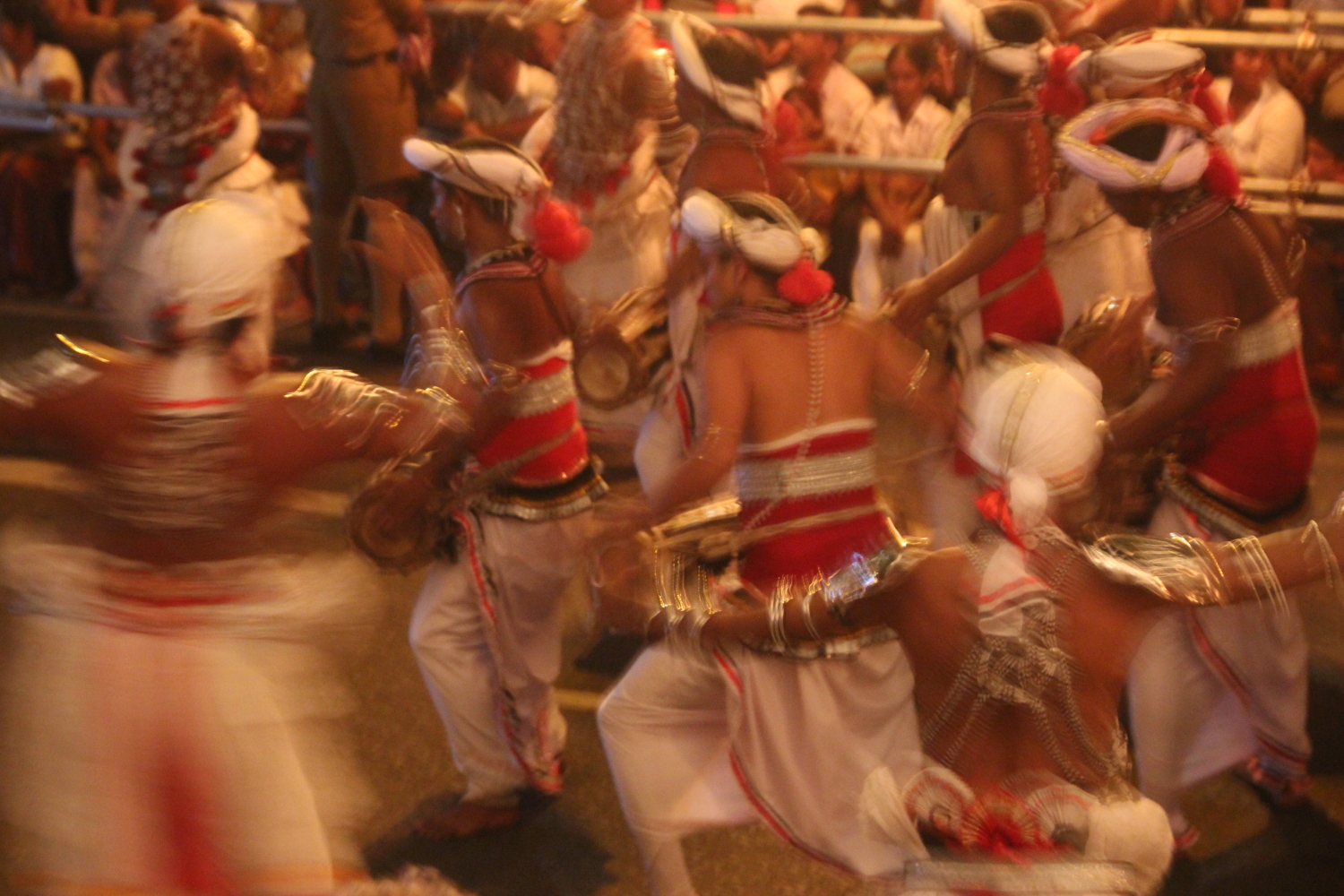
Drummers, Kandy, Sri Lanka
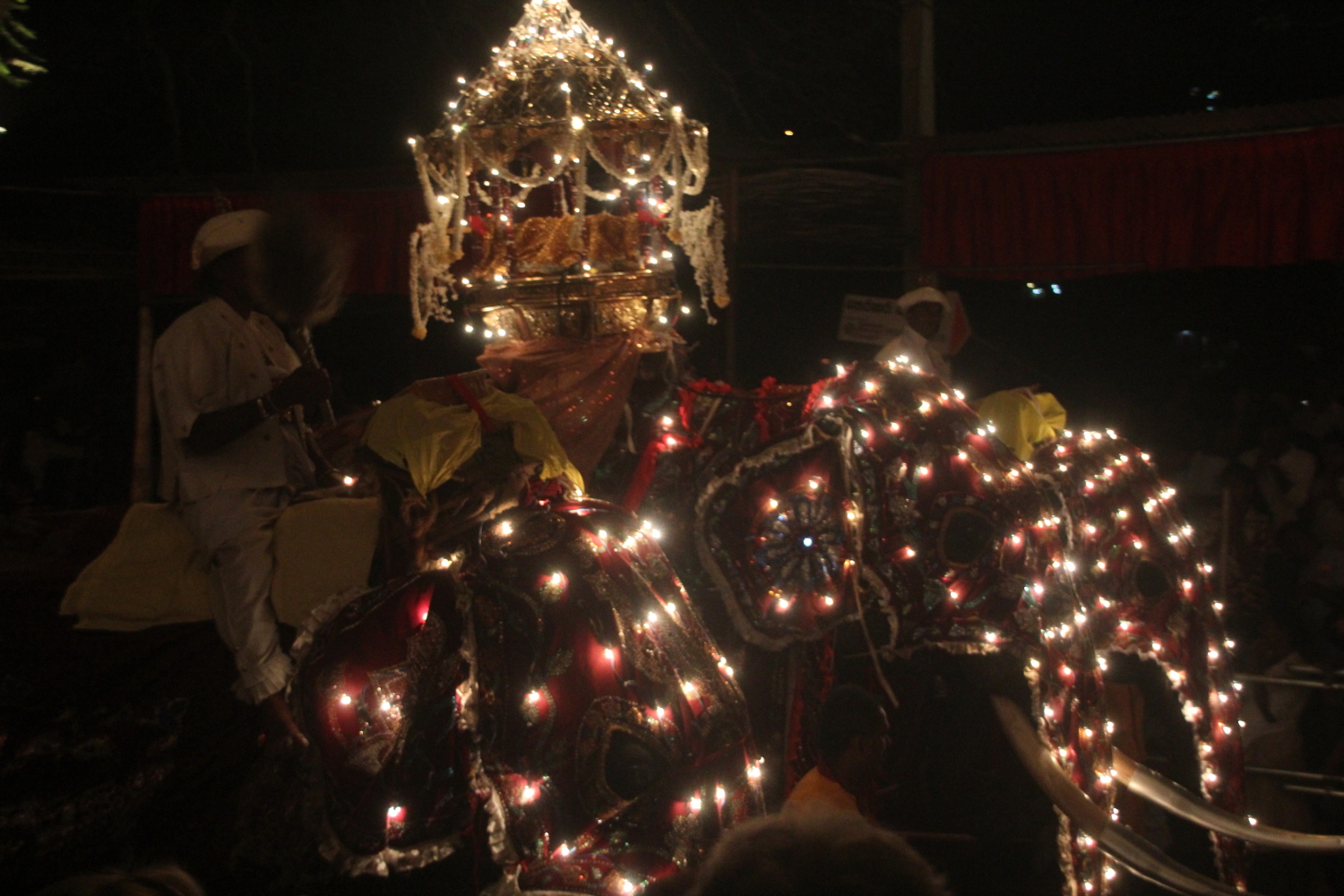
Three elephants, Kandy, Sri Lanka
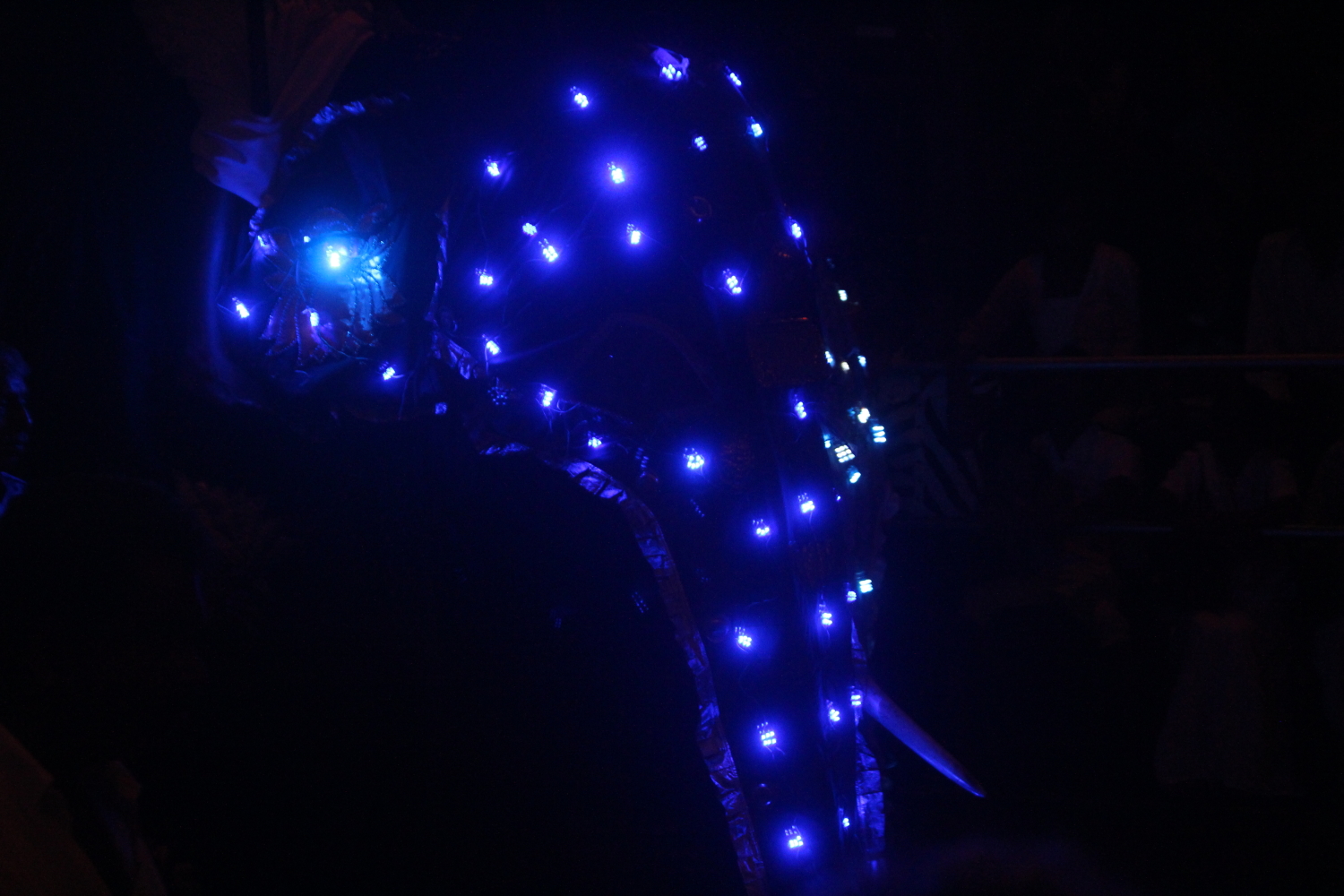
A single “tusker,” Kandy, Sri Lanka
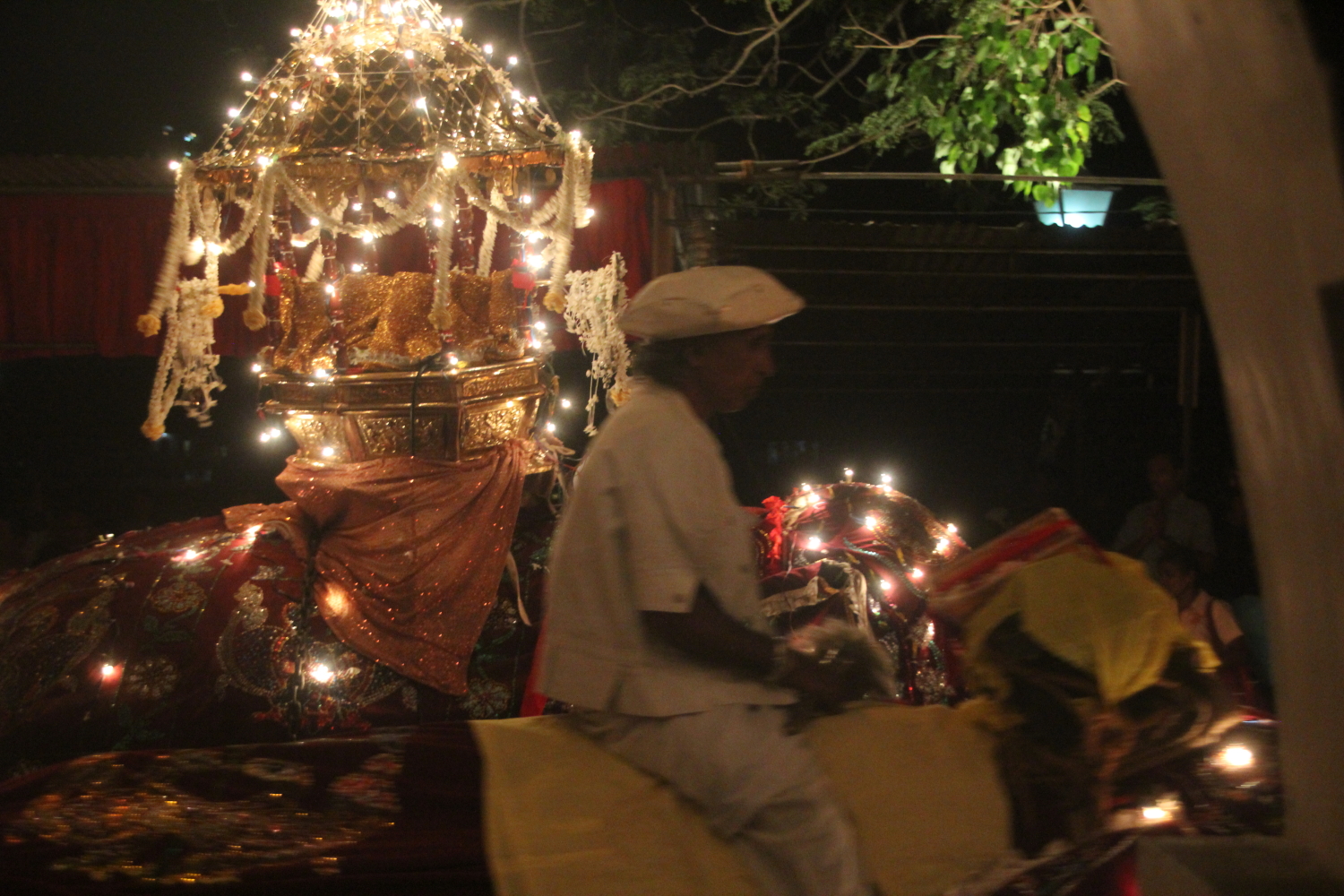
Esala Perahera, Kandy, Sri Lanka
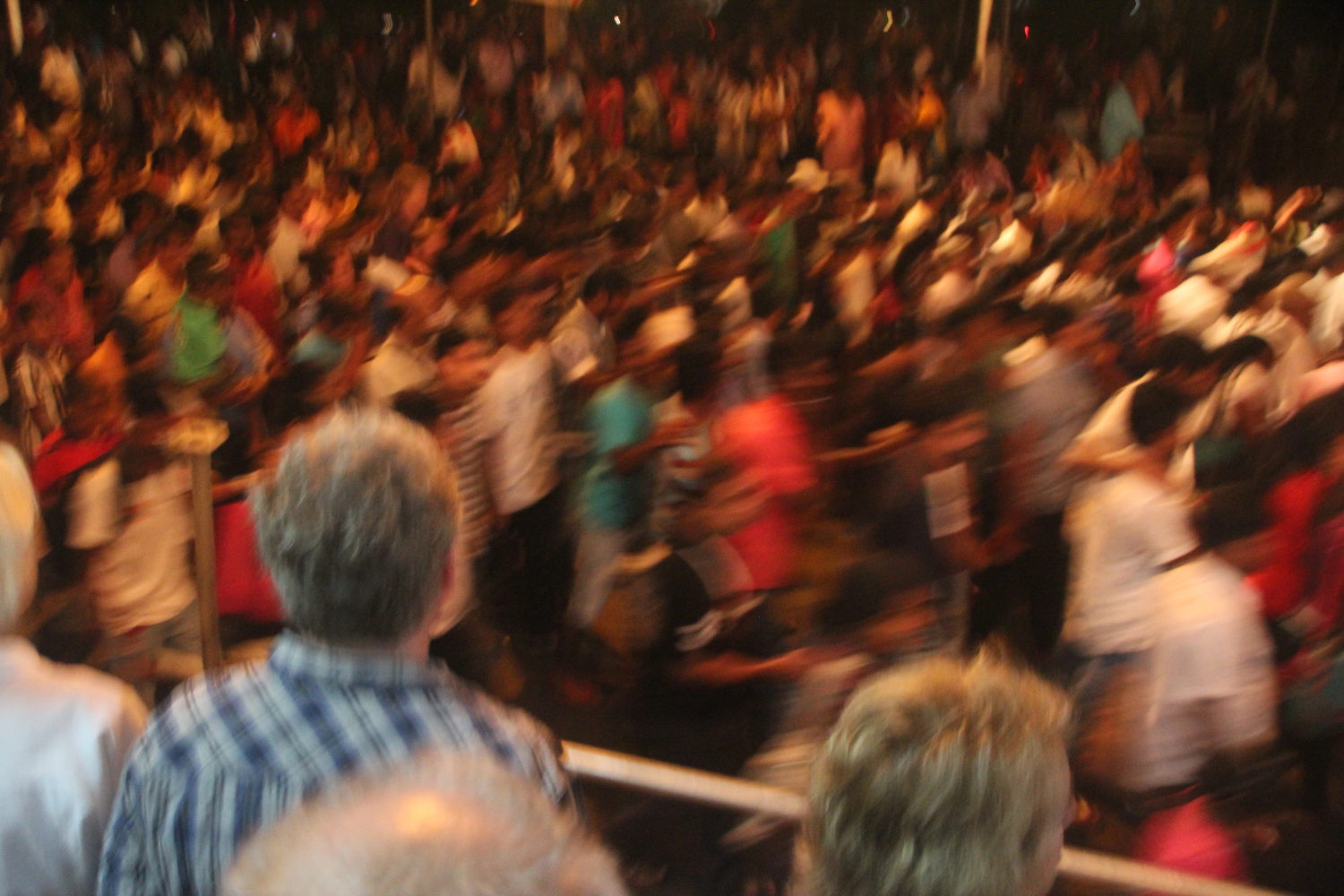
After the festival
A: My trip to Sri Lanka was timed so that I could observe it first hand. Here is a description from the “Insight Guide to Sri Lanka:”
The lunar month of Esala is a month for festivals and peraheras all around the island. Easily the finest and the most famous is the Esala Perahera held at Kandy over the ten days leading up to the Esala Poya (full moon) day (late July or early August). The festival dates back to ancient Anuradhapura, when the Tooth Relic (of the Buddha) was taken through the city in procession, and the pattern continues to this day, with the relic carried at the head of an enormous procession which winds its way round and round the city by night. The perahera becomes gradually longer and more lavish over the 10 days of the festival, until by the final night it has swollen to include a cast of hundreds of elephants and thousands of dancers, drummers, fire-eaters, acrobats, and many others – an extraordinary sight without parallel anywhere else in Sri Lanka, if not the whole of Asia.
I would go further and add that the Esala Perahera is one of the world’s great festivals. Who could ever imagine such a spectacle? It may be a cliché to say it, but travel is ultimately the best education.
Comments are welcome!
Q: Your new work explores relationships to figures through the medium of soft pastel. What prompted this departure from photography?
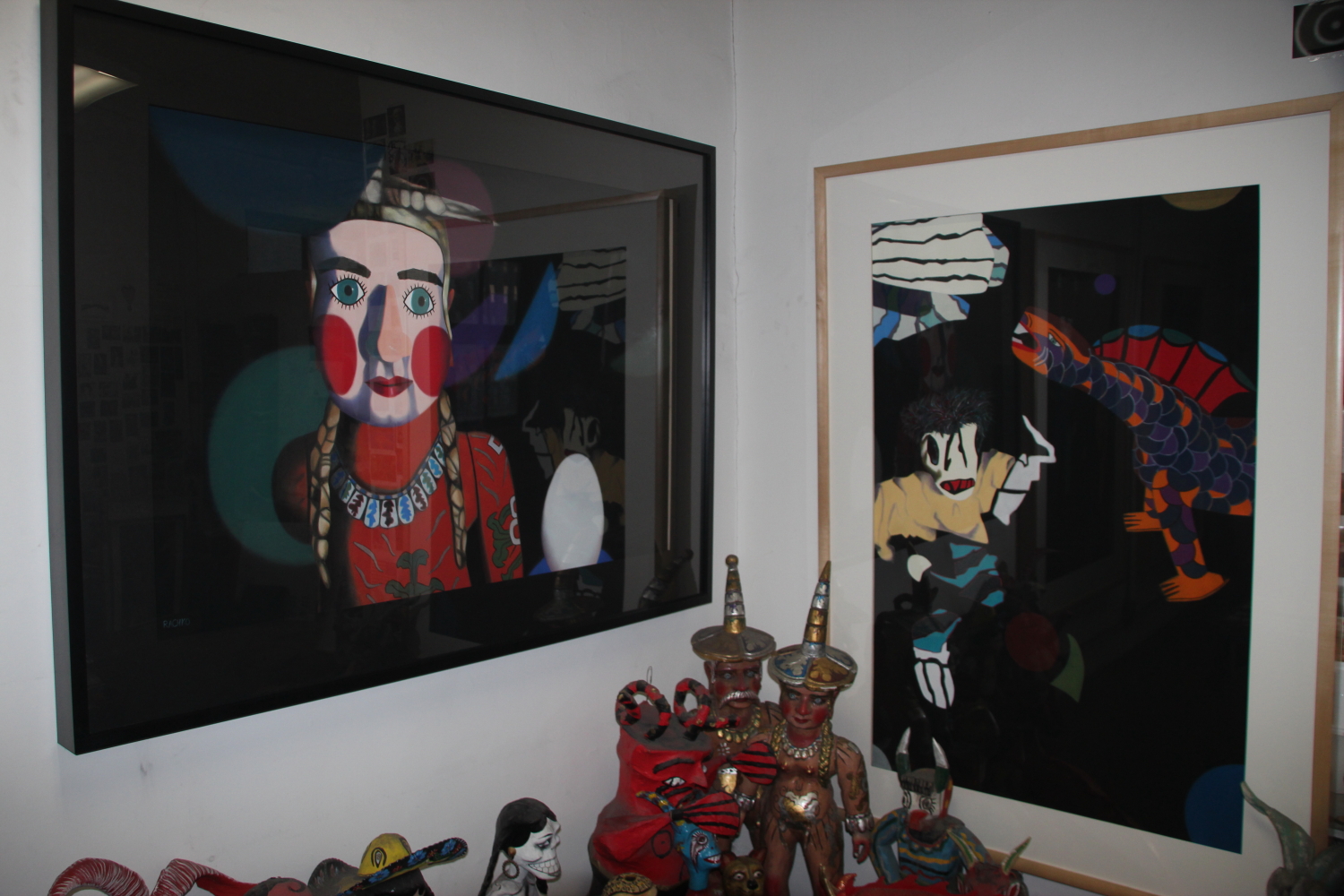
A corner of the studio
A: Actually it was the other way around. As I’ve mentioned, I was a maker of pastel-on-sandpaper paintings long before I became a photographer (1986 vs. 2002). However, the photos in the “Gods and Monsters” series were meant to be photographs in their own right, i.e., they were not made to be reference material for paintings. in an interesting turn of events, in 2007 I started a new series, “Black Paintings,” which uses the “Gods and Monsters” photographs as source material. Collectors who have been following my work for years tell me the new series is the strongest yet. For now I’m enjoying where this work is leading. The last three paintings are the most minimal yet and I’ve begun thinking of them as the “Big Heads.” There is usually a single figure (“Stalemate” has two) that is much larger than life size. “Epiphany” (above, left) is an example. All of them are quite dramatic when seen in person, especially with their black wooden frames and mats.
Comments are welcome!


 barbararachkoscoloreddust.com