Blog Archives
Pearls from artists* # 102
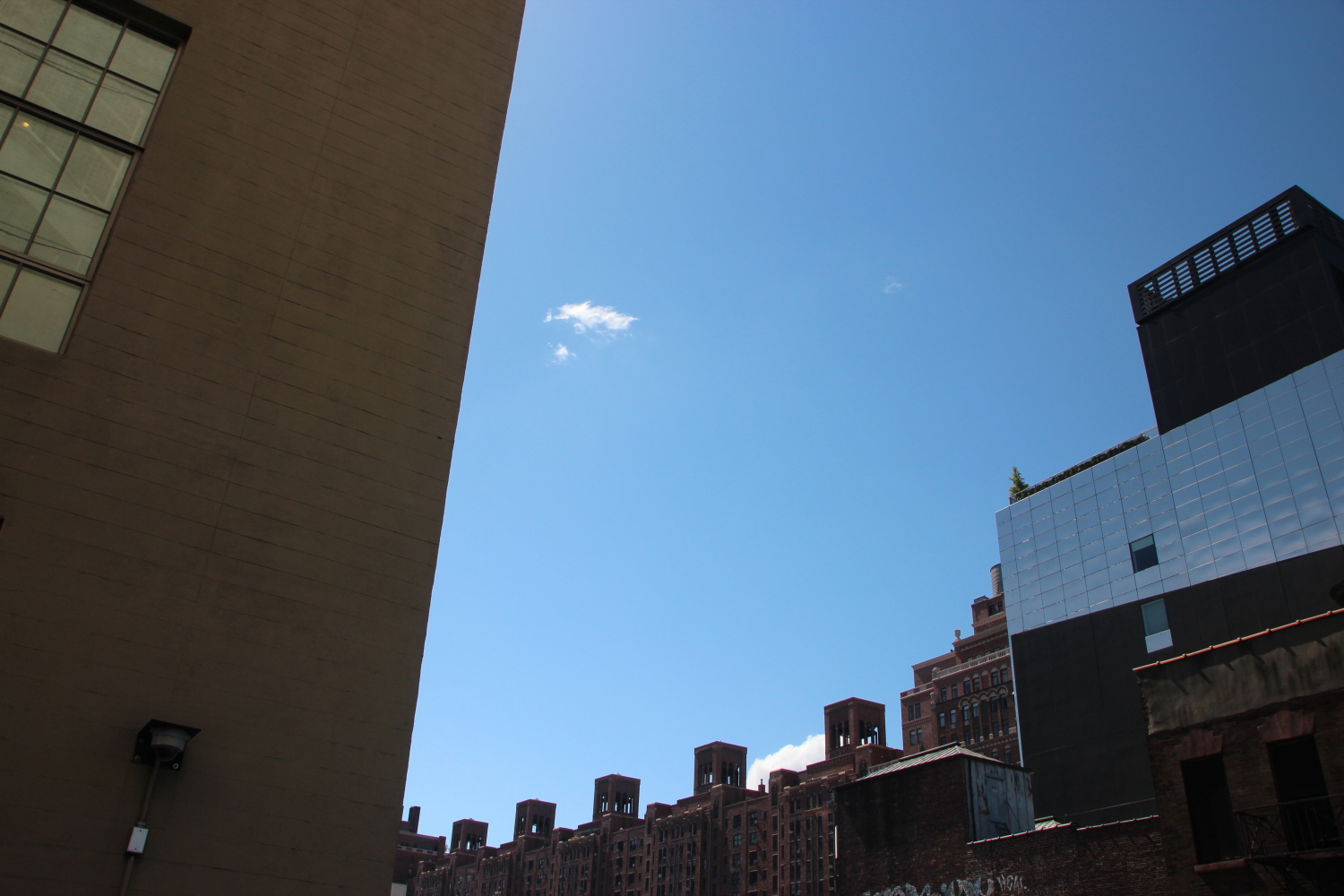
New York, NY
* an ongoing series of quotations – mostly from artists, to artists – that offers wisdom, inspiration, and advice for the sometimes lonely road we are on.
That a photograph is unlikely to be a laboratory record is evident when we think about how it is made. Most photographers are people of immense enthusiasms whose work involves many choices – to brake the car, grab the yellow instead of the green filter, wait out the cloud, and at the second everything looks inexplicably right, to release the shutter. Behind these decisions stands the photographer’s individual framework of recollections and meditations about the way he perceived that place or places like it before. Without such a background there would be no knowing whether the scene on the ground glass was characteristic of the geography and of his experience of it and intuition of it – in short, whether it was true.
Making photographs has to be, then, a personal matter; when it is not, the results are not persuasive. Only the artist’s presence in the work can convince us that its affirmation resulted from and has been tested by human experience. Without the photographer in the photograph the view is no more compelling than the product of some annoying record camera, a machine perhaps capable of happy accident but not response to form.
Beauty in Photography by Robert Adams
Comments are welcome!
Pearls from artists* # 65
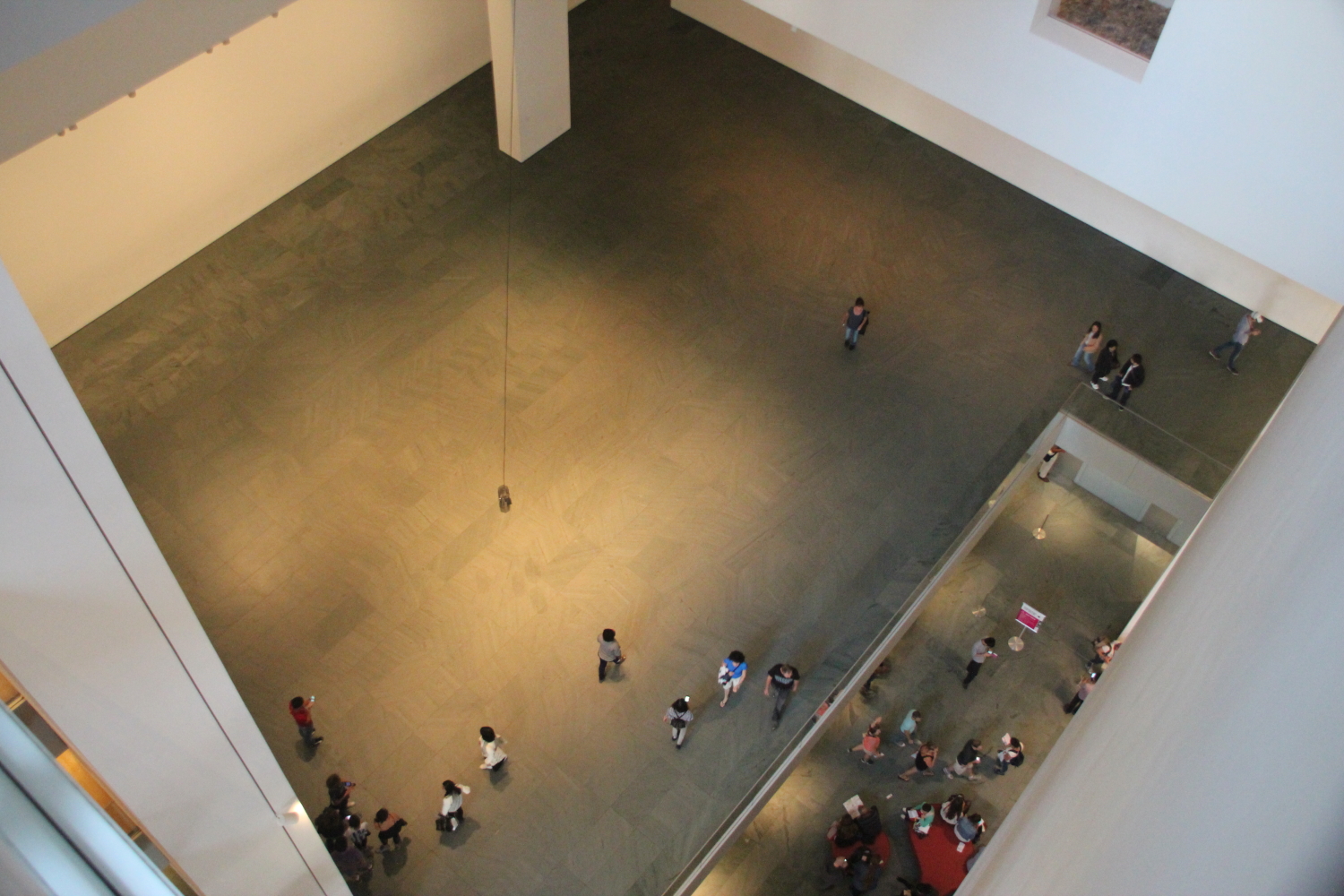
Museum of Modern Art, NYC
* an ongoing series of quotations – mostly from artists, to artists – that offers wisdom, inspiration, and advice for the sometimes lonely road we are on.
To create demands a certain undergoing: surrender to a subconscious process that can yield surprising results. And yet, despite the intuitive nature of the artistic process, it is of utmost importance to be aware of the reason you create. Be conscious about what you are attempting or tempting. Know why you are doing it. Understand what you expect in return.
The intentions that motivate an act are contained within the action itself. You will never escape this. Even though the “why” of any work can be disguised or hidden, it is always present in its essential DNA. The creation ultimately always betrays the intentions of the artist. James Joyce called this invisible motivation behind a work of art “the secret cause.” This cause secretly informs the process and then becomes integral to the outcome. This secret cause determines the distance that you will journey in the process and finally, the quality of what is wrought in the heat of the making.
Anne Bogart in and then, you act: making art in an unpredictable world
Pearls from artists* # 37
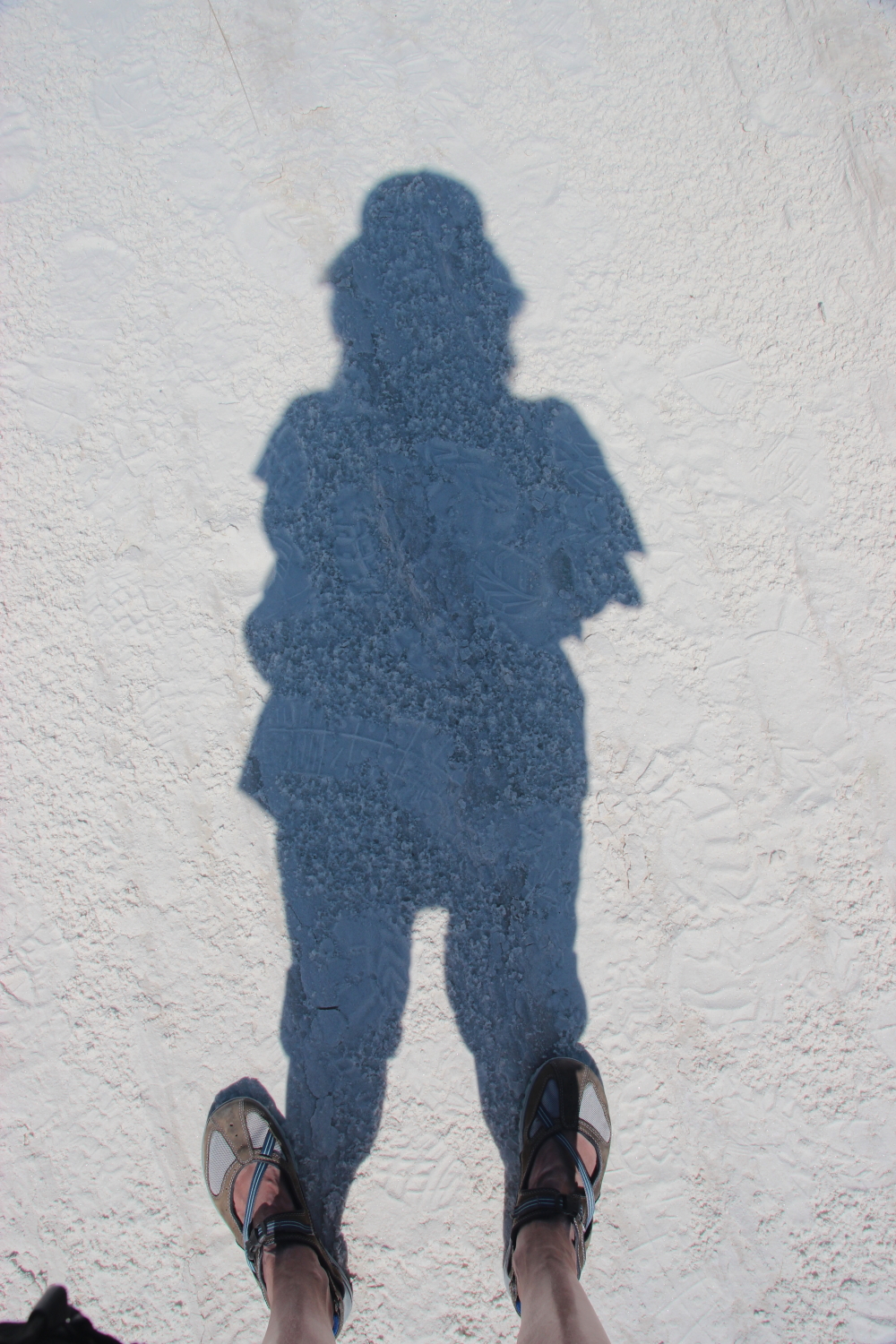
Self portrait, White Sands, NM
* an ongoing series of quotations – mostly from artists, to artists – that offers wisdom, inspiration, and advice for the sometimes lonely road we are on.
Certainly the most compelling thing in both personal life and art is to be yourself. When we engage attentively and honestly, pay attention to the insights that come to us, see our denial and faulty thinking, and engage in uncovering the obstacles and blocks to our expression, we realize that art is a wonderful medium for personal growth.
If we realize all this, we do ourselves justice when we claim to be an artist. We really mean it, and we own it. Today, as we start working on whatever it is we’re doing, let’s claim our role as artists, being attentive to process as much as finished results.
Ian Roberts in Creative Authenticity: 16 Principles to Clarify and Deepen Your Artistic Vision.
Comments are welcome!
Pearls from artists* # 32
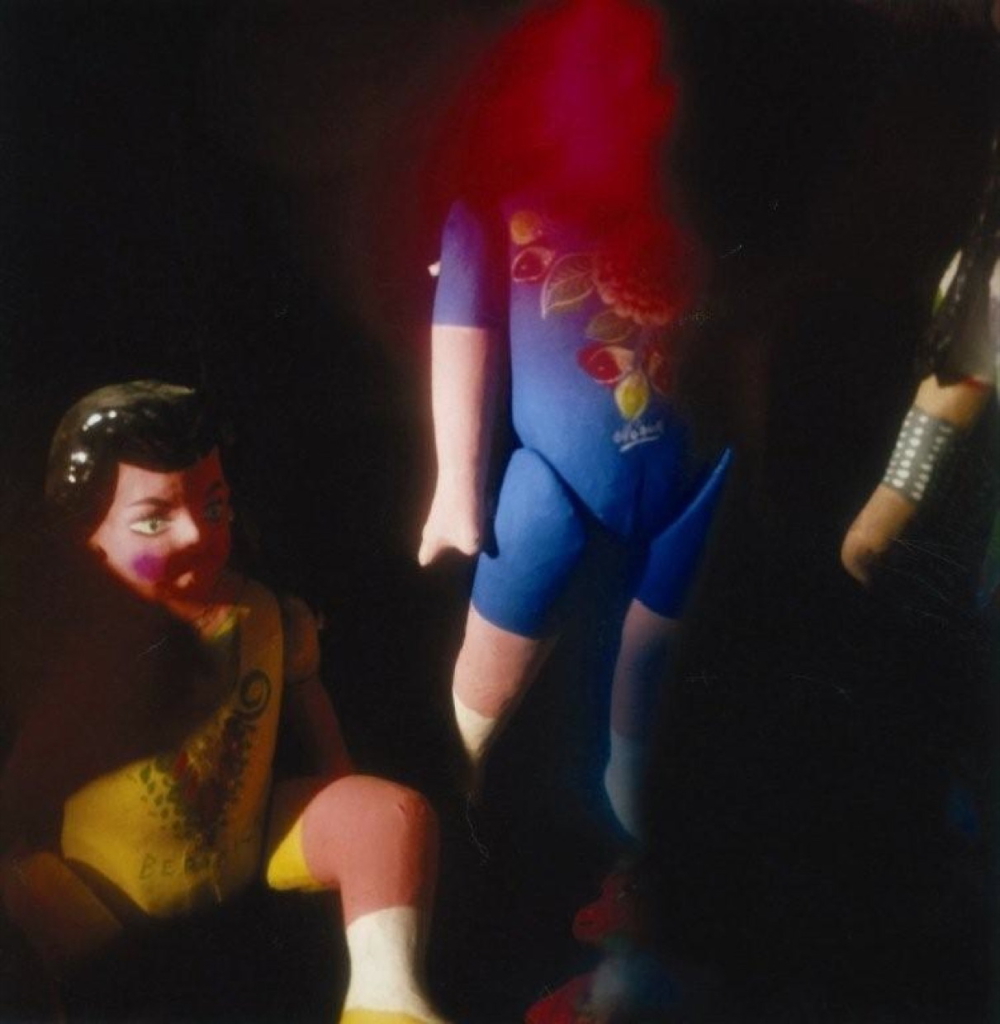
Untitled, 24″ x 24″ chromogenic print, edition of 5
* an ongoing series of quotations – mostly from artists, to artists – that offers wisdom, inspiration, and advice for the sometimes lonely road we are on.
We most certainly need to test ourselves against the most extreme possibilities, just as we are probably obligated not to express, share, and impart the most extreme possibility before it has entered the work of art. As something unique that no other person would and should understand, as one’s personal madness, so to speak, it has to enter into the work to attain its validity and to reveal there an internal law, like primary patterns that become visible only in the transparency of artistic creation. There exist nonetheless two freedoms to express oneself that seem to me the ultimate possibilities: one in the presence of the created object, and the other within one’s actual daily life where one can show another person what one has become through work, and where one may in this way mutually support and help and (here understood humbly) admire one another. In either case, however, it is necessary to show results, and it is neither lack of confidence nor lack of intimacy nor a gesture of exclusion if on does not reveal the tools of one’s personal becoming that are marked by so many confusing and tortuous traits, which are valid only for one’s own use.
Ulrich Baer, editor, The Wisdom of Rilke
Comments are welcome!


 barbararachkoscoloreddust.com