Blog Archives
Pearls from artists* # 153

“So What?”, soft pastel on sandpaper, 20″ x 26″
* an ongoing series of quotations – mostly from artists, to artists – that offers wisdom, inspiration, and advice for the sometimes lonely road we are on.
Ours is an excessively conscious age. We know so much, we feel so little. I have lived enough around painters and around studios to have had all the theories – and how contradictory they are – rammed down my throat. A man has to have a gizzard like an ostrich to digest all the brass tacks and wire nails of modern art theories. Perhaps all the theories, the utterly indigestible theories, like nails in an ostrich’s gizzard, do indeed help to grind small and make digestible all the emotional and aesthetic pabulum that lies in an artist’s soul. But they can serve no other purpose. Not even corrective. The modern theories of art make real pictures impossible. You only get these expositions, critical ventures in paint, and fantastic negations. And the bit of fantasy that may lie in the negation – as in a Dufy or a de Chirico – is just the bit that has escaped theory and perhaps saves the picture. Theorise, theorise all you like – but when you start to paint, shut your theoretic eyes and go for it with instinct and intuition.
D.H. Lawrence: Making Pictures in The Creative Process, edited by Brewster Ghiselin
Comments are welcome!
Pearls from artists # 146
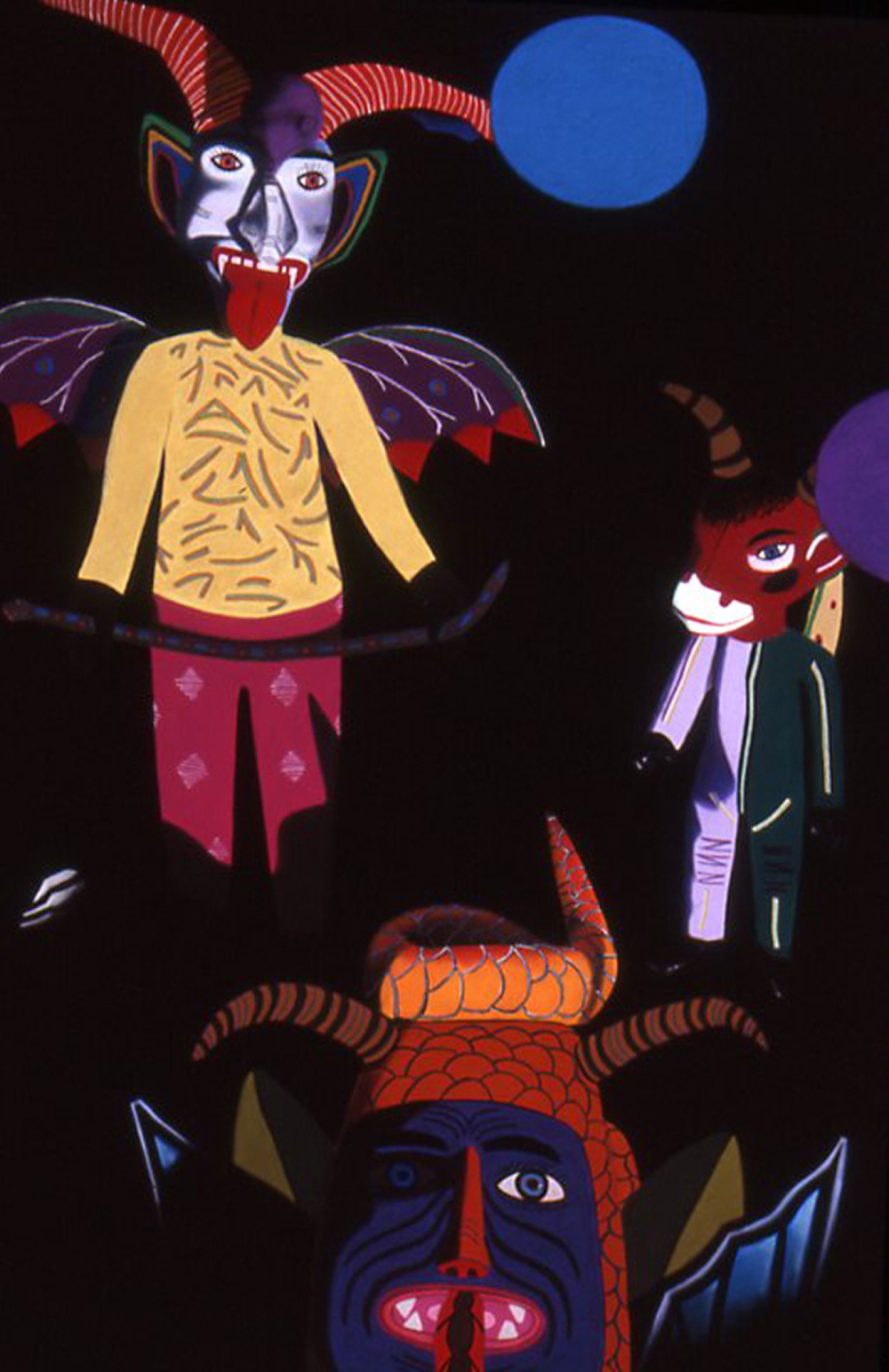
“The Sovereign,” soft pastel on sandpaper, 58″ x 38″
* an ongoing series of quotations – mostly from artists, to artists – that offers wisdom, inspiration, and advice for the sometimes lonely road we are on.
I try to remember that painting at its best is a form of communication, that it is constantly reaching out to find response from an ideal and sympathetic audience. This I know is not accomplished by pictorial rhetoric nor by the manipulation of seductive paint surfaces. Nor is a good picture concocted out of theatrical props, beautiful subjects, or memories of other paintings. All these might astound but they will never communicate the emotional content or exaltation of life, which I believe an artist, by definition, has to accept as his task.
Julian Levi: Before Paris and After in The Creative Process, edited by Brewster Ghiselin
Comments are welcome!
Pearls from artists* # 127
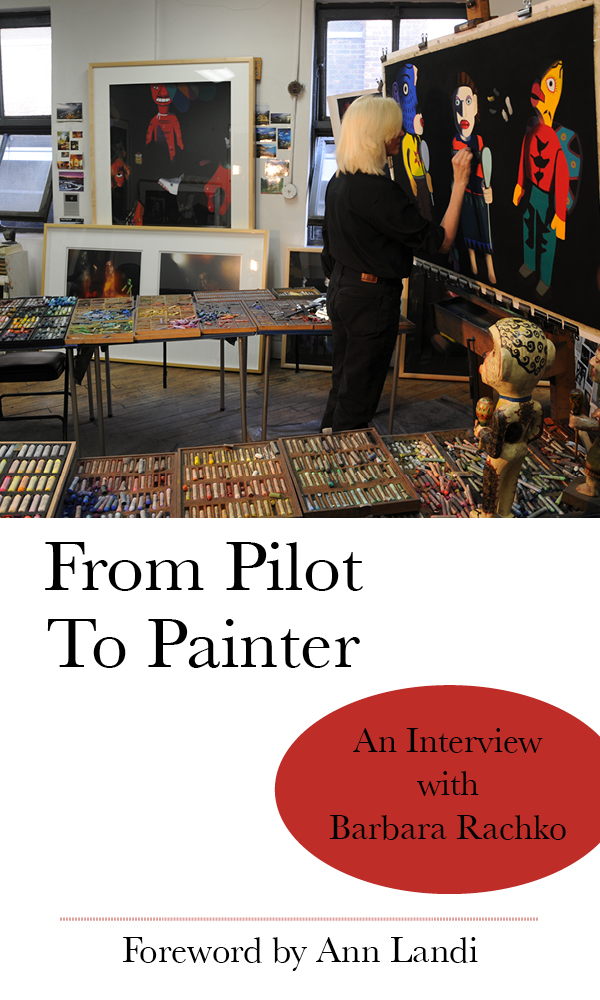
eBook cover
* an ongoing series of quotations – mostly from artists, to artists – that offers wisdom, inspiration, and advice for the sometimes lonely road we are on.
Two facts differentiate Daybook from my work in visual art.
The first is the simple safety of numbers. There are 6500 Daybooks in the world. My contribution to them was entirely mental, emotional. I never put my hand on a single copy of these objects until I picked up a printed book. I made no physical effort; no blood, no bone marrow moved from me to them. I do not mean that I made no effort. On the contrary, the effort was excruciating because it was so without physical involvement, so entirely hard-wrought out of nothing physical at all; no matter how little of the material world goes into visual art, something of it always does, and that something keeps you company as you work. There seems to me no essential difference in psychic cost between visual and literary effort, The difference is in what emerges as result. A work of visual art is painfully liable to accident; months of concentration and can be destroyed by a careless shove. Not so 6500 objects. This fact gives me a feeling of security like that of living in a large, flourishing, and prosperous family.
Ancillary to this aspect is the commonplaceness of a book. People do not have to go much out of their way to get hold of it, and they can carry it around with them and mark it up, and even drop it in a tub while reading in a bath. It is a relief to have my work an ordinary part of life, released from the sacrosanct precincts of galleries and museums. A book is also cheap. Its cost is roughly equivalent to its material value as an object, per se. This seems to me more healthy than the price of art, which bears no relation to its quality and fluctuates in the marketplace in ways that leave it open to exploitation. An artist who sells widely has only to mark a piece of paper for it to become worth an amount way out of proportion to its original cost. This aspect of art has always bothered me, and is one reason why I like teaching; an artist can exchange knowledge and experience for money in an economy as honest as that of a bricklayer.
Anne Truitt in Turn: The Journal of an Artist
Comments are welcome!
Pearls from artists* # 96

Diane Arbus Revelations
* an ongoing series of quotations – mostly from artists, to artists – that offers wisdom, inspiration, and advice for the sometimes lonely road we are on.
My final day at the magic shop [in Disneyland, where he worked as a teenager], I stood behind the counter where I had pitched Svengali decks and the Incredible Shrinking Die, and I felt an emotional contradiction: nostalgia for the present. Somehow, even though I had stopped working only minutes earlier, my future fondness for the store was clear, and I experienced a sadness like that of looking at a photo of an old, favorite pooch. It was dusk by the time I left the shop, and I was redirected by a security guard who explained that a photographer was taking a picture and would I please use the side exit.
I did, and saw a small, thin woman with hacked brown hair aim her large-format camera directly at the dramatically lit castle, where white swans floated in the moat underneath the functioning drawbridge. Almost forty years later, when I was in my early fifties, I purchased that photo as a collectible, and it still hangs in my house. The photographer, it turned out, was Diane Arbus. I try to square the photo’s breathtaking romantic image with the rest of her extreme subject matter, and I assume she saw this facsimile of a castle as though it were a kitsch roadside statue of Paul Bunyan. Or perhaps she saw it as I did: beautiful.
Quoted by A.D. Coleman in Photocritical, May 28, 2014, from Born Standing Up: A Comic’s Life by Steve Martin
Comments are welcome!
Q: How would you define art?

Barbara’s studio
A: At its core all art is communication. I personally believe that without the component of communication, there is no art. The expression of human creative skill and imagination becomes art when it is appreciated for its beauty, complexity, emotional power, evocativeness, etc. A sympathetic and understanding audience is essential.
Why might artists fail to communicate? Perhaps they haven’t mastered their medium sufficiently to elicit a reaction from the viewer. Perhaps the viewer lacks the necessary artistic, cultural, or intellectual background to understand and appreciate what the artist is communicating. Maybe the viewer is distracted or preoccupied and not looking or thinking deeply enough. There are many reasons.
Comments are welcome!
Pearls from artists* # 84

My Alexandria living room
* an ongoing series of quotations – mostly from artists, to artists – that offers wisdom, inspiration, and advice for the sometimes lonely road we are on.
I have a stockpile of sculptures, paintings, and drawings – every work of art I have made that has not sold – in a storage space for which I pay every month as regularly as I pay my utility bills. This is a sensible arrangement, as I can leave this work to my children. Most of the time I never give it a thought, but this morning it flashed across my mind that if it were blown away I would be bereaved in a way that would hurt me very much. I have not been inordinately materialistic, but I am attached to my house, to my inherited belongings, and to the things that I have chosen for myself. All these objects add complexity to my emotional ties to people with whom I have shared, and share, my life, and to my aspirations for myself.
Anne Truitt in Turn: The Journal of an Artist
Comments are welcome!


 barbararachkoscoloreddust.com