Blog Archives
Pearls from artists* # 289
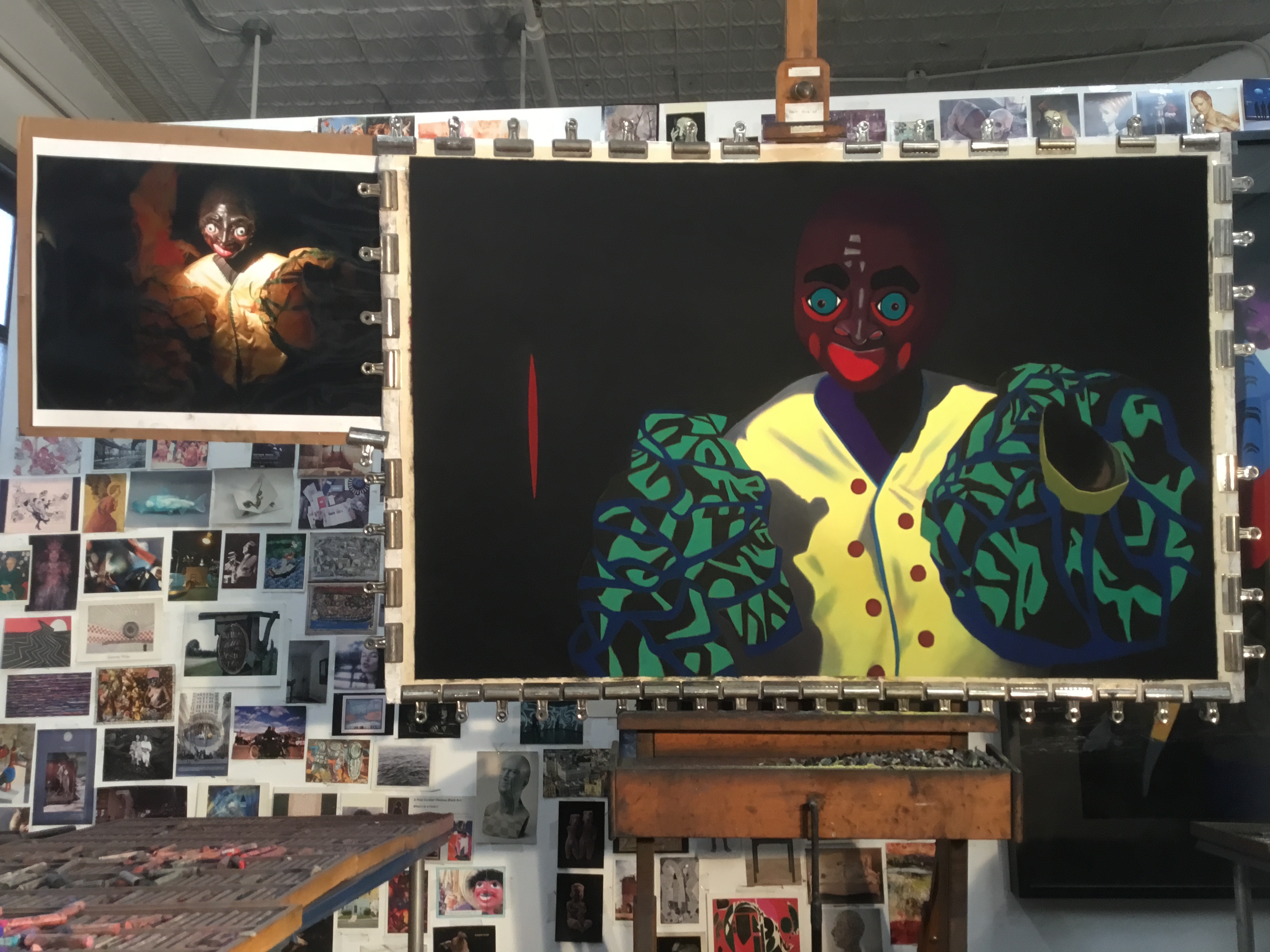
“Danzante,” soft pastel on sandpaper, 38” x 58”, in progress
*an ongoing series of quotations – mostly from artists, to artists – that offers wisdom, inspiration, and advice for the sometimes lonely road we are on.
I do not think it the business of a poet to become a guru. It is his business to write poetry, and to do that he must remain open and vulnerable. We grow through relationships of every kind, but most of all through a relationship that takes the whole person. And it would be pompous and artificial to make an arbitrary decision to shut the door.
The problem is to keep a balance, not to fall to pieces. In keeping her balance in her last years Louise Bogan stopped writing poems, or nearly. It was partly, I feel sure, that the detachment demanded of the critic (and especially his absorption in analyzing the work of others) is diametrically opposed to the kind of detachment demanded of the poet in relationship to his own work. We are permitted to become detached only after the shock of an experience has been taken in, allowed to “happen” in the deepest sense. Detachment comes with examining the experience by means of writing the poem.
May Sarton in Journal of a Solitude: The intimate diary of a year in the life of a creative woman
Comments are welcome!

Q: What’s on the easel today?

Finished and signed
A: I have finally finished “Oracle,” soft pastel on sandpaper, 26” x 20.” It’s the third piece in my “Bolivianos” series.
Comments are welcome!
Pearls from artists* # 281
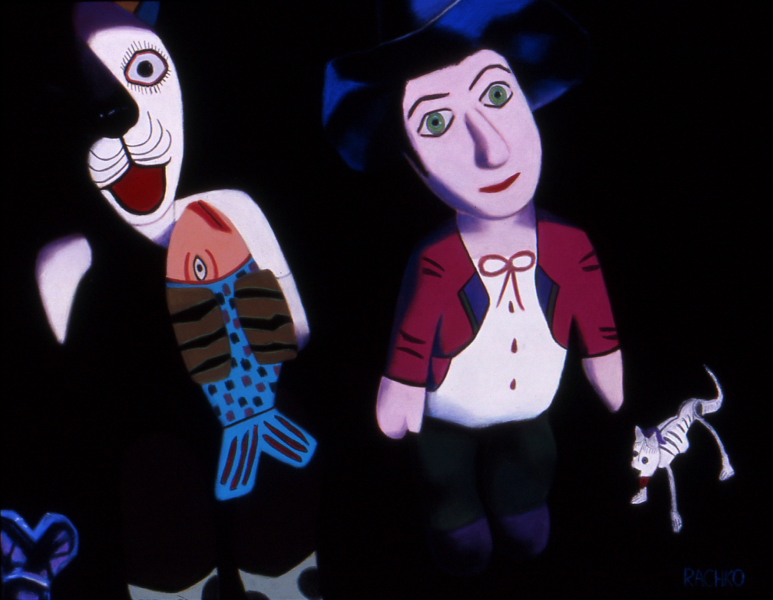
“Poker Face,” soft pastel on sandpaper, 38″ x 58″
*an ongoing series of quotations – mostly from artists, to artists – that offers wisdom, inspiration, and advice for the sometimes lonely road we are on.
Interviewer: Do you think criticism helps any?
Capote: Before publication, and if provided by persons whose judgment you trust, yes, of course criticism helps. But after something is published, all I want to hear is praise. Anything less is a bore, and I’ll give you fifty dollars if you produced a writer who can honestly say he was ever helped by the prissy carpings and condescensions of reviewers. I don’t mean to say that none of the professional critics are worth paying attention to – but few of the good ones review on a regular basis. Most of all, I believe in hardening yourself against opinion. I’ve had, and continue to receive, my full share of abuse, some of it extremely personal, but it doesn’t faze me any more. I can read the most outrageous libel about myself and never skip a pulsebeat. And in this connection there is one piece of advice I strongly urge: never demean yourself by talking back to a critic, never. Write those letters to the editor in your head, but don’t put them on paper.
Truman Capote in Writers at Work: The Paris Review Interviews First Series, edited, and with an introduction by Malcolm Crowley
Comments are welcome!
Pearls from artists* # 280

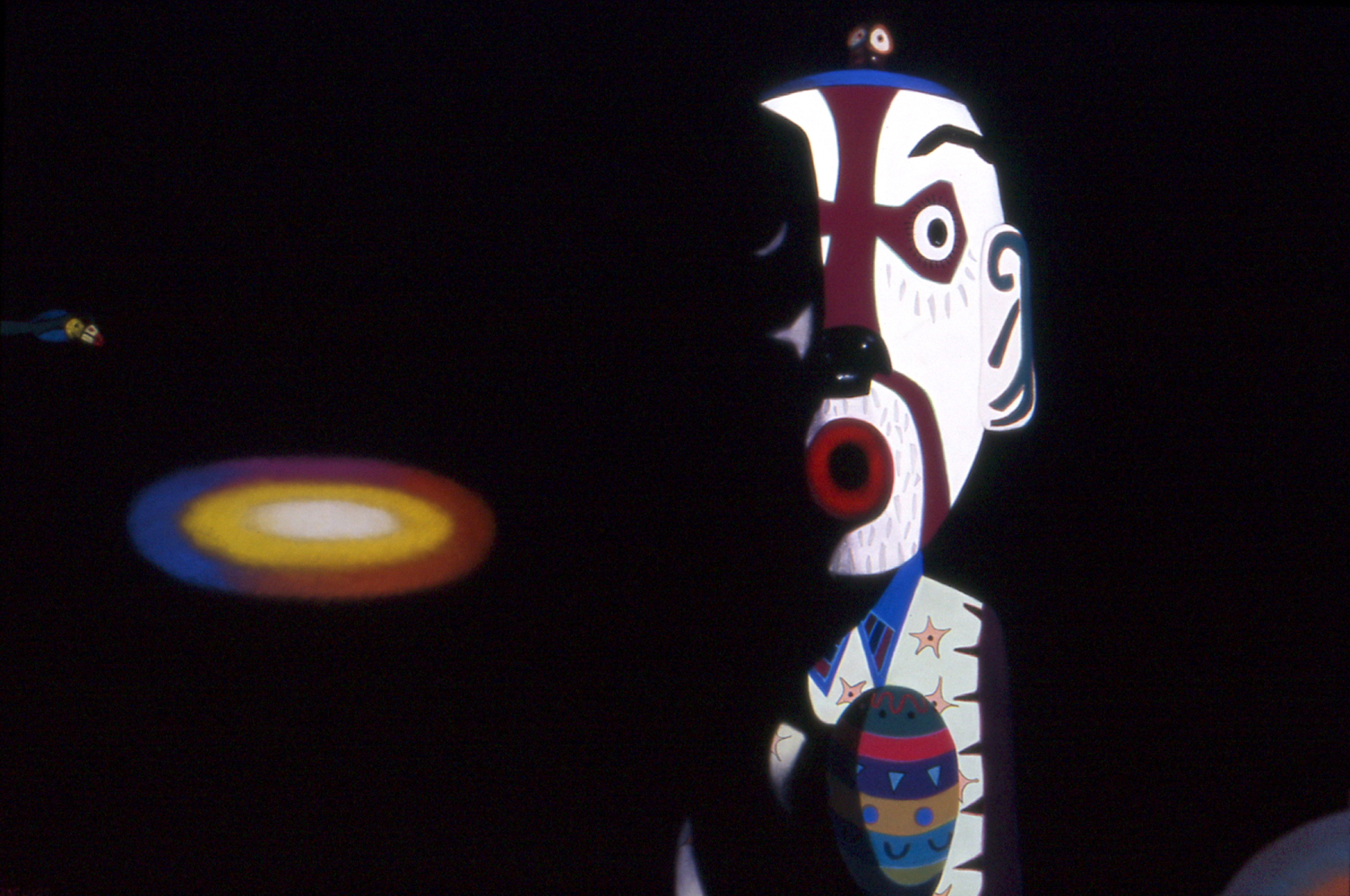
“Palaver,” soft pastel on sandpaper, 26″ x 20″
* an ongoing series of quotations – mostly from artists, to artists – that offers wisdom, inspiration, and advice for the sometimes lonely road we are on.
What is the task? To compose a work that communicates on several levels, as in a parable, devoid of the stain of cleverness.
What is the dream? To write something fine, that would be better than I am, and that would justify my trials and indiscretions. To offer proof, through a scramble of words, that God exists.
Who do I write? My finger, as a stylus, traces the question in the blank air. A familiar riddle posed since youth, withdrawing from play, comrades and the valley of love, girded with words, a beat outside.
Why do we write? A chorus erupts.
Because we cannot simply live.
Patti Smith in Devotion
Comments are welcome!
Pearls from artists* # 279
“Offering,” soft pastel on sandpaper, 20″ x 26″
* an ongoing series of quotations – mostly from artists, to artists – that offers wisdom, inspiration, and advice for the sometimes lonely road we are on.
Why is one compelled to write? To set oneself apart, cocooned, rapt in solitude, despite the wants of others. Virginia Woolf had her room. Proust his shuttered windows. Marguerite Duras her muted house. Dylan Thomas his modest shed. All seeking an emptiness to imbue with words. The words that will penetrate virgin territority, crack unclaimed combinations, articulate the infinite. The words that formed Lolita, The Lover, Our Lady of the Flowers.
There are stacks of notebooks that speak of years of aborted efforts, deflated euphoria, a relentless pacing of the boards. We must write, engaging in a myriad of struggles, as if breaking in a willful foal. We must write, but not without consistent effort and a measure of sacrifice: to channel the future, to revisit childhood, and to rein in the follies and horrors of the imagination for a pulsating race of readers.
Patti Smith in Devotion
Comments are welcome!
Pearls from artists* # 269

“White Star,” soft pastel on sandpaper, 38″ x 58″
* an ongoing series of quotations – mostly from artists, to artists – that offers wisdom, inspiration, and advice for the sometimes lonely road we are on.
In an artistic sense, cool came to refer to someone with a signature artistic style so integral as to exude an authentic mode-of-being in the world: Miles, Bogart, Brando, Eastwood, Greco, Elvis, Lady Day, Sinatra. Such a person created something from nothing and gave the world some new artistic or psychological “equipment for living,” to use a phrase of Kenneth Burke’s. A signature style is yours and can only be carried by you: it cannot be abstracted except through dilution and commodification since it reflects an individual’s complex personal experience.
Joel Dinerstein in The Origins of Cool in Postwar America
Comments are welcome
Pearls from artists* # 251
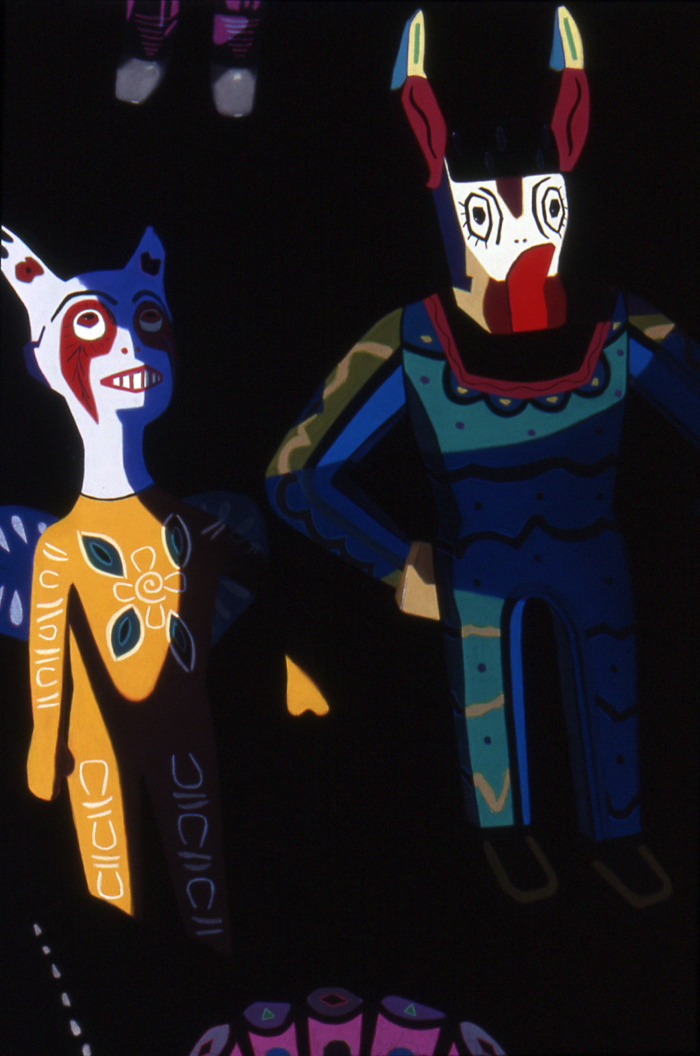
“Quartet,” soft pastel on sandpaper, 58″ x 38″ image, 70″ x 50″ framed
* an ongoing series of quotations – mostly from artists, to artists – that offers wisdom, inspiration, and advice for the sometimes lonely road we are on.
Interviewer: Is there any possible formula to follow in order to be a good novelist”
Faulkner: … Ninety-nine per cent talent… 99 per cent discipline… 99 per cent work. He must never be satisfied with what he does. It is never as good as it can be done. Always shoot higher than you know you can do. Don’t bother just to be better than your contemporaries or predecessors. Try to be better than yourself.
William Faulkner in Writers at Work: The Paris Review Interviews First Series, edited, and with an introduction by Malcolm Crowley
Comments are welcome!
Pearls from artists* # 250
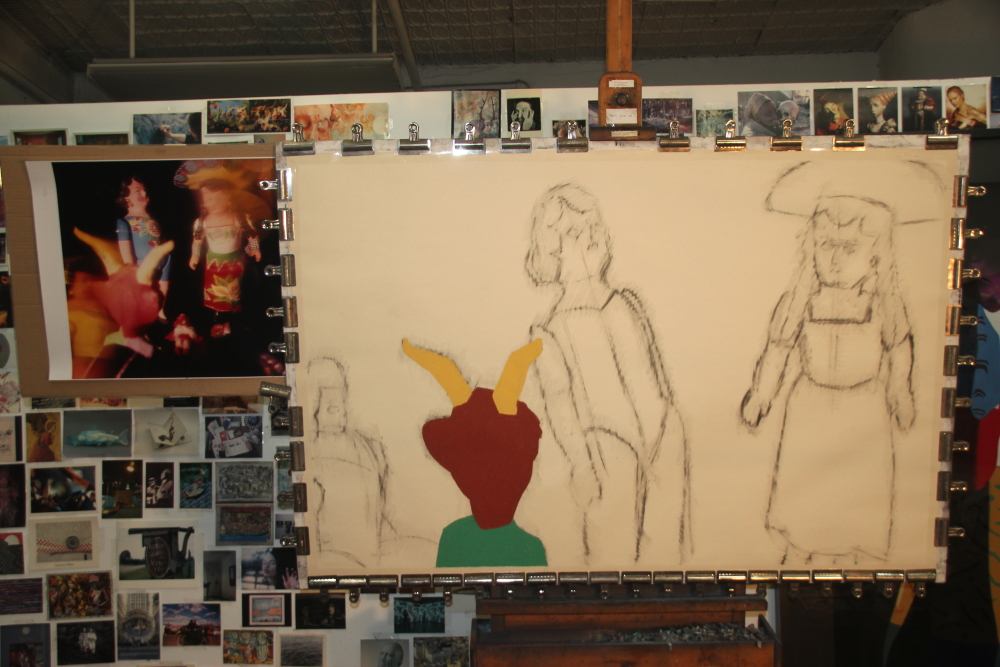
Start of “Conundrum,” soft pastel on sandpaper, 38″ x 58″
* an ongoing series of quotations – mostly from artists, to artists – that offers wisdom, inspiration, and advice for the sometimes lonely road we are on.
In my opinion, if I could write all my work again, I am convinced that I would do it better, which is the healthiest condition for an artist. That’s why he keeps on working, trying again; he believes each time that this time he will do it, bring it off. Of course he won’t, which is why this condition is healthy. Once he did it, once he matched the work to the image, the dream, nothing would remain but to cut his throat, jump off the other side of that pinnacle of perfection suicide. I’m a failed poet. Maybe every novelist wants to write poetry first, finds he can’t, and then tries the short story, which is the most demanding form after poetry. And, failing at that, only then does he take up novel writing.
William Faulkner in Writers at Work: The Paris Review Interviews First Series, edited, and with an introduction by Malcolm Crowley
Comments are welcome!
Start/Finish of “Provocateur,” soft pastel on sandpaper, 26″ x 20″ image, 35″ x 28 1/2″ framed
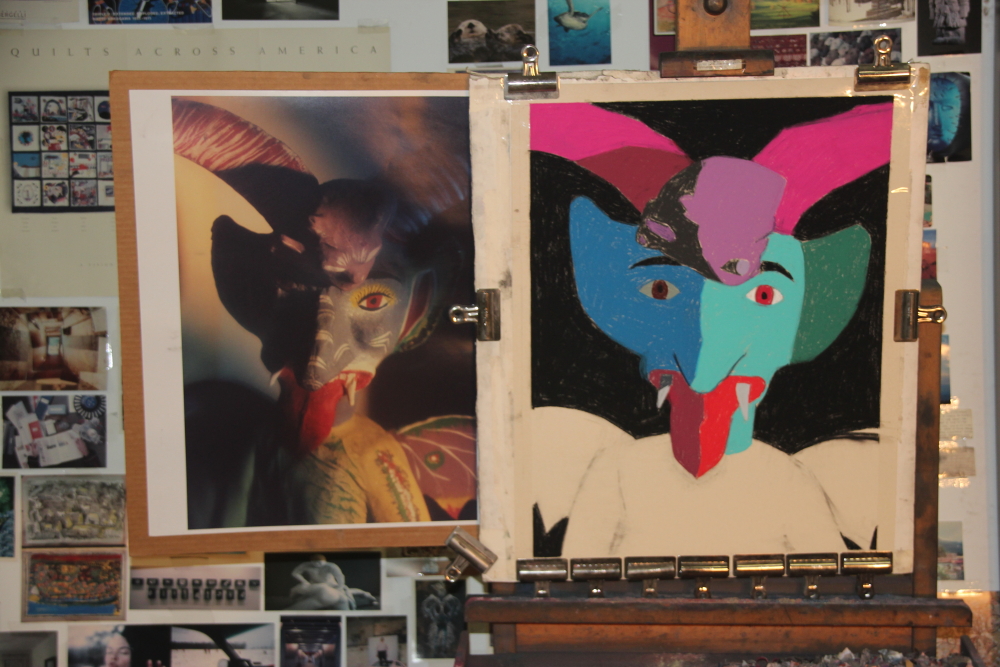
Beginning
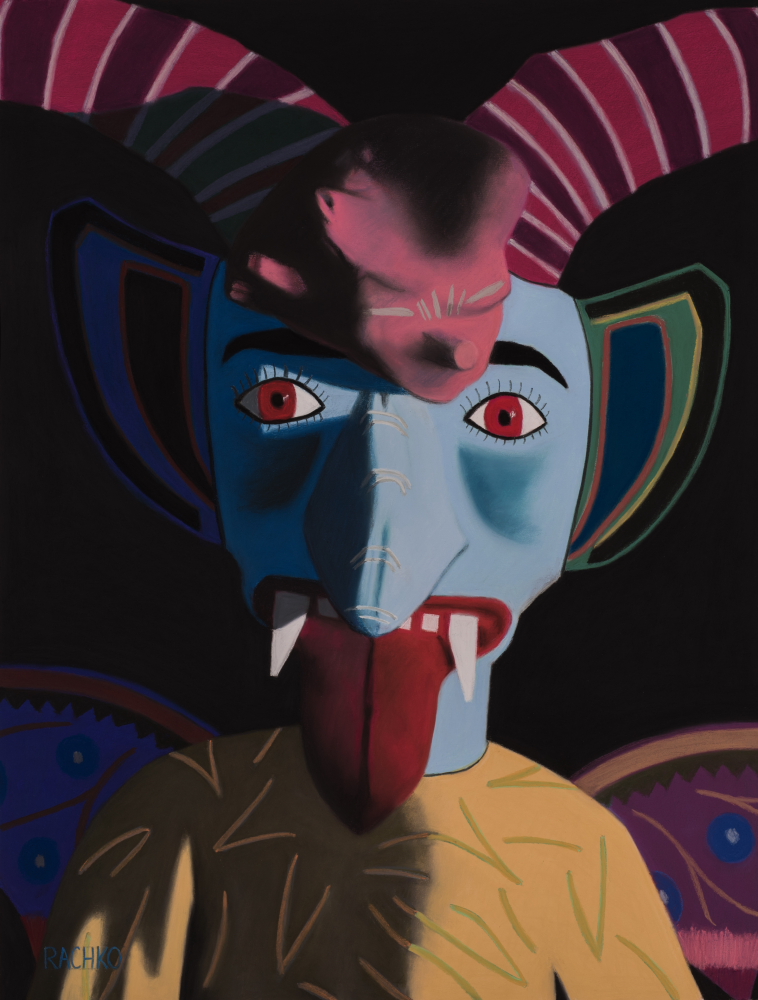
Finished and signed
Comments are welcome!


 barbararachkoscoloreddust.com