Blog Archives
Start/Finish of “Palaver,” soft pastel on sandpaper, 26″ x 20″
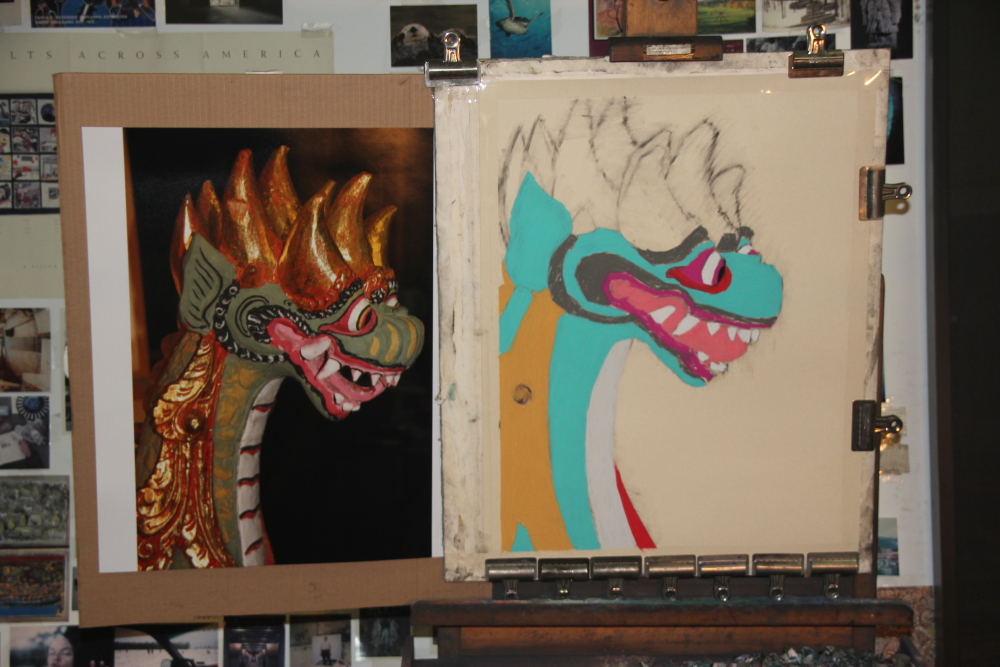
Beginning
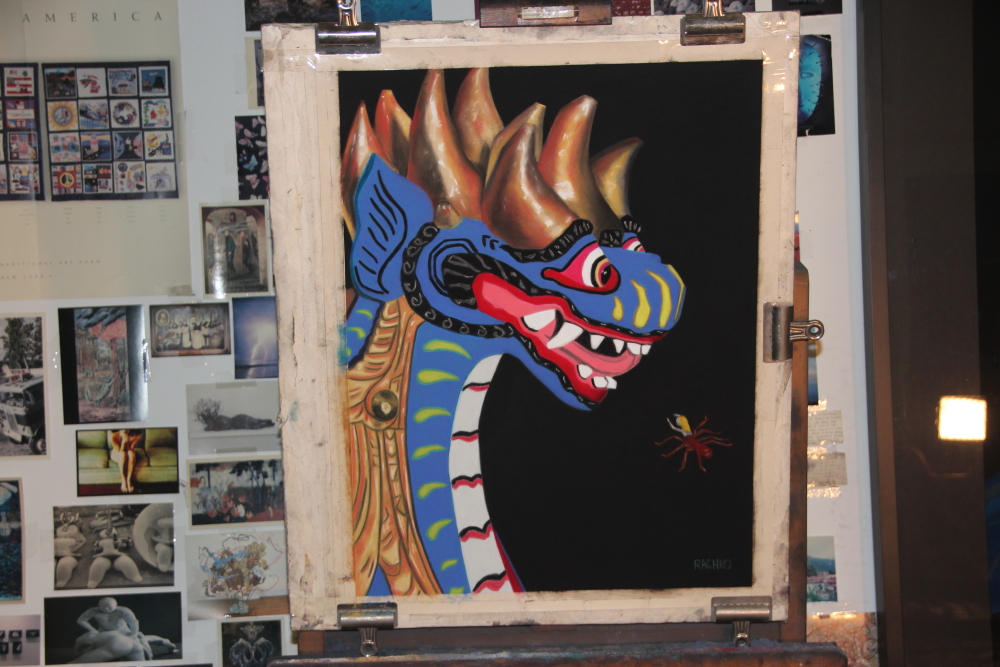
Finished and signed
Comments are welcome!
Start/Finish of “Charade”
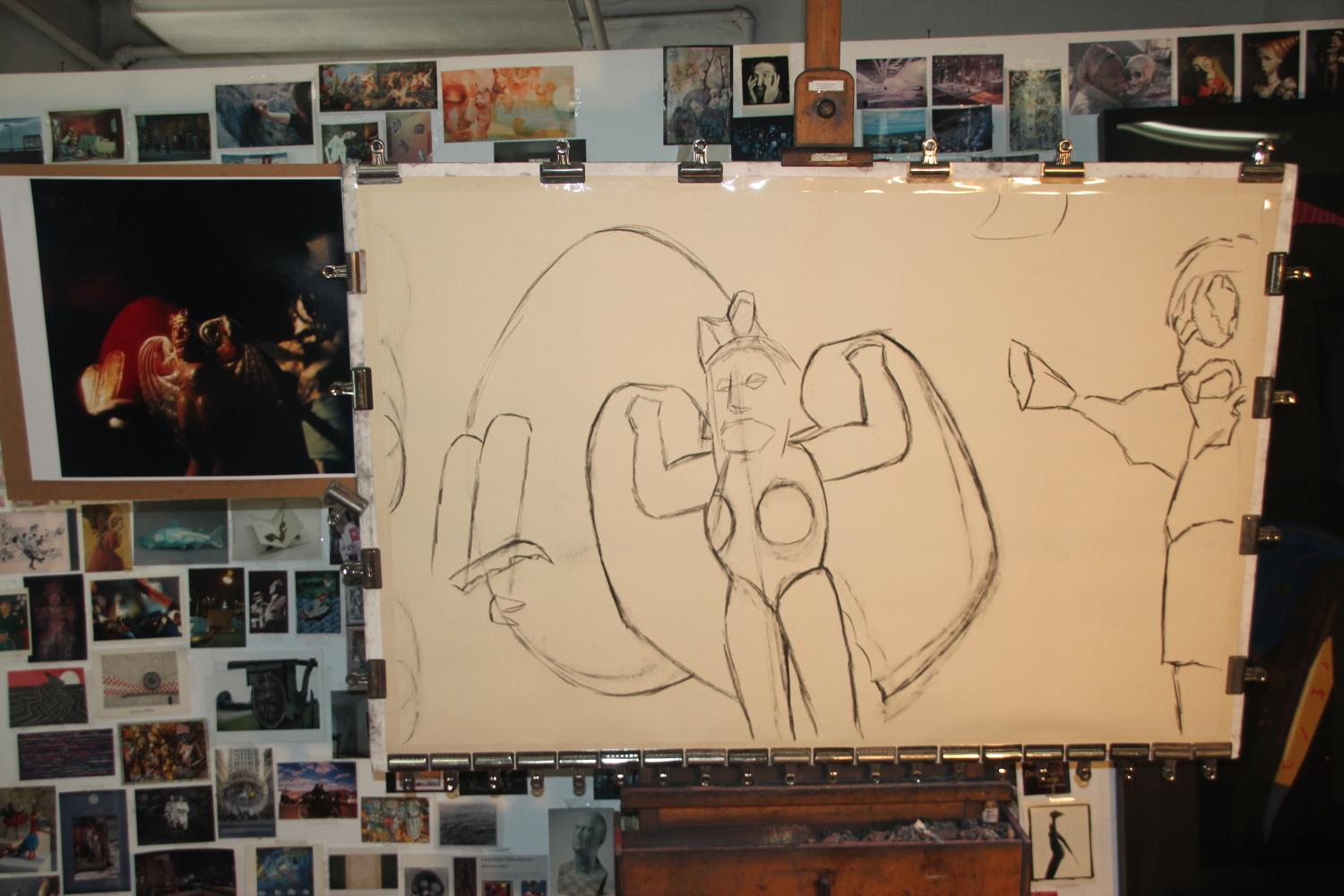
Charcoal underdrawing
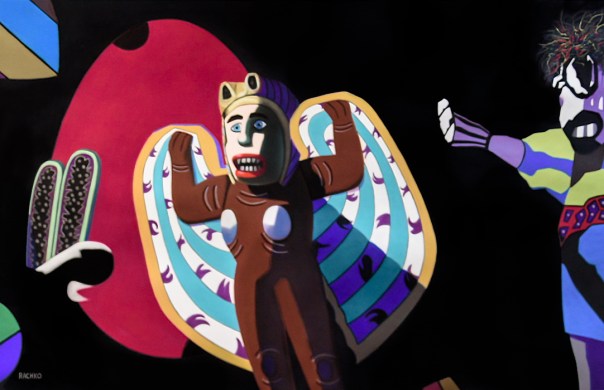
“Charade,” soft pastel on sandpaper, 38″ x 58″
Comments are welcome!
Start/Finish of “Incognito,” soft pastel on sandpaper, 38″ x 58″ image, 50″ x 70″ framed
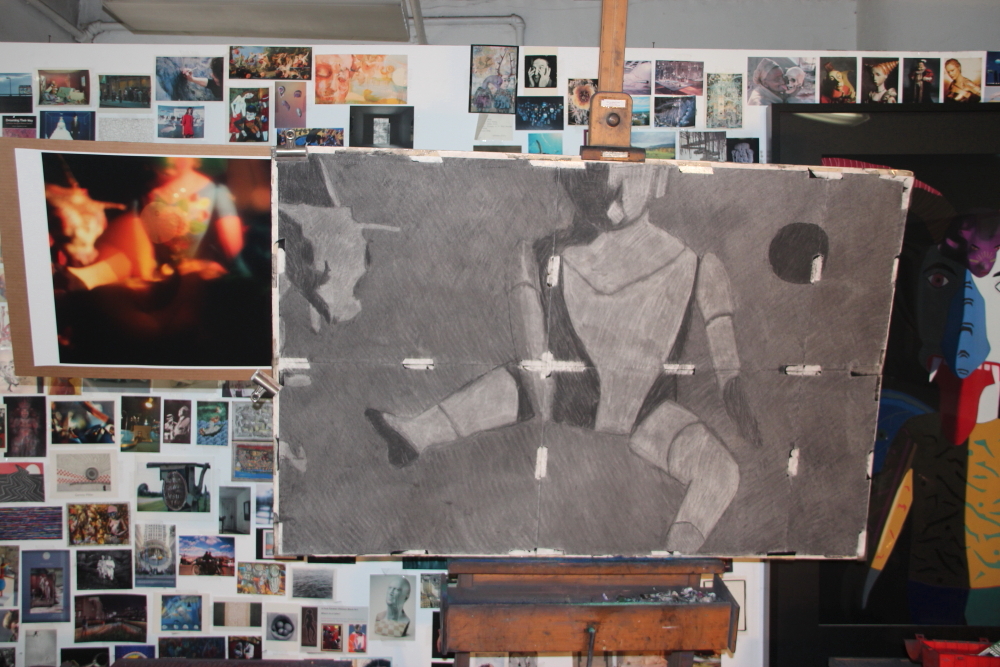
C-print and preliminary charcoal sketch
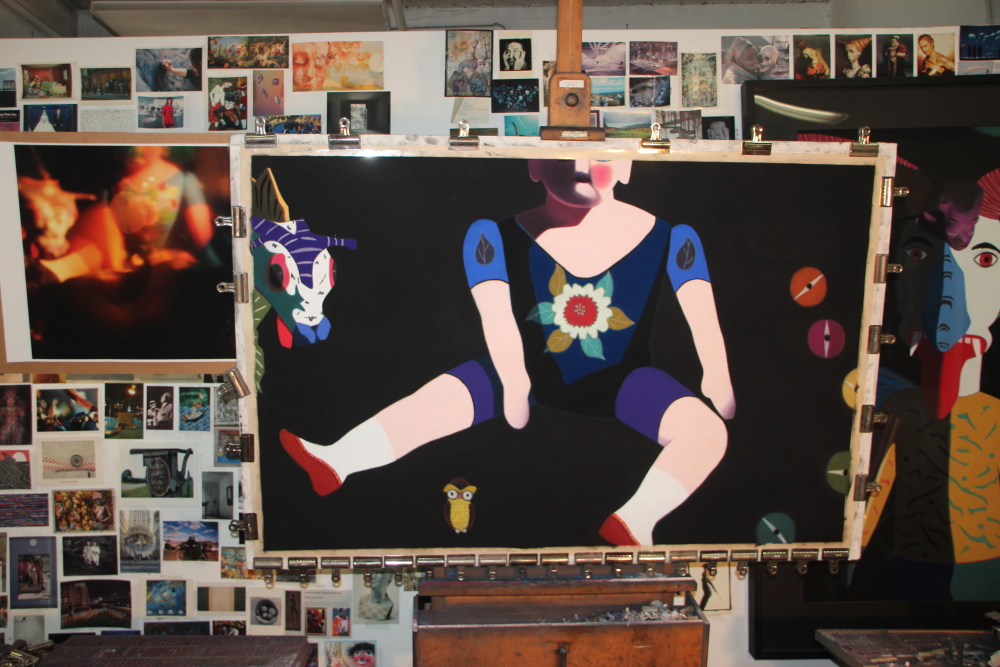
Finished
Comments are welcome!
Start/Finish of “Blind Faith,” soft pastel on sandpaper, 38″ x 58″ image, 50″ x 70″ framed

Beginnings

Finished and signed (lower left)
Comments are welcome!
Start/Finish of “Alone Together,” soft pastel on sandpaper, 20″ x 26″
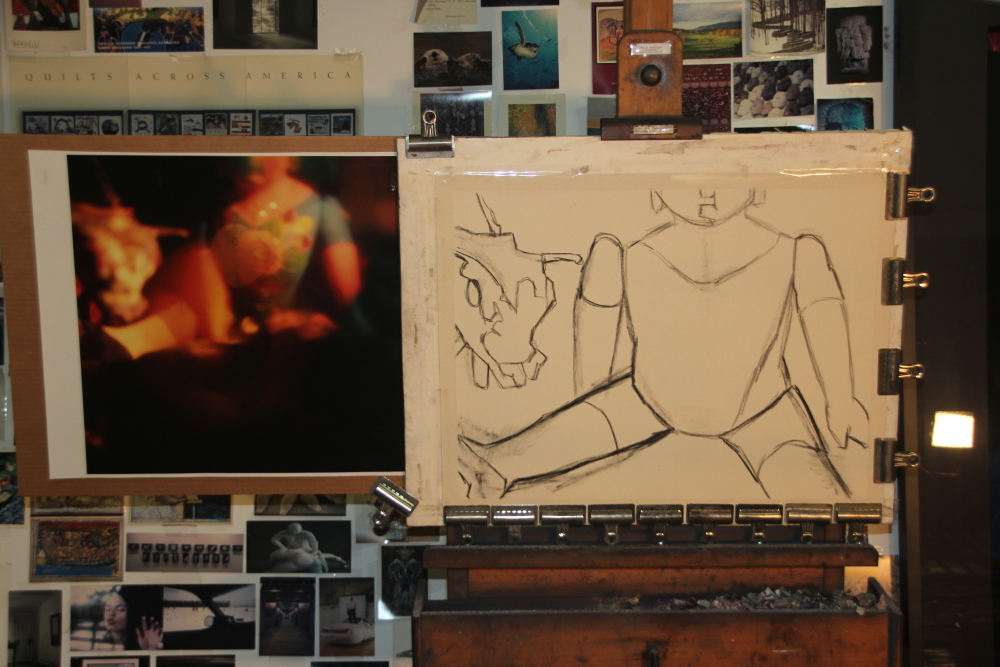
Initial charcoal sketch on sandpaper
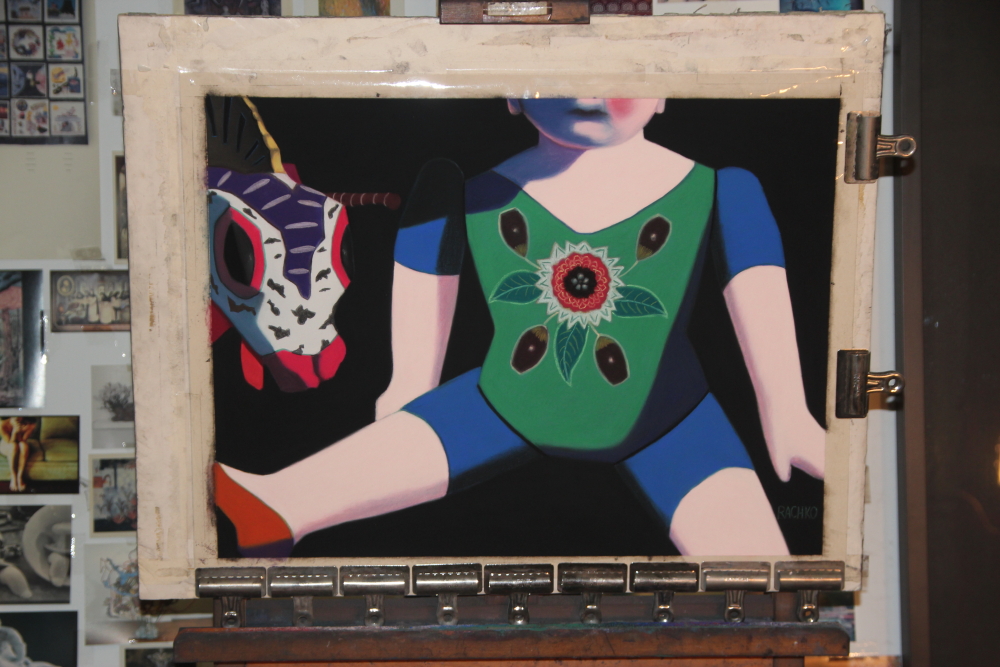
Finished painting
Comments are welcome!
Start/Finish of “Judasing,” soft pastel on sandpaper, 58″ x 38″
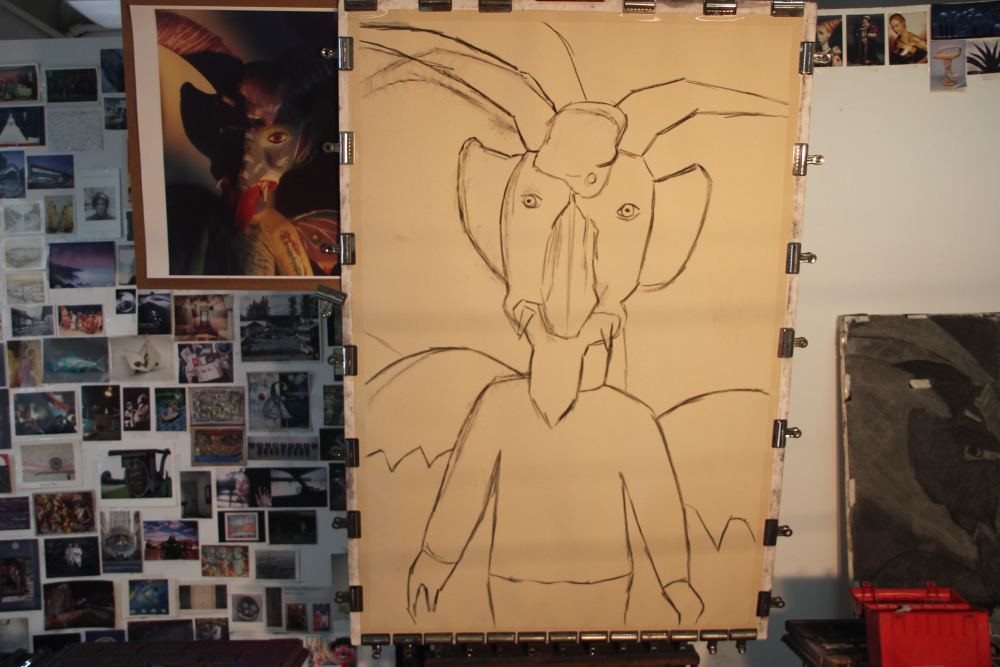
Preliminary charcoal sketch on sandpaper
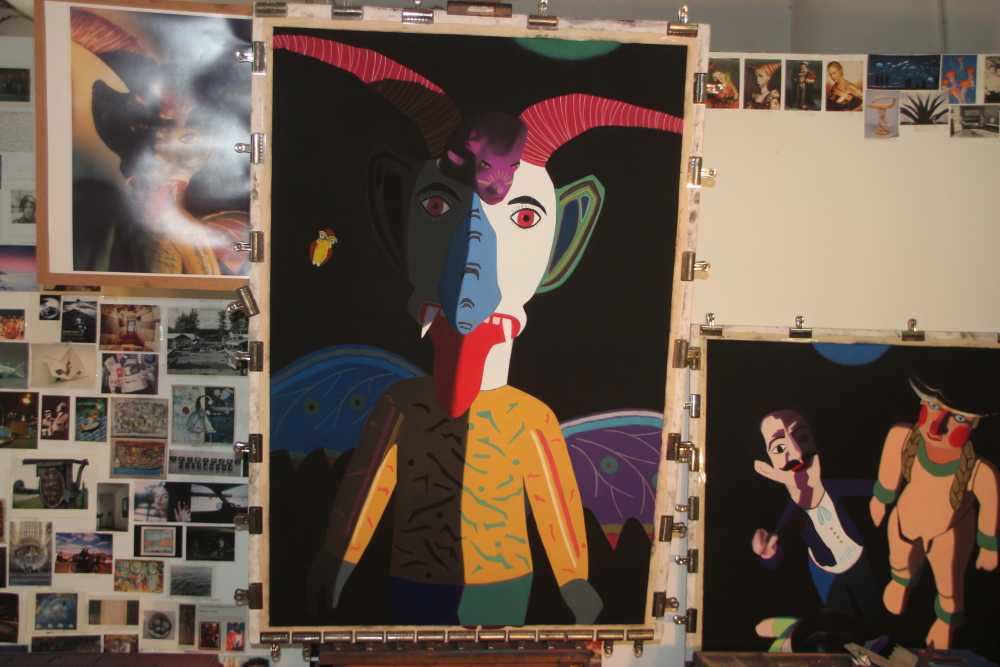
Finished painting, before signing
Comments are welcome!
Q: Do you have any unfinished pastel paintings?
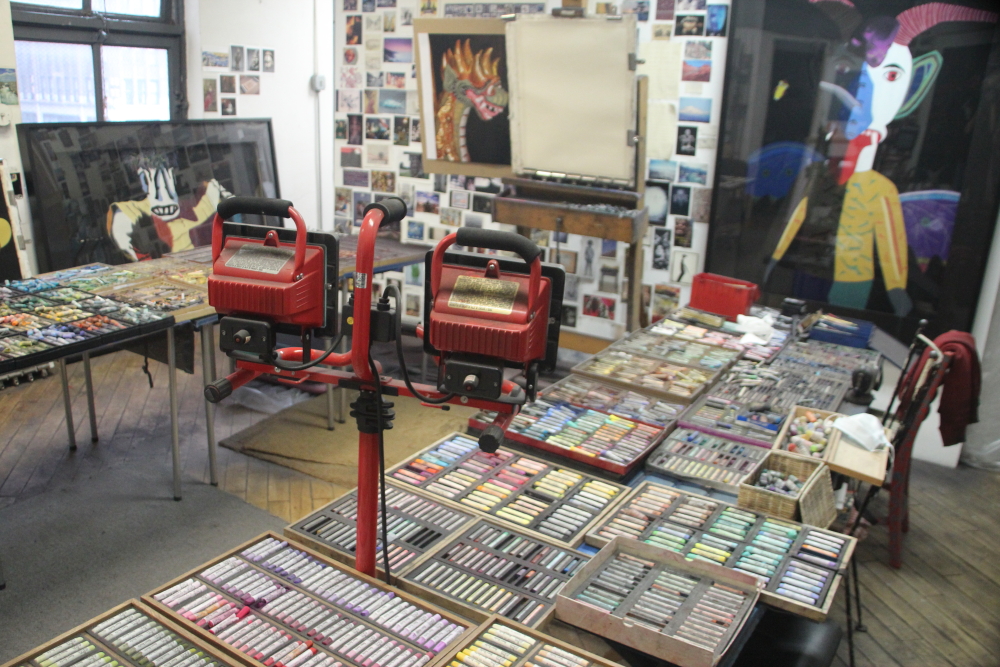
Barbara’s studio
A: It has been roughly 20 years since I started a painting that I couldn’t resolve and finish. This may or may not be a good thing. It could mean that I am not experimenting or pushing myself enough. On the other hand, having worked as a professional artist for nearly thirty years, I am confident of my ability to think through and find solutions for finishing each painting, regardless of the difficulties encountered along the way.
Comments are welcome!
Start/Finish of “Troublemaker,” 20″ x 26″, soft pastel on sandpaper
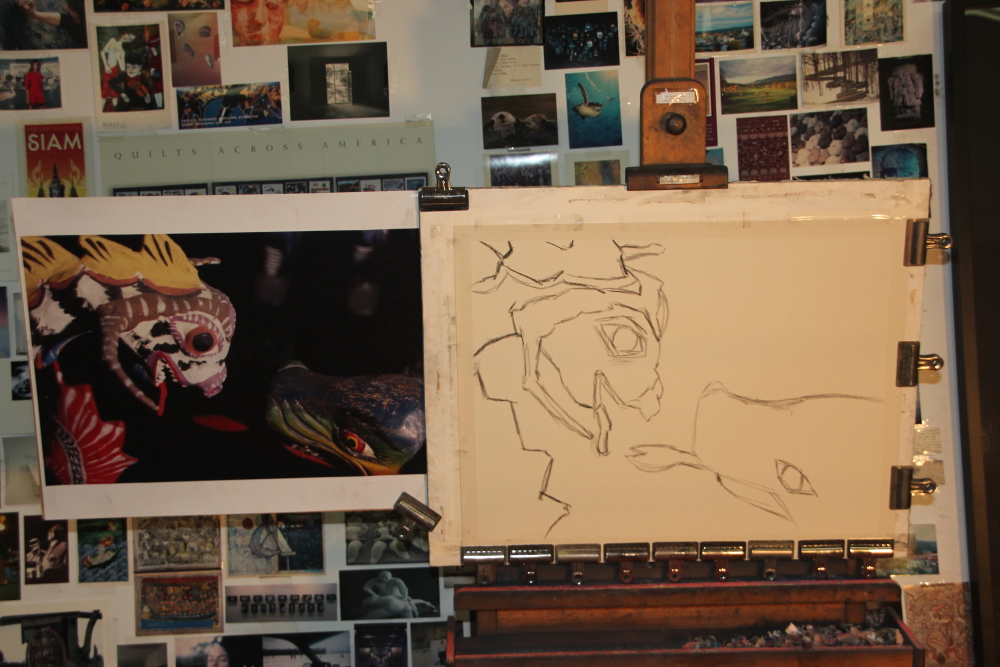
Initial charcoal sketch on sandpaper
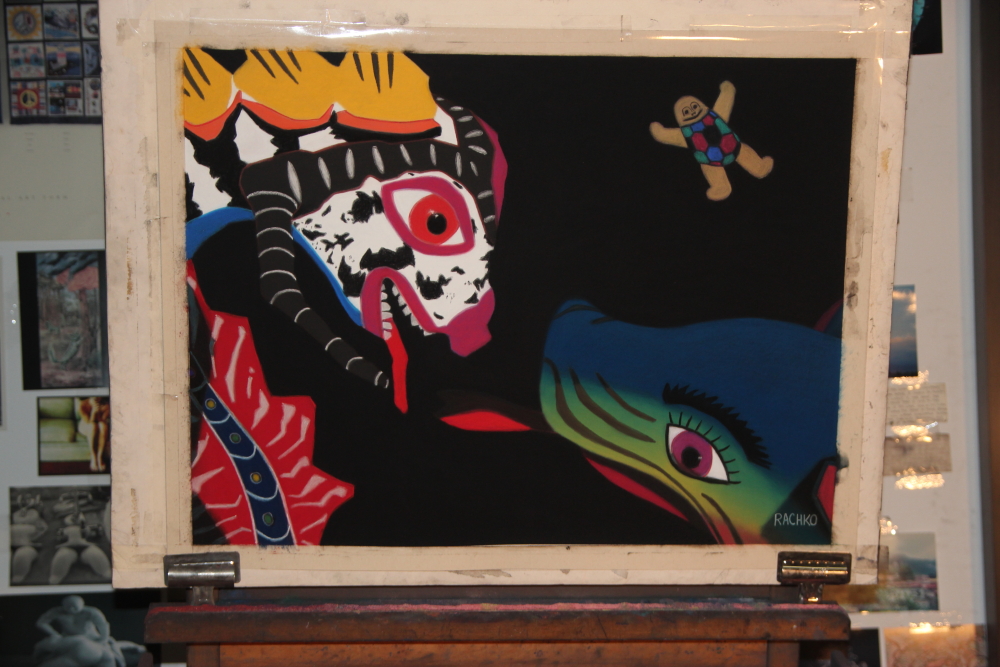
Finished painting
Comments are welcome!
Q: How do you store your pastel paintings?
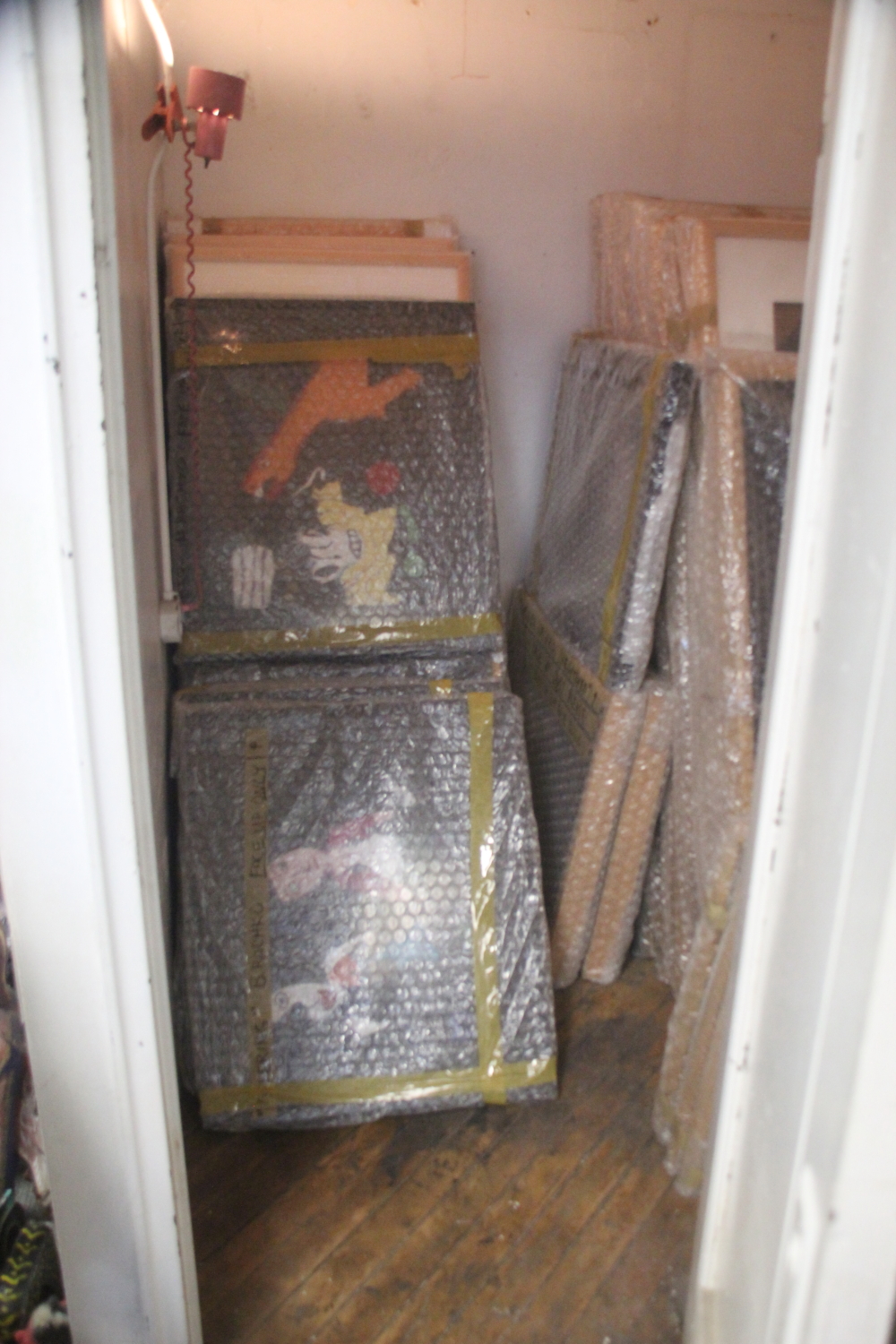
Storage closet
A: Well, I wish I could say that every pastel painting has sold as soon as it was completed, but that is a rarity that has only happened twice. As soon as possible after I finish a painting, I bring it to the framer. Pastel paintings are susceptible to smudging and other odd dangers (even a sneeze!) until they are under Plexiglas.
Framed work can easily and safely be stored by hanging it on a wall in my studio or standing it upright and face up, and leaning against a wall. When I put paintings in my storage closet for the longer term, I wrap them in bubble wrap.
The downside of having to frame everything is that it is a considerable expense. However, the upside is that I am always ready for a solo exhibition. Gallerists have called at the last minute when one of their exhibitions ran into unexpected problems. Usually, I am able to step right in.
Comments are welcome!
Q: How do you achieve such richness of color in your pastel-on-sandpaper paintings?
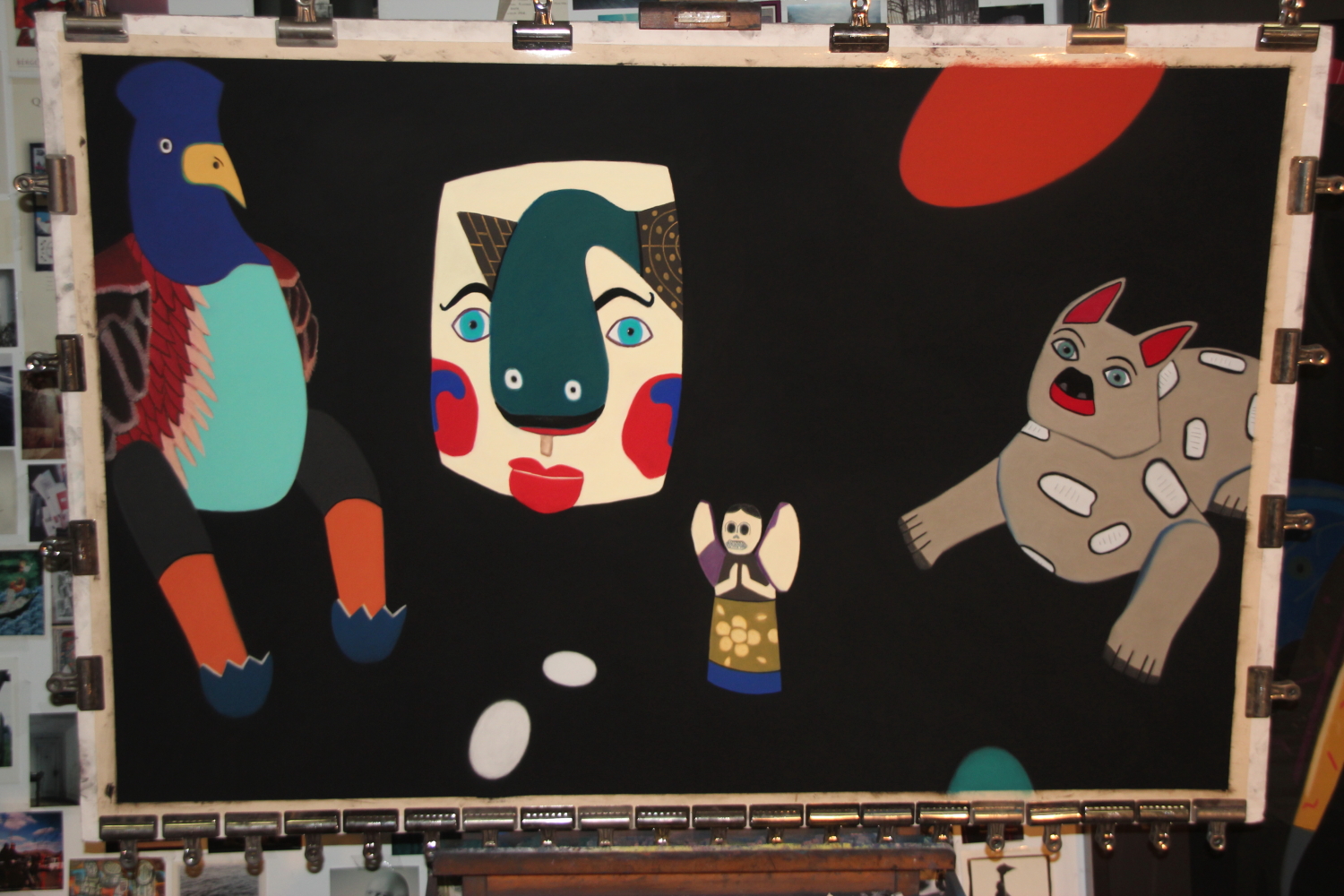
“Motley,” soft pastel on sandpaper, 38″ x 58″
A: This results from the several months of studio time and many layers of soft pastel that go into creating each painting. In a sense my technique is analogous to glazing done by the Old Masters. They slowly built up layers of thin paint to achieve a high degree of finish. Colors were not mixed physically, but optically. I gradually build up layers of soft pastel, as many as 30, to create a pastel painting. After a color is applied, I blend it with my fingers and push it into the sandpaper’s tooth. It mixes with the color beneath to create a new color, continually adding richness, saturation, and intensity to the overall painting.
Comments are welcome!



