Category Archives: Photography
Travel photo of the month*
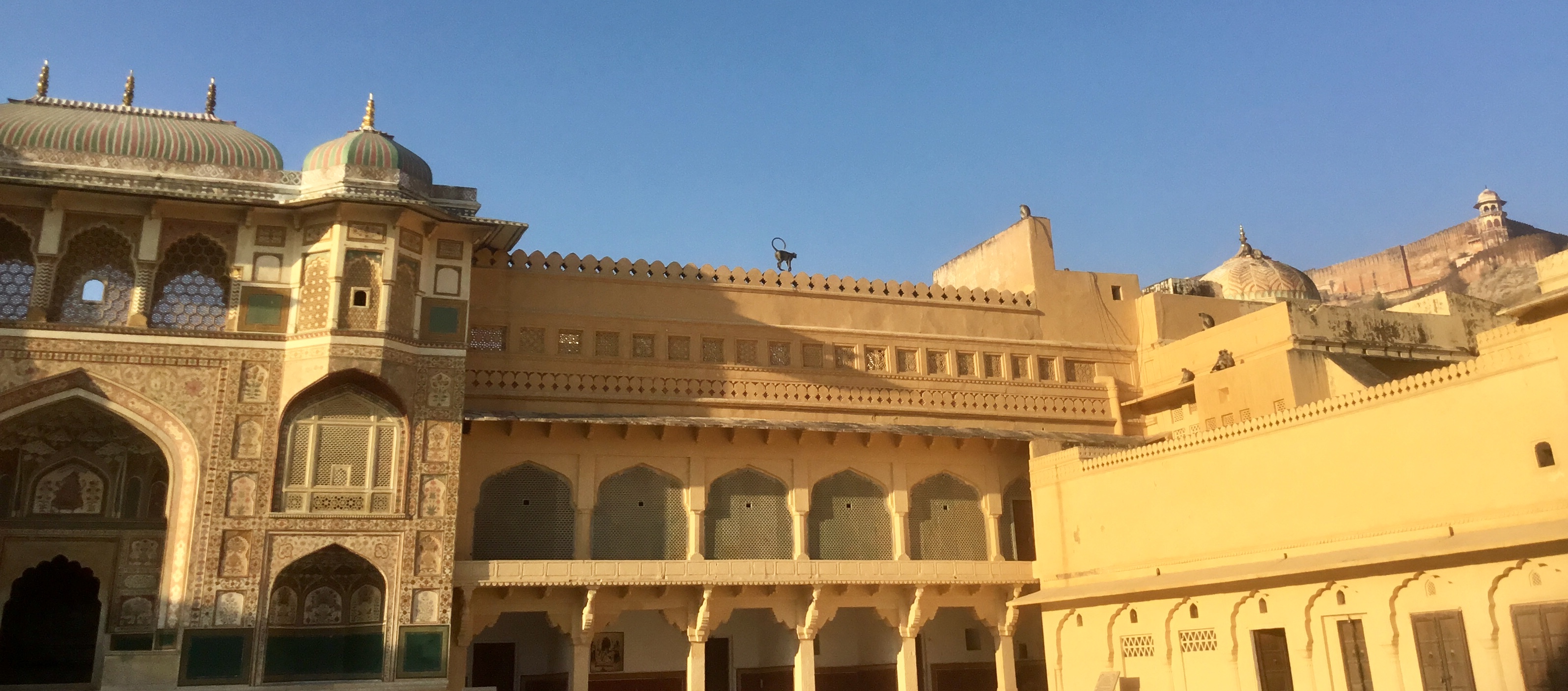
Amber Fort, Jaipur, India
*Favorite travel photographs that have not yet appeared in this blog
Comments are welcome!
Travel photo of the month*
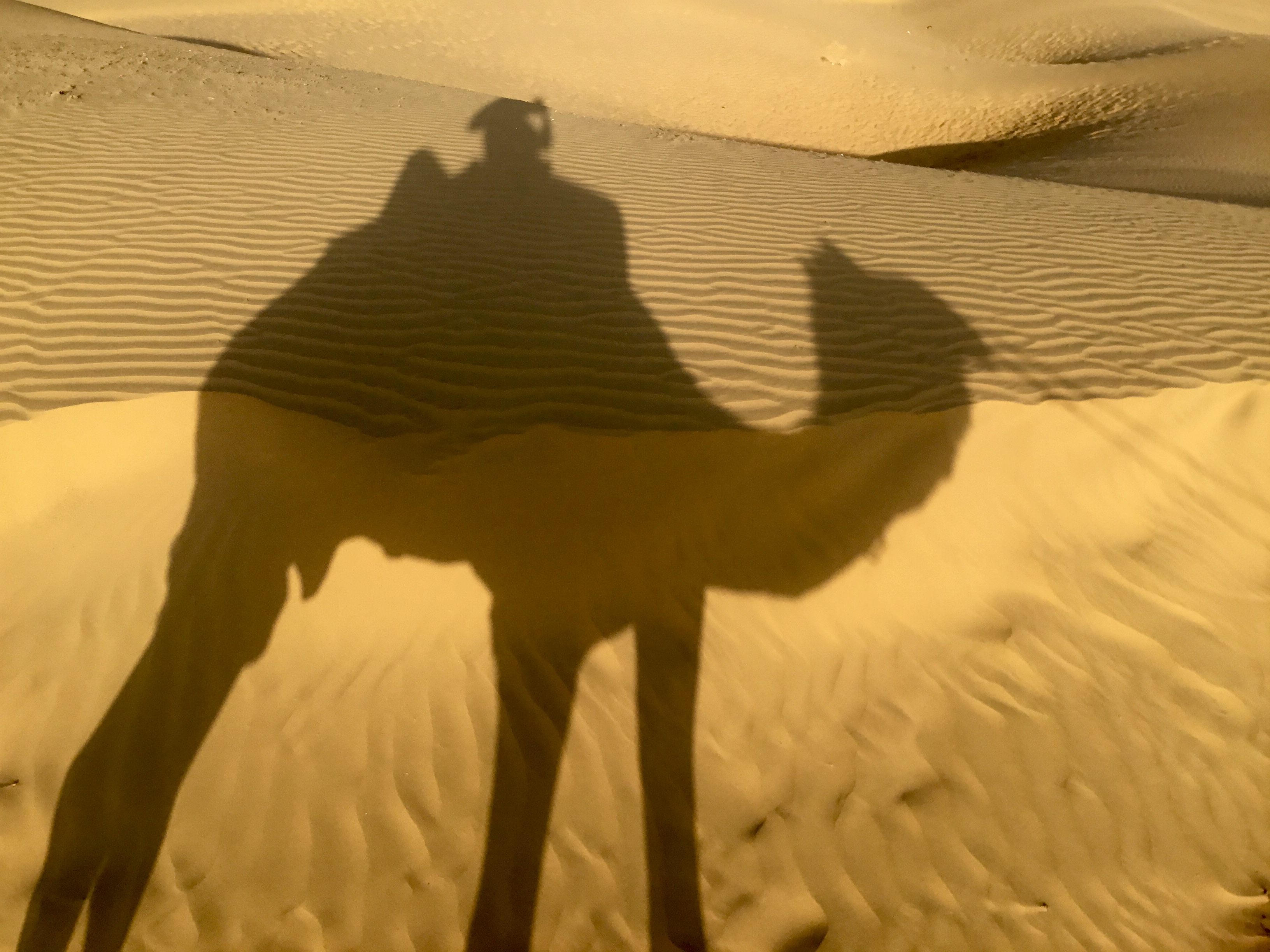
Riding a camel in India’s Thar Desert
*Favorite travel photographs that have not yet appeared in this blog
Comments are welcome!
Pearls from artists* # 350
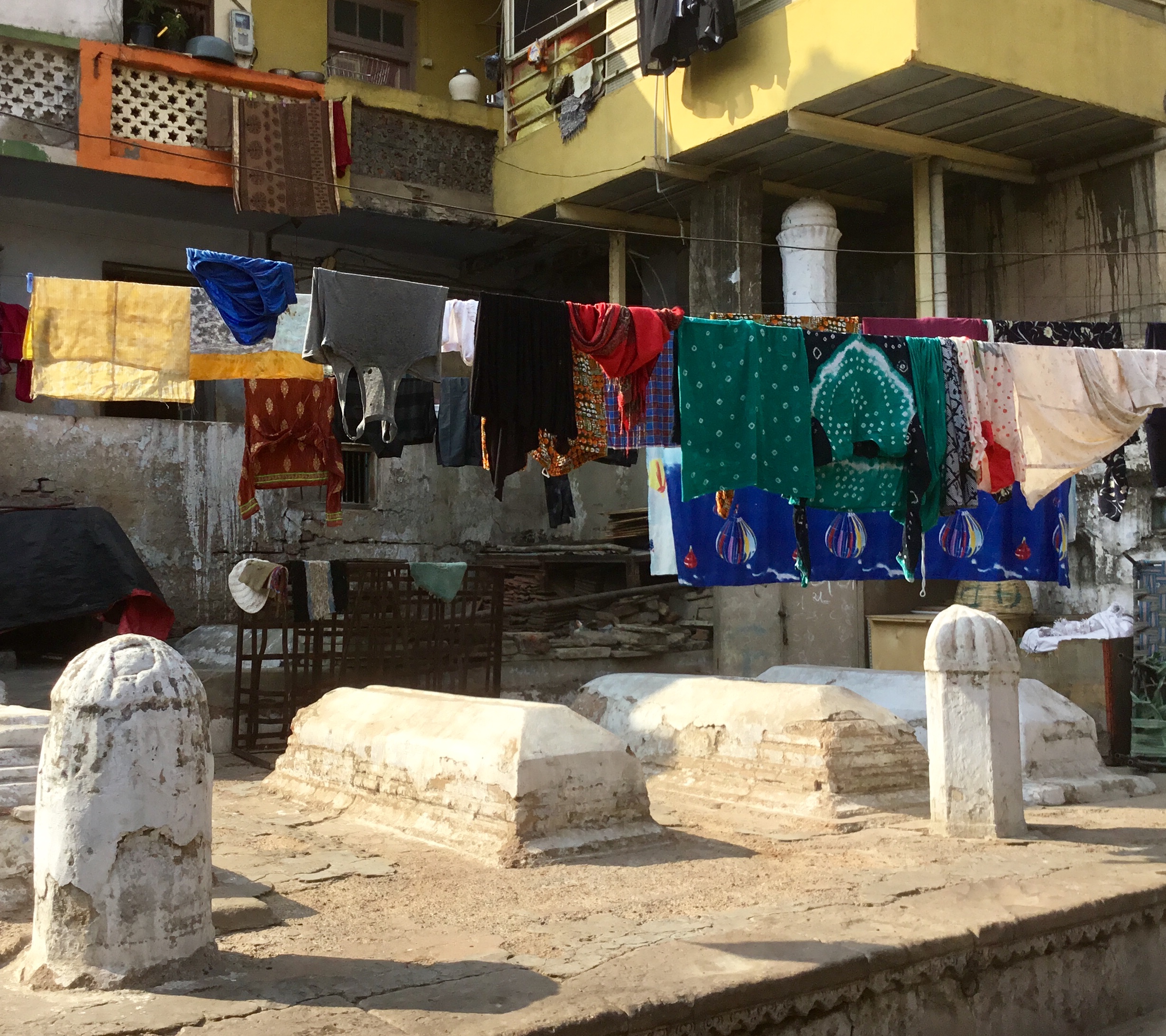
Ahmedabad, India
*an ongoing series of quotations – mostly from artists, to artists – that offers wisdom, inspiration, and advice for the sometimes lonely road we are on.
Seeing is not a passive awareness of visual data, but an active focusing upon it, “touching” it. Arnheim writes, in language that echoes the Hindu notion of seeing and touching: “In looking at an object we reach out for it. With an invisible finger we move through the space around us, go out to the distant places where things are found, touch them, catch them, scan their surfaces, trace their borders, explore their texture. It is an eminently active occupation.”
Diana L. Eck in Darsan: Seeing the Divine Image in India
Comments are welcome!
Pearls from artists* # 349
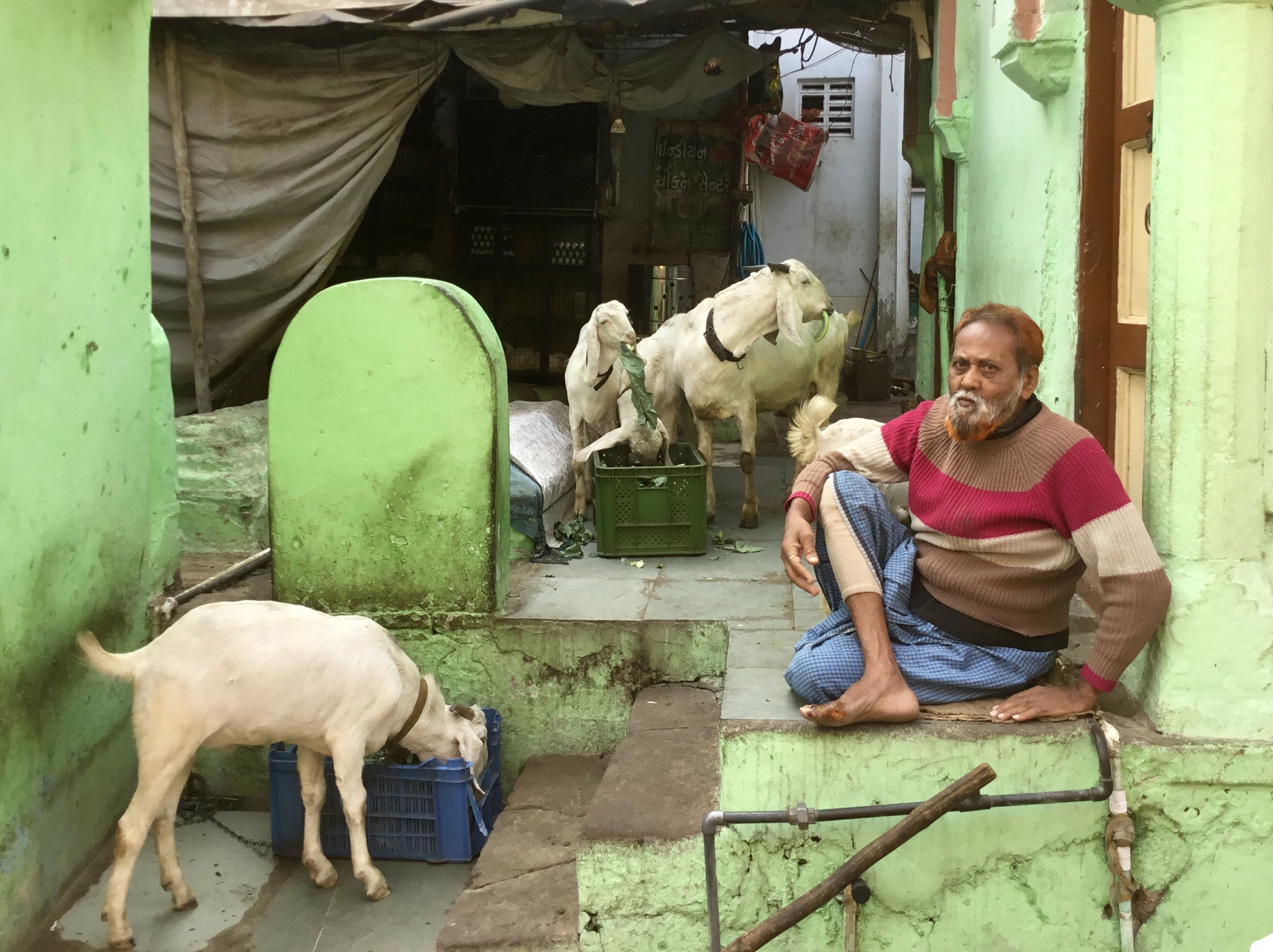
Ahmedabad, India
*an ongoing series of quotations – mostly from artists, to artists – that offers wisdom, inspiration, and advice for the sometimes lonely road we are on.
India presents to the visitor an overwhelmingly visual impression. It is beautiful, colorful, sensuous. It is captivating and intriguing, repugnant and puzzling. It combines the intimacy and familiarity of English four o’clock tea with the dazzling foreignness of carpisoned elephants or vast crowds bathing in the Ganga during an eclipse. India’s display of multi-armed images, it’s processions and pilgrimages, it’s beggars and kings, it’s street life and markets, it’s diversity of peoples – all appear to the eye in a kaleidoscope of images. Much that is removed from public view in the modern West and taken into the privacy of rest homes, asylums, and institutions is open and visible in the life of an Indian city or village. The elderly, the infirm, the dead awaiting cremation – these sights, while they may have been expunged from the childhood palace of the Buddha, are not isolated from the public eye in India. Rather, they are present daily in the visible world in which Hindus, and those who visit India, move in the course of ordinary activities. In India, one sees everything. One sees people at work and at prayer; one sees plump, well-endowed merchants, simple renouncers, fraudulent “holy” men, frail widows, and emaciated lepers; one sees the festival procession, the marriage procession, and the funeral procession. Whatever Hindus affirm of the meaning of life, death, and suffering, they affirm with their eyes wide open.
Diana L. Eck in Darsan: Seeing the Diving Image in India
Comments are welcome!
Travel photo of the month*
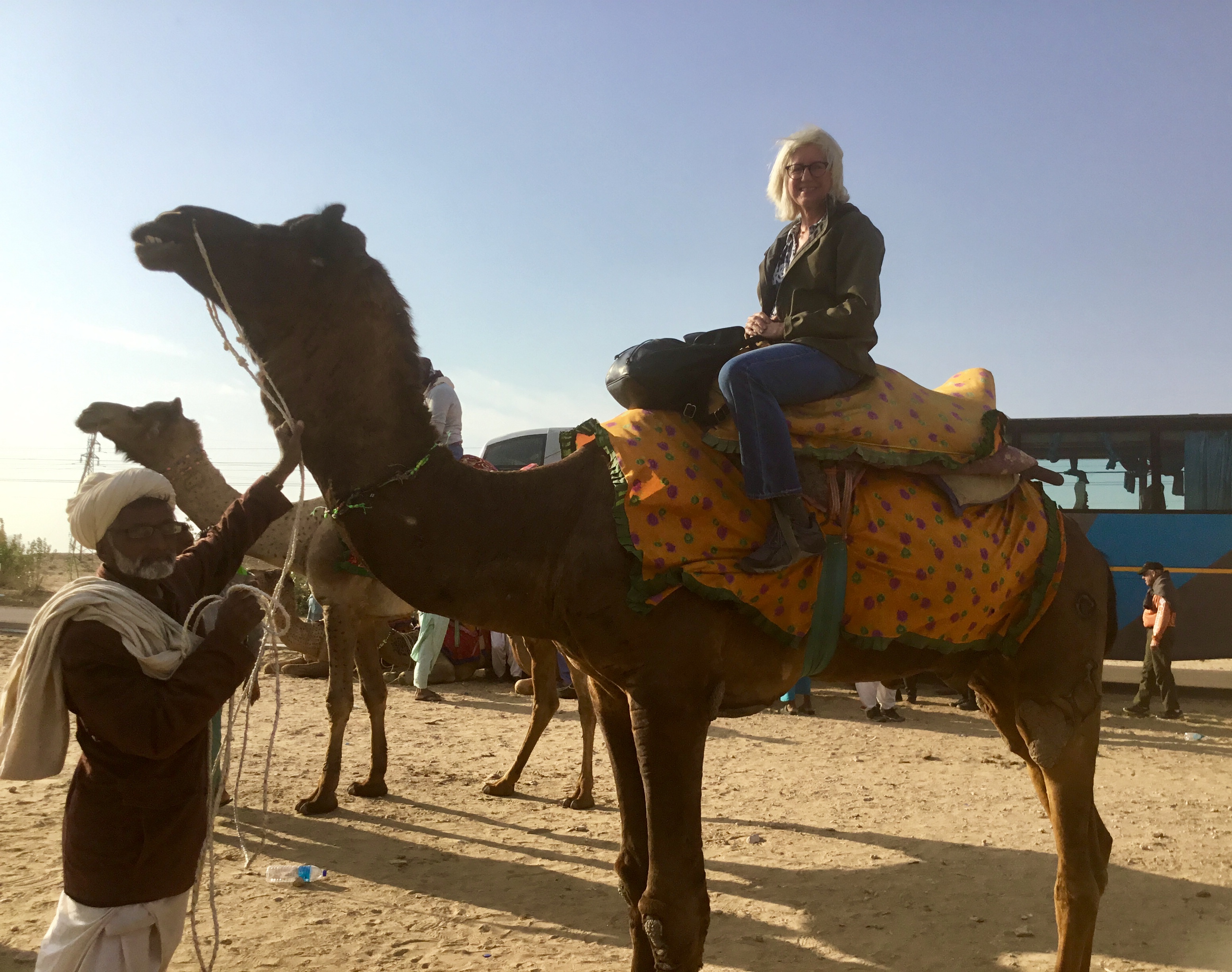
With Carlos the camel in India’s Thar Desert
*Favorite travel photographs that have not yet appeared in this blog
Comments are welcome!
Pearls from artists* # 339
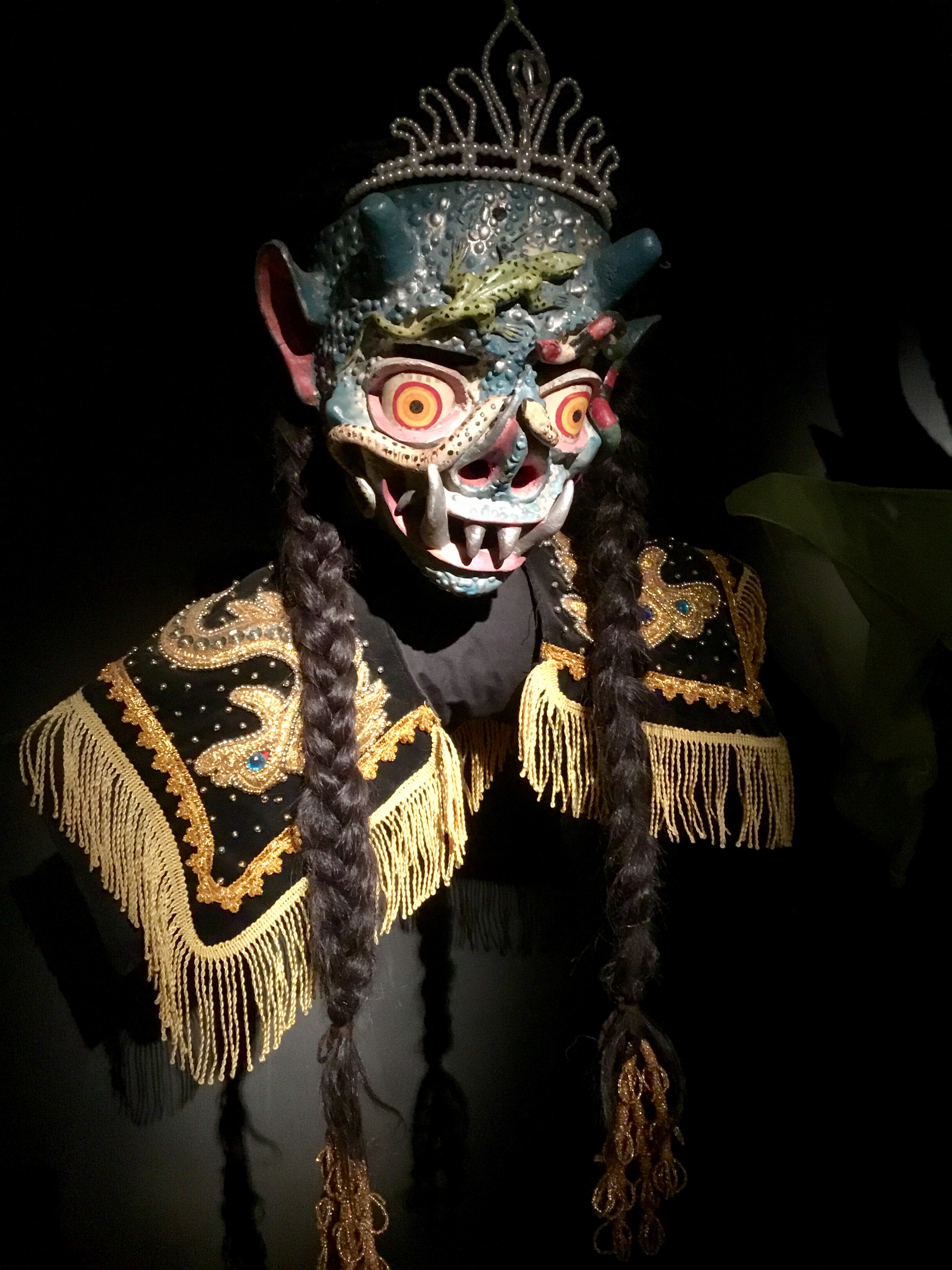
Untitled c-print, 24” x 20,” reference photo for “Shamanic,” Soft Pastel on Sandpaper, 38” x 58”
* an ongoing series of quotations – mostly from artists, to artists – that offers wisdom, inspiration, and advice for the sometimes lonely road we are on.
I have no love for reasonable painting. There is in me an old leaven, some black depth which must be appeased. If I am not quivering and excited like a serpent in the hands of a soothsayer I am uninspired. I must recognize this and accept it. Everything good that I have done has come to me in this way.
The Journal of Eugene Delacroix, edited by Hubert Wellington
Comments are welcome!
Travel photo of the month*
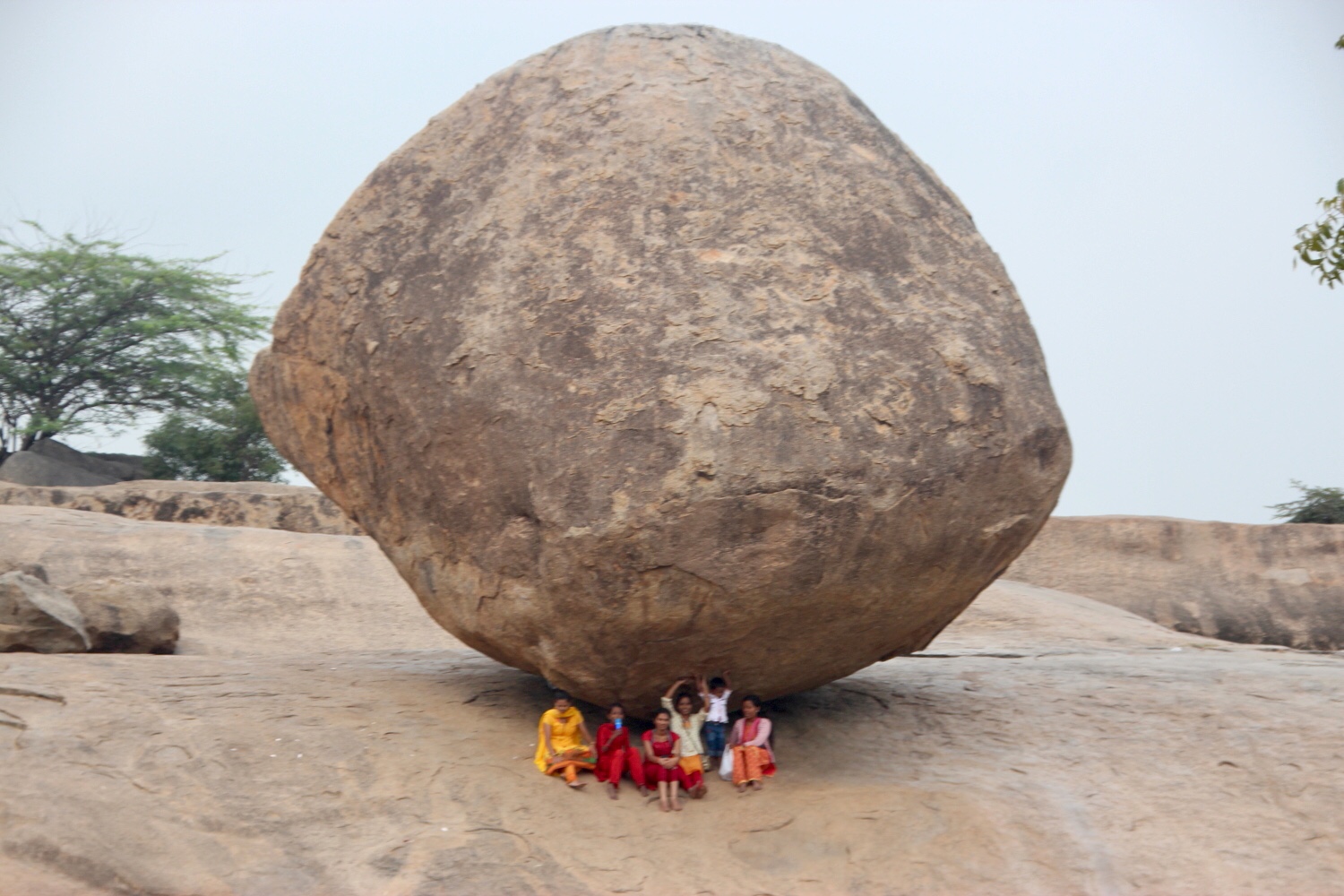
Krishna’s Butterball, South India
*Favorite travel photographs that have not yet appeared in this blog
Comments are welcome!
Pearls from artists* # 335
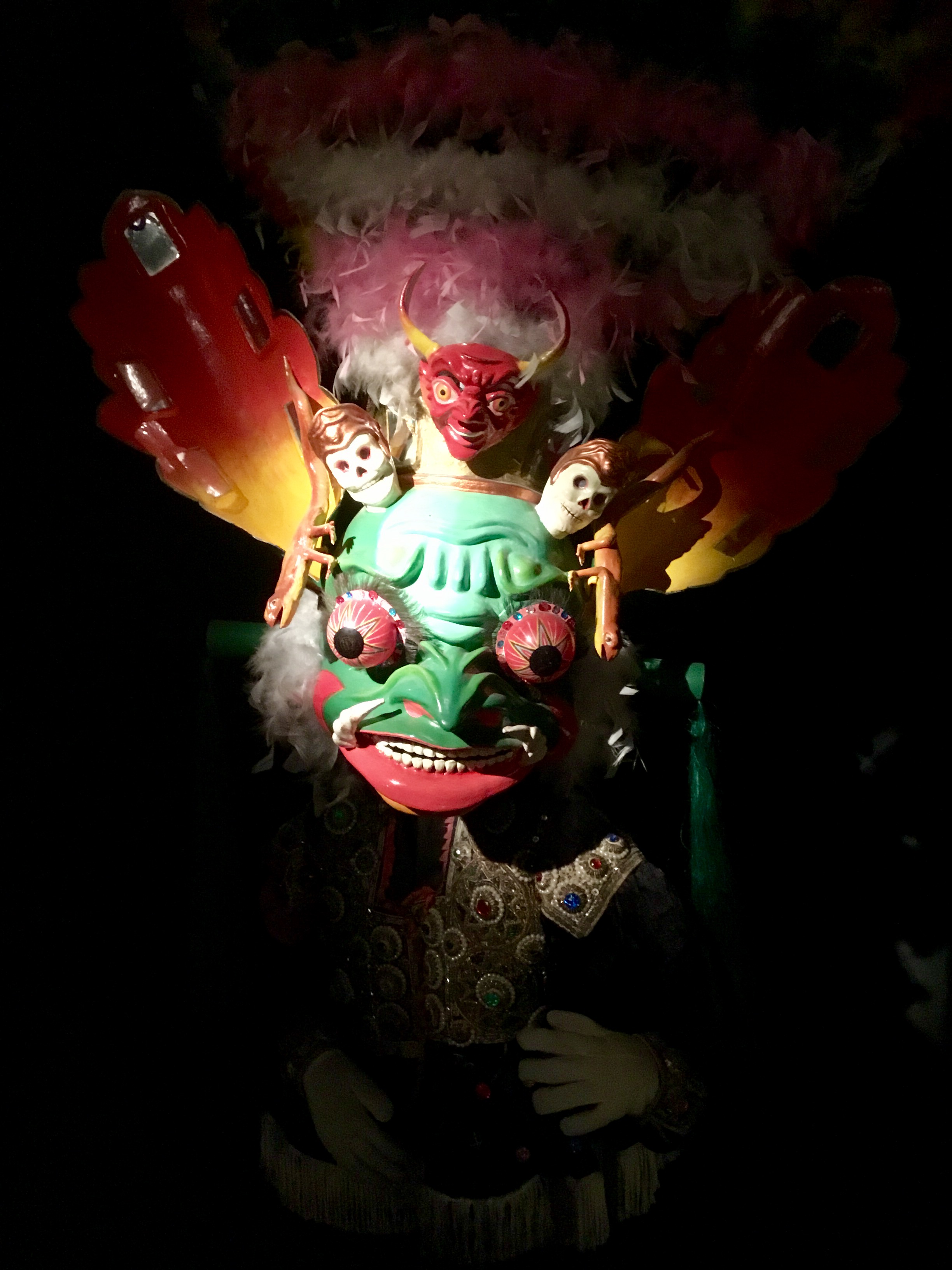
Museum of Ethnography and Folklore, La Paz, Bolivia
*an ongoing series of quotations – mostly from artists, to artists – that offers wisdom, inspiration, and advice for the sometimes lonely road we are on.
Federico Diez de Medina, a mask collector and archaeologist, offers a view based on an analysis of many masks and other artifacts from the Tiwanaku area. He suggests that the first masks were to exorcise evil spirits. To be effective, they had to be frightening.
“On the other hand,” he imagines, “it was obligatory for the high dignitaries in the great Aymara empire – the apus, malkus and curacas – to wear masks… for pronouncing judgments and for rites associated with religious observance, death and war, as well as for the varied dances of the seasonal rituals and other festivities. They also had to preside at sports events and decide the winners of numerous open air activities.” Among these pursuits the author mentions the jaltiris (races), ch’akusiris (fist fights), khorawasiris (slingshot) and mich’isiris (shooting darts or arrows).
Masks of the Altiplano by Manuel Vargas in Masks of the Bolivian Andes, Photographs: Peter McFarren, Sixto Choque, Editorial Quipos and BancoMercantil
Comments are welcome!
Q: What’s on the easel today?
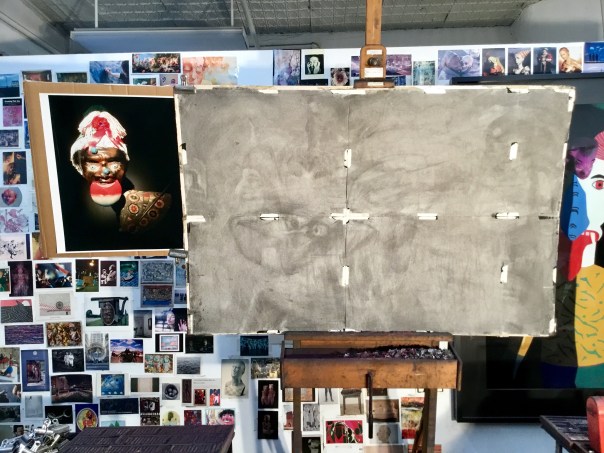
Preliminary charcoal sketch in progress.
A: I am starting a new preliminary sketch for my next pastel painting. This will be number nine in the “Bolivianos” series!
In 2018 I made six new pastel paintings, which is more than usual. The last time I created six in one year was 1996!
Comments are welcome!
Travel photo of the month*
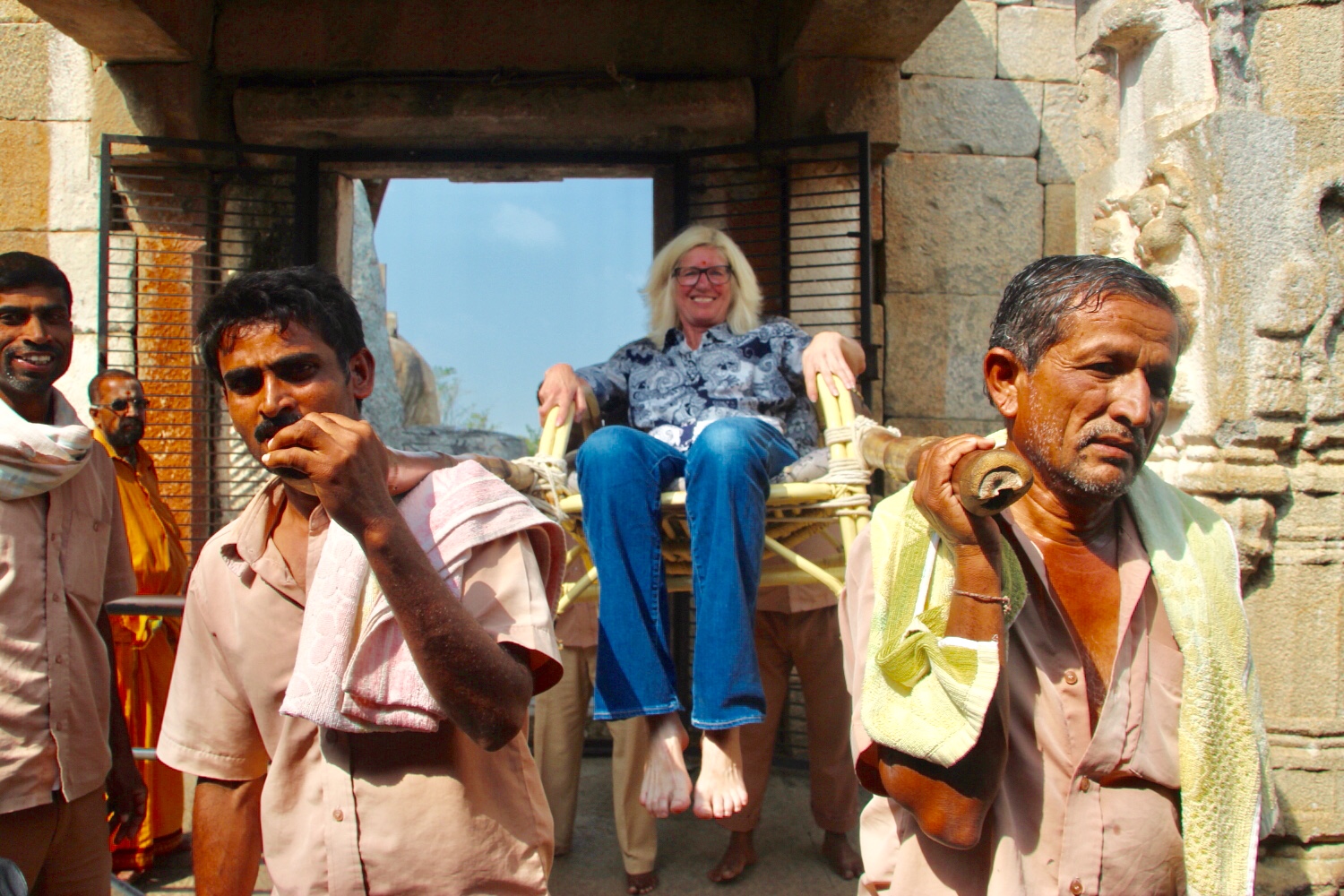
South India
*Favorite travel photographs that have not yet appeared in this blog
Comments are welcome!



