Blog Archives
Q: What’s on the easel today?
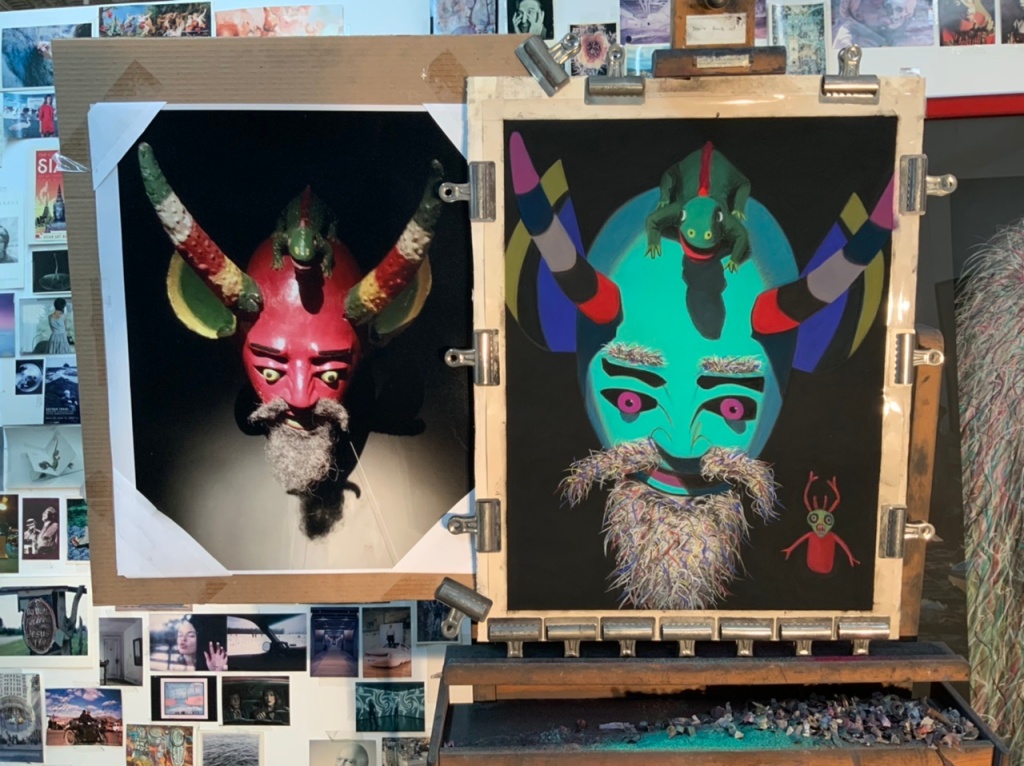
A: I’m still refining and adding details to “The Mentalist,” soft pastel on sandpaper, 26” x 20.” The frog especially needs more work.
Comments are welcome!
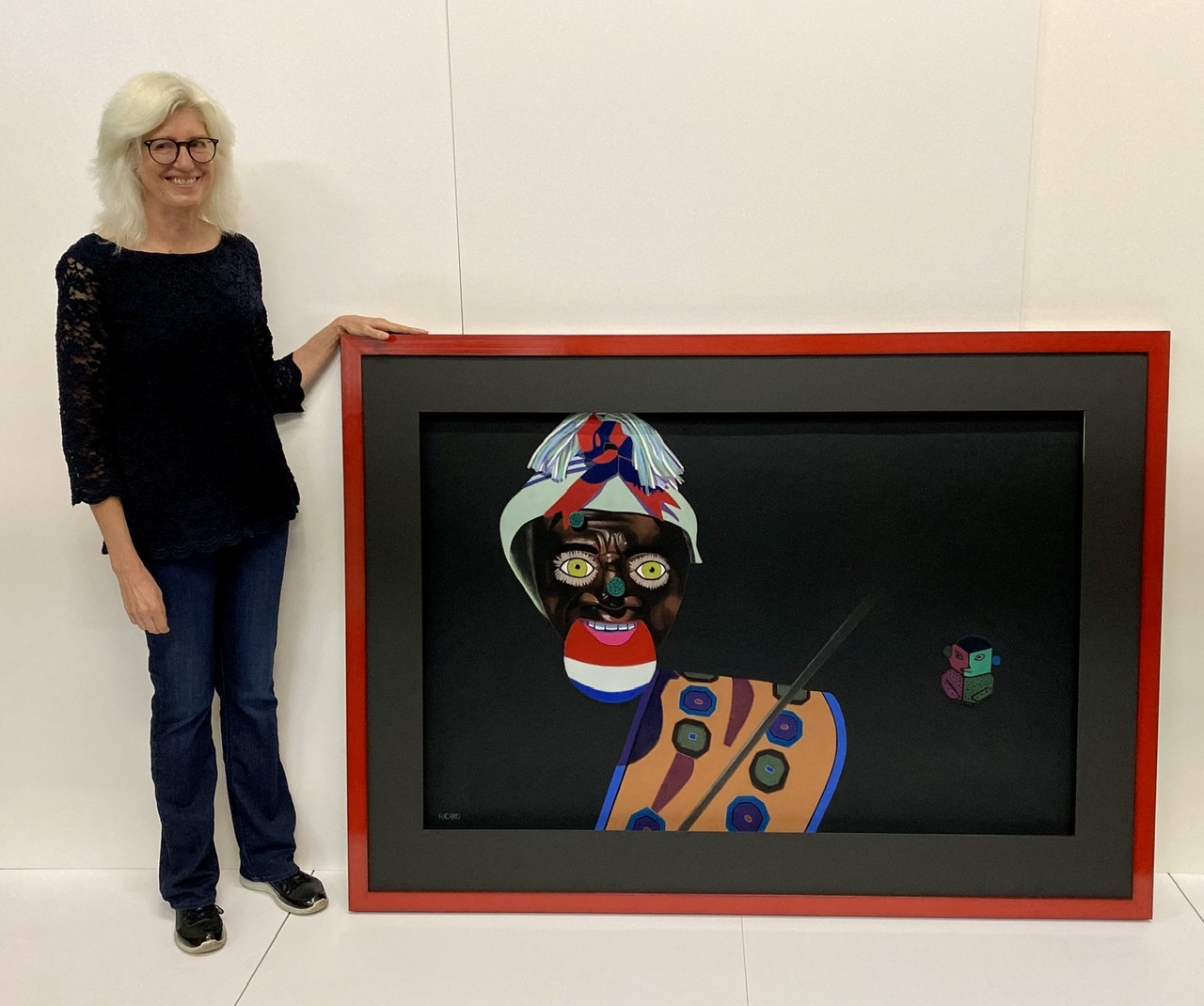
Start/Finish of ”Impresario,” soft pastel on sandpaper, 58” x 38” image, 70” x 50” framed
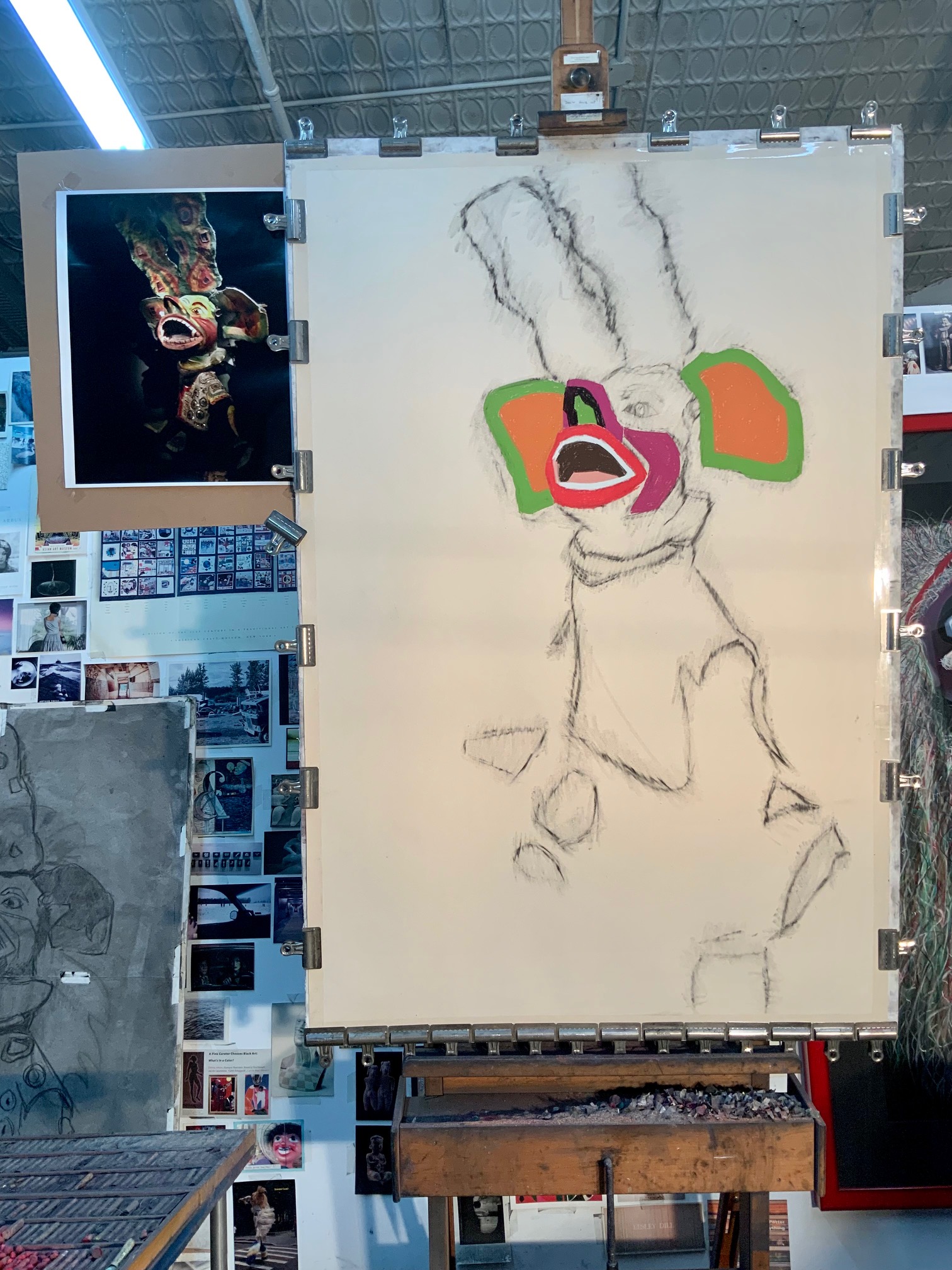

Note: the second photo was taken hundreds of hours and nearly five months later!
Comments are welcome!
Pearls from artists* # 497

*an ongoing series of quotations – mostly from artists, to artists – that offers wisdom, inspiration, and advice for the sometimes lonely road we are on.
Peter Jensen: Would you say there’s any kind of statement you’re making in the things which you write?
Ursula K. LeGuin: Of course, I suppose in everything I write I am making some sort of statement, but I don’t know just what the statement is. Which I can’t say I feel guilty about. If you can say exactly what you mean by a story, then why not just say it in so many words? Why go to all the fuss and feathers and make up a plot and characters? You say it that way, because it’s the only way you can say it.
Ursula K. LeGuin: The Last Interview and Other Conversations, edited and with an introduction by David Streitfeld
Comments are welcome!
Q: What’s on the easel today?
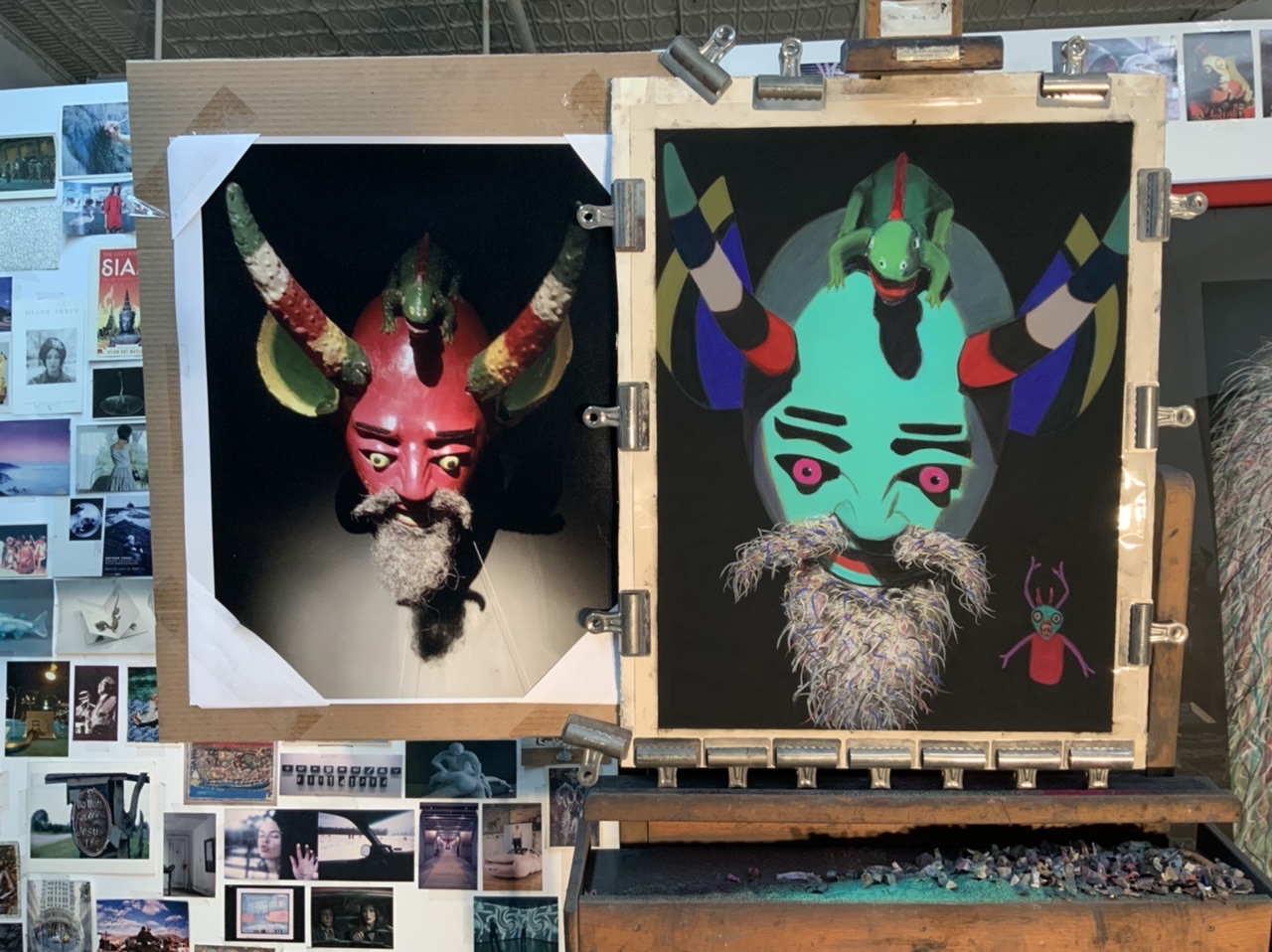
A: I continue working on “The Mentalist,” soft pastel on sandpaper, 26” x 20.” Staying focused on making art is more difficult than usual considering the war in Ukraine and it’s widening repercussions.
Comments are welcome!
Q: What’s on the easel today?
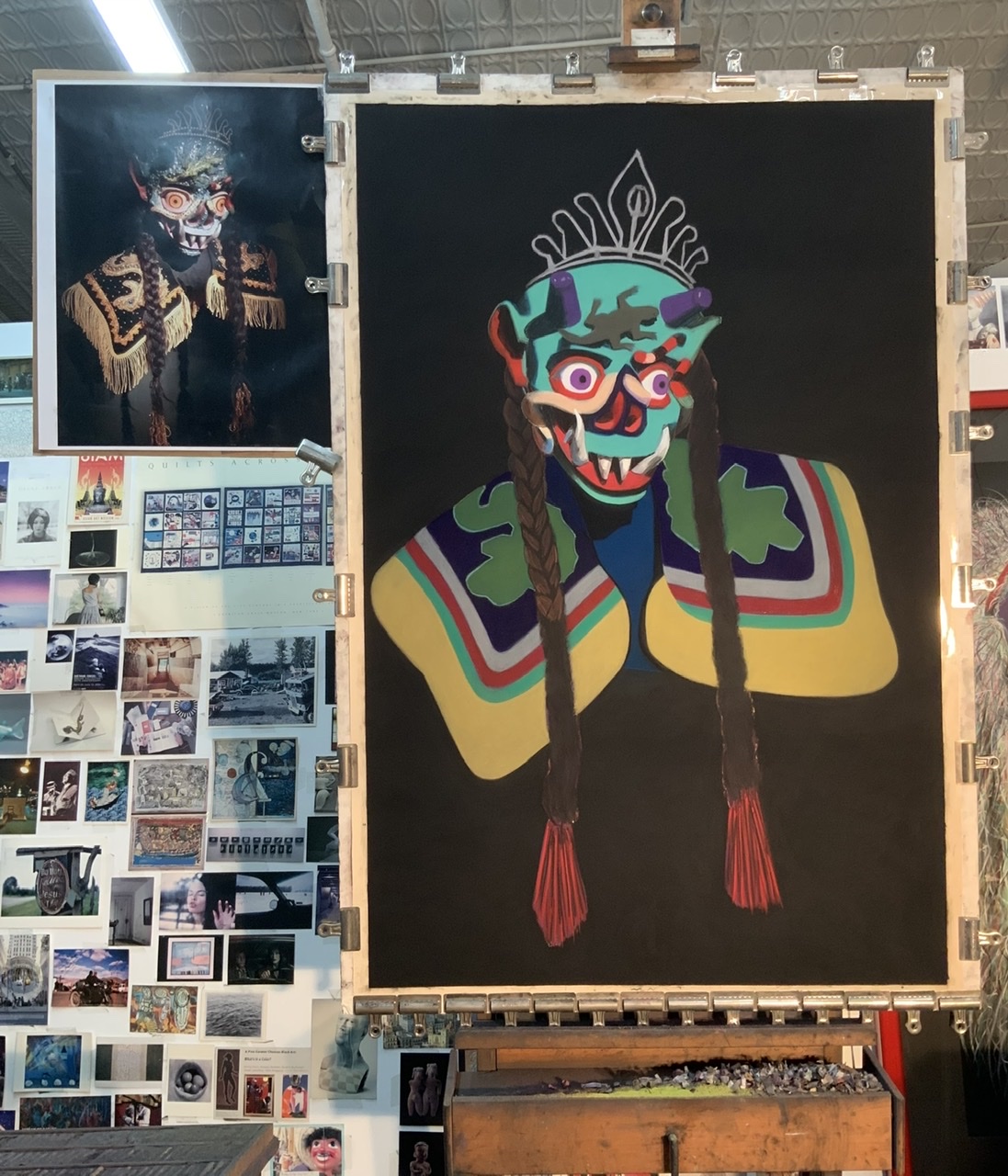
A: I continue slowly working on ”Overlord” (tentative title), 58” x 38”, soft pastel on sandpaper.
Comments are welcome!
Q: When did you decide and what prompted you to become an artist? (Question from artamour)

A: In the mid-1980s I was a thirty-three-year-old Navy lieutenant, working a soul-crushing job as a computer analyst on the midnight shift in a Pentagon basement. We were open 24/7 and supported the Joint Chiefs of Staff.
Remembering the joyful Saturdays of my youth in New Jersey when I had studied with a local painter, I enrolled in a drawing class at the Art League School in Alexandria, Virginia. I loved it! I took more classes and became a highly motivated, full-time art student who worked nights at the Pentagon. After two years and as my skills improved, I discovered my preferred medium – soft pastel on sandpaper.
I knew I had found my calling, submitted my resignation, and left the active duty Navy. On October 1, 1989 I became a professional artist. However, I remained in the Navy Reserve for another fourteen years, working at the Pentagon one weekend a month. On November 1, 2003, I retired as a Navy Commander.
Comments are welcome!
Pearls from artists* # 487
*an ongoing series of quotations – mostly from artists, to artists – that offers wisdom, inspiration, and advice for the sometimes lonely road we are on.
The sheer variety of aesthetic theories may be the best evidence we have that art cannot be boiled down to a single use, and even that it eludes usefulness altogether. In fact, one of the reasons art affects us so deeply is that it calls us out of the means-and-ends thinking that has us reducing everything to a function. Oscar Wilde’s infamous statement, “All art is quite useless,” was more than a pithy remark aimed at ruffling Victorian feathers; as far as he was concerned, it was a plain statement of fact. For the Aesthetic Movement of which Wilde was a leading exponent, art stood in absolute defiance of utility. Which is to say that the Aesthetes saw works of art as things whose only purpose is it be perceived – and this may be as close to a catch-all definition as we are likely to get.
JF Martel in Reclaiming Art in the Age of Artifice: A Treatise, Critique, and Call to Action
Comments are welcome!
Q: What’s on the easel today?
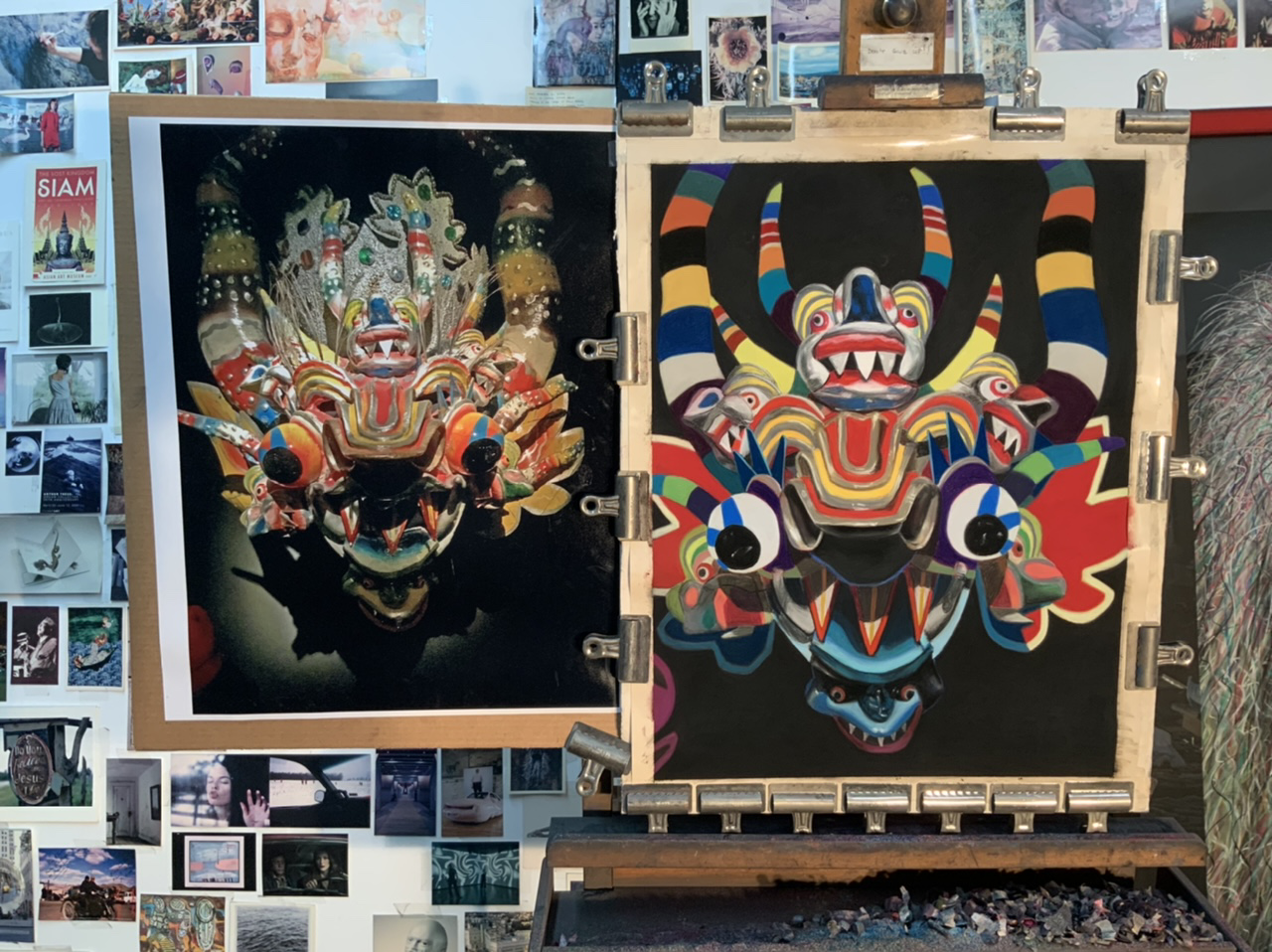
A: I’m slowly refining and adding more details to “Entity,” soft pastel on sandpaper, 26” x 20.”
Comments are welcome!
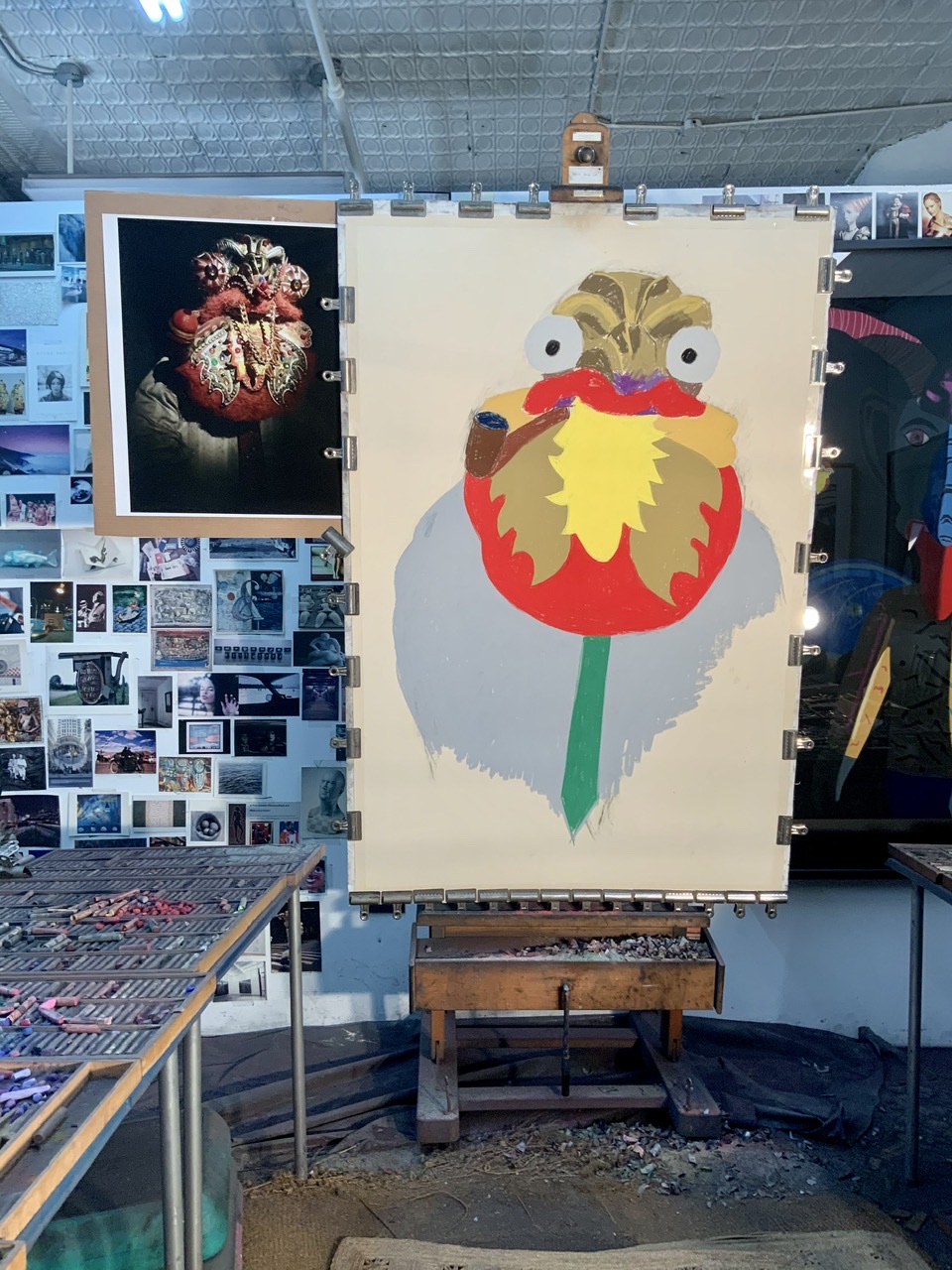
Start/Finish of “Raconteur,” soft pastel on sandpaper, 58” x 38” image, 70” x 50” framed

Comments are welcome!
Pearls from artists* # 475

*an ongoing series of quotations – mostly from artists, to artists – that offers wisdom, inspiration, and advice for the sometimes lonely road we are on.
In order to warm the artist’s heart, it’s necessary to assert that he is doing good work. Random or wrong-headed praise won’t do the trick, but will only exacerbate the artist’s feeling that he is unseen and misunderstood.
Even wrong-headed praise is the exception rather than the rule in the artist’s search for recognition. More often than not your recognition will consist of criticism, not praise. You may be criticized for not attempting work you have no desire to attempt, for pandering to mass taste, for working too exotically or too narrowly… You may be attacked in a mixed review that purports to praise you. In short, you may be criticized for everything and anything under the sun.
Can you escape this criticism as you struggle for recognition? No. The journalist Elbert Hubbard said, “To escape criticism, do nothing, say nothing, be nothing.” … you can’t escape criticism, you can’t tame your critics.
Eric Maisel in A Life in the Arts: Practical Guidance and Inspiration for Creative and performing Artists
Comments are welcome!


 barbararachkoscoloreddust.com