Blog Archives
Pearls from artists* # 570
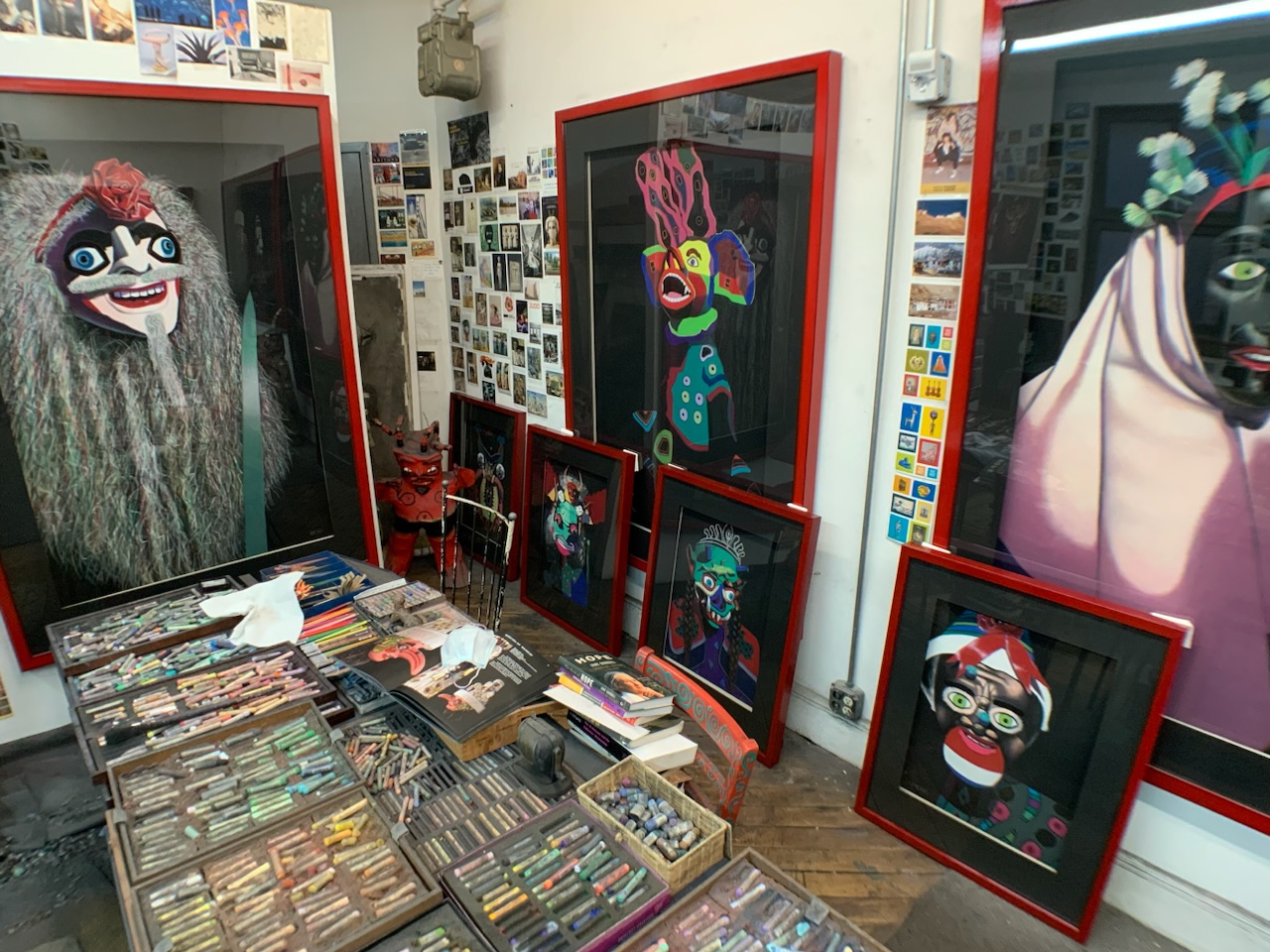
Barbara’s Studio
*an ongoing series of quotations – mostly from artists, to artists – that offers wisdom, inspiration, and advice for the sometimes lonely road we are on.
One of the main differences between the young girl who drew a line in chalk from the Metropolitan Museum all the way to her home on Park Avenue and the young woman who drew lines on canvas and paper twenty years later was that the latter understood the willfulness that drove the child. She was facing “the monster,” the consuming need to create, which was beyond her control but no longer beyond her comprehension. Helen [Frankenthaler] had long understood that her gift set her apart, and that it would be nearly impossible to describe how and why without sounding arrogant or cruel. “It’s saying I’m different, I’m special, consider me differently,” she explained years later. “And it’s also on the other side, a recognition that one is lonely, that one is not run of the mill, that the values are different, and yet we all go into the same supermarkets… and we are all moved one way or another by children and seasons, and dreams. So that art separates you…”
The separation she described was not merely the result of what one did, whether it be painting or sculpting or writing poetry. Helen said the distance between an artist and society was due to a quality both intangible and intrinsic, a “spiritual” or “magical” aspect that nonartists did not always understand and were sometimes frightened by. “They want you to behave a certain way. They want you to explain what you do and why you do it. Or they want you removed, either put on a pedestal or victimized. They can’t handle it.” Helen concluded that existing outside so-called normal life was simply the price an artist paid to create.
Mary Gabriel in Ninth Street Women
Comments are welcome!
Pearls from artists* # 558
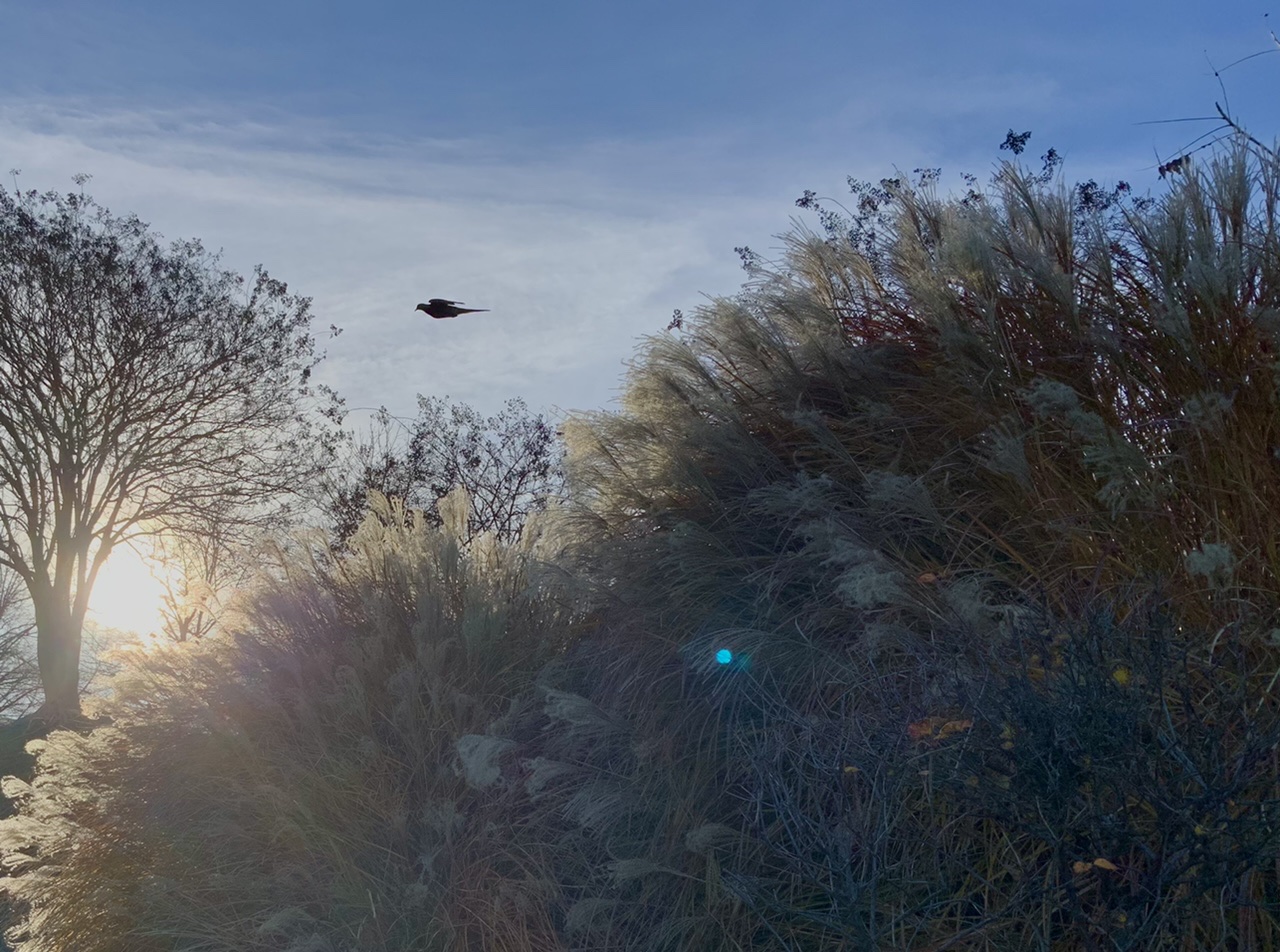
Alexandria, VA
*an ongoing series of quotations – mostly from artists, to artists – that offers wisdom, inspiration, and advice for the sometimes lonely road we are on.
One of the main differences between the young girl who drew a line in chalk from the Metropolitan Museum all the way to her home on Park Avenue and the young woman who drew lines on canvas and paper twenty years later was that the latter understood the willfulness that drove the child. She was facing “the monster,” the consuming need to create, which was beyond her control but no longer beyond her comprehension. Helen [Frankenthaler] had long understood that her gift set her apart, and that it would be nearly impossible to describe how and why without sounding arrogant or cruel. “It’s saying I’m different, I’m special, consider me differently,” she explained years later. “And it’s also on the other side, a recognition that one is lonely, that one is not run of the mill, that the values are different, and yet we all go into the same supermarkets… and we all are moved one way or the other by children and seasons, and dreams. So the art separates you.”
The separation she described was not merely the result of what one did, whether it be painting or sculpting or writing poetry. Helen said the distance between an artist and society was due to a quality both tangible and intangible and intrinsic, a “spiritual” or “magical” aspect that nonartists did not always understand and were sometimes frightened by. “They want you to behave a certain way. They want you to explain what you do and why you do it. Or they want you removed, either put on a pedestal or victimized. They can’t handle it.” Helen concluded that existing outside so-called normal life was simply the price an artist paid to create.
Mary Gabriel in Ninth Street Women
Comments are welcome!
Pearls from artists* # 547
*an ongoing series of quotations – mostly from artists, to artists – that offers wisdom, inspiration, and advice for the sometimes lonely road we are on.
Because solitude provides artists with a safe haven, fits their personality, and offers them a kind of communal contact with other human beings through their work, it can also serve as a breeding ground for stagnation. Without ever quite realizing it, artists can grow flaccid in isolation and begin to experience their solitude as deadening. The studio can become too easy and unchallenging a place.
The world outside the studio offers unmatched opportunities for growth and for the expression of authentic and courageous behavior. Artists often miss these opportunities and, remaining relatively untested, handle themselves poorly when they do venture out.
Eric Maisel in A Life in the Arts: Practical Guidance and Inspiration for Creative and Performing Artists
Comments are welcome!
Pearls from artists* # 533
*an ongoing series of quotations – mostly from artists, to artists – that offers wisdom, inspiration, and advice for the sometimes lonely road we are on.
Contemporary life promises unlimited options – and sometimes delivers them. If we’re able to avail ourselves of a never-ending supply of digital information, we can connect with our family, friends, and colleagues, binge watch or listen to anything that strikes our fancy and buy stuff so effortlessly that we’re in danger of imagining there’s no price attached. We can do so much with what seems like a little effort that doing itself becomes disembodied, wonderfully in some instances, bewilderingly or disturbingly in others. Some will say the situation is new – of course, our lives in cyberspace are unprecedented – but the desire to inhabit a time and place outside of time and place isn’t new at all. This is where the arts come in. They’ve always been a time out of time and a place out of place. But they’re also right here, right now. They’re both adamantine and ethereal, physical and metaphysical.
Jed Perl in Authority and Freedom: A Defense of the Arts
Comments are welcome!
Pearls from artists* # 527
*an ongoing series of quotations – mostly from artists, to artists – that offers wisdom, inspiration, and advice for the sometimes lonely road we are on.
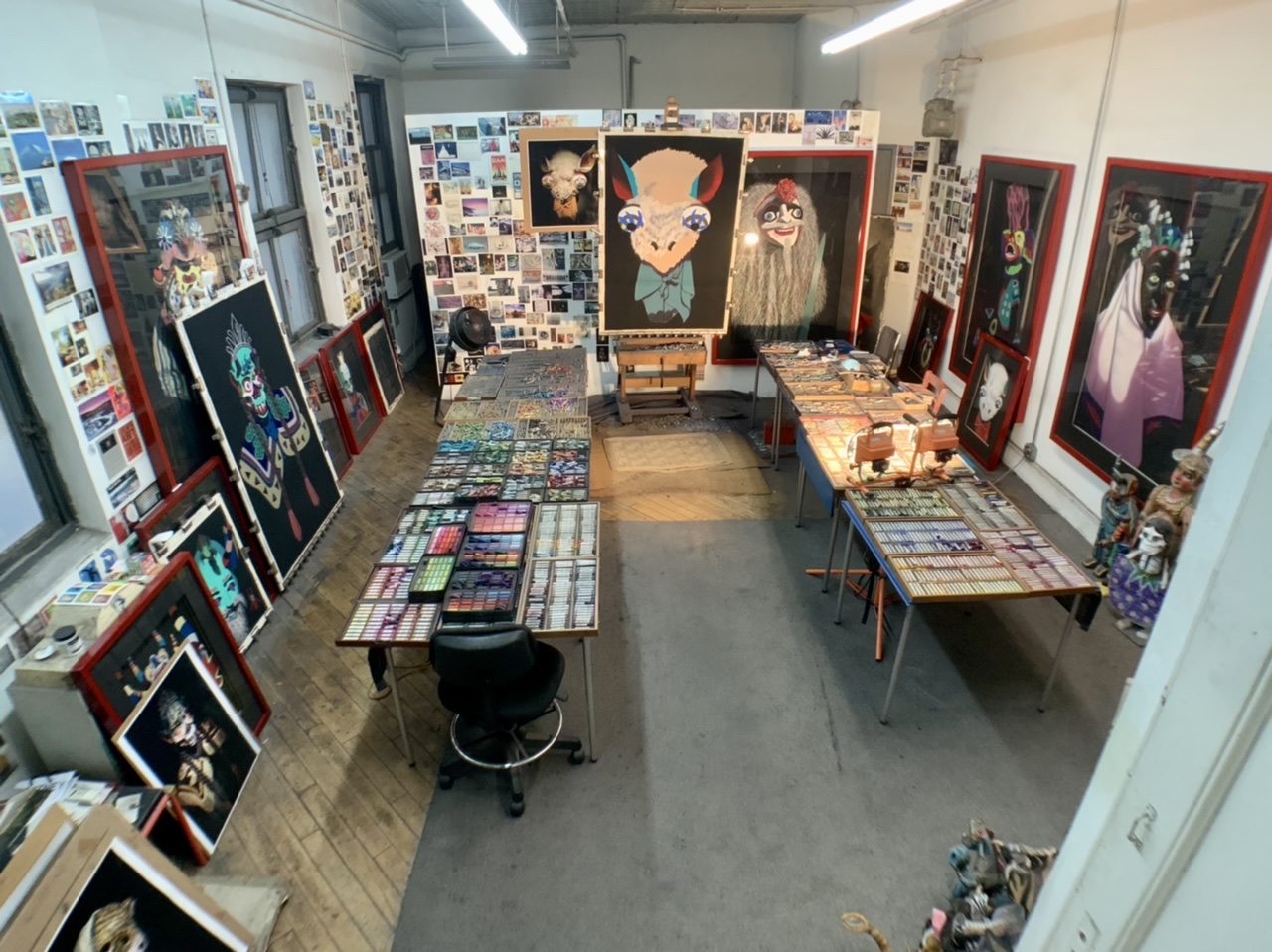
Vocation was originally a religious term. The word comes from the Latin vocatio, which means a summons, a call. To be a priest, a monk, or a nun is to accept a calling – a vocation. The sense of an imperative – of an activity that’s a necessity, an inevitability – remains very much part of the meaning of the word today. A creative vocation isn’t a job. It’s a calling, even if for most modern artists the summons is an inner necessity, not the call of some divine figure or force. Even an artist as determinedly secular as Picasso saw echoes of religious vocation in his experience as an artist. When his mistress Francoise Gilot, wondering at his concentration and stamina, asked him if when he was painting “it didn’t tire him to stand so long in one spot,” this was his response: “No. That’s why painters live so long. While I work, I leave my body outside the door, the way Moslems take off their shoes before entering the mosque.” For creative spirits the studio or stage – or wherever they do their work – is a place apart. They may recoil from describing this as a sacred space, but there’s no question that these spaces have a special significance.
Jed Perl in Authority and Freedom: A Defense of the Arts
Comments are welcome!
Pearls from artists* # 481
*an ongoing series of quotations – mostly from artists, to artists – that offers wisdom, inspiration, and advice for the sometimes lonely road we are on.
Artists, because they spend such prolonged periods in isolation, frequently fall behind the times. They may gain great self-knowledge, spiritual insight, and understanding of their media as they work in private, but at the price of a lack of vital knowledge of the world around them.
Because solitude provides artists with a safe haven, fits their personality, and offers them a kind of communal contact with other human beings through their work, it can also serve as a breeding ground for stagnation. Without ever realizing it, artists can grow flacid in isolation and begin to experience their solitude as deadening. The studio can become too easy and unchallenging a place.
The world outside the studio offers unmatched opportunities for growth and for the expression of authentic and courageous behavior. Artists often miss these opportunities and, remaining relatively untested, handle themselves poorly when they do venture out.
Eric Maisel in A Life in the Arts: Practical Guidance and Inspiration for Creative and Performing Artists
Comments are welcome!
Q: Do you have a home studio or do you go to an outside studio to work? Which do you prefer and why?

At work
A: I have always preferred a separate studio. Pastel creates a lot of dust, it’s toxic to breathe, plus I do not want to live with the mess! I need a place to go in the mornings, someplace where I can focus and work without any distractions. It’s difficult to do that at home.
From the beginning of my time as an artist, in the mid-1980’s, I had a studio. My first one was in the spare bedroom of the Alexandria, Virginia, house that I shared with my late husband, Bryan, and that I still own.
For about three years in the 1990s I had a studio on the third floor of the Torpedo Factory Art Center, a building in Alexandria, VA that is open to the public. People would come in, watch artists at work, and sometimes buy a piece of art.
In April 1997 an opportunity to move to New York arose and I didn’t look back. By then I was showing in a good 57th Street gallery, Brewster Arts Ltd. (the gallery focused exclusively on Latin American artists; I was in the company of Leonora Carrington, Rufino Tamayo, Diego Rivera, etc.), and I had managed to find a New York agent, Leah Poller, with whom to collaborate.
I looked at only one other space before finding my West 29th Street studio and knew instantly it was the one! An old friend of Bryan’s from Cal Tech rented the space next door and he had told us it was available. Initially the studio was a sublet. The lease-holder was a painter headed to northern California to work temporarily for George Lucas at the Lucas Ranch. After several years she decided to stay so I was able to take over the lease. I feel extremely fortunate to have been in my West 29th Street, New York City space now for twenty-three years. In a city where old buildings are perpetually knocked down to make way for new ones this is rare.
My studio is an oasis in a chaotic city, a place to make art, to read, and to think. I love to walk in the door every morning and I feel calmer the moment I arrive. It’s my absolute favorite place in New York! Sometimes I think of it as my best creation. For more about this please see
https://artofcollage.wordpress.com/2020/04/30/artists-and-their-relationship-to-their-studio
Comments are welcome!
Pearls from artists* # 390
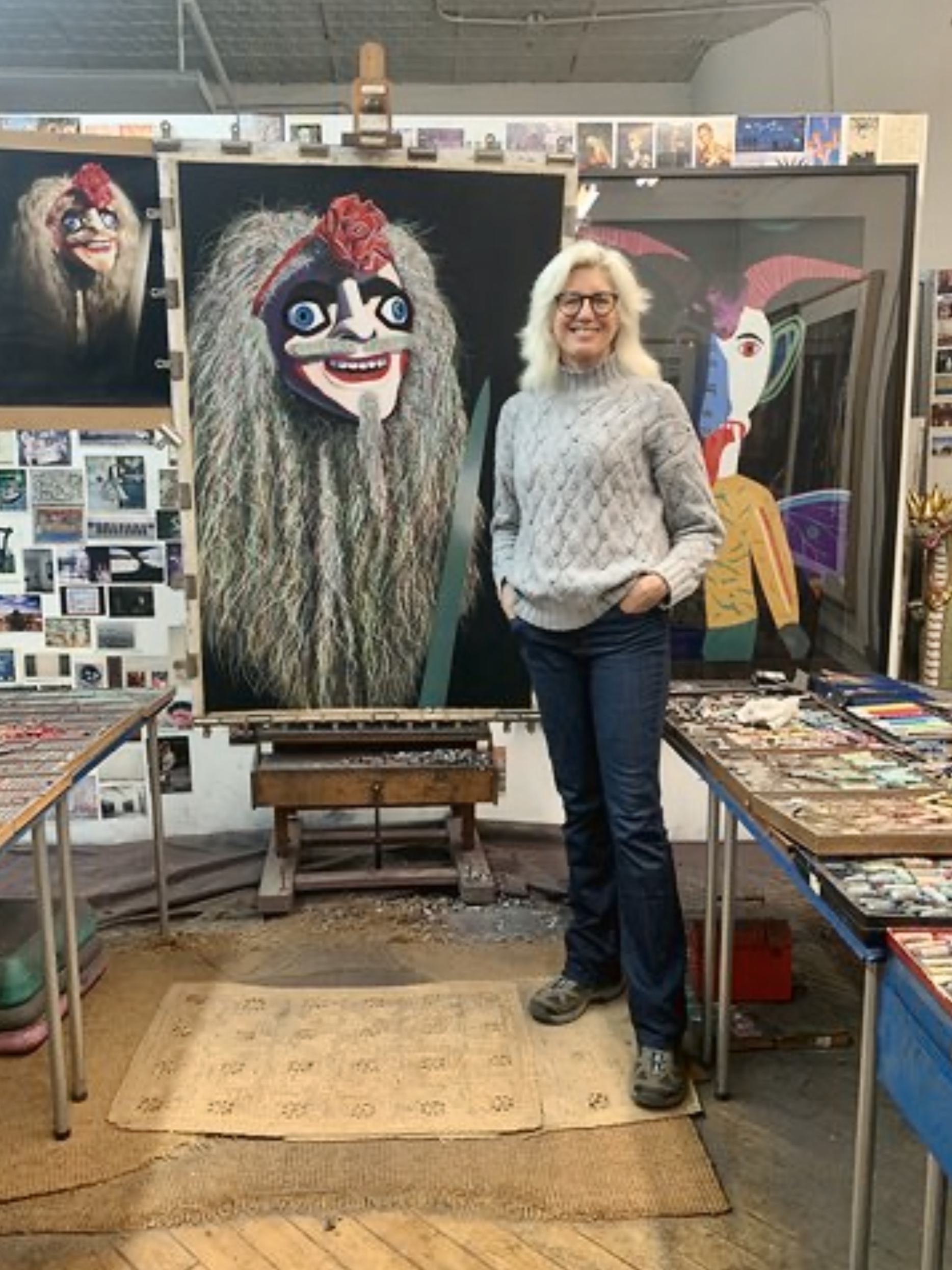
In the studio. Photo: Izzy Nova
*an ongoing series of quotations – mostly from artists, to artists – that offers wisdom, inspiration, and advice for the sometimes lonely road we are on.
What made their work so unique and brilliant was that intangible element – self. Great painting, great art in general, is not about materials used or methods mastered or even talent possessed. It is a combination of all of these factors, and an individual driven by a force that seems outside them, toward expression of an idea they often do not understand.
Mary Gabriel in Ninth Street Women
Comments are welcome!
Pearls from artists* # 382

Barbara’s studio
* an ongoing series of quotations – mostly from artists, to artists – that offers wisdom, inspiration, and advice for the sometimes lonely road we are on.
I think a man [sic] spends his whole lifetime painting one picture or working on one piece of sculpture. The question of stopping is really a decision of moral considerations. To what extent are you intimidated by the actual act, so that you are beguiled by it? To what extent are you charmed by its inner life? And to what extent do you then really approach the intention or desire that is really outside it? The decision is always made when the purée has something in it that you wanted.
Barnett Newman quoted in The Unknown Masterpiece by Honore Balzac
Comments are welcome!
Pearls from artists* # 352
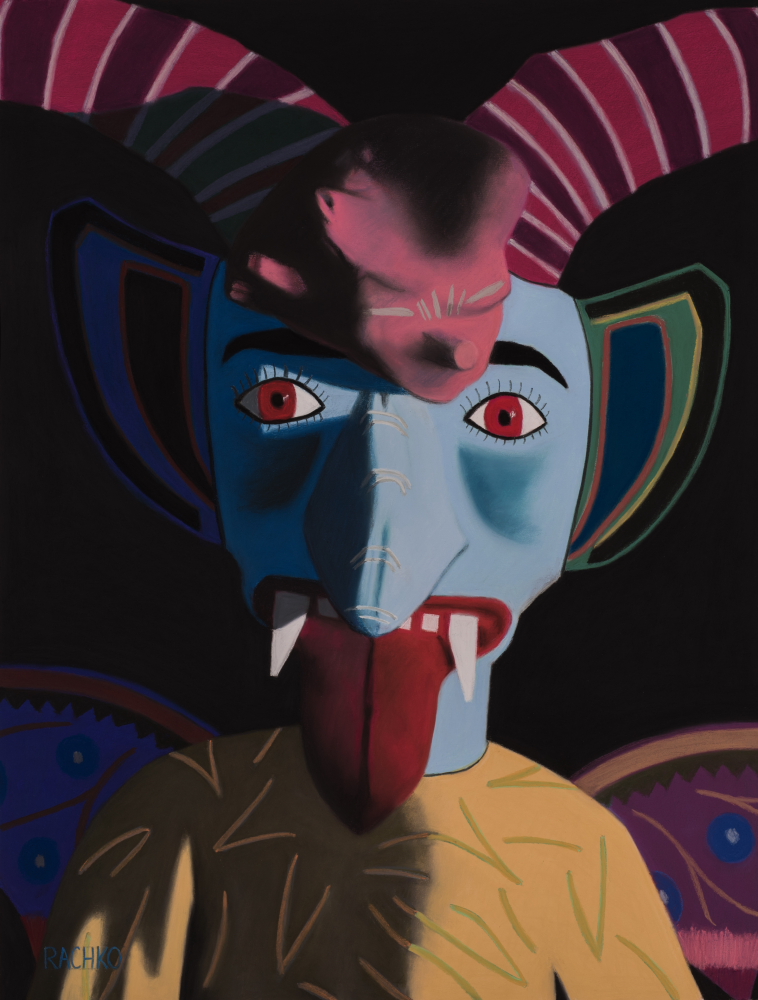
“Provocateur,” soft pastel on sandpaper, 26″ x 20″
*an ongoing series of quotations – mostly from artists, to artists – that offers wisdom, inspiration, and advice for the sometimes lonely road we are on.
The jester was certainly a key player in medieval court politics. His power, however, was commensurate with his acknowledged irrelevance to the state apparatus. As the eternal outsider, ridiculed or at best ignored by the elite unless he was actually entertaining them, he acquired the right to speak truths that others would speak at their peril. Yet if the imprudent king simply saw the Fool as a source of amusement, the wise king saw in his antics and wordplay the pattern of the past, present, and future. In the same way, art is the joker in the hand that was dealt to humanity. Nothing is easier than dismissing it as a frivolity, and yet those who meet it on its own ground gain access to the hidden facets of their situation. It is by virtue of its very separateness, its position outside the realm of the useful and the practical, that art reveals the Real. Paradoxically, art has political value only when appraised outside of any political framework.
J.F. Martel in Reclaiming Art in the Age of Artifice: A Treatise, Critique, and Call to Action
Comments are welcome!


 barbararachkoscoloreddust.com