Blog Archives
Pearls from artists* # 717
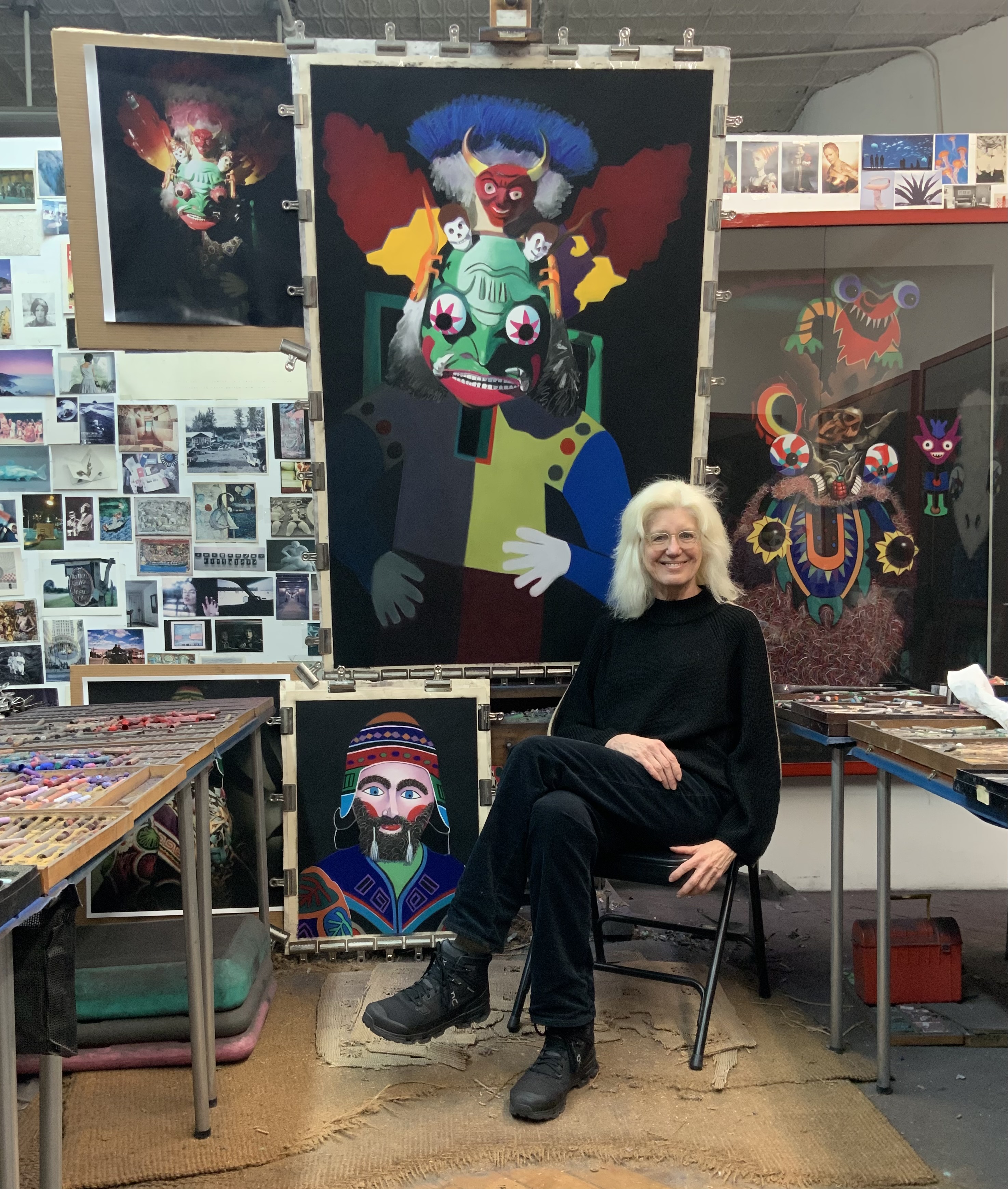
In the studio
*an ongoing series of quotations – mostly from artists, to artists – that offers wisdom, inspiration, and advice for the sometimes lonely road we are on
Go slowly. Success is a kind of energy field. You vibrate in it like a charged particle. There are new demands on your tine and talents, new interview requests and business questions, new possibilities and opportunities. In this context, when you have a free half-hour you may continue spinning like a top. Walk, breathe, stretch, meditate. Do the mundane: scrape a carrot, sweep the patio. Calm down.
Manage your money. You may or may not have paydays like this again. Study a book on money management. Learn your options. Think before you have a full-time personal trainer or buy Adar that corners too tightly at 100 miles an hour. Think before you find yourself in the position of needing to earn half a million a year in order to cover expenses and feed your vast retinue.
Protect your privacy. Begin to calculate how public and accessible you want to be. Learn how not to give yourself away. Be able to say “Thank you” and “I don’t have an answer for that question.” Have an interview persona and a public persona. At the same time be able to access your humanity.
Manage your anxiety. New stresses exist in your life. More is expected of you. The ante on each project rises. Success is not a magic pill that allays anxieties.
Expect setbacks. The next book you write after your bestseller may disappoint you, your publisher, or your readers. The movie you directed after your blockbuster May bomb. But even if your stock is lowered in the eyes of the world, it need not sink in your own eyes. Virtually no artist experiences one success after another. Determine to come back. If doors have closed to you, consult your business adviser. Plan and analyze ways to reopen them. Demonstrate your courage all over again.
Remain human. Guard your privacy and your person; decline to become a stereotype or a frozen icon. Be more than the bad-boy rock singer, the sex goddess, the reclusive dancer, the brilliant violin virtuoso. Remember that you have a heart and mind as well as a reputation.
Eric Maisel in A Life in the Arts: An Expanded Workbook Edition of Staying Sane in the Arts
Comments are welcome!
Pearls from artists* # 385
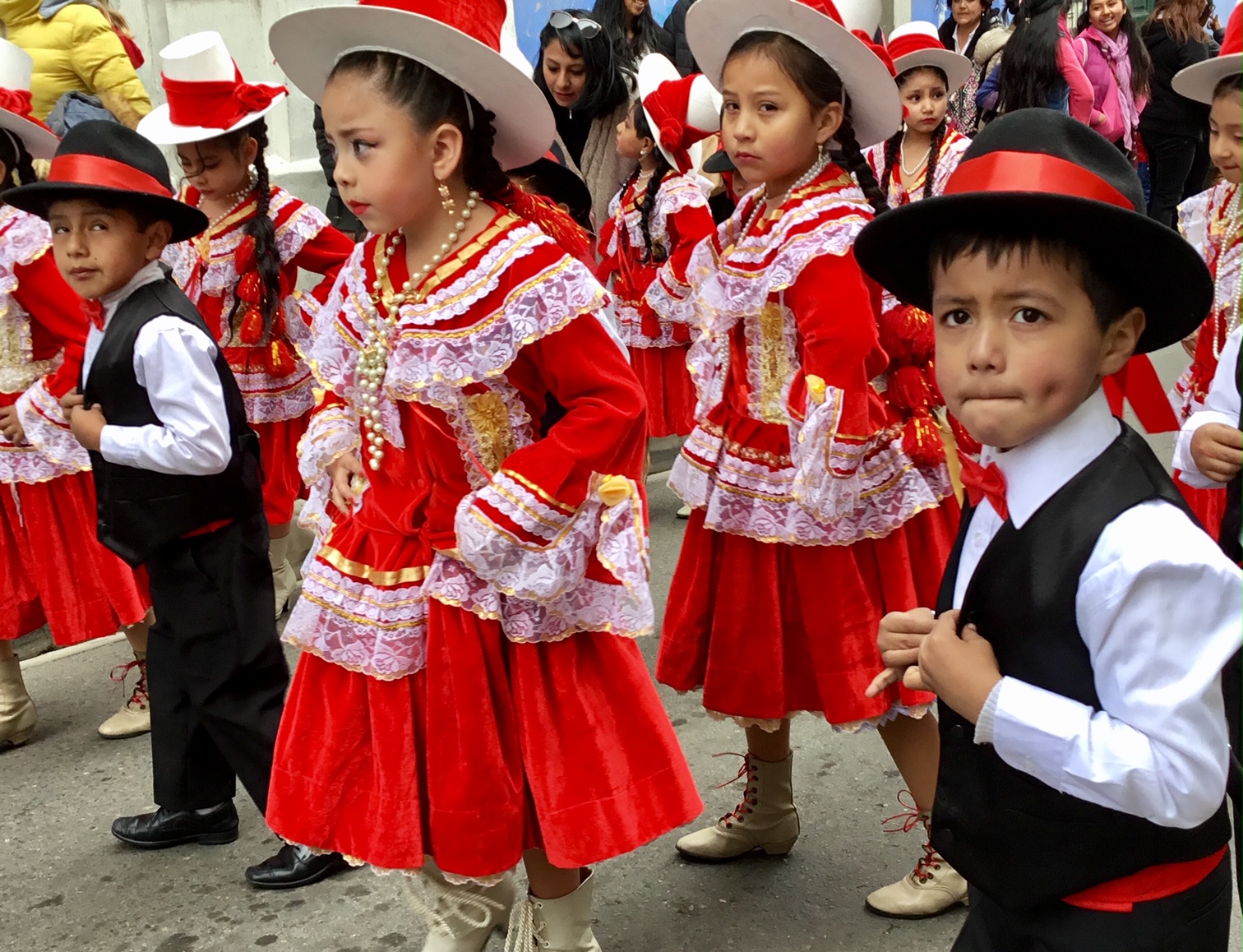
Potosí, Bolivia
* an ongoing series of quotations – mostly from artists, to artists – that offers wisdom, inspiration, and advice for the sometimes lonely road we are on.
Sunday of Carnival, the parade begins. For a whole day of celebration in music and dance, people can express their hope and fears, revive their myths and escape to a reality far from everyday life.
Thousands of spectators arrive from different parts if Bolivia and other countries. Filling the streets, they straddle benches, window ledges, balconies, cats and eve hang from walls or roofs to witness the entrance of the Carnival. Thus is the magnificent parade when Carnival makes its official entry into Oruro. The comparsas (dance troupes) dance to music for20 blocks, nearly eight lies, to the Church of the Virgin of Socavón (Virgin of the Mine). Each tries to out do the next in the brilliance of their costumes, the energy of their dancing and the power of their music. All their efforts are dedicated to the Virgin whose shrine is found on the hill called Pie de Gallo.
If there are thousands of spectators, there are also thousands of dancers from the city and other parts of the country. Among the most remarkable are the Diablos and Morenos which count for eight of the 40 or 50 participating groups. Keeping in mind that the smallest troupes have between 30 and 50 embers and the largest between 200 and 300, it is possible to calculate the number of dancers and imagine the spectacle.
… Each dance recalls a particular aspect of life in the Andes. Lifted from different periods and places, the dances offer a rich interpretation of historical events, creating an imaginative mythology for Oruro.
… Carnival blends indigenous beliefs and rituals with those introduced by the Spaniards. Both systems of belief have undergone transformations, each making allowance for the other, either through necessity or familiarity. The Christianity fought from Europe becomes loaded with new meanings while the myths and customs of the Andes accommodate their language and creativity to the reality of their conquered world. The process can be seen as a struggle culminating in a ‘mestizaje’ or new cultural mix.
El Carnaval de Oruro by Manuel Vargas in Mascaras de los Andes Bolivianos, Editorial Quipus and Banco Mercantil
Comments are welcome!



