Category Archives: An Artist’s Life
Travel photo of the month*
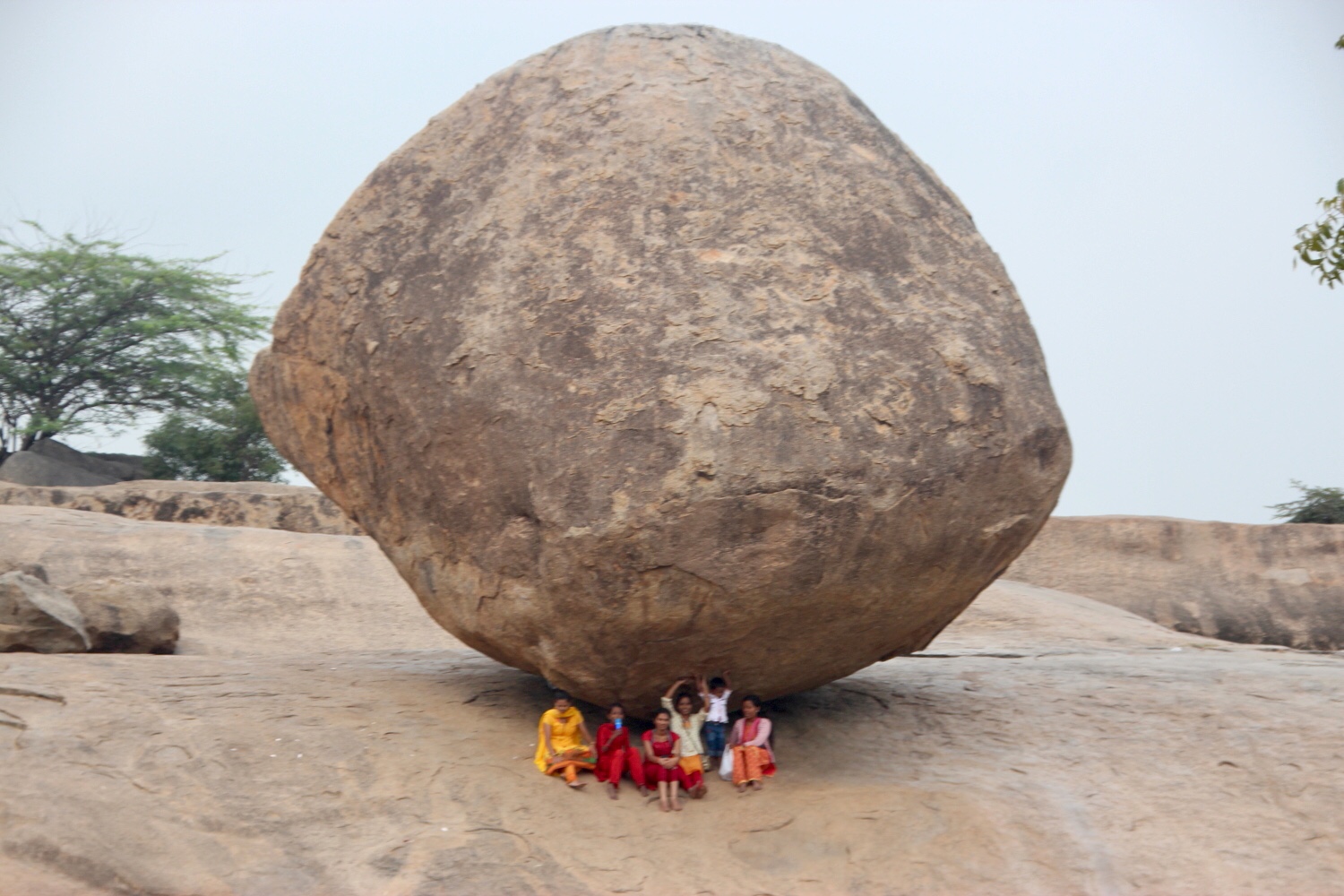
Krishna’s Butterball, South India
*Favorite travel photographs that have not yet appeared in this blog
Comments are welcome!
Q: Do you think artists should post prices on their websites?
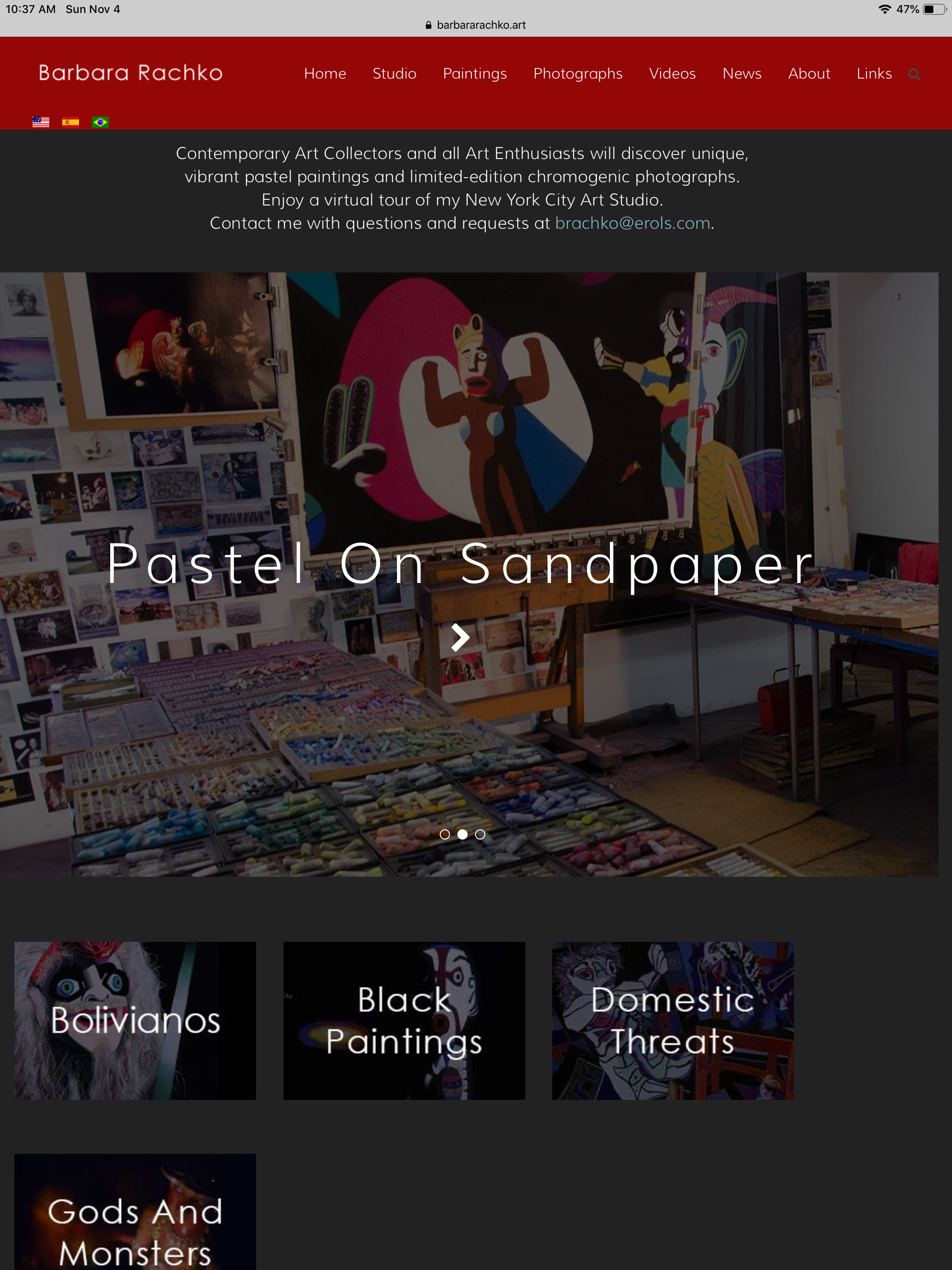
Screenshot of Barbara’s homepage
A: It depends on what the purpose and objectives of a particular artist’s website are. I use my website to document all of the work, the process, exhibitions, and press in one central place. I do not list prices. If someone is interested in more information, including prices, they can easily email or call me.
I have two assistants who help with social media and my online presence continues to grow. Many of my available pastel paintings are included on commercial sites like Artsy. Current prices are listed there.
Comments are welcome!
Pearls from artists* # 333

Studio entrance
*an ongoing series of quotations – mostly from artists, to artists – that offers wisdom, inspiration, and advice for the sometimes lonely road we are on.
… the Greeks and Romans both believed in the idea of an external daemon of creativity – a sort of house elf, if you will, who lived within the walls of your home and who sometimes aided you in your labors. The Romans had a specific term for that helpful house elf. They called it your genius – your guardian deity, the conduit of your inspiration. Which is to say, the Romans didn’t believe that an exceptionally gifted person was a genius; they believed that an exceptionally gifted person had a genius.
It’s a subtle but important distinction (being vs. having) and, I think, it’s a wise psychological construct. The idea of an external genius helps to keep an artist’s ego in check, distancing him somewhat from the burden of taking either full credit or full blame for the outcome of his work. If your work is successful, in other words, you are obliged to thank your external genius for the help, thus holding you back from total narcissism. And if your work fails, it’s not entirely your fault. You can say, “Hey, don’t look at me – my genius didn’t show up today!”
Either way, the vulnerable human ego is protected.
Protected from the corrupting influence of praise.
Protected from the corrosive effects of shame.
Elizabeth Gilbert in Big Magic: Creative Living Beyond Fear
Comments are welcome!
Travel photo of the month*
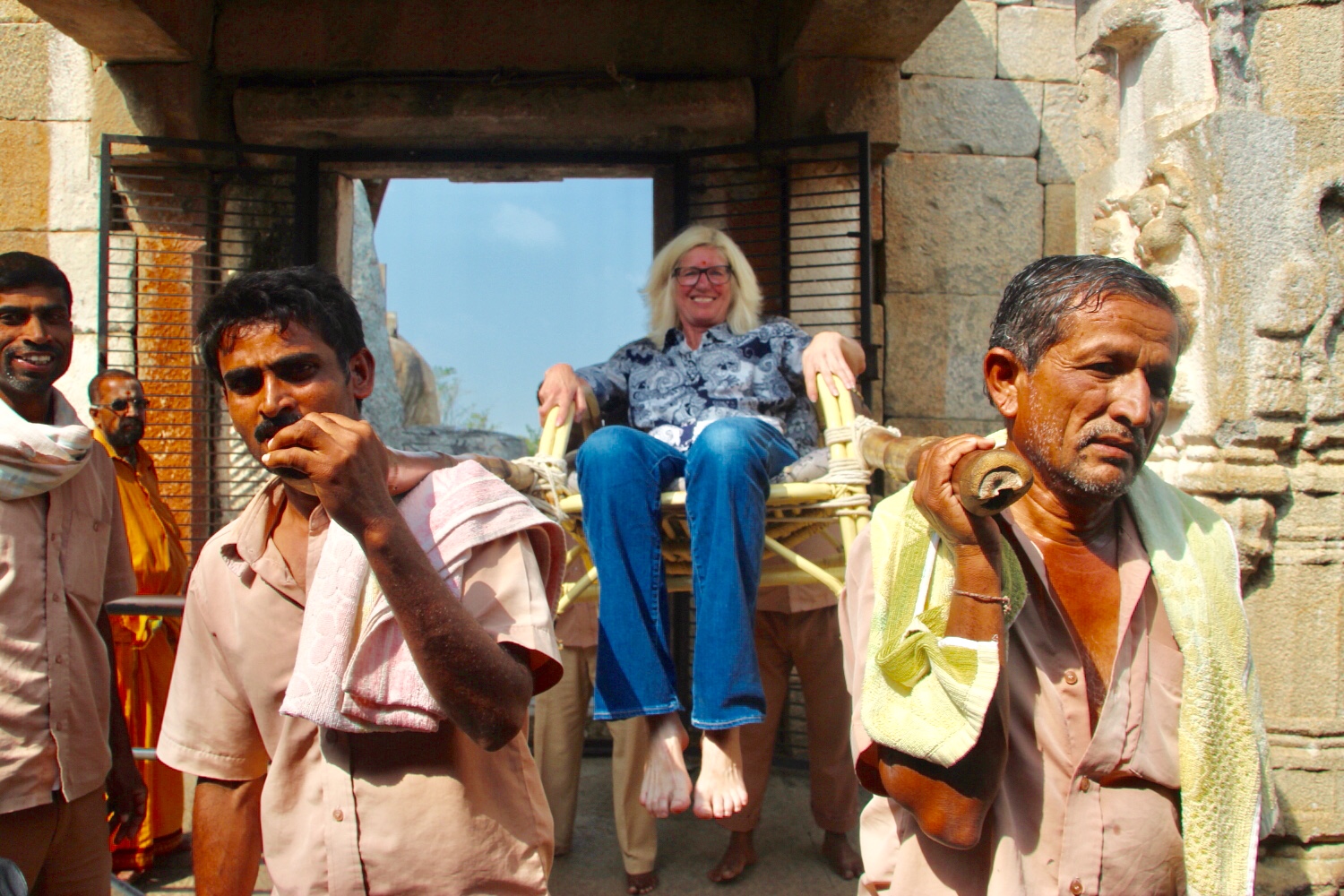
South India
*Favorite travel photographs that have not yet appeared in this blog
Comments are welcome!
Pearls from artists* # 332
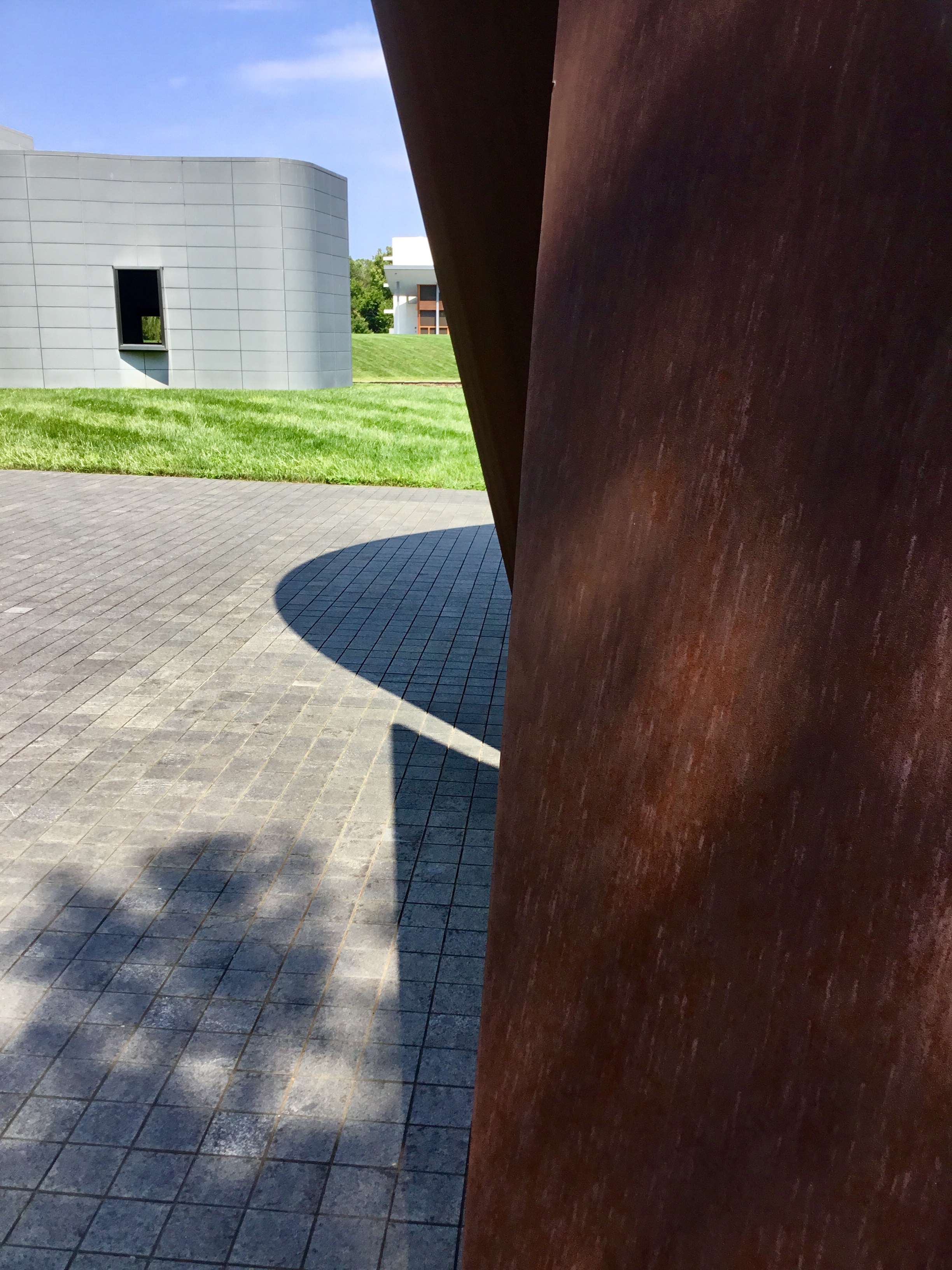
Glenstone Museum, Potomac, MD
*an ongoing series of quotations – mostly from artists, to artists – that offers wisdom, inspiration, and advice for the sometimes lonely road we are on.
And your doubt may become a good quality if you train it. It must become knowing, it must become critical. Ask it, whenever it wants to spoil something for you, why something is ugly, demand proofs from it, test it, and you will find it perplexed and embarrassed perhaps, or perhaps rebellious. But don’t give in, insist on arguments and act this way, watchful and consistent, every single time, and the day will arrive when from a destroyer it will become one of your best workers – perhaps the cleverest of all that are building at your life.
Rainer Maria Rilke, Letters to a Young Poet, Translation by M.D. Herter Norton
Comments are welcome!
Q: Would you speak about the meaning of your work and the different materials you use?
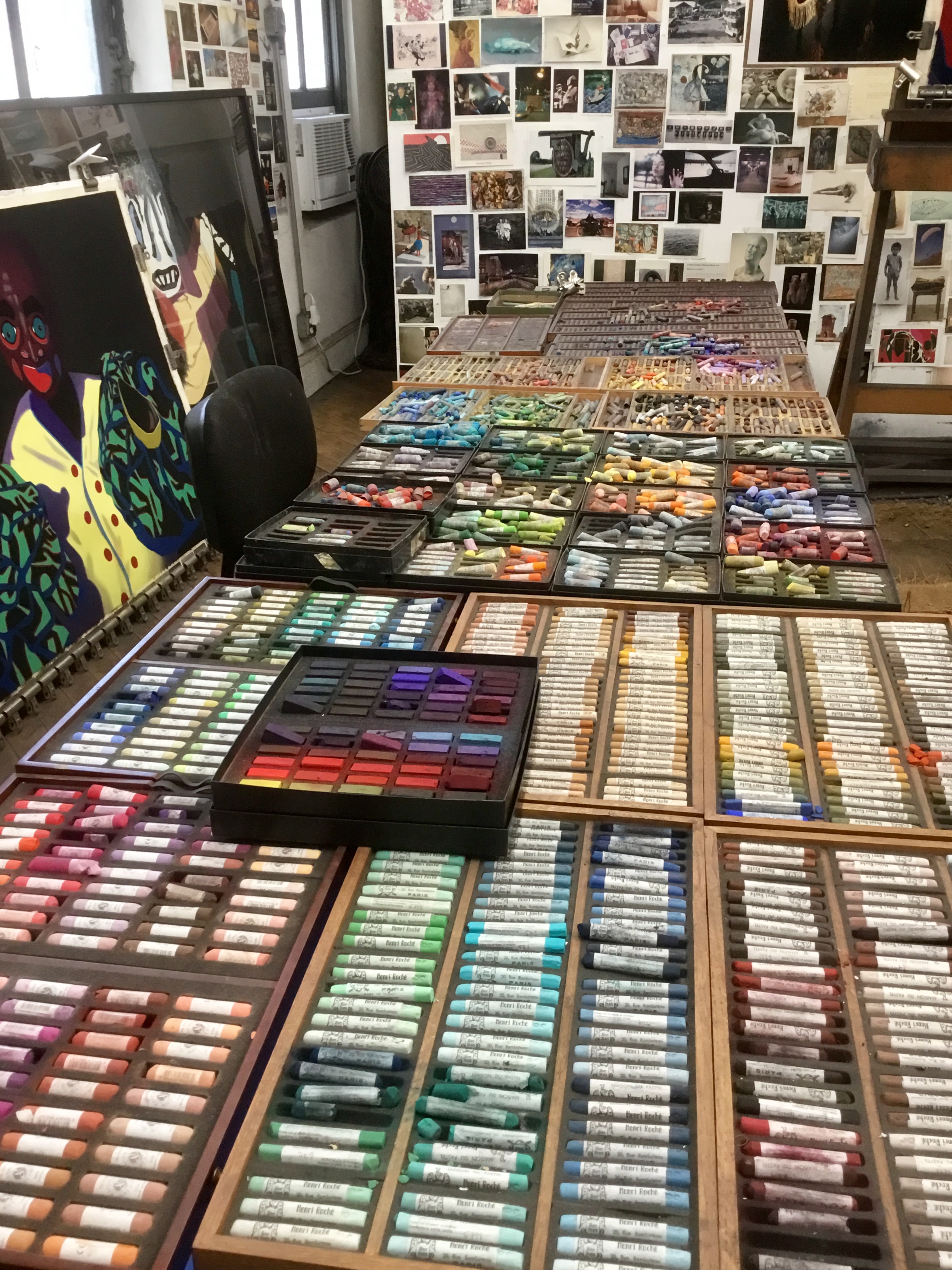
About half of Barbara’s pastels
A: It is as difficult to explain the meaning of my art as it is to interpret the meaning of life! I am invested in and concerned with process: foreign travel, prodigious reading, devotion to craft, months of slow meticulous work in the studio trying to create an exciting work of art that has never been seen before, etc. I love making pastel paintings! Many years ago I challenged myself to push the limits of what soft pastel can achieve. I am still doing so.
I leave it to others – viewers, arts writers, critics, art historians – to study my creative journey and talk about meanings. I believe an artist is inspired to create and viewers ponder the creation. I would not presume to tell anyone how to react to my work.
For many years I have been devoted to promoting soft pastel as a fine art medium. There are excellent reasons it has been around for five hundred years! It is the most permanent of media. There’s no liquid binder to cause oxidizing or cracking over time, as happens with oil paint. Pastel colors are intense because they are close to being pure pigment. Pastel allows direct application (no brushes) with no drying time and no color changes.
I use UArt acid-free sandpaper. This is not sandpaper from a hardware store. It is made for artists who work in pastel and allows me to build up layers of pigment without using a fixative. My process – slowly applying and layering pastels, blending and mixing new colors directly on the paper, making countless adjustments, searching for the best and/or most vivid colors – continually evolves. Each pastel painting takes months to create.
Comments are welcome!
Pearls from artists* # 331
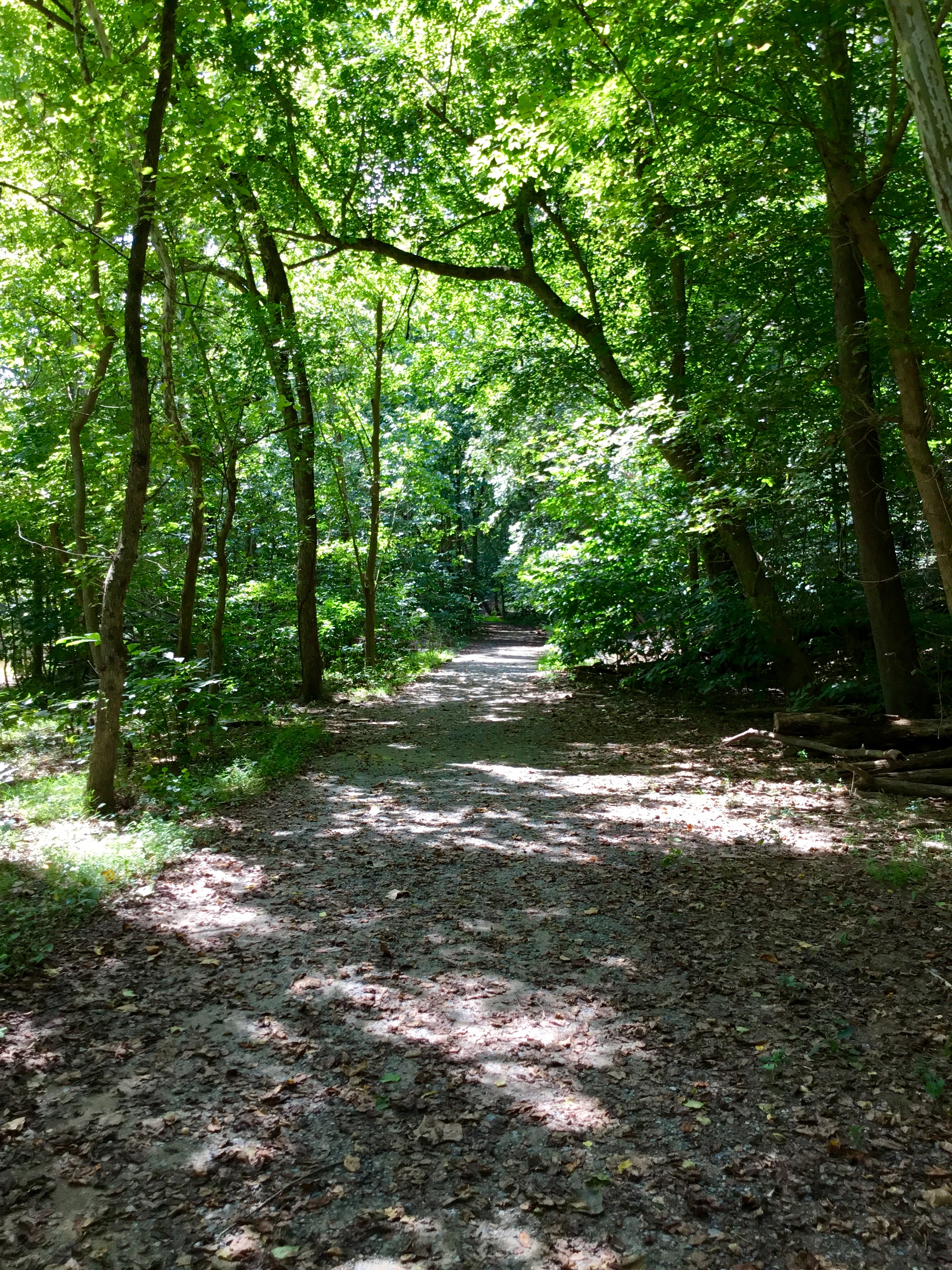
Great Falls, VA
*an ongoing series of quotations – mostly from artists, to artists – that offers wisdom, inspiration, and advice for the sometimes lonely road we are on.
And you should not let yourself be confused in your solitude by the fact that there is something in you that wants to break out of it. This very wish will help you, if you use it quietly, and deliberately and like a tool, to spread out your solitude over wide country. People have (with the help of conventions) oriented all their solutions toward the easy and toward the easiest side of the easy; but it is clear that we must hold to what is difficult; everything alive holds to it, everything in Nature grows and defends itself in its own way and is characteristically and spontaneously itself, seeks at all costs to be so and against all opposition. We know little, but that we must hold to what is difficult is a certainty that will not forsake us; it is good to be solitary, for solitude is difficult; that something is difficult must be a reason the more for us to do it.
Rainer Maria Rilke, Letters to a Young Poet, Translation by M.D. Herter Norton
Comments are welcome!
Pearls from artists* # 330
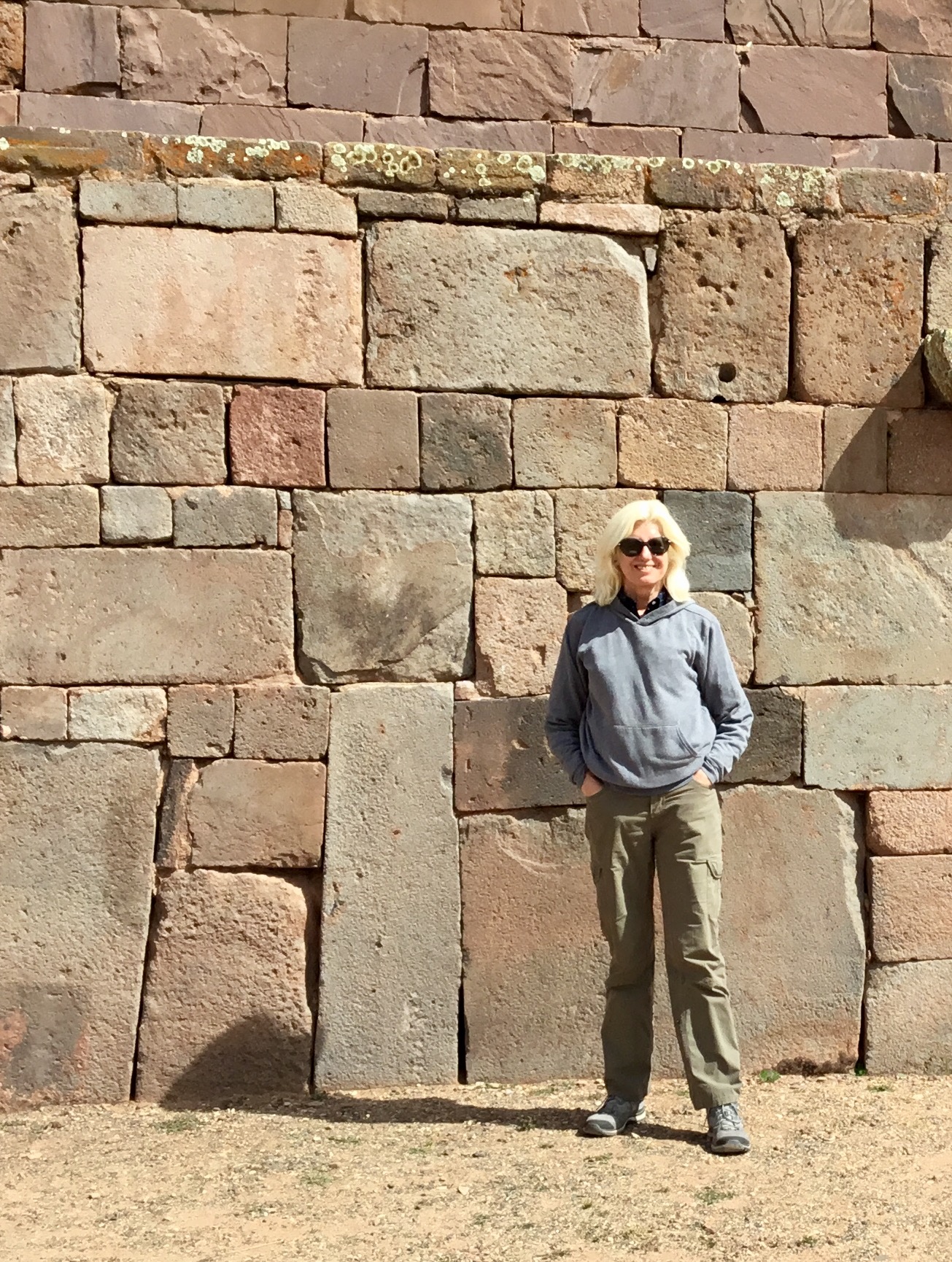
At Tiwanaku, Bolivia
*an ongoing series of quotations – mostly from artists, to artists – that offers wisdom, inspiration, and advice for the sometimes lonely road we are on.
To take the time to look and analyze the city or a building or an object is of the same nature as owning it, except that ownership is not a satisfactory feeling – but understanding is a form of complete assimilation. To really work and produce, there must be integration of your work in your life, or the integration of your life in your work.
Louise Bourgeois: Destruction of the Father, Reconstruction of the Father: Writings and interview 1923-1997, edited and with texts by Marie-Laure Bernadac and Hans-Ulrich Obrist
Comments are welcome!
Travel photo of the month*
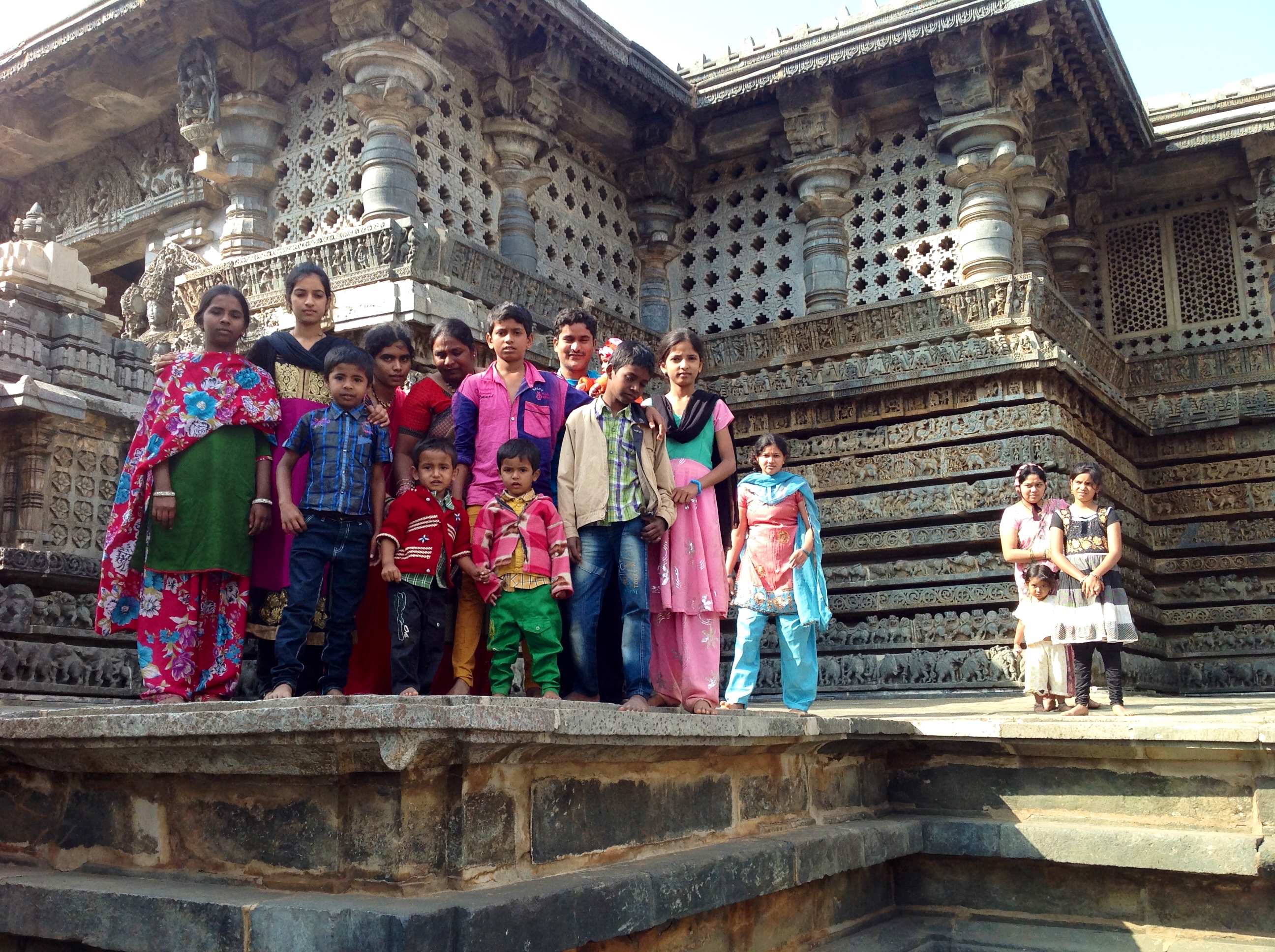
Halebidu, India
* Favorite travel photographs that have not yet appeared in this blog
Comments are welcome!
Pearls from artists* # 328

Barbara in her studio, Photo: Izzy Nova
*an ongoing series of quotations – mostly from artists, to artists – that offers wisdom, inspiration, and advice for the sometimes lonely road we are on.
An artist’s words are always to be taken cautiously… The artist who discusses the so-called meaning of his work is usually describing a literary side-issue. The core of his original impulse is to be found, if at all, in the work itself. Just the same, the artist must say what he feels…
I want to explain why I did the piece, I don’t see why artists should say anything because the work is supposed to speak for itself. So whatever the artist says about it is like an apology, it is not necessary.
I never talk literally; you have to use analogy and interpretation and leaps of all kinds…
I am suspicious of words. They do not interest me, they do not satisfy me. I suffer from the ways in which words wear themselves out. I distrust the Lacans and Bossuets because they gargle with their own words. I am a very concrete woman. The forms are everything…
With words you can say anything. You can lie as long as the day, but you cannot lie in the recreation of experience…
Louise Bourgeois: Destruction of the Father, Reconstruction of the Father: Writings and interview 1923-1997, edited and with texts by Marie-Laure Bernadac and Hans-Ulrich Obrist
Comments are welcome!


 barbararachkoscoloreddust.com