Blog Archives
Pearls from artists* # 716

*an ongoing series of quotations – mostly from artists, to artists – that offers wisdom, inspiration, and advice for the sometimes lonely road we are on
… We are in the early stages of what I hope will be a revolution surrounding the way we view creative labor. I optimistically dream of a new model, crafted by the next generation of artists. Hopefully, they will not have to spend too many years chasing the old, late-stage capitalist one, as we did. We must cultivate a sense of our own value. As audiences, we willingly spend money for the experiences of books, plays, and other performances. It is not unusual to drop forty dollars on a mediocre movie and bad popcorn, or hundreds for a concert. Yet, we have tolerated a system where artists are not paid for putting their time, money, and very souls into the creation of inspiring, thought-provoking works. It is time to collectively channel creativity towards new paradigms, to provide us with a living wage, ensure that art history reflects all of us, and change the very status of art in our culture. Armed with the truth, technology, and ingenuity, we can forge a powerful future.
Kate Kretz in Art From Your Core: A Holistic Guide to Visual Voice
Comments are welcome!
Pearls from artists* # 572

*an ongoing series of quotations – mostly from artists, to artists – that offers wisdom, inspiration, and advice for the sometimes lonely road we are on.
The use of color to paint the Chinchorro mummies is interesting. According to anthropologist Victor Turner (1970), colors are experiences of social relationships. The use of particular colors in prehistory, then, has meaning even if today we cannot comprehend these meanings. Turner said that white, red, and black are the earliest colors produced by humans and they “provide a kind of primordial classification of reality” (Turner, 1970:90). This color trilogy is associated with reproduction, life, and death. Obviously, in the case of Chinchorros, black and red colors predominated. Black is equated with darkness, like the night, invisible yet present. Black is what is hidden, it is a mystical transition (Turner, 1970:109, 89-73). Black represents death, but not the end of a cycle, not an annihilating, rather a change of status and existence (Turner, 1970:71-72). Red on the other hand is equal to membership, change, blood, and social place (Turner, 1970:90). Red can be associated with life, here and in the afterworld.
The use of colors as symbols is rather universal, but the meaning of each color varies from culture to culture. In western societies black may be worn to symbolize mourning, but on other occasions it signifies relevance. The Yahgan Indians in South America used body painting with intricate patterns of black, white, and red to show their sadness and grief when someone died (Gusinde, 1937). Black was the color to symbolize mourning among the Incas (Montez, 1929:222; Zuidema, 1992:23).
Bernardo T. Arrizabalaga in Beyond Death: The Chinchorro Mummies of Ancient Chile
Comments are welcome!
Pearls from artists* # 337
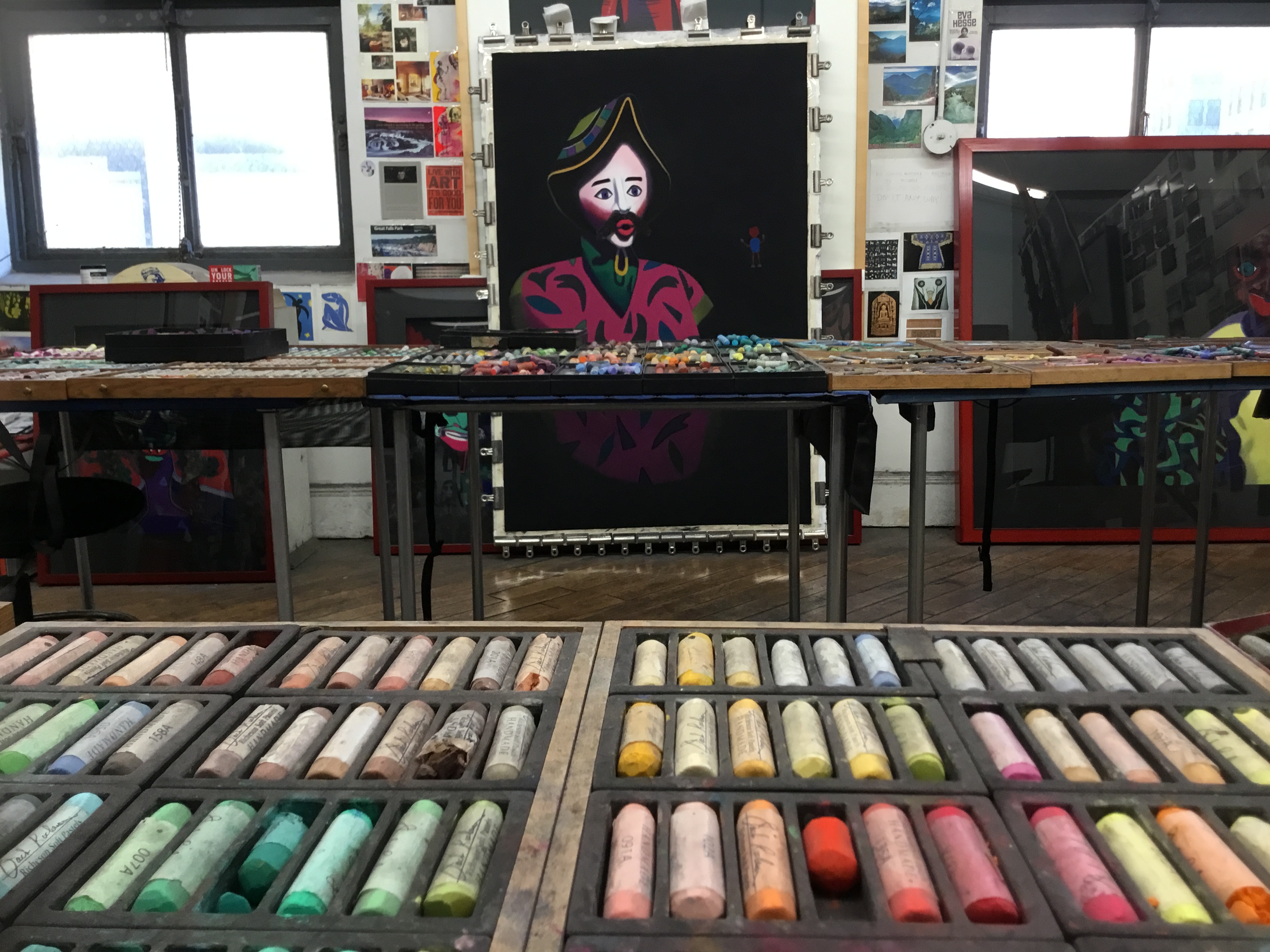
Barbara’s studio
*an ongoing series of quotations – mostly from artists, to artists – that offers wisdom, inspiration, and advice for the sometimes lonely road we are on.
I think society did a great disservice to artists when we started saying they were geniuses, instead of saying they had geniuses. That happened around the Renaissance, with the rise of a more rational and human-centered view of life. The gods and the mysteries fell away, and suddenly we put all credit and blame for creativity on the artists themselves – making the all-too-fragile humans completely responsible for the vagaries of inspiration.
In the process, we also venerated art and artists beyond their appropriate stations. The distinction of “being a genius” (and the rewards and status often associated with it) elevated creators into something like a priestly cast – and perhaps even into minor deities – which I think is a bit too much pressure for mere mortals, no matter how talented. That’s when artists start to really crack, driven mad and broken in half by the weight and weirdness of their gifts.
Elizabeth Gilbert in Big Magic: Creative Living Beyond Fear
Comments are welcome!
A: Would you agree that there are more opportunities for women artists these days?
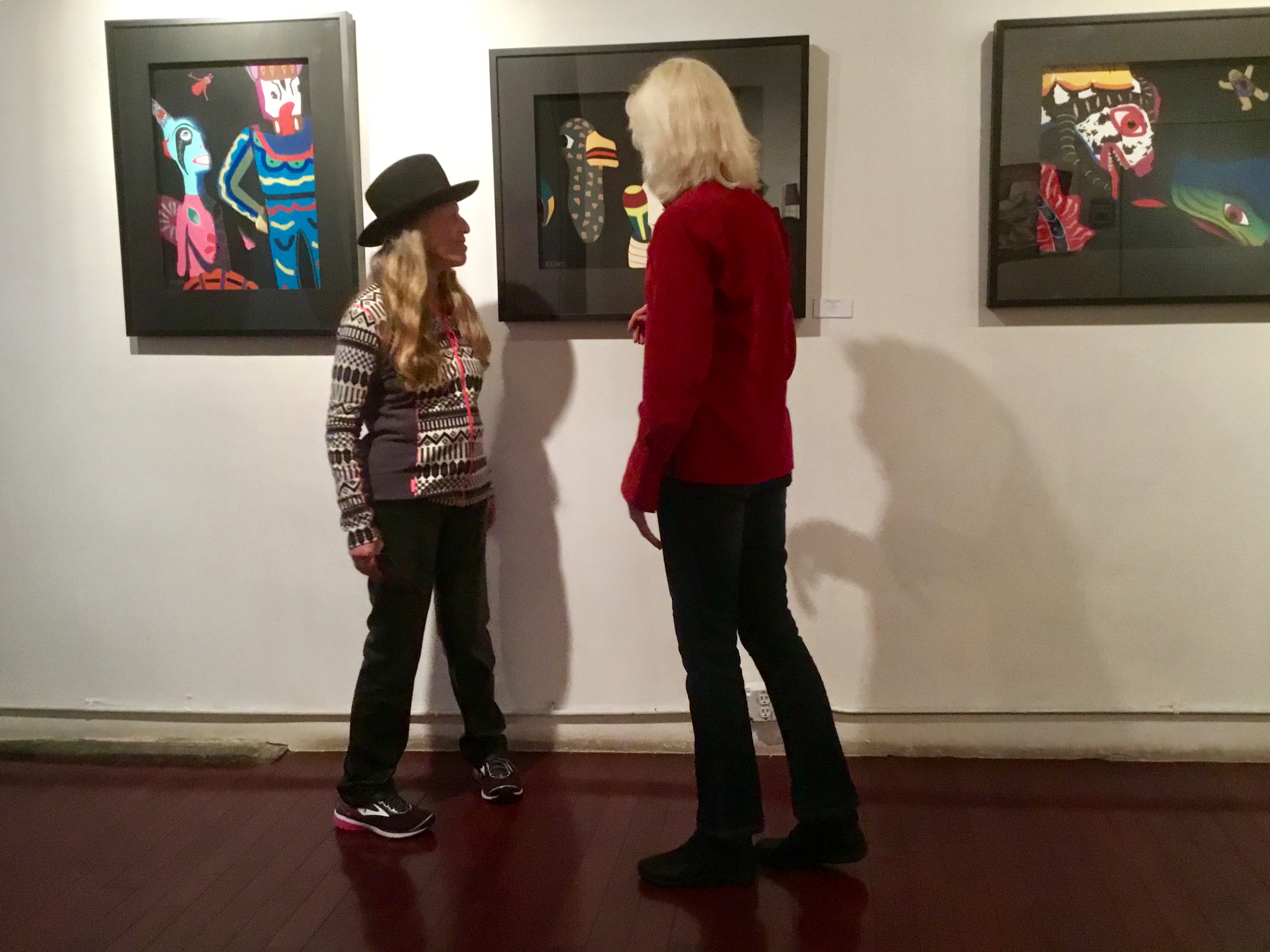
At Salomon Arts in Tribeca
A: It’s true that there are more opportunities now for women artists. Indeed, there are more opportunities for ALL artists. Social media has helped immensely in that it allows artists to take charge of our own careers, making us less dependent on the approval, largesse, and/or validation of art world gatekeepers.
However, at the highest levels of our profession, there are many inequities. As more women become art museum directors, collectors of contemporary art, and leaders whose taste matters, the status of all female artists is bound to improve to become more aligned with that of males.
Comments are welcome!
Pearls from artists* # 149
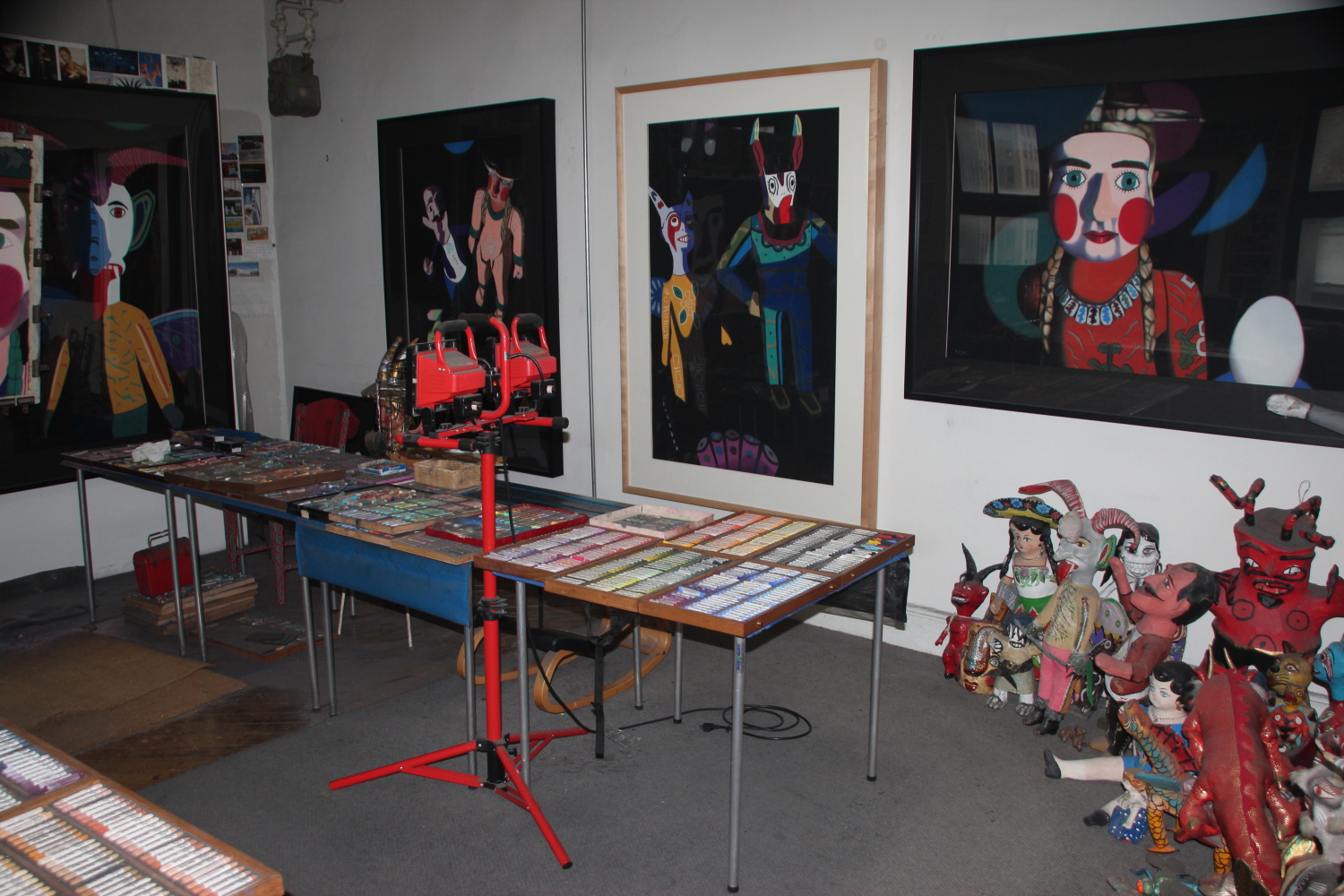
Barbara’s studio
* an ongoing series of quotations – mostly from artists, to artists – that offers wisdom, inspiration, and advice for the sometimes lonely road we are on.
Real collecting begins in lust: I have to have this, live with this, learn from this, figure out how to pay for this. It cannot be about investment or status. Like making art, writing about it or organizing its public display (in galleries or in museums), collecting is a form of personal expression. It is, in other words, a way to know yourself, and to participate in and contribute to creativity, which is essential to human life on earth.
Roberta Smith in Collecting for Pleasure, Not Status, The New York Times, May 15, 2015
Comments are welcome!



