Blog Archives
Pearls from artists* # 625

Downtown Manhattan
*an ongoing series of quotations – mostly from artists, to artists – that offers wisdom, inspiration, and advice for the sometimes lonely road we are on.
Think of one of those rare, truly exceptional outings to the cinema. In the lobby afterward the experience elicits from us a language of paralysis and disappearance: “I forgot myself. It could have gone on forever.” Stepping out onto the street, we feel that somehow nothing is as it was before. The passing cars, the night sky above the glass towers, the streetlights reflected on the wet pavement: everything glows with a strange immediacy and newness. It is as if the film had done something to the world. A similar thing might happen when we put down a great novel or take in a powerful piece of music.
The Book of Revelation contains a memorable line: “Behold, I make all things new.” Reflecting on this ancient text, the critic Northrop Frye defined the Apocalypse as “the way the world looks once the ego has disappeared.” Every great artistic work is a quiet apocalypse. It tears off the veil of ego, replacing old impressions with new ones at once inexorably alien and profoundly meaningful. Great works of art have a unique capacity to arrest the discursive mind, raising it to a level of reality that is more expansive than the egoic dimension we normally inhabit. In this sense, art is the transfiguration of the world.
J.F. Martel in Reclaiming Art in the Age of Artifice: A Treatise,Critique, and Call to Action
Comments are welcome!
Pearls from artists* # 362
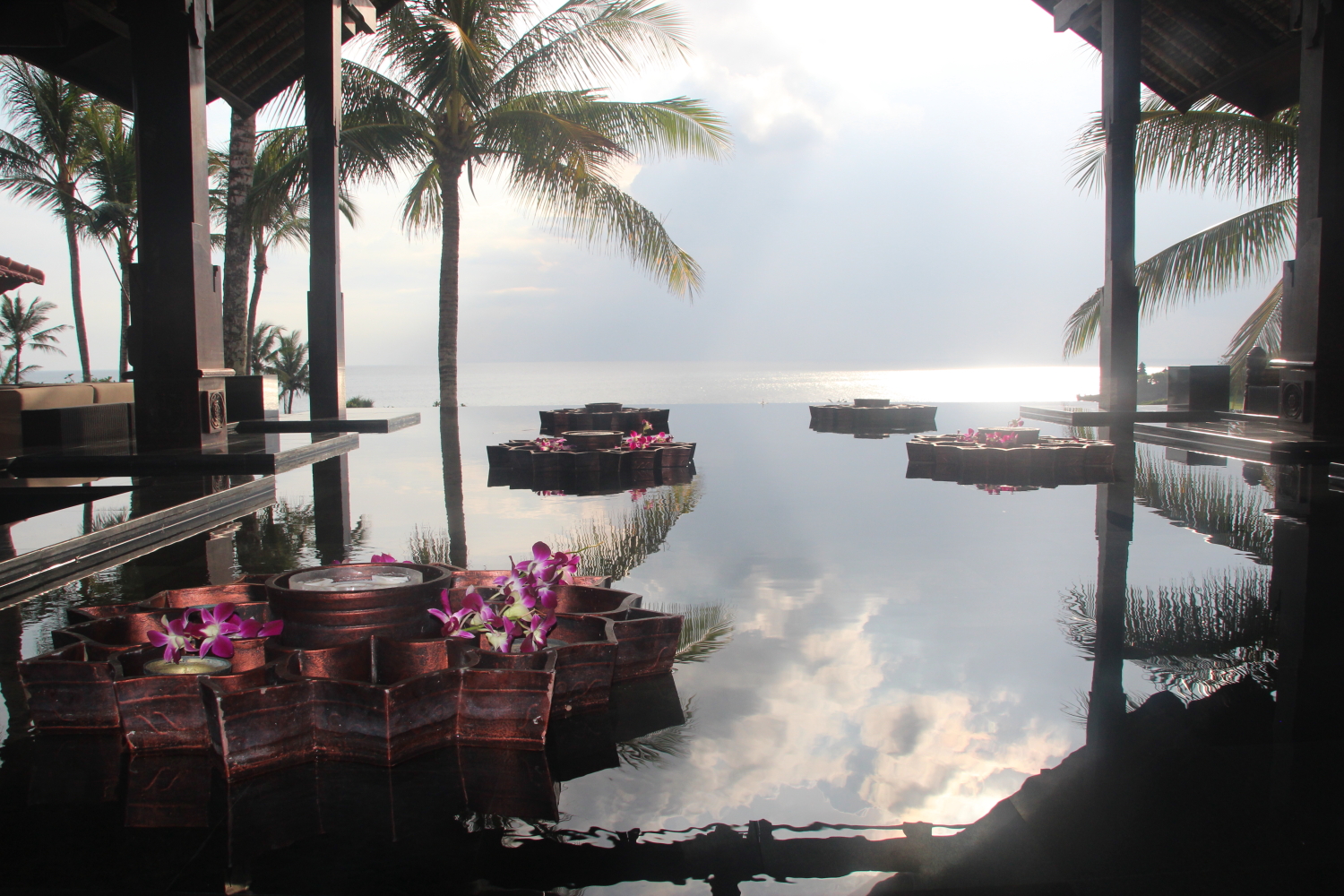
On the Indian Ocean in Tanah Lot, Bali
* an ongoing series of quotations – mostly from artists, to artists – that offers wisdom, inspiration, and advice for the sometimes lonely road we are on.
… if we look at the artifacts of all cultures, beauty always has attracted man’s attention. We know when we are in its presence. We’re held. Different pieces of art will arrest different people, and… some pieces will arrest larger numbers of people for longer periods of time. These are the works that are perhaps worthy of being called great art. We have to recognize that some people today, observing the greatest works of art, or the most awesome works of nature – the Grand Canyon, for instance – give it a minute and then are ready for something else. Insatiable for change, they are immune to deep resonance.
Art and beauty are about those resonances. It isn’t the subject matter that holds us. Some inexplicable reaction stops us, and we find ourselves connected with something other than ourself. Perhaps our ‘Self’ might be a better term, to distinguish it from the self that is caught up in thoughts, worries, and distractions. I like Ken Weber’s definition, that beauty “suspends the desire to be elsewhere.” In the face of great art, we experience transcendence.
Ian Roberts in Creative Authenticity: 16 Principles to Clarify and Deepen Your Artistic Vision
Comments are welcome!
Pearls from artists* # 76
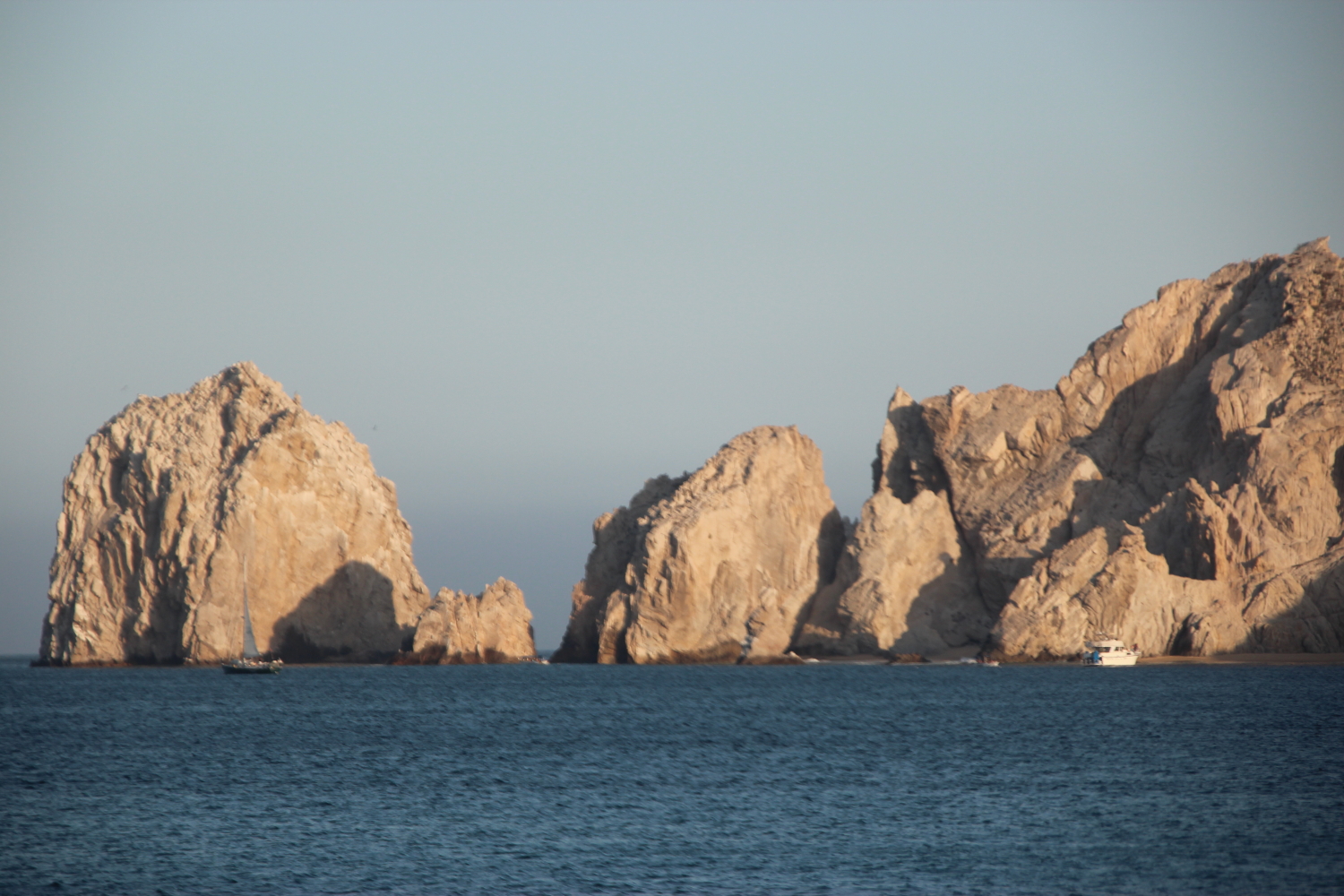
Cabo San Lucas, Mexico
* an ongoing series of quotations – mostly from artists, to artists – that offers wisdom, inspiration, and advice for the sometimes lonely road we are on.
What stops us in our tracks? I am rarely stopped by something or someone I can instantly know. In fact, I have always been attracted to the challenge of getting to know what I cannot instantly categorize or dismiss, whether an actor’s presence, a painting, a piece of music, or a personal relationship. It is the journey towards the object of attraction that interests me. We stand in relation to one another. We long for the relationships that will change our vistas. Attraction is an invitation to an evanescent journey, to a new way of experiencing life or perceiving reality.
An authentic work of art embodies intense energy. It demands response. You can either avoid it, shut it out, or meet it and tussle. It contains attractive and complicated energy fields and a logic all its own. It does not create desire or movement in the receiver, rather it engenders what James Joyce labeled ‘aesthetic arrest.’ You are stopped in your tracks. You cannot easily walk by it and go on with your life. You find yourself in relation to something that you cannot readily dismiss.
Anne Bogart in A Director Prepares: Seven Essays on Art and Theater
Comments are welcome!


 barbararachkoscoloreddust.com