Category Archives: India
Q: How does art help you explore and understand other cultures? (Question from Arte Realizzata)
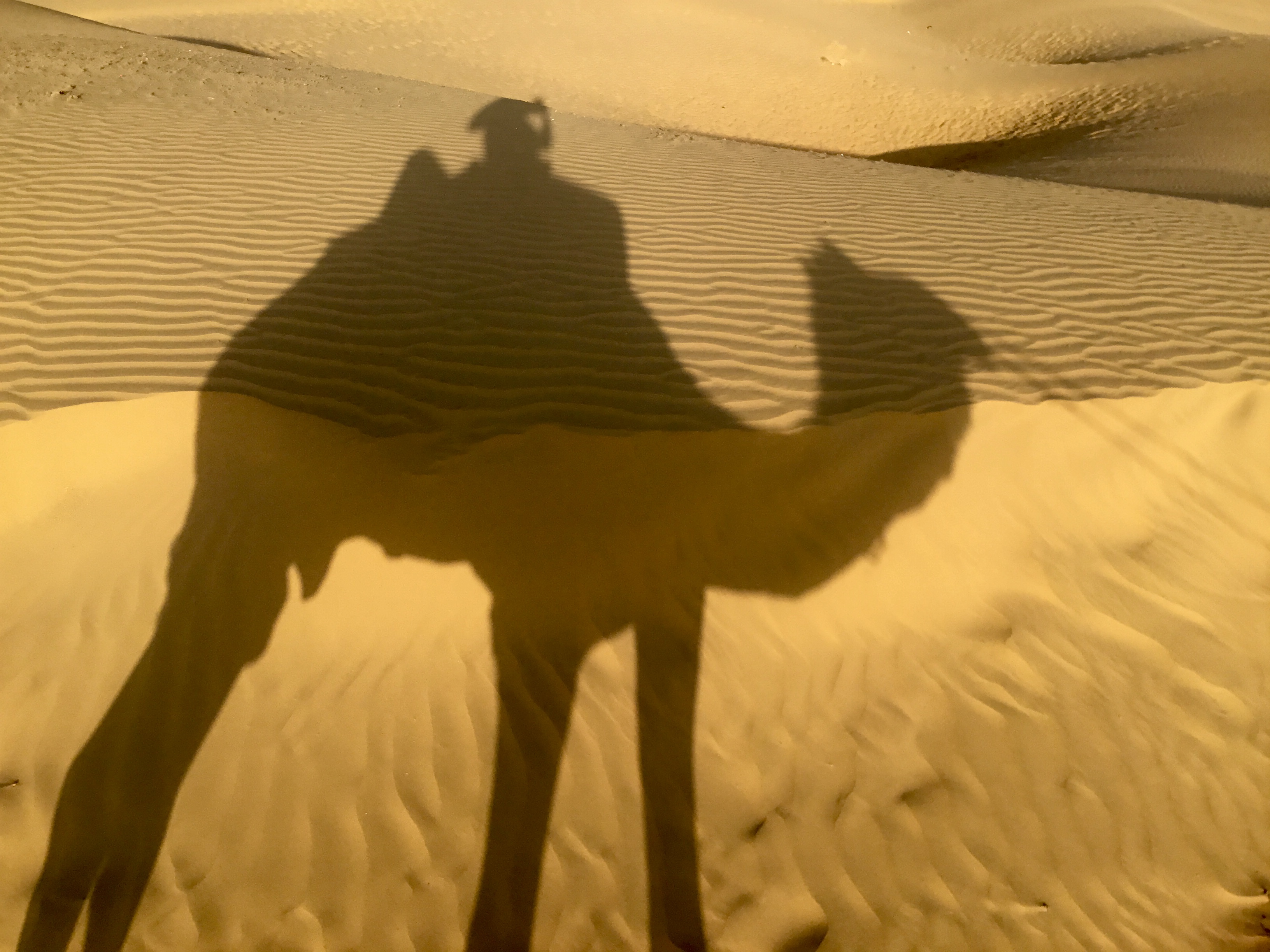
A: Art helps me explore and understand other cultures by revealing our shared humanity across space and time. For me art and travel are intertwined; there is no better education! My art-making has led me to visit fascinating places in search of source material, ideas, and inspiration: to Mexico, Guatemala, Brazil, Argentina, Uruguay, France, England, Italy, Bali, Java, Sri Lanka, and India. I have seen firsthand that people all over the world are the same.
Art has led me to undertake in-depth studies of intriguing subjects: drawing, color, composition, art, art history, the art business, film, film history, photography, mythology, literature, music, jazz, jazz history, and archaeology, particularly that of ancient Mesoamerica (Olmec, Zapotec, Mixtec, Aztec, and Maya), and South America (the Inca and their ancestors).
This rich mixture of creative influences continually grows. For anyone wanting to spend their time on earth studying, learning, and meeting new challenges, there is hardly anything more fascinating than to be a well-travelled, perpetually curious artist!
Comments are welcome!
Travel photo of the month*
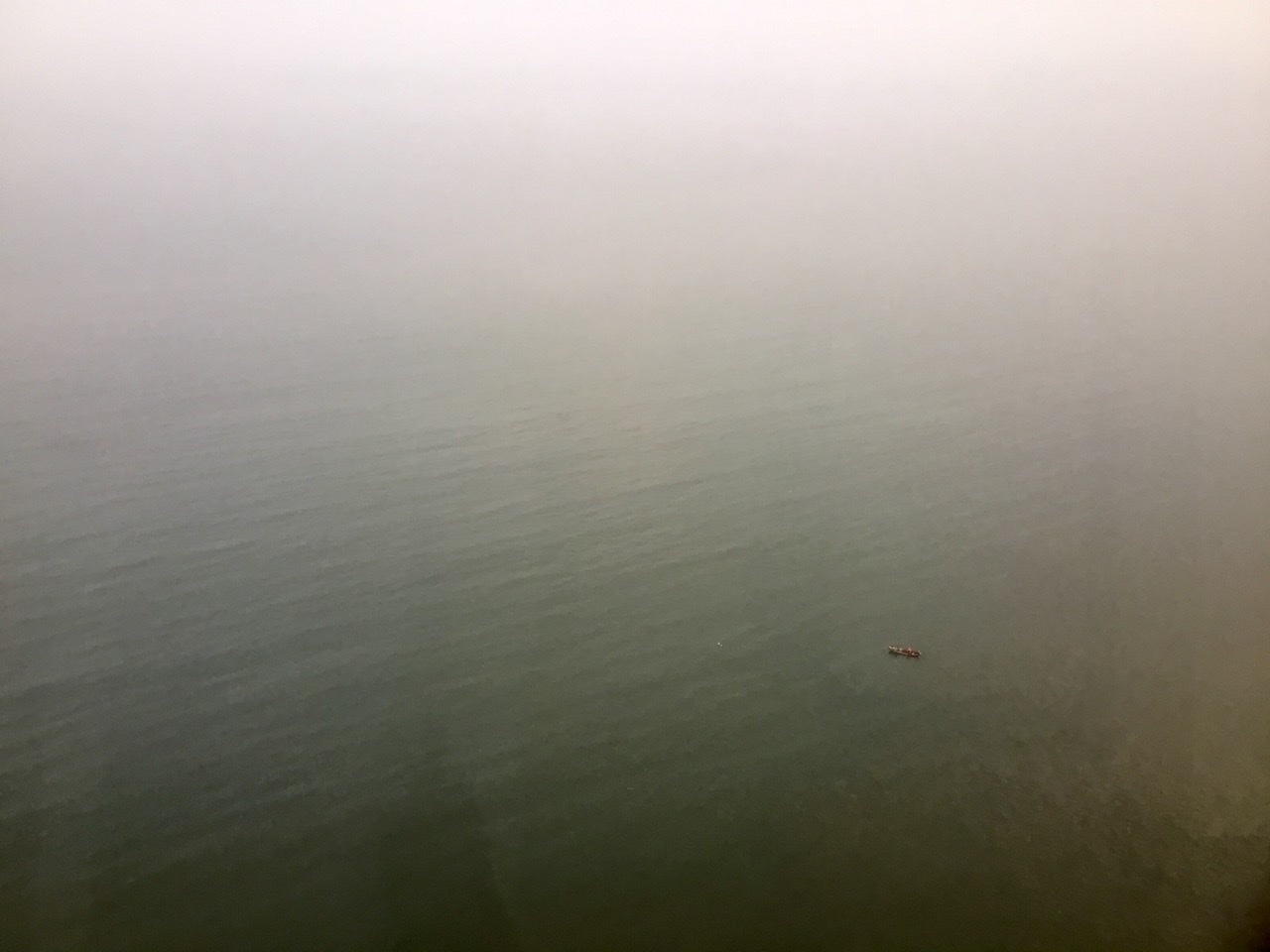
* Favorite travel photos that have not yet appeared in this blog
Comments are welcome!
Travel photo of the month*
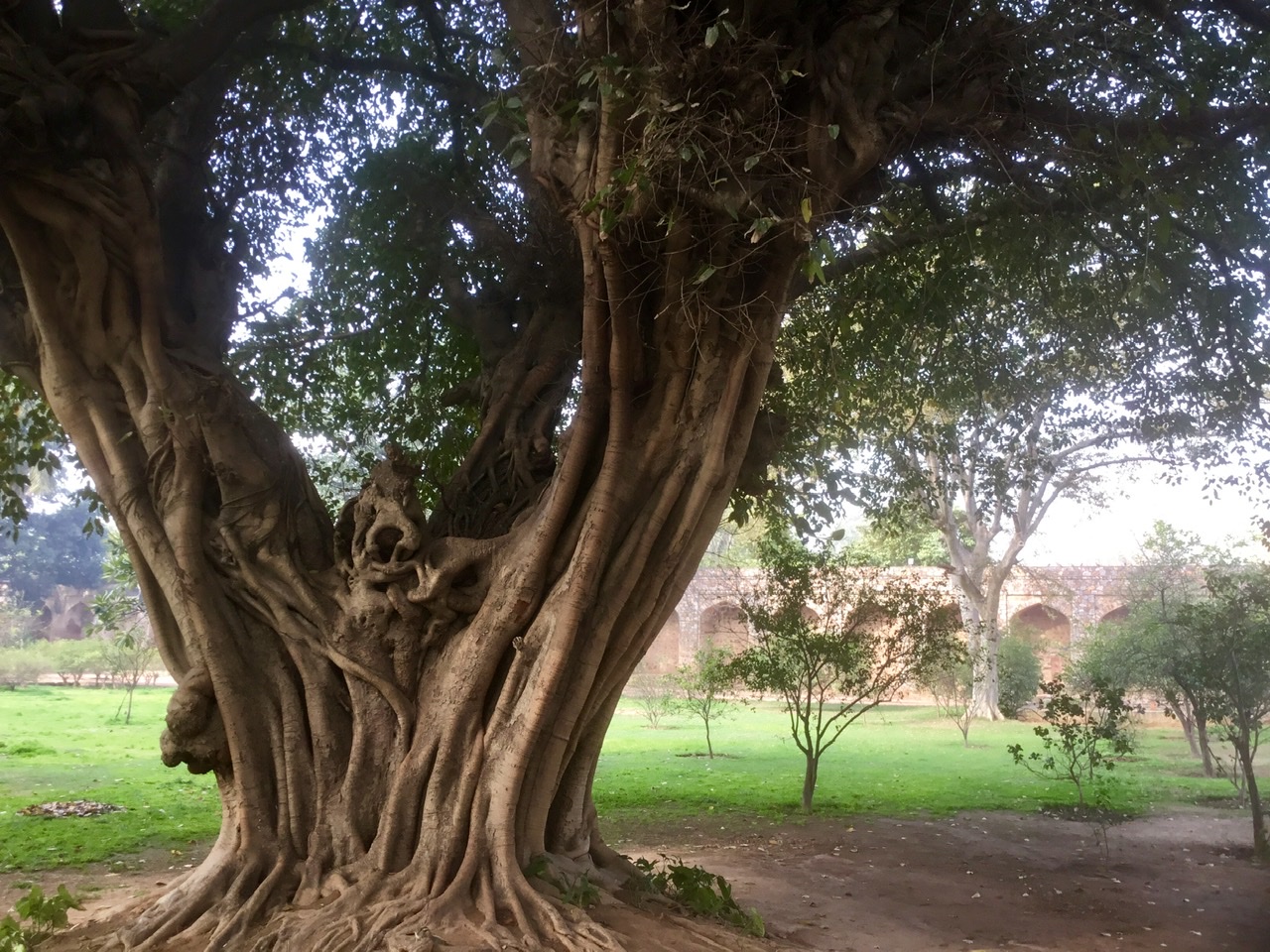
*Favorite travel photos that have not yet appeared in this blog
Comments are welcome!
Pearls from artists* # 467
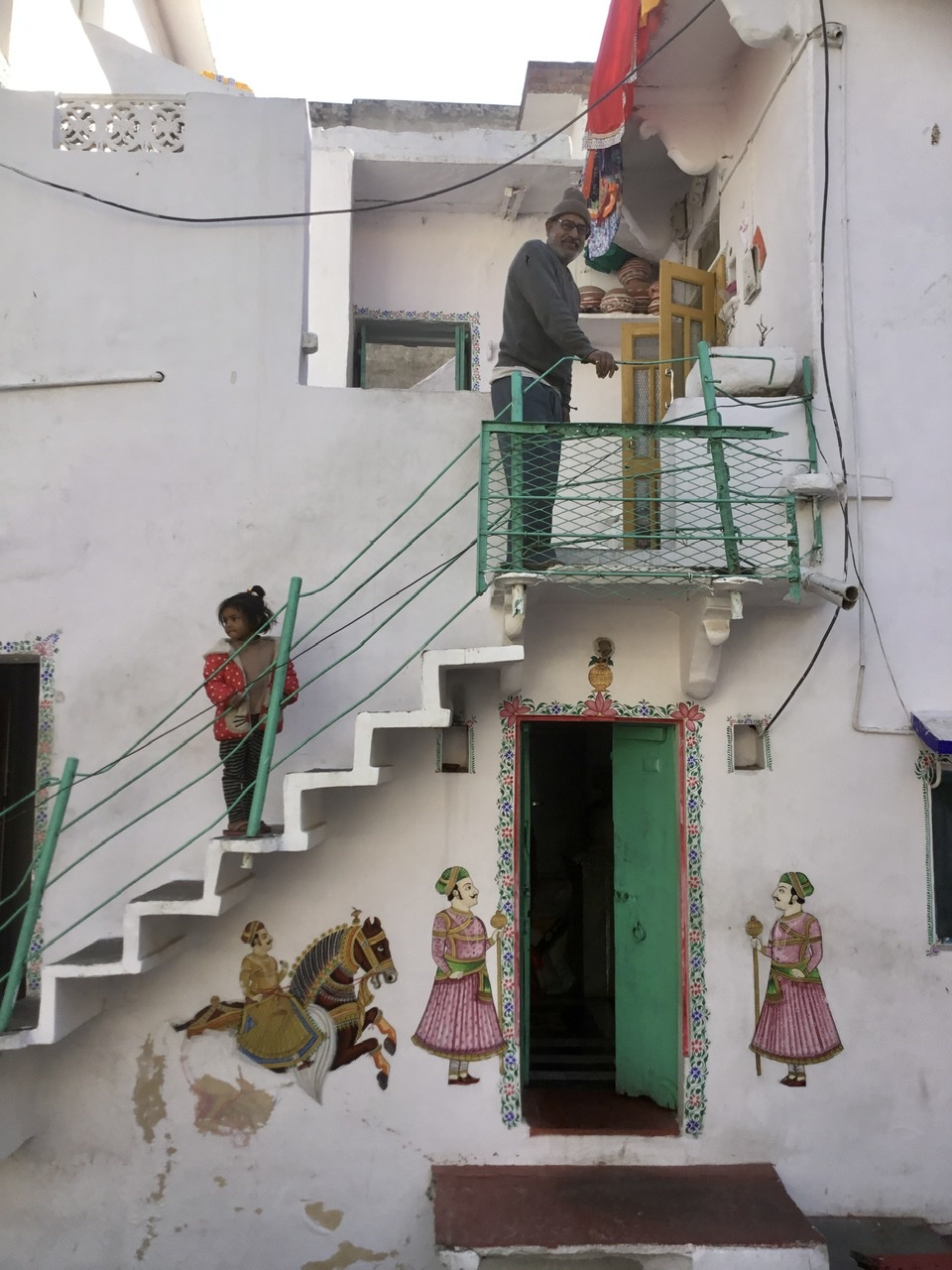
*an ongoing series of quotations – mostly from artists, to artists – that offers wisdom, inspiration, and advice for the sometimes lonely road we are on.
As students confronted with images of India through film and photography, we are challenged to begin to be self-conscious of who we are as “seers.” Part of the difficulty of entering the world of another culture, especially one with as intricate and elaborate a visual articulation as India’s, is that, for many of us, there are no “manageable models.” There are no self-evident ways of recognizing the shapes and forms of art, iconography, ritual life and daily life that we see. Who is Śiva, dancing wildly in a ring of fire? What is happening when the priest pours honey and yogurt over the image of Viṣṇu? Why does the woman touch the feet of the ascetic beggar? For those who enter the visible world of India through the medium of film, the onslaught of strange images raises a multitude of questions. These very questions should be the starting point for our learning. Without such self-conscious questions, we cannot begin to “think” with what we see and simply dismiss it as strange. Or worse, we are bound to misinterpret what we see by placing it solely within the context of what we already know from our own world of experience.
Diana L. Eck in Darsan: Seeing the Divine Image in India
Comments are welcome!
Travel photo of the month*
*Favorite travel photos that have not yet appeared in this blog
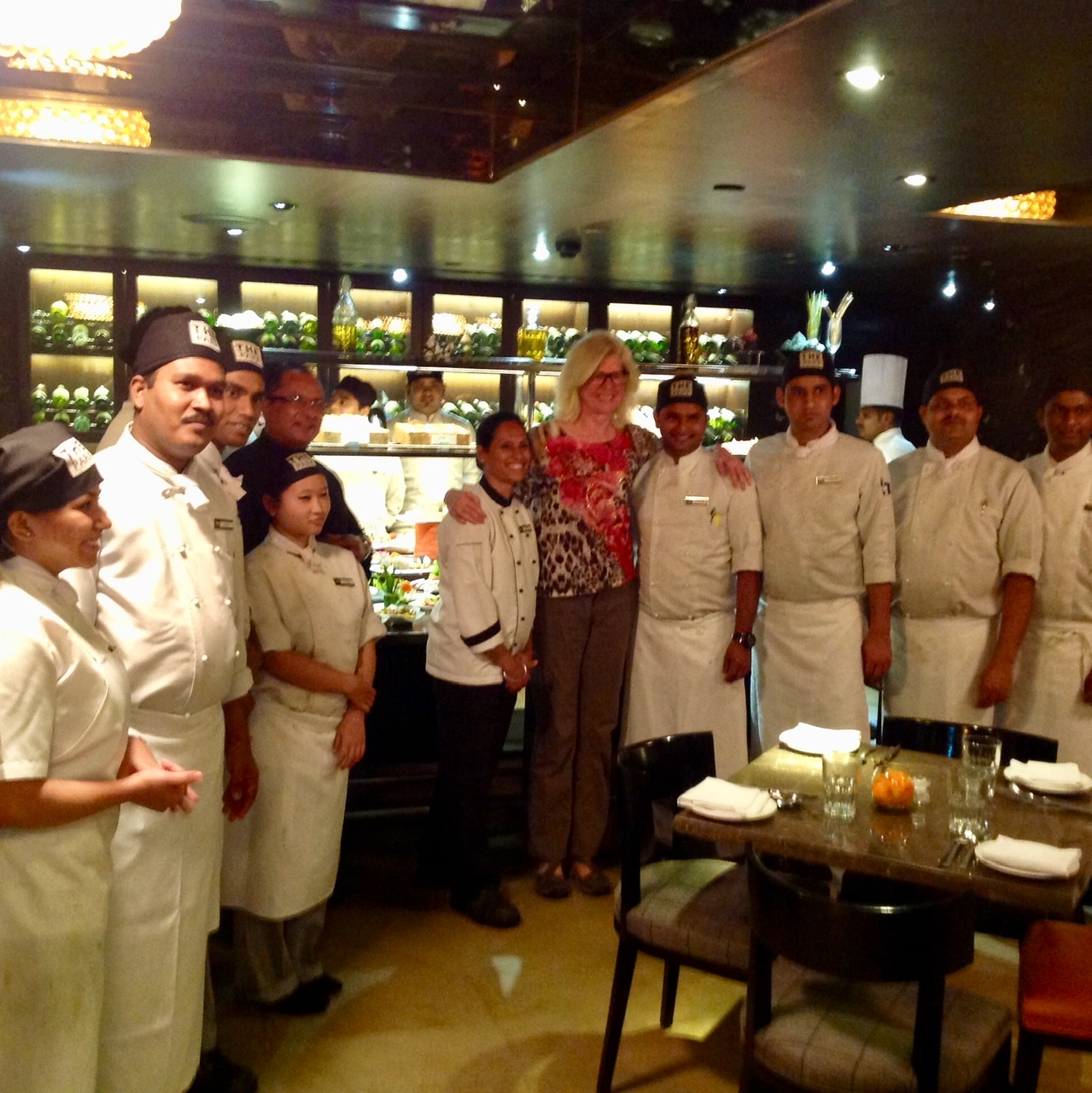
It was New Year’s Eve and I had just arrived in Bangalore from New York (jet lagged, although it doesn’t show here). Too tired to explore the neighborhood, I opted to dine at the hotel restaurant. I seemed to be the only Westerner there and I stood out. Soon the staff began treating me like a celebrity, requesting to take photographs, individually and in groups. Finally, I thought to ask for a photo of my own!
Comments are welcome!
Travel photo of the month*
*Favorite travel photos that have not yet appeared in this blog
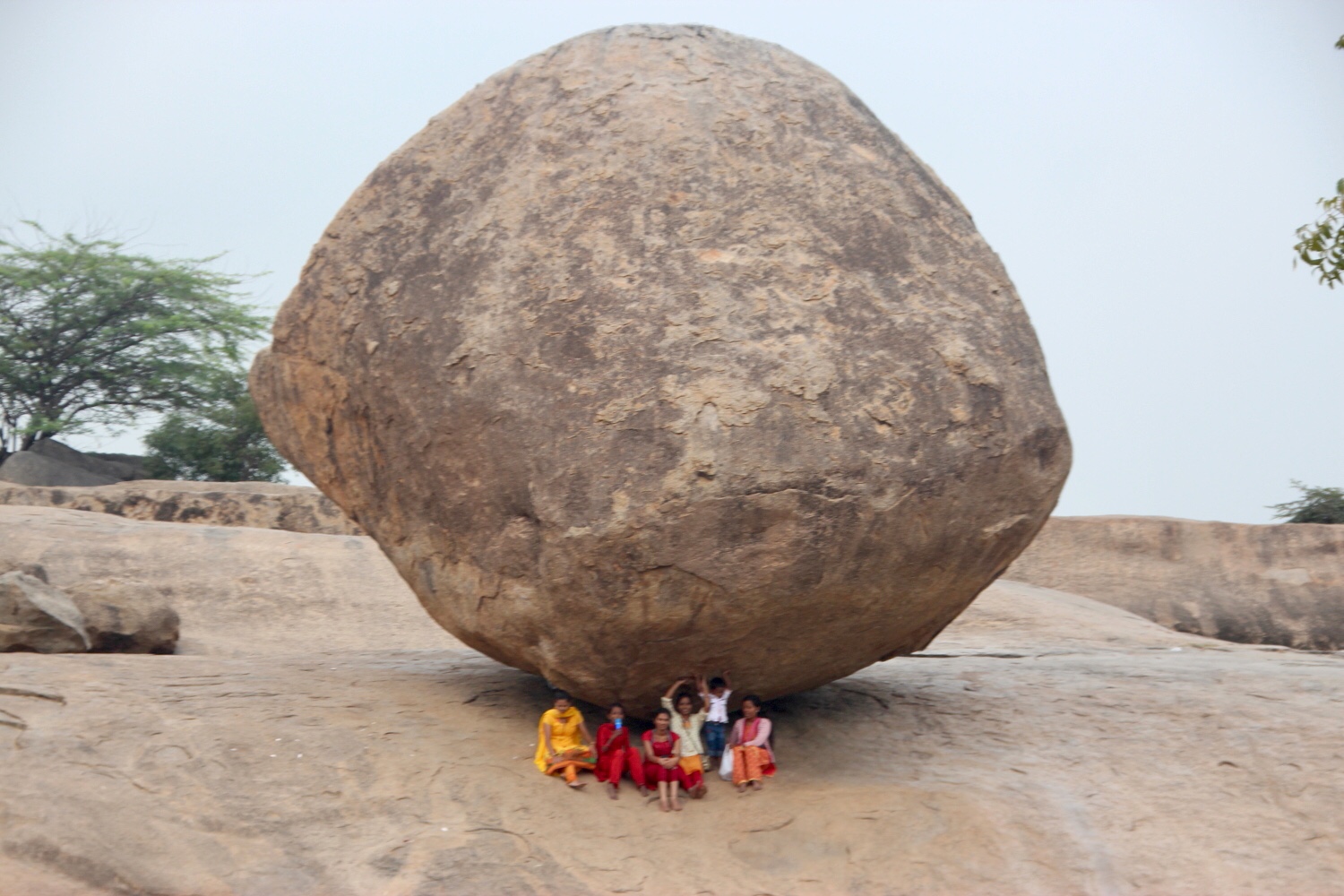
Read about Krishna’s Butterball here.
https://en.m.wikipedia.org/wiki/Krishna%27s_Butterball
Comments are welcome!
Q: Do you have a favorite among your thousands of travel photographs from around the world?

Tile worker, South India
A: I do! It is this photograph of a family matriarch filling a water jar. I don’t remember the name of the village, but it was somewhere in South India at a clay-tile-making workshop.
Walking in, I immediately stopped in my tracks. Had I just traveled back in time to some 18th century workshop? I found her appearance and demeanor extraordinary! (Regretfully, I did not ask her name). She was tiny, yet she was the boss whose authority and judgement were beyond question. After observing her move around the studio for a few minutes, I asked if I might have a photograph. She immediately struck this arresting and classic pose. I smiled to myself, “Obviously, she has done this a few times!”
Comments are welcome!
Travel photo of the month*
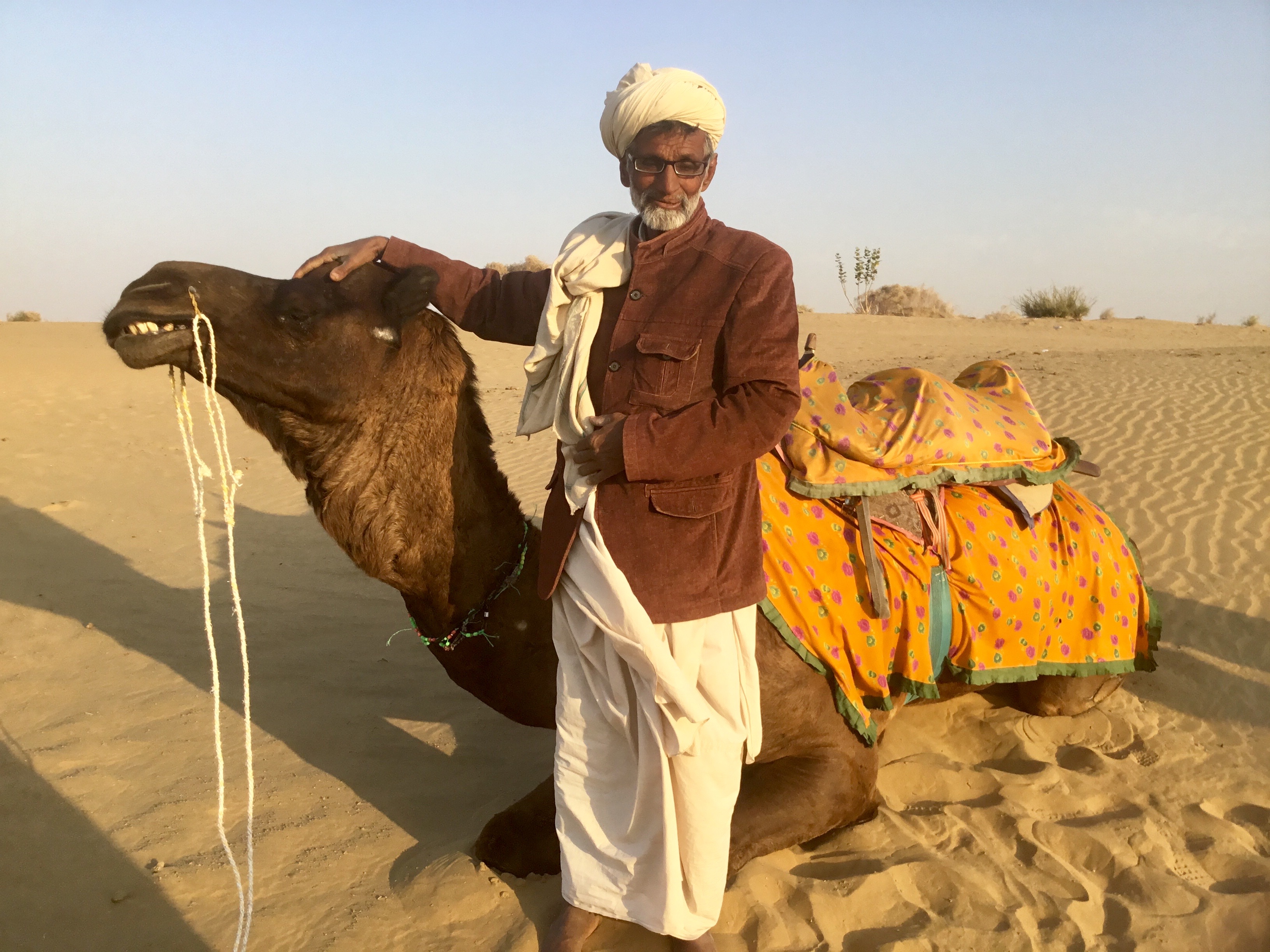
Carlos the camel saying, “Cheese,” Thar Desert, Rajasthan, India
* Favorite travel photos that have not yet appeared in this blog.
Comments are welcome!
Travel photo* of the month
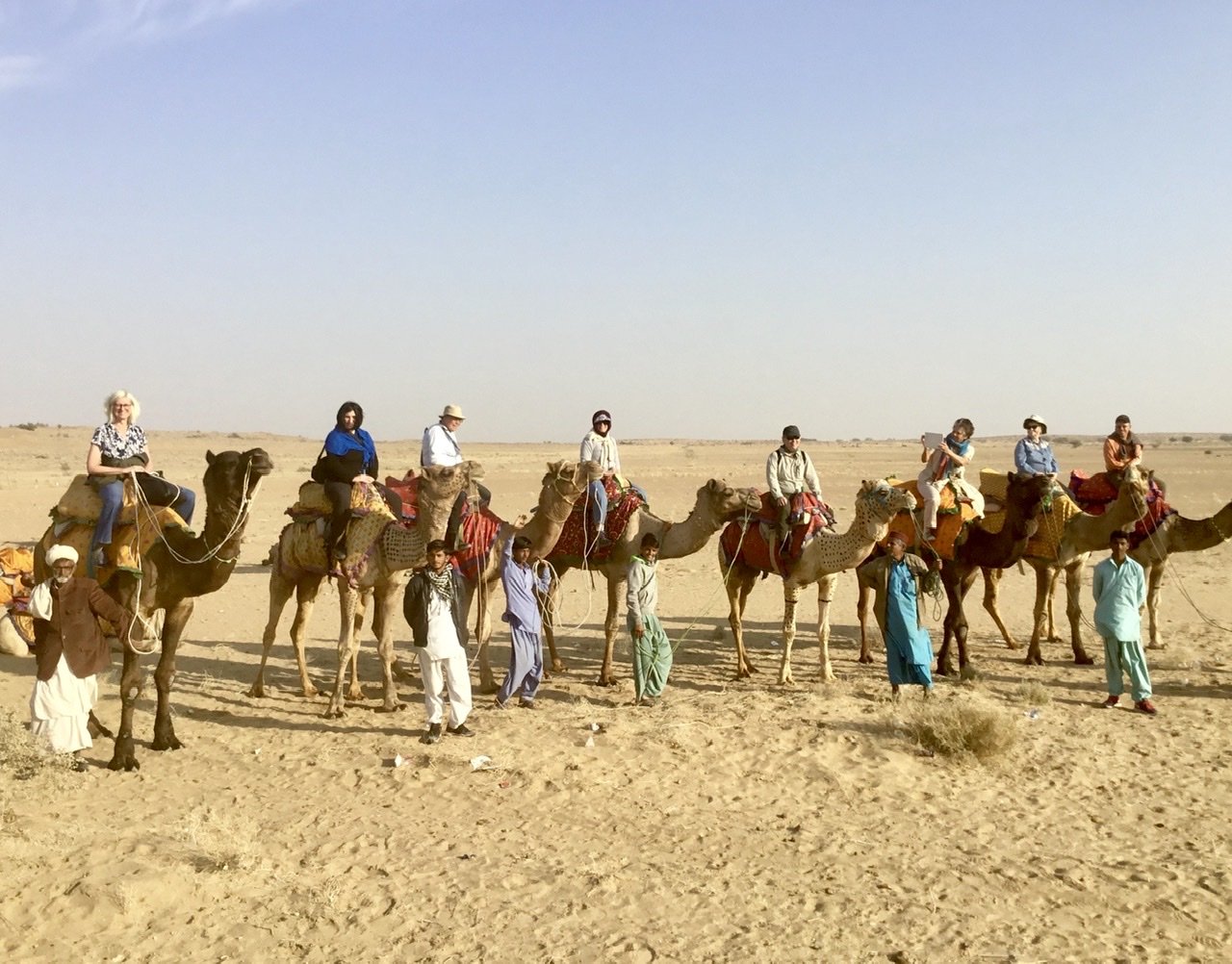
Thar Desert, Rajasthan, India
* Favorite travel photos that have not yet appeared in this blog.
Comments are welcome!
Travel photo* of the month

Jodhpur, Rajasthan, India
* Favorite travel photos that have not yet appeared in this blog.
Comments are welcome!



