Category Archives: 2016
Pearls from artists* # 183
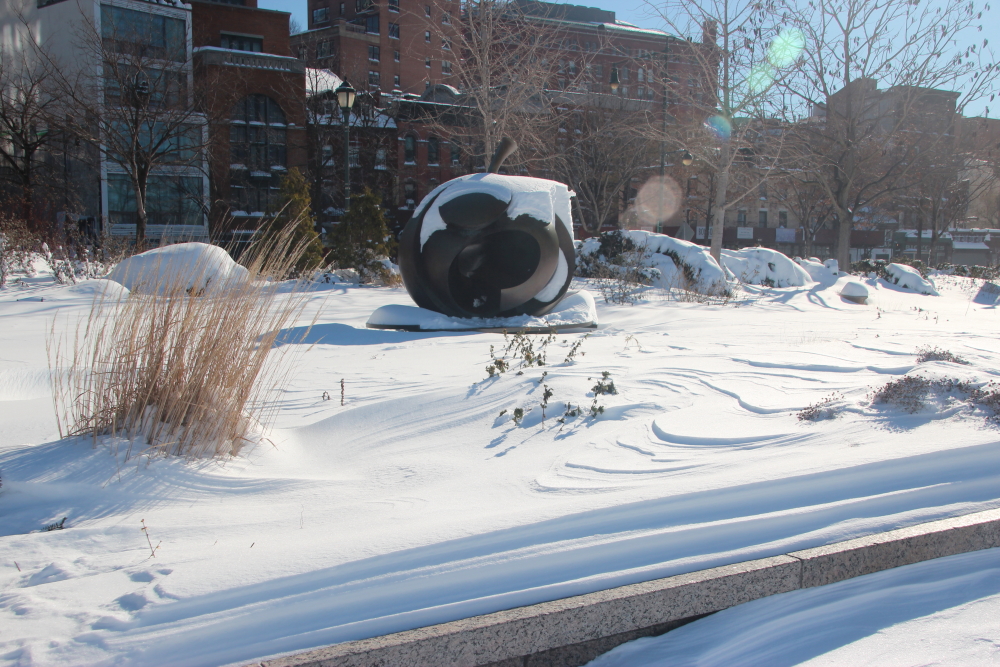
West Village
* an ongoing series of quotations – mostly from artists, to artists – that offers wisdom, inspiration, and advice for the sometimes lonely road we are on.
Part of what makes snowfall in a city magical is the way that muted sound and the sight of buildings and cars draped in whiteness go together. If we’re not too worried about missing appointments, we feel the excitement of moving into a new place where none of the old clutter and racket of our lives has arrived.
In Pursuit of Silence: Listening for Meaning in a World of Noise by George Prochnik
Comments are welcome!
Pearls from artists* # 182

Hudson Yards, NYC
* an ongoing series of quotations – mostly from artists, to artists – that offers wisdom, inspiration, and advice for the sometimes lonely road we are on.
Maybe you know exactly what you dream of being. Or maybe you’re paralyzed because you have no idea what your passion is. The truth is, it doesn’t matter. You don’t have to know. You just have to keep moving forward. You just have to keep doing something, seizing the next opportunity, staying open to trying something new. It doesn’t have to fit your vision of the perfect job or the perfect life. Perfect is boring, and dreams are not real. Just… DO. You think, “I wish I could travel” – you sell your crappy car and buy a ticket and go to Bangkok right now. I’m serious. You say, “I want to be a writer” – guess what? A writer is someone who writes every day. Start writing. Or: You don’t have a job? Get one. ANY JOB. Don’t sit at home waiting for the magical dream opportunity. Who are you? Prince William? No. Get a job. Work. Do until you can do something else.
Commencement address to Dartmouth College, Shonda Rhimes in Year of Yes: How to Dance It Out, Stand in the Sun and Be Your Own Person
Comments are welcome!
Q: What is the one painting that you never want to sell?

“No Cure for Insomnia,” pastel on sandpaper, 58″ x 38″
A: There are two: “Myth Meets Dream” and “No Cure for Insomnia.” Both are part of my “Domestic Threats” series and were breakthroughs at the time I made them. They are relatively early works – the first from 1993, the latter from 1999 – and were important in my artistic development.
“Myth Meets Dream” is the earliest pastel painting in which I depict Mexican figures. It includes two brightly painted, carved wooden animals from Oaxaca sent to me in 1992 by my sister-in-law. I have spoken about them before. These figures were the beginning of my ongoing fascination with Mexico.
“No Cure for Insomnia” includes a rare self-portrait and is set in my late aunt’s sixth-floor walkup on West 13th Street, where I lived when I moved to New York in 1997. My four years there were very productive.
Comments are welcome!
Pearls from artists* # 181

“Epiphany,” soft pastel on sandpaper, 38″ x 58″
* an ongoing series of quotations – mostly from artists, to artists – that offers wisdom, inspiration, and advice for the sometimes lonely road we are on.
It takes courage to face the unfamiliar, to espouse the different; courage to fight one’s own prejudices only less than those of others. Was it not a little child who first dared call the emperor naked? It took great fortitude for Kepler to adhere to his new notion of infinity (as the second focus of a parabola), for, as he said, “The idea seems absurd, but I can find no flaw in it”; just as it did for Galileo to murmur among his inquisitors, “Yet the world does move.” Most of us will never achieve great imaginative insights; we might at least attempt to be tolerant of those offered by others.
The Biological Basis of Imagination by R.W. Gerard in The Creative Process edited by Brewster Ghiselin
Comments are welcome!
Q: What’s on the easel today?
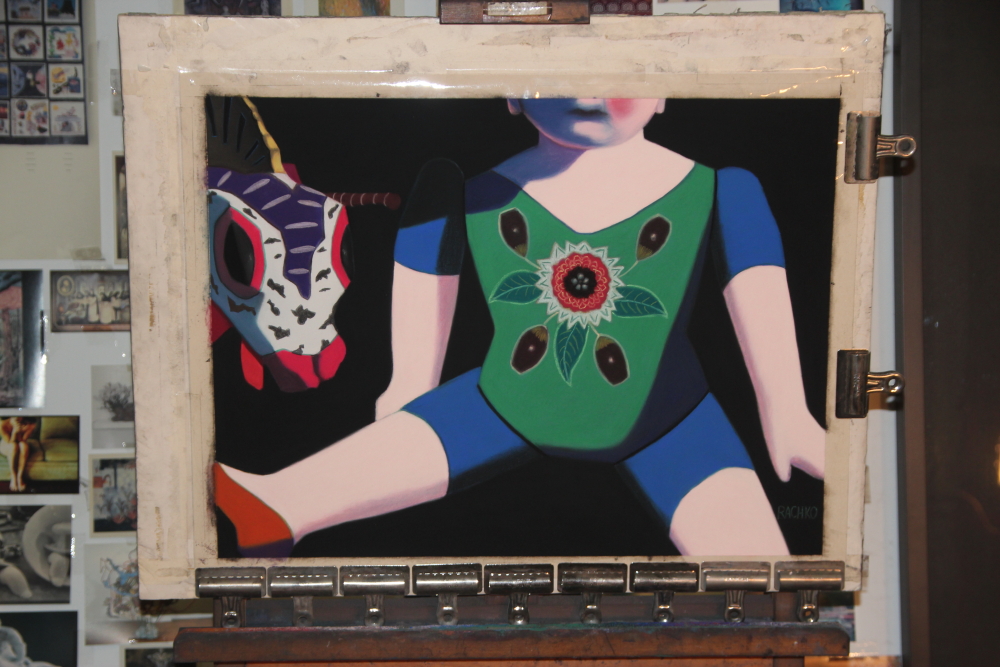
“Alone Together,” soft pastel on sandpaper, 20″ x 26″
A: I am putting finishing touches on a 20″ x 26″ pastel painting called, “Alone Together.”
Comments are welcome!
Pearls from artists* # 180
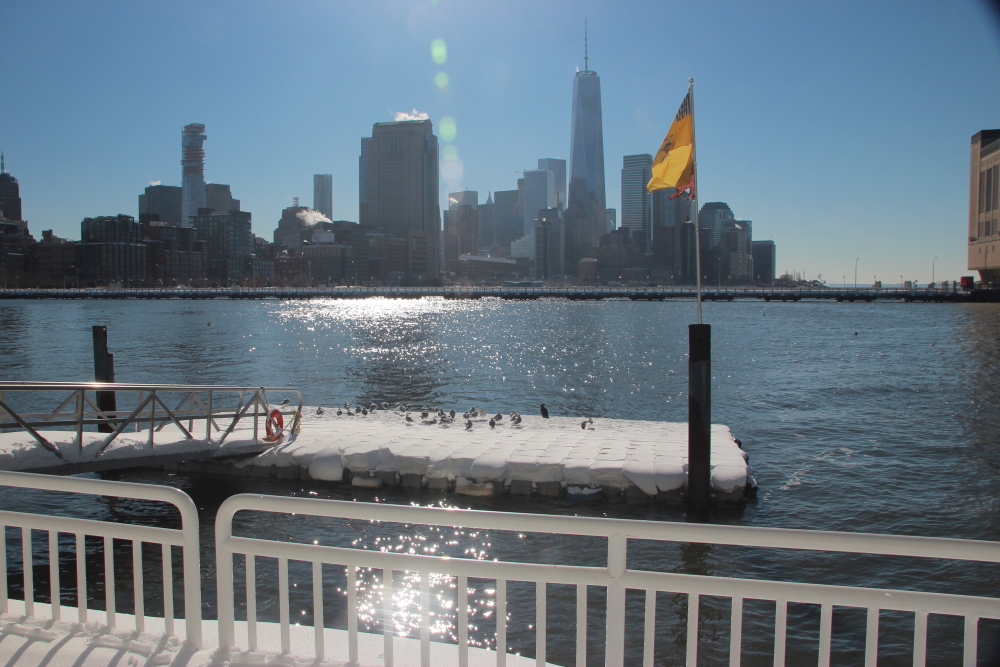
Lower Manhattan
* an ongoing series of quotations – mostly from artists, to artists – that offers wisdom, inspiration, and advice for the sometimes lonely road we are on.
We eat light, drink it in through our skins. With a little more exposure to light, you feel part of things physically. I like the power of light and space physically because then you can order it materially. Seeing is a very sensuous act – there’s a sweet deliciousness of feeling yourself feel something.
James Turrell in A Retrospective: James Turrell, Michael Govan and Christine Y. Kim
Comments are welcome!
Q: What do you think is an artist’s chief responsibility? Do you personally feel a responsibility to society?
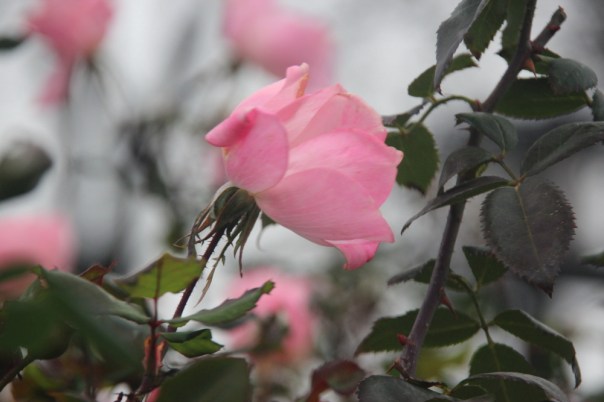
Winter roses
A: All serious artists have the responsibility of developing our unique and special gifts to the best of our abilities and sharing our creative output with an appreciative audience. In other words we do good work and then we educate, and often create, the audience for it. This is the demanding, all-important task that gets me out of bed every day.
In showing what is possible artists cannot help but create a better society. Ours is essential work.
Comments are welcome!
Pearls from artists* # 179
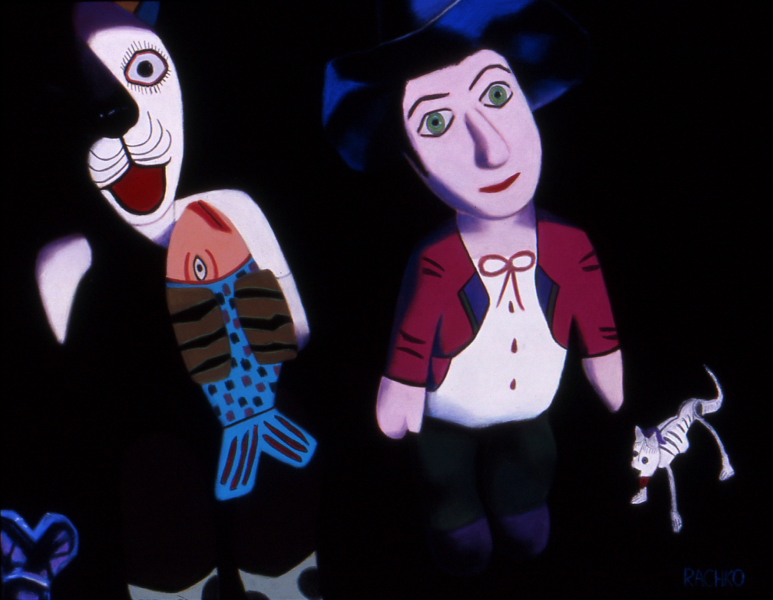
“Offering,” soft pastel on sandpaper, 20″ x 26″
* an ongoing series of quotations – mostly from artists, to artists – that offers wisdom, inspiration, and advice for the sometimes lonely road we are on.
Michael Kimmelman: You studied art in school. You started collecting early.
David Bowie: Yeah, I collected very early on. I have a couple of Tintorettos, which I’ve had for many, many years. I have a Rubens. Art was, seriously, the only thing I’ve ever wanted to own. It has always been for me a stable nourishment. I use it. It can change the way that I feel in the mornings. The same work can change me in different ways, depending on what I’m going through. For instance, somebody I like very much is Frank Auerbach. I think there are some mornings that if we hit each other a certain way – myself and a portrait by Auerbach – the work can magnify the kind of depression I’m going through. It will give spiritual weight to the angst. Some mornings I’ll look at it and go: “Oh, God, Yeah! I know!” But that same painting, on a different day, can produce in me the incredible feeling of the triumph of trying to express myself as an artist. I can look at it and say: “My God, Yeah! I want to sound like that looks.”
“At Heart an Artist with Many Muses,” by Michael Kimmelman, The New York Times, Friday, January 15, 2016
Comments are welcome!
Q: How many pastel paintings do you have in progress now?
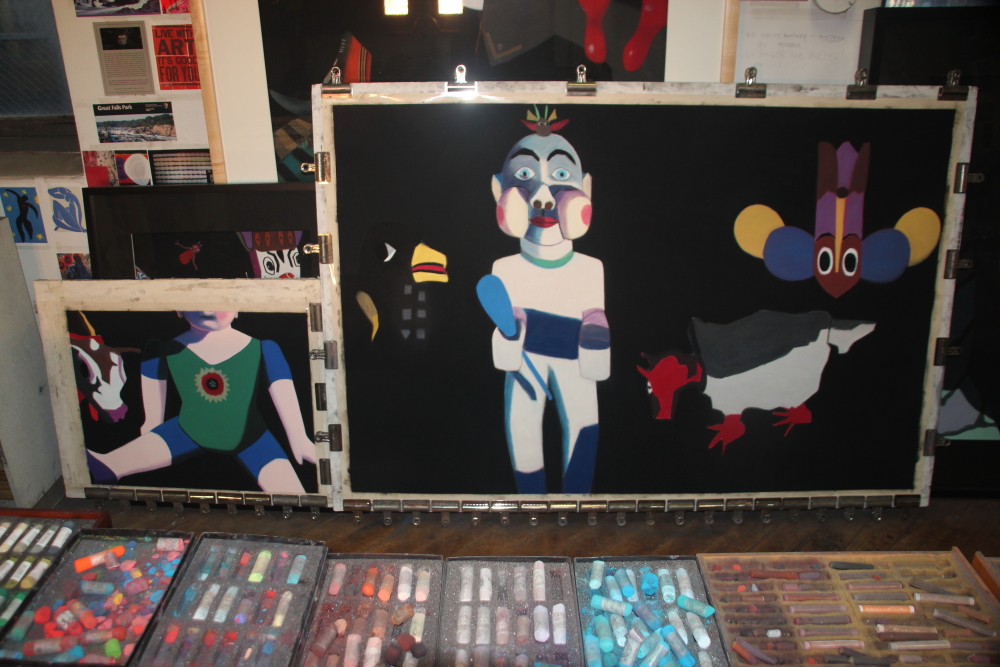
Work in progress
A: Making pastel-on-sandpaper paintings is a slow and meticulous process. I work full-time in my studio so that in a good year I can produce five finished pieces. Typically two are in progress at a time so that I can switch off when problems develop.
A downside to looking at a painting for months is that there comes a point when I can’t see the flaws any more. Then it’s definitely time to take a break.
When I put a painting that has been resting back onto my easel, I see it with fresh eyes again. Areas that need work immediately stand out. Problem areas become easily resolvable because I have continued to think about them while the painting was out of my sight.
Comments are welcome!
Pearls from artists* 178
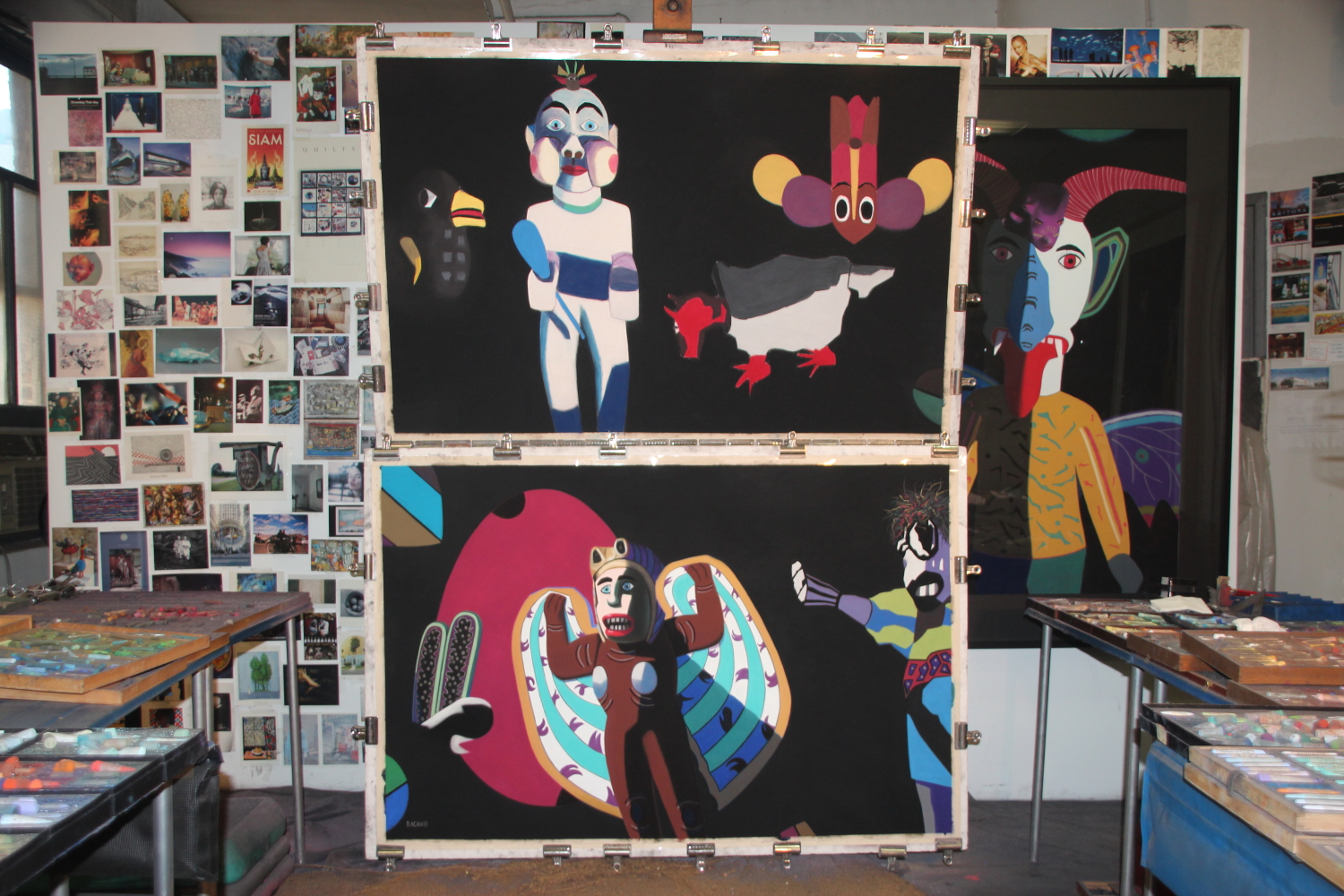
Barbara’s studio with recent works in progress
* an ongoing series of quotations – mostly from artists, to artists – that offers wisdom, inspiration, and advice for the sometimes lonely road we are on.
Most individuals have never had enough time, and they’ve never had enough resources, and they’ve never had enough support or patronage or reward… and yet they still persist in creating. They persist because they care. They persist because they are called to be makers, by any means necessary.
…The essential ingredients for creativity remain exactly the same for everybody: courage, enchantment, permission, persistence, trust – and those elements are universally accessible. Which does not mean that creative living is always easy; it merely means that creative living is always possible.
Elizabeth Gilbert in Big Magic: Creative Living Beyond Fear
Comments are welcome!


 barbararachkoscoloreddust.com