Blog Archives
Q: How would you describe your personal artistic style?
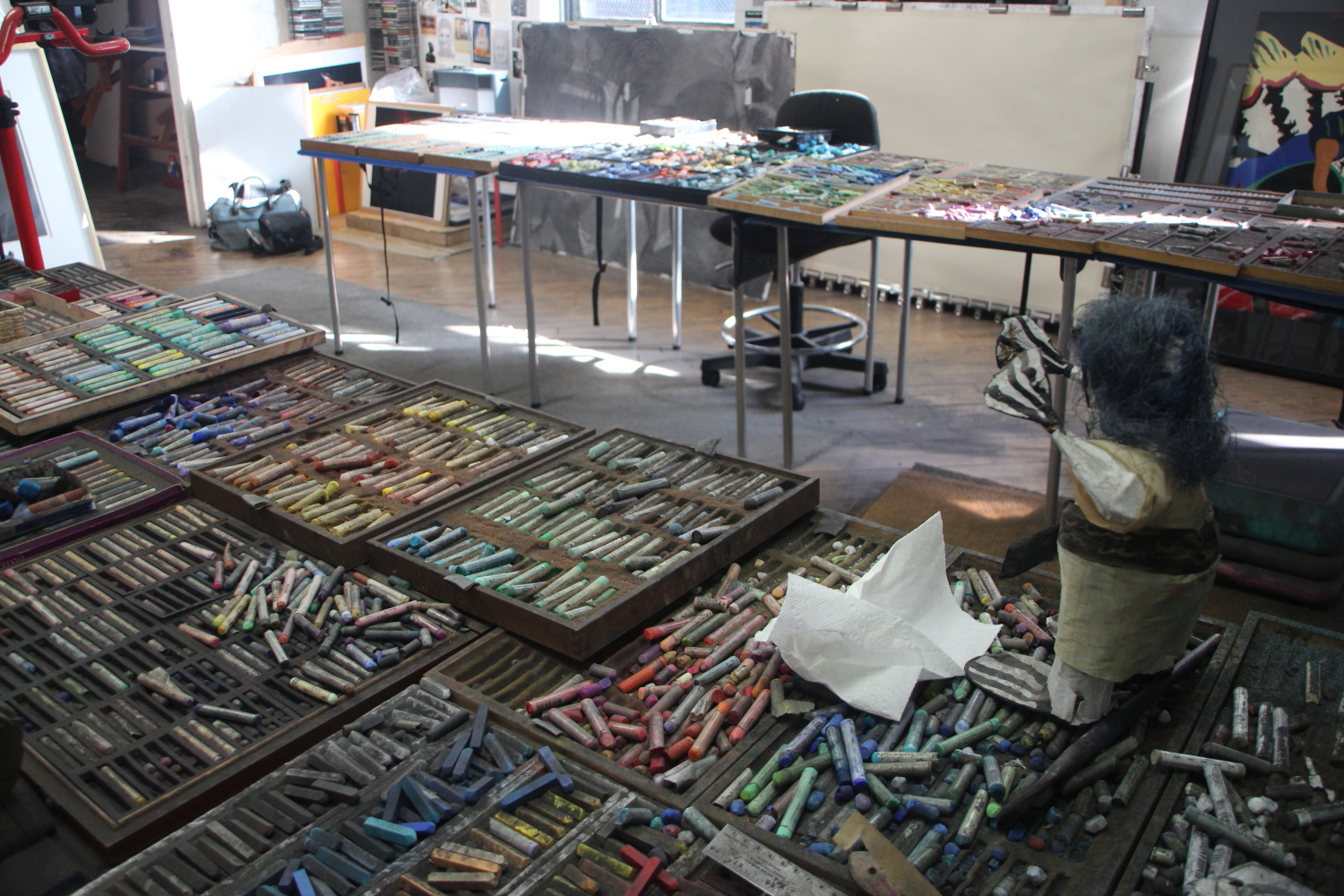
Barbara’a pastels
A: Regardless of what medium I am using, I am first and foremost a colorist. Everything I create is vibrant with color.
The Navy taught me to be organized, goal-oriented and focused, to love challenges, and in everything I do, to pay attention to the details. Trying to make it as an artist in New York is nothing BUT challenges, so these qualities serve me well, whether I am creating paintings, shooting and making photographs, or trying to understand the art business, keep up with social media, and manage all the tasks required of a busy artist with a New York studio, a business, and two residences to maintain. It’s a lot, but it forces me to continually learn and grow. As Helen Keller famously said, “Life is an adventure or it is nothing.”
These days I am rarely bored. I thoroughly enjoy spending long, solitary hours working to become a better artist. I am meticulous about craft and will not let work out of my studio until it is as good as I can make it. My creative process is more exciting than ever. It’s thrilling and energizing to continually push soft pastel to its limits and use it in ways that no other artist has done before!
Comments are welcome!
Q: Are there any other photographs from your trip to Sri Lanka that you’d like to share?
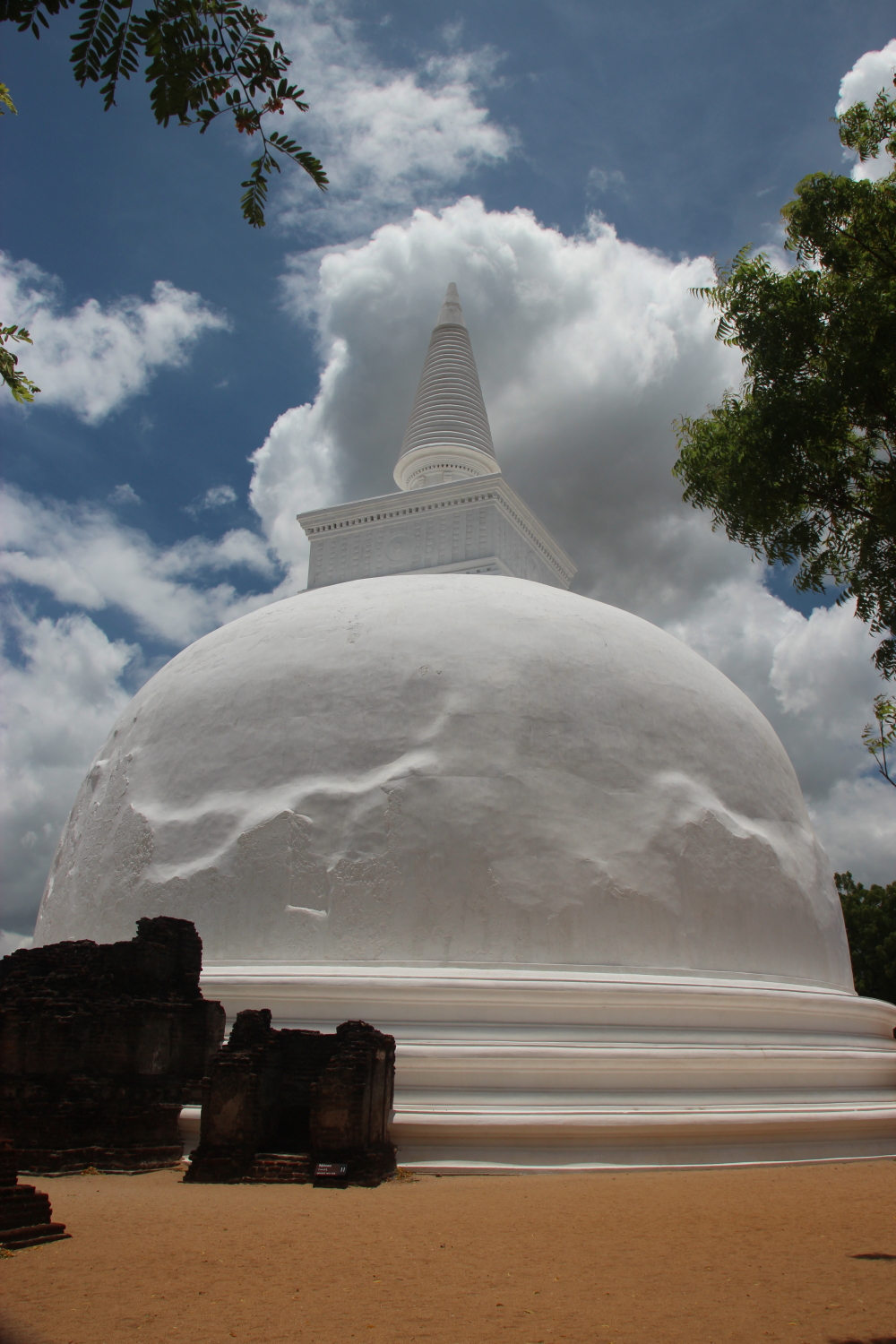
Stupa at Polunnaruwa
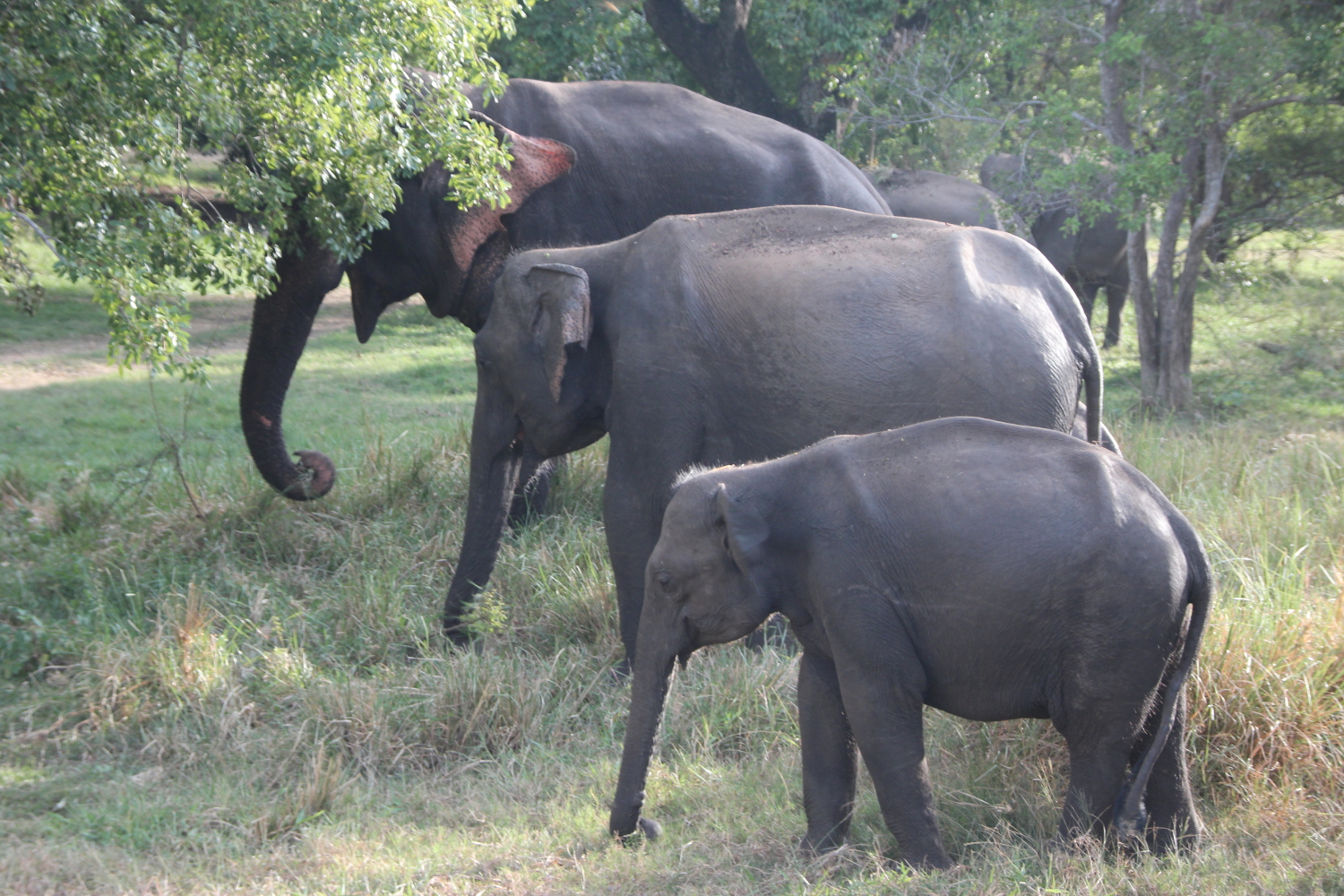
Elephant orphanage
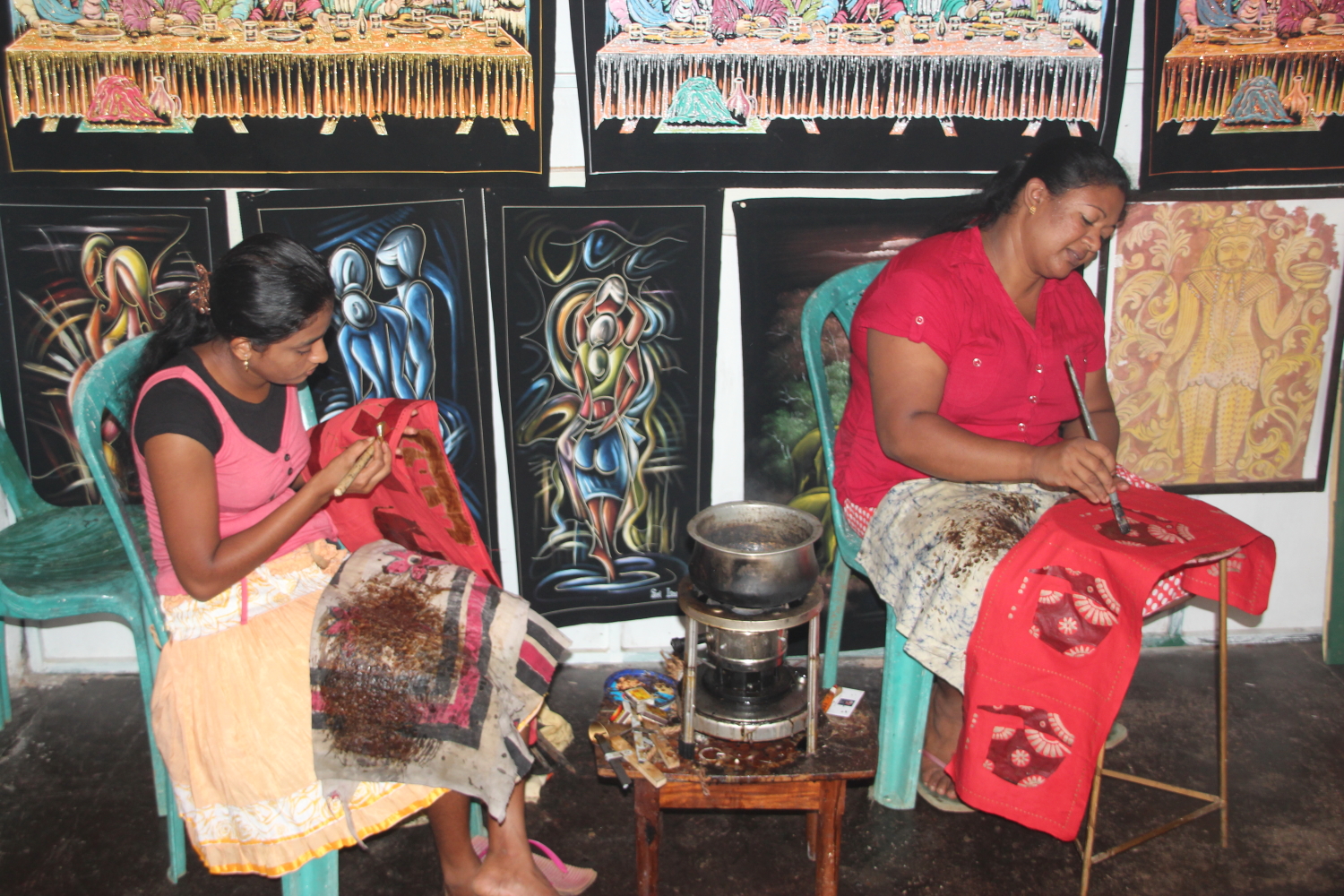
Batik artisans, Sigiriya village
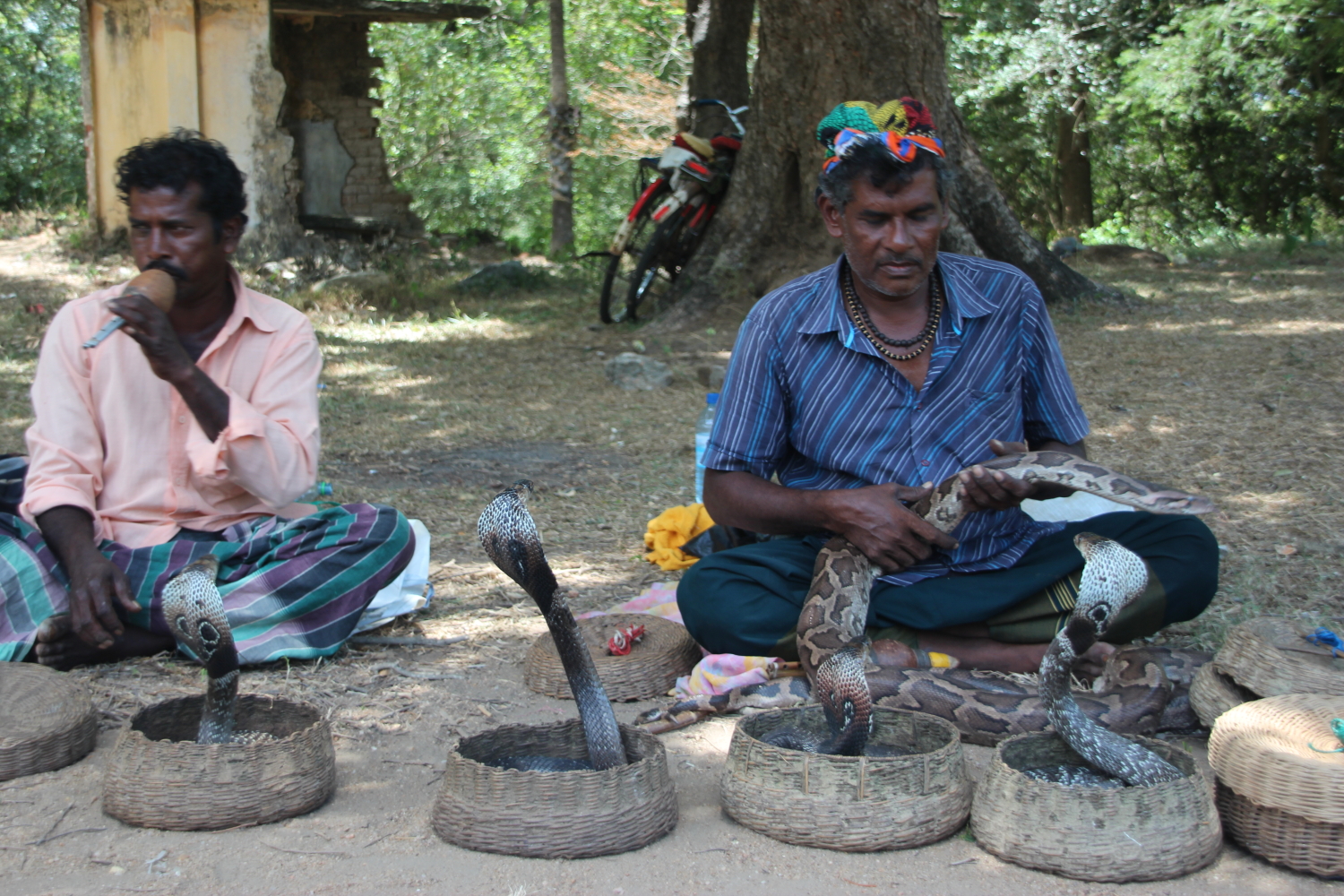
Cobras and handlers
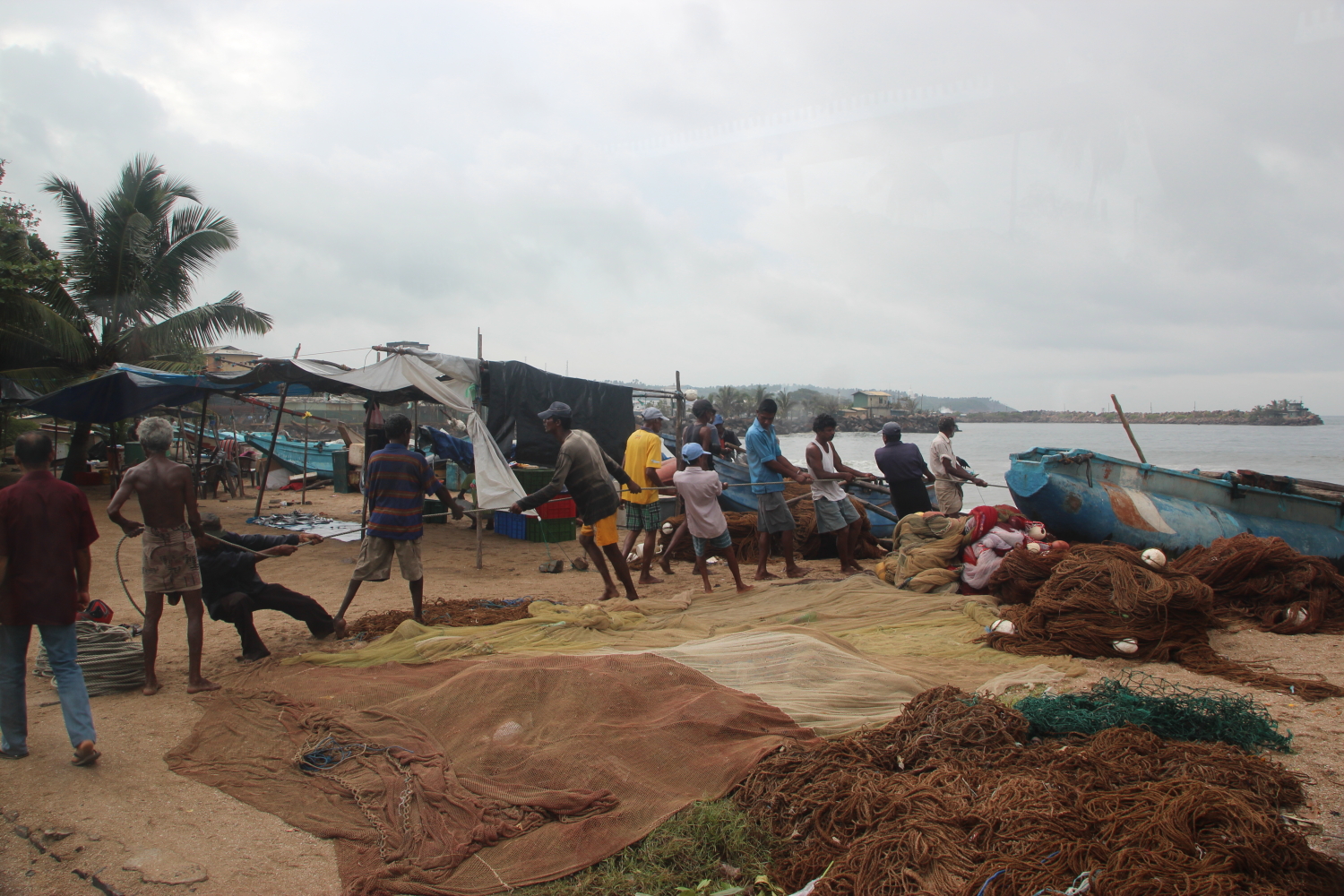
Hauling in the nets, Galle
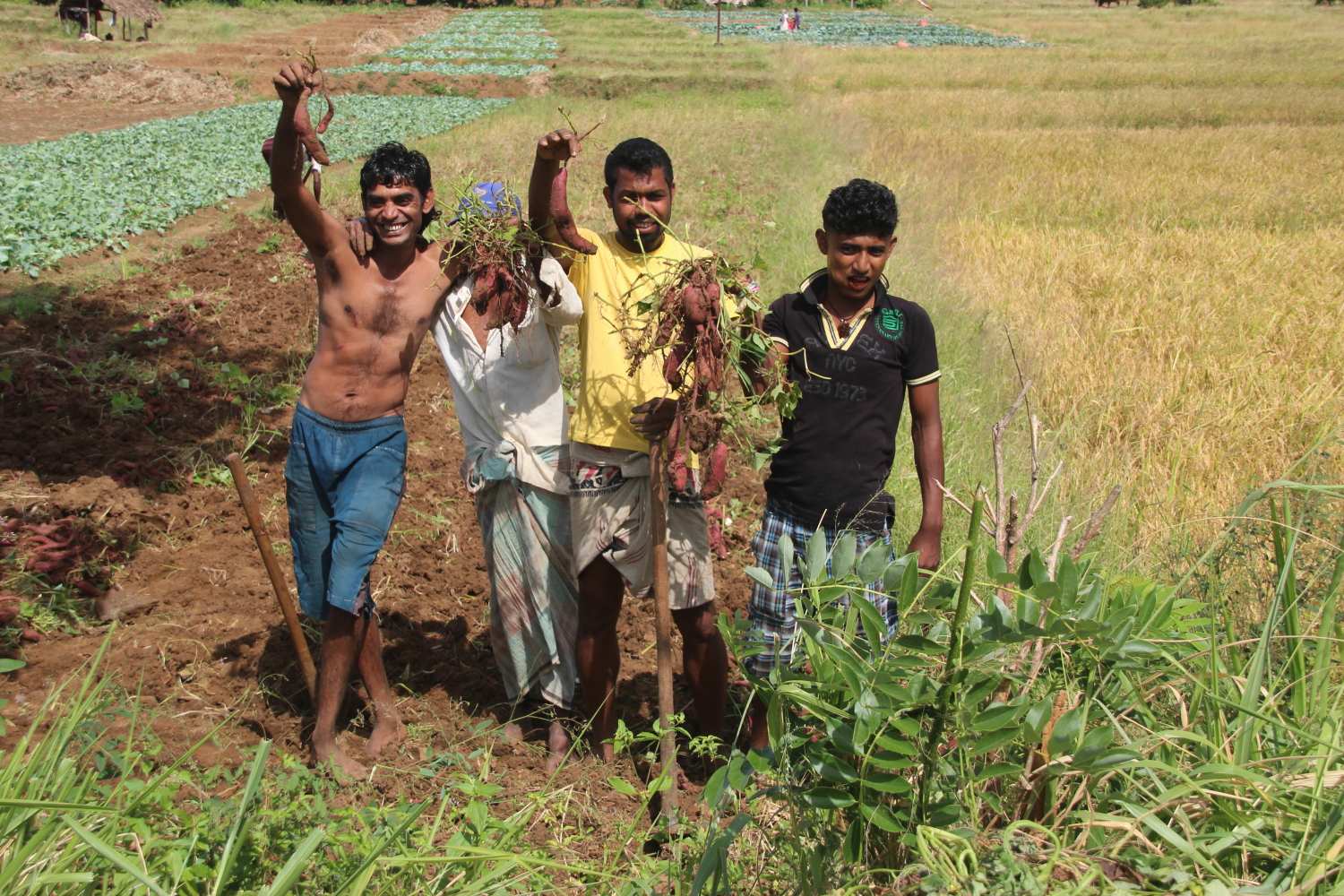
Showing off the radish harvest
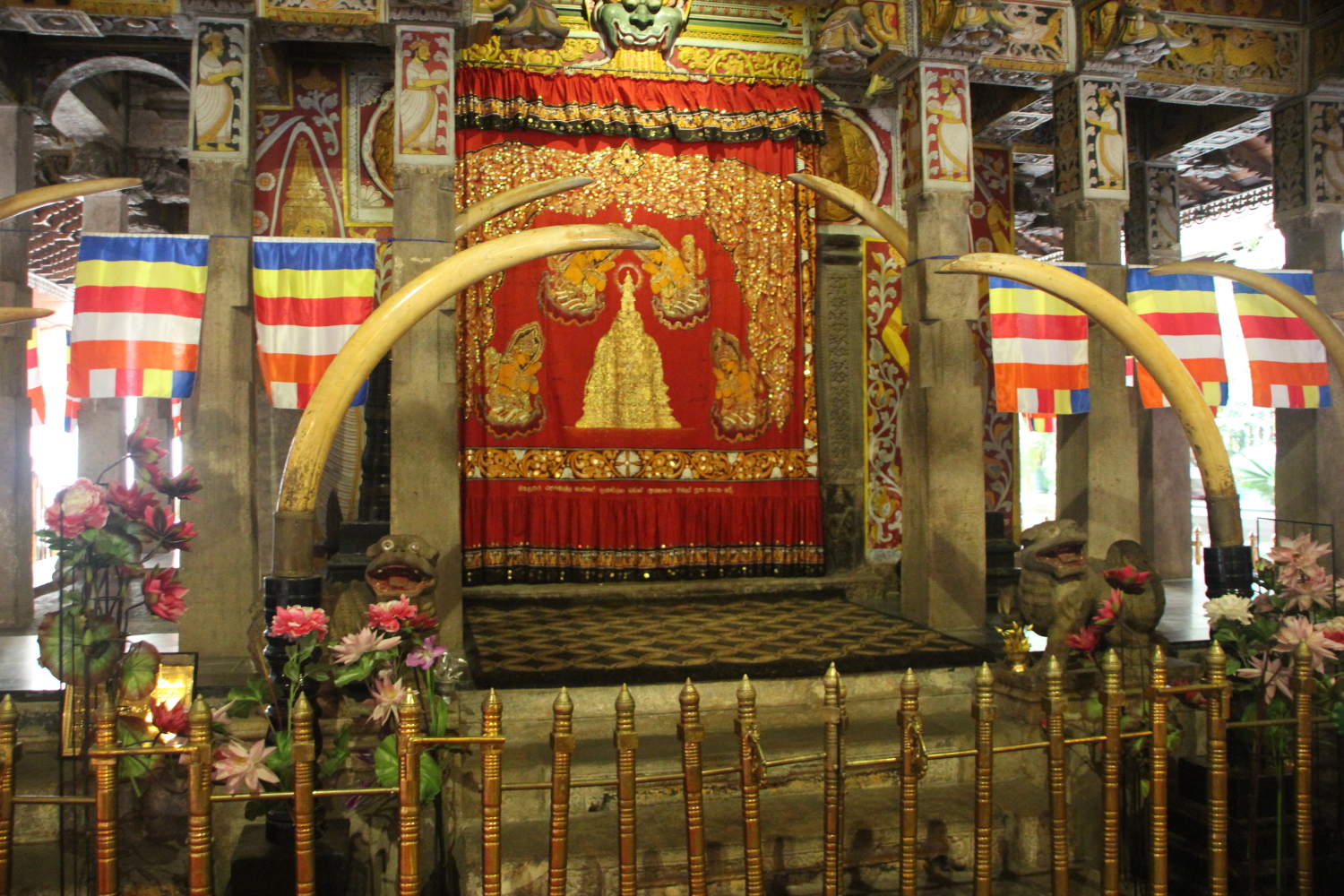
Temple of the Tooth, Kandy
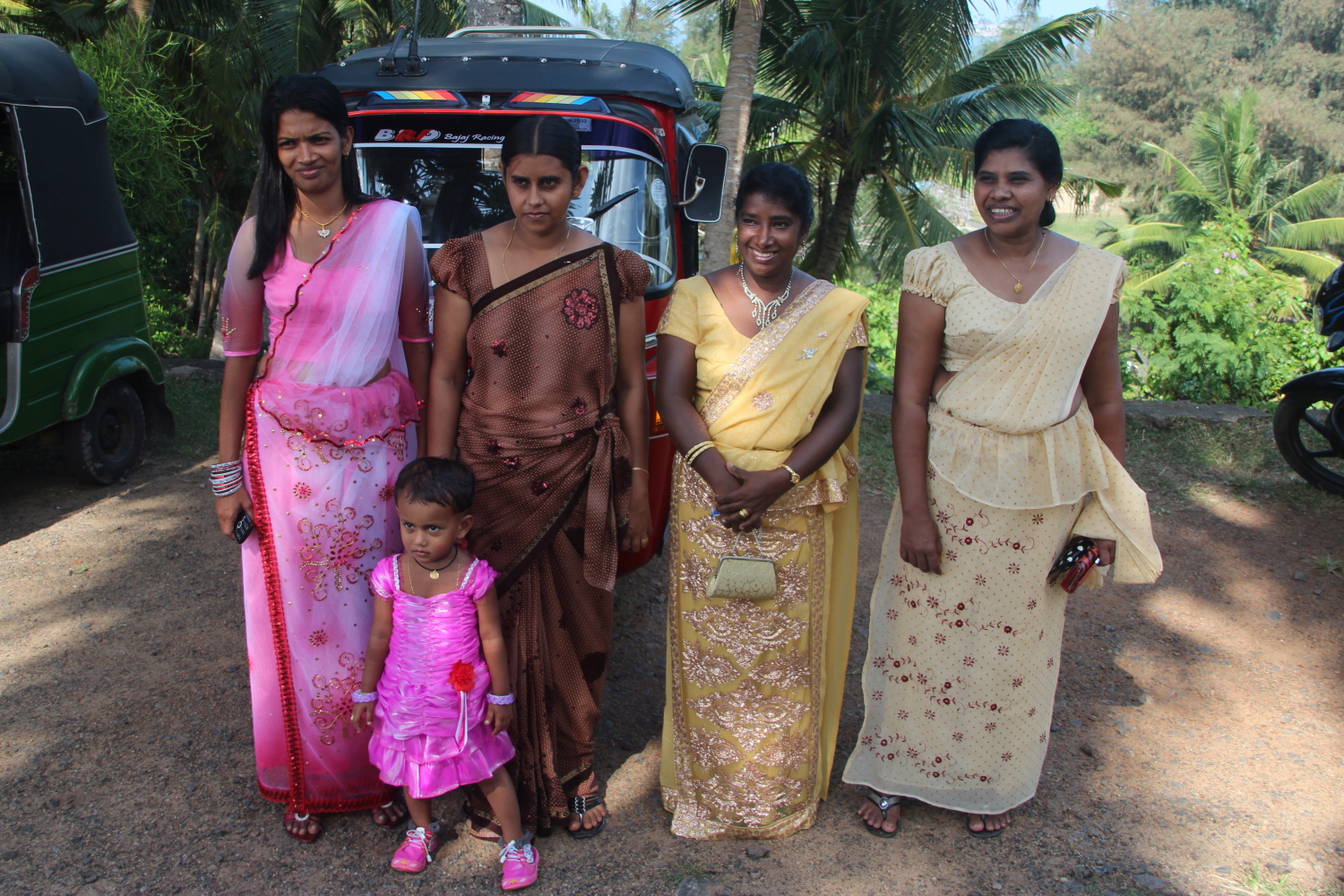
Wedding party, Galle
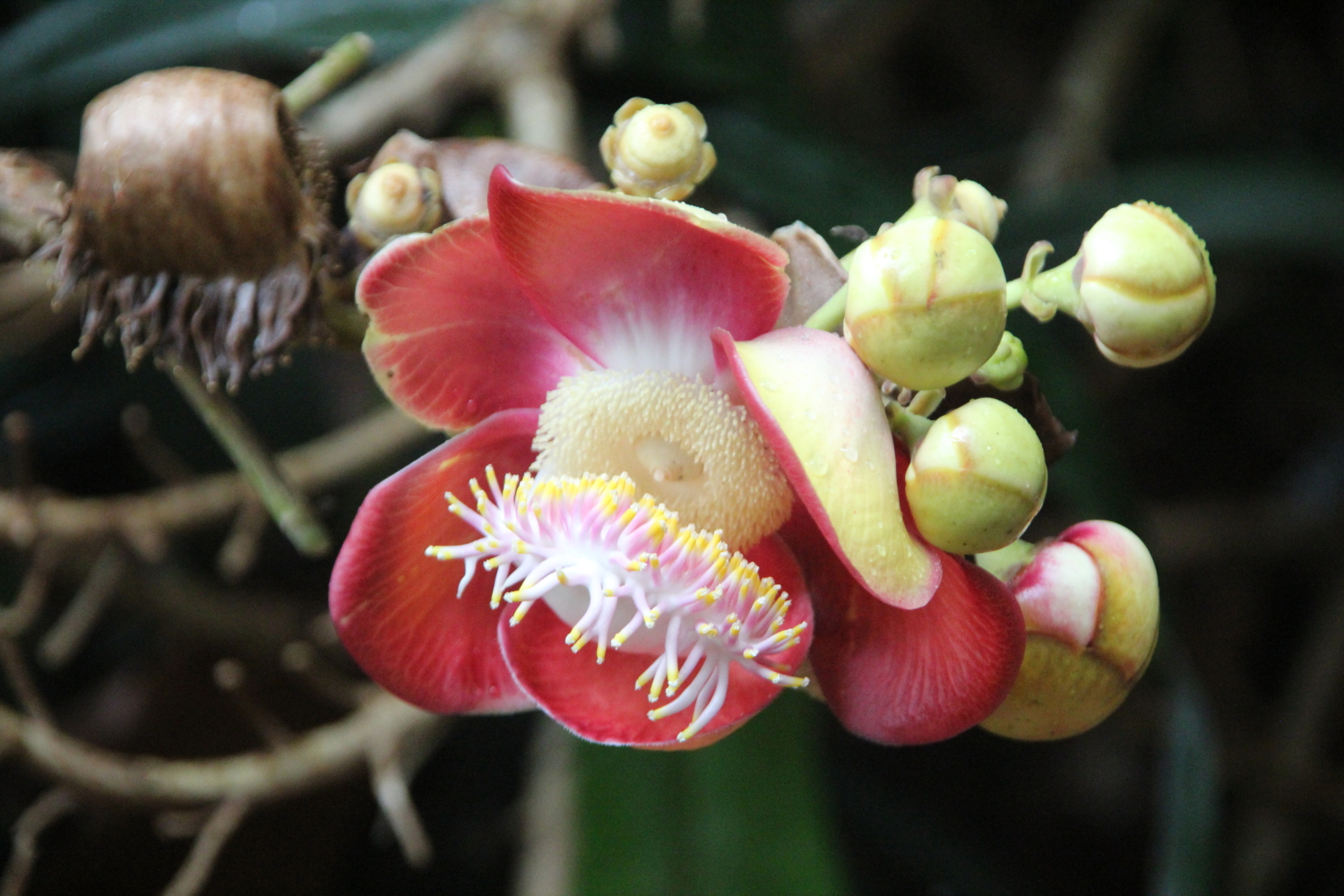
Couroupita guianensis
Q: Is there an overarching narrative in your photographs with Mexican and Guatemalan figures?
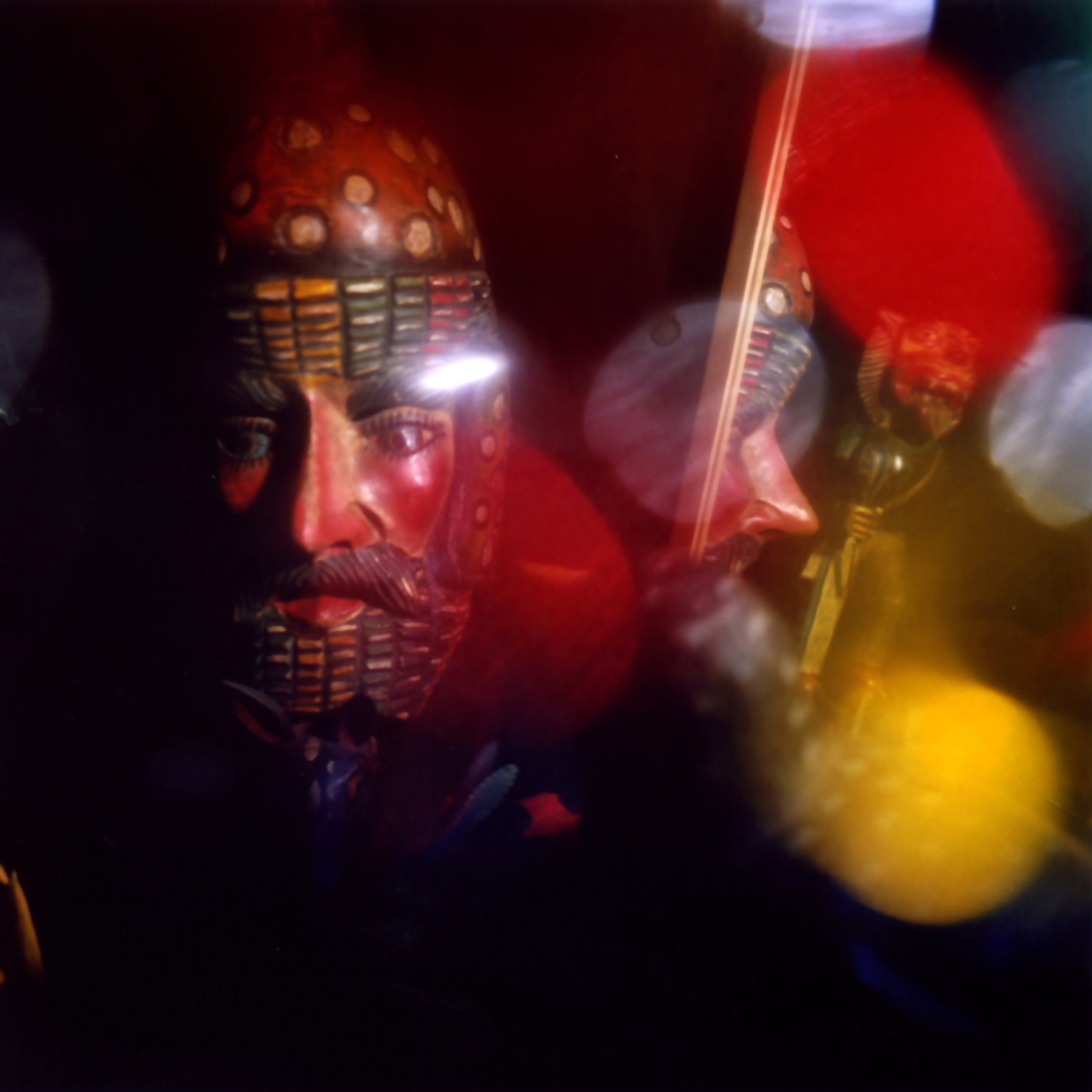
Untitled chromogenic print, 24″ x 24,” edition of 5
A: Maybe, but that’s something for the viewer to judge. I never specify exactly what my work is about for a couple of reasons: my thinking about the meaning of my work constantly evolves, plus I wouldn’t want to cut off other people’s interpretations. Everything is equally valid. I heard Annie Leibovitz interviewed some time ago on the radio. She said that after 40 years as a photographer, everything just gets richer. It doesn’t get easier, it just gets richer. I’ve been a painter for 27 years, a photographer for 11, and I agree completely. Creating this work is an endlessly fascinating intellectual journey. I realize that I am only one voice in a vast art world, but I hope that through the ongoing series of questions and answers on my blog, I am conveying some sense of how artists work and think.
Comments are welcome!
Q: Please speak about your background as a Naval officer and aviator and how that has informed your sensibility as an artist.
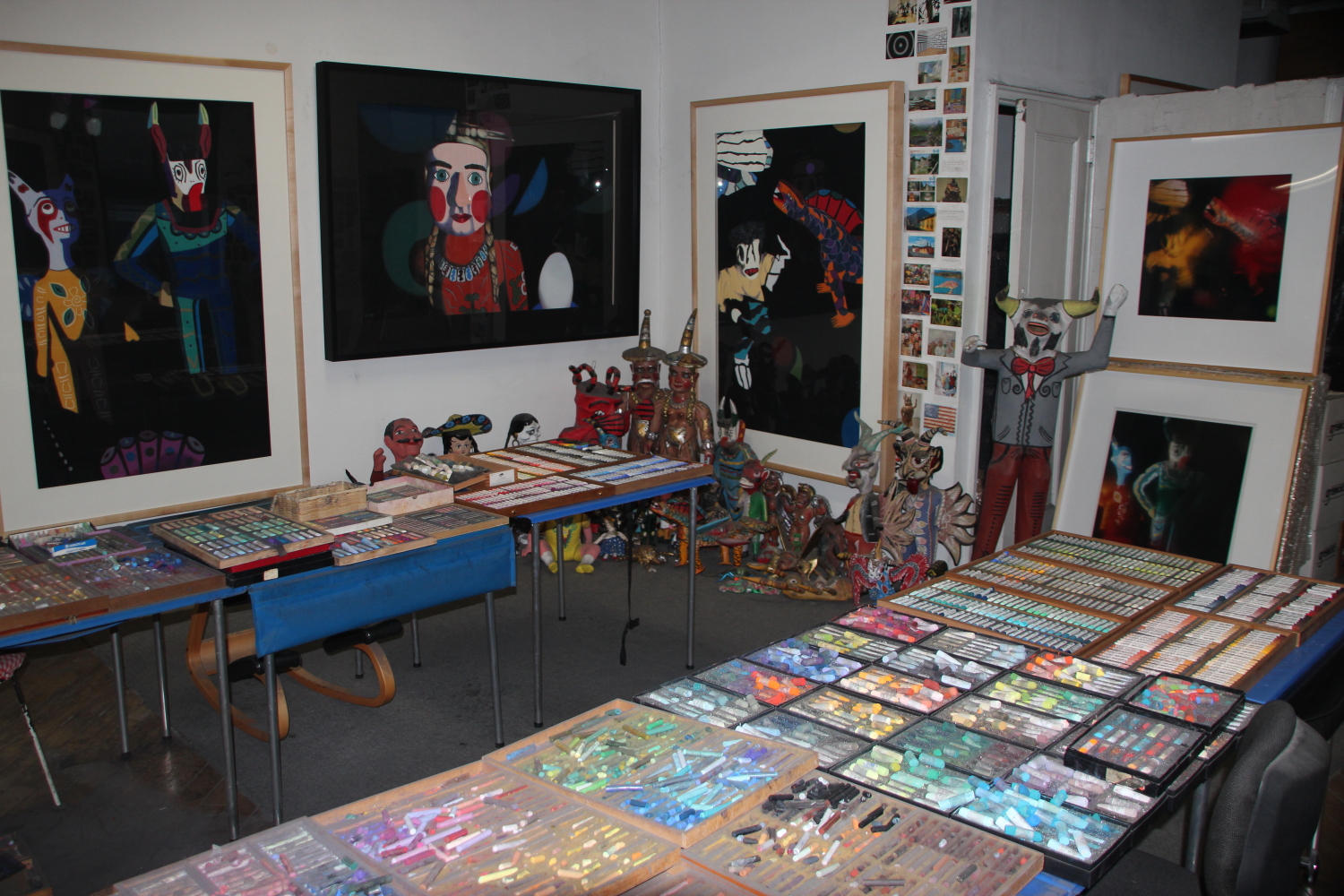
The studio yesterday
A: At the age of 25 I got my private pilot’s license before spending the next two years amassing thousands of hours of flight time as I earned every flying license and rating I could, ending with a Boeing-727 flight engineer certificate. I joined the Navy when I was 29. I used to think that the 7 years I spent on active duty were wasted – during those 7 years I should have been working on my art – but I see things differently now. The Navy taught me to be disciplined, to be goal-oriented and focused, to love challenges, and in everything I do, to pay attention to the details. Trying to make it as an artist in New York is nothing BUT challenges so these qualities serve me well, whether I’m creating paintings, shooting and printing photographs, or trying to understand the art business and keep up with social media. I enjoy spending long solitary hours working to become a better artist. I am meticulous about craft and will not let a work out of my studio or out of the darkroom until it is as good as I can make it.
Comments are welcome!
Q: Why the chromogenic process above all others?
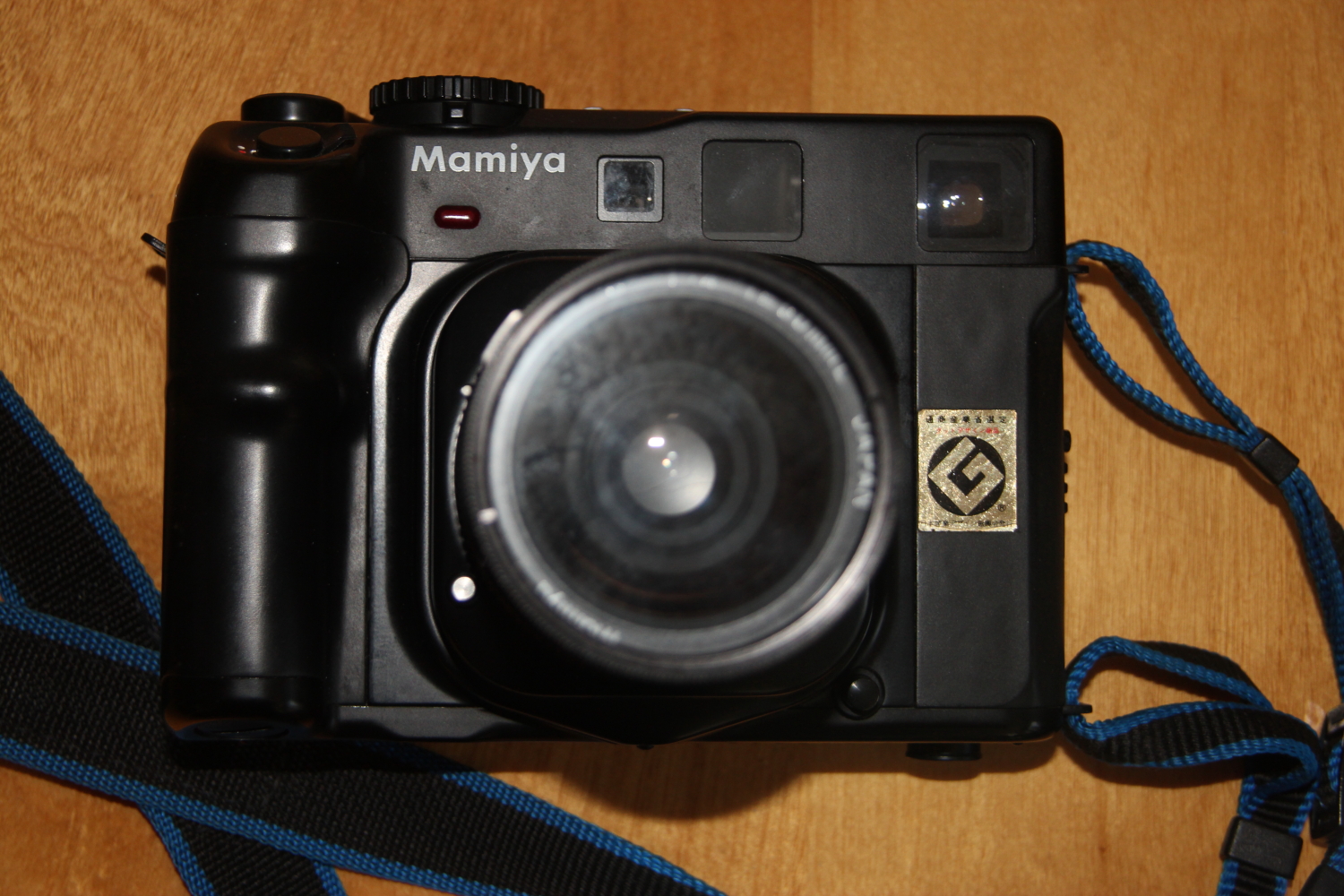
Mamiya 6 camera
A: First, the cameras that I inherited from Bryan in 2001 were all pre-digital film cameras. Second, I can make chromogenic prints myself, which cuts down on their production cost. Third, I love working with my hands and enjoy the process of making prints in a darkroom. Fourth, I make photographs on days that I don’t go to the studio. It’s a way to take a day off and still make art, a very productive use of my time. At the end of a darkroom session I have a new edition of 5 chromogenic prints, ready to spot and frame.
Comments are welcome.
Q: What makes you just want to run back to the studio and start something new?
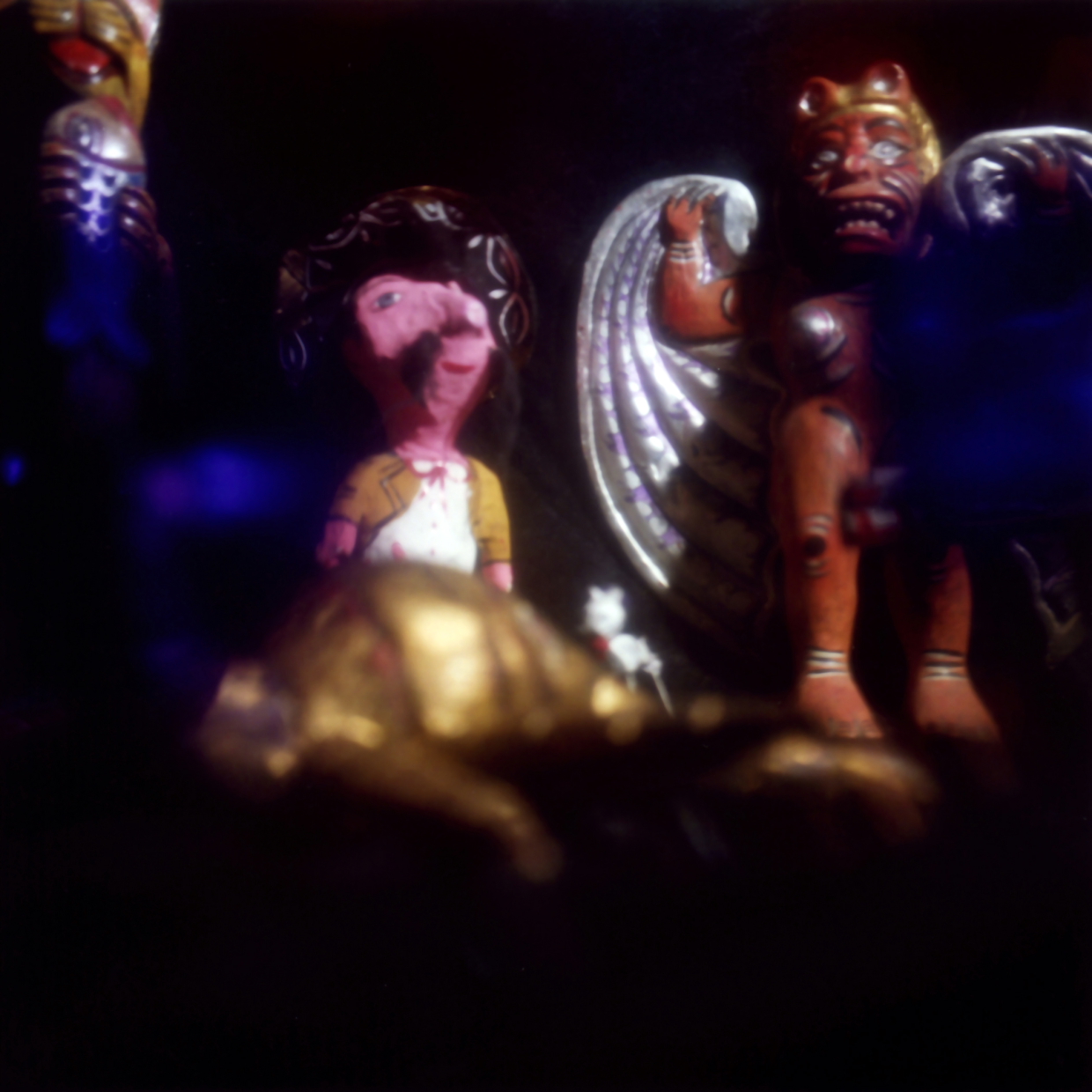
Untitled chromogenic print, 24″ x24″, edition of 5
A: I work in series, which means that one pastel painting generally leads into the next. Considerable thought goes into it before I ever begin, so it would be rare for me to just start something new out of nowhere. Sometimes after a day in the studio I run home to my apartment to set up a new photograph. I arrange a group of my Mexican and Guatemalan figures on a black cloth, light the scene, and when everything is just right, photograph it. I love the fact that I can come home, shoot a roll of film, and then have 24 new images – more bad than good, but still – the next day! It’s such a departure from the slowness of my work in the studio, considering that in a good year I make 6 pastel paintings.
Q: What did you buy in Bali to use in your work?
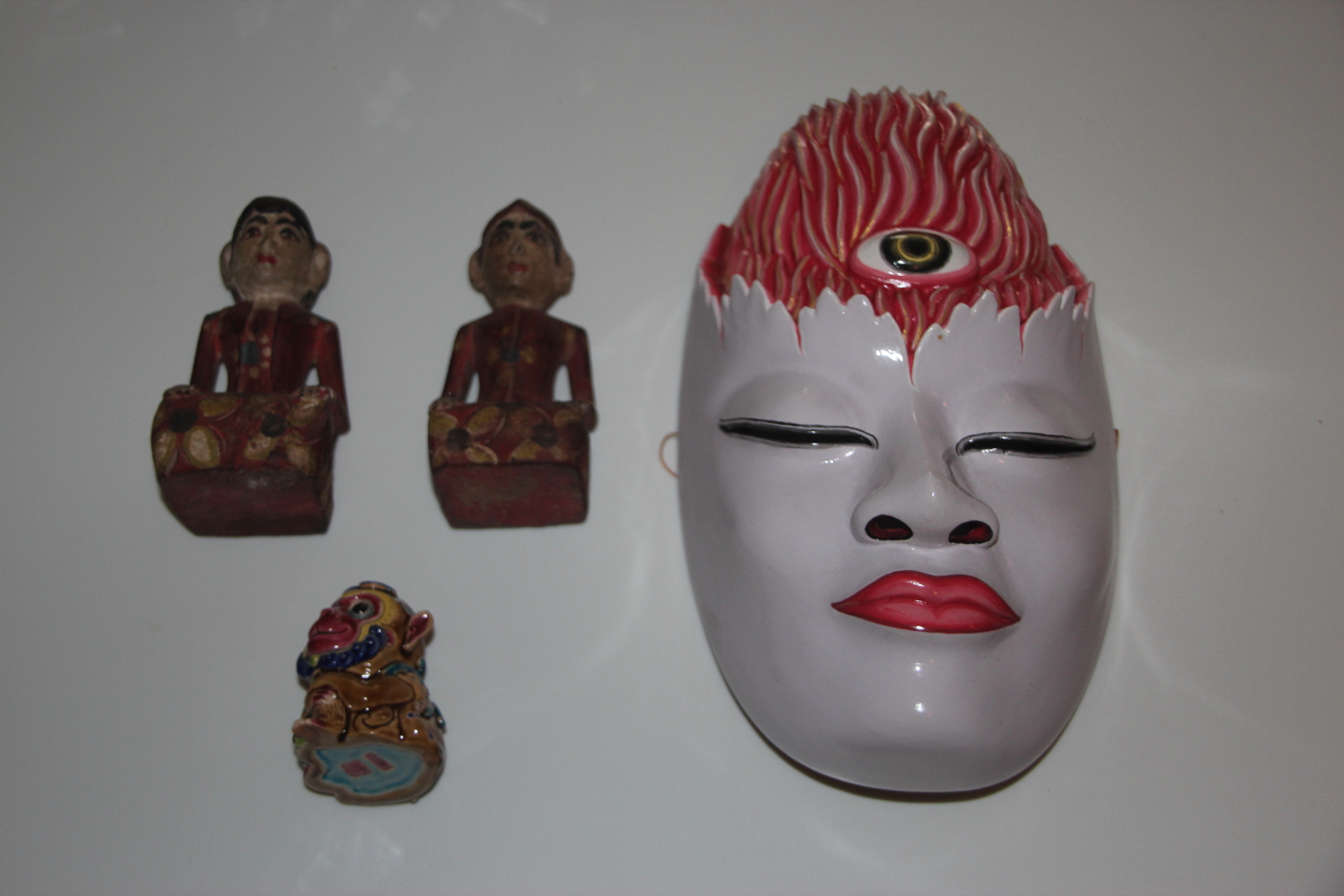
Objects from Bali and Taiwan
A: I bought a few small things: a mask, a carved wooden “wedding pair,” and a ceramic monkey (from a Taiwan airport shop) that will most likely be subject matter for future photographs and pastel paintings.
Q: Would you share a few more photos from your trip to Bali?
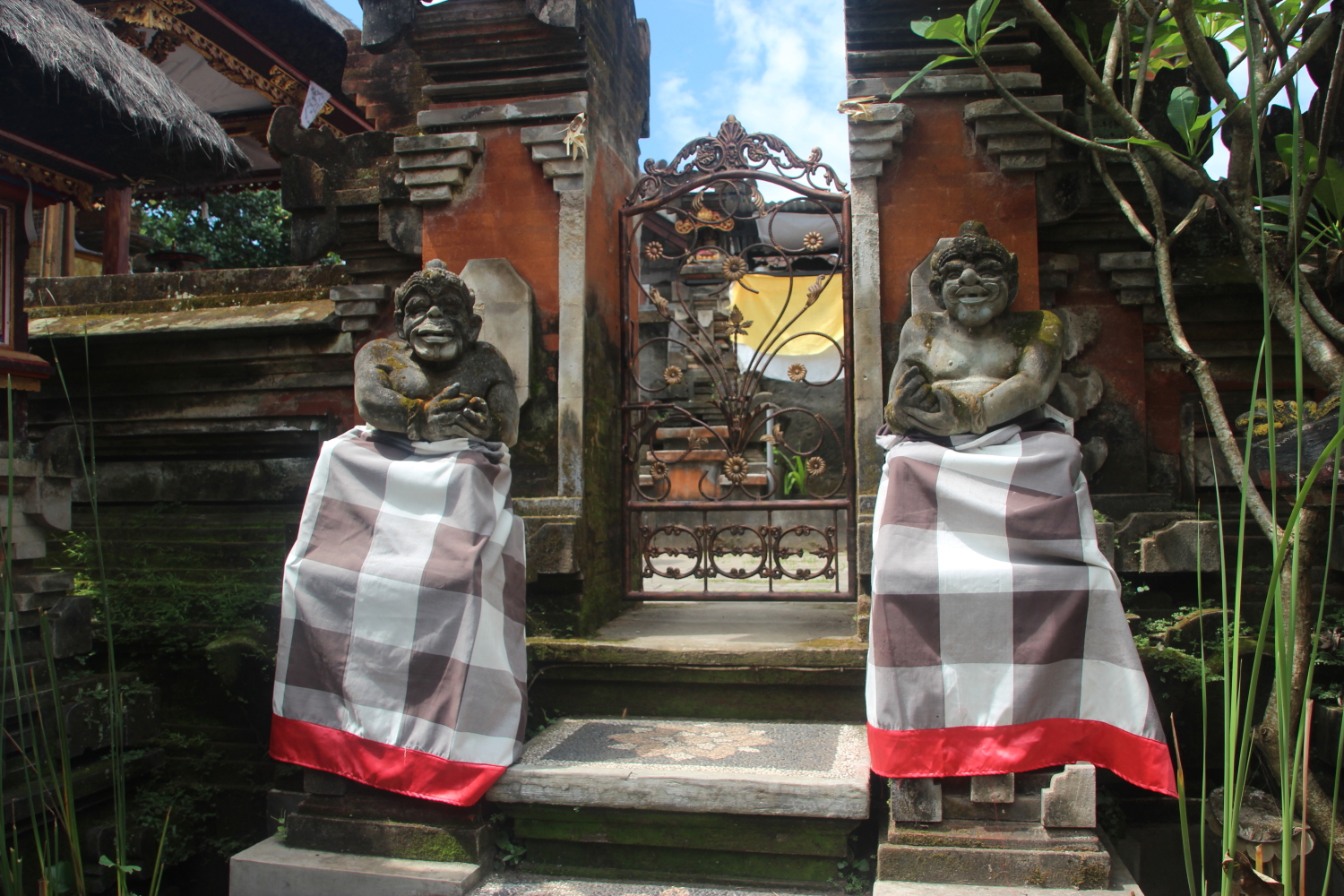
Temple entrance in a private house compound
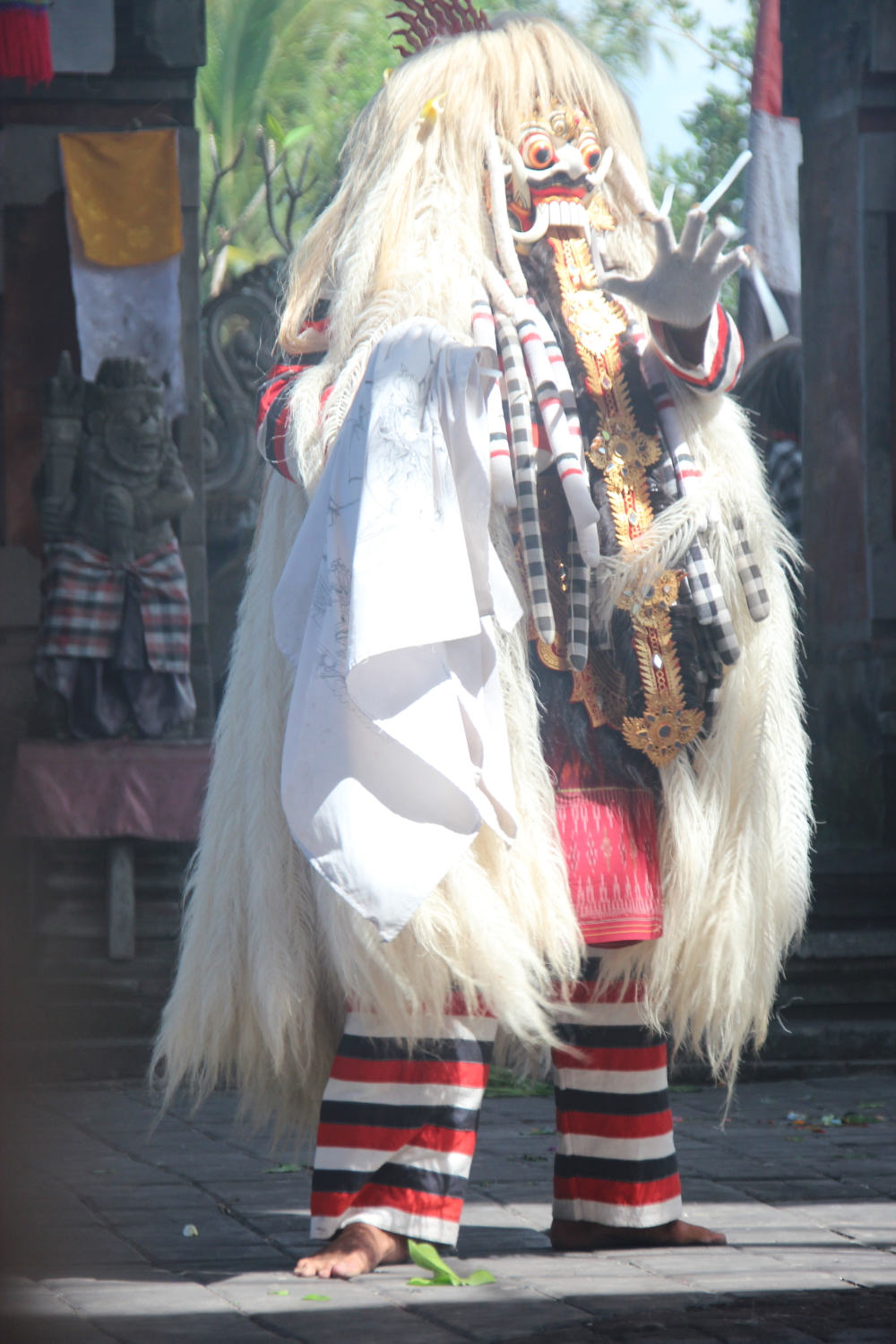
Barong dancer in Batabulan Village
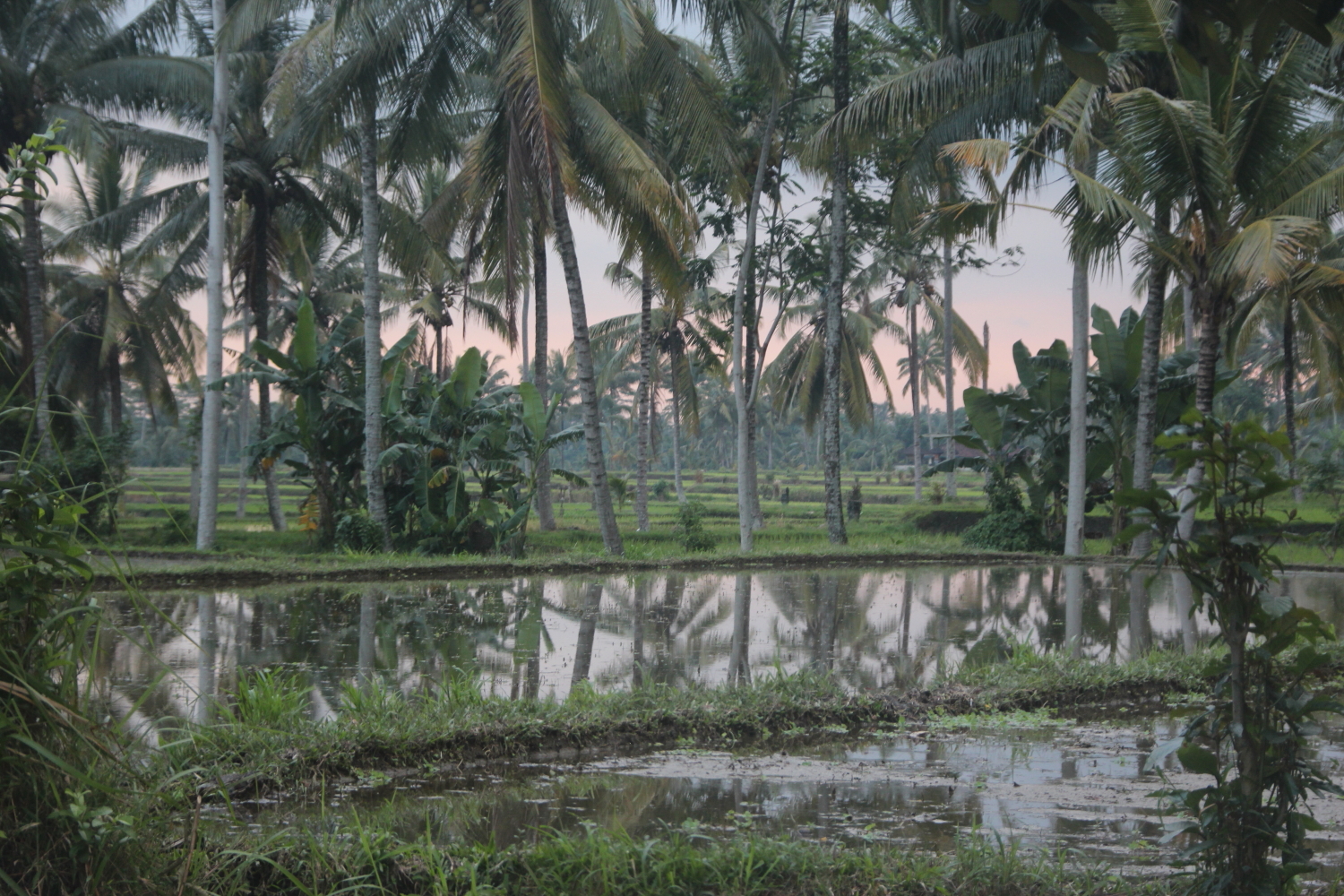
Rice paddies

Rinsing dye from double-ikat weavings in Tenganan

Kitchen
Q: I understand that you recently traveled to Bali. What did you see and do there?
A: Bali is such a fascinating place and I have so many great memories! I shot lots of photographs on this trip. Here are a few of my favorites.

A floating Hindu temple
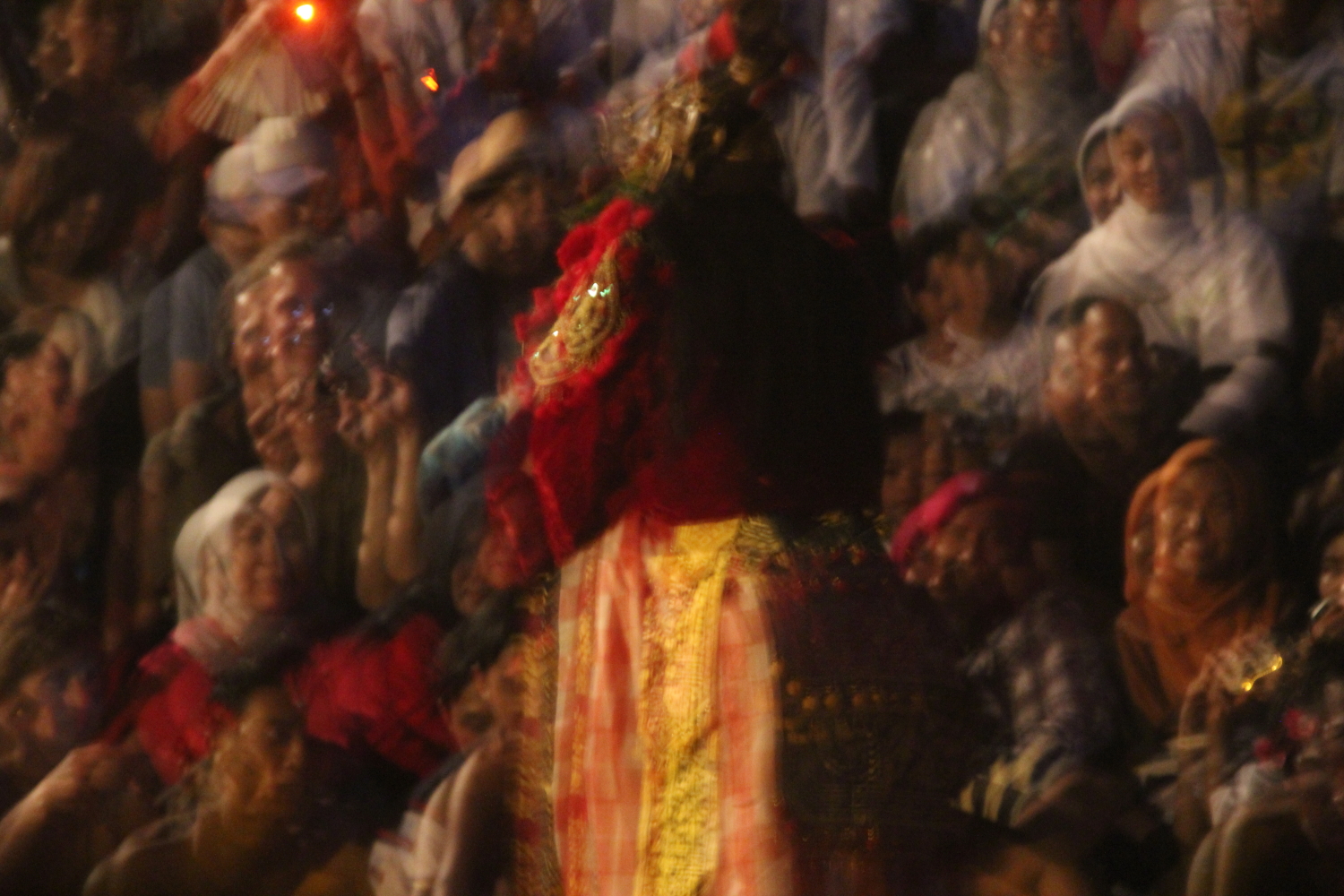
Kecak dance performance under the full moon in Uluwatu
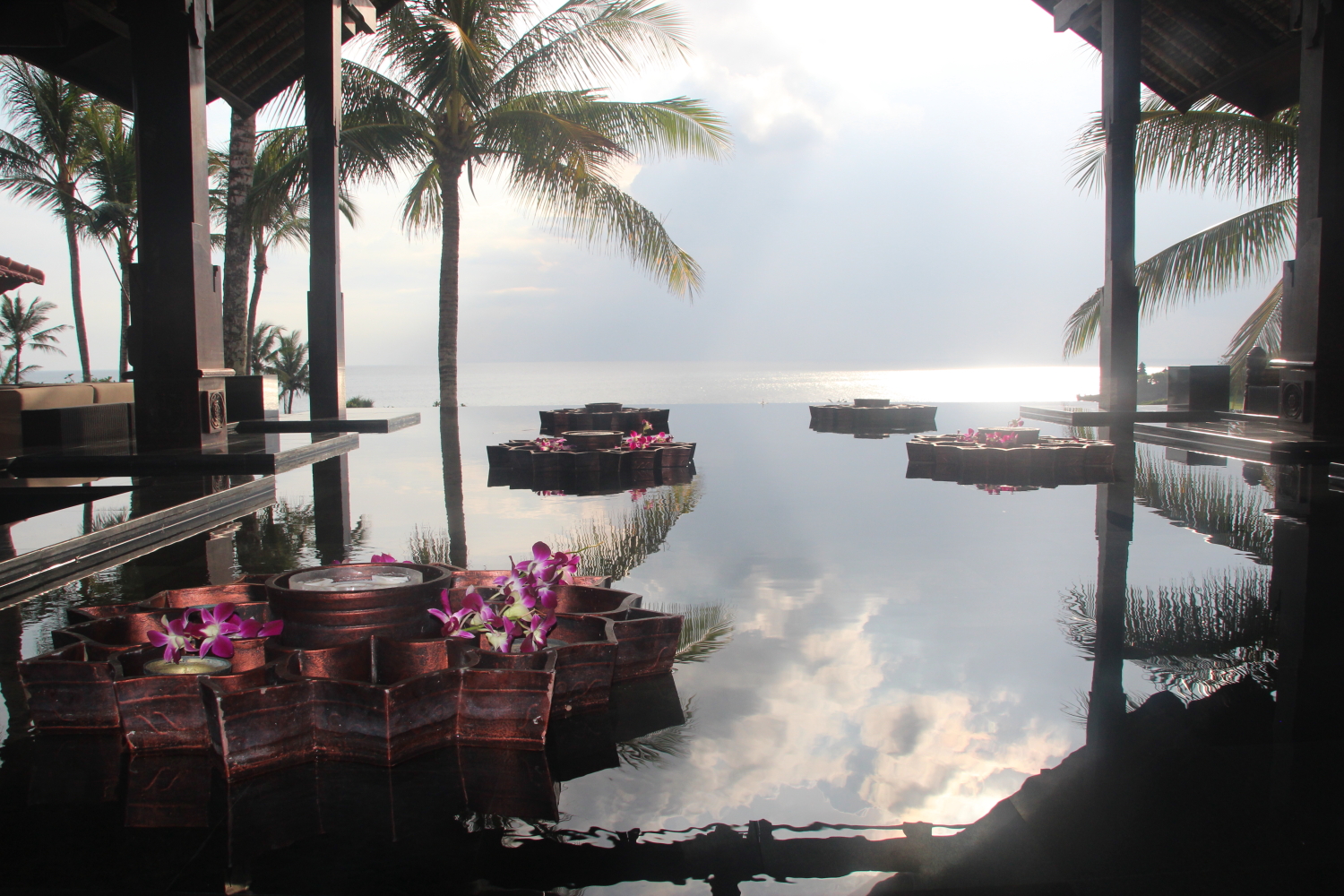
Hotel on the Indian Ocean in Tanah Lot

Boy in traditional Hindu dress at a fifty year festival in Blahbatuh

Ancient rice field terraces in Jatiiluwih


 barbararachkoscoloreddust.com