Blog Archives
Pearls from artists* # 645

New York City
*an ongoing series of quotations – mostly from artists, to artists – that offers wisdom, inspiration, and advice for the sometimes lonely road we are on.
It is critical that developing voice be an intensive, holistic process. Just as we cannot simply dip our bucket into the shallow pool of our culture and emerge with any substantial yield, we cannot generate deep, meaningful work unless we cultivate a deep, meaningful life. We must enlarge and intensify our way of being in the world, even as its forces conspire to distract, numb, and dumb us down… Regardless of the situation into which we were born, we can conjure our own expansive journey, guided by altruistic ideals, as we follow our vision. Being an artist is a way to simultaneously exist on a higher plane of consciousness while moving through our brief lives on this planet.
The art world is a business system that creates and follows trends. ‘Hot topics’ generate buzz only to become stale and replaced months later. However, the process of finding voice is timeless, even though the end products evolve with time.
Kate Kretz in Art From Your Core: A Holistic Guide to Visual Voice
Comments are welcome!
Pearls from artists* # 563

*an ongoing series of quotations – mostly from artists, to artists – that offers wisdom, inspiration, and advice for the sometimes lonely road we are on.
[John] Graham defined art as a “process of abstracting” thought and emotion by the use of paint or metal or stone. Because art was therefore intrinsically abstract, the duty of the artist would be to push abstraction “fearlessly to its logical end instead of evading it under the disguises of charm or being ‘true to nature.’” The artist created for society, he said, but if that society didn’t like what he or she had produced, the artist”does not trade his ideals for success. Martyrs and saints love luxury and success just as much as ordinary people, only they love something else even more.” Graham said, if the artist is a true genius, he can expect to be misunderstood and alone. “The beauty of genius is frightful to behold, few can envisage it. Others find subterfuge in scepticism.” The abstract artist, he said, would be repeatedly challenged by such skeptics asking, “‘What does it mean?’… Is it a sky, a house, a horse?’” To which they should respond with confidence and honesty, “‘No, it is a painting.’”
Mary Gabriel in Ninth Street Women
Comments are welcome!
Pearls from artists* # 410
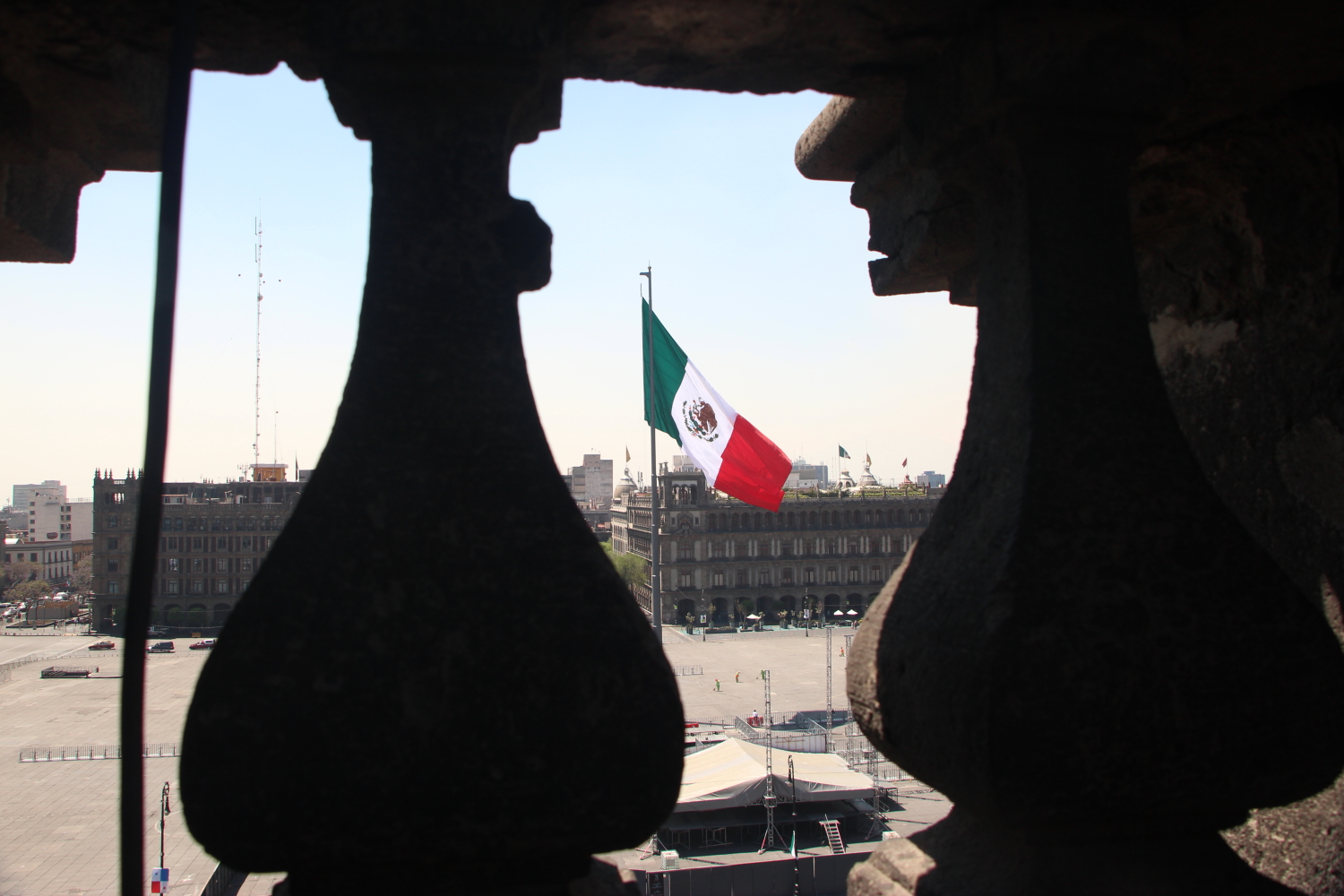
Mexico City
*an ongoing series of quotations – mostly from artists, to artists – that offers wisdom, inspiration, and advice for the sometimes lonely road we are on.
Faced with the disparities between lived reality and America’s professed ideals of inclusion and equity, countless artists have begun embracing the social role of art and using aesthetic means to speak out against all manner of injustice. In such a climate, the Mexican muralists [Jose Clemente Orozco, Diego Rivera, and David Alfaro Siqueiros] have once again emerged as models of how to marry aesthetic rigor and vitality to socially conscious subject matter that addresses the most fundamental questions concerning our collective pursuit of a more just and equitable society. Not withstanding the rich cultural ties and decades of migration that have long existed between the United States and Mexico, the relationship between the two countries has always been fraught, marked as much by mutual wariness and bouts of hostility as by a spirit of camaraderie and cooperation Yet the ugliness and xenophobia of the recent debates on the American side echoes the worst of the past. It thus seems more imperative than ever to acknowledge the profound and enduring influence Mexican muralism has had on artmaking in the United States and to highlight the beauty and power that can emerge from the free and vibrant cultural exchange between the two countries. As much as did American artists decades ago, artists in the United States today stand to benefit from an awareness of how dynamically and inventively the Mexican muralists used their art to project the ideals of compassion, justice, and solidarity. They remain a source of powerful inspiration for their seamless synthesis of ethics, art, and action.
Vida Americana: Mexican Muralists Remake American Art, 1925 – 1945, edited by Barbara Haskell
Comments are welcome!
Pearls from artists* # 258
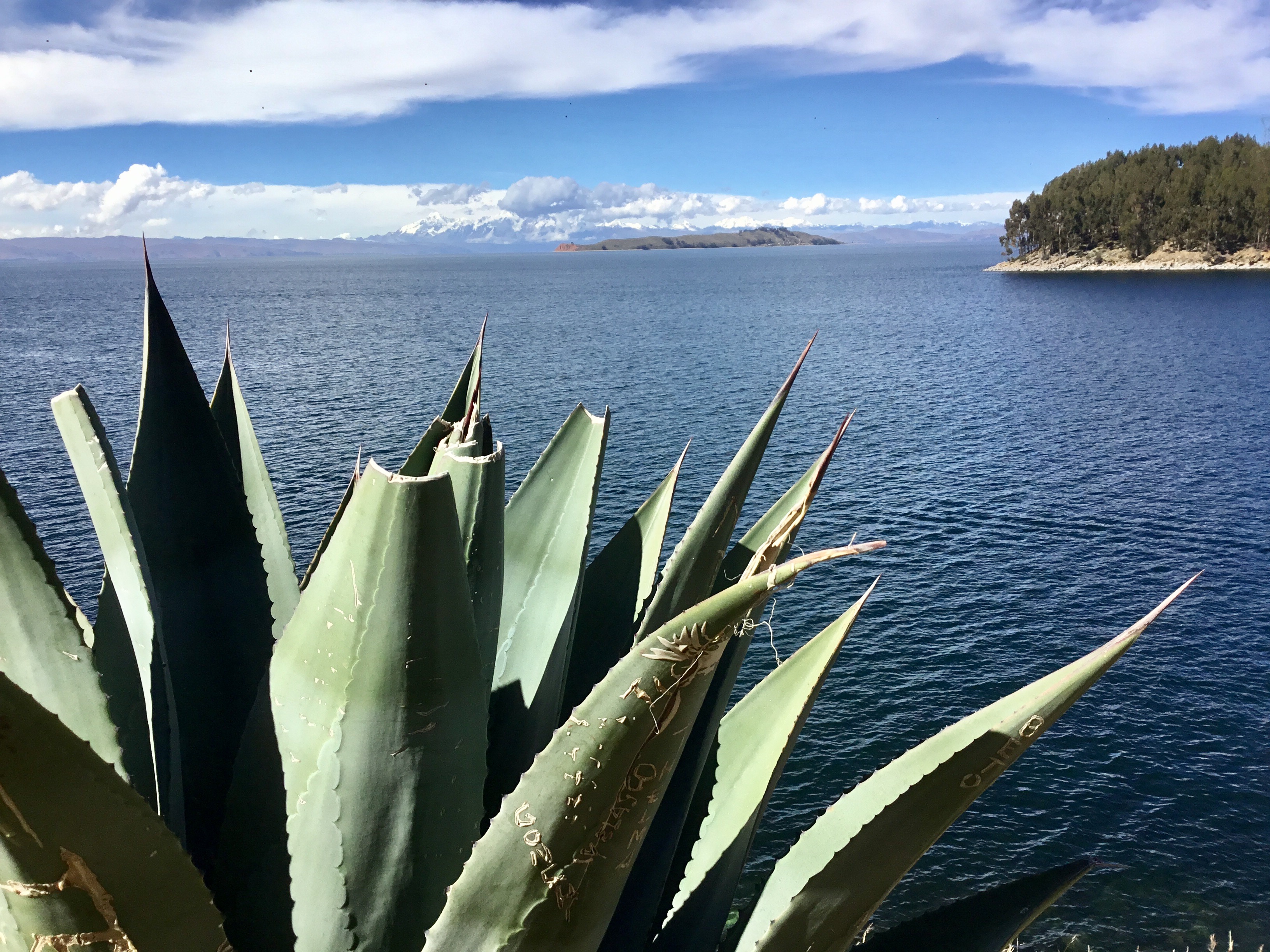
Isla del Sol in Bolivia
* an ongoing series of quotations – mostly from artists, to artists – that offers wisdom, inspiration, and advice for the sometimes lonely road we are on.
Does this imply that ‘beauty is in the eye of the beholder,’ that there is no objective property that we recognize and about whose nature and value we can agree? My answer is simply this: everything I have said about the experience of beauty implies that it is rationally founded. It challenges us to find meaning in its object, to make critical comparisons, and to examine our own lives and emotions in the light of what we find. Art, nature, and the human form all invite us to place this experience in the center of our lives. If we do so, then it offers a place of refreshment of which we will never tire. But to imagine that we can do this, and still be free to see beauty as nothing more than a subjective preference or a source of transient pleasure, is to misunderstand the depth to which reason and value penetrate our lives. It is to fail to see that, for a free being, there is right feeling, right experience and right enjoyment just as much as right action. The judgment of beauty orders the emotions and desires of those who make it. It may express their pleasure and their taste: but it is pleasure in what they value and taste for their true ideals.
Roger Scruton in Beauty: A Very Short Introduction
Comments are welcome!


 barbararachkoscoloreddust.com