Category Archives: Travel
Travel photo of the month*
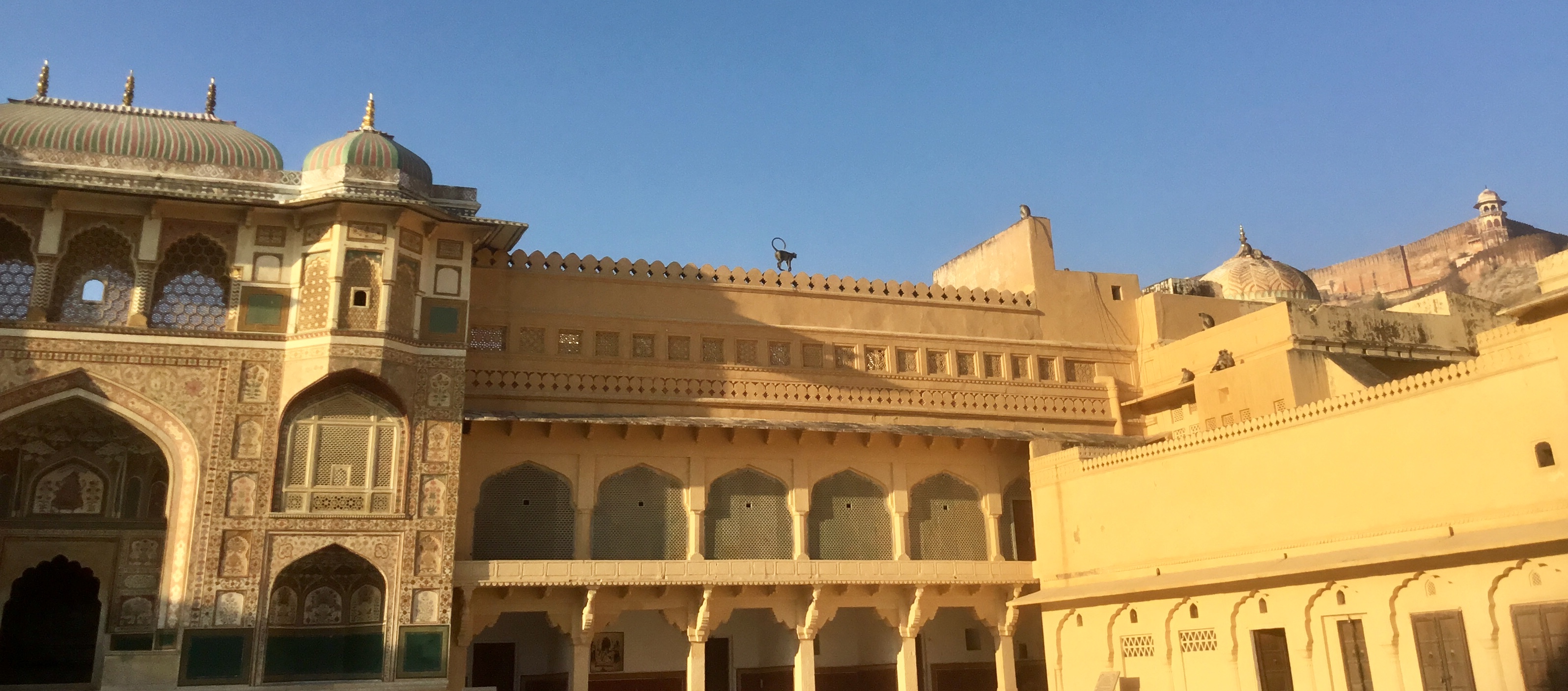
Amber Fort, Jaipur, India
*Favorite travel photographs that have not yet appeared in this blog
Comments are welcome!
Travel photo of the month*
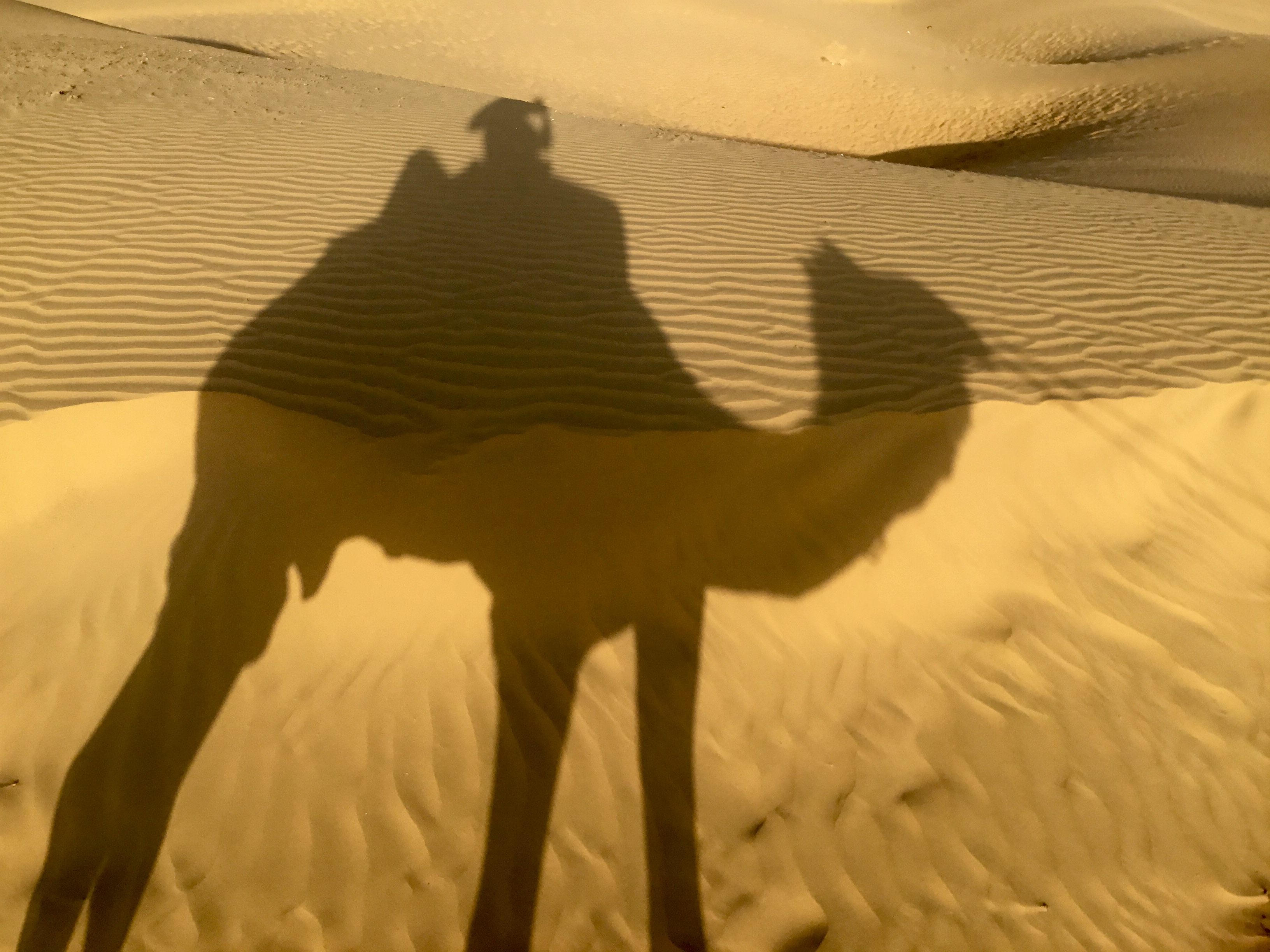
Riding a camel in India’s Thar Desert
*Favorite travel photographs that have not yet appeared in this blog
Comments are welcome!
Travel photo of the month*
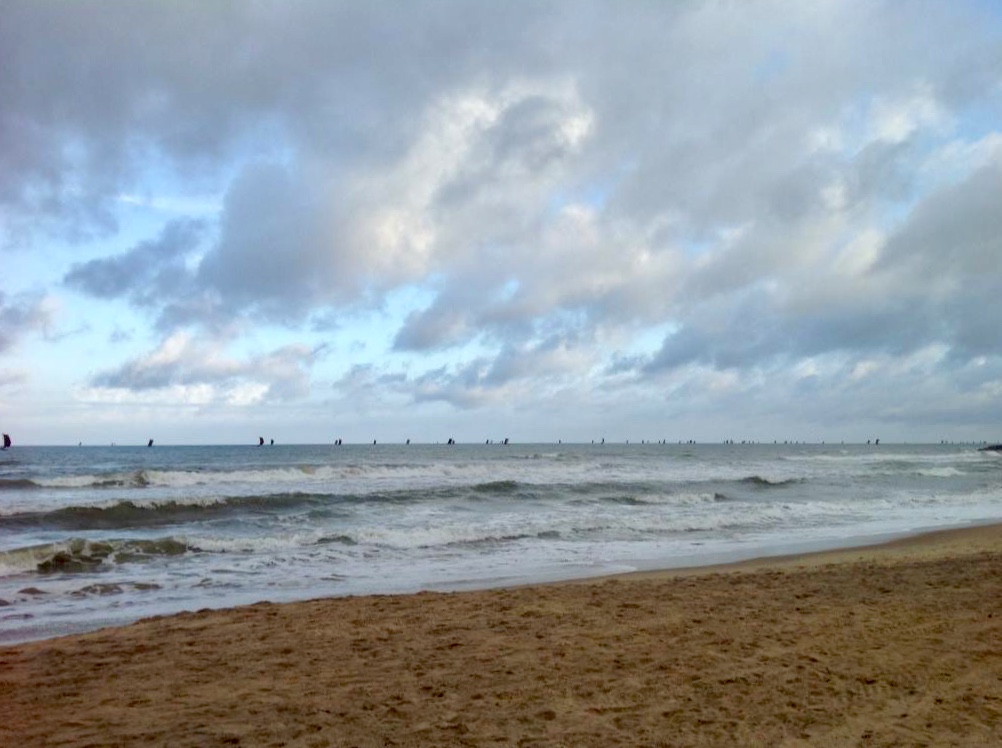
Negombo, Sri Lanka
*Favorite travel photographs that have not yet appeared in this blog
Comments are welcome!
Pearls from artists* # 349
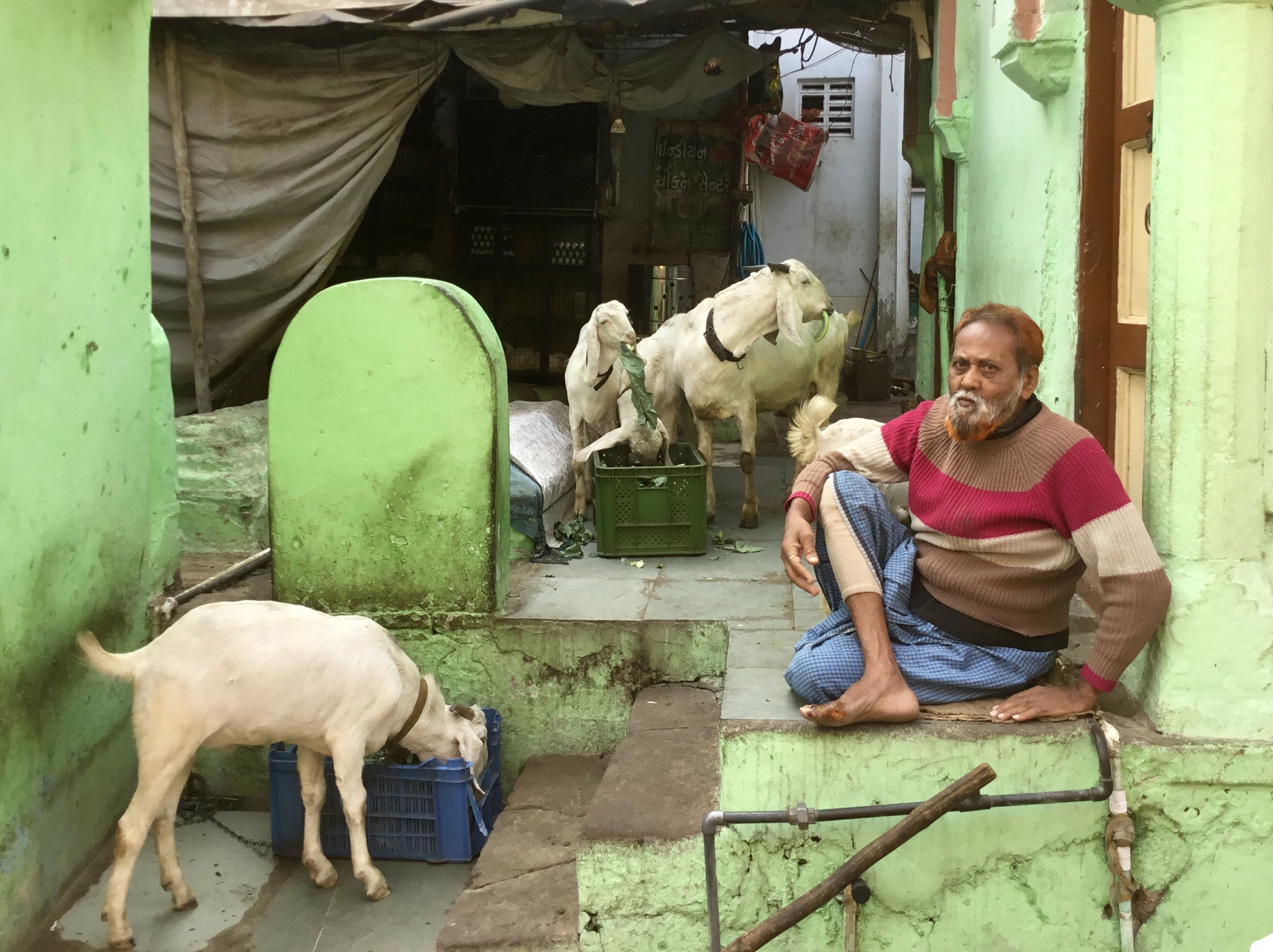
Ahmedabad, India
*an ongoing series of quotations – mostly from artists, to artists – that offers wisdom, inspiration, and advice for the sometimes lonely road we are on.
India presents to the visitor an overwhelmingly visual impression. It is beautiful, colorful, sensuous. It is captivating and intriguing, repugnant and puzzling. It combines the intimacy and familiarity of English four o’clock tea with the dazzling foreignness of carpisoned elephants or vast crowds bathing in the Ganga during an eclipse. India’s display of multi-armed images, it’s processions and pilgrimages, it’s beggars and kings, it’s street life and markets, it’s diversity of peoples – all appear to the eye in a kaleidoscope of images. Much that is removed from public view in the modern West and taken into the privacy of rest homes, asylums, and institutions is open and visible in the life of an Indian city or village. The elderly, the infirm, the dead awaiting cremation – these sights, while they may have been expunged from the childhood palace of the Buddha, are not isolated from the public eye in India. Rather, they are present daily in the visible world in which Hindus, and those who visit India, move in the course of ordinary activities. In India, one sees everything. One sees people at work and at prayer; one sees plump, well-endowed merchants, simple renouncers, fraudulent “holy” men, frail widows, and emaciated lepers; one sees the festival procession, the marriage procession, and the funeral procession. Whatever Hindus affirm of the meaning of life, death, and suffering, they affirm with their eyes wide open.
Diana L. Eck in Darsan: Seeing the Diving Image in India
Comments are welcome!
Travel photo of the month*
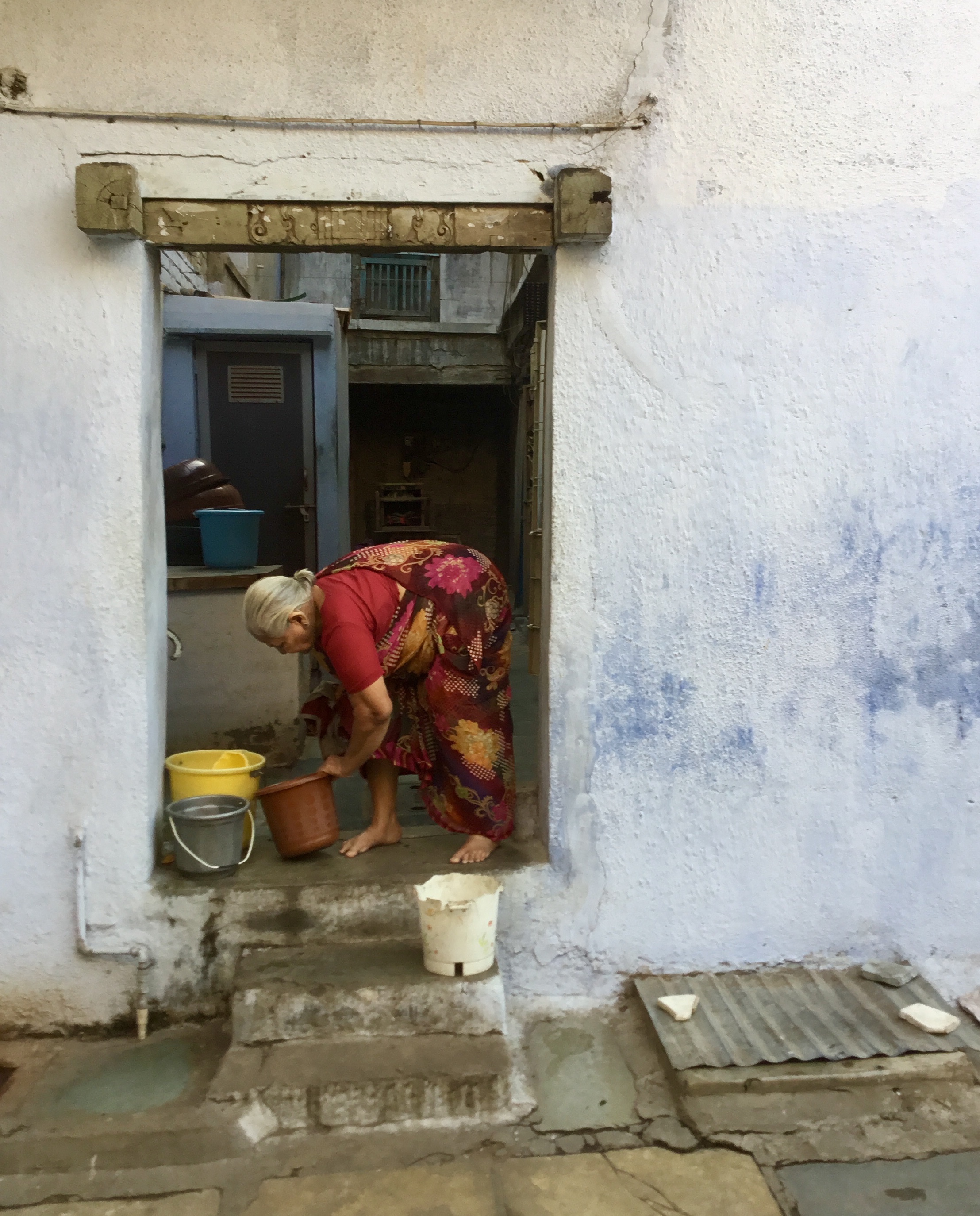
Ahmedabad, India
*Favorite travel photographs that have not yet appeared in this blog
Comments are welcome!
Travel photo of the month*
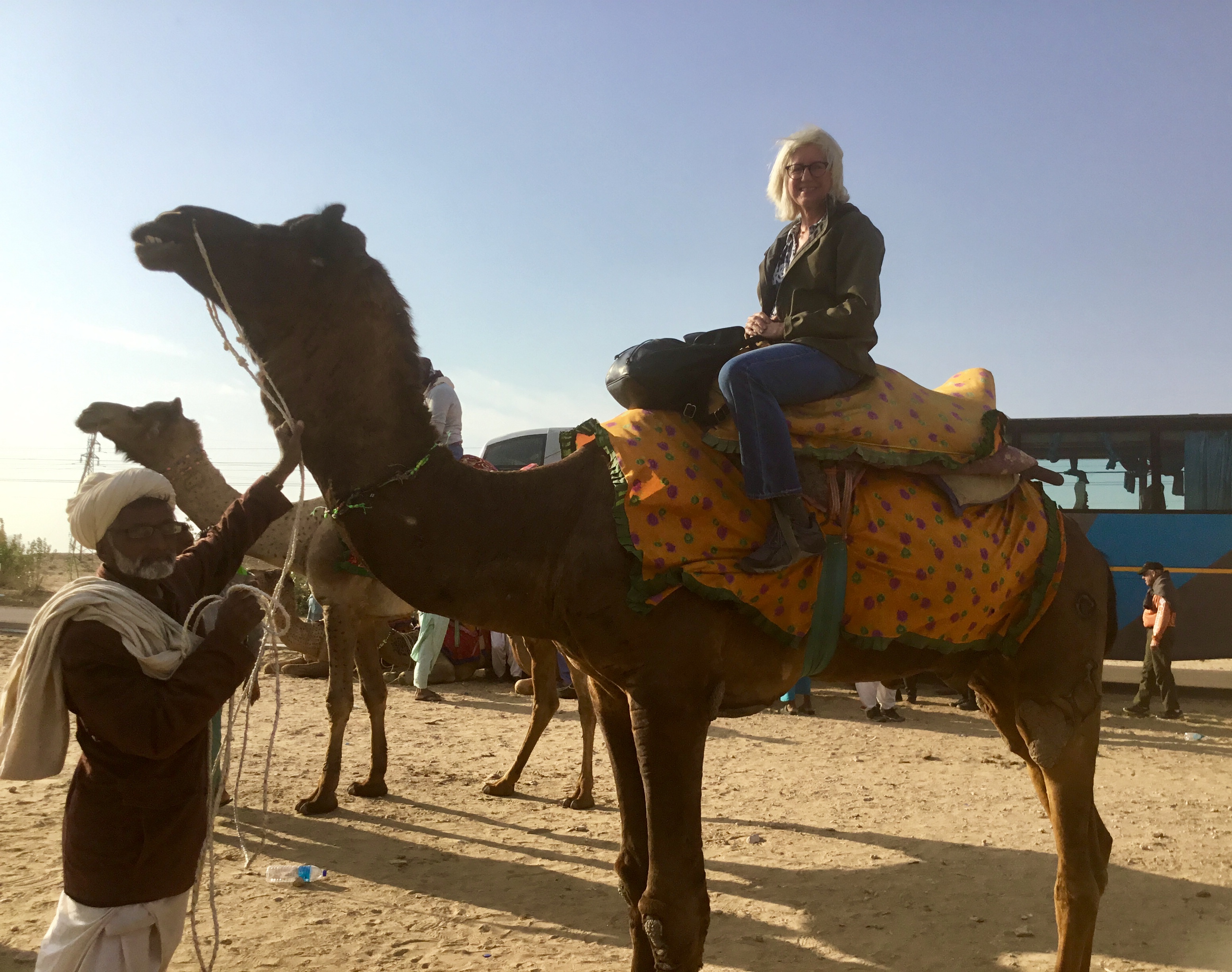
With Carlos the camel in India’s Thar Desert
*Favorite travel photographs that have not yet appeared in this blog
Comments are welcome!
Travel photo of the month*
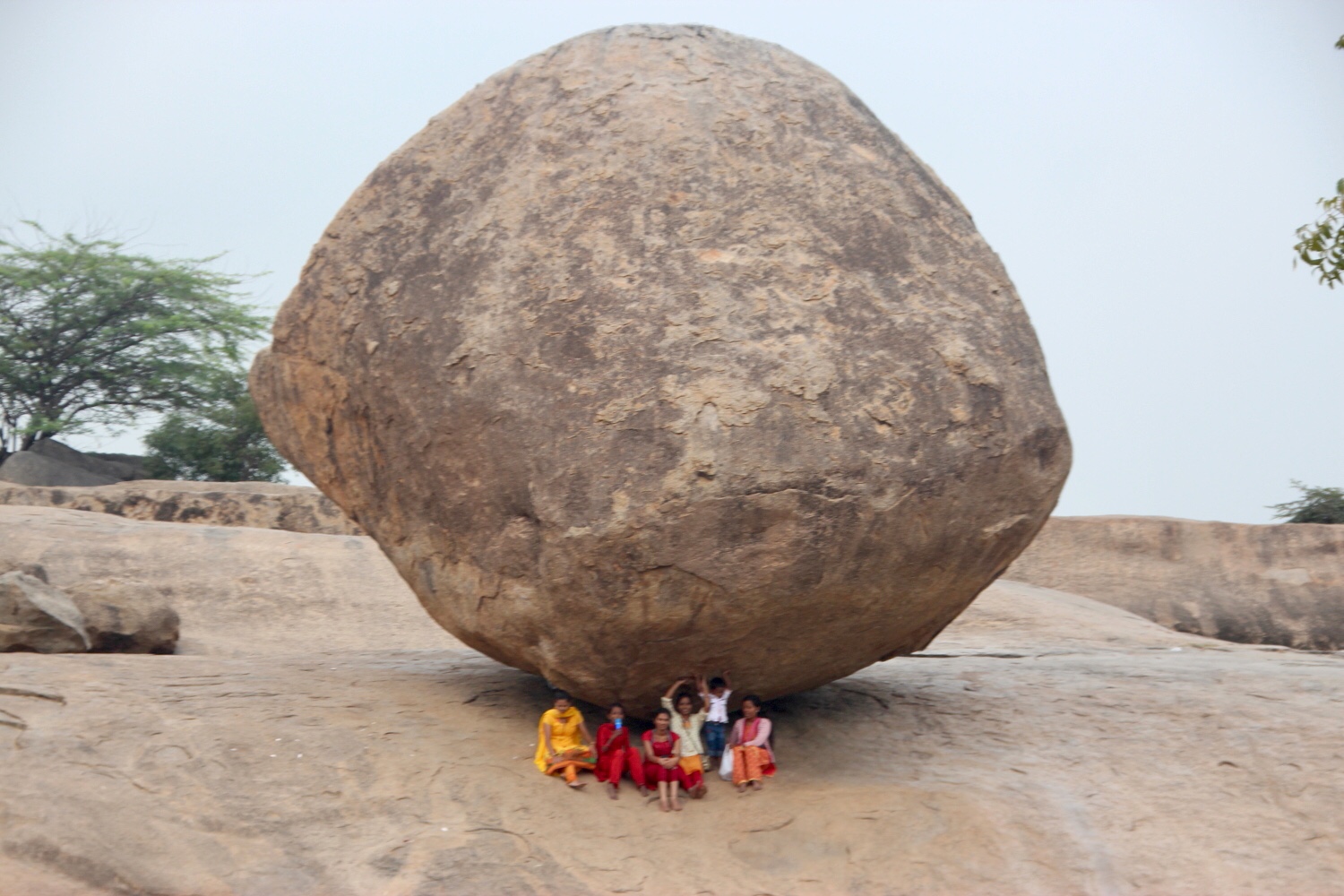
Krishna’s Butterball, South India
*Favorite travel photographs that have not yet appeared in this blog
Comments are welcome!
Pearls from artists* # 334
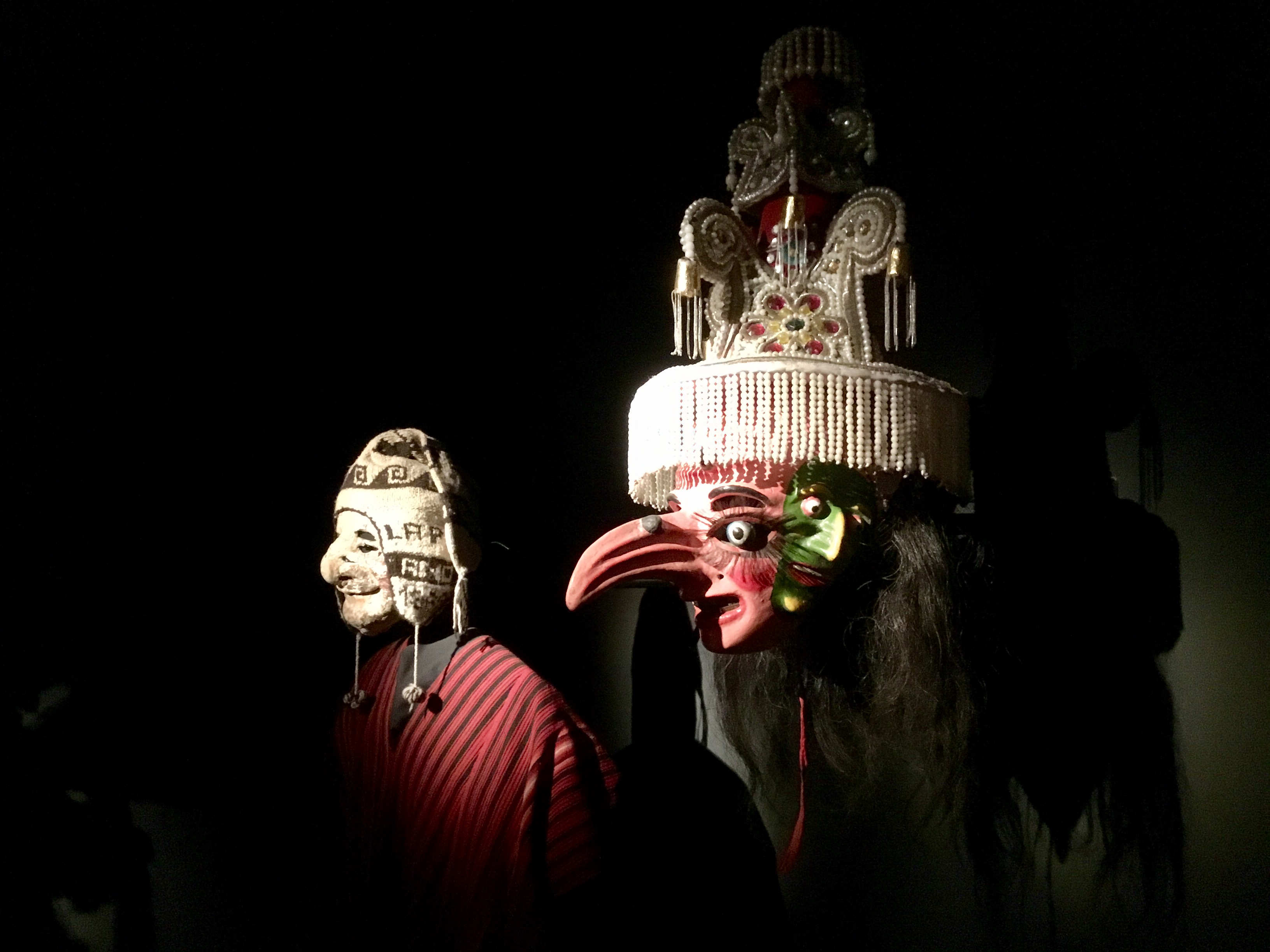
Masks at the National Museum of Ethnography and Folklore in La Paz
*an ongoing series of quotations – mostly from artists, to artists – that offers wisdom, inspiration, and advice for the sometimes lonely road we are on.
This celebration, renewal and collision with the past and with the indians’ own identity, breaks down everyday order and routine to establish the magic dimension, the exception and the anomaly. An explosion of vitality, abundance and liberty demolishes everyday slavery and misery. But the festive chaos which transports one to the anomalous and to the sacred, simultaneously causes the return to profane normality. Just when the disorder and confusion reach the state of paroxysm, when everything is agitated and intermixed indiscrimanently, the celebration is over. The bands all play at the same time in deafening competition, the dancers can no longer hold themselves up, and all distinctions between groups, musicians, dancers and sexes are erased. It is the kacharpaya, the limit of disorder and cataclysm, which signals the return to routine.
To Cover in Order to Uncover, by Fernando Montes in Masks of the Bolivian Andes, Photographs: Peter McFarren, Sixto Choque, Editorial Quipos and BancoMercantil
Comments are welcome!
Travel photo of the month*
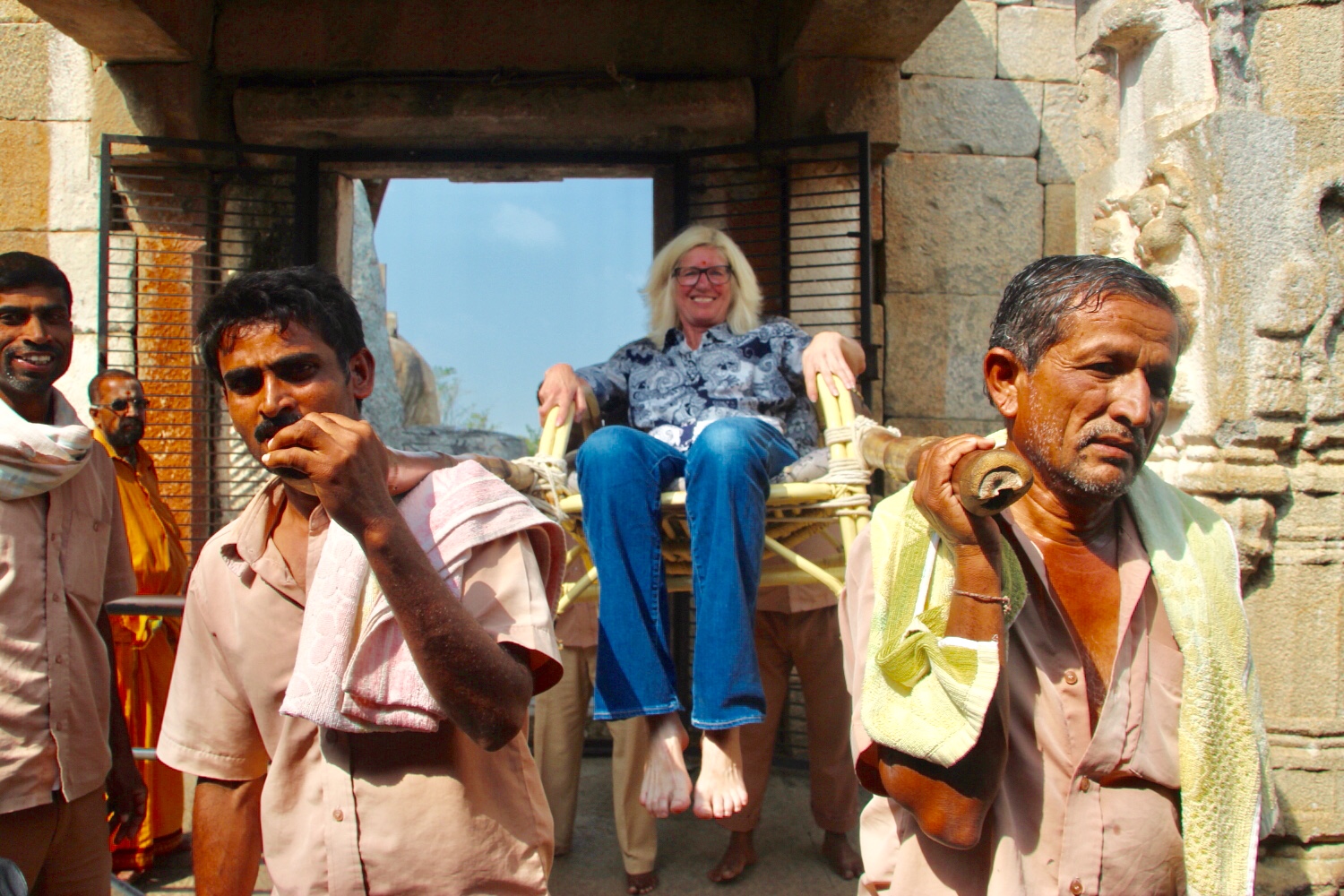
South India
*Favorite travel photographs that have not yet appeared in this blog
Comments are welcome!
Pearls from artists* # 330
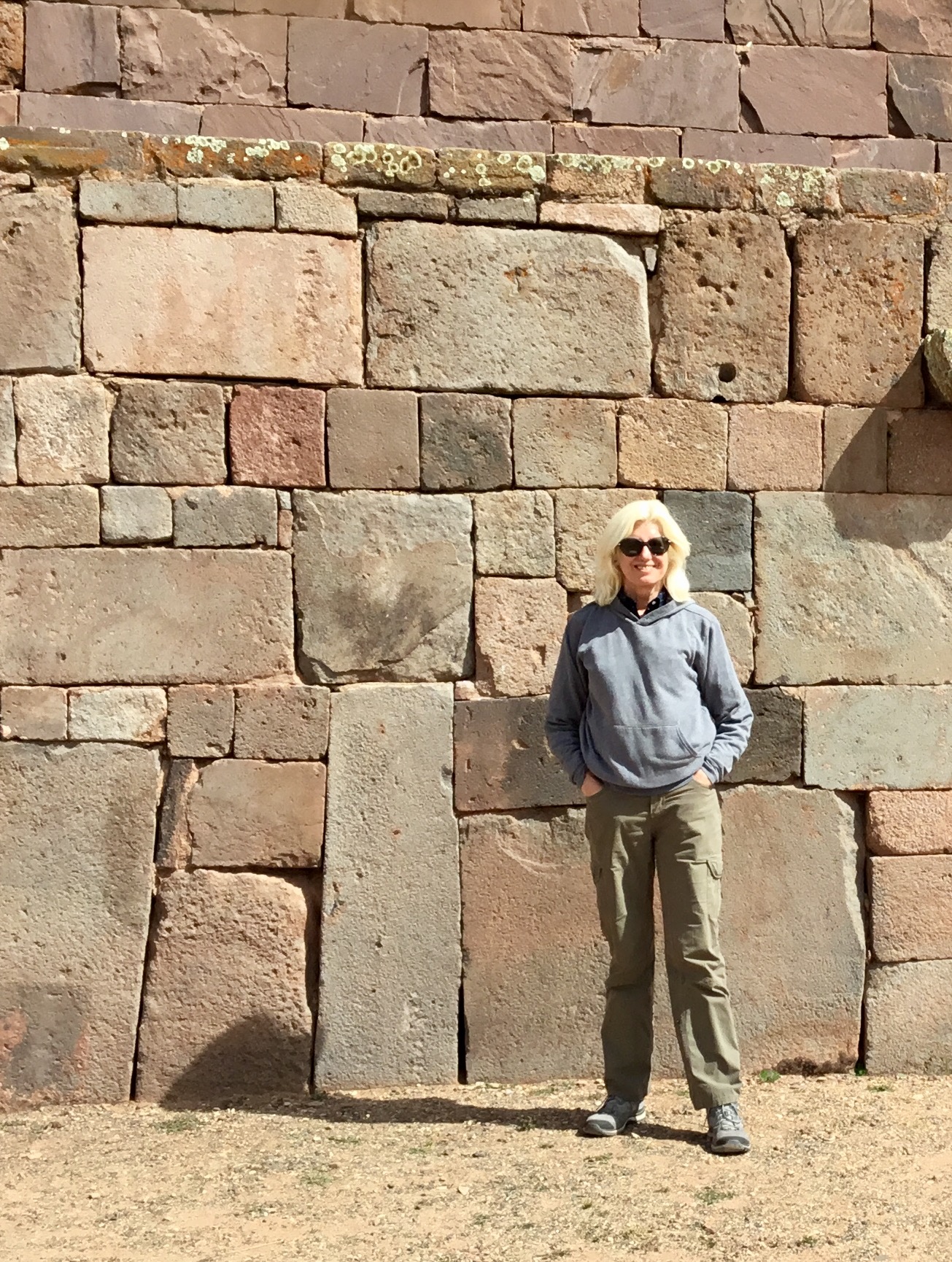
At Tiwanaku, Bolivia
*an ongoing series of quotations – mostly from artists, to artists – that offers wisdom, inspiration, and advice for the sometimes lonely road we are on.
To take the time to look and analyze the city or a building or an object is of the same nature as owning it, except that ownership is not a satisfactory feeling – but understanding is a form of complete assimilation. To really work and produce, there must be integration of your work in your life, or the integration of your life in your work.
Louise Bourgeois: Destruction of the Father, Reconstruction of the Father: Writings and interview 1923-1997, edited and with texts by Marie-Laure Bernadac and Hans-Ulrich Obrist
Comments are welcome!


 barbararachkoscoloreddust.com