Blog Archives
Pearls from artists* # 73
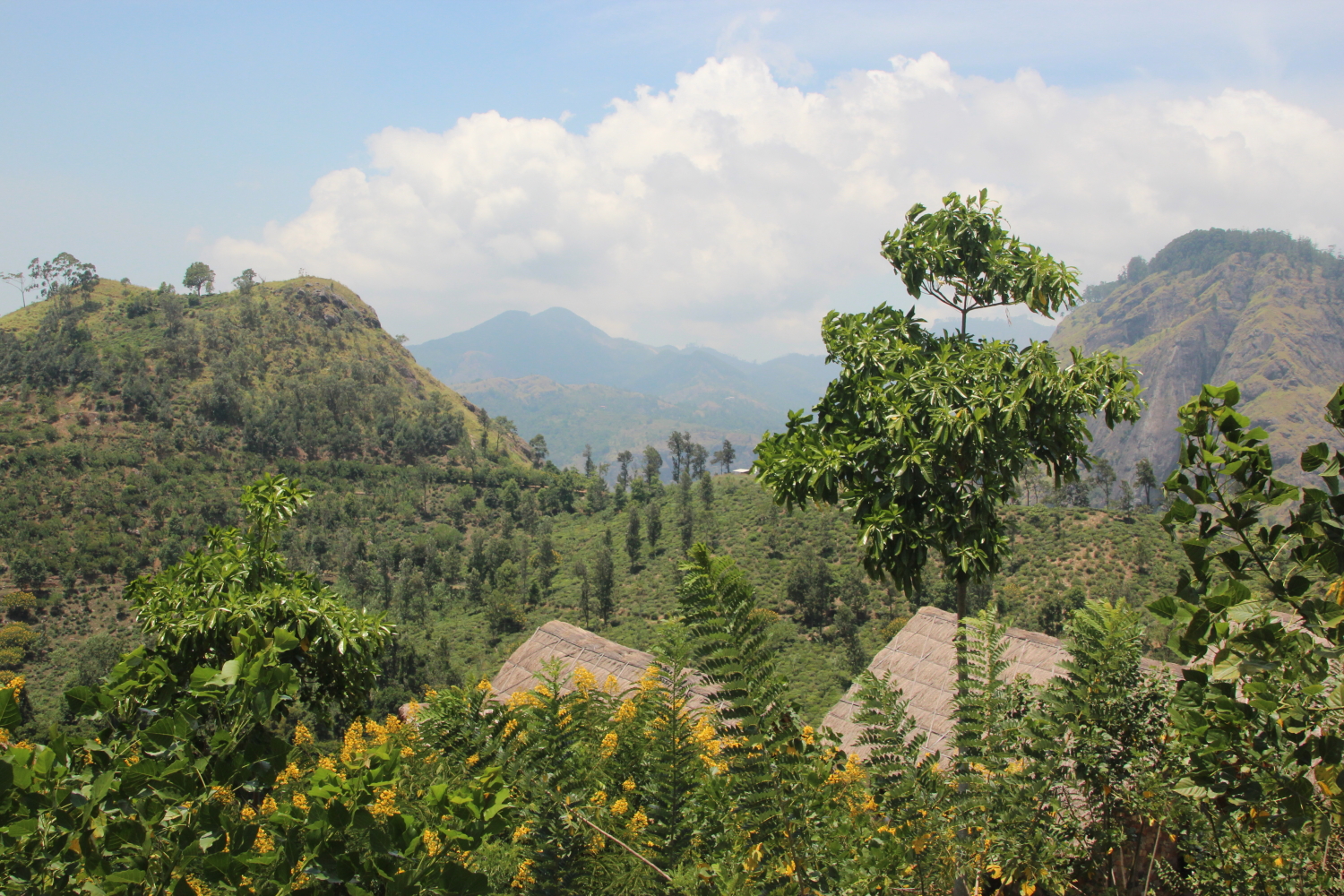
Sri Lanka
* an ongoing series of quotations – mostly from artists, to artists – that offers wisdom, inspiration, and advice for the sometimes lonely road we are on.
The primary tool in a creative process is interest. To be true to one’s interest, to pursue it successfully, one’s body is the best barometer. The heart races. The pulse soars. Interest can be your guide. It always points you in the right direction. It defines the quality, energy, and content of your work. You cannot feign or fake interest or choose to be interested in something because it is prescribed. It is never prescribed. It is discovered. When you sense this quickening you must act immediately. You must follow that interest and hold on tight.
Anne Bogart in A Director Prepares: Seven Essays on Art and Theater
Comments are welcome!
Pearls from artists* # 56
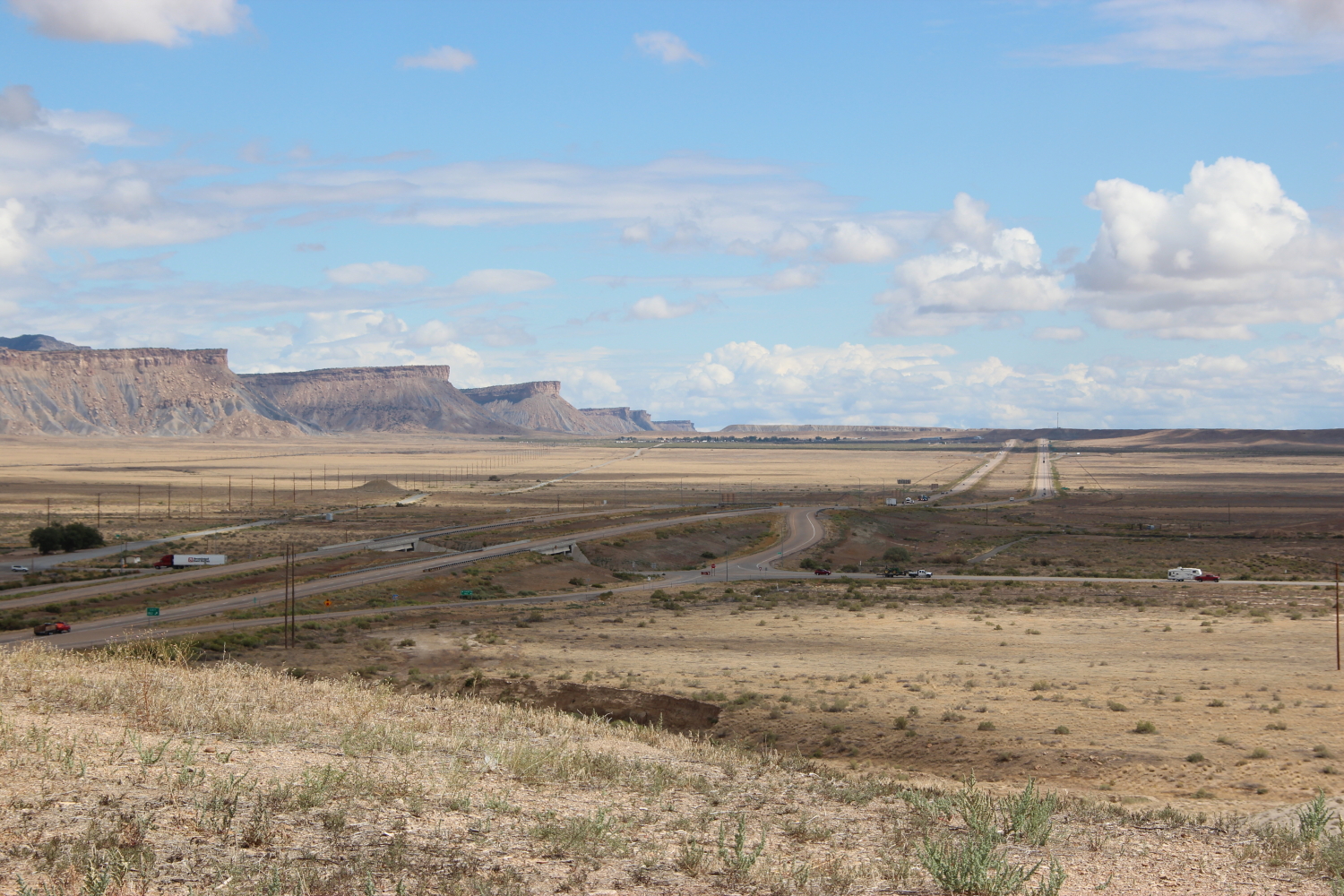
Utah
* an ongoing series of quotations – mostly from artists, to artists – that offers wisdom, inspiration, and advice for the sometimes lonely road we are on.
Balancing intuition against sensory information, and sensitivity to one’s self against pragmatic knowledge of the world, is not a stance unique to artists. The specialness of artists is the degree to which these precarious balances are crucial backups for their real endeavor. Their essential effort is to catapult themselves wholly, without holding back one bit, into a course of action without having any idea where they will end up. They are like riders who gallop into the night, eagerly leaning on their horse’s neck, peering into a blinding rain. And they have to do it over and over again. When they find that they have ridden and ridden – maybe for years, full tilt – in what is for them a mistaken direction, they must unearth within themselves some readiness to turn direction and to gallop off again. They may spend a little time scraping off the mud, resting the horse, having a hot bath, laughing and sitting in candlelight with friends. But in the back of their minds they never forget that the dark, driving run is theirs to make again. They need their balances in order to support their risks. The more they develop an understanding of all their experience – the more it is at their command – the more they carry with them into the whistling wind.
Anne Truitt in Daybook: The Journal of an Artist
Q: Would you please share a few more of your pastel portraits?

“Sam and Bobo,” soft pastel on sandpaper, 36″ x 31″, 1989
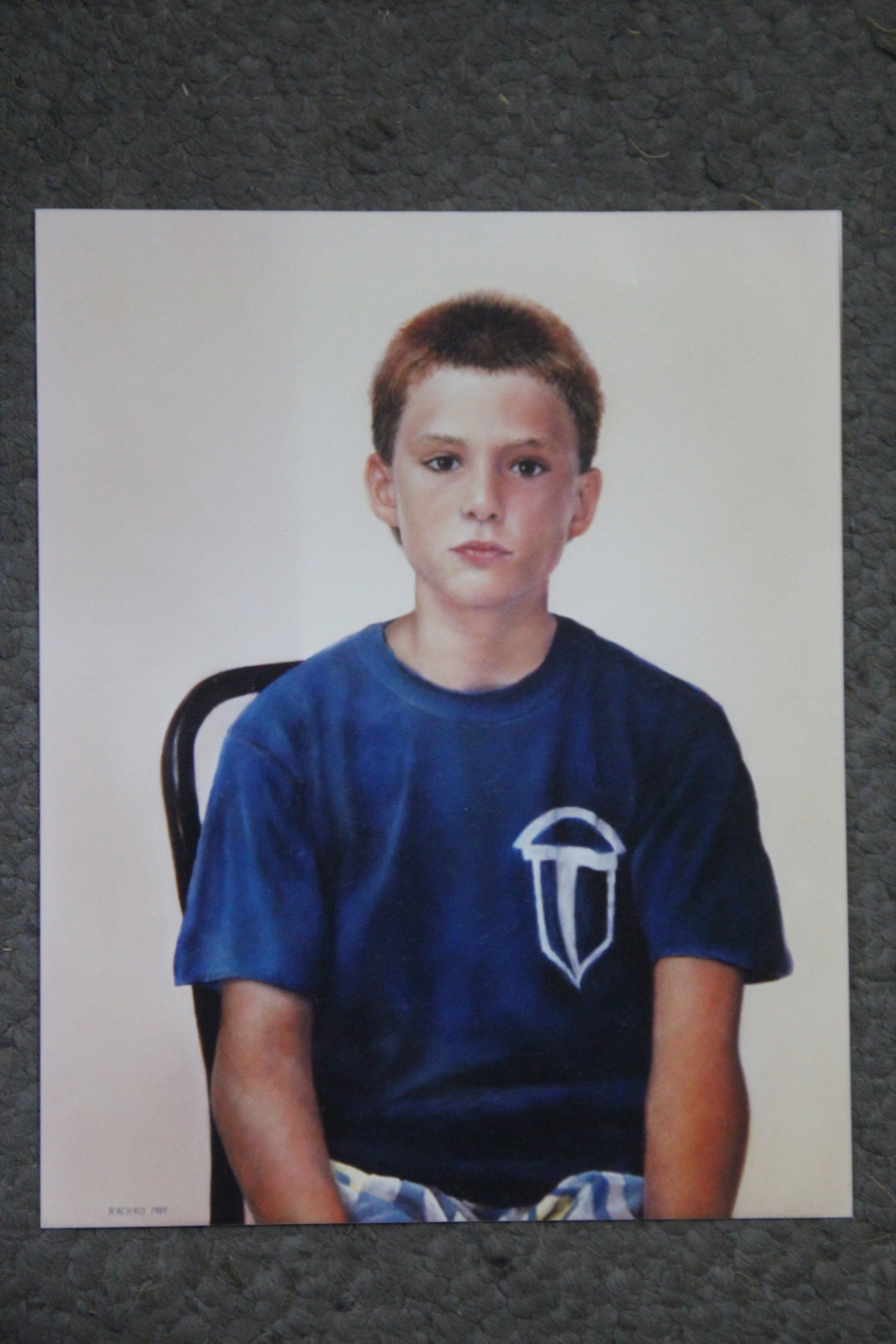
“Jules,” soft pastel on sandpaper, 28″ x 22″, 1989
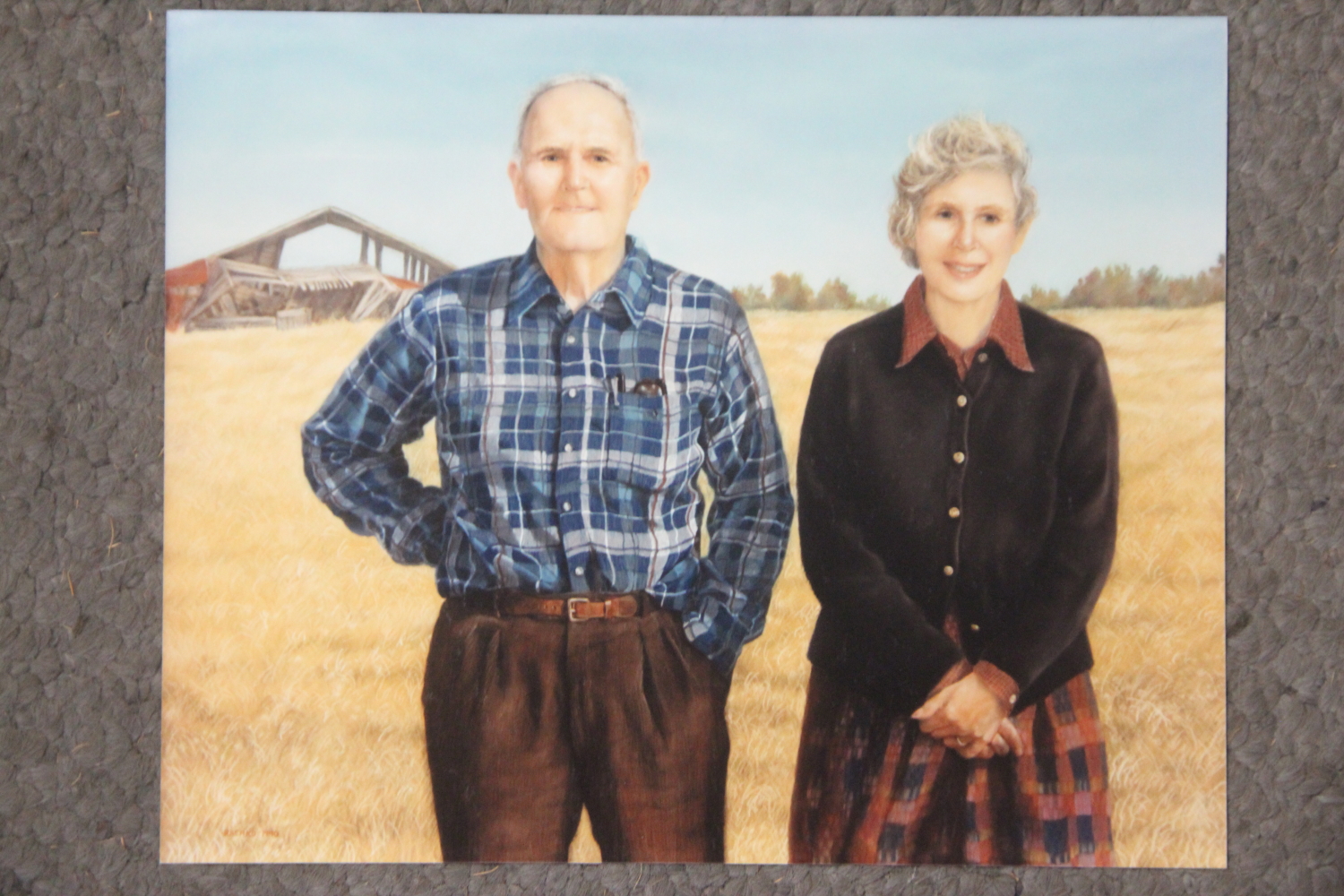
“The Post Oak Jacks,” soft pastel on sandpaper, 31″ x 39″, 1990

“Reunion,” soft pastel on sandpaper, 38″ x 58″, 1990
A: See the four above. As in my previous post, I reshot photographs from my portfolio book so the colors above have faded. Many years later, however, my originals are as vibrant as ever.
“Reunion” (bottom) is the last commissioned portrait I ever made. Early on I knew that portraiture was too restrictive and that I wanted my work to evolve in a completely different direction. However, I didn’t know yet what that direction would be.
Comments are welcome!
Pearls from artists* # 35
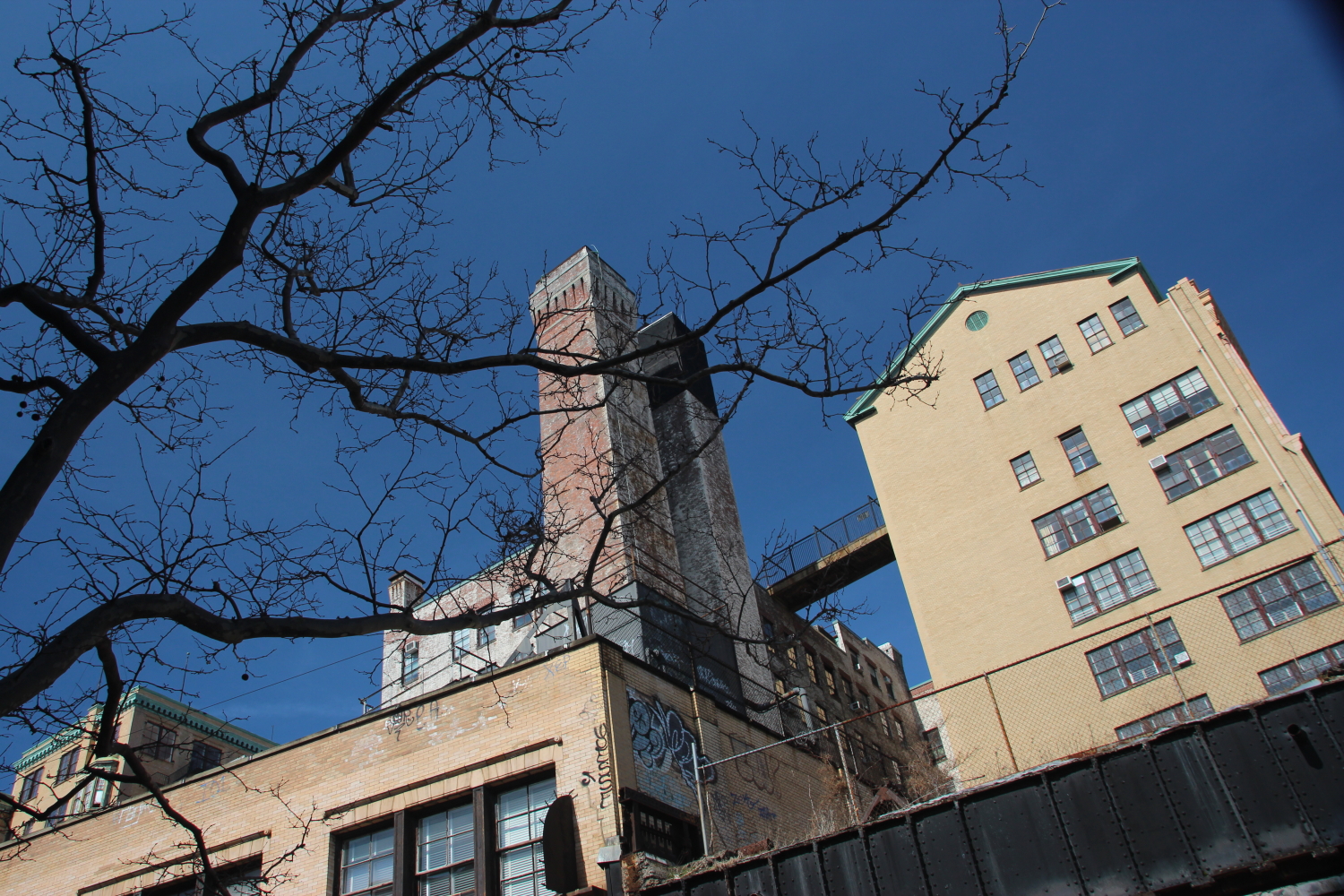
Westbeth, NYC
* an ongoing series of quotations – mostly from artists, to artists – that offers wisdom, inspiration, and advice for the sometimes lonely road we are on.
An individual who has committed himself to art and now wrestles within it, having given up everything else, has also become strict, you see. Such a person is more likely to warn off others rather than to beckon them to enter into a realm of the most tremendous demands and indescribable sacrifices. And for someone sitting at his desk, behind closed doors, matters are still relatively simple: at least he has to deal only with himself. But an actor, even when his work originates in the purest experiences of his being, stands in the open and performs his work in the open where he is exposed to all the influences, detractions, disturbances, and even hostilities that originate in his colleagues and his audience and that interrupt, distract, and split him off. For him things are more difficult than for anyone else; above all, he needs to lure success and to base his actions on it. And yet what misery results if this new alignment leads him to abandon the inner direction that had driven him into art in the first place. He seems to have no self; his job consists in letting others dictate selves to him. And the audience, once it has accepted him, wants to preserve him within the limits where it finds entertainment; and yet his achievement depends entirely upon his capacity to maintain an interior constancy through all kinds of changes, blindly, like a madman. Any momentary weakness toward success is as sure to doom him as giving in and drawing on applause as a precondition for their creation spells doom for the painter or poet.
Ulrich Baer in The Wisdom of Rilke
Comments are welcome!
Pearls from artists* # 23
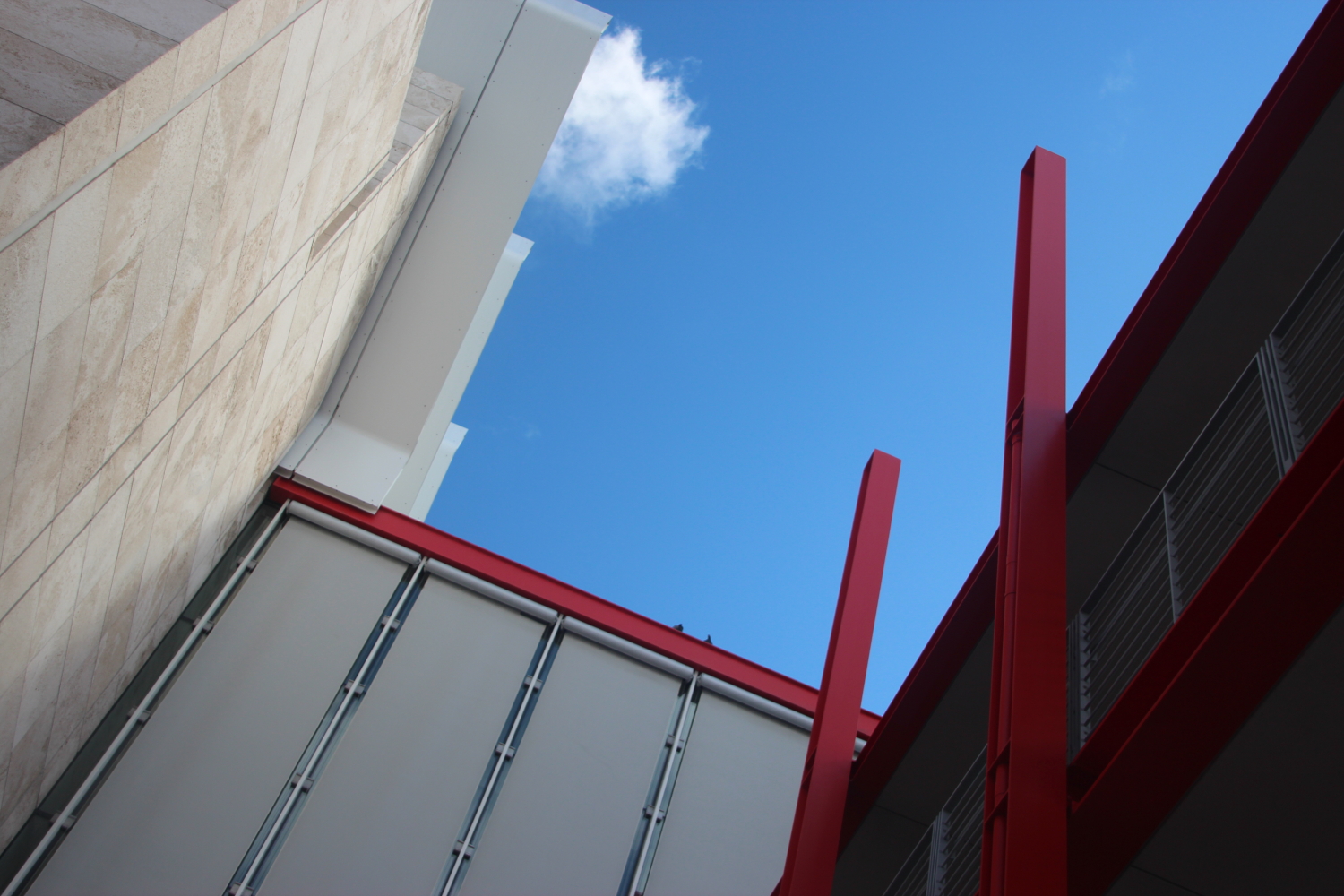
LACMA
* an ongoing series of quotations – mostly from artists, to artists – that offers wisdom, inspiration, and advice for the sometimes lonely road we are on.
My composition arises out of asking questions. I am reminded of a story early on about a class with Schoenberg. He had us go to the blackboard to solve a particular problem in counterpoint (though it was a class in harmony). He said, “When you have a solution, turn around and let me see it.” I did that. He then said, “Now another solution, please.” I gave another and another until finally, having made seven or eight, I reflected a moment and then said with some certainty, “There aren’t any more solutions.” He said, “OK. What is the principle underlying all the solutions?” I couldn’t answer his question; but I had always worshiped the man, and at that point I did even more. He ascended, so to speak. I spent the rest of my life, until recently, hearing him ask that question over and over. And then it occurred to me through the direction that my work has taken, which is renunciation of choices and the substitution of asking questions, that the principle underlying all of the solutions that I had given him was the question that he had asked, because they certainly didn’t come from any other point. He would have accepted that answer, I think. The answers have the questions in common. Therefore the question underlies the answers.
John Cage quoted in Kay Larson, Where the Heart Beats: John Cage, Zen Buddhism, and the Inner Life of Artists
Comments are welcome!


 barbararachkoscoloreddust.com