Blog Archives
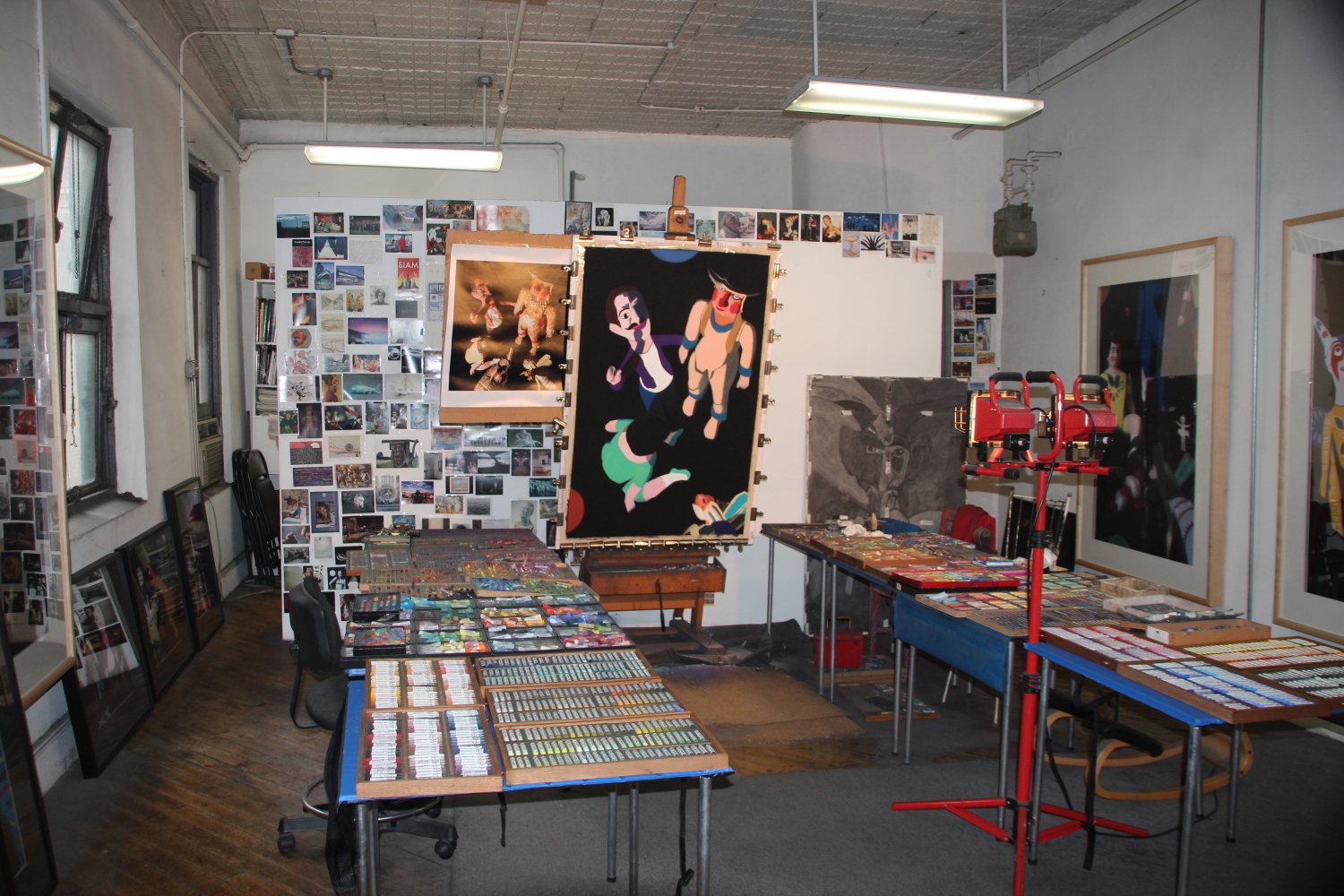
Pearls from artists* # 36
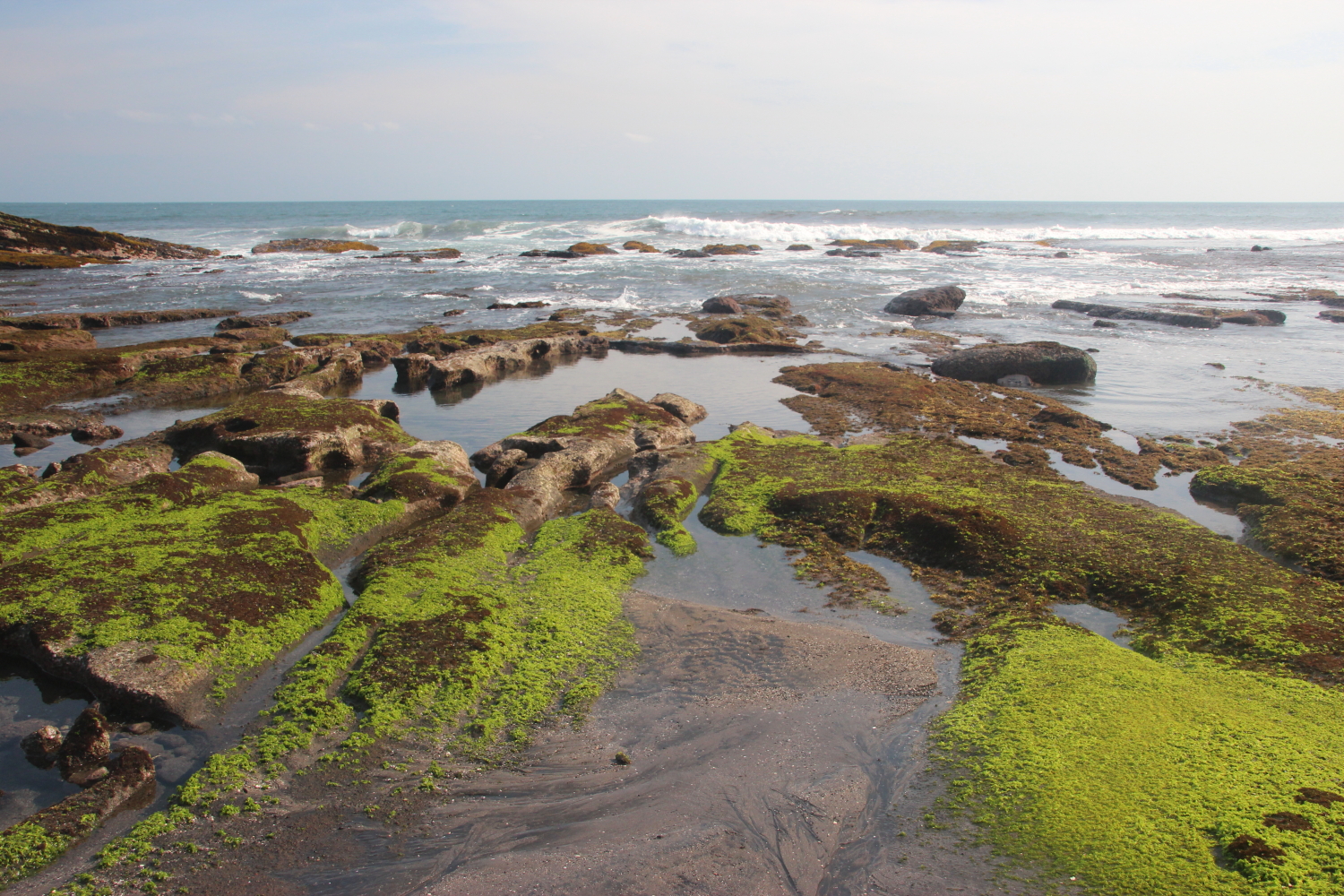
Indian Ocean, Tanah Lot, Bali
* an ongoing series of quotations – mostly from artists, to artists – that offers wisdom, inspiration, and advice for the sometimes lonely road we are on.
… don’t wait for things to change, the hour of man is now and, whether you are working at the bottom of the pile or on top, if you are a creative individual you will go on producing, come hell or high water. And this is the most you can hope to do. One has to go on believing in himself, whether recognized or not, whether heeded or not. The world may seem like hell on wheels – and we are doing our best, are we not, to make it so? – but there is always room, if only in one’s own soul, to create a spot of Paradise, crazy though it may sound.
Henry Miller in Stand Still Like the Hummingbird
Comments are welcome!
Q: You seem very disciplined. Do you ever have a day when you just can’t get excited about working?
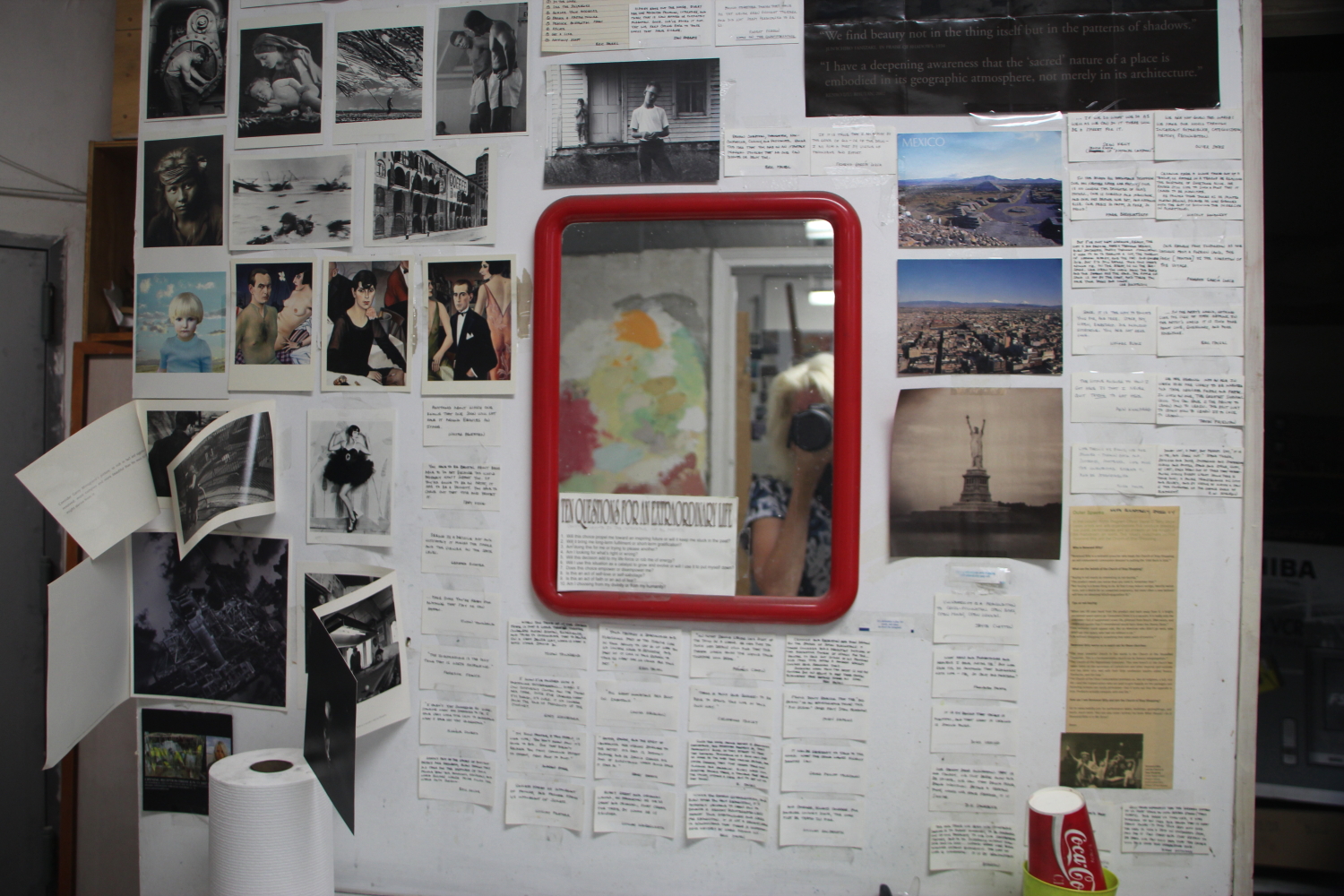
Studio wall with self-portrait
A: That happens occassionaly, but I still go to the studio to work. You know the expression, “99% of life is just showing up”? Well, of course I have to show up at my studio to accomplish anything so I keep fairly regular studio hours – 7 to 8 hours a day, 4 or 5 days a week. In the evening I spend another hour or two answering email, sending out applications, organizing jpegs, etc. When you are an artist there is always work to do and for some of it, no one else can do it. That’s because no one else knows the work from the inside the way the maker does. I like what Twyla Tharp says in her book, “The Creative Habit.” In order to progress an artist needs good work habits that become a daily routine. And Chuck Close likes to say, “Inspiration is for amateurs,” meaning a professional works whether she’s in the mood or not. I completely agree so I keep working and slowly moving ahead.
As Tchaikovsky wrote in a letter to a friend:
We must always work, and a self-respecting artist must not fold his hands on the pretext that he is not in the mood. If we wait for the mood, without endeavoring to meet it halfway, we easily become indolent and apathetic. We must be patient, and believe that inspiration will come to those who can master their disinclination. A few days ago I told you I was working every day without any real inspiration. Had I given way to my disinclination, undoubtedly I should have drifted into a long period of idleness. But my patience and faith did not fail me, and today I felt that inexplicable glow of inspiration of which I told you; thanks to which I know beforehand that whatever I write today will have power to make an impression, and to touch the hearts of those who hear it.
Quoted in Eric Maisel’s A Life in the Arts.
Comments are welcome.



