Blog Archives
Pearls from artists* # 653

*an ongoing series of quotations – mostly from artists, to artists – that offers wisdom, inspiration, and advice for the sometimes lonely road we are on.
Watching online markers of approval climb into high numbers releases dopamine in our brains, which can become addictive. If we crave ‘likes,’ and consciously or unconsciously make more of what our audience wants, we become supply-and-demand widget makers. We start catering to the lowest common denominator, asking ourselves what kind of widget will get the most likes or shares. Would you allow a committee into your studio to dictate your next work, to tell you what goes and what stays? How is catering to ‘likes’ any different?
… Every time your work grows, you will gain and lose fans. The more followers you have, the more individuals will need to adjust to the shifts that are happening. Some are guaranteed to disapprove of any new direction, regardless of content. Those who cannot tolerate change will be replaced by supporters of a higher caliber who approve and encourage you to grow.
Kate Kretz in Art From Your Core: A Holistic Guide to Visual Voice
Comments are welcome!
Pearls from artists* # 613

New York NY
*an ongoing series of quotations – mostly from artists, to artists – that offers wisdom, inspiration, and advice for the sometimes lonely road we are on.
A painting is a statement of the artist’s notions of reality in terms of plastic speech. In that sense the painter must be likened to the philosopher rather than to the scientist. For science is a statement of the laws that govern a specific phenomenon or category of matter or energy within the specified units and conditions of its operation. Philosophy, however, must combine all these specialized truths within a single system. It is because of this broad scope that Aristotle gives preeminence to the philosopher in the introduction to his Metaphysics, for he tells us that every man except the philosopher is an authority within his specific field, whereas the philosopher must have the acute knowledge that each man has in his own field plus the ability to relate all these fields to the operations of universality and eternity.
Therefore art, like philosophy, is of its own age; for the partial truths of each age differ from those of other ages, and the artist, like the philosopher, must constantly adjust eternity, as it were, to all the specifications of the moment. Art, too, creates at different times the notions of reality that the artist, as a man of the age, must inherit and develop and consider real along with the other intellectually conscious men of his time. His language, which is his plastic means, will also adjust itself to the possibility of making these notions manifest in their most coherent possibilities. The reality of the artist, therefore, reflects the understanding of his times, even as his creations shape those understandings. We posit this without wishing to attempt to untangle here the series of causes and effects, a process which would probably obscure more than it certified.
Mark Rothko in The Artist’s Reality: Philosophies of Art
Comments are welcome!
Pearls from artists* # 469

*an ongoing series of quotations – mostly from artists, to artists – that offers wisdom, inspiration, and advice for the sometimes lonely road we are on.
I feel artists are at the cutting edge of everything created by humans in our society. I would love for artists, young and old, to remember that for the Art World to exist, the first thing that is necessary is art. No gallerist, museum director, preparatory, or museum guard would have a job without an artwork having been created.
Without remembering this, artists can lose sight of their power and worth. We begin to believe that the Art World came first and that we need to change, appropriate, adjust, or edit ourselves and our work to fit into this world. This does not need to happen, and should not happen.
Stephanie Diamond, artist, New York, NY, in Art/Work: Everything You Need to Know (And Do) As You Pursue Your Art Career by Heather Darcy Bhandari and Jonathan Melber
Comments are welcome!
Pearls from artists* # 119
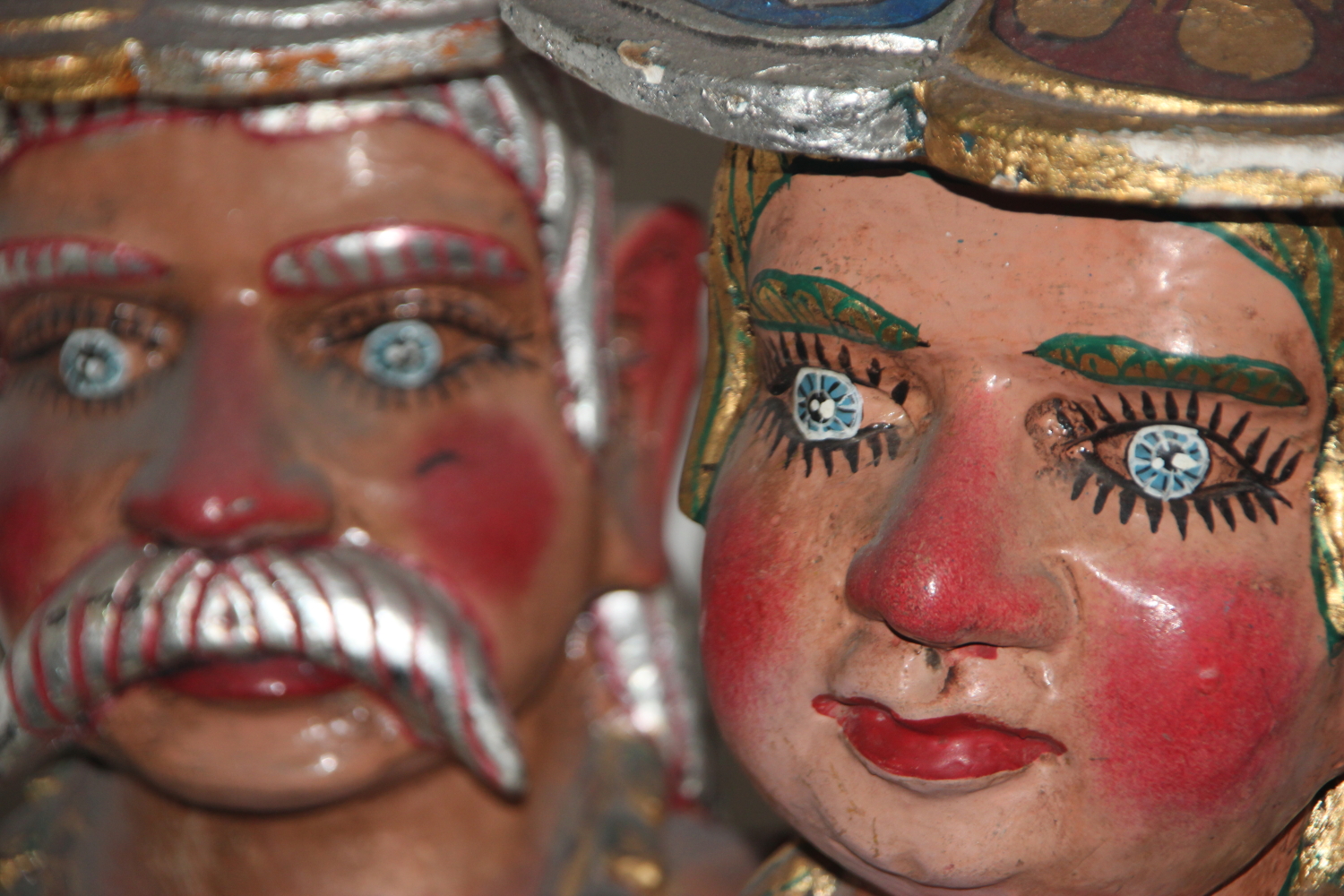
“He and She”
* an ongoing series of quotations – mostly from artists, to artists – that offers wisdom, inspiration, and advice for the sometimes lonely road we are on.
During the course of the past several years we have experienced a seismic shift in the way the world functions. Any notion of a certain or stable or inevitable future has vanished. We are living in what the Polish philosopher Zygmunt Bauman calls “liquid modernity.” No one’s life is predictable or secure. We are confronted with challenges never previously encountered, and these challenges weigh heavily on the role and responsibilities of the individual in society. It is the onus of each one of us to adjust, shift and adjust again to the constant liquid environment of fluid and unending change. In the midst of all this reeling and realignment, the moment is ripe to activate new models and proposals for how arts organizations [and artists] can flourish in the present climate and into an uncertain future.
What’s the Story: Essays about art, theater, and storytelling by Anne Bogart
Comments are welcome!


 barbararachkoscoloreddust.com