Author Archives: barbararachkoscoloreddust
Q: As a full-time artist what are you thankful for?

The list
A: Recently I came across one of my Facebook posts from approximately five years ago. Everything on the list above still rings true, perhaps now even moreso.
Comments are welcome!
Pearls from artists* # 292
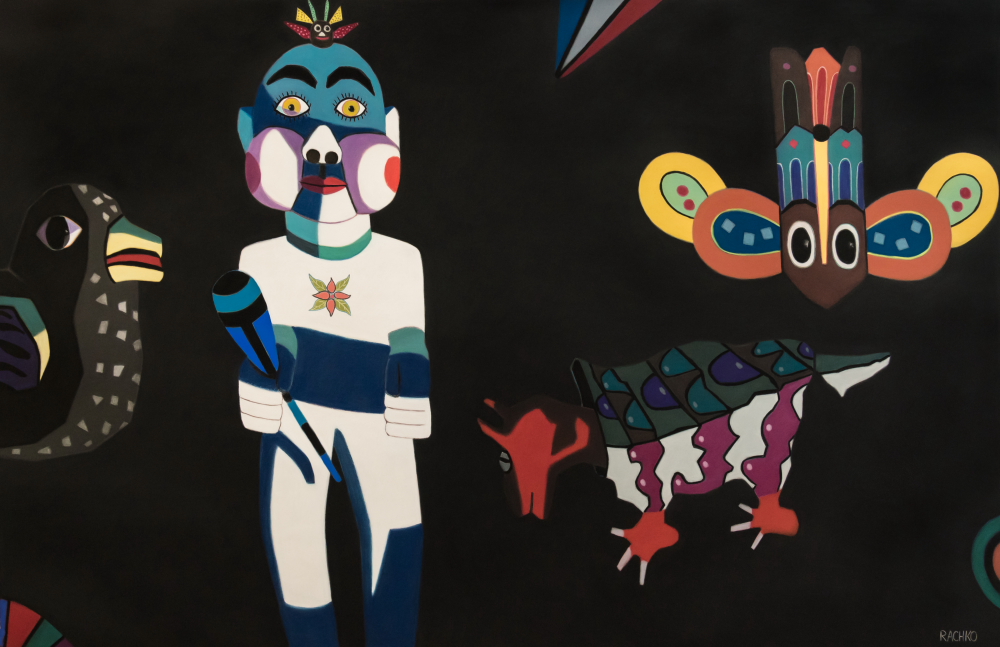
“White Star,” soft pastel on sandpaper, 38″ x 58″
*an ongoing series of quotations – mostly from artists, to artists – that offers wisdom, inspiration, and advice for the sometimes lonely road we are on.
… many tools may share qualities of fine design with works of art. We are in the presence of a work of art only when it has no preponderant instrumental use, and when its technical and rational foundations are not pre-eminent. When the technical organization or the rational order of a thing overwhelms our attention, it is an object of use. On this point Lodoli anticipated the doctrine of functionalists of our century when he declared in the eighteenth century that only the necessary is beautiful. Kant, however, more correctly said on the same point that the necessary cannot be judged beautiful, but only right or consistent. In short, a work of art is as useless as a tool is useful. Works of art are as unique and irreplaceable as tools are common and expendable.
George Kubler in The Shape of Time: Remarks on the History of Things
Comments are welcome!
Travel photo of the month*
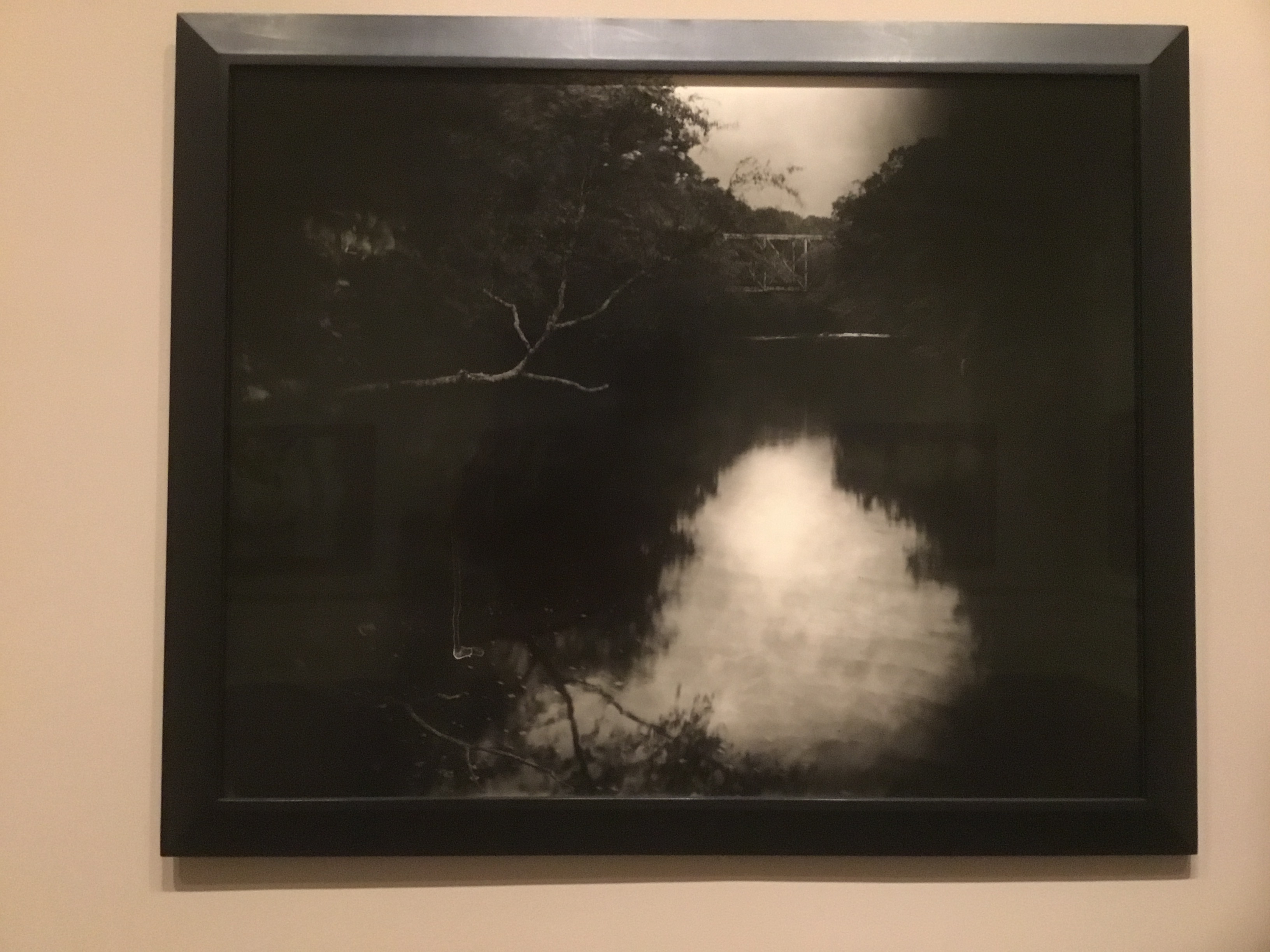
Deep South, Untitled (Bridge on Tallahatchie) by Sally Mann
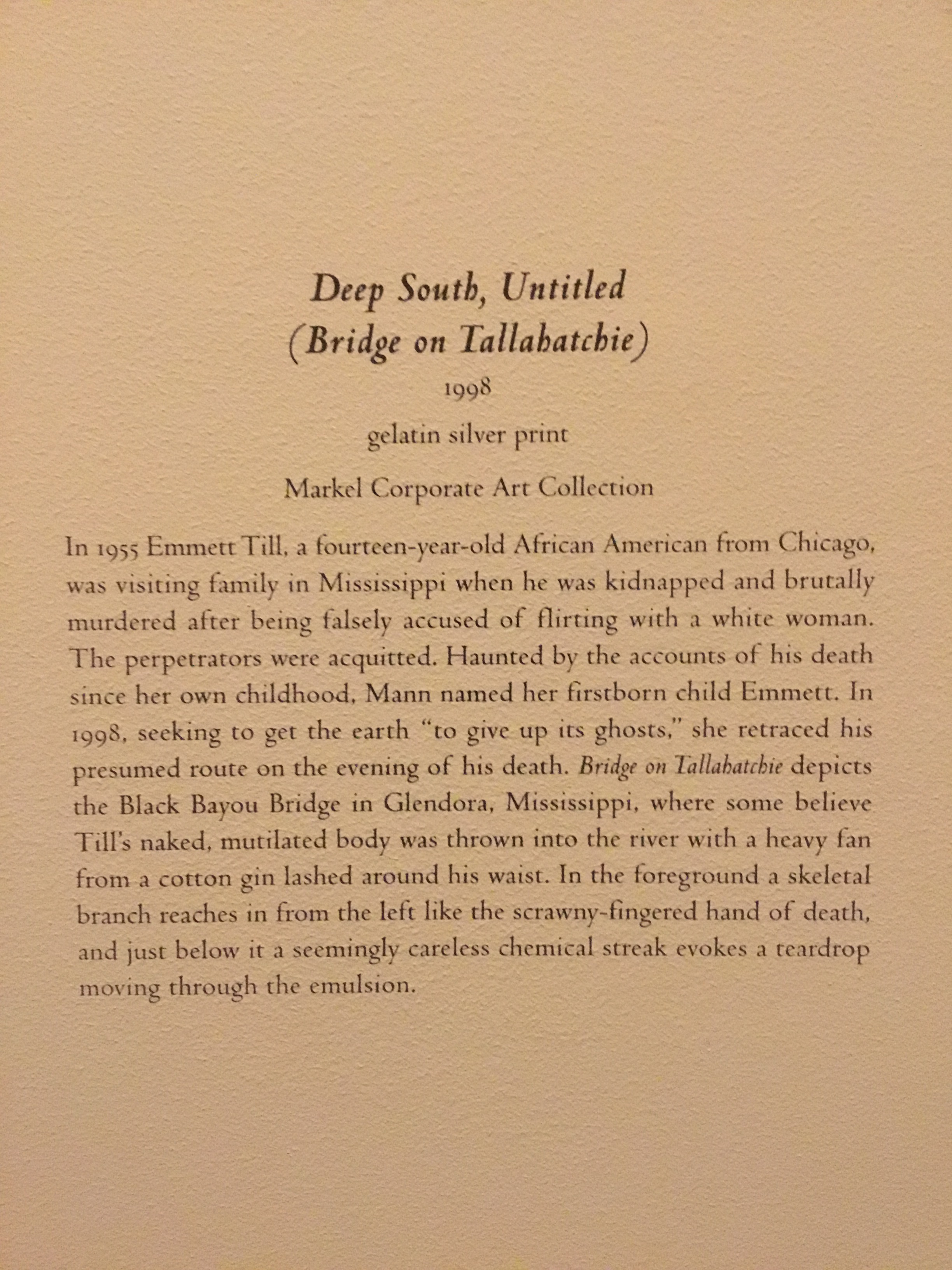
From “Sally Mann: A Thousand Crossings” at the National Gallery of Art
*Favorite travel photographs that have not yet appeared in this blog.
Comments are welcome!
Pearls from artists* # 291

“The Sovereign,” soft pastel on sandpaper, 58″ x 38″ image, 70″ x 50″ framed
*an ongoing series of quotations – mostly from artists, to artists – that offers wisdom, inspiration, and advice for the sometimes lonely road we are on.
Intuitively, we must be truthful to our vision, our conception. Intellectually, we must concentrate on importance. In other words, let us be no all-eater, no all-reader, no all-believer, let us be selective instead of being curious.
… Quality in art is more permanent than any propaganda associated with it.
Joseph Albers in Truthfulness in Art in Joseph Albers in Mexico, edited by Lauren Hinkson
Comments are welcome!
Q: What’s on the easel today?
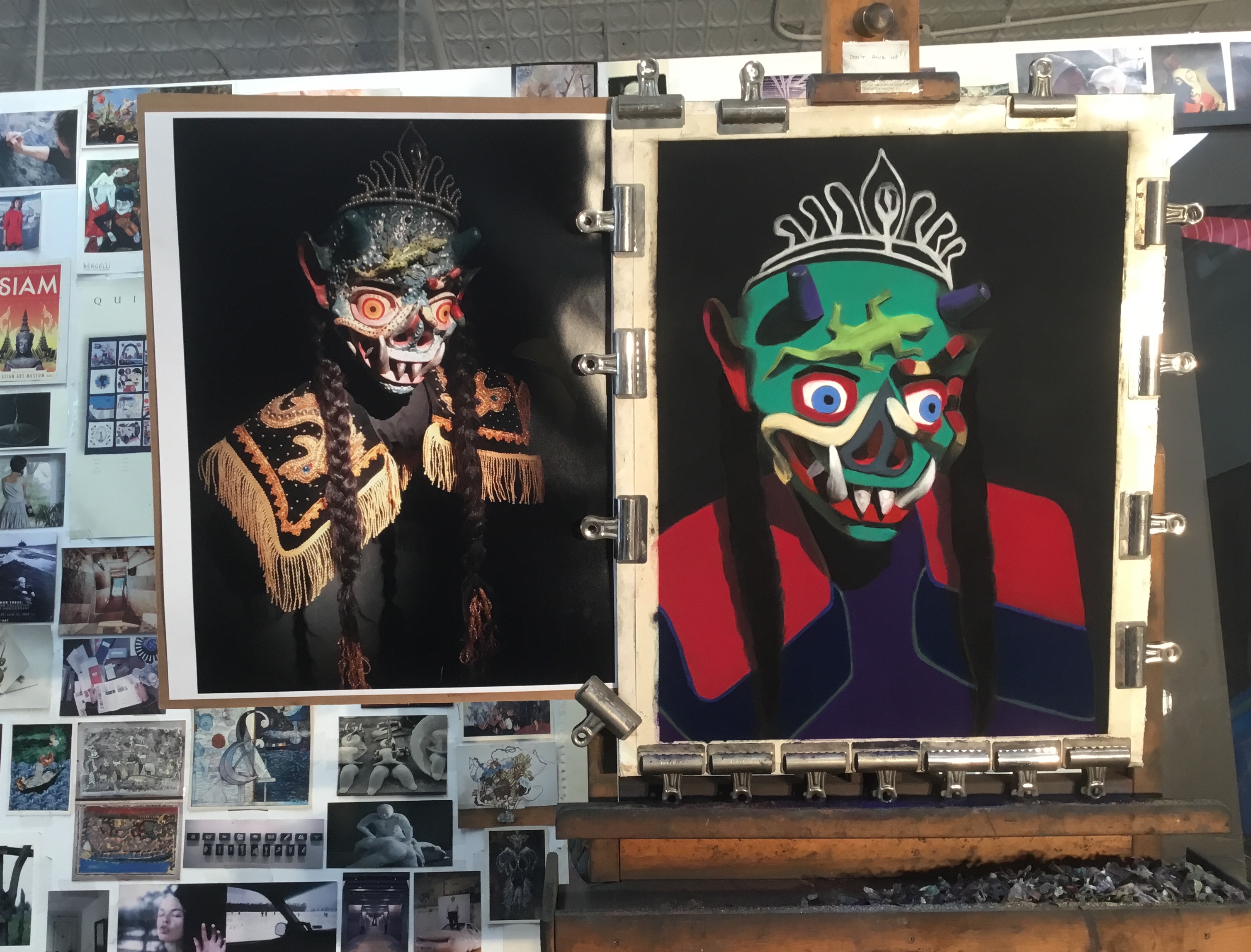
Work in progress
A: I continue slowly working on “Shaman,” soft pastel on sandpaper, 26” x 20”. A long-time aficionado of psychological thrillers, horror, and sci-fi films, I have a high tolerance for the macabre. However, I admit that this one is a little creepy, considering those are snakes curling around the eyes. On a deep level this piece is about facing my own fears. The snakes have become metaphors.
Comments are welcome!
Pearls from artists* # 290

“Dichotomy,” soft pastel on sandpaper, 38″ x 58″
*an ongoing series of quotations – mostly from artists, to artists – that offers wisdom, inspiration, and advice for the sometimes lonely road we are on.
Rational functionalism is technique,
Irrational functionalism is art.
Art is creation
It can be based on but is independent of knowledge.
We can study art through nature,
but art is more than nature.
Art is spirit,
and has a life of its own.
Art in its nature is anti-historical
because creative work is looking forward.
It can be connected with tradition
but grows, consciously or unconsciously, out of an artist’s mentality.
Art is neither imitation nor repetition
but art is revelation.
Joseph Albers in Truthfulness in Art in Joseph Albers in Mexico, edited by Lauren Hinkson
Comments are welcome!
Q: Please speak about how the three pastel paintings series that you have created interrelate.

“The Orator,” soft pastel on sandpaper, 38″ x 58″
A: The Black Paintings series of pastel-on-sandpaper paintings grew directly from an earlier series, Domestic Threats. While both use cultural objects as surrogates for human beings acting in mysterious, highly-charged narratives, in the Black Paintings I replaced all background details of my actual setup (furniture, rugs, etc.) with lush black pastel. In this work the ‘actors’ are front and center.
While traveling in Bolivia last spring, I visited a mask exhibition at the National Museum of Ethnography and Folklore in La Paz. The masks were presented against black walls, were spot-lit, and looked eerily like 3D versions of my Black Paintings. I immediately knew I had stumbled upon a gift. So far I have completed three pastel paintings in the Bolivianos series. Two more are in progress now.
All of my pastel paintings are an example of a style called “contemporary conceptual realism” in which things are not quite as innocent as they seem. Each painting is a Trojan horse. There is plenty of backstory to my images, although I usually prefer not to over-explain them. Much is to be said for mystery in art.
The world I depict is that of the imagination and this realm owes little debt to the natural world. Recently, at an art talk I was reminded how fascinating it is to learn how others respond to my work. As New York art critic Gerrit Henry once remarked, “What we bring to a Rachko… we get back, bountifully.”
Comments are welcome!
Pearls from artists* # 289
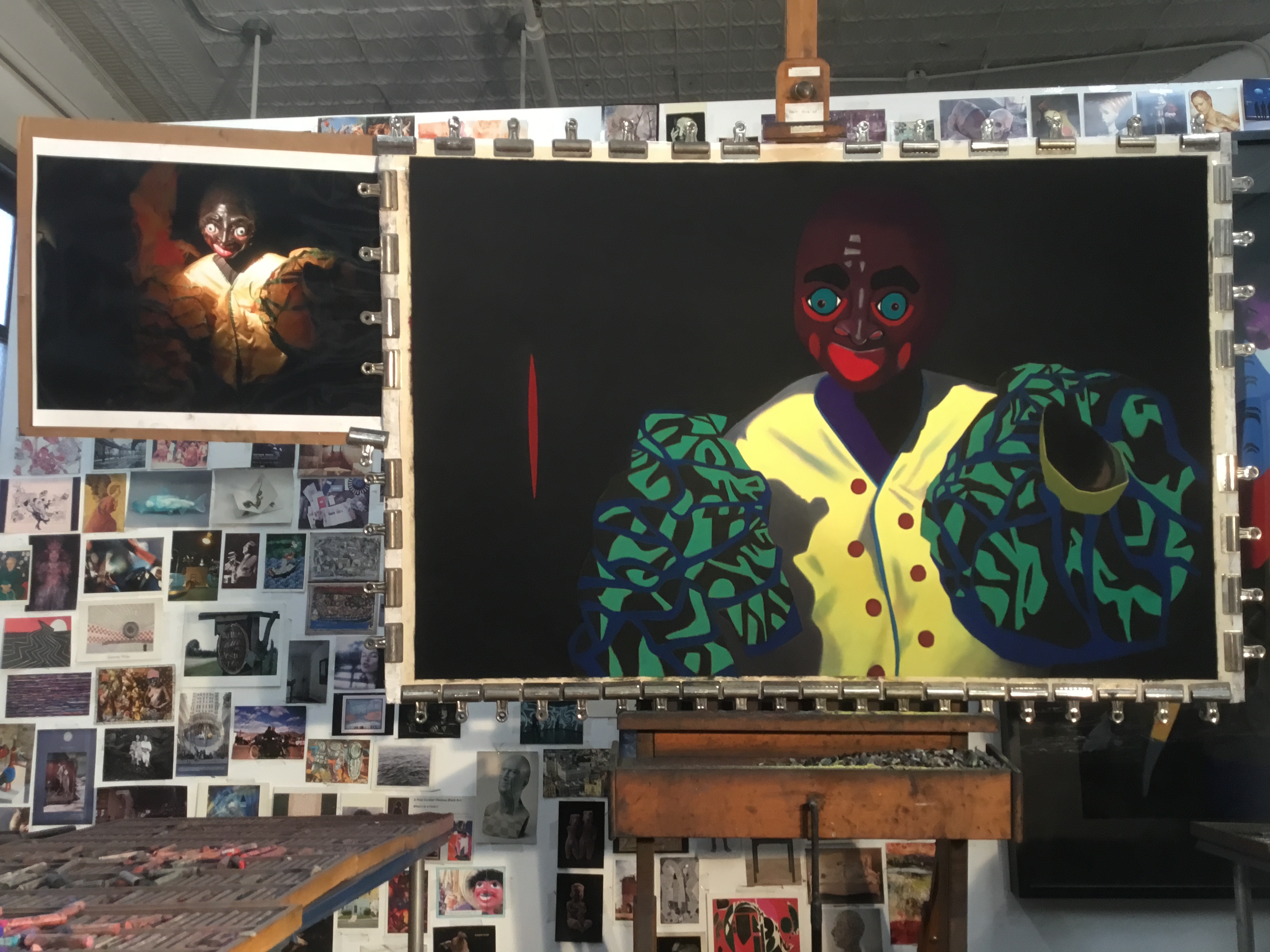
“Danzante,” soft pastel on sandpaper, 38” x 58”, in progress
*an ongoing series of quotations – mostly from artists, to artists – that offers wisdom, inspiration, and advice for the sometimes lonely road we are on.
I do not think it the business of a poet to become a guru. It is his business to write poetry, and to do that he must remain open and vulnerable. We grow through relationships of every kind, but most of all through a relationship that takes the whole person. And it would be pompous and artificial to make an arbitrary decision to shut the door.
The problem is to keep a balance, not to fall to pieces. In keeping her balance in her last years Louise Bogan stopped writing poems, or nearly. It was partly, I feel sure, that the detachment demanded of the critic (and especially his absorption in analyzing the work of others) is diametrically opposed to the kind of detachment demanded of the poet in relationship to his own work. We are permitted to become detached only after the shock of an experience has been taken in, allowed to “happen” in the deepest sense. Detachment comes with examining the experience by means of writing the poem.
May Sarton in Journal of a Solitude: The intimate diary of a year in the life of a creative woman
Comments are welcome!
Q: What do you dislike most about being an artist?
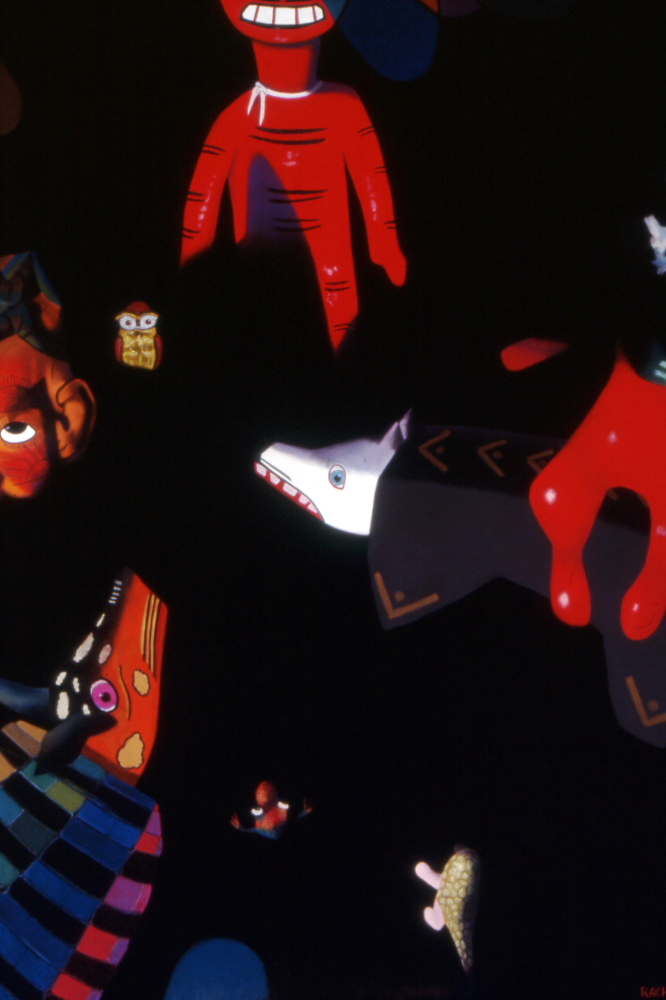
“Some Things We Regret,” soft pastel on sandpaper, 58″ x 38″
A: It’s the fact that too often artists remain unappreciated while they are alive and/or do not share in the rewards after long years of struggle against numbing odds. They/we do whatever is necessary to keep creating new work even as it is ignored and misunderstood.
This unfortunate situation has repeated itself throughout the history of art. As Hilary Spurling stated in the preface to her two-volume biography, Matisse The Master, even Henri Matisse was misunderstood, his work regarded as “merely decorative” during his lifetime and long after.
At this time I have few illusions about the difficulties of being an artist. Somehow I still tell myself, ignore the setbacks and work like there’s no tomorrow.
Comments are welcome!
Pearls from artists* # 288
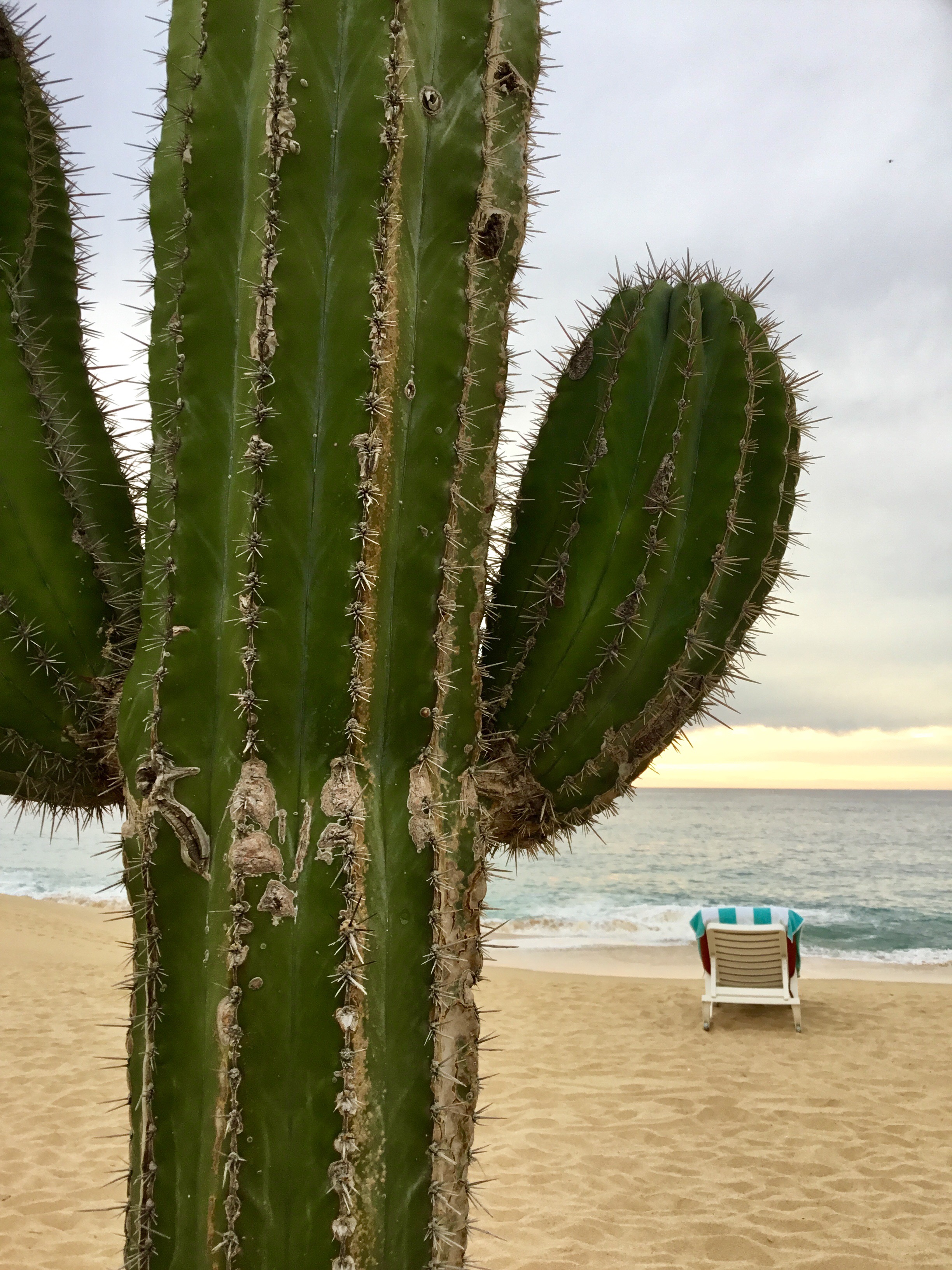
Los Cabos, Mexico
*an ongoing series of quotations – mostly from artists, to artists – that offers wisdom, inspiration, and advice for the sometimes lonely road we are on.
I always forget how important the empty days are, how important it may be sometimes not to expect to produce anything, even a few lines in a journal. I am still pursued by a neurosis about work inherited from my father. A day where one has not pushed oneself to the limit seems a damaged damaging day, a sinful day. Not so! The most valuable thing we can do for the psyche, occasionally, is to let it rest, wander, live in the changing light of a room, not try to be or do anything whatever.
May Sarton in Journal of a Solitude: The intimate diary of a year in the life of a creative woman
Comments are welcome!


 barbararachkoscoloreddust.com