Blog Archives
Q: How do you begin a photograph?

Untitled chromogenic print, 24″ x 24″, edition of 5
A: It always begins in my mind long before I actually start making it. By the time I take the photograph, I’ve already thought deeply about the possibilities, the formal arrangements, meanings, etc. so that setting up the objects, lighting them, and clicking the shutter feels like a reward after a long thought process. My fine art photographs are finished works in themselves. However, when I select one to use as reference for a pastel painting, a different but related process of working out my ideas and translating them into pastel occurs over the next several months spent in the studio. Of course, in that case the photo becomes only the starting point for an entirely new artwork.
Comments are welcome!
Pearls from artists* # 32
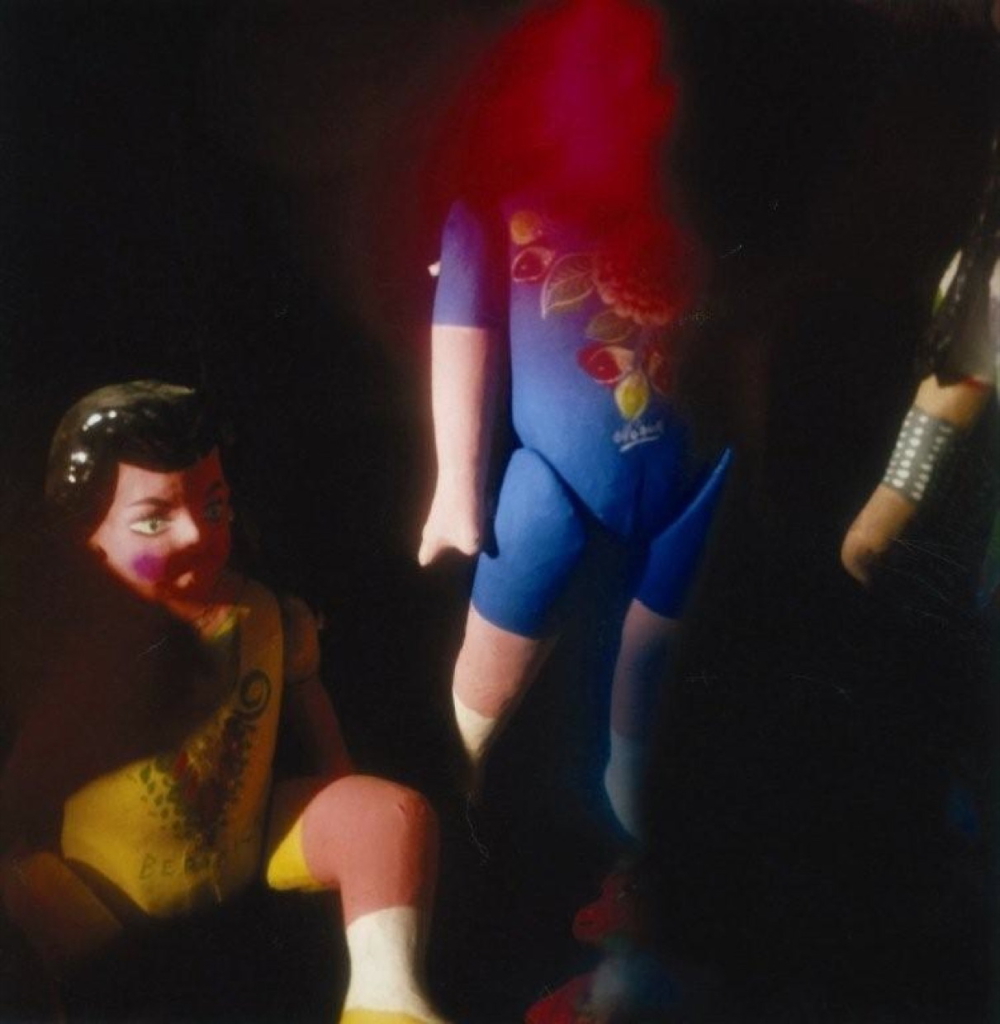
Untitled, 24″ x 24″ chromogenic print, edition of 5
* an ongoing series of quotations – mostly from artists, to artists – that offers wisdom, inspiration, and advice for the sometimes lonely road we are on.
We most certainly need to test ourselves against the most extreme possibilities, just as we are probably obligated not to express, share, and impart the most extreme possibility before it has entered the work of art. As something unique that no other person would and should understand, as one’s personal madness, so to speak, it has to enter into the work to attain its validity and to reveal there an internal law, like primary patterns that become visible only in the transparency of artistic creation. There exist nonetheless two freedoms to express oneself that seem to me the ultimate possibilities: one in the presence of the created object, and the other within one’s actual daily life where one can show another person what one has become through work, and where one may in this way mutually support and help and (here understood humbly) admire one another. In either case, however, it is necessary to show results, and it is neither lack of confidence nor lack of intimacy nor a gesture of exclusion if on does not reveal the tools of one’s personal becoming that are marked by so many confusing and tortuous traits, which are valid only for one’s own use.
Ulrich Baer, editor, The Wisdom of Rilke
Comments are welcome!
Pearls from artists* # 8
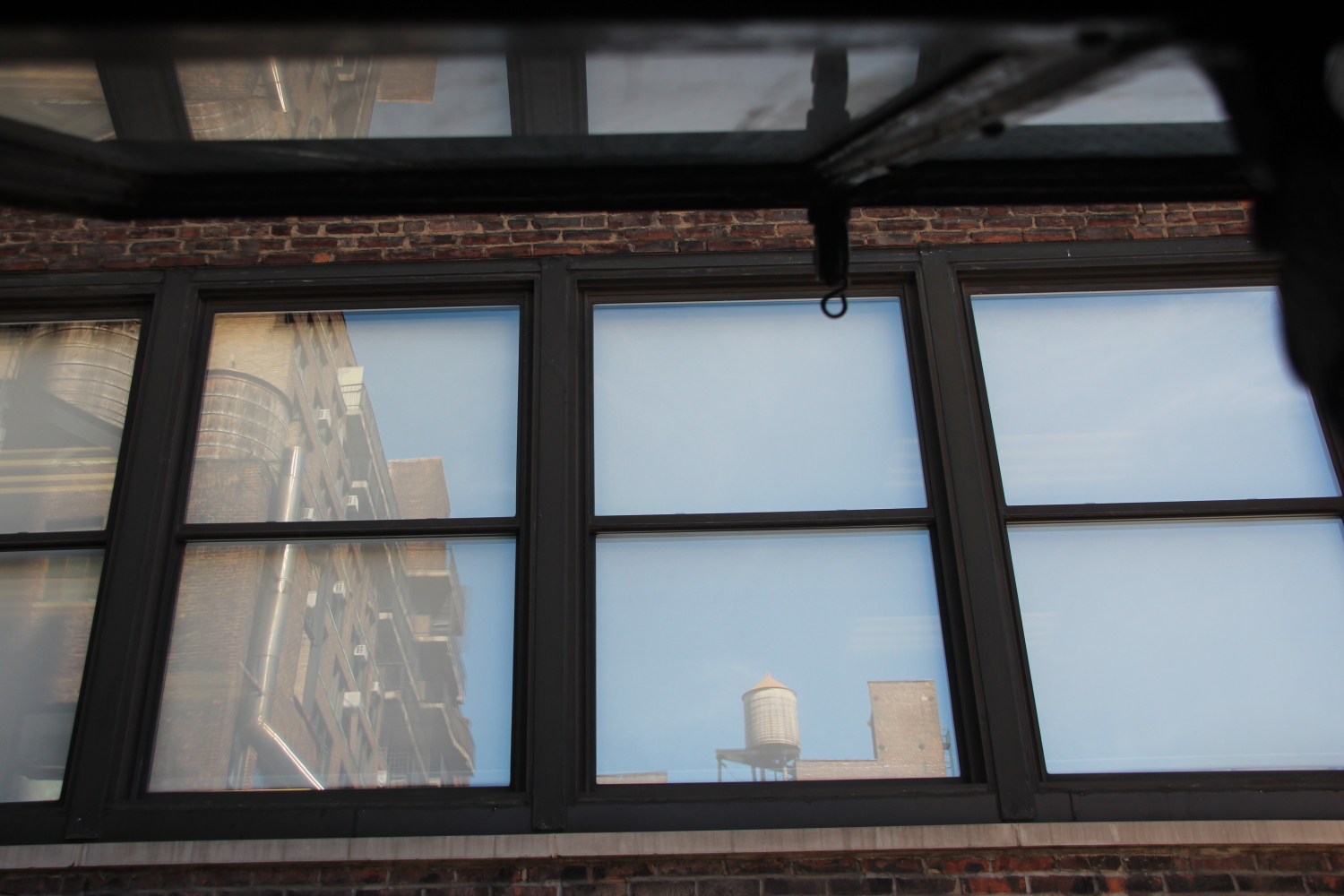
A view from the studio
* an ongoing series of quotations – mostly from artists, to artists – that offers wisdom, inspiration, and advice for the sometimes lonely road we are on.
Here is a fairly sober version of what happens in the small room between the writer and the work itself. It is similar to what happens between a painter and the canvas.
First you shape the vision of what the projected work of art will be. The vision, I stress, is no marvelous thing: it is he work’s intellectual structure and aesthetic surface. It is a chip of mind, a pleasing intellectual object. It is a vision of the work, not of the world. It is a glowing thing, a blurred thing of beauty. Its structure is at once luminous and translucent; you can see the world through it. After you receive the initial charge of this imaginary object, you add to it at once several aspects, and incubate it most gingerly as it grows into itself.
Many aspects of the work are still uncertain, of course; you know that. You know that if you proceed you will change things and learn things, that the form will grow under your hands and develop new and richer lights. But that change will not alter the vision or its deep structures; it will only enrich it. You know that and you are right.
But you are wrong if you think that in the actual writing or in the actual painting, you are filling in the vision. You cannot fill in the vision. You cannot even bring the vision to light. You are wrong if you think that you can in any way take the vision and tame it to the page. The page is jealous and tyrannical; the page is made of time and matter; the page always wins. The vision is not so much destroyed, exactly, as it is, by the time you have finished, forgotten. It has been replaced by this changeling, this bastard, this opaque lightless chunky ruinous work.
Here is how it happens. The vision is, sub specie aeternitatis, a set of mental relationships, a coherent series of formal possibilities. In the actual rooms of time, however, it is a page or two of legal paper filled with words and questions; it is a terrible diagram, a few books’ names in a margin, an ambiguous doodle, a corner folded down in a library book. There are memos from the thinking brain to witless hope.
Nevertheless, ignoring the provisional and pathetic nature of these scraps, and bearing the vision itself in mind – having it before your sights like the very Grail – you begin to scratch out the first faint marks on the canvas, on the page. You begin the work proper. Now you have gone and done it. Now the thing is no longer a vision: it is paper.
Words lad to other words and down the garden path. You adjust the paints’ values and hues not to the world, not to the vision, but to the rest of the paint. The materials are stubborn and rigid; push is always coming to shove. You can fly – you can fly higher than you thought possible – but you can never get off the page. After every passage another passage follows, more sentences, more everything on drearily down. Time and materials hound the work; the vision recedes ever farther into the dim realms.
And so you continue the work, and finish it. Probably by now you have been forced to toss the most essential part of the vision. But this is a concern for mere nostalgia now: for before your eyes, and stealing your heart, is this fighting and frail finished product, entirely opaque. You can see nothing through it. It is only itself, a series of well-known passages, some colored paint. Its relationship to the vision that impelled it is the relationship between any energy and any work, anything unchanging to anything temporal.
The work is not the vision itself, certainly. It is not the vision filled in, as if it had been a coloring book. It is not the vision reproduced in time; that were impossible. It is rather a simulacrum and a replacement. It is a golem. You try – you try every time – to reproduce the vision, to let your light so shine before men. But you can only come along with your bushel and hide it.
Annie Dillard, The Writing Life
Comments are welcome.


 barbararachkoscoloreddust.com