Blog Archives
Pearls from artists* # 235
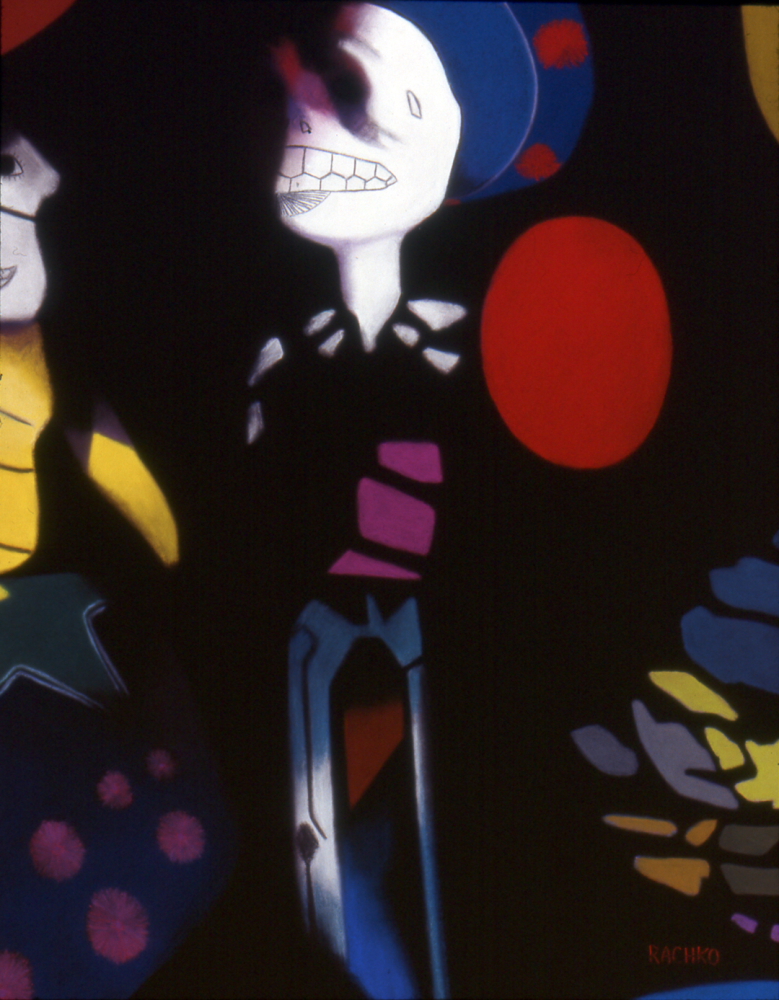
“Effigy,” soft pastel on sandpaper, 26″ x 20″
* an ongoing series of quotations – mostly from artists, to artists – that offers wisdom, inspiration, and advice for the sometimes lonely road we are on.
People make things – make art or things that are akin to art – as a way of expressing their need for contact, or their fear of it; people make objects as a way of coming to terms with shame, with grief. People make objects to strip themselves down, to survey their scars, and people make objects to resist oppression, to create a space in which they can move freely. Art doesn’t have to have a reparative function, any more than it has a duty to be beautiful or moral.
Olivia Laing in The Lonely City: Adventures in the Art of Being Alone
Comments are welcome!
Pearls from artists* # 229

“Epiphany,” soft pastel on sandpaper, 38″ x 58″
* an ongoing series of quotations – mostly from artists, to artists – that offers wisdom, inspiration, and advice for the sometimes lonely road we are on.
After his own cancer diagnosis, [Donald] Hall writes: “If work is no antidote to death, nor a denial of it, death is a powerful stimulus to work. Get done what you can.” There is this – only this. It would be good to keep these words in mind when we wake up each morning. Get done what you can. And then the rest is gravy.
Dani Shapiro in Still Writing: The Perils and Pleasures of a Creative Life
Comments are welcome!
Q: Do you consider your finished pastel works to be drawings or paintings?

“The Sovereign,” soft pastel on sandpaper, 58″ x 38″ image, 70″ x 50″ framed
A: Among artists who work in pastel, these two words, ‘drawings’ and ‘paintings,’ have very specific meanings, somewhat unrelated to the usual distinctions made by art historians and others. For a pastel artist, a ‘drawing’ refers to a work in which the paper or other substrate is allowed to show through. In a pastel ‘painting’ you do not see the substrate at all, i.e. pastel is used much more heavily in a painting than in a drawing. Since I have always spent months creating each piece, covering the entire sandpaper ground with up to 30 layers of pigment, I have considered my work to be pastel painting.
Comments are welcome!
Pearls from artists* # 224
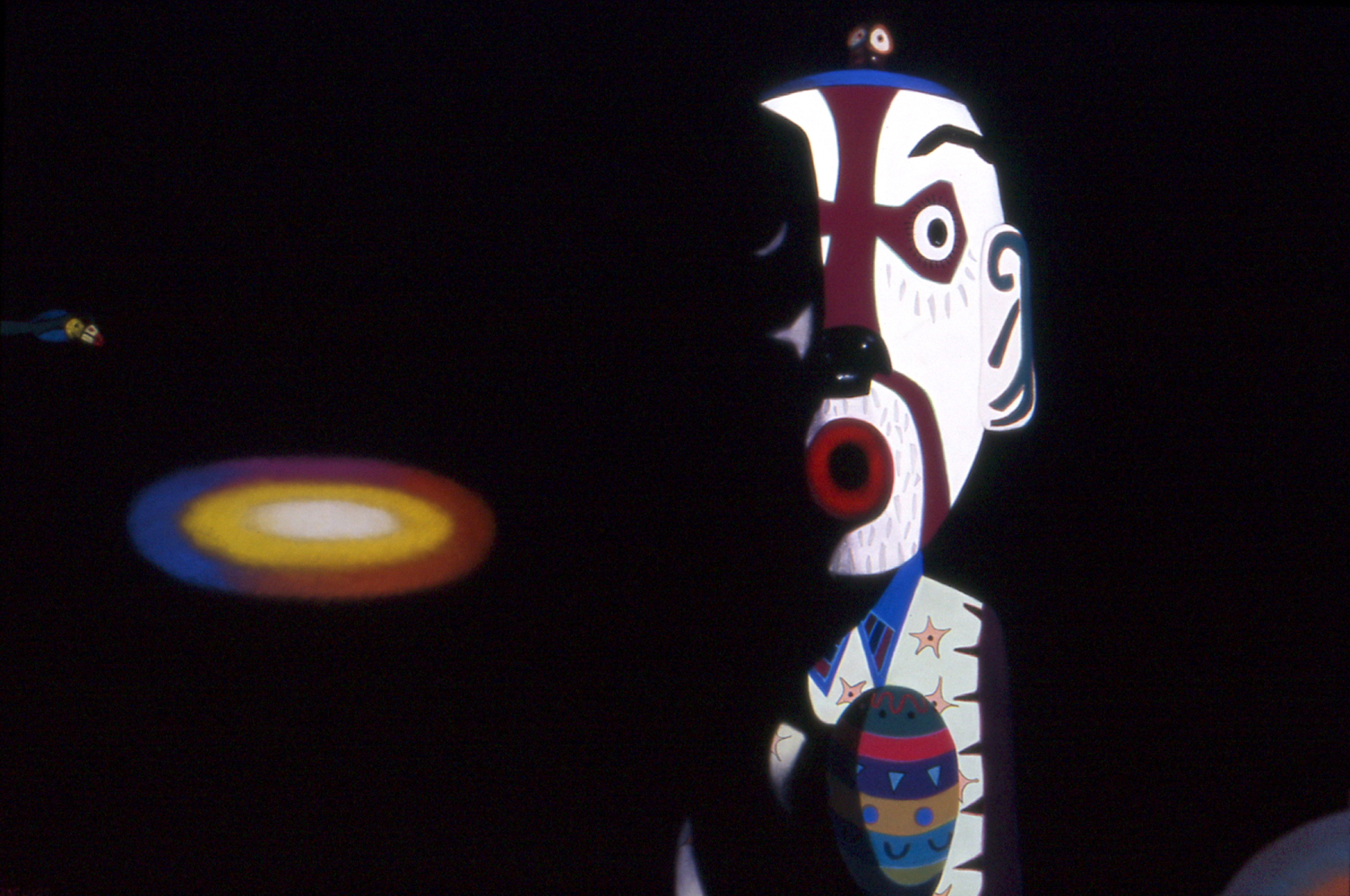
“Poker Face,” soft pastel on sandpaper, 38″ x 58″ image, 50″ x 70″ framed
* an ongoing series of quotations – mostly from artists, to artists – that offers wisdom, inspiration, and advice for the sometimes lonely road we are on.
… wise writers decline to engage in debates over the right way to read their words. T.S. Eliot was once approached with a question about a cryptic line from his poem “Ash-Wednesday”: “Lady, three white leopards sat under a juniper-tree.” What did the line mean? The poet replied: “I mean, ‘Lady, three white leopards sat under a juniper-tree .” Creating a text, Eliot seems to be saying, like having a child, only means bringing something into the world. It doesn’t include the power to control it’s destiny.
Adam Kirsch in “Can You Read a Book the Wrong Way?”, The New York Times Book Review, Sept. 27, 2016.
Comments are welcome!
Q: What’s on the easel today?
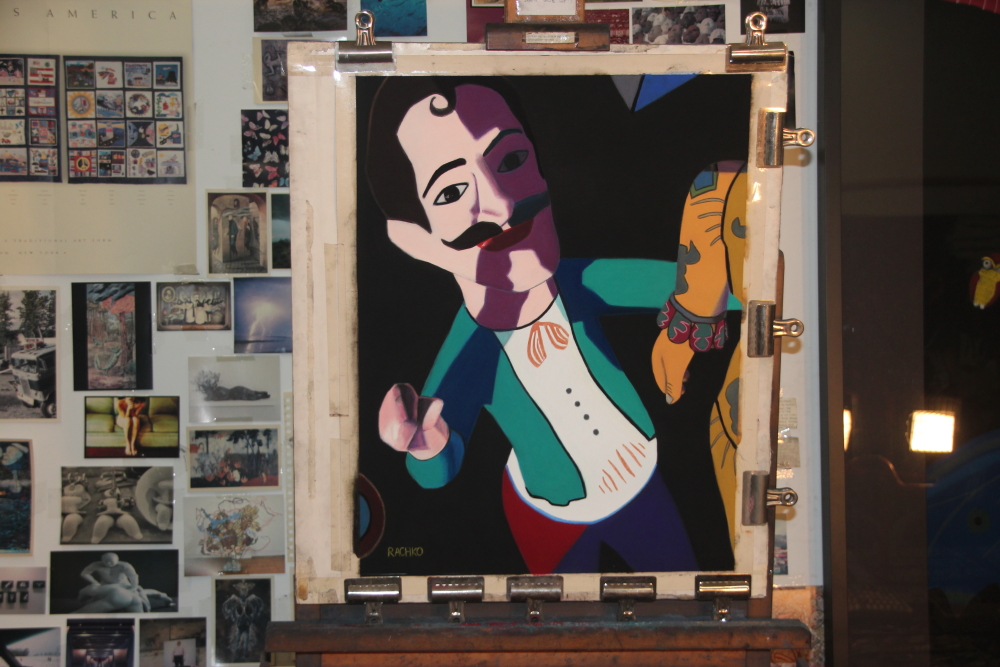
“A Long Goodbye,” soft pastel on sandpaper, 26″ x 20″
A: I am putting finishing touches on a small pastel painting called, “A Long Goodbye.” It’s a smaller, cropped version of a larger piece completed in 2013 called, “The Ancestors” (below).
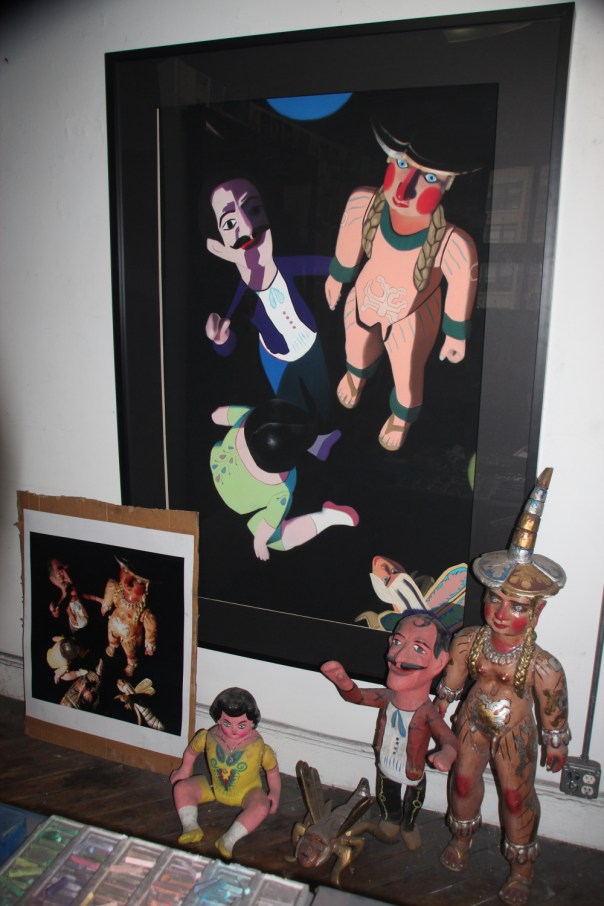
“The Ancestors” in Barbara’s studio
Comments are welcome!
Q: What’s on the easel today?
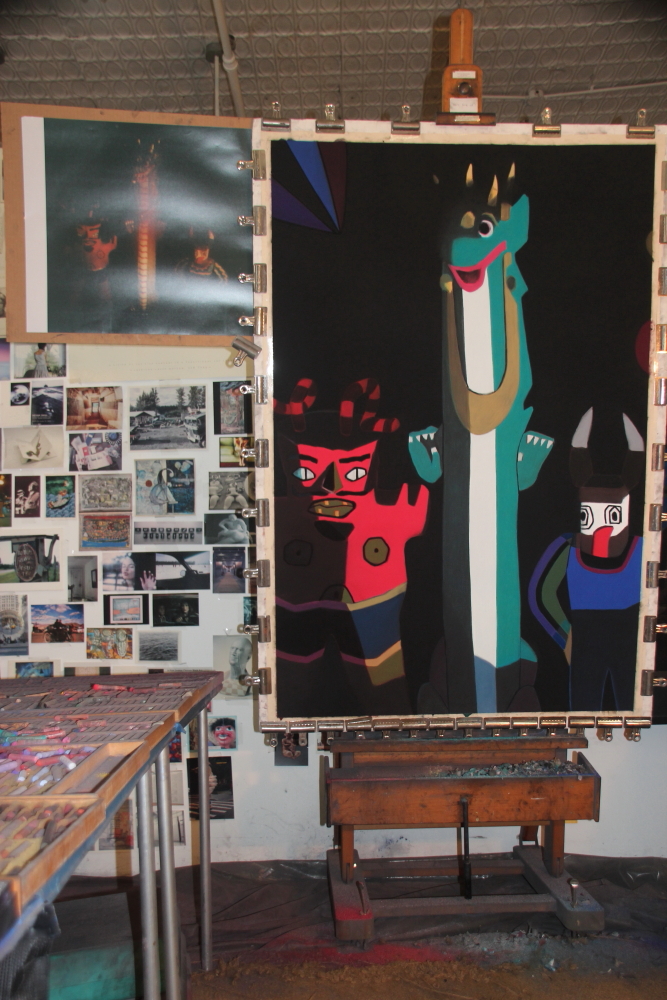
Work in progress
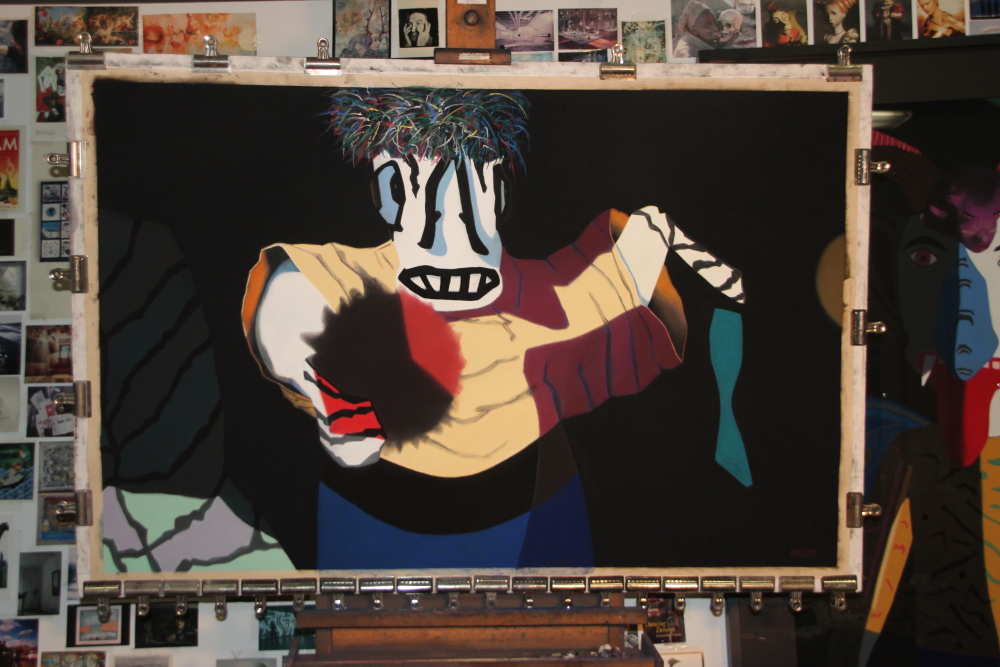
A: I am continuing work on a large (58″ x 38″) pastel painting tentatively titled, “Blocked.”
Comments are welcome!
Start/Finish of “Incognito,” soft pastel on sandpaper, 38″ x 58″ image, 50″ x 70″ framed
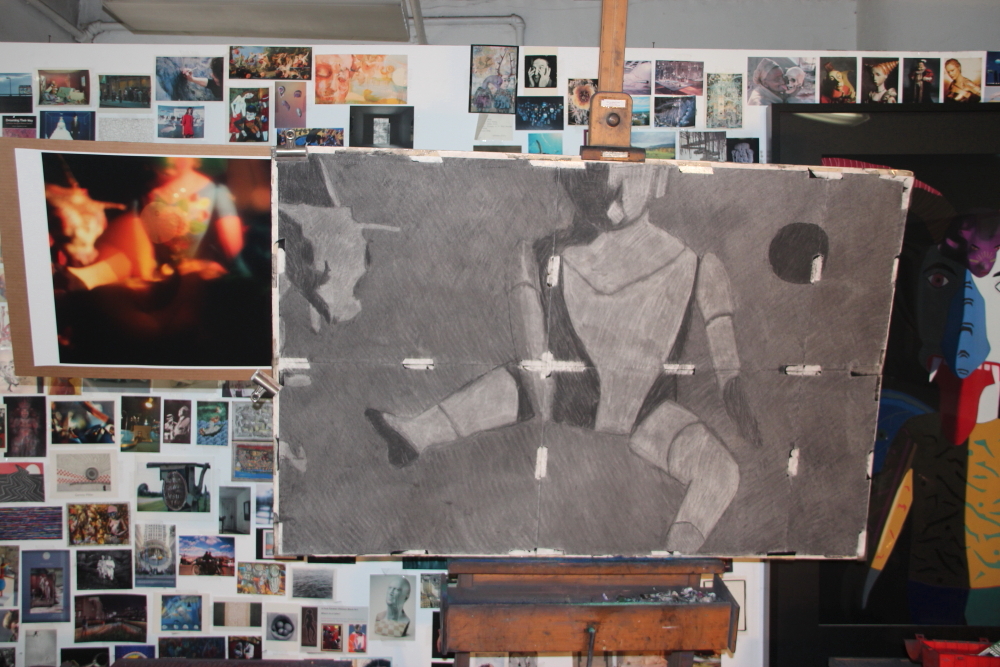
C-print and preliminary charcoal sketch
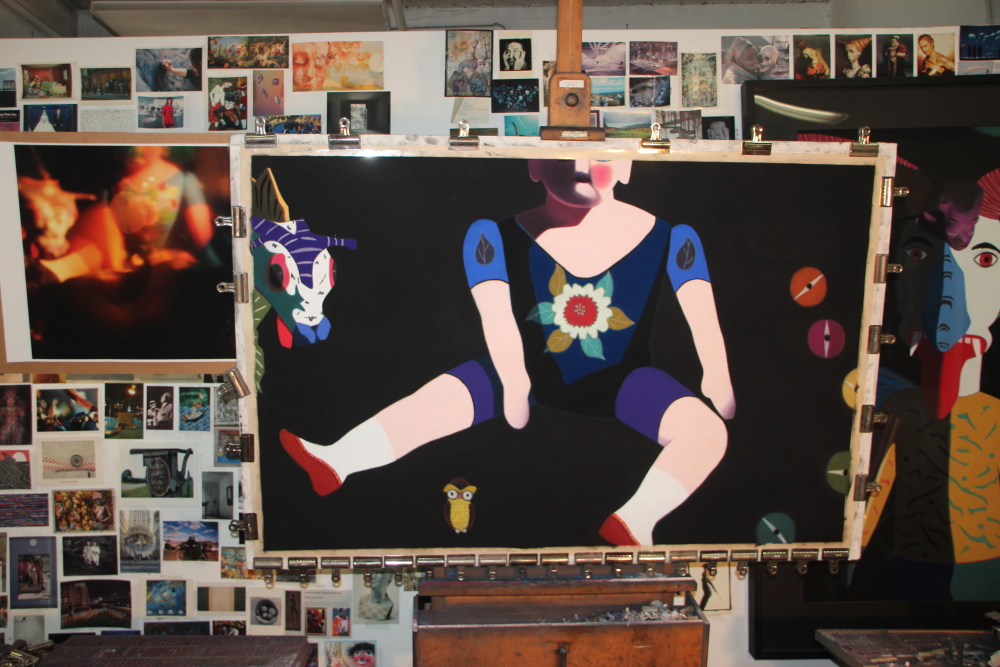
Finished
Comments are welcome!
Start/Finish of “Blind Faith,” soft pastel on sandpaper, 38″ x 58″ image, 50″ x 70″ framed

Beginnings

Finished and signed (lower left)
Comments are welcome!
Pearls from artists* # 209

“So What?”, soft pastel on sandpaper, 20″ x 26″
* an ongoing series of quotations – mostly from artists, to artists – that offers wisdom, inspiration, and advice for the sometimes lonely road we are on.
For a young painter, life is difficult. If he’s sincere, if he’s entirely taken up with what he’s researching, he can’t do painting that flatters art lovers. If he’s concerned with success, he works with just the one idea: pleasing people and selling. He loses the support of his own conscience and is dependent on how others are feeling. He neglects his gifts and eventually loses them.
For us, the problem was simple: the buyer simply didn’t exist. We were working for ourselves. We were in a trade that offered no hope at all. So we had fun with any little thing. I suppose people shipwrecked on a desert island must find it very jolly – all their problems have ceased to exist. Nothing left to do but have a laugh, tell jokes, and play jokes. Painters? How could they ever expect to sell anything?
Chatting with Henri Matisse: The Lost 1941 Interview, Henri Matisse with Pierre Courthion, edited by Serge Guilbaut, translated by Chris Miller
Comments are welcome!
Start/Finish of “Broken,” soft pastel on sandpaper, 38″ x 58″
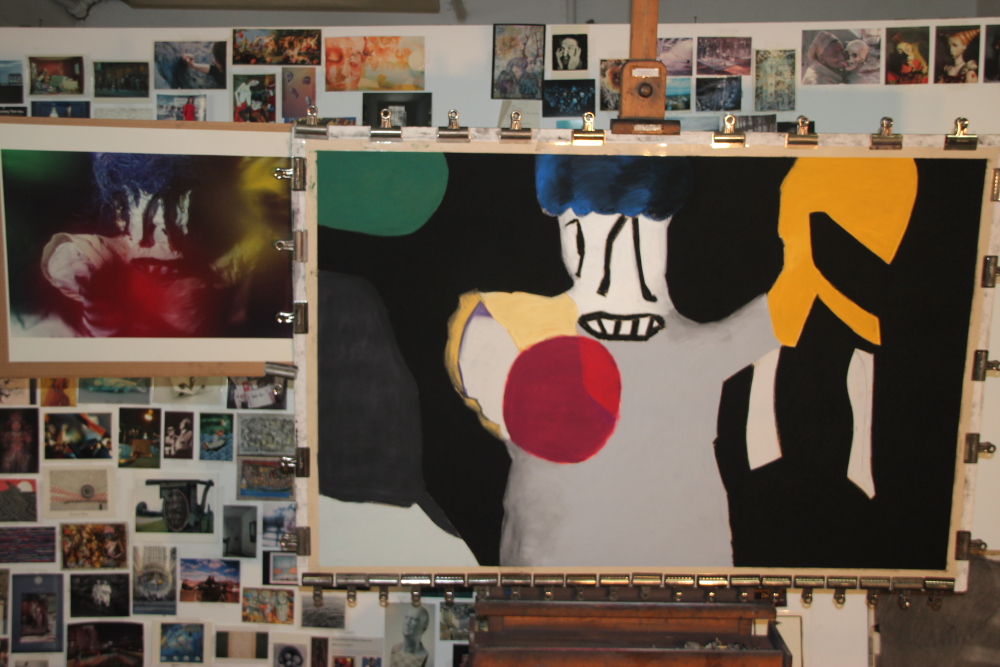
First day’s work on “Broken”
“Broken,” completed but unsigned
Comments are welcome!


 barbararachkoscoloreddust.com