Blog Archives
Pearls from artists* # 30
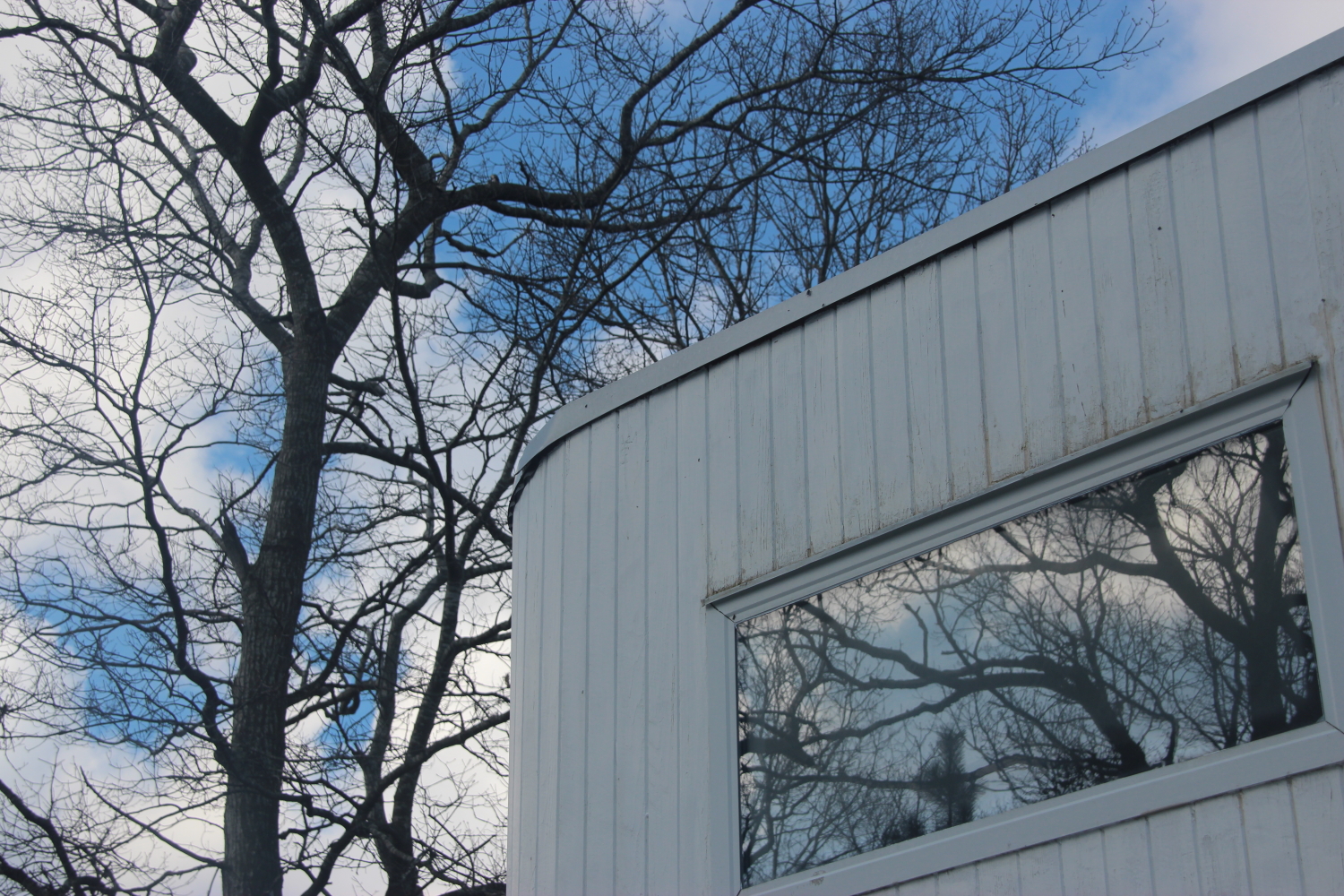
East Hampton house
* an ongoing series of quotations – mostly from artists, to artists – that offers wisdom, inspiration, and advice for the sometimes lonely road we are on.
And, just as the analysis of a film by a psychoanalyst can tell us about some implications and some sources of a labour that is all the less tightly under our control since the material problems we encounter during it make us insensible to tiredness and leave our unconscious quite free, so the interpretation of one of our works by the mind of an outsider can show it to us from a new, and revealing perspective.
How disturbed we should be, were there some machine that would allow us to follow the thousand brains in a cinema! No doubt, we should stop writing. We should be wrong to do so, but it would be a hard lesson. What Jules de Noailles said (recounted by Liszt) is true: ‘You will see one day that it is hard to speak about anything to anyone.’ Yet it is equally true that each person takes in or rejects the sustenance that we offer, and that the people who absorb it, do so in their own way; and this it is that determines the progress of a work through the centuries, because if a work were to send back only a perfect echo, the result would be a kind of pleonasm, an inert exchange, a dead perfection.
Andre Bernard and Claude Gauteur, editors, Jean Cocteau: The Art of Cinema
Comments are welcome!
Pearls from artists* # 21

Apartment building, New York City
* an ongoing series of quotations – mostly from artists, to artists – that offers wisdom, inspiration, and advice for the sometimes lonely road we are on.
It is the beginning of a work that the writer throws away.
A painting covers its tracks. Painters work from the ground up. The latest version of a painting overlays earlier versions, and obliterates them. Writers, on the other hand, work from left to right. The discardable chapters are on the left. The latest version of a literary work begins somewhere in the work’s middle, and hardens toward the end. The earlier version remains lumpishly on the left; the work’s beginning greets the reader with the wrong hand. In those early pages and chapters anyone may find bold leaps to nowhere, read the brave beginnings of dropped themes, hear a tone since abandoned, discover blind alleys, track red herrings, and laboriously learn a setting now false.
Several delusions weaken the writer’s resolve to throw away work. If he has read his pages too often, those pages will have a necessary quality, the ring of the inevitable, like poetry known by heart; they will perfectly answer their own familiar rhythms. He will retain them. He may retain those pages if they possess some virtues, such as power in themselves, though they lack the cardinal virtue, which is pertinence to, and unity with, the book’s thrust. Sometimes the writer leaves his early chapters in place from gratitude; he cannot contemplate them or read them without feeling again the blessed relief that exalted him when the words first appeared – relief that he was writing anything at all. That beginning served to get him where he was going, after all; surely the reader needs it, too, as groundwork. But no.
Every year the aspiring photographer brought a stack of his best prints to an old, honored photographer, seeking his judgment. Every year the old man studied the prints and painstakingly ordered them into two piles, bad and good. Every year the old man moved a certain landscape print into the bad stack. At length he turned to the young man: “You submit this same landscape every year, and every year I put it in the bad stack. Why do you like it so much?” The young photographer said, “Because I had to climb a mountain to get it.”
Annie Dillard, The Writing Life
Comments are welcome!


 barbararachkoscoloreddust.com