Pearls from artists* # 254

“Survivors,” soft pastel on sandpaper, 20″ x 26″ image, 28 1/2″ x 35″ framed
* an ongoing series of quotations – mostly from artists, to artists – that offers wisdom, inspiration, and advice for the sometimes lonely road we are on.
An artist learns by repeated trial and error, by an almost moral instinct, to avoid the merely or the confusingly decorative, to eschew violence where it is a fraudulent substitute for power, to say what he has to say with the most direct and economical means, to be true to his objects, to his materials, to his technique, and hence, by a correlated miracle, to himself.
Ian Roberts in Creative Authenticity: 16 Principles to Clarify and Deepen Your Artistic Vision
Comments are welcome!
Q: How can you tell with certainty when a pastel painting is finished?
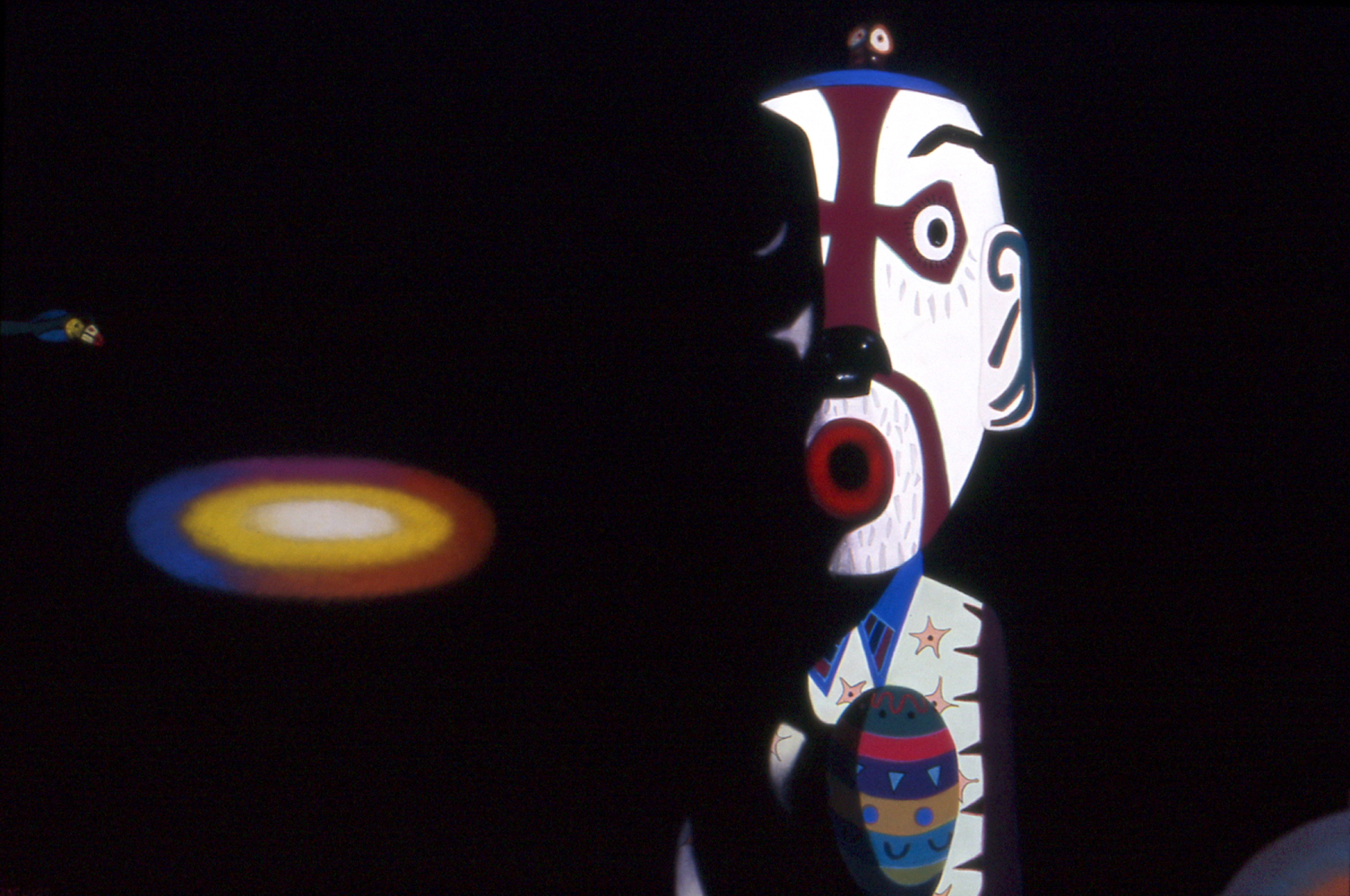
“Poker Face,” soft pastel on sandpaper, 38″ x 58″
A: For me a work is finished when to add or subtract some element causes the composition to diminish or somehow weaken. It’s mostly a matter of where I want viewers to look and how I decide to lead their eyes around a painting.
I work on each piece for several months so that by the time it’s nearly done, I can no longer see flaws. I put it aside for a week or two. Then I pull it out again, turn it upside down, and any details that need improving become obvious. Once I fix them, I know the painting is finally finished and ready to be signed, photographed, and delivered to my framer.
Comments are welcome!
Pearls from artists* # 253
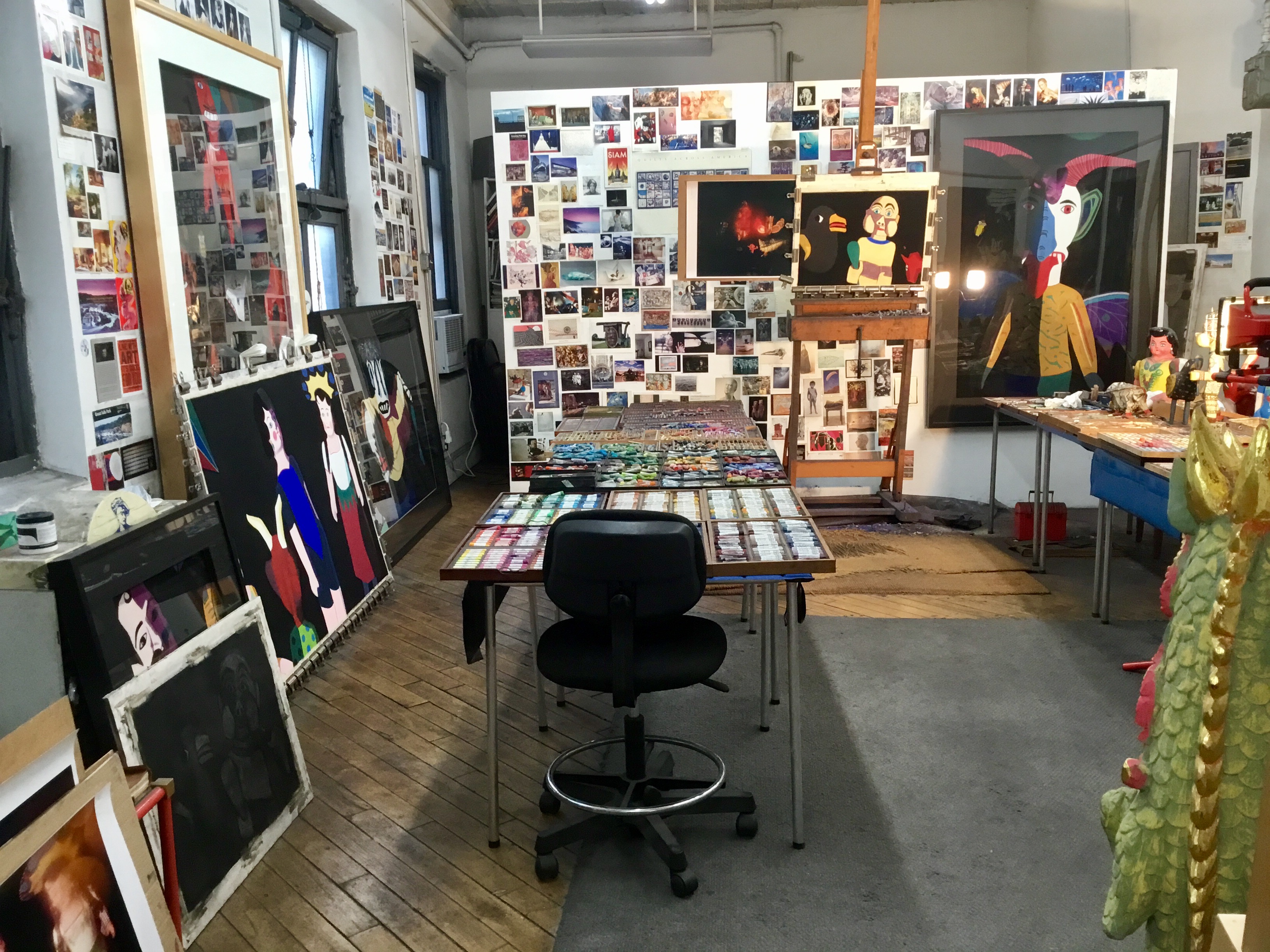
Barbara’s studio with works in progress
* an ongoing series of quotations – mostly from artists, to artists – that offers wisdom, inspiration, and advice for the sometimes lonely road we are on.
There is a notion that creative people are absent-minded, reckless, heedless of social customs and obligations. It is, hopefully, true. For they are in another world altogether. It is a world where the third self is governor. Neither is the purity of art the innocence of childhood, if there is such a thing. One’s life as a child, with all its emotional rages and ranges, is but grass for the winged horse – it must be chewed well in those savage teeth. There are irreconcilable differences between acknowledging and examining the fabulations of one’s past and dressing them up as though they were adult figures, fit for art, which they will never be. The working, concentrating artist is an adult who refuses interruption from himself, who remains absorbed and energized in and by the work – who is responsible to the work.
Mary Oliver in Upstream: Selected Essays
Comments are welcome!
Q: What would you say is your underlying motivation as a contemporary artist?
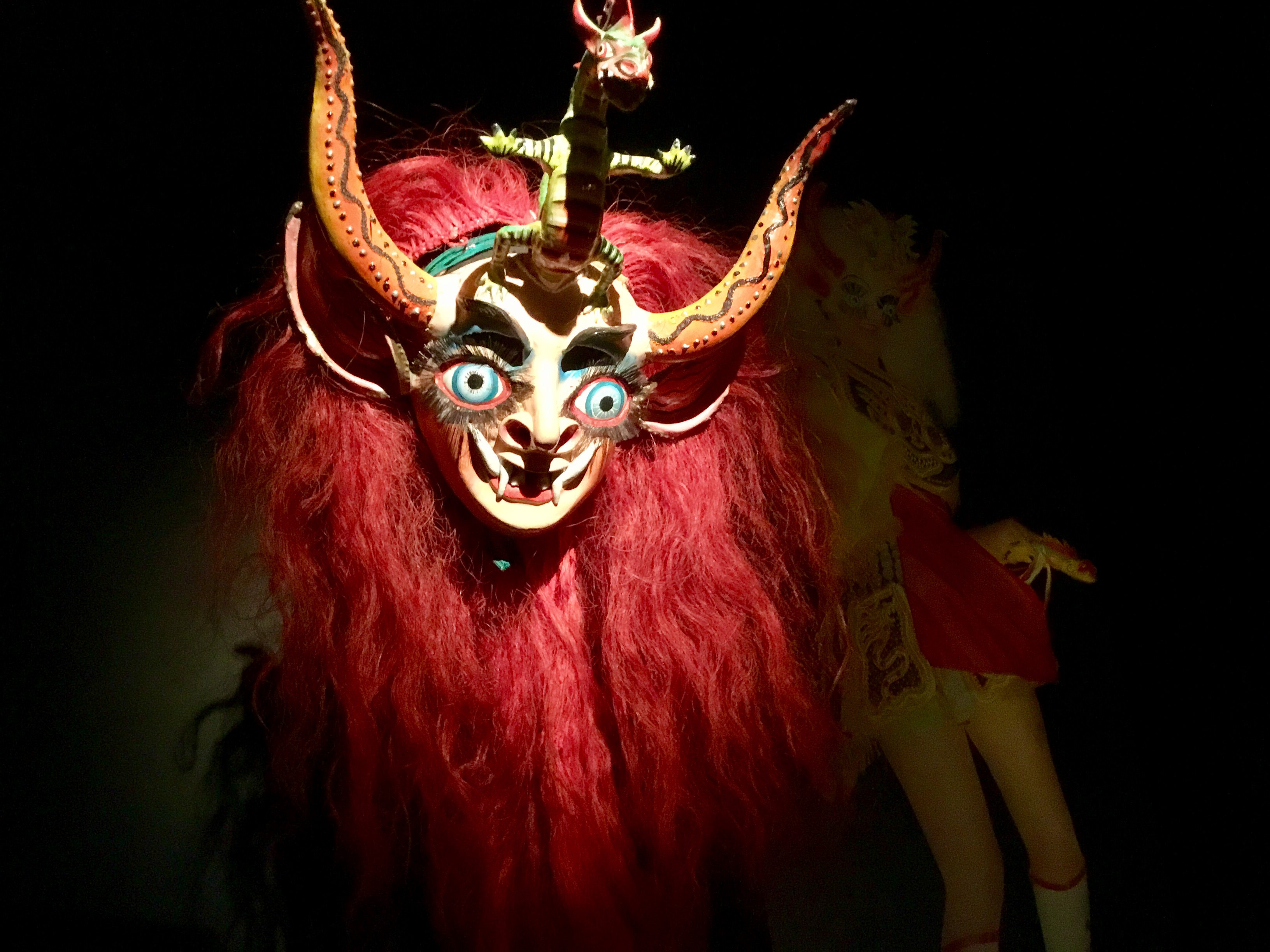
Museum of Ethnography and Folklore, La Paz, Bolivia
A: What motivates me is the desire to make great art, to develop my innate talents to their fullest, to share the hard-won knowledge I have gained along the way, and to bring as much beauty into this life as possible. It’s never been easy, but I’m trying to spend my short time on this earth as an artist, doing the work I was always meant to do!
Comments are welcome!
Pearls from artists* # 252
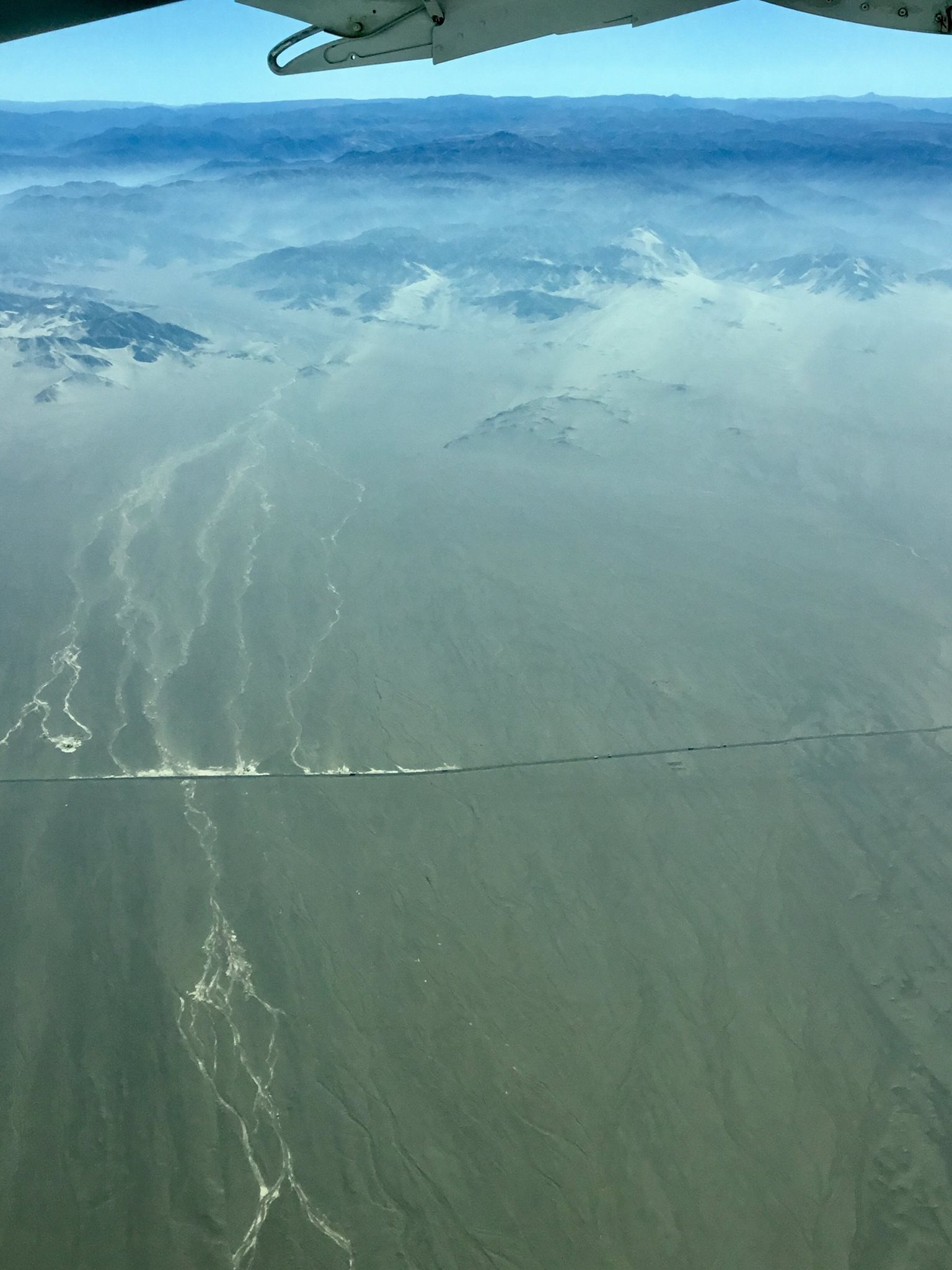
Above the Panamerican Highway in southern Peru
* an ongoing series of quotations – mostly from artists, to artists – that offers wisdom, inspiration, and advice for the sometimes lonely road we are on.
All the world is taken in through the eye, to reach the soul, where it becomes more, representative of a realm deeper than appearances: a realm ideal and sublime, a deep stillness that is, whose whole proclamation is the silence and the lack of material instance in which, patiently and radiantly, the universe exists.
Mary Oliver in Upstream: Selected Essays
Comments are welcome!
Start/Finish of “The Ancestors,” soft pastel on sandpaper, 58″ x 38″ image, 70″ x 50″ framed
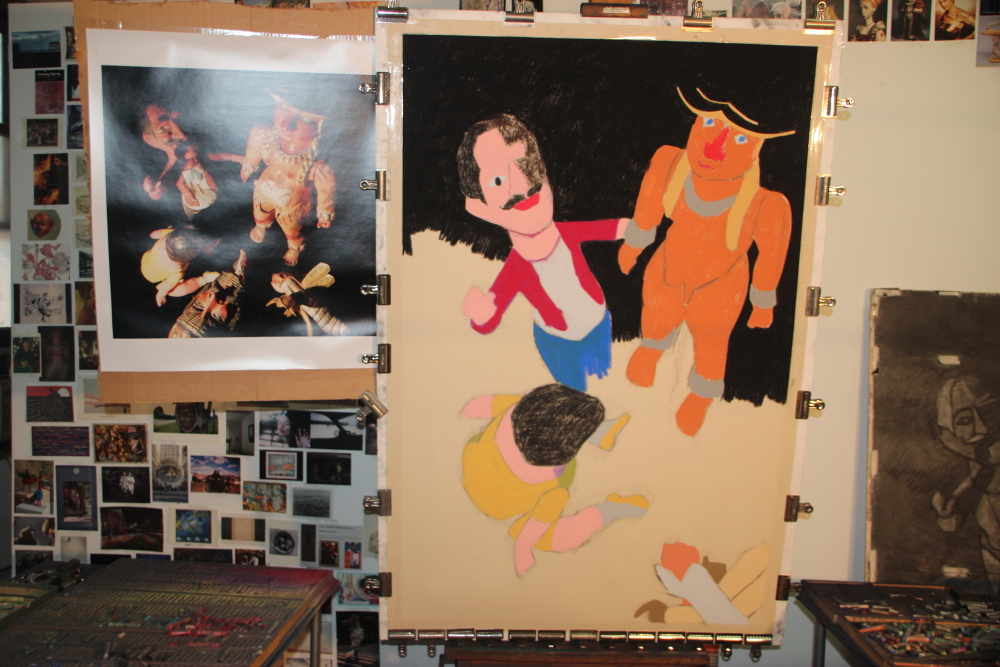
Beginning
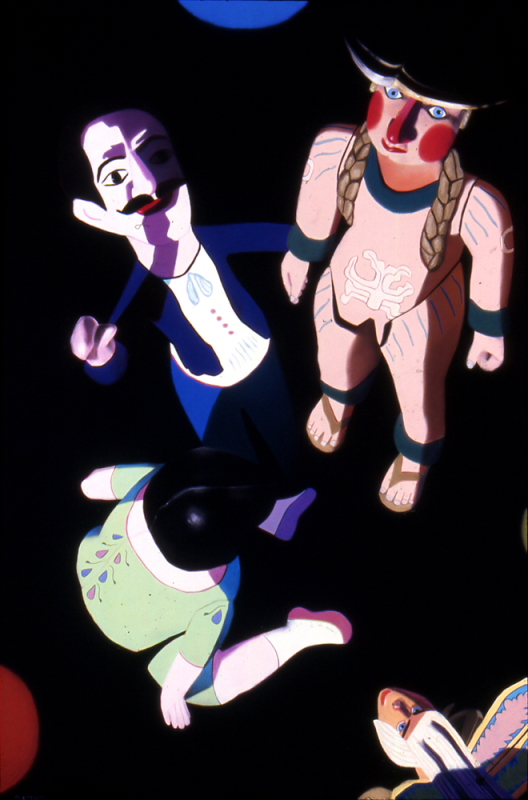
Finished
Comments are welcome!
Pearls from artists* # 251
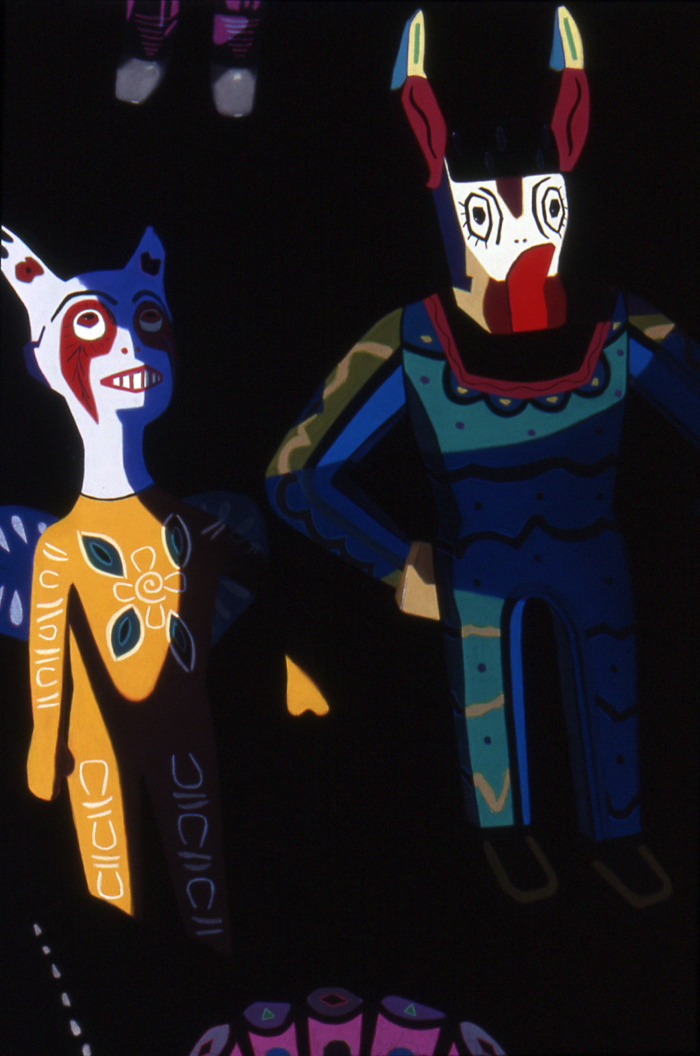
“Quartet,” soft pastel on sandpaper, 58″ x 38″ image, 70″ x 50″ framed
* an ongoing series of quotations – mostly from artists, to artists – that offers wisdom, inspiration, and advice for the sometimes lonely road we are on.
Interviewer: Is there any possible formula to follow in order to be a good novelist”
Faulkner: … Ninety-nine per cent talent… 99 per cent discipline… 99 per cent work. He must never be satisfied with what he does. It is never as good as it can be done. Always shoot higher than you know you can do. Don’t bother just to be better than your contemporaries or predecessors. Try to be better than yourself.
William Faulkner in Writers at Work: The Paris Review Interviews First Series, edited, and with an introduction by Malcolm Crowley
Comments are welcome!
Q: What’s on the easel today?
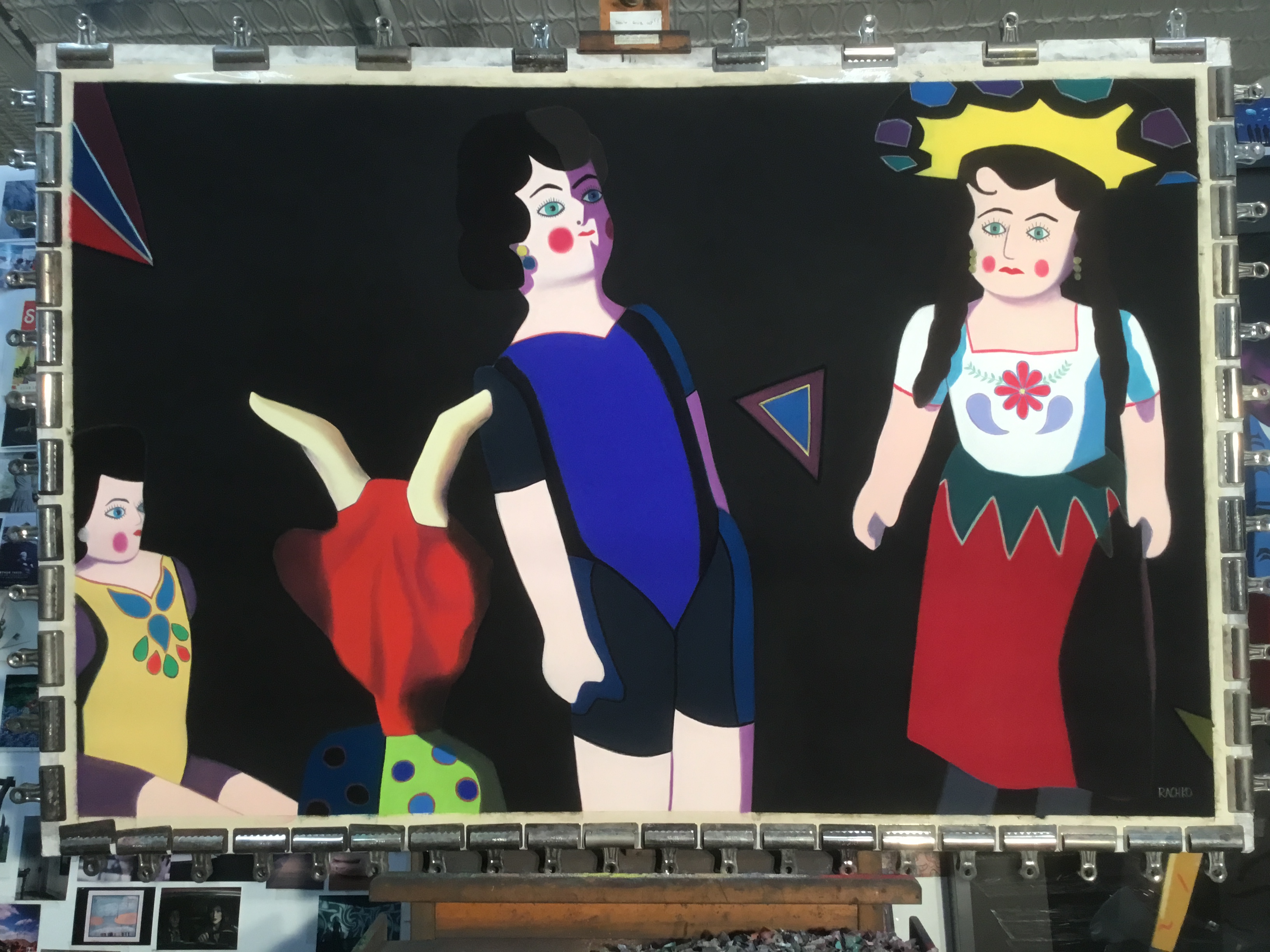
Work in progress
A: I am putting a few finishing touches on “Conundrum,” soft pastel on sandpaper, 38″ x 58″.
Comments are welcome!
Pearls from artists* # 250
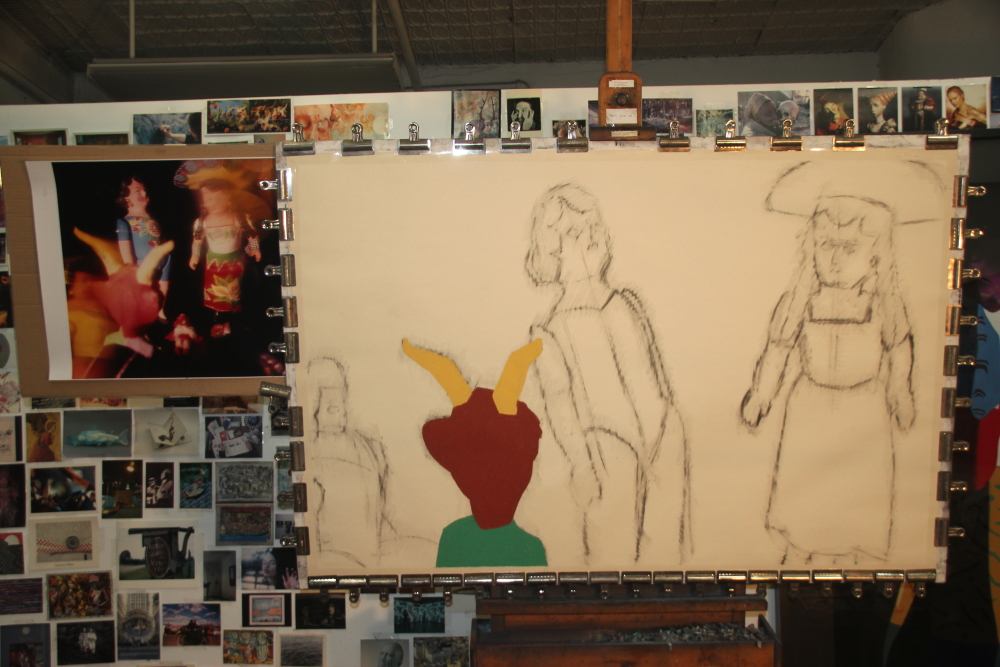
Start of “Conundrum,” soft pastel on sandpaper, 38″ x 58″
* an ongoing series of quotations – mostly from artists, to artists – that offers wisdom, inspiration, and advice for the sometimes lonely road we are on.
In my opinion, if I could write all my work again, I am convinced that I would do it better, which is the healthiest condition for an artist. That’s why he keeps on working, trying again; he believes each time that this time he will do it, bring it off. Of course he won’t, which is why this condition is healthy. Once he did it, once he matched the work to the image, the dream, nothing would remain but to cut his throat, jump off the other side of that pinnacle of perfection suicide. I’m a failed poet. Maybe every novelist wants to write poetry first, finds he can’t, and then tries the short story, which is the most demanding form after poetry. And, failing at that, only then does he take up novel writing.
William Faulkner in Writers at Work: The Paris Review Interviews First Series, edited, and with an introduction by Malcolm Crowley
Comments are welcome!
Q: Would you talk about a few of the technical properties that made pastel your medium of choice?
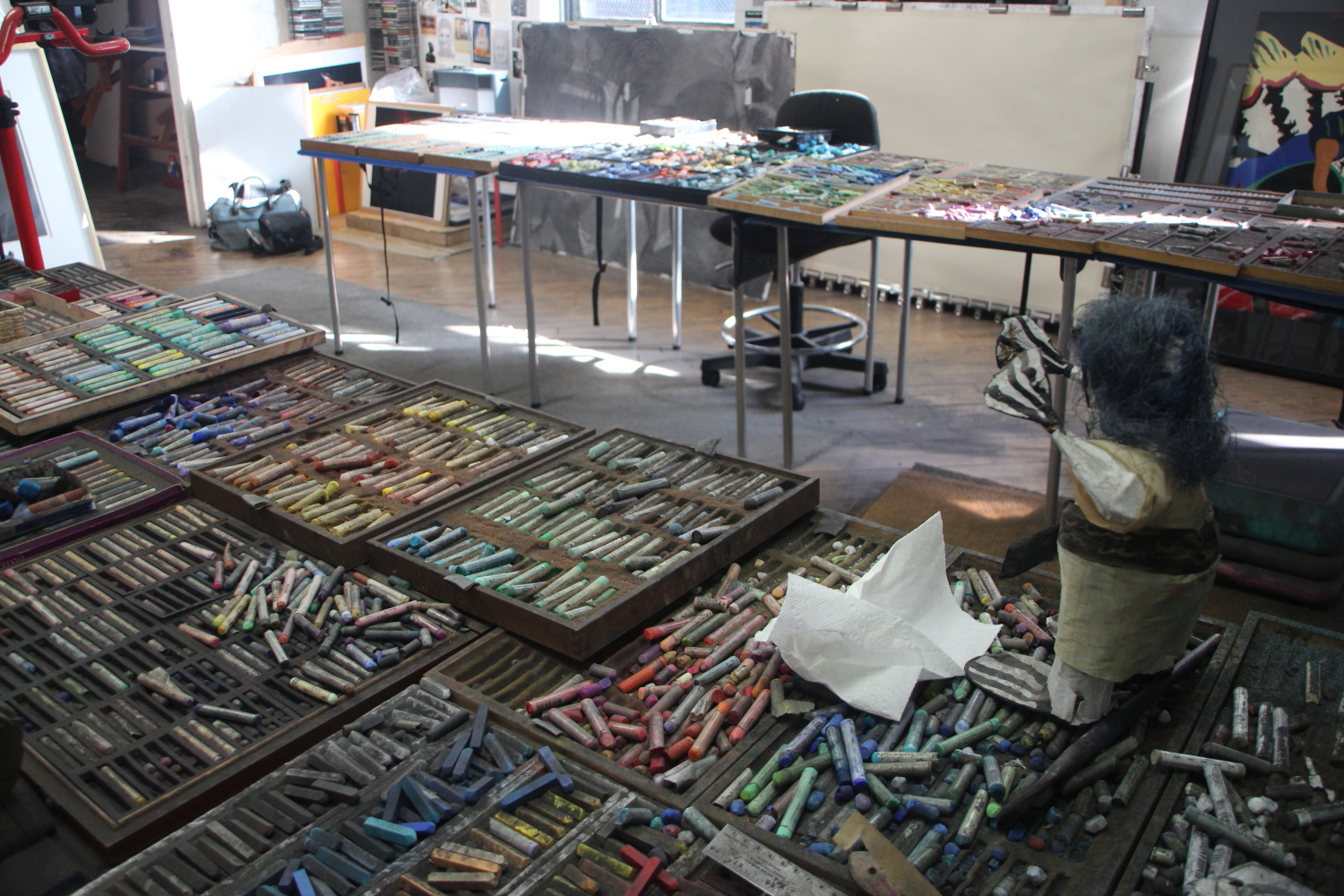
Barbara’a pastels
A: Pastel is a time-tested medium that has been in use for five hundred years. I fell in love with it nearly thirty years ago and it has been my primary medium ever since.
Pastel is known to be the most permanent of all media. It has no liquid binder that might cause oxidizing with the passage of time as often happens with other painting media. Pastel colors are intense because they are the closest artists get to working with pure pigment. Artists throughout history have generally favored pastel because it allows a spontaneous approach with no drying time and no change of color.
Comments are welcome!


 barbararachkoscoloreddust.com