Category Archives: Working methods
Pearls from artists* # 256

“Offering,” soft pastel on sandpaper, 20″ x 26″
* an ongoing series of quotations – mostly from artists, to artists – that offers wisdom, inspiration, and advice for the sometimes lonely road we are on.
I saw what skill was needed, and persistence – how one must bend one’s spine, like a hoop, over the page – the long labor. I saw the difference between doing nothing, or doing a little, and the redemptive act of true effort. Reading, then writing, then desiring to write well, shaped in me the most joyful of circumstances – a passion for work.
Mary Oliver in Upstream: Selected Essays
Comments are welcome!
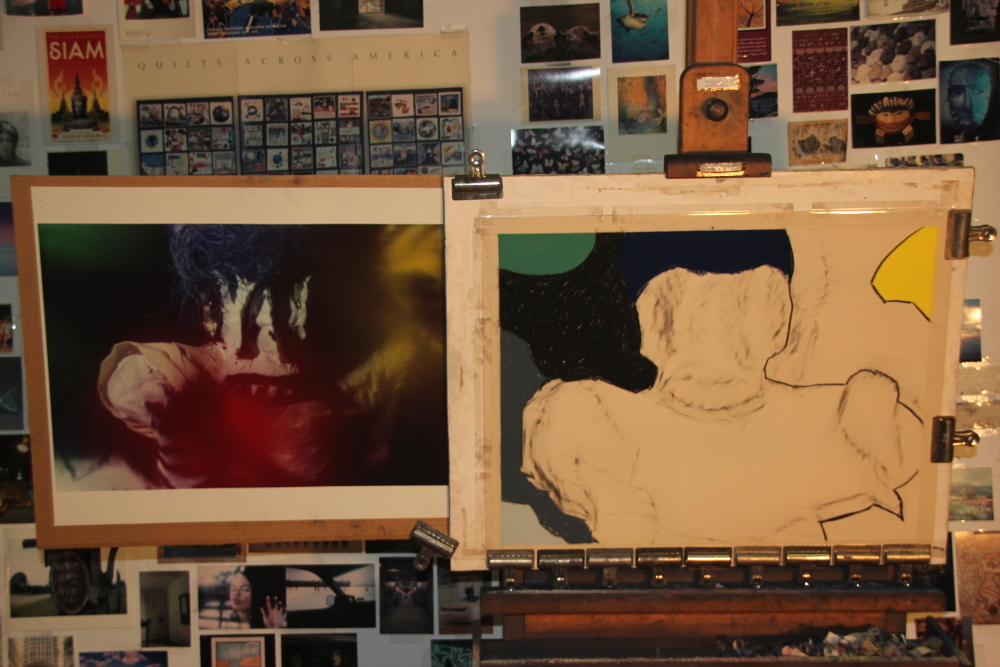
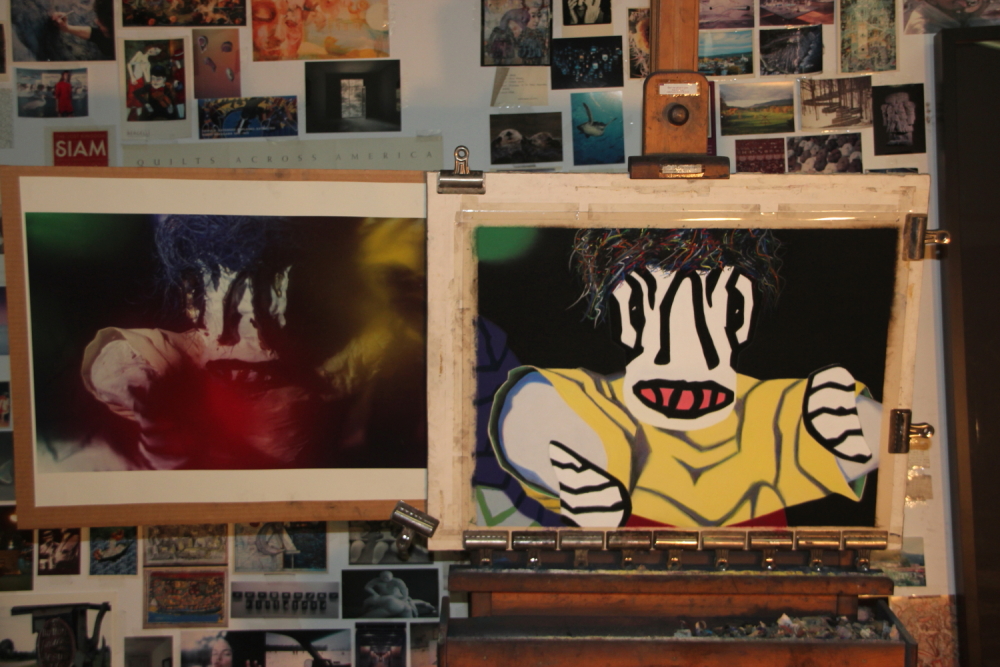
Q: What’s on the easel today?
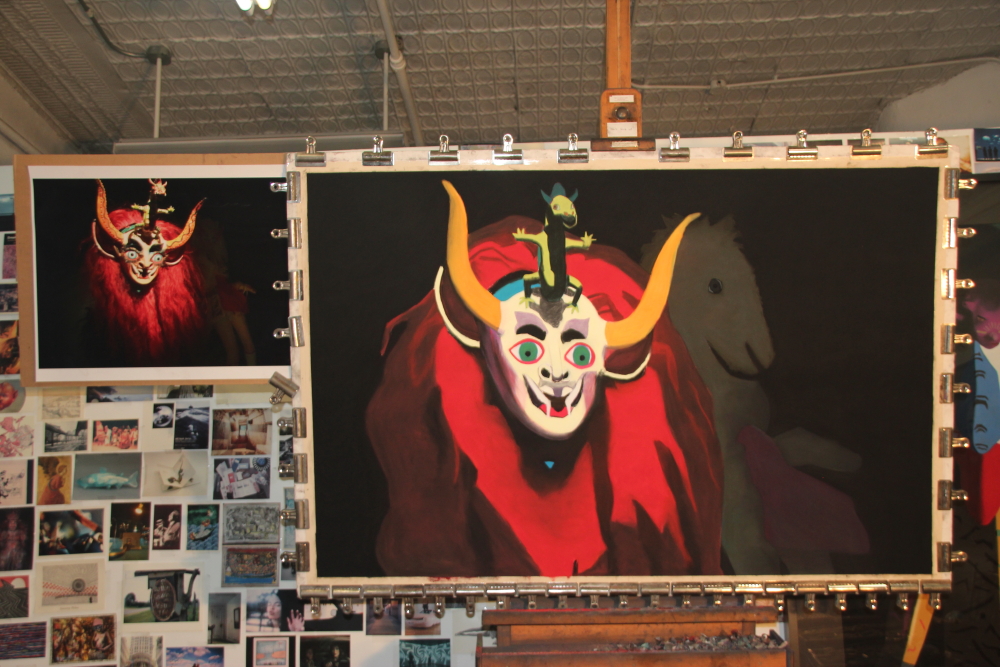
Work in progress
A: I’m working on a large pastel painting based on a photograph shot when I was vacationing recently in La Paz, Bolivia. How fortuitous to stumble upon a mask exhibition at The National Museum of Ethnography and Folklore! It felt as though the exhibition somehow was staged for me, just waiting for me to come along and photograph it.
Incredibly, I returned to New York, after a spectacular trip to Bolivia, and found myself with photographs that are inspiring a new series. Certainly this has never happened before! The series is tentatively called, “Bolivianos.”
Comments are welcome!
Q: How can you tell with certainty when a pastel painting is finished?
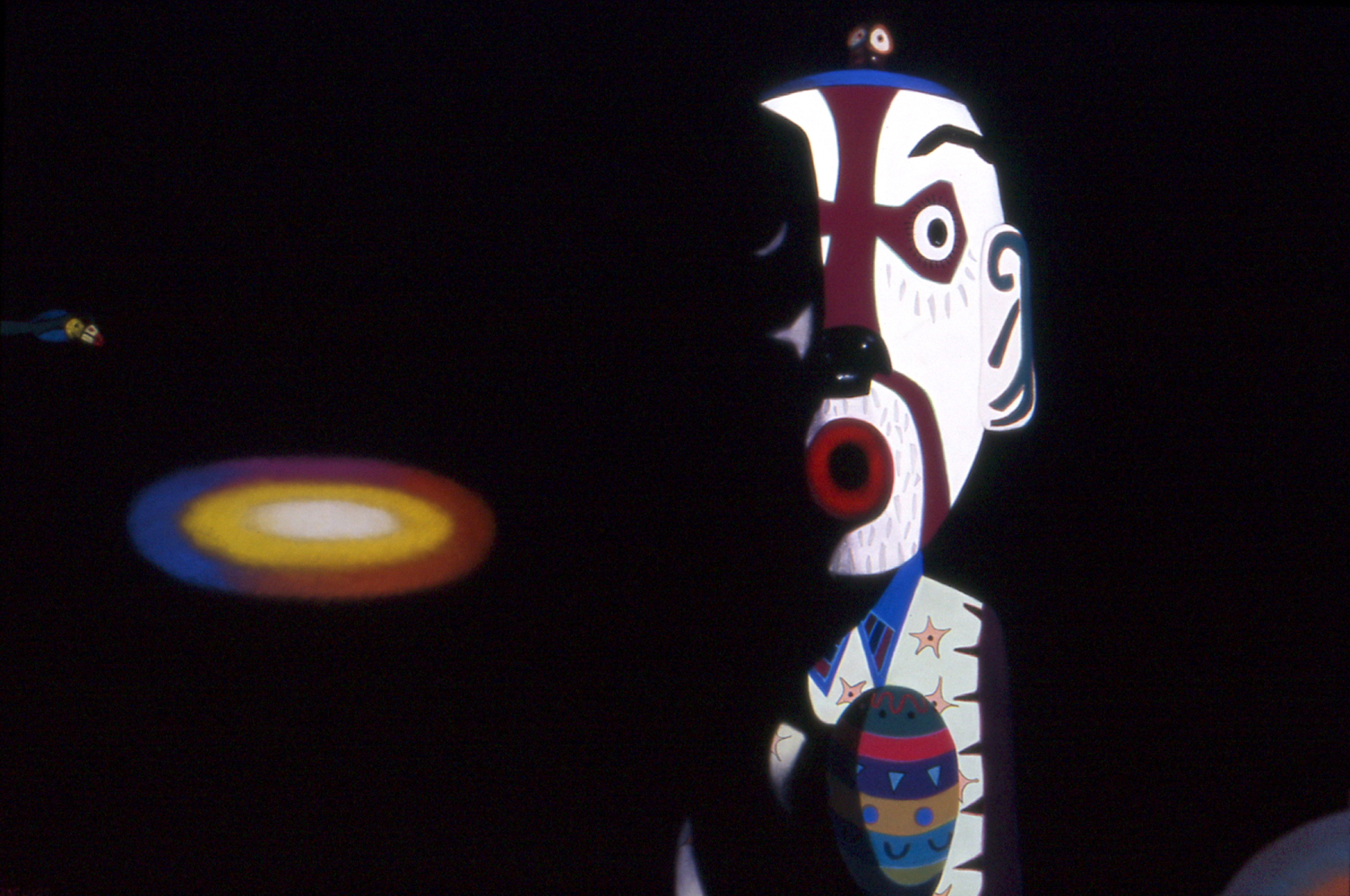
“Poker Face,” soft pastel on sandpaper, 38″ x 58″
A: For me a work is finished when to add or subtract some element causes the composition to diminish or somehow weaken. It’s mostly a matter of where I want viewers to look and how I decide to lead their eyes around a painting.
I work on each piece for several months so that by the time it’s nearly done, I can no longer see flaws. I put it aside for a week or two. Then I pull it out again, turn it upside down, and any details that need improving become obvious. Once I fix them, I know the painting is finally finished and ready to be signed, photographed, and delivered to my framer.
Comments are welcome!
Q: What would you say is your underlying motivation as a contemporary artist?
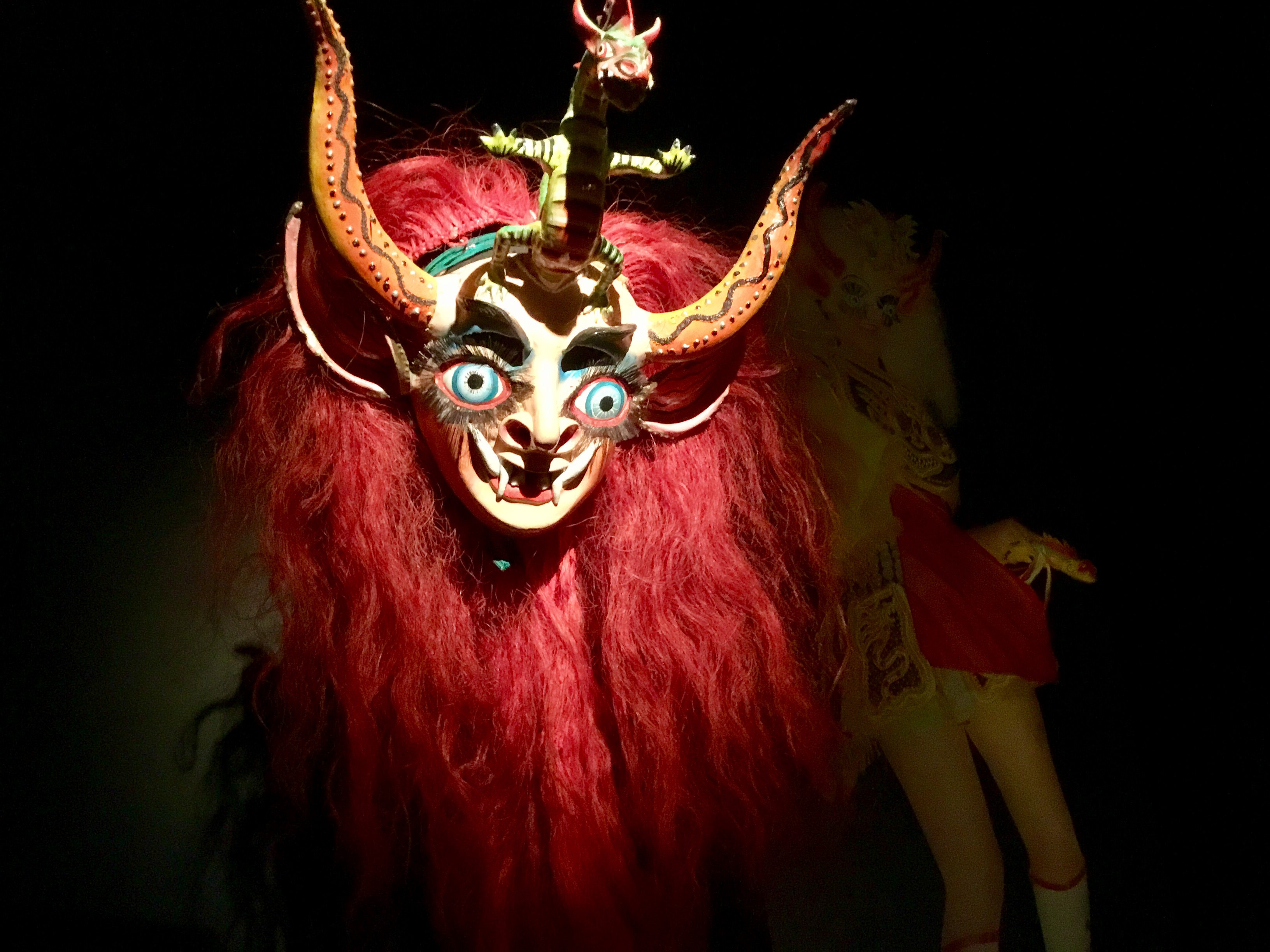
Museum of Ethnography and Folklore, La Paz, Bolivia
A: What motivates me is the desire to make great art, to develop my innate talents to their fullest, to share the hard-won knowledge I have gained along the way, and to bring as much beauty into this life as possible. It’s never been easy, but I’m trying to spend my short time on this earth as an artist, doing the work I was always meant to do!
Comments are welcome!
Start/Finish of “The Ancestors,” soft pastel on sandpaper, 58″ x 38″ image, 70″ x 50″ framed
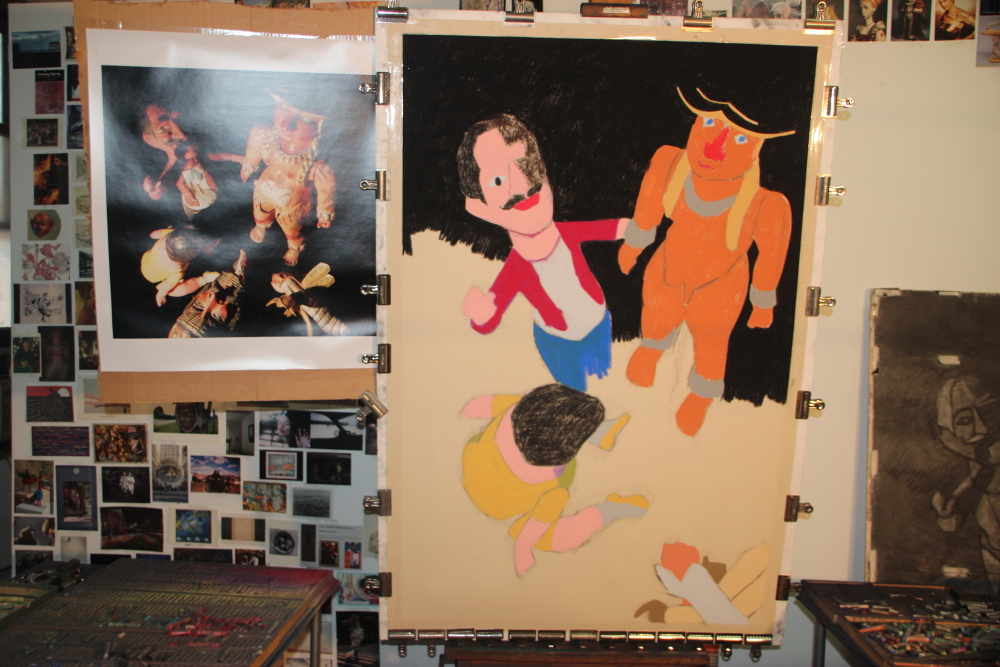
Beginning
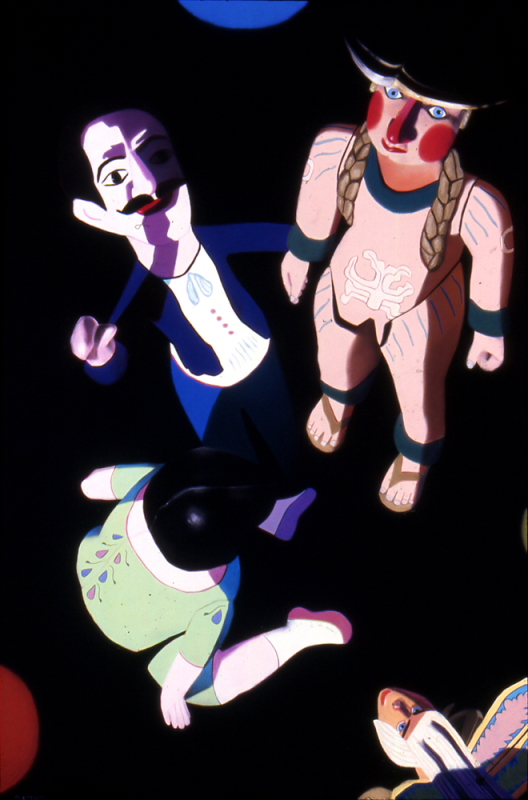
Finished
Comments are welcome!
Q: What’s on the easel today?
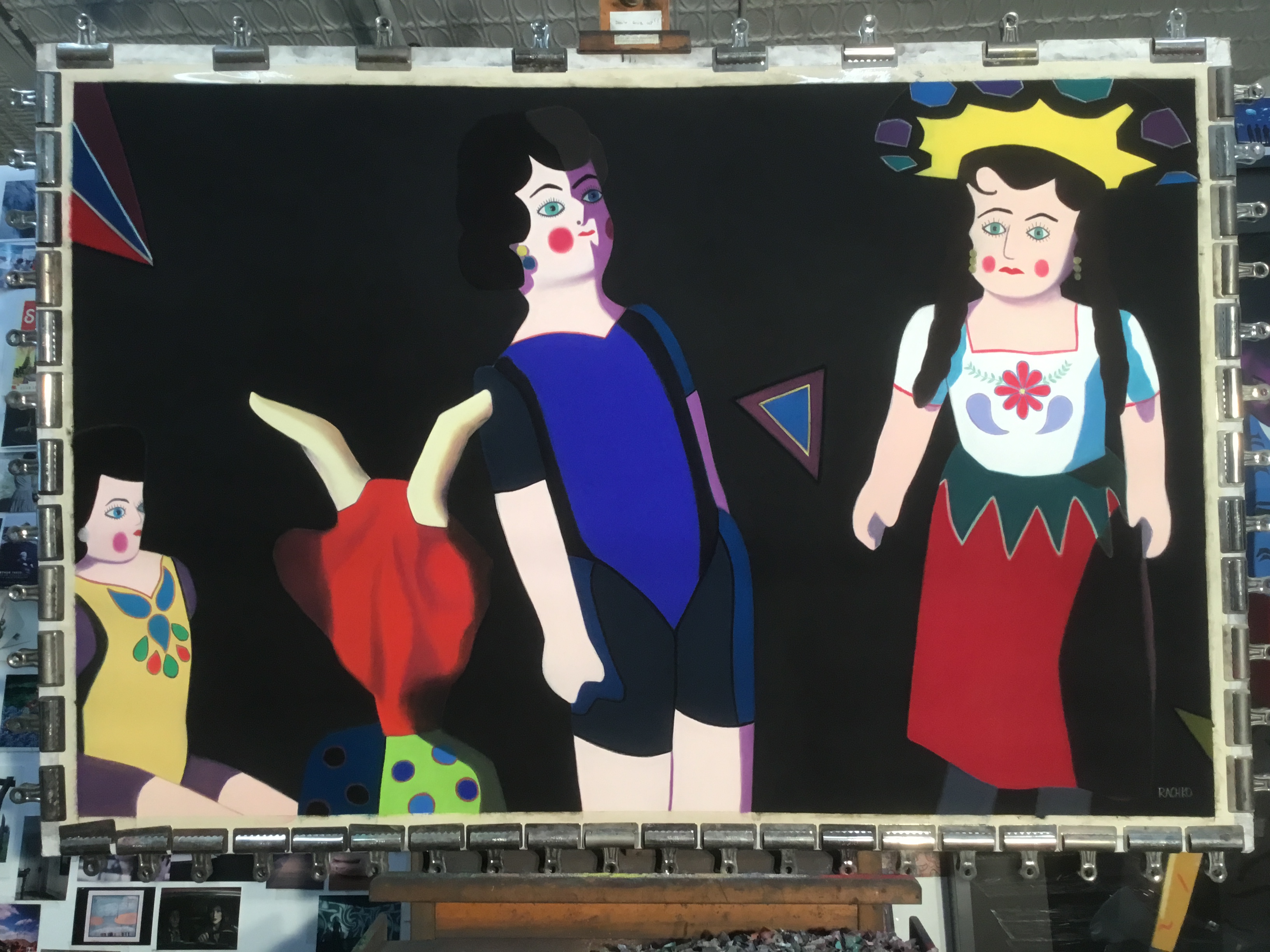
Work in progress
A: I am putting a few finishing touches on “Conundrum,” soft pastel on sandpaper, 38″ x 58″.
Comments are welcome!
Q: Would you talk about a few of the technical properties that made pastel your medium of choice?
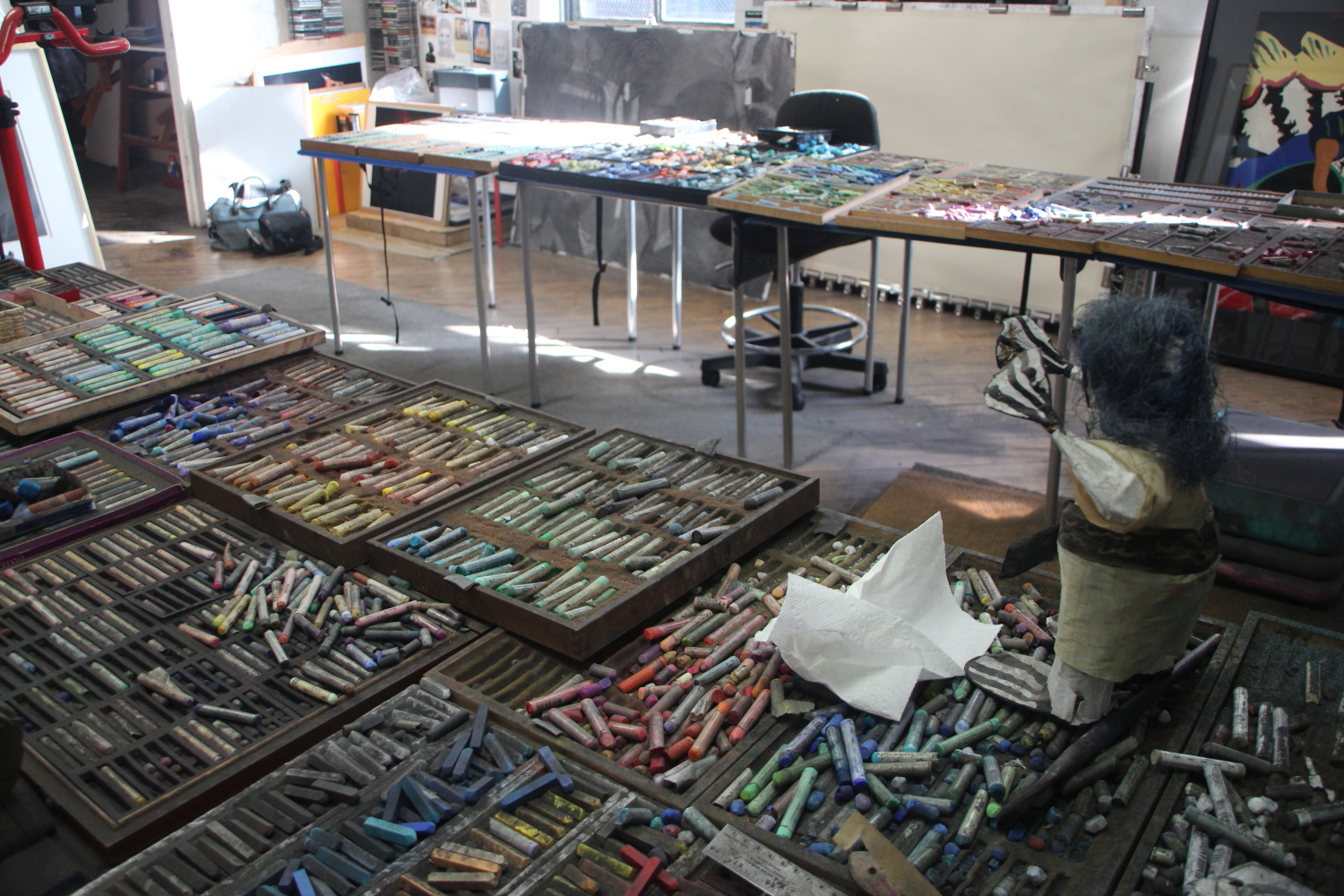
Barbara’a pastels
A: Pastel is a time-tested medium that has been in use for five hundred years. I fell in love with it nearly thirty years ago and it has been my primary medium ever since.
Pastel is known to be the most permanent of all media. It has no liquid binder that might cause oxidizing with the passage of time as often happens with other painting media. Pastel colors are intense because they are the closest artists get to working with pure pigment. Artists throughout history have generally favored pastel because it allows a spontaneous approach with no drying time and no change of color.
Comments are welcome!
Start/Finish of “Provocateur,” soft pastel on sandpaper, 26″ x 20″ image, 35″ x 28 1/2″ framed
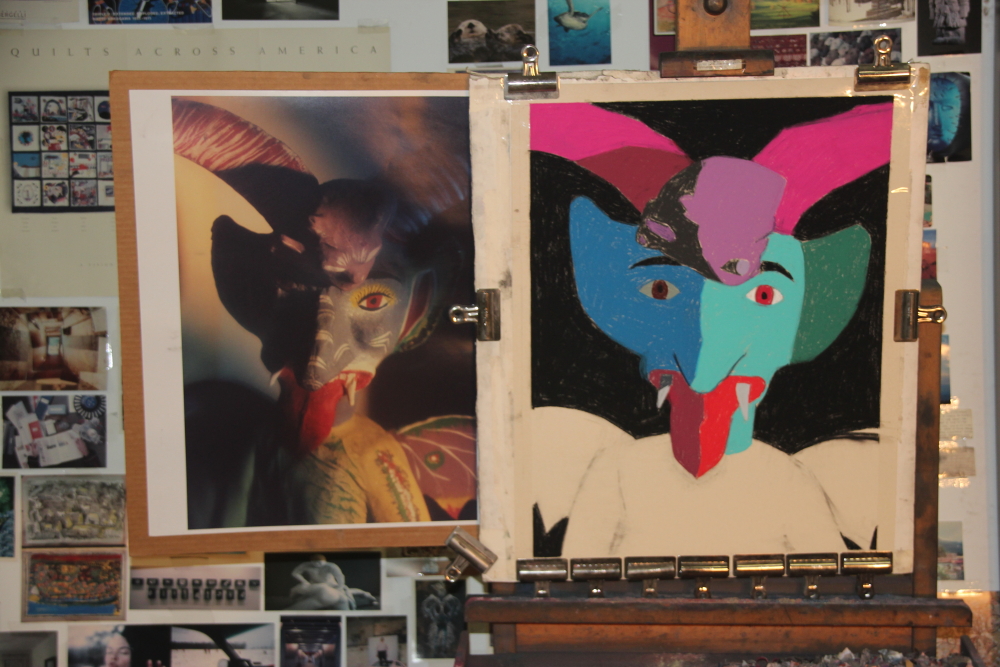
Beginning
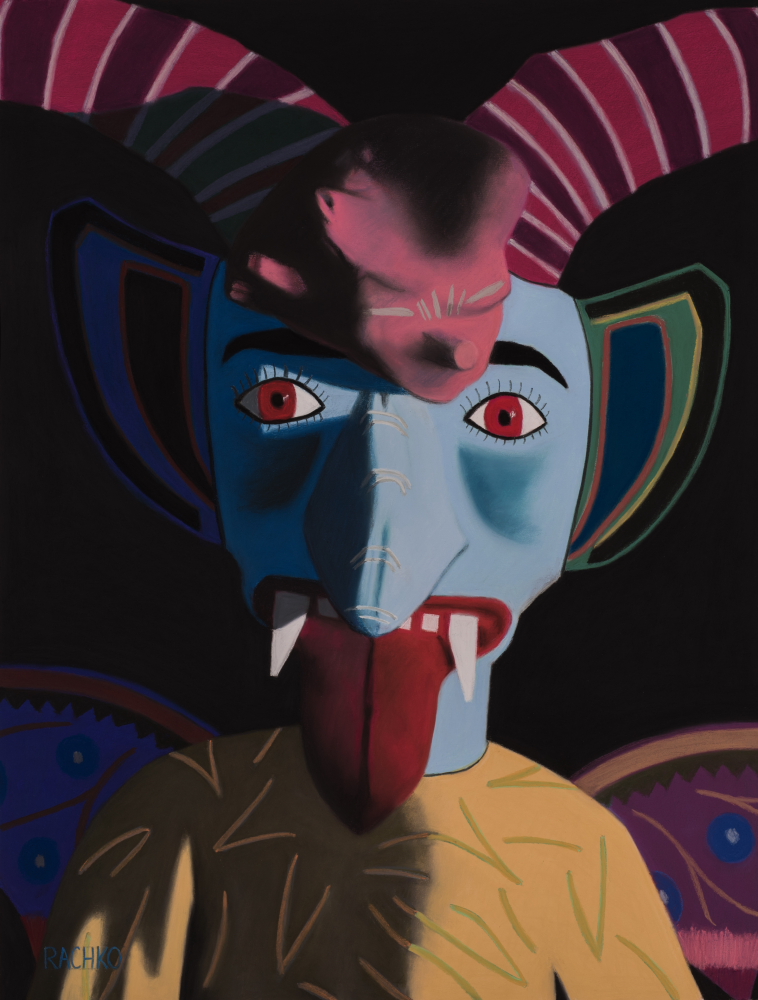
Finished and signed
Comments are welcome!
Q: You use an impressive assortment of soft pastels to create your pastel paintings. Which are your favorite?
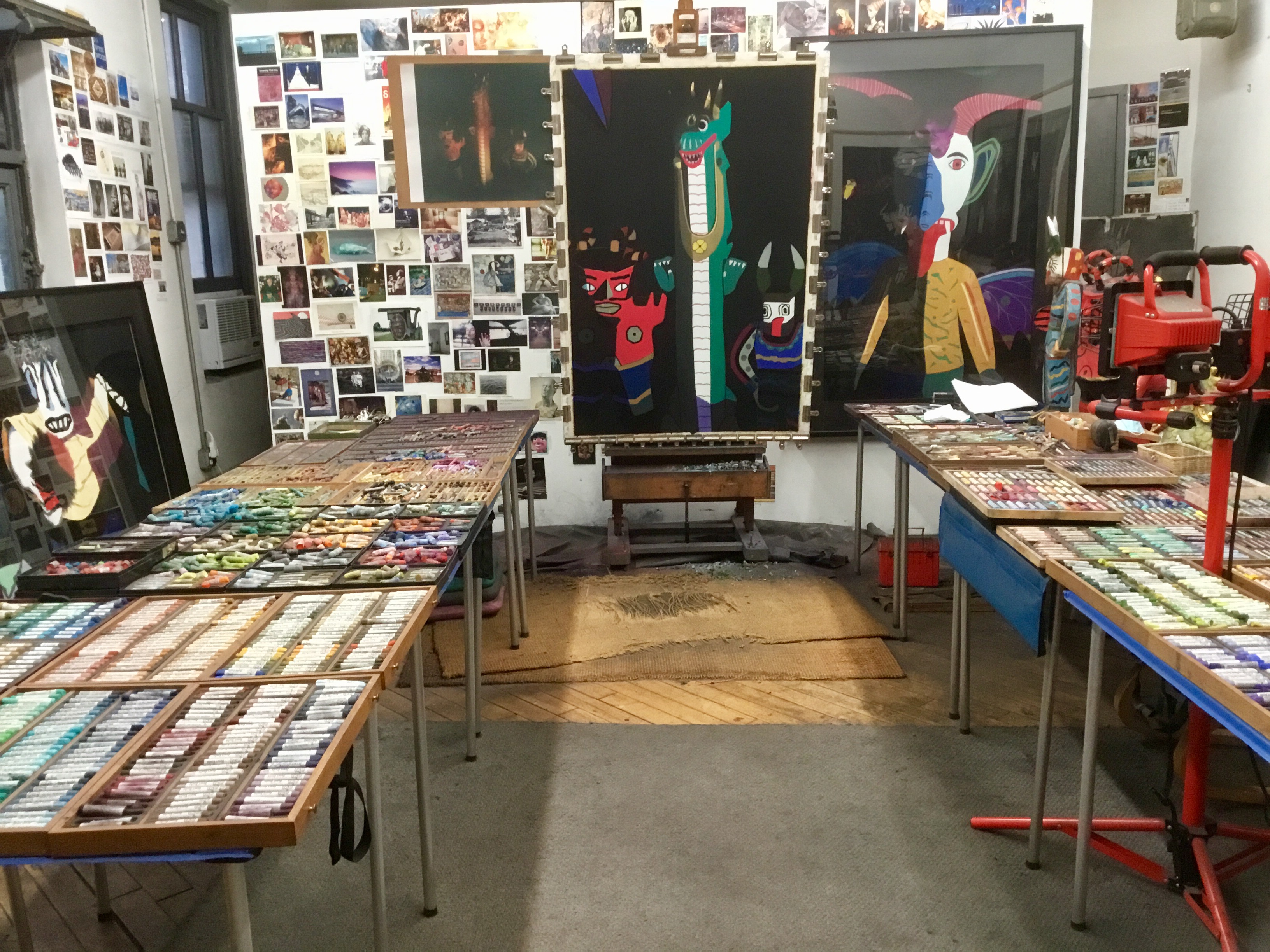
Barbara’s studio
A: My favorite brand of soft pastels is Henri Roché. They offer subtle variations in color and hue since they make more colors than any other company.
As a birthday present a few years ago, I treated myself to a full 750-color set. I mainly use them for finishing touches, rather than letting them get buried under pastel. At nearly $20 a stick, I also don’t want see them reduced to colored dust on the floor beneath my easel. One of my peers calls them, “the Maserati of pastels!”
Isobel Roché told me that her goal is to reach 1000 colors in time for the company’s 300th anniversary in 2020! I hope she makes it.
These pastels have been around so long that Degas and other artists of the era used them. It’s humbling to know that I am working with the same materials and following a long and prestigious art tradition of using soft pastel.
Comments are welcome!



