Blog Archives
Pearls from artists* # 715

*an ongoing series of quotations – mostly from artists, to artists – that offers wisdom, inspiration, and advice for the sometimes lonely road we are on
Whenever we must solve a big problem, such as the art/money challenge, it is worthwhile to look inward, to see where we may be complicit in perpetuating the problem. While artists are not always valued in our society, we also get what we settle for. Although we must eat and pay rent or mortgages like everyone else, non-artists often try to persuade us that we do not deserve to earn a living wage, because we enjoy our job. In the United States, we are often asked to work for free in a way that other professionals are not.
Consider trying to get an accountant to work ‘for the exposure.’ In many cases, artists go to college, even graduate school, to learn our profession. Many of us are still paying off student loans. We put in thousands of hours to develop our skills. We may win awards or grants that distinguish us from other artists. It is up to us to put a stop to the devaluation of our profession. Artists who agree to work for free, or for a pittance, are essentially strikebreakers on a picket line. As a group, we should be fighting in solidarity to raise standards of living and respect for our collective profession by refusing to work for less. When we agree to bad conditions, we devalue ourselves, and enable a dysfunctional system that perpetuates the exploitation of artists.
Kate Kretz in Art From Your Core: A Holistic Guide to Visual Voice
Comments are welcome!
Pearls from artists* # 516
*an ongoing series of quotations – mostly from artists, to artists – that offers wisdom, inspiration, and advice for the sometimes lonely road we are on
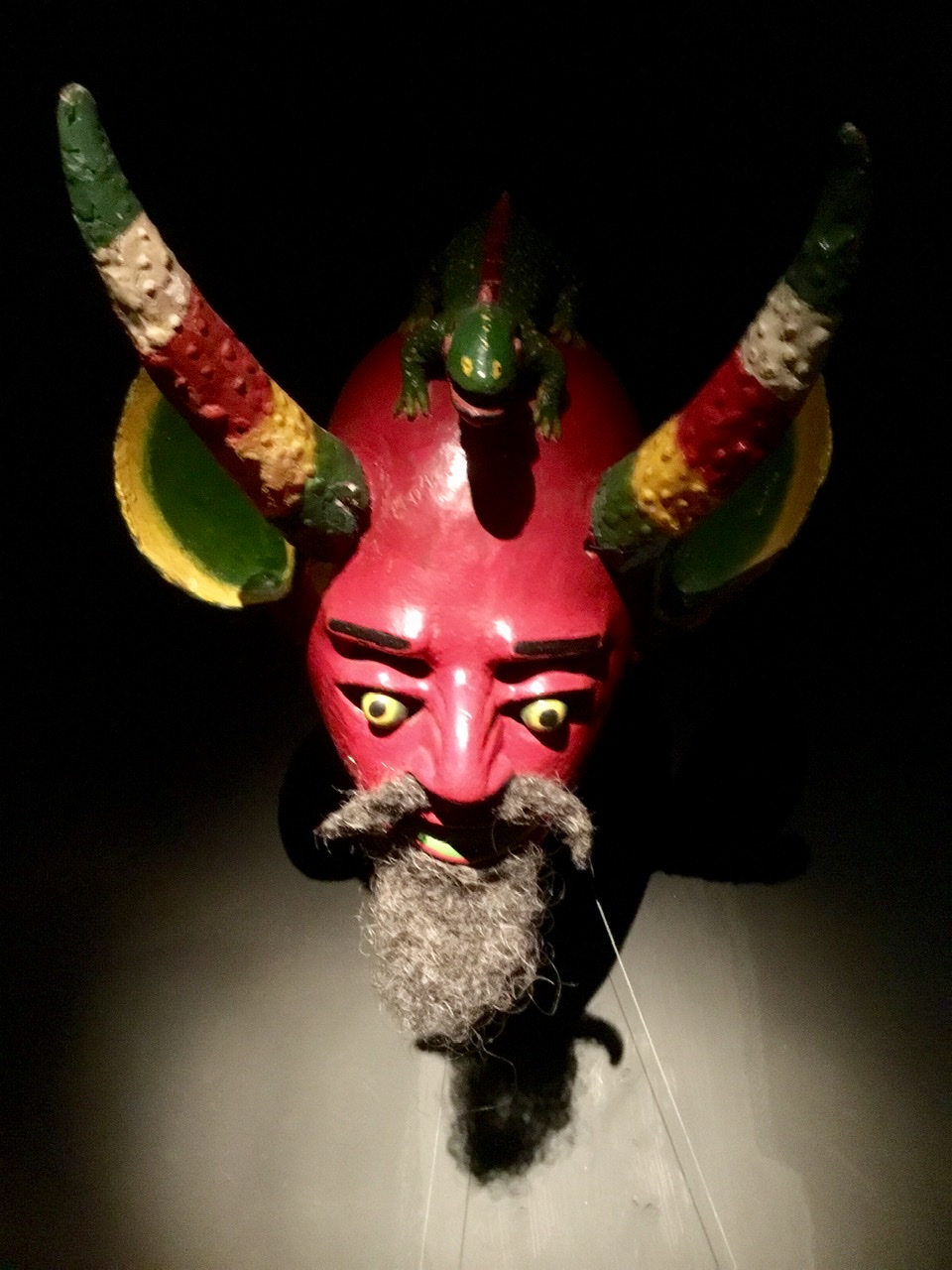
In Oruro, Bolivia, devotion to the Virgin del Socavon (Virgin of the Mineshaft) migrated from the fixed festival of Candlemas (2 February) to the movable feast of Carnival. By delaying their public devotion to the Virgin until the four-day holiday before Ash Wednesday, Oruro’s miners were able to enjoy a longer fiesta than if they had confined it to a single saint’s day. During Oruro’s Carnival, thousands of devils dance through the streets before unmasking in the Sanctuary of the Mineshaft to express devotion to the Virgin.
Evidently, the festive connotation of devils is not always demonic. In Manresa [Spain], the demons and dragons celebrate the restoration of liberty after a brutal civil war and subsequent dictatorship [General Francisco Franco]. In Oruro… the masked devils protest exploitation of indigenous miners by external forces and devote themselves to a Virgin who blesses the poor and marginalized. Festive disorder generally dreams not of anarchy but of a more egalitarian order.
Max Harris in Carnival and other Christian Festivals: Folk Theology and Folk Performance
Comments are welcome!
Pearls from artists* # 411
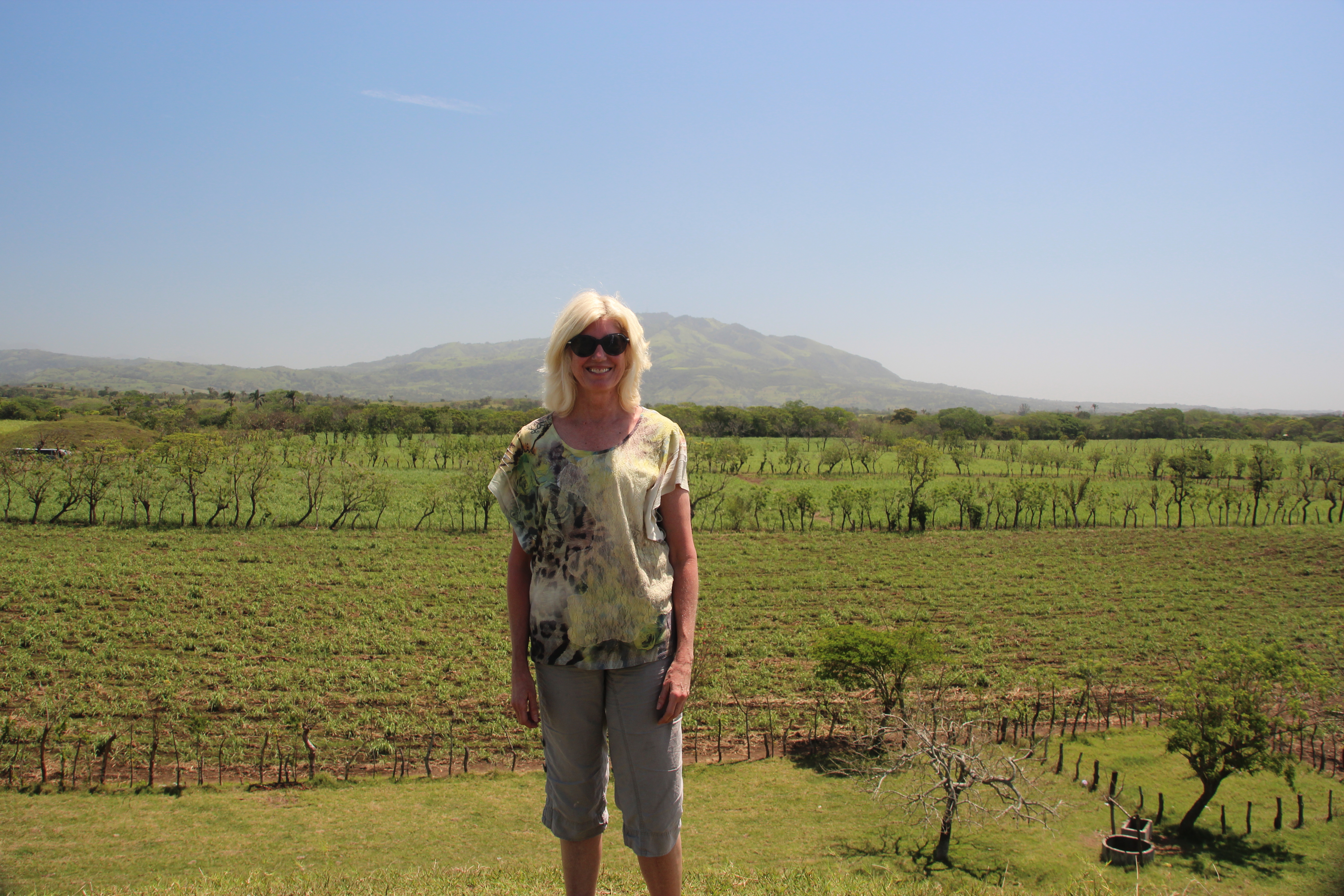
On top of an unexcavated pyramid, Veracruz, Mexico
*an ongoing series of quotations – mostly from artists, to artists – that offers wisdom, inspiration, and advice for the sometimes lonely road we are on.
… it reasserts that U.S. artists have learned and borrowed from Mexican traditions and, above all, that people of goodwill in both countries share in the belief that art unites, it doesn’t divide; it can be utilized to attack inequity and exploitation of the past and present but it also expresses hope and yearning for a better existence than can be realized in the present.
Vida Americana: Mexican Muralists Remake American Art, 1925 – 1945, edited by Barbara Haskell
Comments are welcome!



