Blog Archives
Pearls from artists* # 627

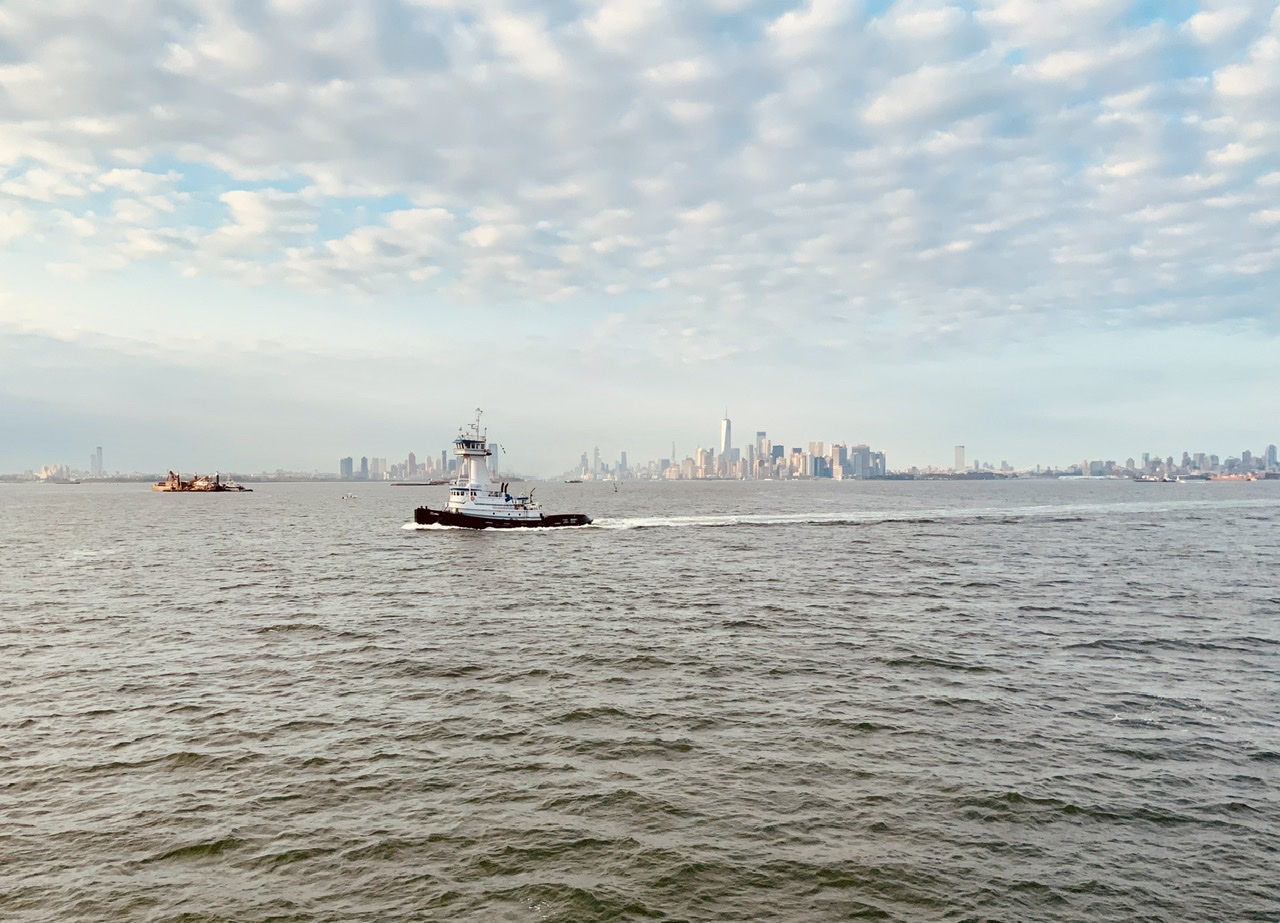
In Hanga Roa, Rapa Nui (Easter Island), one of the most remote places on Earth!
*an ongoing series of quotations – mostly from artists, to artists – that offers wisdom, inspiration, and advice for the sometimes lonely road we are on.
We cannot afford to walk sightless among miracles. Nor can we protect ourselves from suffering. We do work that thrusts us into the pulsing heart of this world, whether or not we’re on the mood, whether or not it’s difficult or painful or we’d prefer to divert our eyes. When I think of the wisest people I know, they share one defining trait: curiosity. They turn away from the minutiae of their lives – and focus on the world around them. They are motivated by a desire to explore the unfamiliar. They are drawn toward what they don’t understand. They enjoy surprise. Some of these people are seventy, eighty, close to ninety years old, but they remind me of my son and his friend on the day I sprung them from camp. Courting astonishment. Seeking breathless wonder.
Dani Shapiro in Still Writing: The Perils and Pleasures of a Creative Life
Comments are welcome!
Pearls from artists* # 488
*an ongoing series of quotations – mostly from artists, to artists – that offers wisdom, inspiration, and advice for the sometimes lonely road we are on.
To be astonished is to be caught unawares by the revelation of realities denied or repressed in the everyday. Astonishment has an intellectual as well as an emotional component – in it, the brain and the heart come together. Far from distracting us from the strange and the uncanny in life, the astonishment evoked by great artistic works puts them square in our sights. The work demands that we feel and think the mystery of our passage through this body, on this earth, in this universe. We realize afterward that the world is not what we thought it was: something hidden, impossible to communicate though clearly expressed in the work has risen into the light of awareness, and the share of the Real to which we are privy is proportionately expanded.
JF Martel in Reclaiming Art in the Age of Artifice: A Treatise, Critique, and Call to Action
Comments are welcome!
Pearls from artists* # 310
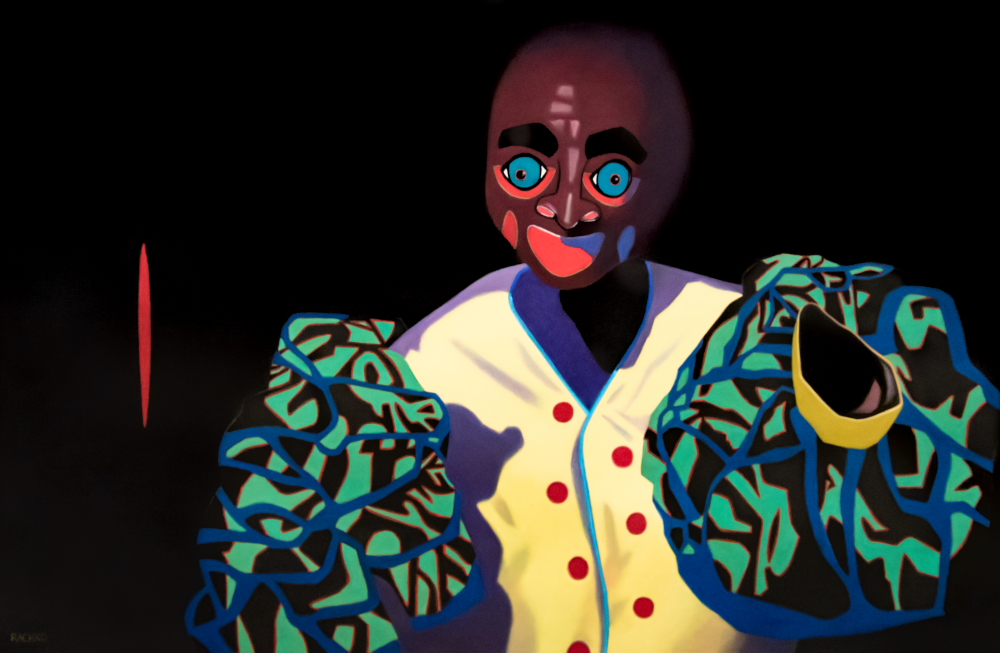
“Danzante,” soft pastel on sandpaper, 38″ x 58″ image, 50″ x 70″ framed
*an ongoing series of quotations – mostly from artists, to artists – that offers wisdom, inspiration, and advice for the sometimes lonely road we are on.
As Immanuel Kant explained, aesthetic rapture is a peculiar kind of subjective phenomenon, since it presents itself as anything but subjective. It asks to be shared with others in hopes that they too might experience this thing that has had such a profound effect upon us. Naturally, the desire to share our astonishment is bound to be frustrated as we meet people who respond to our beloved work with indifference or even revulsion. We then remember that the affective power of works of art varies from person to person, and even from moment to moment within the same person’s life, a fact we usually put down to personal taste, though little consideration is given to what that term might mean. People have their own inclinations, and given that the aesthetic is held, not just by Kant but also by common wisdom, to be a private affair, its variability across the broad spectrum of human personalities can only seem inevitable.
J.F. Martel in Reclaiming Art in the Age of Artifice: A Treatise, Critique, and Call to Action
Comments are welcome!
Pearls from artists* # 301

Untitled reference photo for a pastel painting in the “Bolivianos” series
*an ongoing series of quotations – mostly from artists, to artists – that offers wisdom, inspiration, and advice for the sometimes lonely road we are on.
In 1917 the ballet impresario Sergei Diaghilev commissioned a new libretto from Jean Cocteau. When the young poet asked for advice on how to proceed, Diaghilev replied with a simple directive: “Astonish me.” The phrase would serve Cocteau as a mantra throughout his career, resurfacing, for instance, at the beginning of his classic film Orpheus. Not surprising, as few statements could better encapsulate the impetus that has driven artistic creation since the beginning. Astonishment is the litmus test of art, the sign by which we know we have been magicked out of practical and utilitarian enterprises to confront the bottomless dream of life in sensible form. Art astonishes and is born of astonishment. There is only one thing that it can be said to “communicate” more effectively than other mediums can, and that is “the weirdness of the Real.”
J.F. Martel in Reclaiming Art in the Age of Artifice: A Treatise, Critique, and Call to Action
Comments are welcome!


 barbararachkoscoloreddust.com