Blog Archives
Pearls from artists* # 30
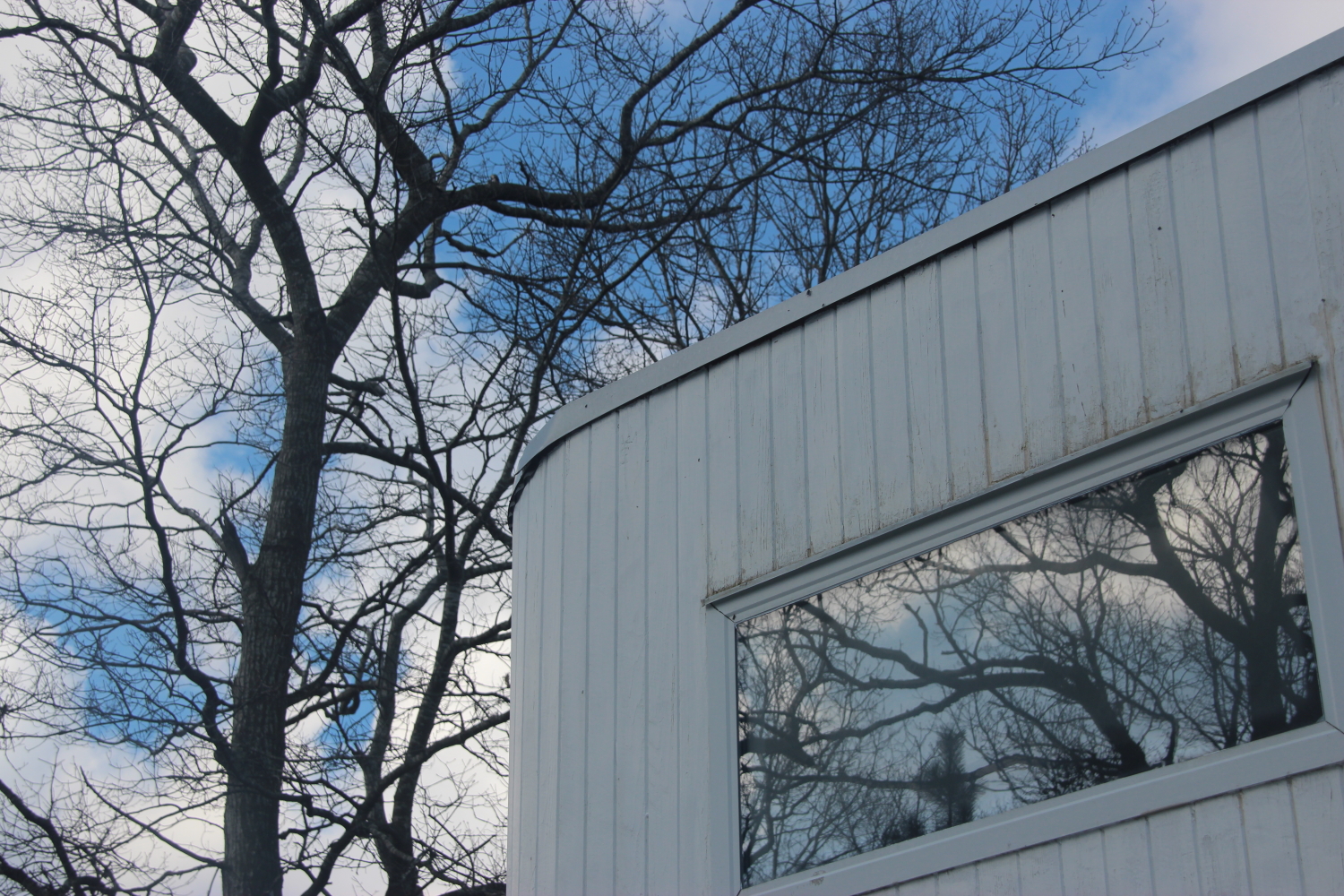
East Hampton house
* an ongoing series of quotations – mostly from artists, to artists – that offers wisdom, inspiration, and advice for the sometimes lonely road we are on.
And, just as the analysis of a film by a psychoanalyst can tell us about some implications and some sources of a labour that is all the less tightly under our control since the material problems we encounter during it make us insensible to tiredness and leave our unconscious quite free, so the interpretation of one of our works by the mind of an outsider can show it to us from a new, and revealing perspective.
How disturbed we should be, were there some machine that would allow us to follow the thousand brains in a cinema! No doubt, we should stop writing. We should be wrong to do so, but it would be a hard lesson. What Jules de Noailles said (recounted by Liszt) is true: ‘You will see one day that it is hard to speak about anything to anyone.’ Yet it is equally true that each person takes in or rejects the sustenance that we offer, and that the people who absorb it, do so in their own way; and this it is that determines the progress of a work through the centuries, because if a work were to send back only a perfect echo, the result would be a kind of pleonasm, an inert exchange, a dead perfection.
Andre Bernard and Claude Gauteur, editors, Jean Cocteau: The Art of Cinema
Comments are welcome!
Pearls from artists* # 12

Grand Falls, AZ
* an ongoing series of quotations – mostly from artists, to artists – that offers wisdom, inspiration, and advice for the sometimes lonely road we are on.
People who set their sails into art tend to work very hard. They train themselves in school; they practice and they read and they think and they talk. But for most of them there seems to be a more or less conscious cutoff point. It can be a point in time: “I will work until I am twenty-one (twenty-five, thirty, or forty).” Or a point in effort: “I will work three hours a day (or eight or ten).” Or a point in pleasure: “I will work unless…” and here the “enemies of promise” harry the result. These are personal decisions, more or less of individual will. They depend on the scale of values according to which artists organize their lives. Artists have a modicum of control. Their development is open-ended. As the pressure of their work demands more and more of them. they can stretch to meet it. They can be open to themselves, and as brave as they can be to see who they are, what their work is teaching them. This is never easy. Every step forward is a clearing through a thicket of reluctance and habit and natural indolence. And all the while they are at the mercy of events. They may have a crippling accident, or may find themselves yanked into a lifelong responsibility such as the necessity to support themselves and their families. Or a war may wipe out the cultural context on which they depend. Even the most fortunate have to adjust the demands of a personal obsession to the demands of daily life.
Anne Truitt, Daybook: The Journal of an Artist
Comments are welcome.


 barbararachkoscoloreddust.com