Blog Archives
Pearls from artists* # 685
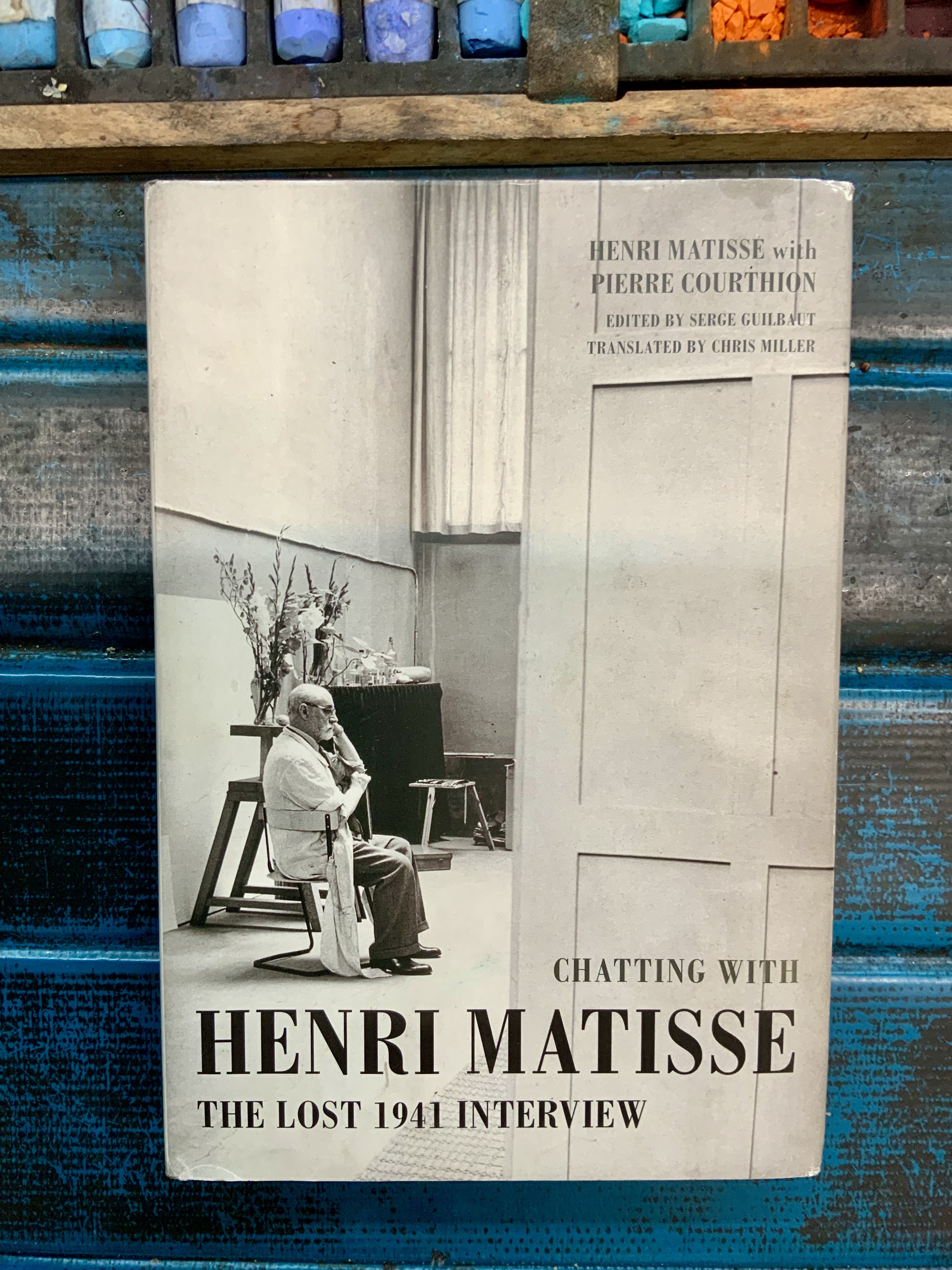
Another of my favorite books!
*an ongoing series of quotations – mostly from artists, to artists – that offers wisdom, inspiration, and advice for the sometimes lonely road we are on.
HM: The great benefit I took from visits with Renoir was realizing that even after a long working life, an artist’s curiosity could remain unquenched. The hope of some further progress, something to be added to his œuvre, was what kept Renoir alive. He was painting a “bathing” picture (now, finally, in the Musée du Louvre) and doing it with some difficulty because the picture was quite big and Renoir’s hands weren’t very nimble. But it’s only now, when I think about it, that I realize he must have found it hard; it would never occur to you when you saw him at his canvas – there was such intellectual urgency about everything he did.
Another big lesson I learned from visiting Renoir was that this man, riddled with pain and infirmity – his legs were so stiff he couldn’t walk a single step – could still be happy working and talking about his work. When you were with him for a while and he’d warmed to the conversation, you hadn’t the least sense that you were talking to an old man; his eyes were so full of life and intelligence that you forgot his age.
Henri Matisse in Chatting With Matisse: The Lost 1941 Interview, Henri Matisse with Pierre Courthion, edited by Serge Guilbault
Comments are welcome!
Pearls from artists* # 349
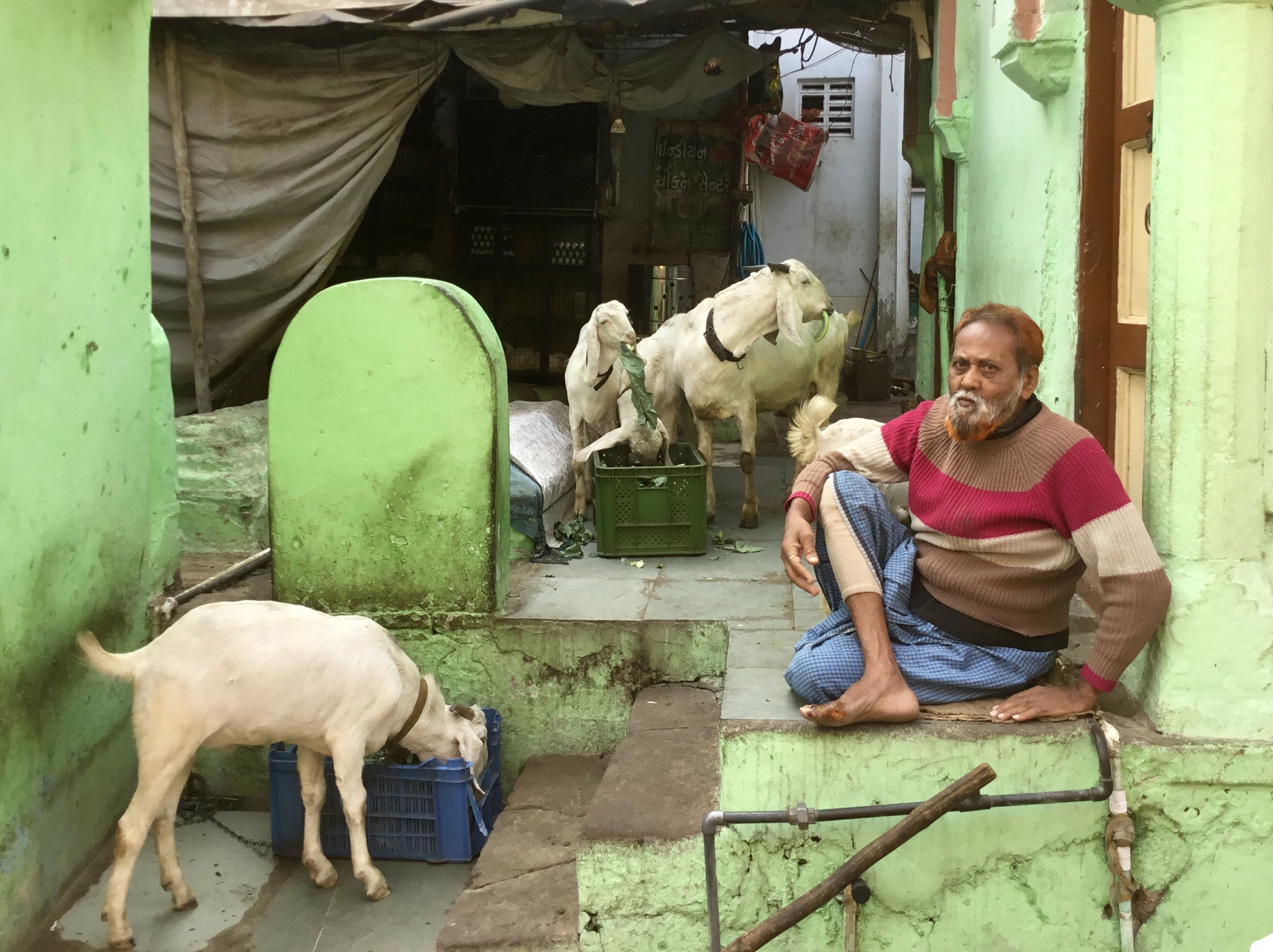
Ahmedabad, India
*an ongoing series of quotations – mostly from artists, to artists – that offers wisdom, inspiration, and advice for the sometimes lonely road we are on.
India presents to the visitor an overwhelmingly visual impression. It is beautiful, colorful, sensuous. It is captivating and intriguing, repugnant and puzzling. It combines the intimacy and familiarity of English four o’clock tea with the dazzling foreignness of carpisoned elephants or vast crowds bathing in the Ganga during an eclipse. India’s display of multi-armed images, it’s processions and pilgrimages, it’s beggars and kings, it’s street life and markets, it’s diversity of peoples – all appear to the eye in a kaleidoscope of images. Much that is removed from public view in the modern West and taken into the privacy of rest homes, asylums, and institutions is open and visible in the life of an Indian city or village. The elderly, the infirm, the dead awaiting cremation – these sights, while they may have been expunged from the childhood palace of the Buddha, are not isolated from the public eye in India. Rather, they are present daily in the visible world in which Hindus, and those who visit India, move in the course of ordinary activities. In India, one sees everything. One sees people at work and at prayer; one sees plump, well-endowed merchants, simple renouncers, fraudulent “holy” men, frail widows, and emaciated lepers; one sees the festival procession, the marriage procession, and the funeral procession. Whatever Hindus affirm of the meaning of life, death, and suffering, they affirm with their eyes wide open.
Diana L. Eck in Darsan: Seeing the Diving Image in India
Comments are welcome!
Q: Can we see more of your photographs from Sri Lanka?
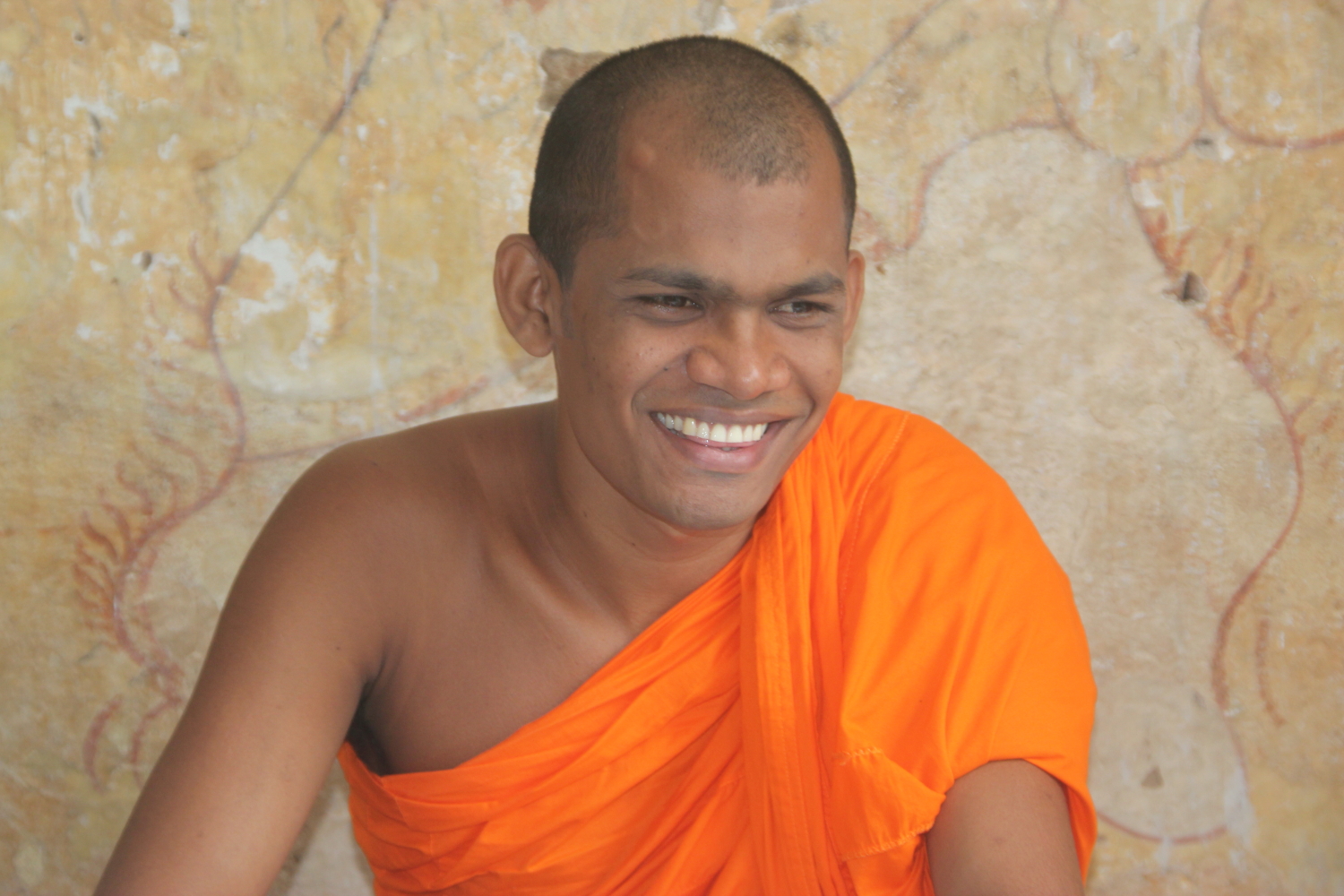
Buddhist monk, Sri Lanka
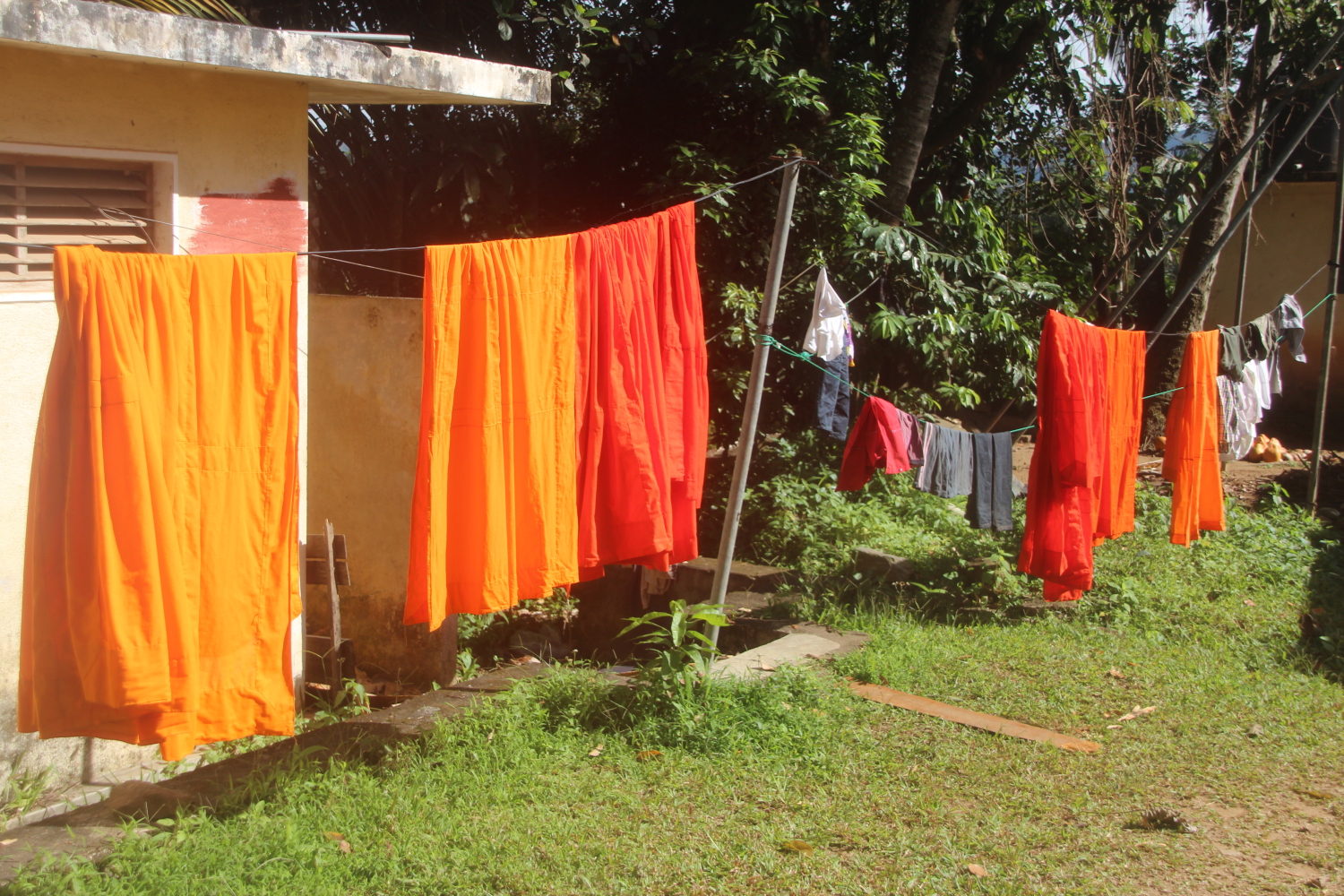
Sri Lanka
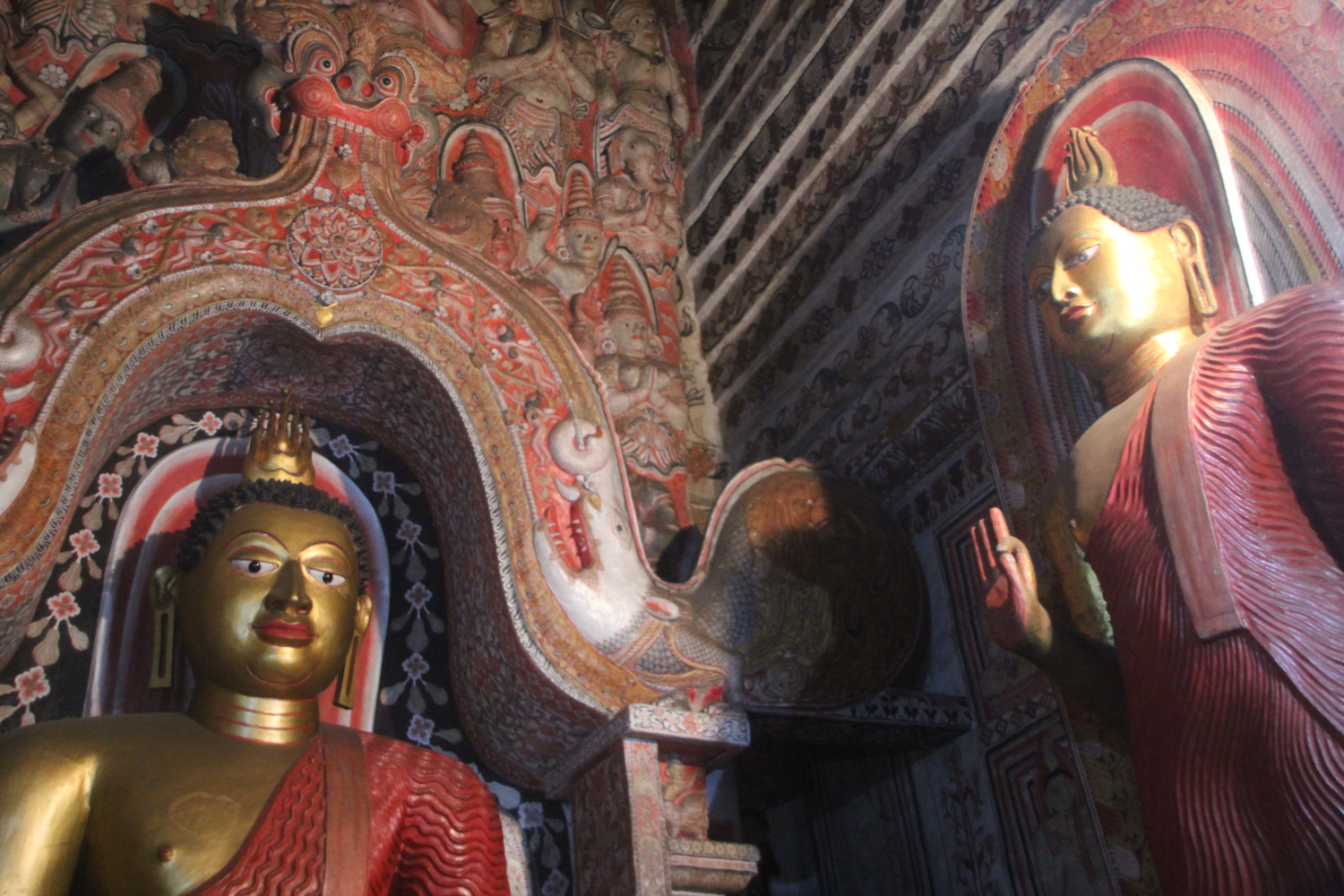
Cave temple, Natha Devale, Sri Lanka
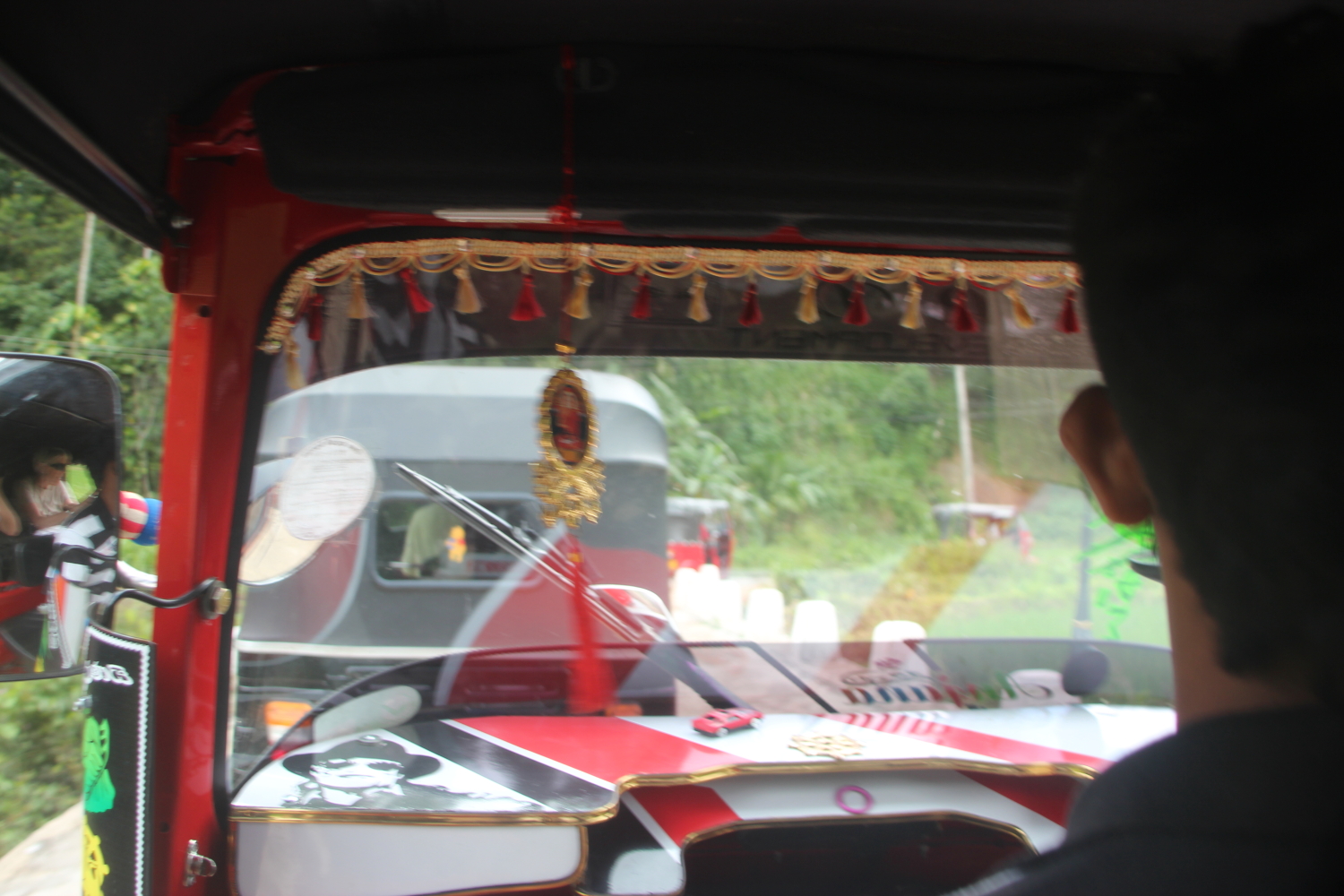
Tuk-tuk ride, Sri Lanka
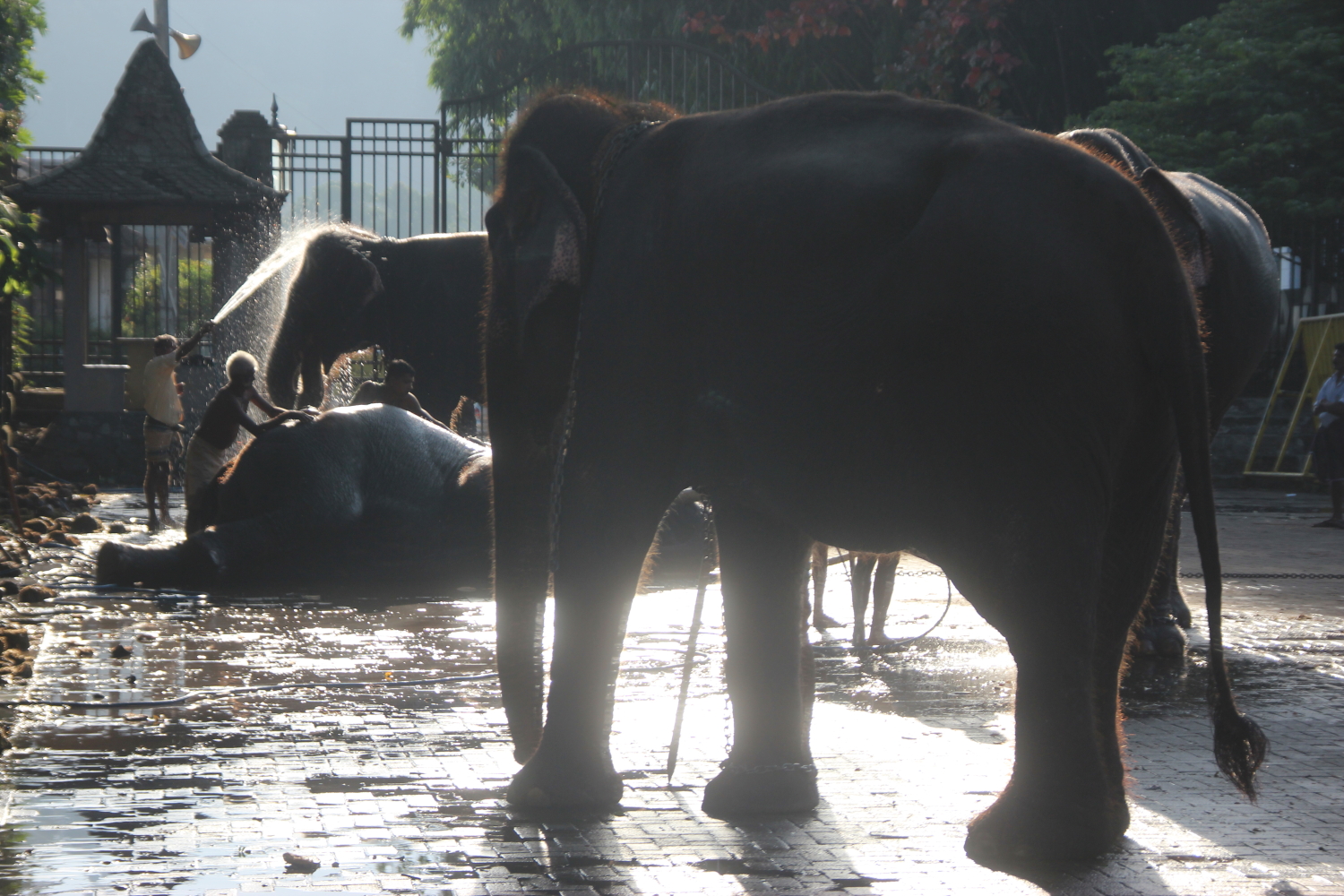
Bathing elephants before the Esala Perahera Festival, Kandy, Sri Lanka


 barbararachkoscoloreddust.com