Category Archives: Quotes
Pearls from artists* # 267

The Lightning Field, Quemado, NM
* an ongoing series of quotations – mostly from artists, to artists – that offers wisdom, inspiration, and advice for the sometimes lonely road we are on.
In 1968, art critic David Bourdon wrote (before The Lightning Field was built): “De Maria is after a deeper commitment on the part of the spectator, who is asked to become an agent or catalyst in the fulfillment of the work… the burden of response is placed not on the sculpture but on the spectator.
Laura Raicovich in At The Lightning Field
Comments are welcome!
Pearls from artists* # 265
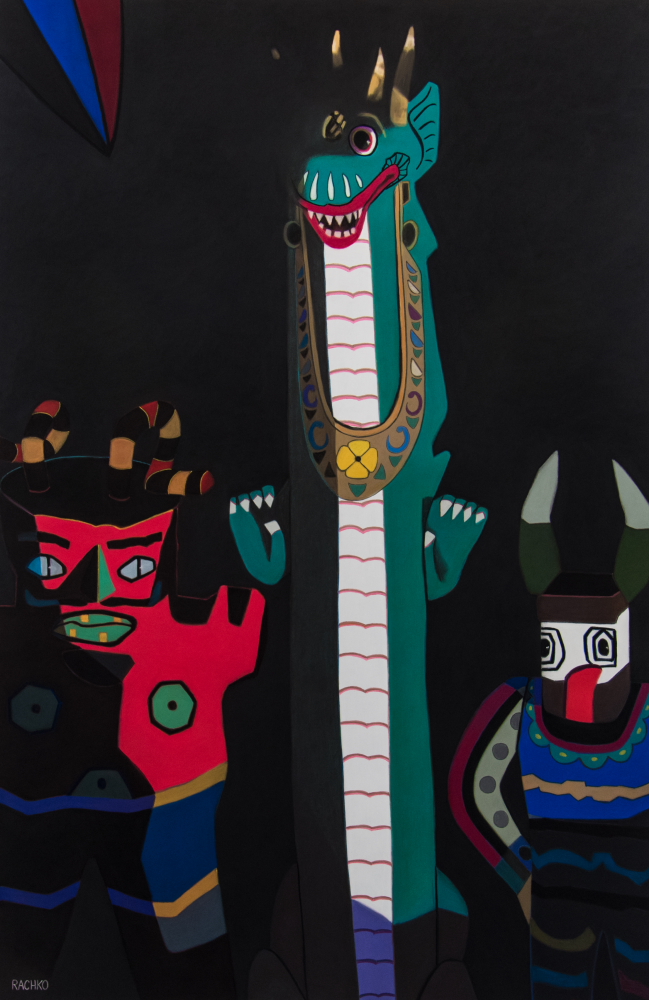
“Colloquium,” soft pastel on sandpaper, 58″ x 38″ image, 70″ x 50″ framed
* an ongoing series of quotations – mostly from artists, to artists – that offers wisdom, inspiration, and advice for the sometimes lonely road we are on.
I remember hearing Adolph Gottlieb on a panel once at NYU, and Adolph said, in effect – I’m not quoting him directly – “I don’t paint for the masses. I paint for the elite. The masses are not interested in what I do. They won’t understand this kind of painting that I do, and it won’t come through to them.”
I understood perfectly what he meant, and I was totally sympathetic. But the audience, which was not quite an audience of proletariat workers, but an audience of school of education, art teachers, or art teachers to be, were going out of their heads with rage just at the mention of the elite.
I think there is an elite, and there always was an elite for painting or good music or for good literature. For a long time there has been, and I don’t see anything wrong with it. What it means to a lot of people, the elite is the wealthy or something like that. Adolph, I don’t think, was referring to an elite of the wealthy, where the people run the government or something like that, but to those people who are concerned and interested in the most sophisticated, meaningful painting there is.
The Art Life: On Creativity and Career by Stuart Horodner
Comments are welcome!
Pearls from artists* # 264
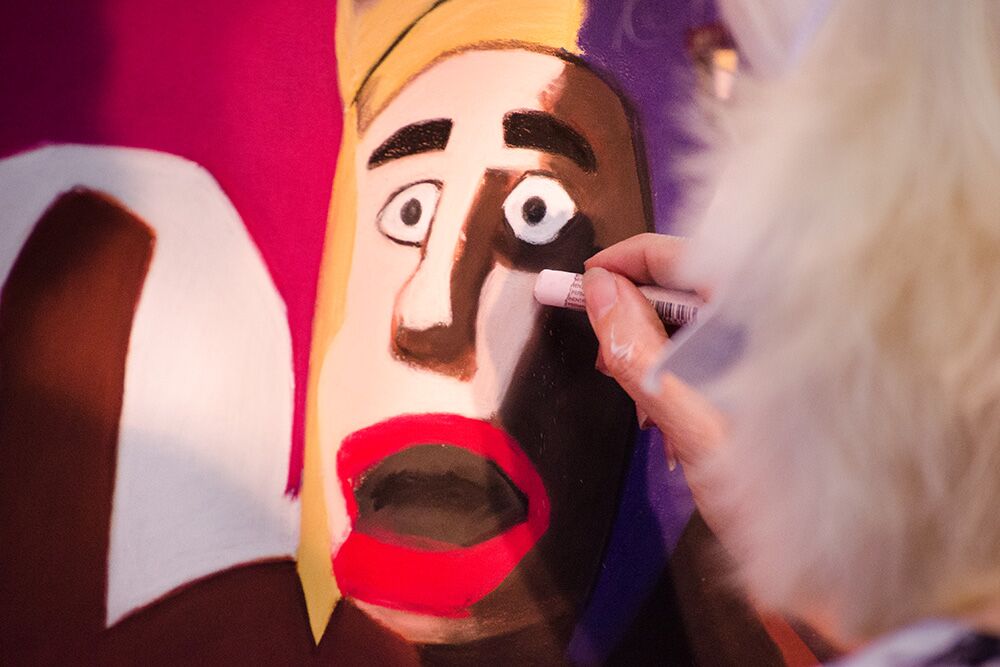
Barbara at work, Photo: Marianne Barcellona
* an ongoing series of quotations – mostly from artists, to artists – that offers wisdom, inspiration, and advice for the sometimes lonely road we are on.
Science brims with colorful personalities, but the most important thing about a scientific result is not the scientist who found it, but the result itself. Because that result is universal. In a sense, that result already exists. It is only found by the scientist. For me, this impersonal, disembodied character of science is both its great strength and its great weakness.
I couldn’t help comparing the situation to my other passion, the arts. In the arts, the individual is the essence. Individual expression is everything. You can separate Einstein from the equations of relativity, but you cannot separate Beethoven from the Moonlight Sonata. No one will ever write The Tempest except Shakespeare or The Trial except Kafka.
Alan Lightman in A Sense of the Mysterious: Science and the Human Spirit
Comments are welcome!
Pearls from artists* # 263
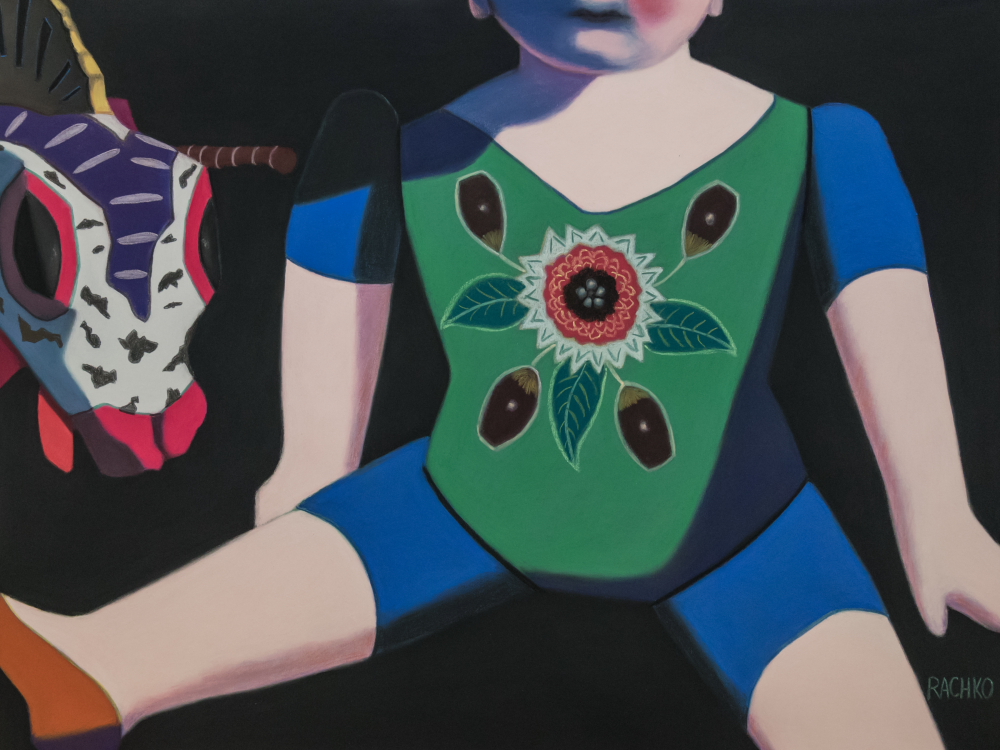
“Alone Together,” soft pastel on sandpaper, 20″ x 26″
* an ongoing series of quotations – mostly from artists, to artists – that offers wisdom, inspiration, and advice for the sometimes lonely road we are on.
Making art and viewing art are different at their core. The sane human being is satisfied that the best he/she can do at any given moment is the best he/she can do at any given moment. That belief, if widely embraced, would make this book unnecessary, false, or both. Such sanity is, unfortunately, rare. Making art provides uncomfortably accurate feedback about the gap that inevitably exists between what you intended to do, and what you did. In fact, if artmaking did not tell you (the maker) so enormously much about yourself, then making art that matters to you would be impossible. To all viewers but yourself, what matters is the product: the finished artwork. The viewers’ concerns are not your concerns (although it’s dangerously easy to adopt their attitudes). Their job is whatever it is: to be moved by art, to be entertained by it, to making a killing off it, whatever. Your job is to learn to work on your work.
David Bayles and Ted Orlando in Art & Fear: Observations On the Perils (and Rewards) of ARTMAKING
Comments are welcome!
Pearls from artists* # 262

“Big Deal,” soft pastel on sandpaper, 58″ x 38″
* an ongoing series of quotations – mostly from artists, to artists – that offers wisdom, inspiration, and advice for the sometimes lonely road we are on.
It may have been easier to paint bison on the cave walls long ago than to write this (or any other) sentence today. Other people, in other times and places, had some robust institutions to shore them up: witness the Church, the clan, ritual, tradition. It’s easy to imagine that artists doubted their calling less when working in the service of God than when working in the service of self.
Not so today. Today almost no one feels shored up. Today artwork does not emerge from secure common ground: the bison on the wall is someone else’s magic. Making art now means working in the face of uncertainty; it means living with doubt and contradiction, doing something no one much cares whether you do, and for which there may be neither audience nor reward. Making the work you want to make means setting aside these doubts so that you may see clearly what you have done, and thereby see where to go next. Making the work you want to make means finding nourishment within the work itself. This is not the Age of Faith, Truth, and Certainty.
David Bayles and Ted Orlando in Art & Fear: Observations On the Perils (and Rewards) of ARTMAKING
Comments are welcome!
Pearls from artists* # 261
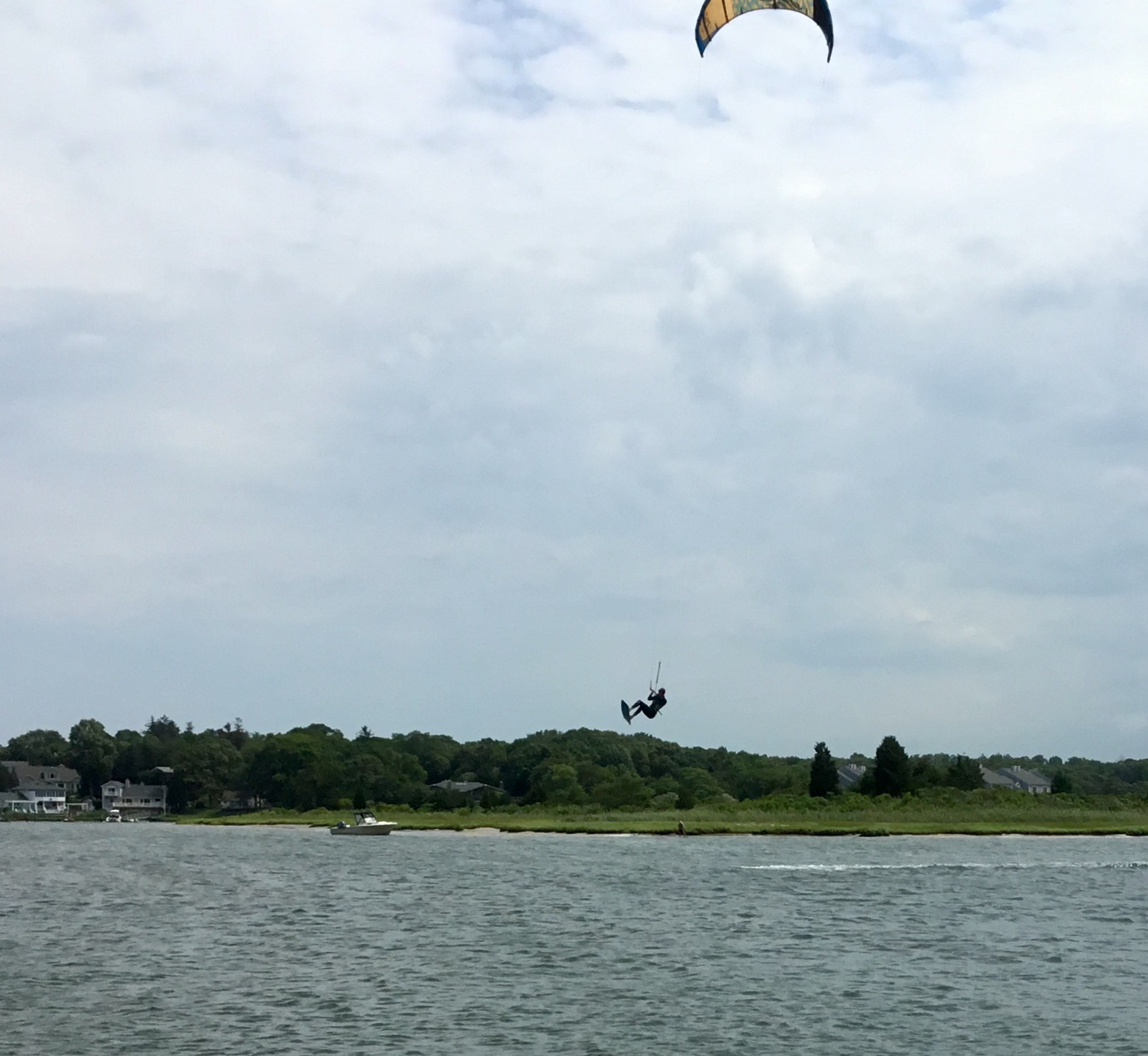
Suffolk County
* an ongoing series of quotations – mostly from artists, to artists – that offers wisdom, inspiration, and advice for the sometimes lonely road we are on.
I think that the sensation and process are almost identical in all creative activities. The pattern seems universal. The study and hard work, The prepared mind. The being stuck. The sudden shift. The letting go of control. The letting go of self.
Alan Lightman in A Sense of the Mysterious: Science and the Human Spirit
Comments are welcome!
Pearls from artists* # 260
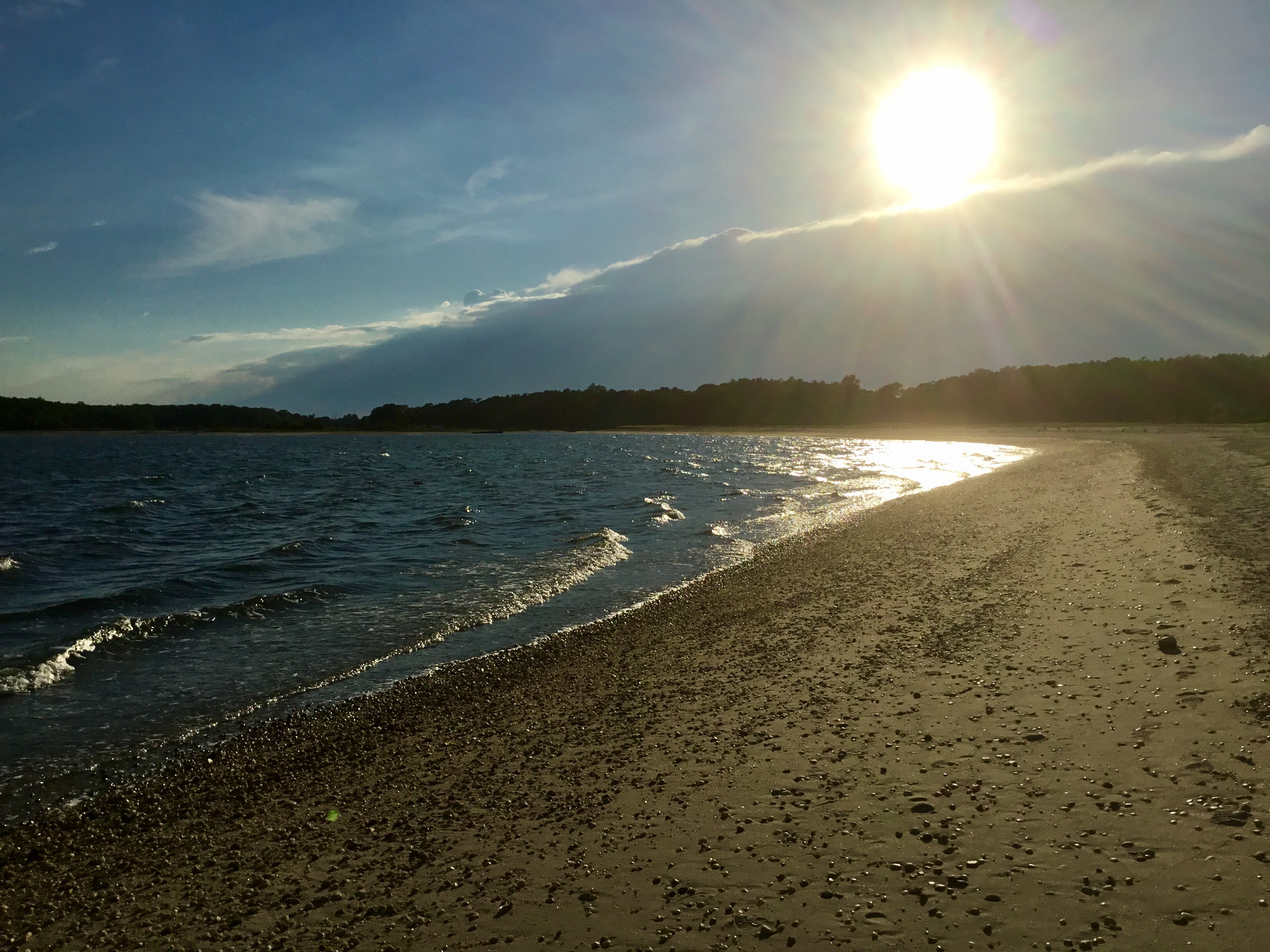
Suffolk County
* an ongoing series of quotations – mostly from artists, to artists – that offers wisdom, inspiration, and advice for the sometimes lonely road we are on.
The best analogy I’ve been able to find for that intense feeling of the creative moment is sailing a round-bottomed boat in strong wind. Normally, the hull stays down in the water, with the frictional drag greatly limiting the speed of the boat. But in high wind, every once in a while the hull lifts out of the water, and the drag goes down to zero. It feels like a great hand has suddenly grabbed hold and flung you across the surface like a skimming stone. It’s called planing.
Alan Lightman in A Sense of the Mysterious: Science and the Human Spirit
Comments are welcome!
Pearls from artists* # 259
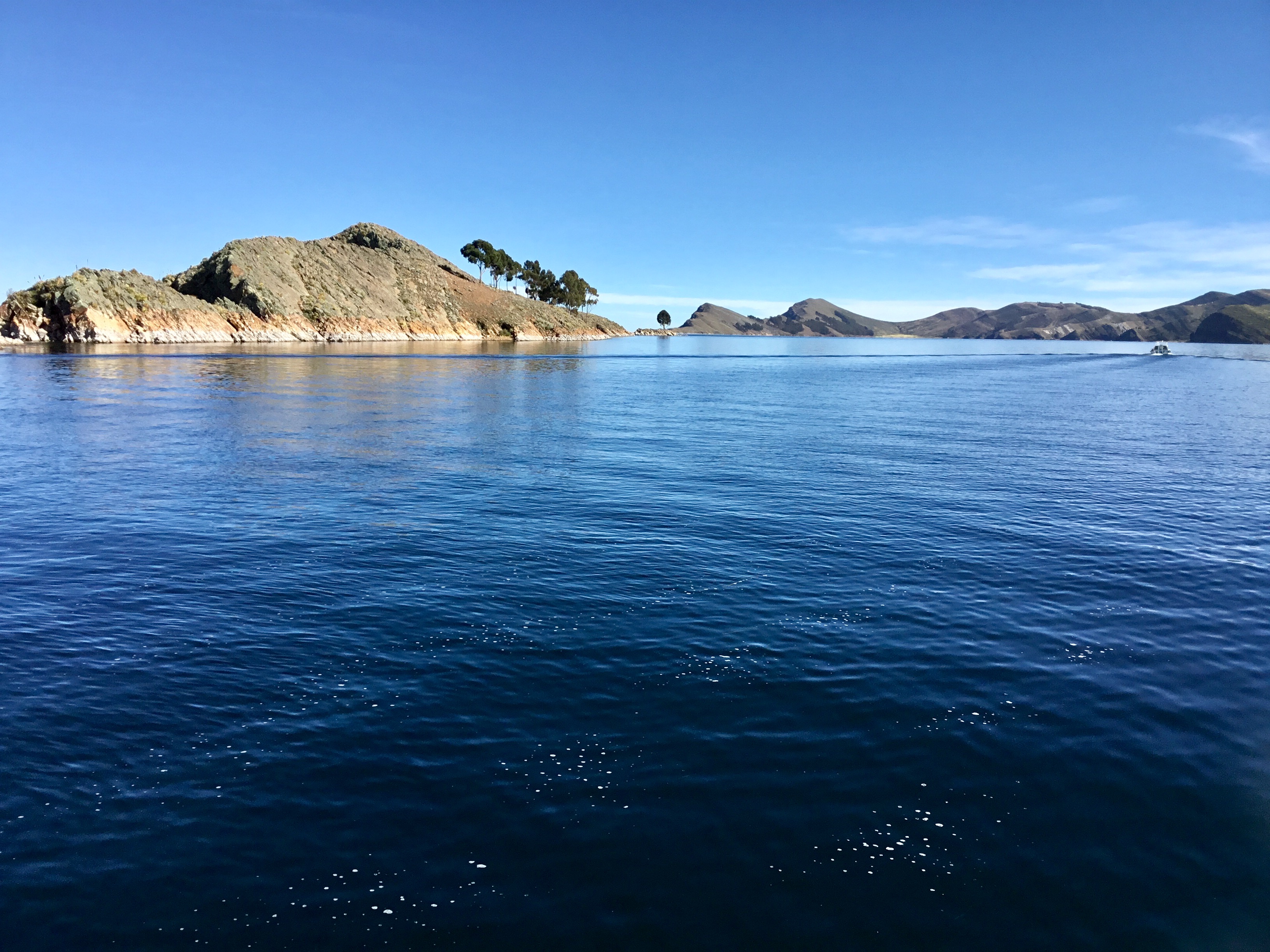
In Bolivia on Lake Titicaca
* an ongoing series of quotations – mostly from artists, to artists – that offers wisdom, inspiration, and advice for the sometimes lonely road we are on.
In college, I made two important decisions about my career.
First, I would put my writing on the back burner until I became well established in science. I know of a few scientists who later became writers, like C.P. Snow, Rachel Carson, but no writers who later became scientists. For some reason, science – at least the creative, research side of science – is a young person’s game. In my own field, physics, I found that the average age at which Nobel Prize winners did their prize-winning work was only thirty-six. Perhaps it has something to do with the focus on and isolation of the subject. A handiness for visualizing in six dimensions or for abstracting the motion of a pendulum favors an agility of mind but apparently requires little knowledge of the human world. By contrast, the arts and humanities require experience with life and the awkward contradictions of people, experience that accumulates and deepens with age.
Alan Lightman in A Sense of the Mysterious: Science and the Human Spirit
Comments are welcome!
Pearls from artists* # 258
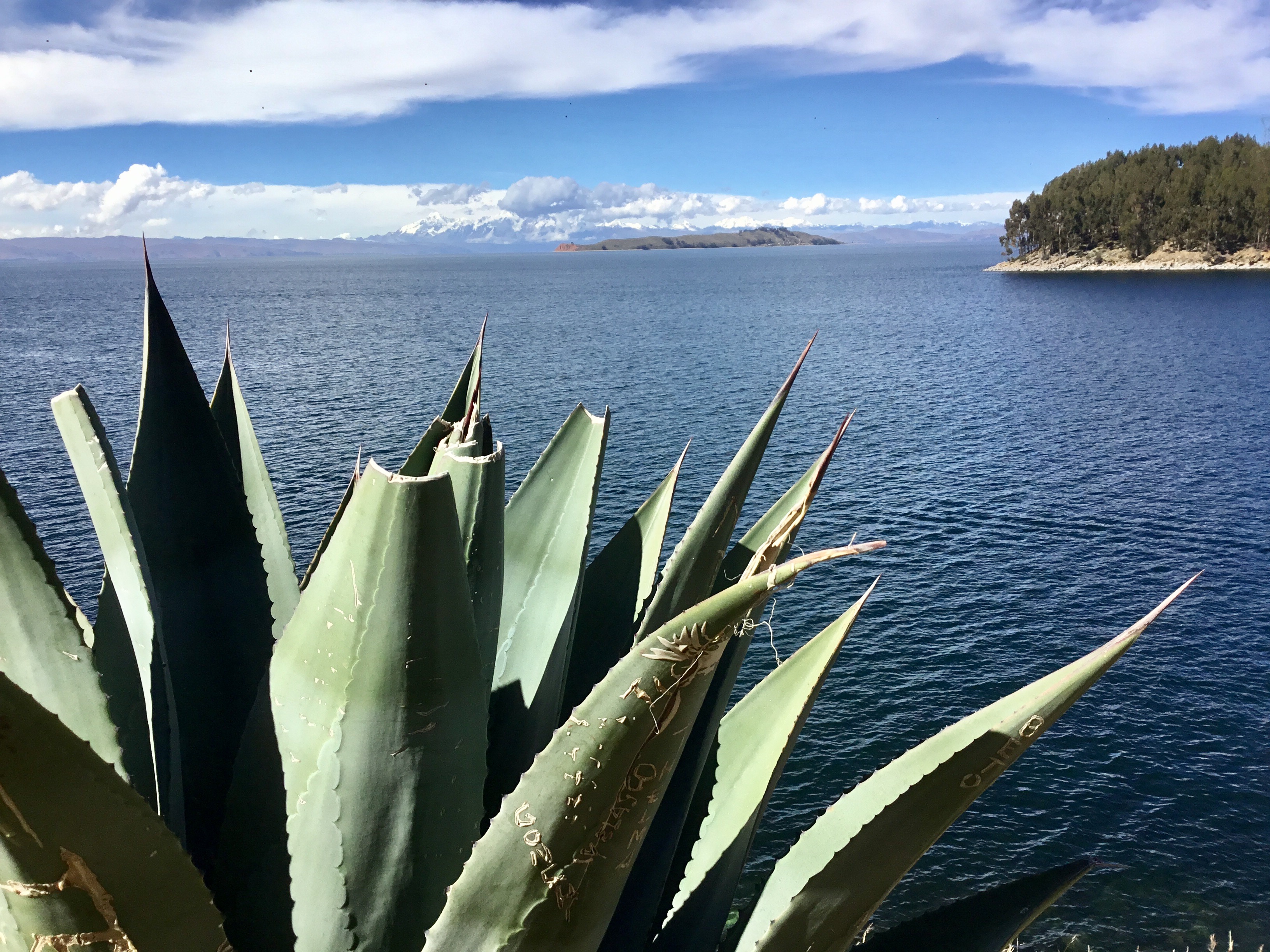
Isla del Sol in Bolivia
* an ongoing series of quotations – mostly from artists, to artists – that offers wisdom, inspiration, and advice for the sometimes lonely road we are on.
Does this imply that ‘beauty is in the eye of the beholder,’ that there is no objective property that we recognize and about whose nature and value we can agree? My answer is simply this: everything I have said about the experience of beauty implies that it is rationally founded. It challenges us to find meaning in its object, to make critical comparisons, and to examine our own lives and emotions in the light of what we find. Art, nature, and the human form all invite us to place this experience in the center of our lives. If we do so, then it offers a place of refreshment of which we will never tire. But to imagine that we can do this, and still be free to see beauty as nothing more than a subjective preference or a source of transient pleasure, is to misunderstand the depth to which reason and value penetrate our lives. It is to fail to see that, for a free being, there is right feeling, right experience and right enjoyment just as much as right action. The judgment of beauty orders the emotions and desires of those who make it. It may express their pleasure and their taste: but it is pleasure in what they value and taste for their true ideals.
Roger Scruton in Beauty: A Very Short Introduction
Comments are welcome!
Pearls from artists* # 257

“Blind Faith,” 38″ x 58,” soft pastel on sandpaper
* an ongoing series of quotations – mostly from artists, to artists – that offers wisdom, inspiration, and advice for the sometimes lonely road we are on.
I don’t mean to say it’s easy or assured; there are the stubborn stumps of shame, grief that remains unsolvable after all the years, a bag of stones that goes with one wherever one goes and however the hour must call for dancing and for light feet. But there is, also, the summoning world, the admirable energies of the world, better than anger, better than bitterness and, because more interesting, more alleviating. And there is the thing that one does, the needle one plies, the work, and within that work a chance to take thoughts that are hot and formless and to place them slowly and with meticulous effort into some shapely heat-retaining form, even as the gods, or nature, or the soundless wheels of time have made forms all across the soft, curved universe – that is to say, having chosen to claim my life, I have made for myself, out of work and love, a handsome life.
Mary Oliver in Upstream: Selected Essays
Comments are welcome!


 barbararachkoscoloreddust.com