Category Archives: Black Paintings
Q: Is your work fast or is it slow?
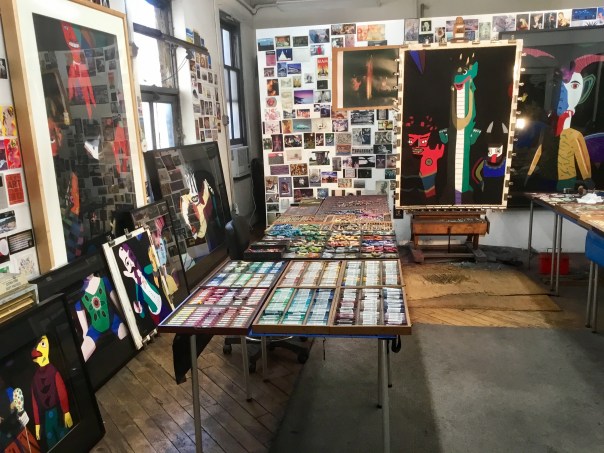
Barbara’s studio
A: I work extremely slowly. I’m a full-time artist and I spend three or four months on each pastel painting, sometimes longer if it’s an especially difficult piece.
I generally have two pastel paintings in progress and switch off when one is causing problems. The paintings tend to interact and influence each other. Having two in progress helps me resolve difficult areas quicker, plus when one is finished, I still have something to work on. So there’s rarely any dead time in my studio.
Comments are welcome!
Start/Finish of “Survivors,” soft pastel on sandpaper, 20″ x 26,” 2017
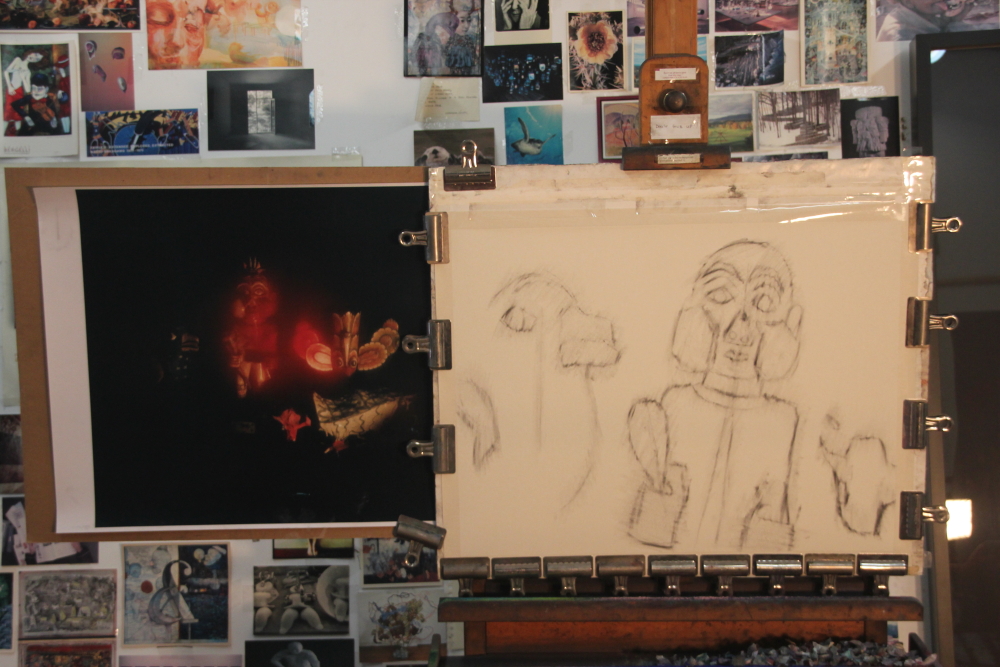
Erased charcoal underdrawing
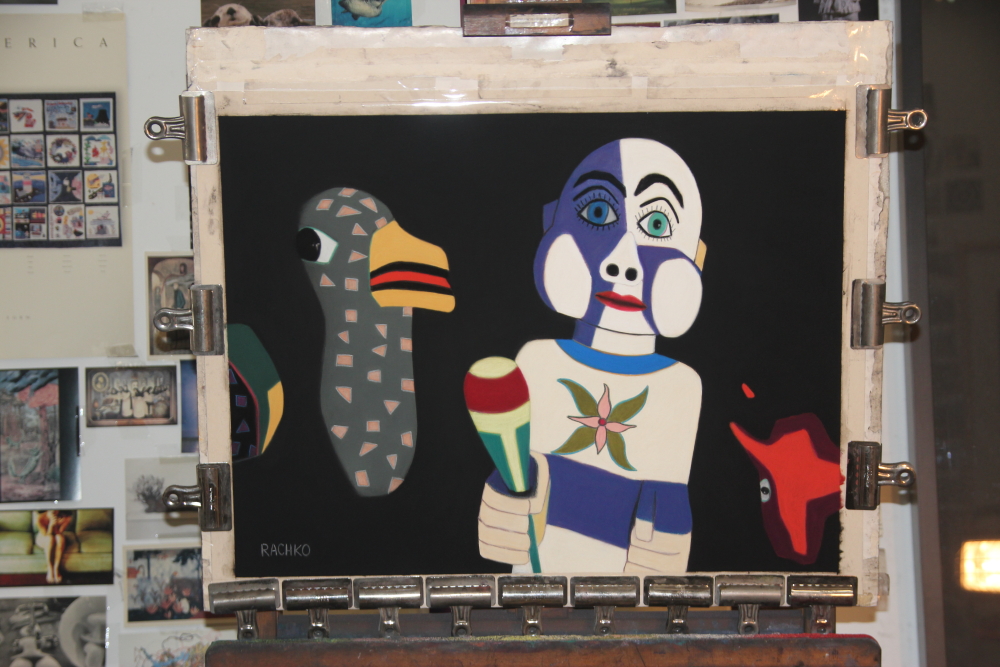
Finished and signed
Comments are welcome!
Pearls from artists* # 263
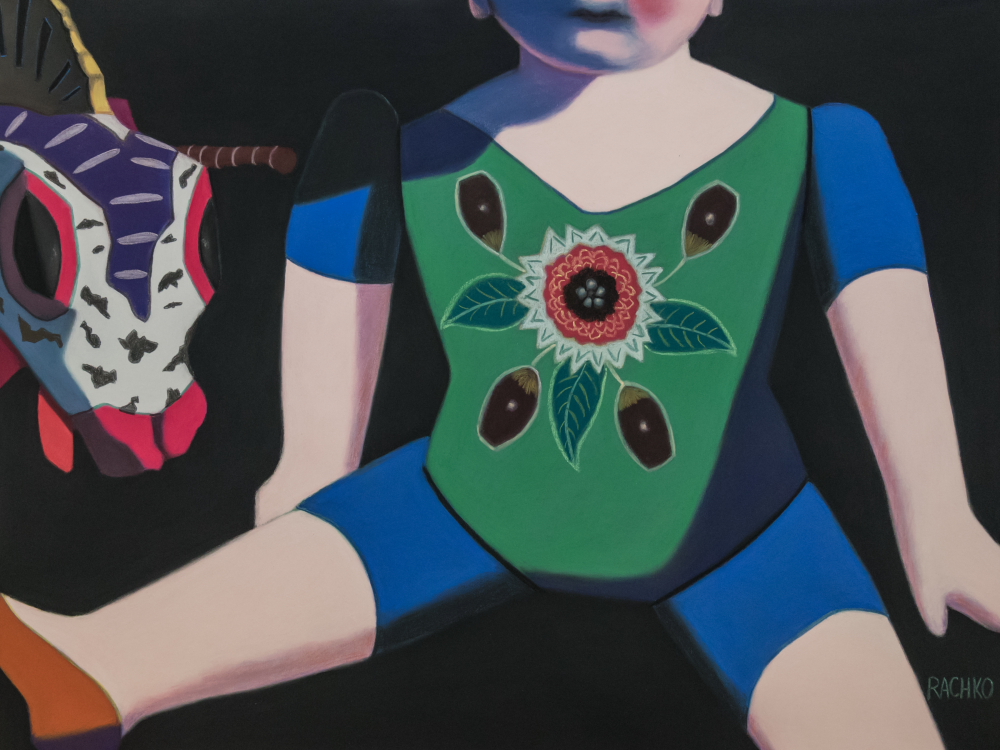
“Alone Together,” soft pastel on sandpaper, 20″ x 26″
* an ongoing series of quotations – mostly from artists, to artists – that offers wisdom, inspiration, and advice for the sometimes lonely road we are on.
Making art and viewing art are different at their core. The sane human being is satisfied that the best he/she can do at any given moment is the best he/she can do at any given moment. That belief, if widely embraced, would make this book unnecessary, false, or both. Such sanity is, unfortunately, rare. Making art provides uncomfortably accurate feedback about the gap that inevitably exists between what you intended to do, and what you did. In fact, if artmaking did not tell you (the maker) so enormously much about yourself, then making art that matters to you would be impossible. To all viewers but yourself, what matters is the product: the finished artwork. The viewers’ concerns are not your concerns (although it’s dangerously easy to adopt their attitudes). Their job is whatever it is: to be moved by art, to be entertained by it, to making a killing off it, whatever. Your job is to learn to work on your work.
David Bayles and Ted Orlando in Art & Fear: Observations On the Perils (and Rewards) of ARTMAKING
Comments are welcome!
Start/Finish of “Conundrum,” soft pastel on sandpaper, 38″ x 58″ image, 50″ x 70″ framed
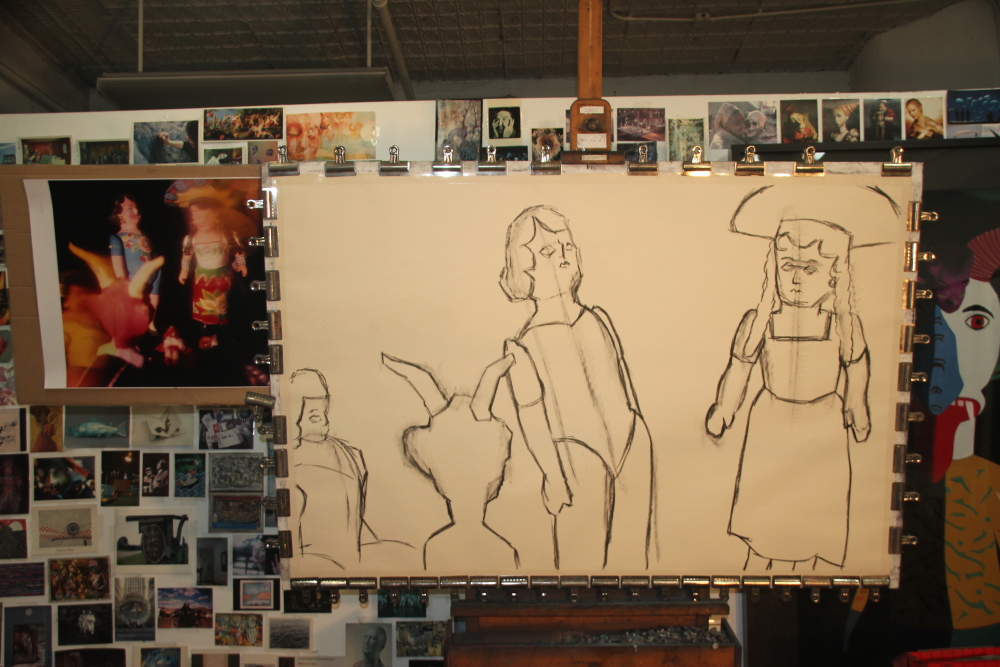
Rough charcoal drawing on sandpaper
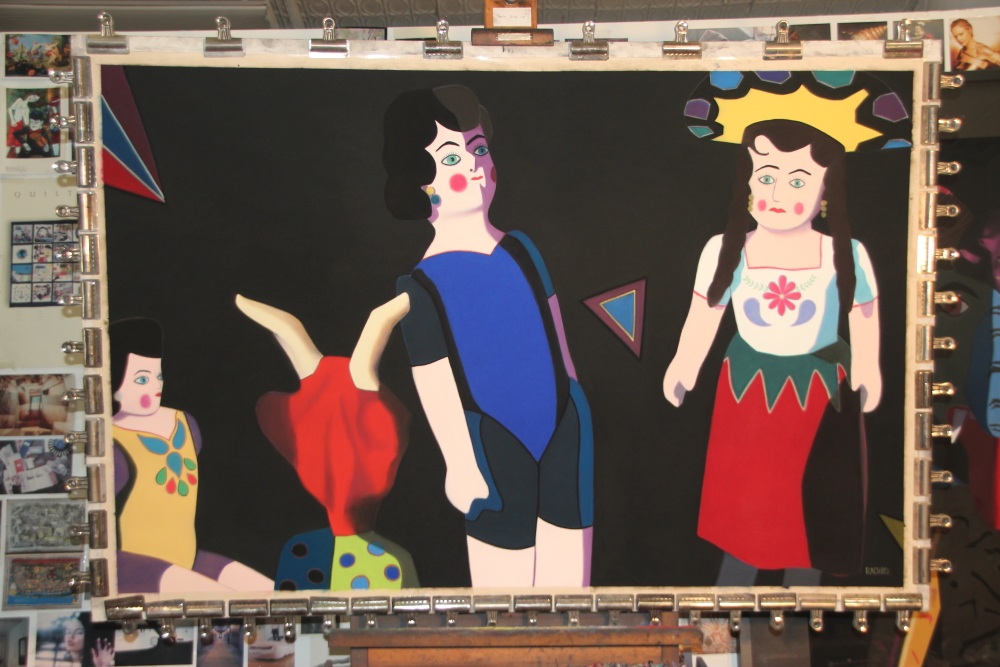
Finished
Comments are welcome!
Q: What’s on the easel today?
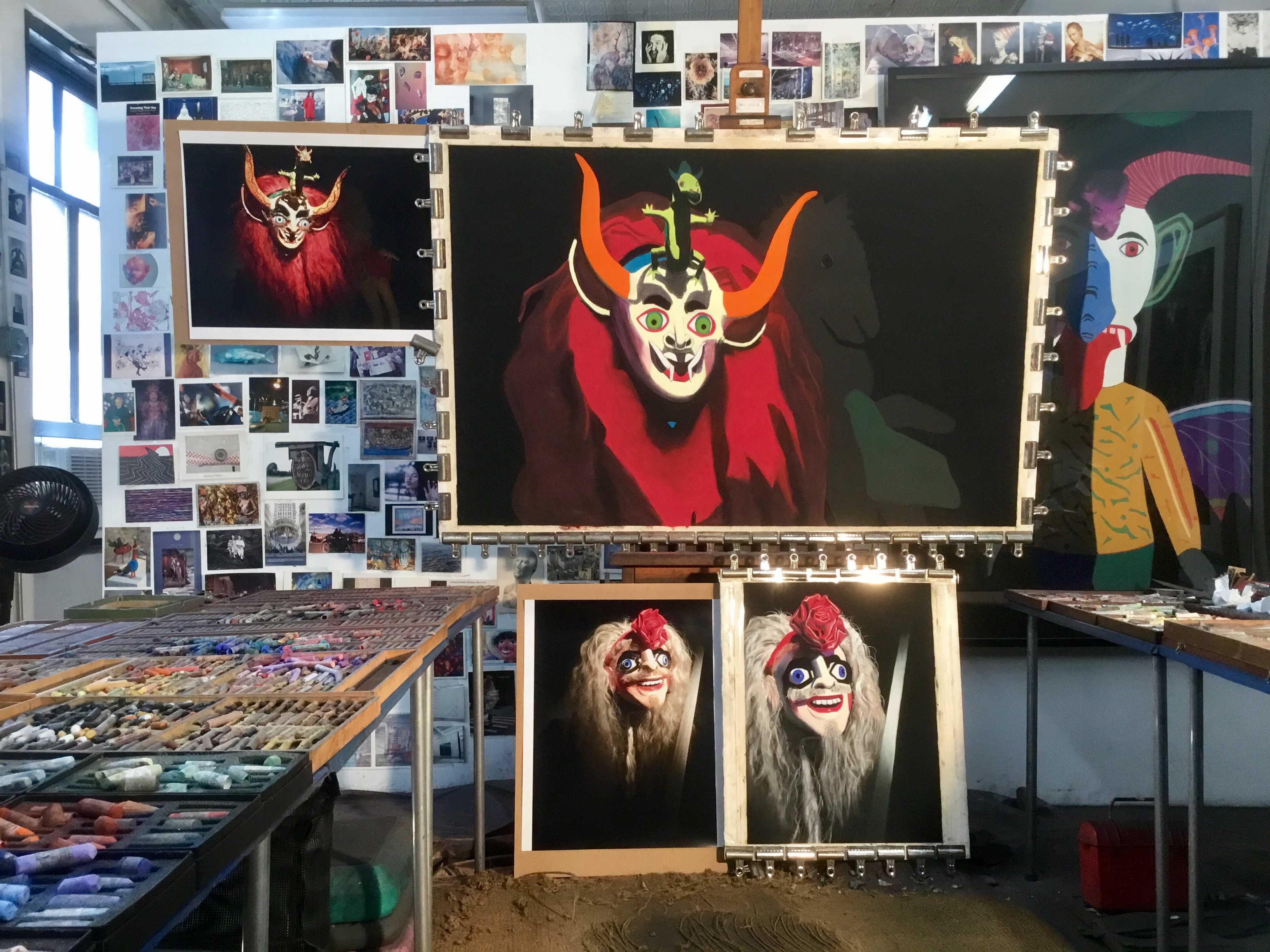
Work in progress
A: I have two works in progress. Both are based on photographs I shot at a stunning mask exhibition in La Paz, Bolivia in May. At present I am tying to ‘ramp up’ my imagery and believe these two pastel paintings to be particularly striking. However, both still have a long way to go so I hope I’m not speaking too soon.
Comments are welcome!
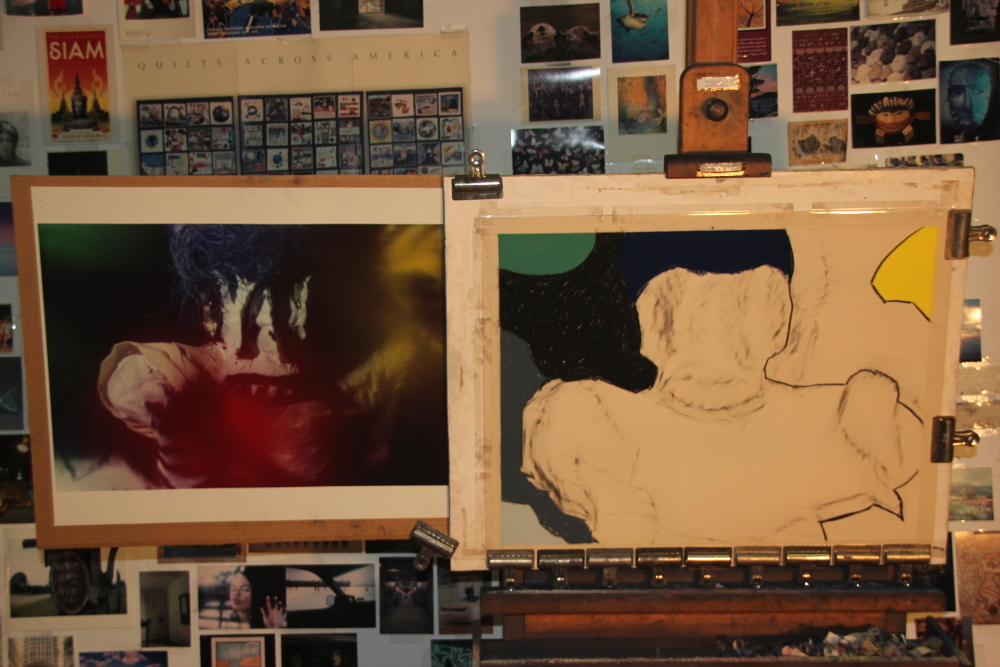
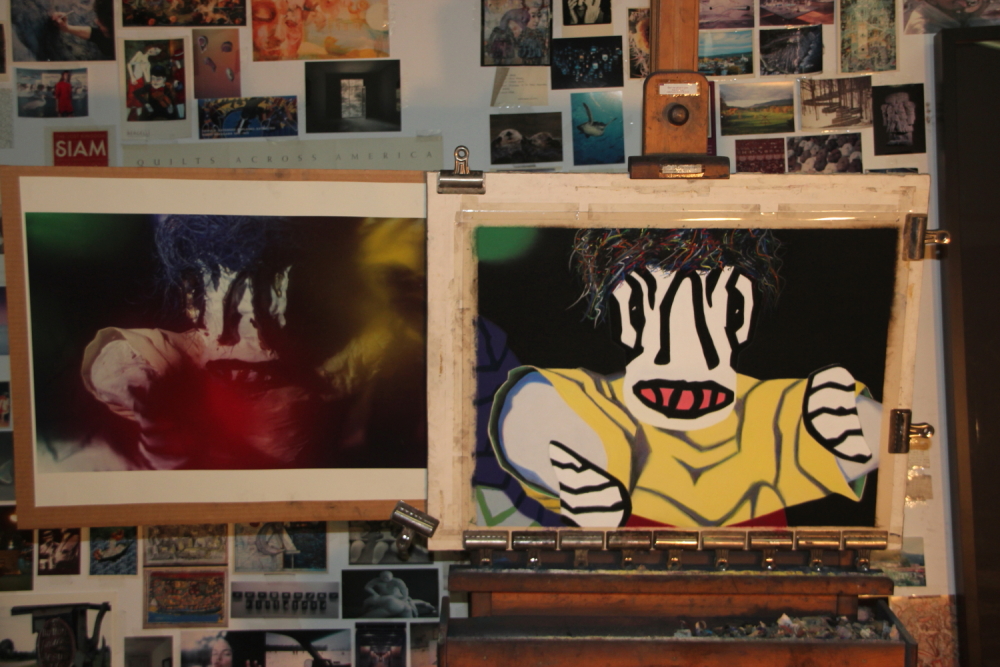
Q: What’s on the easel today?
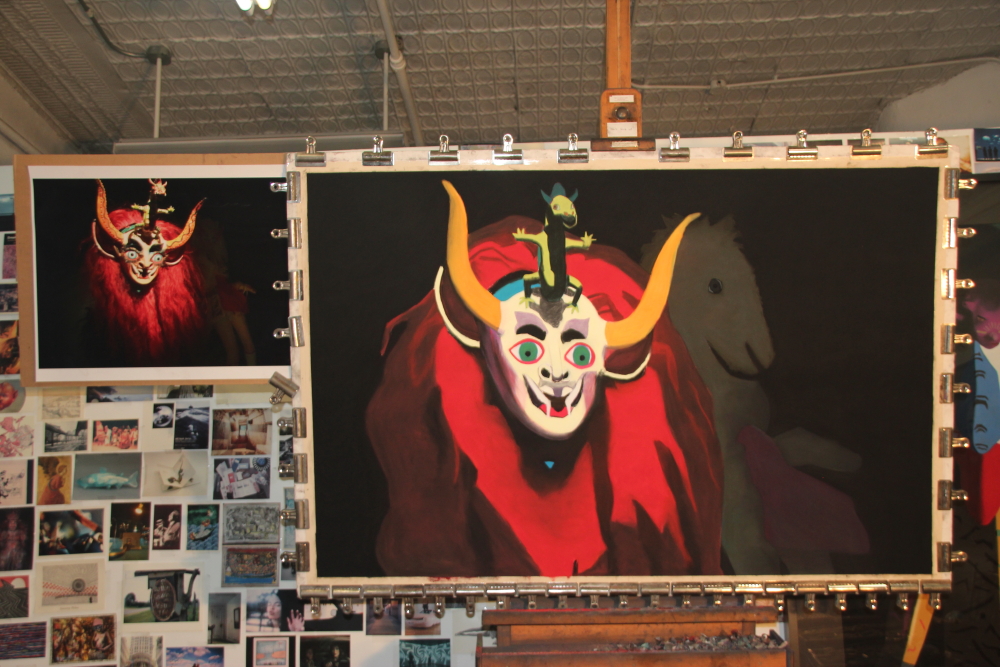
Work in progress
A: I’m working on a large pastel painting based on a photograph shot when I was vacationing recently in La Paz, Bolivia. How fortuitous to stumble upon a mask exhibition at The National Museum of Ethnography and Folklore! It felt as though the exhibition somehow was staged for me, just waiting for me to come along and photograph it.
Incredibly, I returned to New York, after a spectacular trip to Bolivia, and found myself with photographs that are inspiring a new series. Certainly this has never happened before! The series is tentatively called, “Bolivianos.”
Comments are welcome!
Q: How can you tell with certainty when a pastel painting is finished?
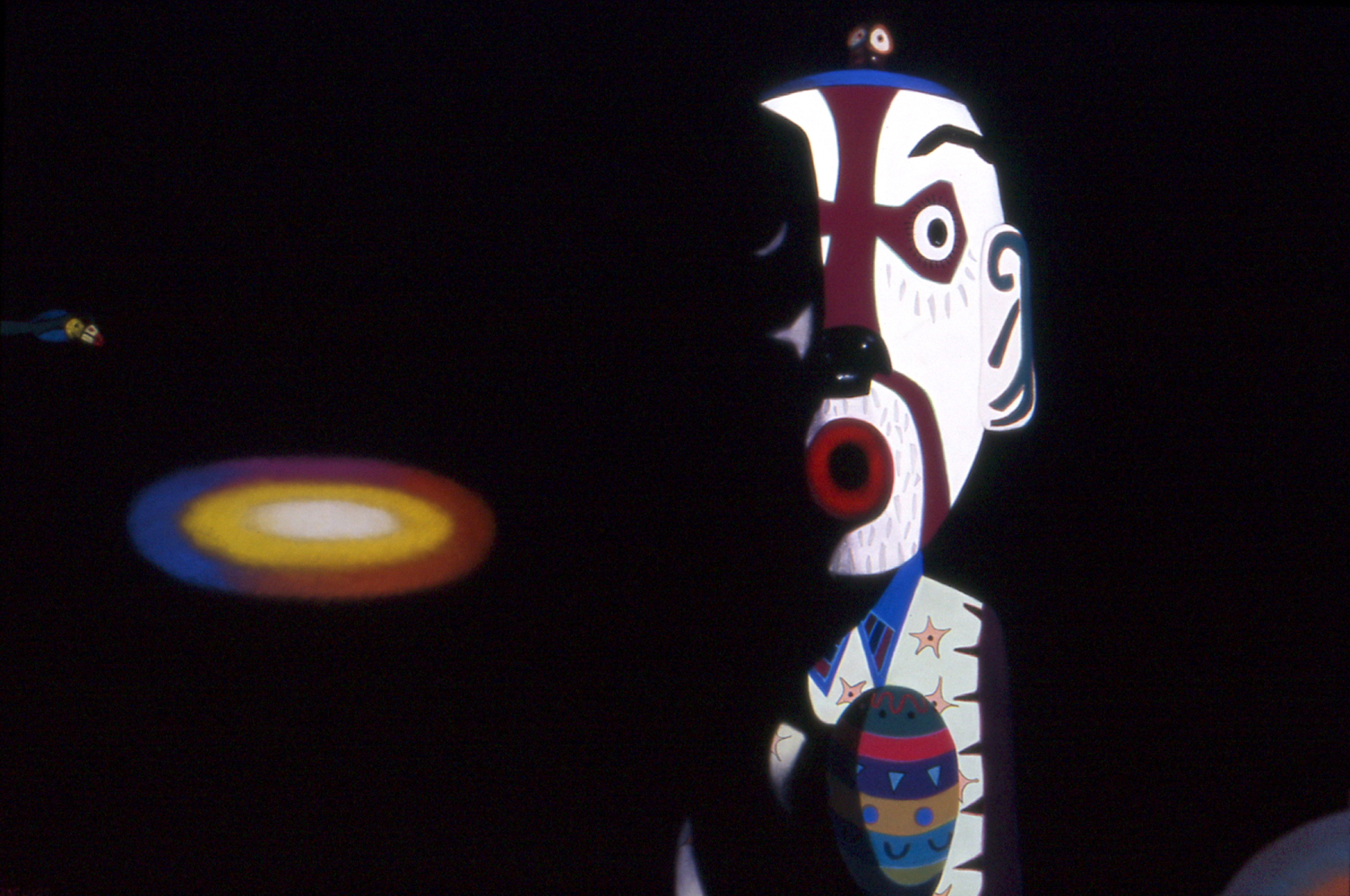
“Poker Face,” soft pastel on sandpaper, 38″ x 58″
A: For me a work is finished when to add or subtract some element causes the composition to diminish or somehow weaken. It’s mostly a matter of where I want viewers to look and how I decide to lead their eyes around a painting.
I work on each piece for several months so that by the time it’s nearly done, I can no longer see flaws. I put it aside for a week or two. Then I pull it out again, turn it upside down, and any details that need improving become obvious. Once I fix them, I know the painting is finally finished and ready to be signed, photographed, and delivered to my framer.
Comments are welcome!
Start/Finish of “The Ancestors,” soft pastel on sandpaper, 58″ x 38″ image, 70″ x 50″ framed
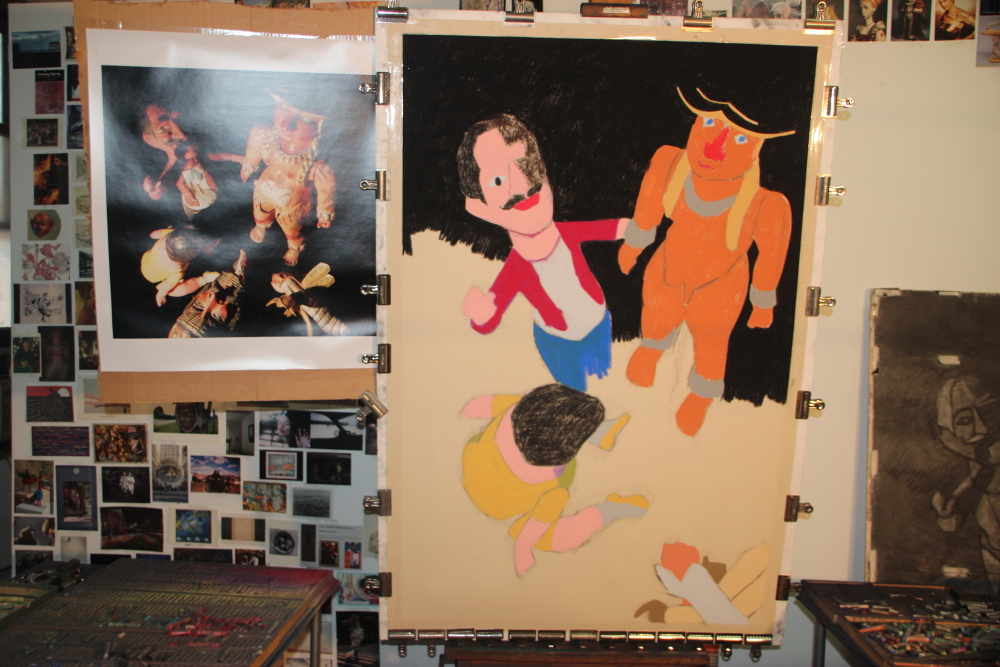
Beginning
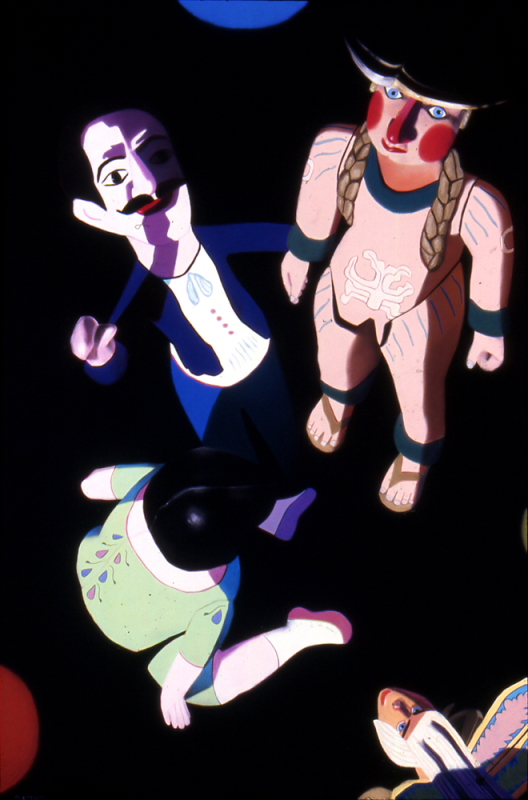
Finished
Comments are welcome!
Q: What genre do you work in?

“Broken,” soft pastel on sandpaper, 38″ x 58″ image, 50″ x 70″ framed
A: I consider all of my pastel paintings and photographs to be “contemporary conceptual realism.” In my work there is a disquieting quality, a feeling that things are not quite as innocent as they at first seem. The world I depict is a world of the imagination that owes little debt to the natural world. As one New York art critic noted, “What we bring to a Rachko… we get back, bountifully.”
Comments are welcome!


 barbararachkoscoloreddust.com