Q: What is your current priority career goal and what steps are you taking to attain it?
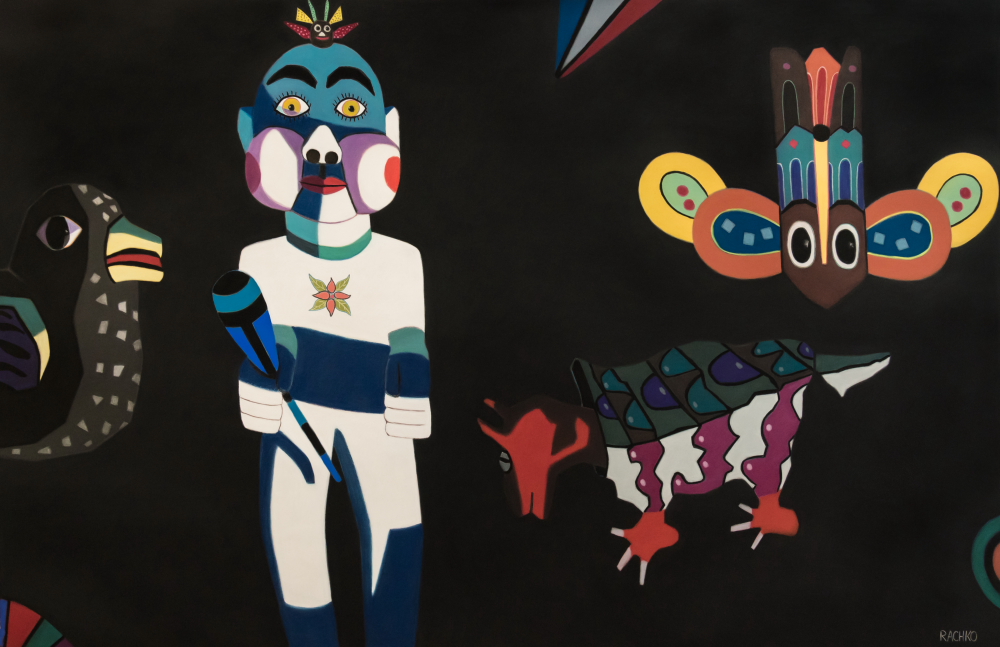
“White Star,” soft pastel on sandpaper, 38″ x 58″
A: My priority is to find a New York gallery to represent my work. Recently I began working with an advisor who has thirty years of experience in the local art scene. He is working to help facilitate an introduction to the right gallerist.
This is no easy task at present. More and more galleries are closing while record numbers of artists clamor for attention.
Comments are welcome!
Pearls from artists* # 227

Madurai, India
* an ongoing series of quotations – mostly from artists, to artists – that offers wisdom, inspiration, and advice for the sometimes lonely road we are on.
As George Grosz said, at that last meeting he attended at the National Institute, “How did I come to be a great artist? Endless curiosity, observation, research – and a great amount of joy in the thing.” It is a matter of taking a liking to things. Things that were in accordance with your taste. I think that was it. And we didn’t care how unhomogenous they might seem. Didn’t Aristotle say that it is the mark of a poet to see resemblances between apparently incongruous things? There was any amount of attraction about it.
Ezra Pound in Writers at Work: The Paris Review Interviews Second Series, edited by George Plimpton
Comments are welcome!
Start/Finish of “Charade”
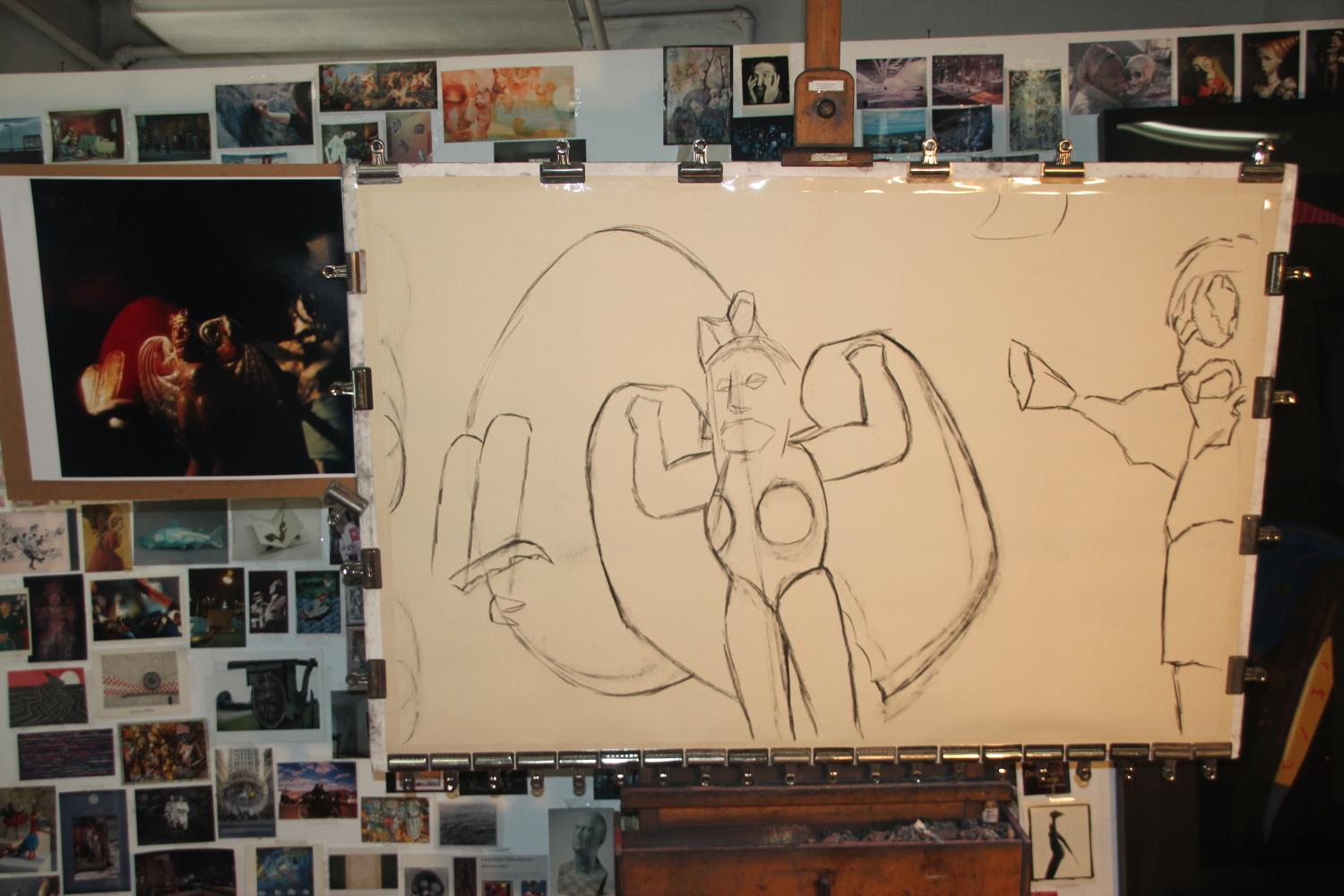
Charcoal underdrawing
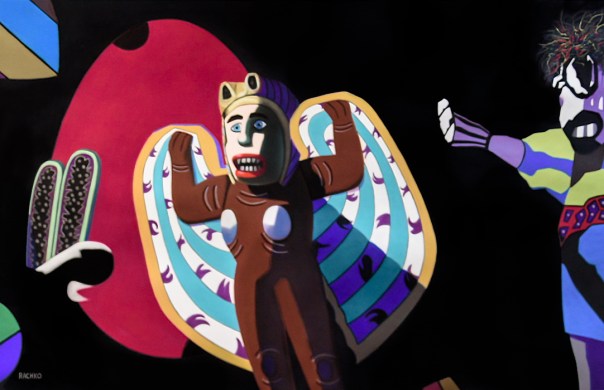
“Charade,” soft pastel on sandpaper, 38″ x 58″
Comments are welcome!
Pearls from artists* # 226

Barbara at work, Photo: Marianne Barcellona
* an ongoing series of quotations – mostly from artists, to artists – that offers wisdom, inspiration, and advice for the sometimes lonely road we are on.
Technique is the test of sincerity. If a thing isn’t worth getting the technique to say, it is of inferior value. All that must be regarded as exercise. Richter in his Treatise on Harmony, you see, says, “These are the principles of harmony and counterpoint; they have nothing whatever to do with composition, which is quite a separate activity.”
Ezra Pound in Writers at Work: The Paris Review Interviews Second Series, edited by George Plimpton
Comments are welcome!
Q: What’s on the easel today?
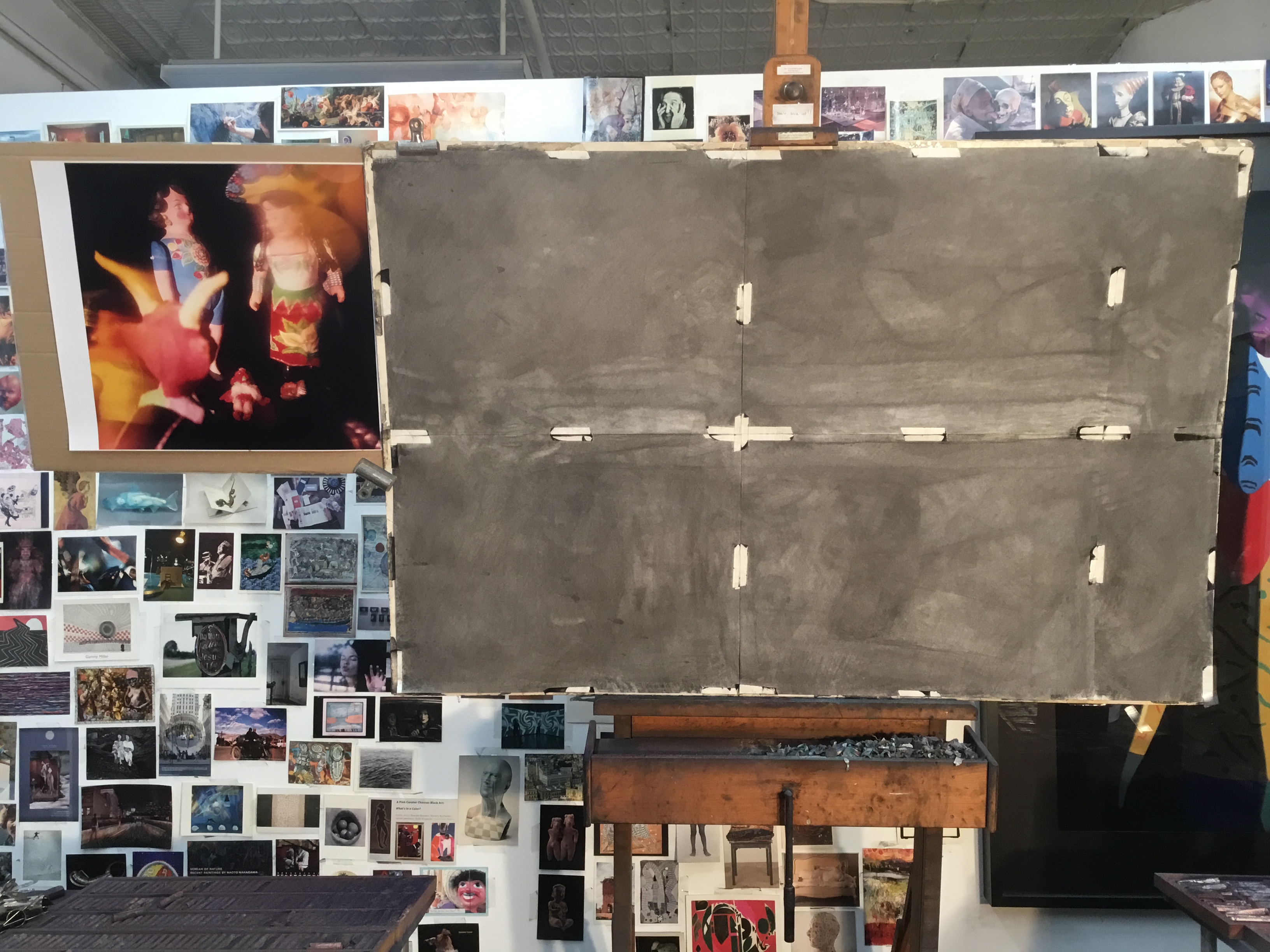
Preliminary drawing
A: I am ready to start a preliminary charcoal drawing as a study for my next pastel painting. It has been a while since I worked with the Mexican figures in the photo on the left. It’s like a reunion with dear friends!
Comments are welcome!
Pearls from artists* # 225
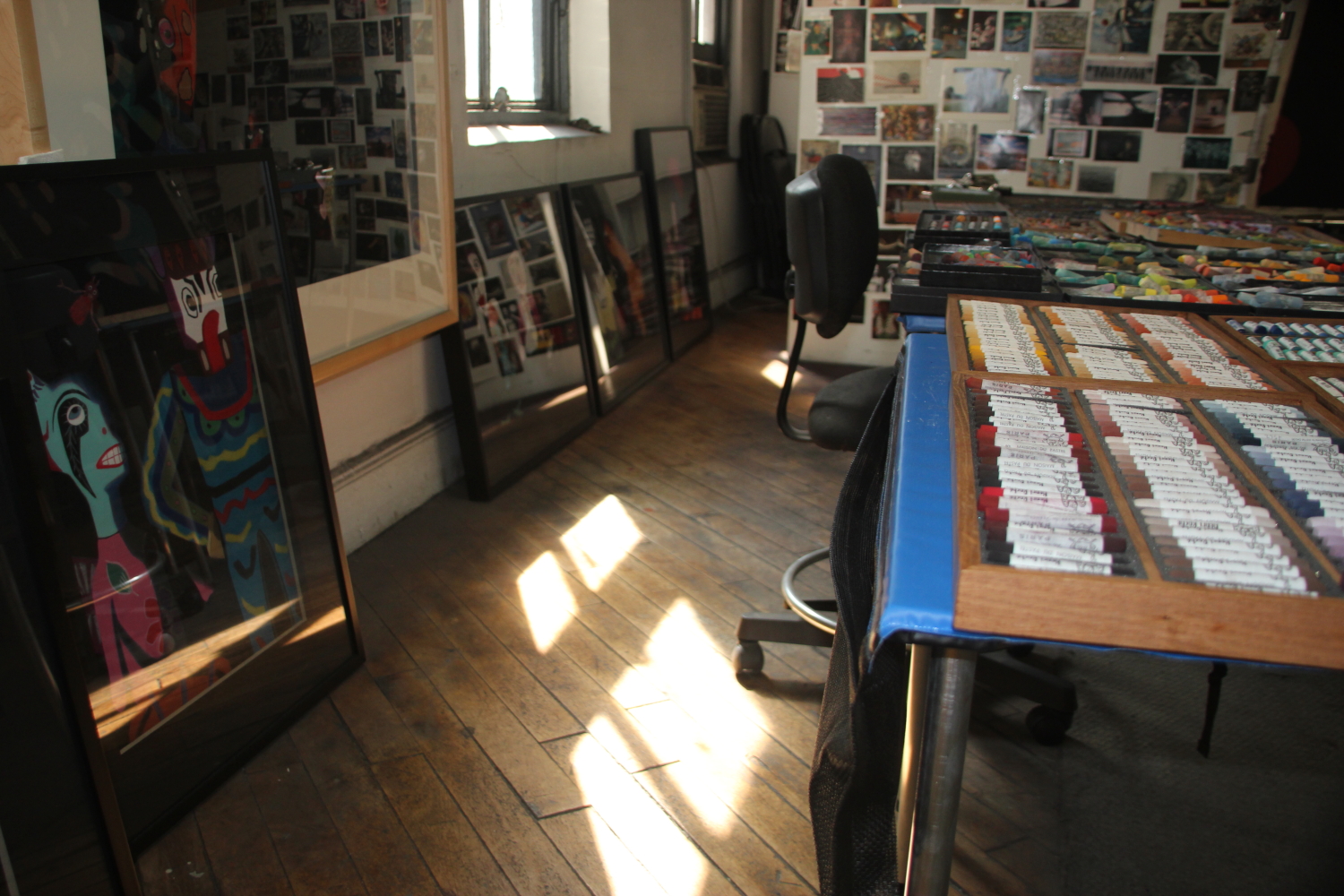
Morning sun at the studio
* an ongoing series of quotations – mostly from artists, to artists – that offers wisdom, inspiration, and advice for the sometimes lonely road we are on.
It’s so easy to forget what matters. When I begin the day centered, with equanimity, I find that I am quite unshakeable. But if I start off in that slippery, discomfiting way, I am easily thrown off course – and once off course, there I stay. And so I know that my job is to cultivate a mind that catches itself. A mind that watches its own desire to scamper off into the bramble, but instead, guides its own desire gently back to what needs to be done.
Dani Shapiro in Still Writing: The Perils and Pleasures of a Creative Life
Comments are welcome!
Q: Do you consider your finished pastel works to be drawings or paintings?

“The Sovereign,” soft pastel on sandpaper, 58″ x 38″ image, 70″ x 50″ framed
A: Among artists who work in pastel, these two words, ‘drawings’ and ‘paintings,’ have very specific meanings, somewhat unrelated to the usual distinctions made by art historians and others. For a pastel artist, a ‘drawing’ refers to a work in which the paper or other substrate is allowed to show through. In a pastel ‘painting’ you do not see the substrate at all, i.e. pastel is used much more heavily in a painting than in a drawing. Since I have always spent months creating each piece, covering the entire sandpaper ground with up to 30 layers of pigment, I have considered my work to be pastel painting.
Comments are welcome!
Pearls from artists* # 224
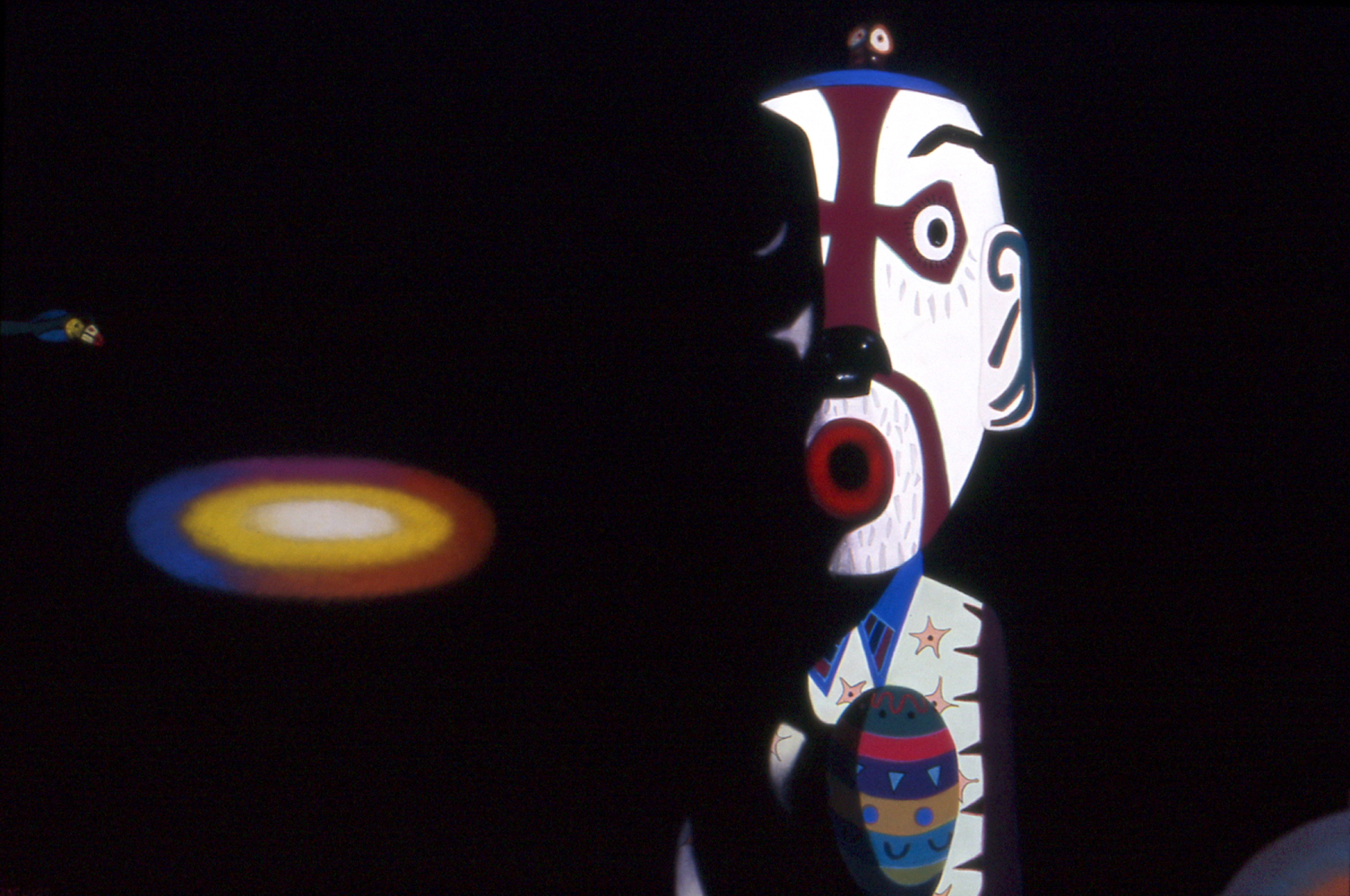
“Poker Face,” soft pastel on sandpaper, 38″ x 58″ image, 50″ x 70″ framed
* an ongoing series of quotations – mostly from artists, to artists – that offers wisdom, inspiration, and advice for the sometimes lonely road we are on.
… wise writers decline to engage in debates over the right way to read their words. T.S. Eliot was once approached with a question about a cryptic line from his poem “Ash-Wednesday”: “Lady, three white leopards sat under a juniper-tree.” What did the line mean? The poet replied: “I mean, ‘Lady, three white leopards sat under a juniper-tree .” Creating a text, Eliot seems to be saying, like having a child, only means bringing something into the world. It doesn’t include the power to control it’s destiny.
Adam Kirsch in “Can You Read a Book the Wrong Way?”, The New York Times Book Review, Sept. 27, 2016.
Comments are welcome!
Q: Do you have an essential philosophy that guides you in your creative expression?
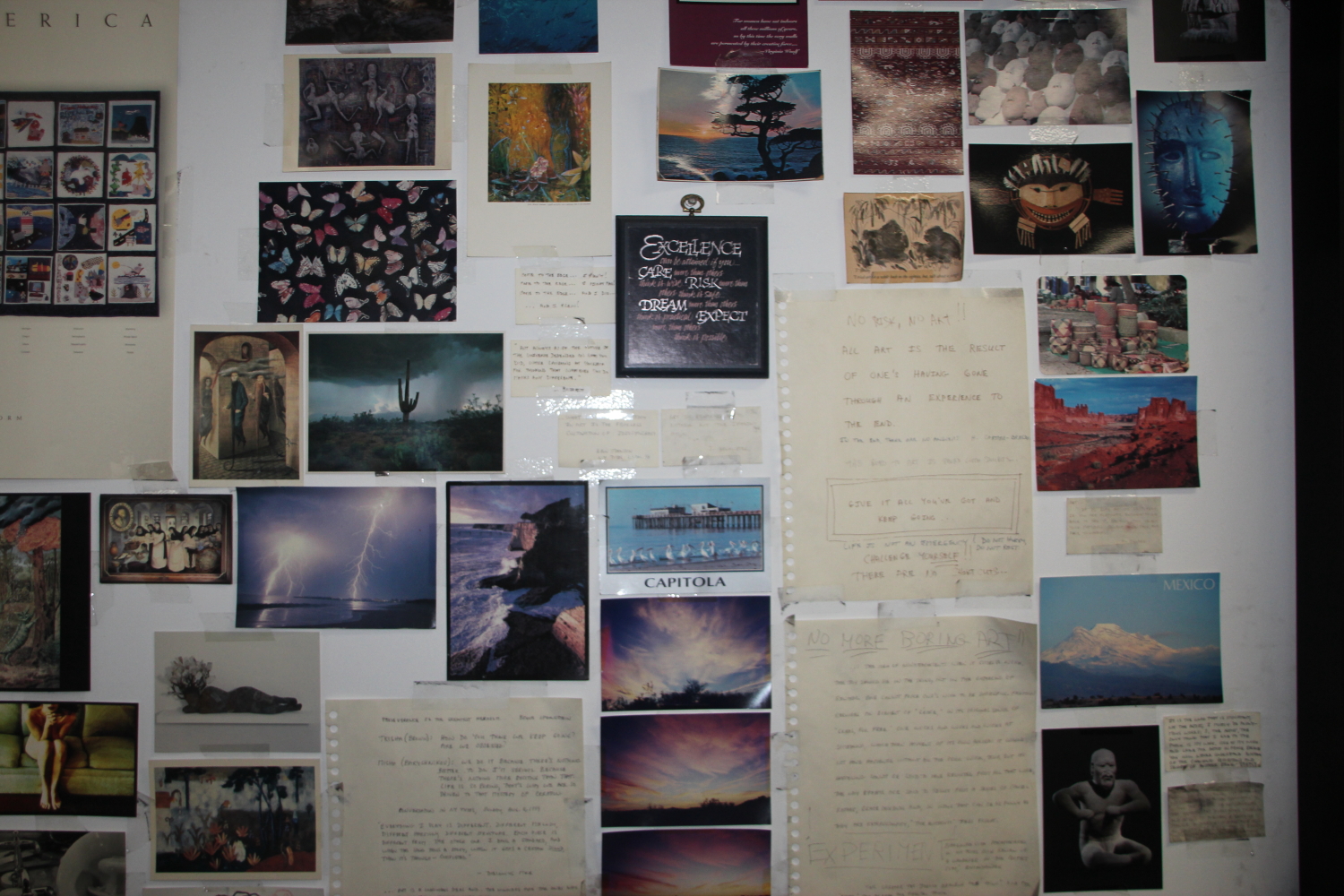
A wall in Barbara’s studio
A: Here are my two essential philosophies:
“Give it all you’ve got and keep going.” I wrote this years ago on a piece of paper and tacked it onto the wall behind my easel so I can always see it.
“Excellence can be attained if you… care more than others think is wise… risk more than others think is safe… dream more than others think is practical… expect more than others think is possible.” These words are on a small plaque, also tacked on the wall behind my easel. A co-worker gave this to me when I resigned my Naval commission to pursue an art career.
Comments are welcome!
Pearls from artists* # 223

“Epiphany,” soft pastel on sandpaper, 38″ x 58″
* an ongoing series of quotations – mostly from artists, to artists – that offers wisdom, inspiration, and advice for the sometimes lonely road we are on.
This is precisely the time when artists get to work. There is no time for despair, no place for self-pity, no need for silence, no room for fear. We speak, we write, we do language. That is how civilizations heal.
I know the world is bruised and bleeding, and though it is important not to ignore its pain, it is also critical to refuse to succumb to its malevolence. Like failure, chaos contains information that can lead to knowledge – even wisdom. Like art.
Toni Morrison quoted in Brainpickings, Nov. 20, 2016
Comments are welcome!


 barbararachkoscoloreddust.com