Category Archives: Photography
Q: Do you listen to music while you work?

A corner of the studio
A: I always have the stereo on when I work in my studio, either tuned in to WBGO (the Newark-based jazz station), WNYC (for news and talk radio; Leonard Lopate, Fresh Air, etc.), WFMU (Fordham University’s radio station, to learn what college kids are listening to) and other local radio stations. I still listen to cd’s, I read the lyrics and the liner notes, and I prefer to listen to music the way artists intended it, meaning that I listen to entire albums from start to finish instead of jumping around between single tracks by different artists. When it comes to music, I’m interested in everything: jazz (especially classic jazz artists like Thelonious Monk, Miles Davis, John Coltrane, Art Blakely, etc.), blues, classical, pop, rock, world music (especially artists from Brazil, Cuba, and any country in Africa), electronic, indy, experimental, ancient music, etc. You name it, I probably listen to it, and if I don’t, I’m eager to learn all about it. When I’m working, certain artists are better to listen to at particular points in a painting. For example, one of my favorite artists to start a new painting with is Lady Gaga. The beat, her energy, and sheer exuberance are perfect when I’m standing in front of my easel with a blank piece of sandpaper in front of me. Gaga’s music gets me moving and working fast, putting down colors instinctively without thinking about them, just feeling everything.
It’s a different story when I am at my apartment and am shooting a photo setup. Then I might or might not listen to music. Lately it’s more about working fast (I shoot 24 images in about 15 minutes), choosing a variety of interesting vantage points, getting surprising effects, etc.
Comments are welcome!
Q: What would you be if you were not an artist?
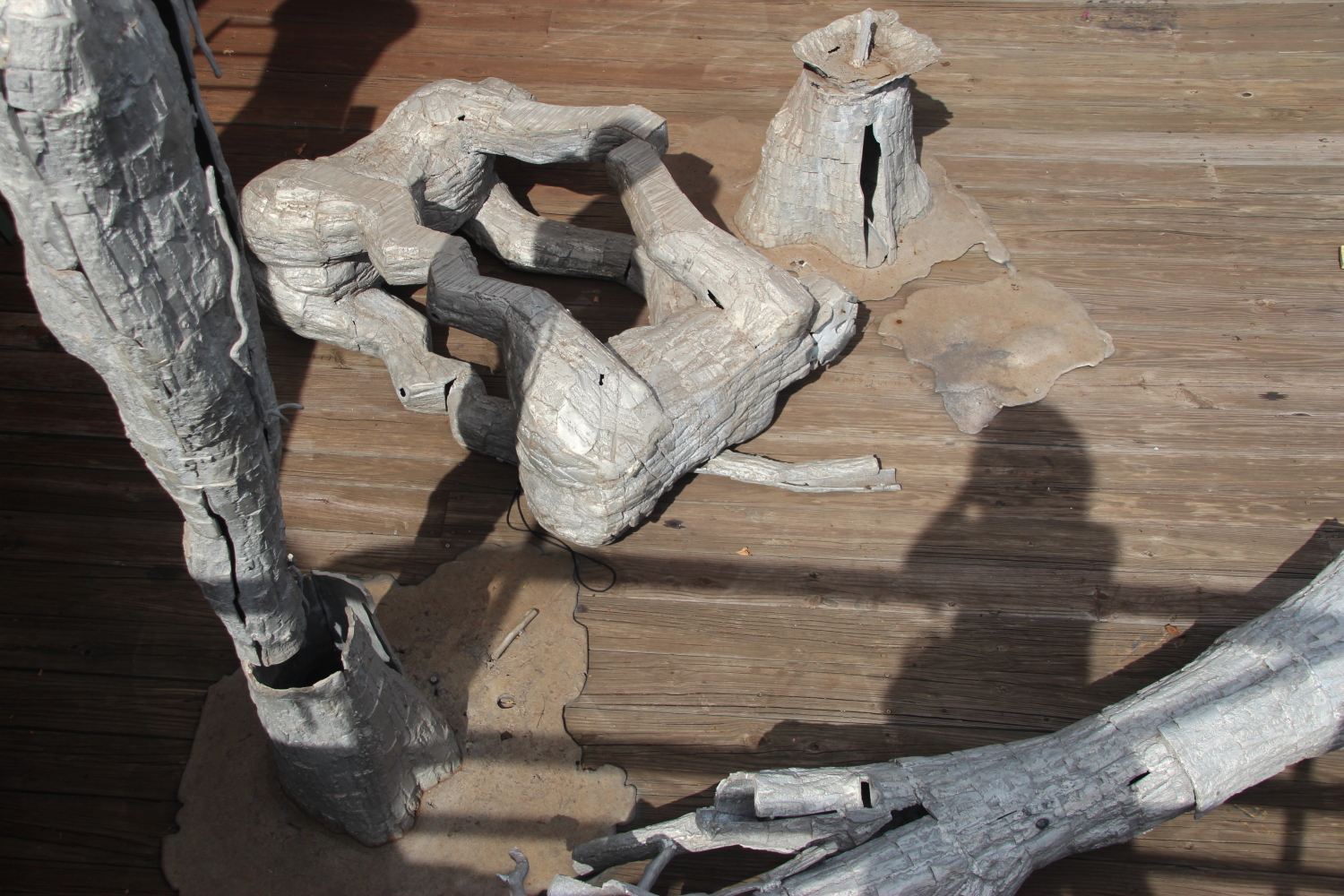
Self-portrait on a Hudson River barge
A: I honestly have no idea, but whatever it might be, there is a good chance that I’d be bored! In my younger days boredom was a strong motivator. I left the active duty Navy out of boredom. I couldn’t bear not being intellectually challenged (most of my jobs consisted of paper-pushing), not using my flying skills (at 27 I was a licensed commercial pilot and Boeing 727 flight engineer), and not developing my artistic talent. In what surely must be a first, by spending a lot of time and money training me for jobs I hated, the Navy turned me into a hard-working artist! And once I left the Navy there was no plan B. There was no time to waste. It was “full speed ahead.”
Art is a calling. You do not need to be told this if you are among those who are called. It’s all about “the work,” that all-consuming focus of an artist’s life. If a particular activity doesn’t make you a better artist, you avoid it. You work hard to nourish and protect your gifts. As artists we invent our own tasks, learn whatever we need in order to progress, and complete projects in our own time. It is life lived at its freest.
My art-making has led me to fascinating places: Mexico, Guatemala, Brazil, Argentina, Uruguay, France, England, Italy, Bali, Java and more; and to in-depth studies of intriguing subjects: drawing, color, composition, art and art history, the art business, film and film history, photography, mythology, literature, music, jazz history, and archaeology, particularly that of ancient Mesoamerica (the Olmec, Zapotec, Mixtec, Aztec, Maya, etc.). And this rich mixture continually grows! For anyone wanting to spend their time on earth learning and meeting new challenges, there is no better life than that of an artist.
I SO agree with this exchange that I read years ago between between Trisha Brown and Mikhail Baryshnikov in the New York Times. I wrote it on a piece of paper and taped it to my studio wall:
Trisha: How do you think we keep going? Are we obsessed?
Mikhail: We do it because there’s nothing better. I’m serious. Because there is nothing more exciting than that. Life is so boring, that’s why we are driven to the mystery of creation.
Comments are welcome.
Q: What are you working on now?
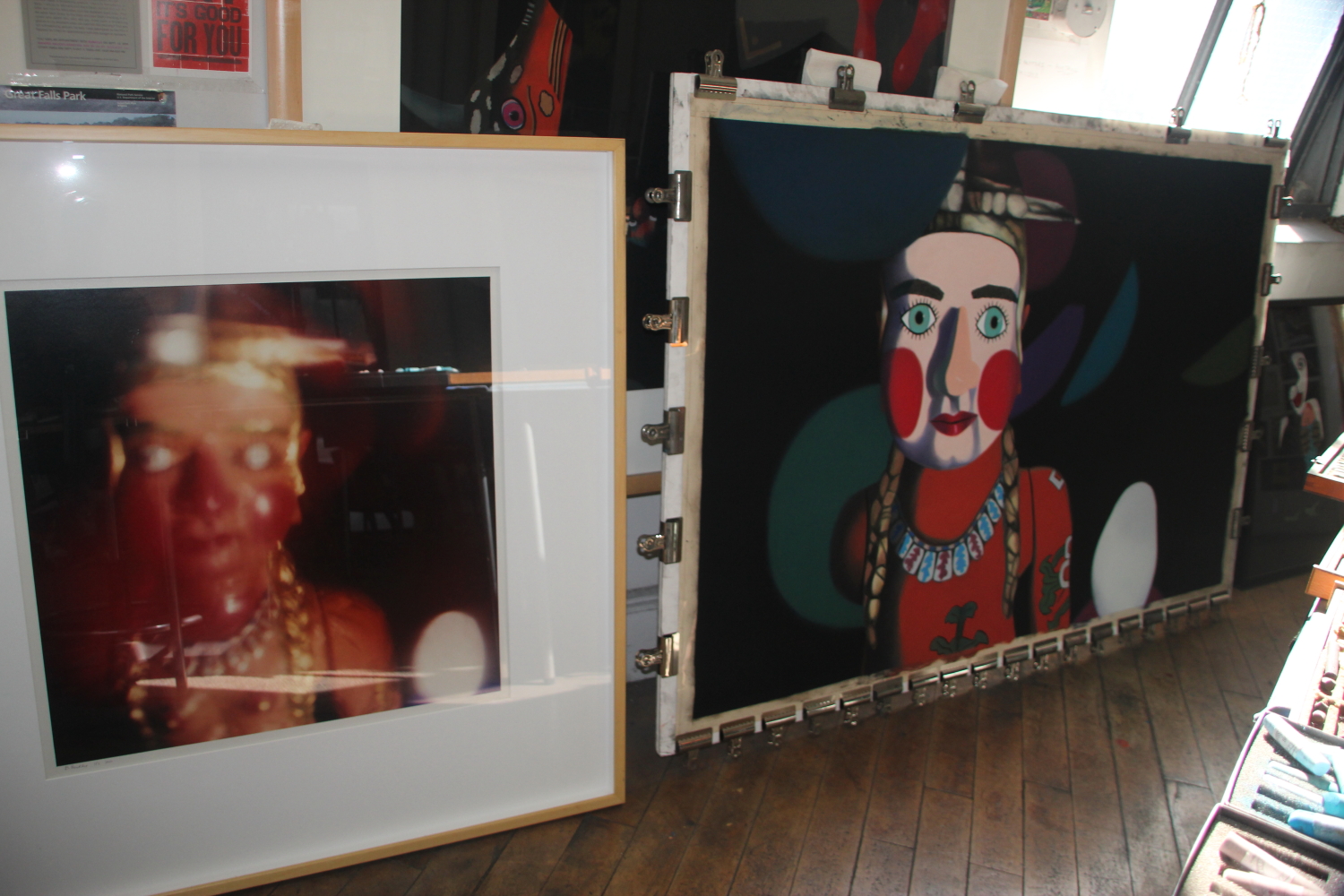
“Before the Epiphany,” soft pastel on sandpaper (above right)
A: “Before the Epiphany” is resting, unsigned in my studio, until I’m ready to put finishing touches on it.
Comments are welcome.
Q: Can you speak more about how your studio practice has evolved over the years?

At White Sands, NM; photo by Donna Tang
A: I have spoken at length about how my work and studio practice have evolved since the mid-80s. Please see my interview with Daniel Rothbart at http://www.arterynyc.com/2011/12/a-conversation-with-barbara-rachko/ or click the Blogroll link at right.
Q: Why the chromogenic process above all others?
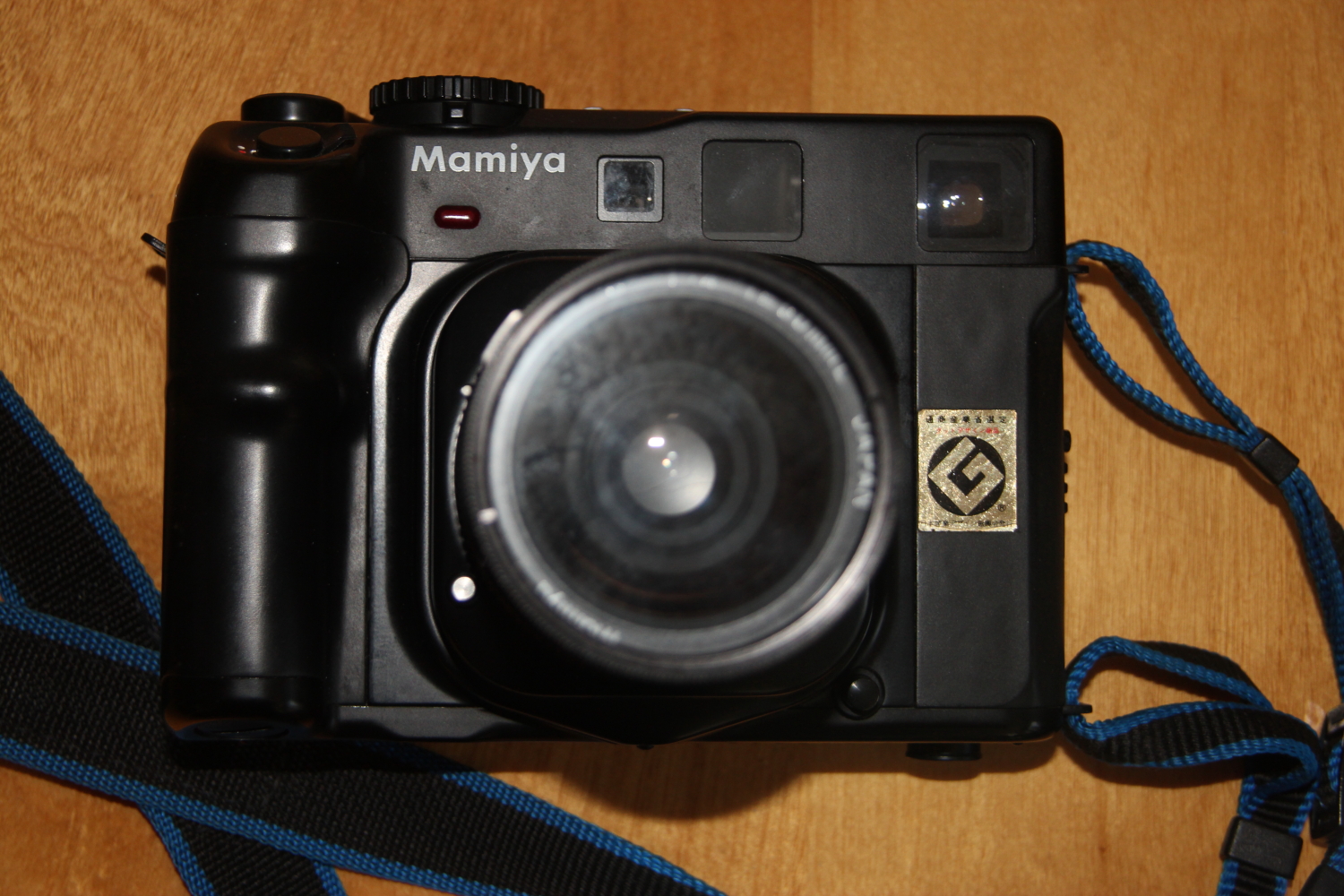
Mamiya 6 camera
A: First, the cameras that I inherited from Bryan in 2001 were all pre-digital film cameras. Second, I can make chromogenic prints myself, which cuts down on their production cost. Third, I love working with my hands and enjoy the process of making prints in a darkroom. Fourth, I make photographs on days that I don’t go to the studio. It’s a way to take a day off and still make art, a very productive use of my time. At the end of a darkroom session I have a new edition of 5 chromogenic prints, ready to spot and frame.
Comments are welcome.
Q: What do you like to do in the darkroom that brings a print up to perfection?
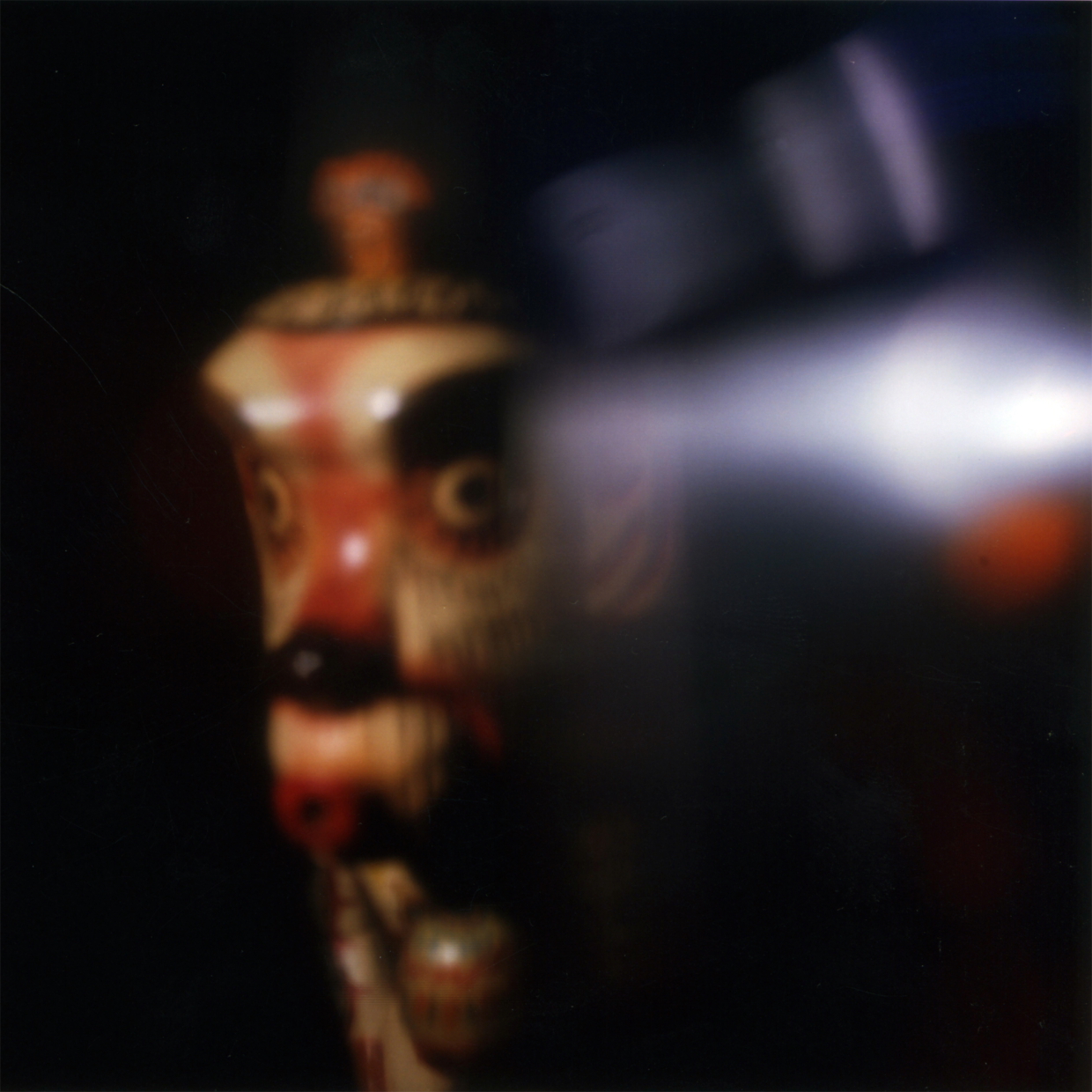
Untitled chromogenic print, edition of 5
A: That’s a trade secret! I will say that if I am going to sign my name to a piece of art, it must be the best that I am able to make at that point in time. In the darkroom I work deliberately and patiently. I slow down. I make tests, then refine and adjust the yellow and magenta filters on the enlarger to emphasize certain parts of the negative – bring an area forward, make another recede, brighten up something, etc. Usually as a last step, I dodge and burn some areas, always trying to produce the best, most eye-catching images I can.
Q: When did you begin seriously studying photography?
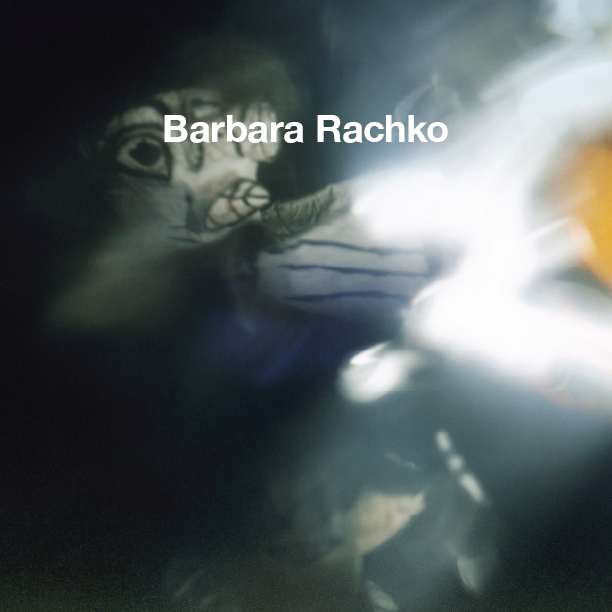
Exhibition catalogue, 2009 solo exhibition at HP Garcia Gallery, NYC; click
“Exhibition catalogue” under Blogroll to view inside pages
A: After I lost my husband, Bryan, on 9/11 – as I’ve discussed elsewhere, Bryan photographed most of the setups for my “Domestic Threats” series – I needed to find a way to continue making art. In June 2002 I began studying photography at the International Center of Photography (ICP) in New York. I took a one week 4 x 5 view camera workshop because Bryan had photographed the setups with a Toyo-Omega view camera. I was surprised to discover that I had absorbed quite a bit of technical information just by watching him. Once I completed the workshop, I decided to start over and to learn as much as I could about photography. So I enrolled in Photography I. Over the next several years I completed about a dozen courses at ICP, eventually learning to make my own large-scale chromogenic prints. Around 2007 I began working seriously as a photographer, creating my photographic series, “Gods and Monsters,” with Bryan’s Mamiya 6 camera. In October 2009 HP Garcia Gallery in New York gave me my first solo photography exhibition (see “Exhibition catalogue” under Blogroll).
I’m busy getting ready for my next solo show there in October. This exhibition will be fairly comprehensive and will include recent photographs (diptychs and single images), new work from the “Black Paintings” series, and a selection of Mexican and Guatemalan figures. There will be an exhibition catalogue and later in the fall, the gallery will publish the first book about my work. I am particularly thrilled about the book, a new, but long overdue, career milestone!
Q: What are you working on now?
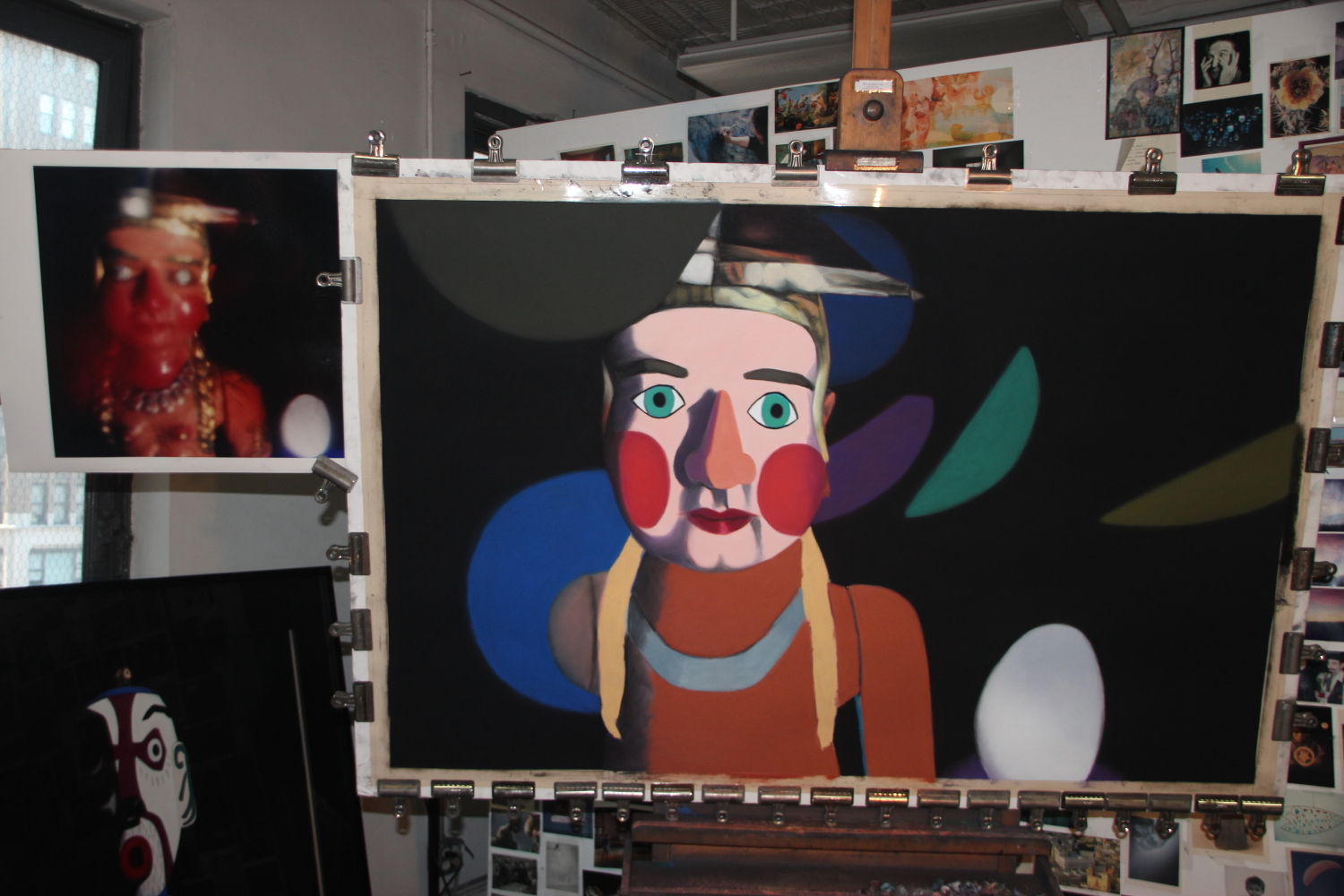
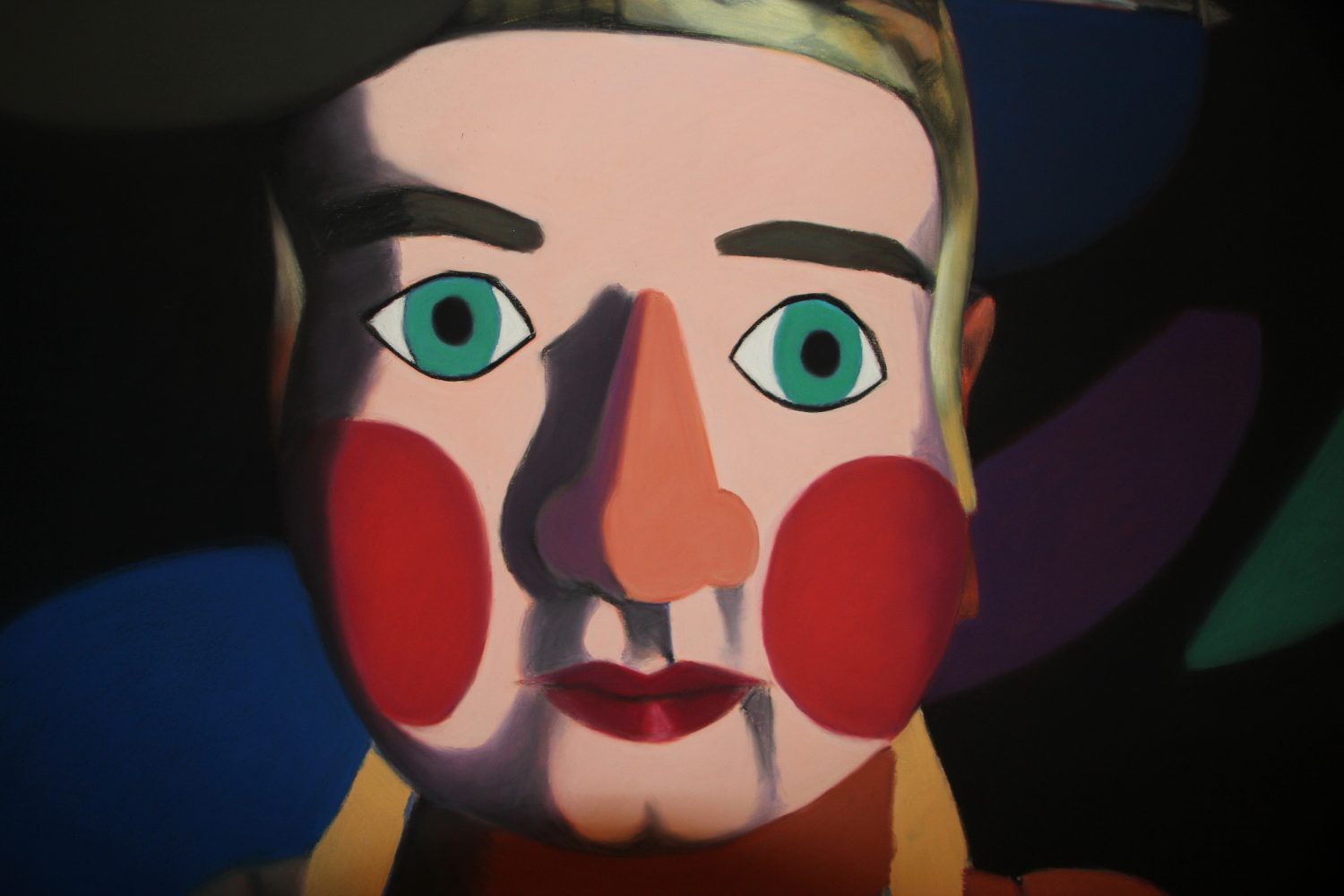
A: I am continuing with the “Black Paintings,” a series started a few years ago. Compared with “Domestic Threats,” these paintings are stripped of everything – walls, furniture, rugs – except the actors, who appear on a stark black background. As I’ve continued working over the years, I’ve learned to communicate better. I’ve stripped away all the extraneous stuff and gradually have been able to do more with less. There is wisdom in simplifying the work to reveal the essential vision. It is an artist’s life work.
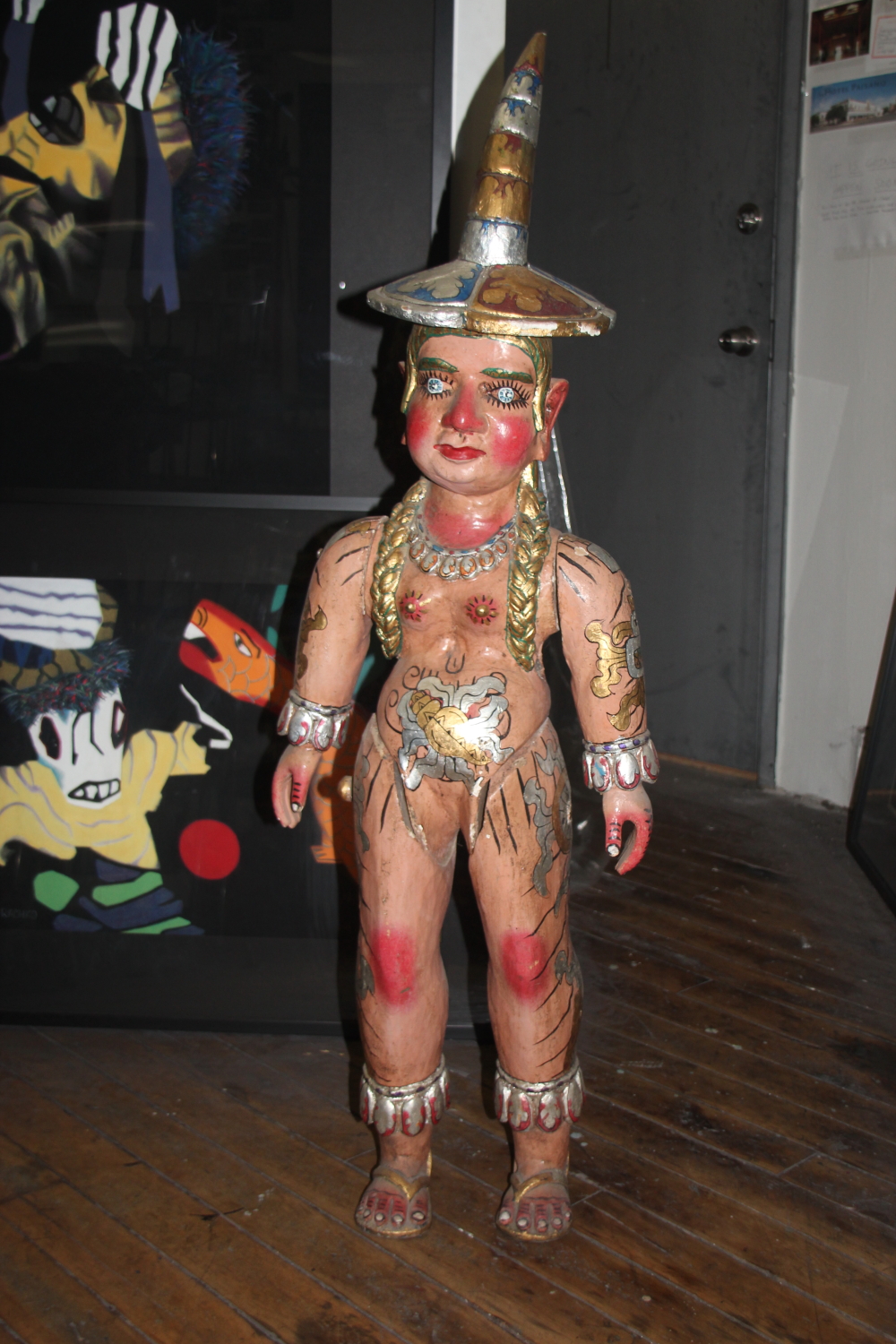
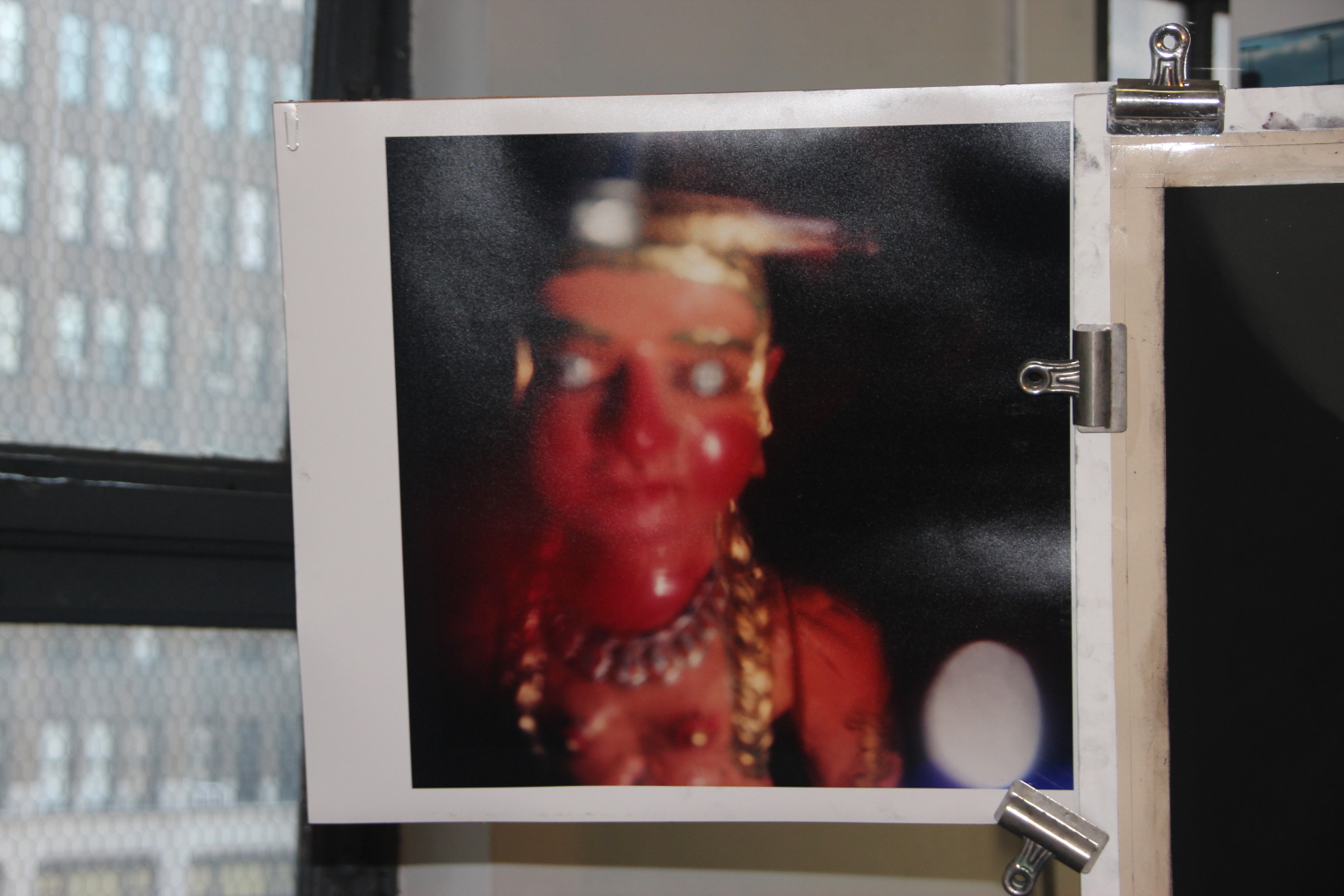
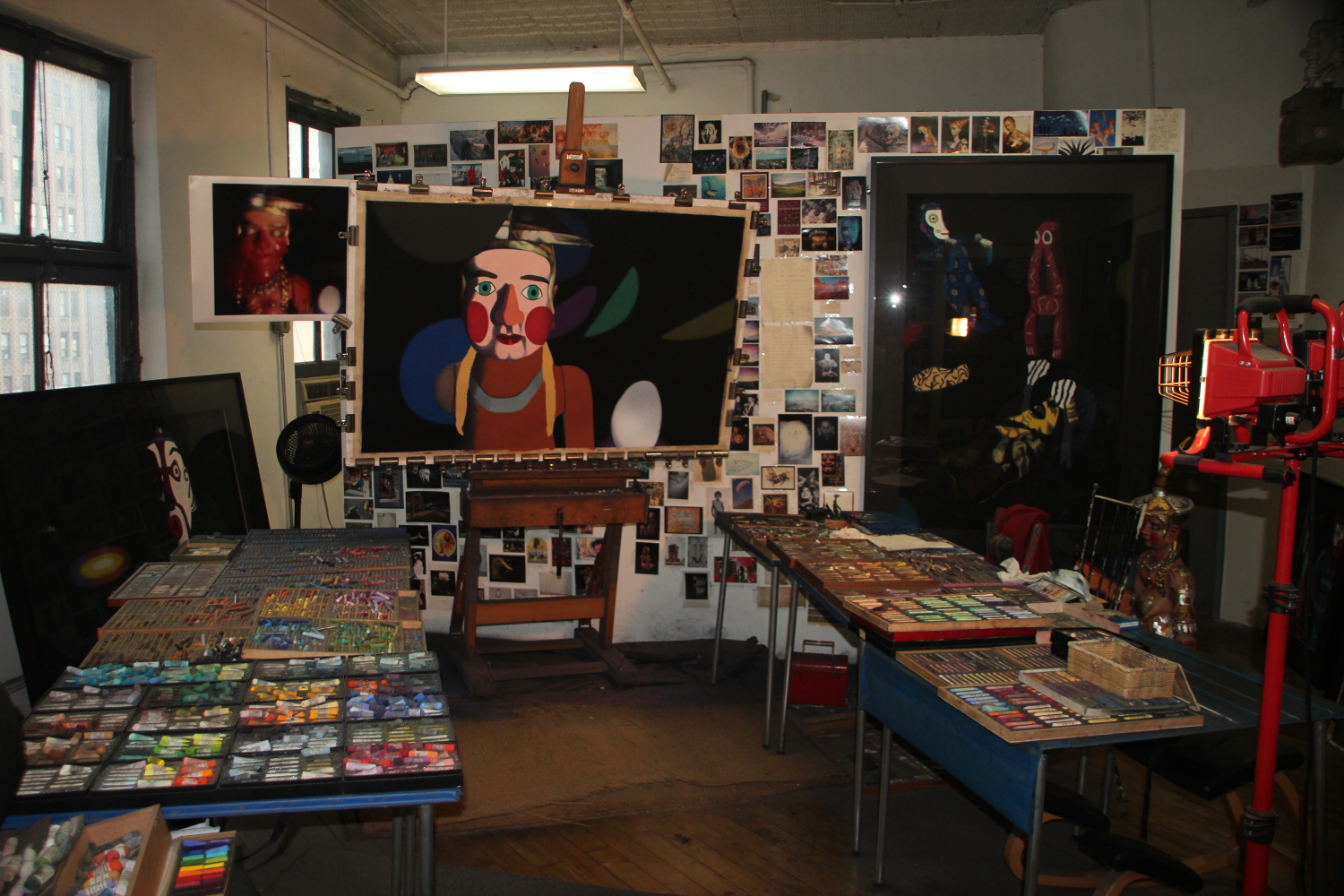
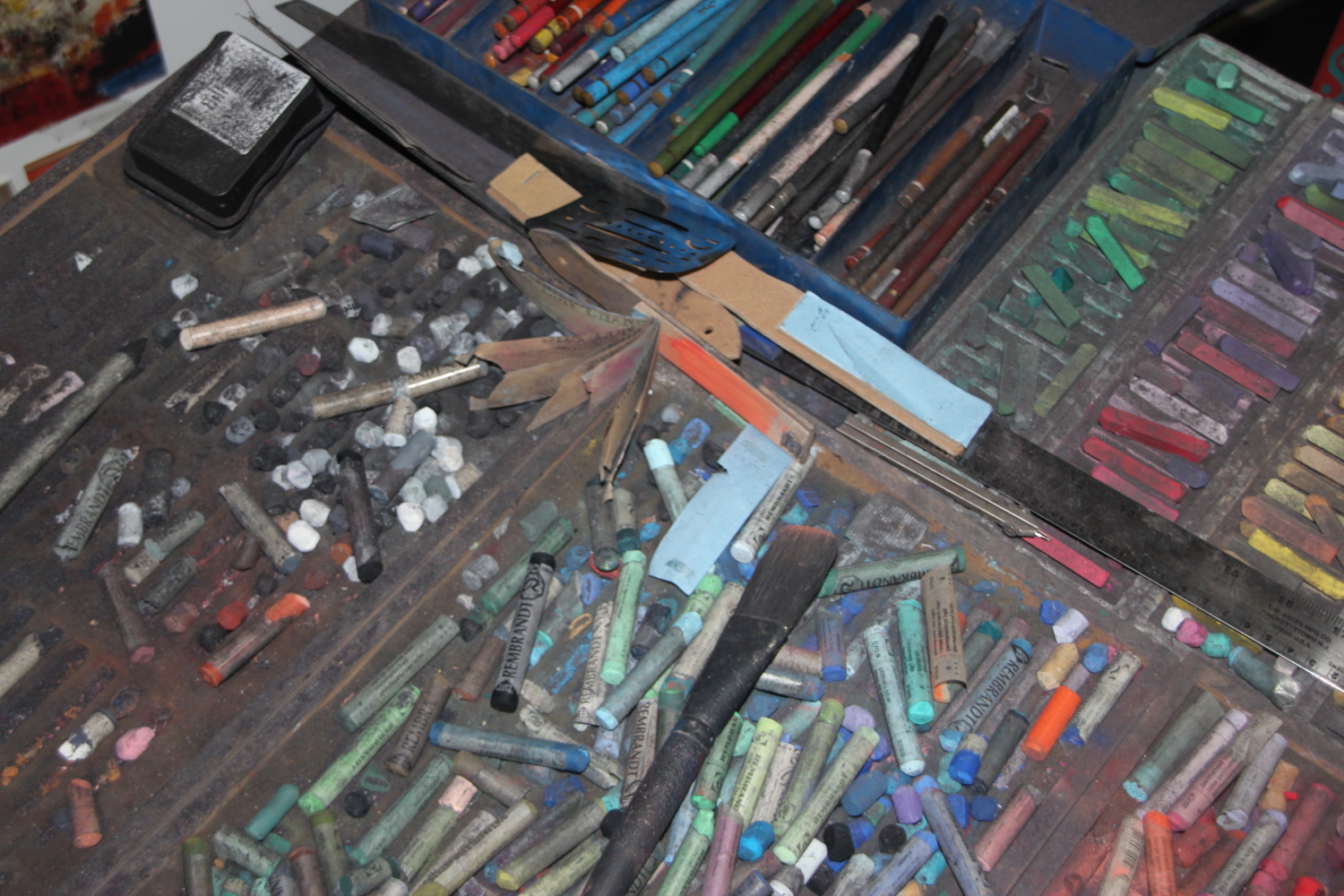
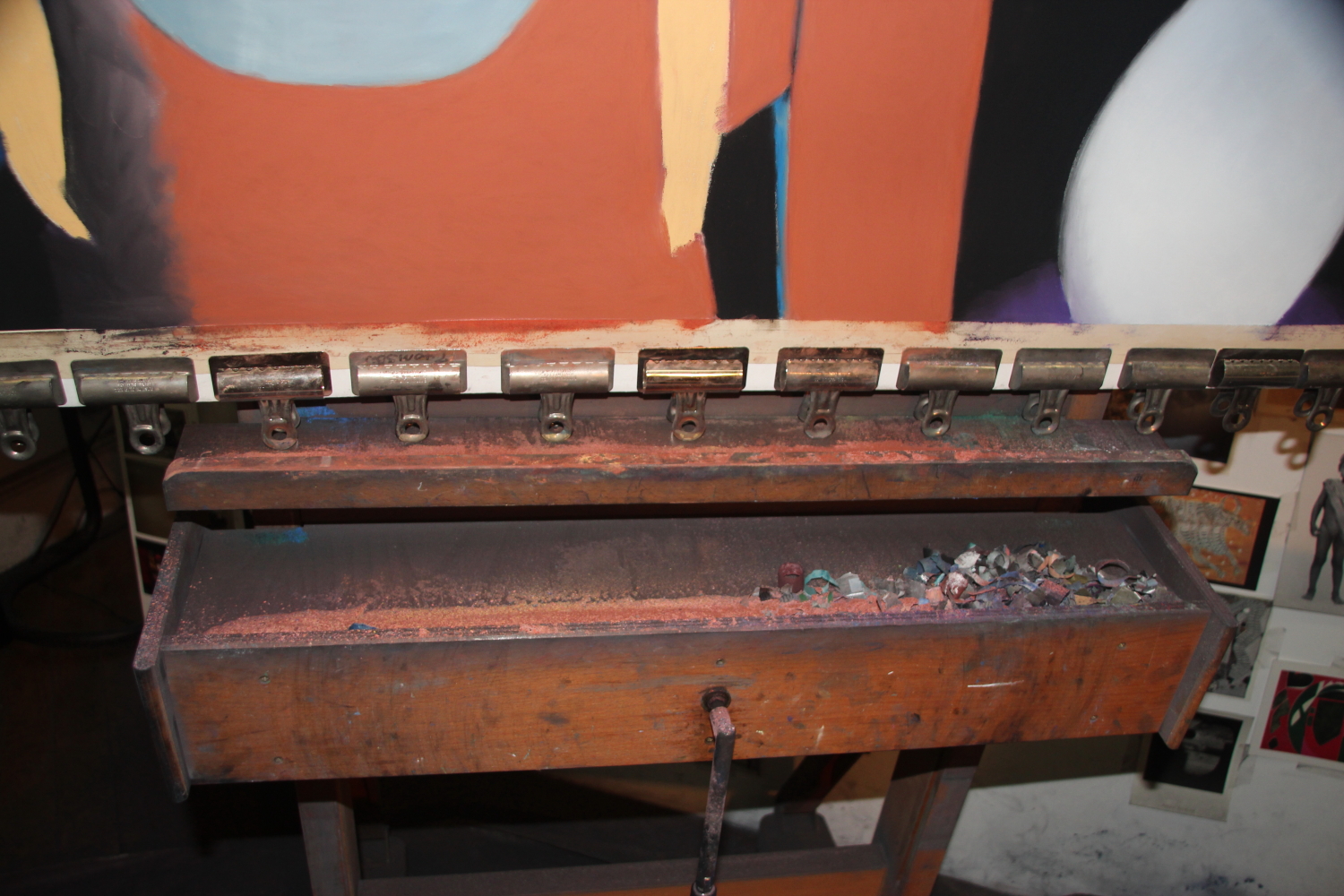
The first photograph below is of a carved wooden figure found in Mexico City at Eugenio’s, my favorite mask store in Mexico. She is part of a male-female pair. The second image is my 20″ x 24″ photograph of her, the starting point and reference for the painting. The next five photographs, I think, are self-explanatory. Questions are welcome, as always.
Q: If your “actors” could talk, what might they say about you as a director?

“He Was So in Need of Botany,” soft pastel on sandpaper
A: I hope they would say that I am very focused, devoted to doing the best work possible, that I know exactly what I am after, and that I use all the skills and knowledge I have acquired over many years as a painter and a photographer to make art that is worthwhile and meaningful.
Q: Your paintings are full-blown productions. You take great care to not only cast them, but to choose the right sets and lighting for them. Would you consider making films?
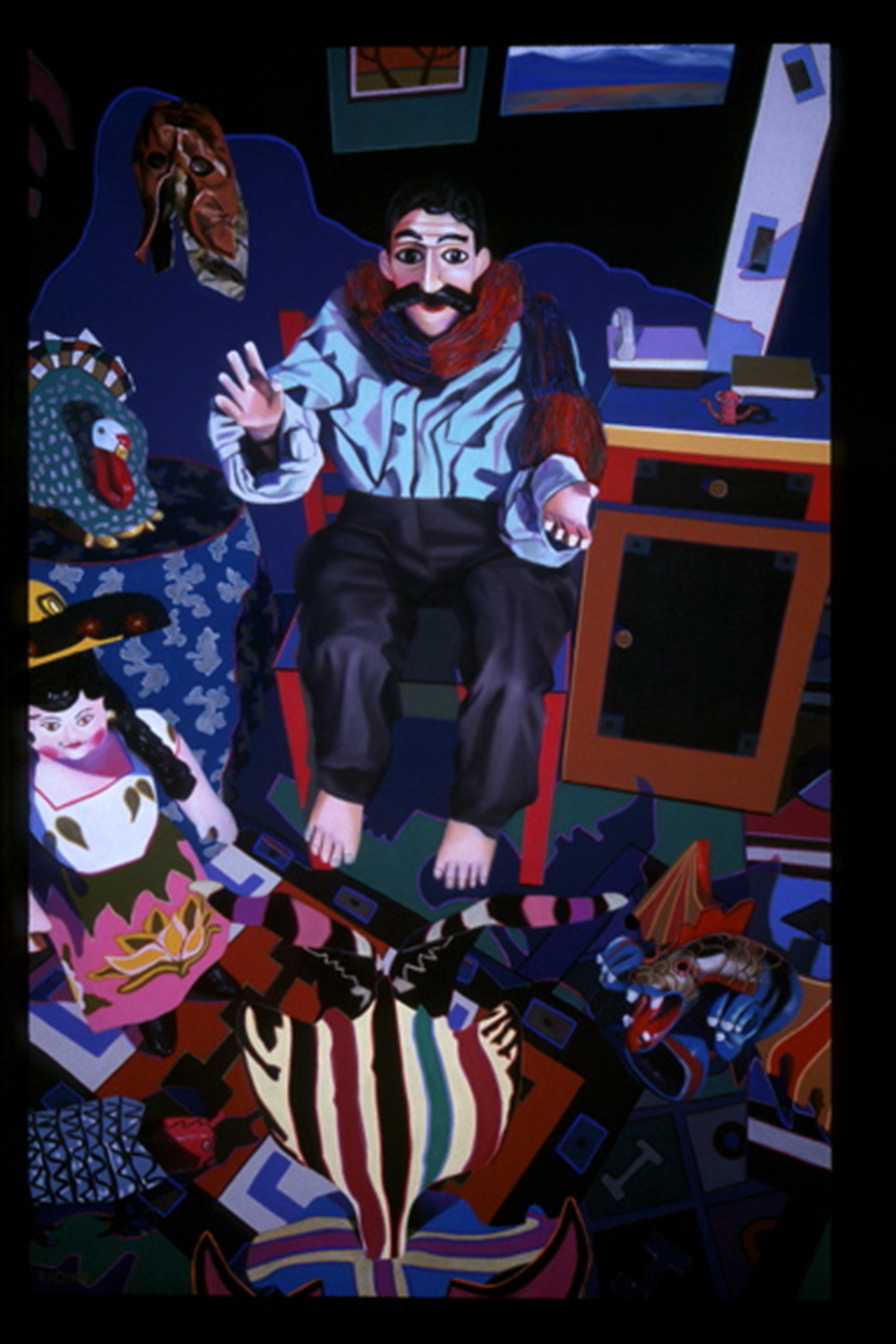
“Truth Betrayed by Innocence,” soft pastel on sandpaper
A: In the late 1990s I seriously considered it – I studied film at the New School and at New York University – but ultimately I decided to stay with painting. A well-made film will be seen by more people than a painting ever will, but the finances of making it are daunting. Historically visual artists have achieved mixed results when they have turned to filmmaking. Cindy Sherman was not very good at it, but Shirin Neshat’s feature film was very good. Julian Schnabel is arguably a much better filmmaker than he ever was a painter. Most importantly for me, filmmaking is a very complex collaboration. I love the time I spend alone in my studio and prefer having control over and being fully responsible for the results. It would be difficult to give this up.



